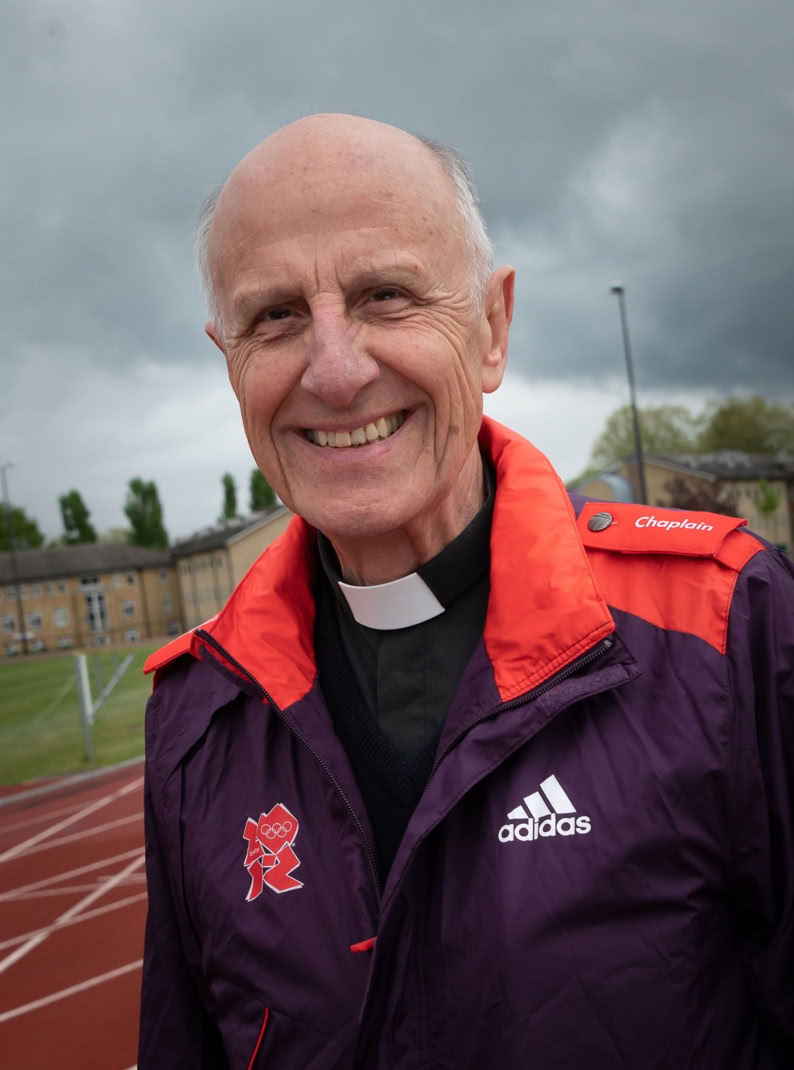
Prof. Msgr. Vladimir Felzmann aka Father Vlad
still working to help God make this World a better place
16/01/2026
There seem to be four types of courage:
Physical Courage: To keep going with resiliency, balance and awareness, even while feeling the painful discomfort of fear.
Social Courage: To be yourself unapologetically.
Moral Courage: Doing the right thing even when it's uncomfortable or unpopular.
Emotional Courage: Feeling all your emotions (positive & negative) – and doing what needs to be done.
Courage and valour both refer tobravery and the ability to face difficulty or danger, but with slightly different nuances.Courage is the broader term encompassing the willingness to confront fear, pain, or uncertainty in any situation.Valour, particularly in British English, is often associated with heroic courage, especially in battle.
Theclassical virtueof fortitude (andreia,fortitudo) is also translated as "courage", but includes the aspects ofperseveranceandpatience.In the Western tradition, notable thoughts on courage have come from philosophersSocrates,Plato,Aristotle,Aquinas, andKierkegaard; as well as Christian beliefs and texts.
Socrates, arguing thattrue courage is not merely a matter of physical bravery or endurance, but also involves knowledge and understanding of what is truly worth fearing and what is not.He ultimately suggests that courage is a form of wisdom, specifically wisdom about what is truly fearful and what is not.
Courage, according to Plato,is not merely about facing danger. It encompasses a deeper understanding of knowledge, virtue, and moral integrity.
Aristotle defines courage asa virtue that resides in the mean between two extremes: rashness (excessive confidence) and cowardice (excessive fear).It is not merely the absence of fear, but the ability to feel and act rightly in the face of fear, particularly in situations involving potential harm or death, especially in battle.
Courage, for Aristotle, is not about being fearless, but about having the right amount of fear for the right reasons, in the right way, and at the right time.
St. Thomas Aquinas, drawing from Aristotle,viewed courage (fortitude) as a cardinal virtue that enables one to face adversity and persevere in the face of fear and difficulty, not just on the battlefield, but in all aspects of life.It's about holding firm to what is good and reasonable, even when faced with obstacles or potential harm.For Aquinas, courage also involves enduring suffering and maintaining a steadfast spirit in the face of challenges, including the trials of daily life.
Kierkegaardviewed courage as a central virtue, particularly in the context of faith and the individual's existential journey.He saw it as the ability to confront the unknown, grapple with anxiety, and make passionate, authentic choices in the face of uncertainty, rather than succumbing to despair or the comfort of established norms.He distinguished between different types of courage, including the "humble courage" of faith, which involves embracing the paradoxical and absurd, and the "purely human courage" to renounce the temporal for eternity.
In the Tao Te Ching,courage is not about bravado or aggression, but rather about inner strength, self-awareness, and aligning with the natural way(Tao).It emphasizes the importance of mercy, frugality, and not being first as foundations for true courage and leadership.A brave person, in the Taoist sense, is one who can live authentically, facing challenges with resilience and inner peace, rather than being driven by fear or aggression.
In case you wondered, theTao Te Chingis aChinese classic textand foundational work ofTaoismtraditionally credited to the sageLaozi, though the text's authorship and date of composition and compilation are debated.The oldest excavated portion dates to the late 4th centuryBCE
In the Hindu tradition, mythology has given many examples of courage; with examples of both physical and moral courage exemplified. In the Eastern tradition, the Chinese textTao Te Chingoffers a great deal of thoughts on courage; both physical and moral.
The VC was introduced on 29 January 1856 byQueen Victoriato honour acts of valour during theCrimean War. Since then, the medal has been awarded 1,358 times to 1,355 individual recipients. Only 15 medals, of which 11 to members of theBritish Armyand 4 to members of theAustralian Army, have been awarded since theSecond World War.
The VC is highly prized and has been valued at over £400,000 at auctions.[
Motivations behind courage can be mixed. They may include pride, ambition to overcome challenges, duty, even vanity.
Many people are motivated to act courageously when faced with injustice or situations that conflict with their core values.
Courage is needed to pursue ambitious goals, overcome obstacles, and persevere in the face of setbacks.
Having the courage to be true to oneself, even when it's difficult, is a powerful motivator.
Stepping outside of one's comfort zone and taking risks can lead to new experiences and opportunities.
Courage allows individuals to bounce back from adversity and setbacks, learning from mistakes and moving forward.
Hearing stories of courageous individuals can inspire others to act with bravery in their own lives.
Being around courageous people – and feeling we are one of them - can create a culture of bravery and encourage others to take risks.
Having guidance and support from someone who has demonstrated courage can empower others to overcome their fears.
Courage is often about recognizing that the potential consequences of inaction are worse than the fear itself.
In essence, courage is not the absence of fear, but rather the ability to act in spite of it, fuelled by a belief in something greater than oneself.
Prof. Msgr. Vladimir Felzmann aka Father Vlad
send Father Vlad a message
msgr.vladimir.felzmann@gmail.com
+44 (7810) 116 508
copyright Prof. Msgr. Vladimir Felzmann