

|
|
Use these navigation links to move between the Year 2025 pages. Specific pages can be accessed at the bottom of this page
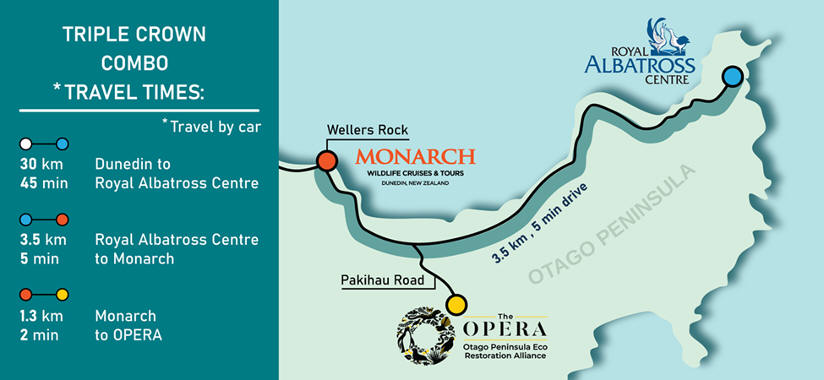
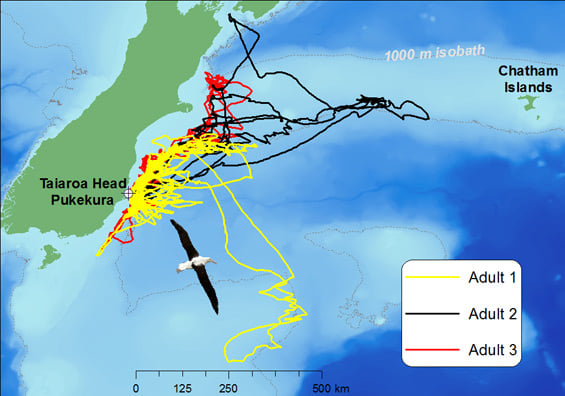
January 2025 (Part 19) New Zealand Trip - Day Eighteen: Dunedin The next morning we met Matthew and Kim for breakfast at a place both they and David really enjoyed. We then headed out to the end of the Otago Peninsula and the Royal Albatross Centre. Of the 21 or 22 recognized albatross species, only the Northern Royal Albatross nests on inhabited land, at the Taiaroa Headland at the end of the Otago Peninsula outside Dunedin. They are the world's largest seabird, with wing spans of three meters (nearly ten feet). They spend most of their lives (85%) at sea, well away from land or humans and traveling great distances from their breeding grounds to feast on squid and octopus near the surface. They may travel 190,000 km a year ranging over the Southern Ocean, using a process called dynamic soaring, where they lock their wings in place with little flapping, flying into the wind to gain height, then turning downwind to gain distance, creating a distinctive S-shaped pattern across the ocean. Their solo travels eventually lead them back each year to reunite with their lifelong mates, where after numerous mating attempts, they hopefully lay a single egg in early November (normally only every other year), with an incubation period of 80-days. The first chicks had just hatched a couple days before we arrived. The parents will help raise them until they are able to fly and feed on their own by September, then the adults will leave for a full year to regain body weight before returning again. They only return to land to breed and raise young. Royal albatrosses are some of the longest-lived birds in the world, regularly living into their 40s. One bird at Taiaroa known as ‘Grandma’, raised her last chick at the age of 62. They are a taonga or sacred symbol species to the Maori (like the kiwi), highlighting their cultural significance. For example Moriori of the Chatham Islands wear plumes (raukura) of hopo (the local name for toroa) to signify their allegiance to the pacifist principles of the chief Nunuku Whenua. Taranaki iwi likewise wear toroa feathers to signify loyalty to the Parihaka prophet Te Whiti O Rongomai, a pioneer of non-violent civil disobedience. Chatham Islands royal albatross populations have a long history of traditional harvesting. By 1921 the birds were fully protected and hunting them was illegal. Applications to harvest albatross have been made from 1993 to the present day. None have been granted. The nesting area on the headland at Taiaroa Head on the Otago Pensinsula is a 'hot spot' - a sheltered area where summer ground temperatures can reach 50 degrees Celsius. These conditions aren't ideal for a genus that's far better adapted to sub-Antarctic conditions, but they chose this place. There is now a sprinkler system that on hot days sprays water over the nest to cool the bird and prevent previous deaths from over heating. Hot conditions during hatching is a major problem as adults will stand up to cool themselves, leaving the egg exposed to risk of fly strike, where fly eggs or maggots kill a chick during the up to 6 days it takes to complete the hatch. Staff hatch all the chicks in incubators leaving a dummy egg in the nest. The nest is sprayed with Avian Insect Liquidator (AIL) when the hatching egg is removed and on return of the day old chick who has had AIL applied also. This has significantly reduced fly-strike. Predator traps for feral cats and mustelids are used for what is probably the longest running predator control program in New Zealand. Supplementary feeding of chicks is important if a parent goes missing before the chick fledges. A chick may die of starvation otherwise as it takes two parents all their energy to raise one chick, and then they need a year off from breeding. Increasingly chicks with both parents are being supplementary fed if for some reason the parents do no bring back enough food for them to survive the winter. Nancy had found a "Triple Crown Combo" package which included the Royal Albatross Center along with a nature cruise and a visit to a penguin colony and rehabilitation center.
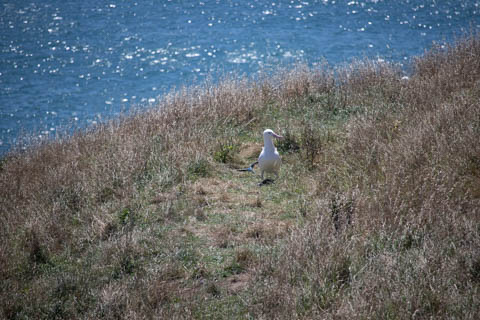
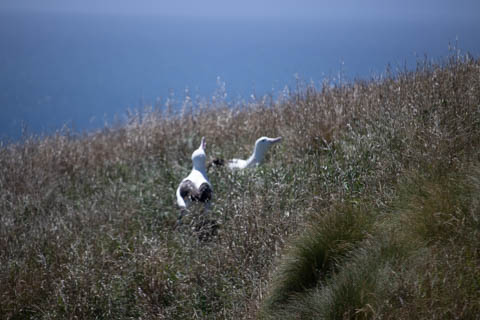
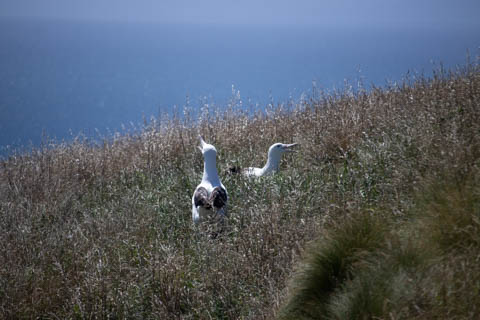
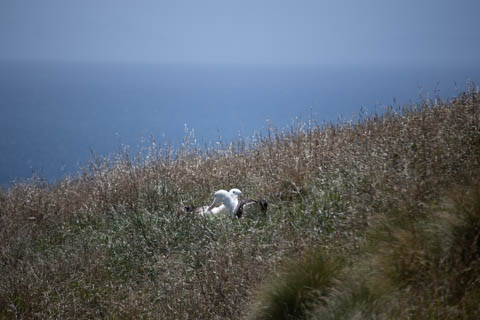
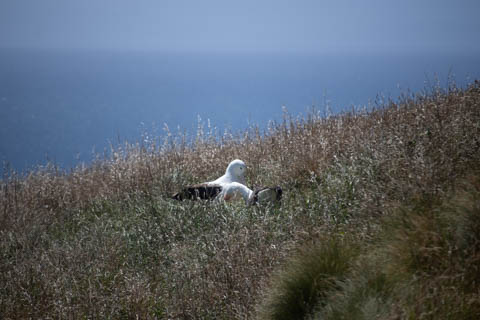
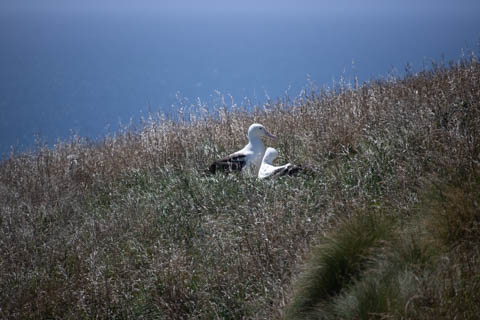
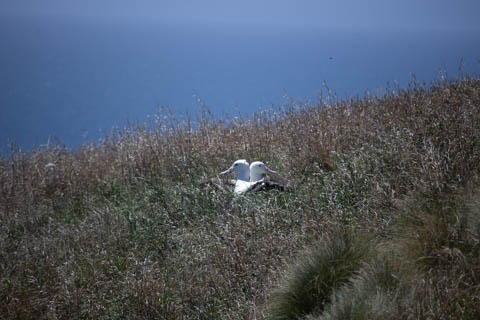
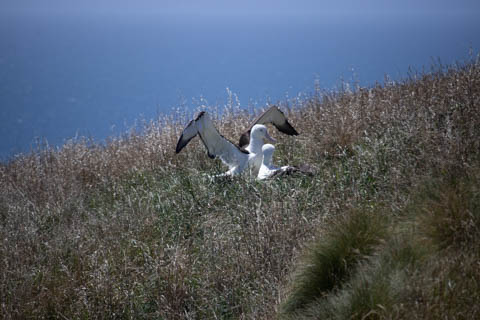
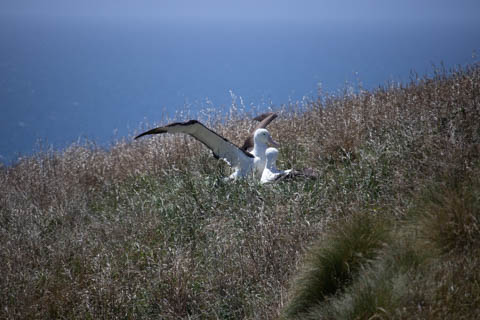
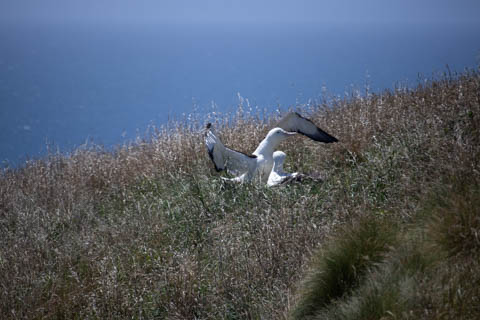
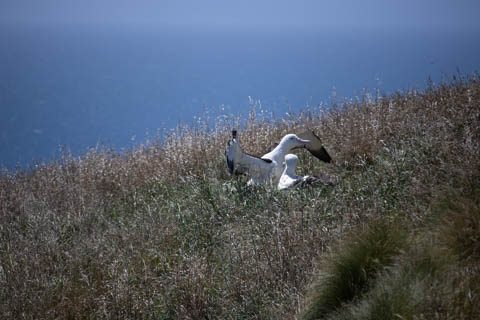
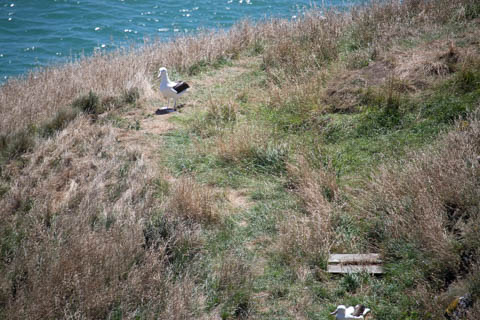
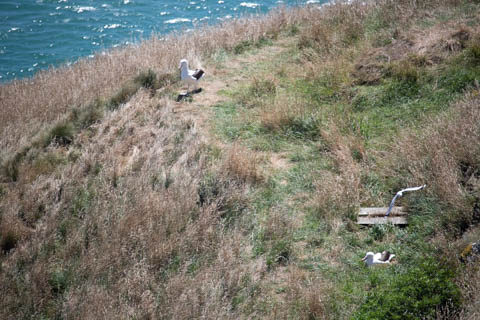
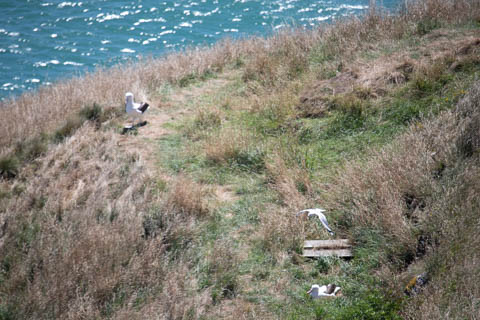
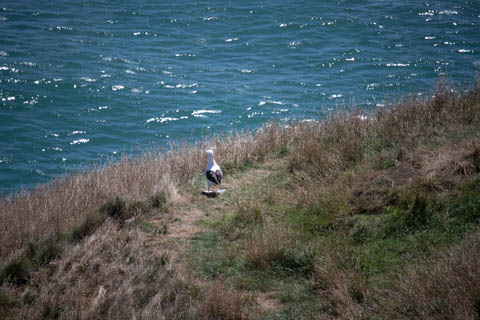
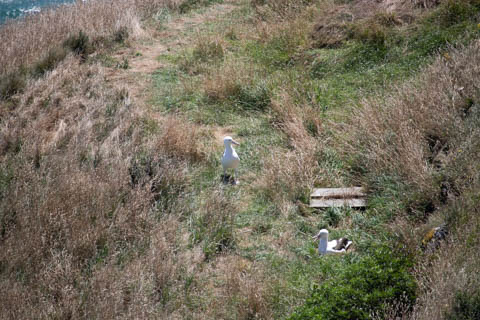
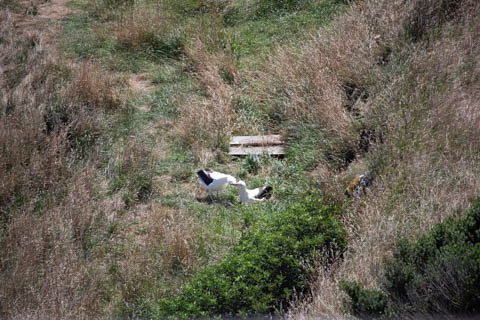
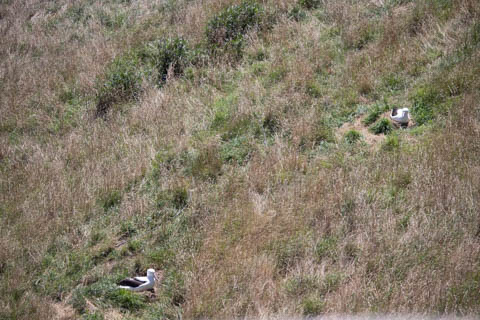
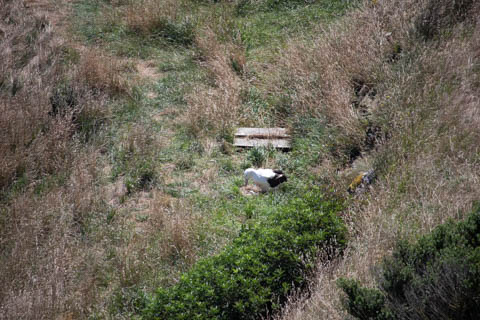
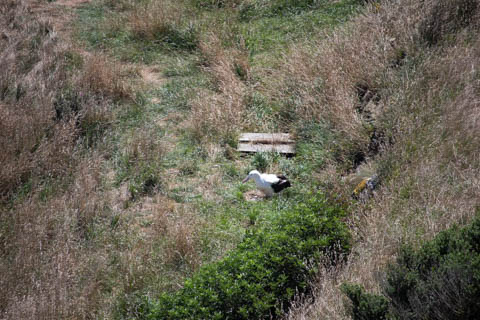
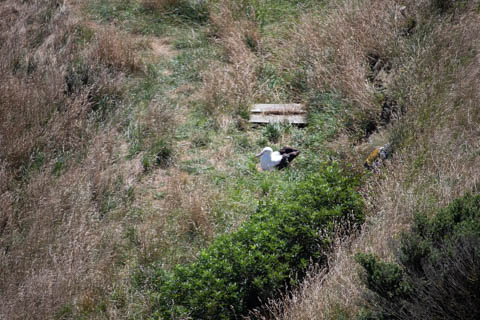
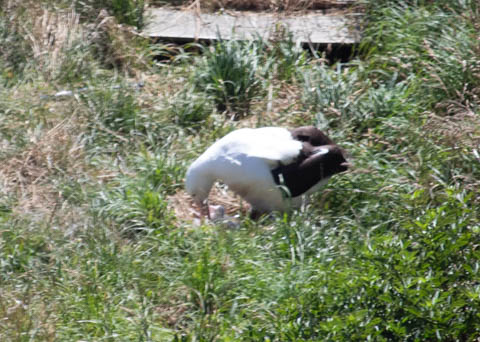
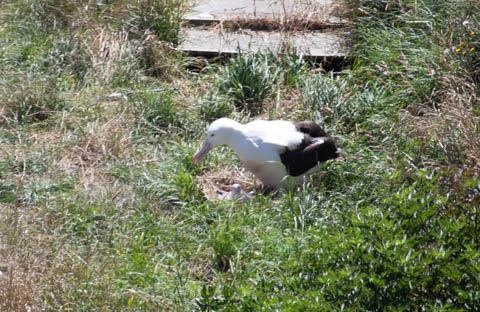
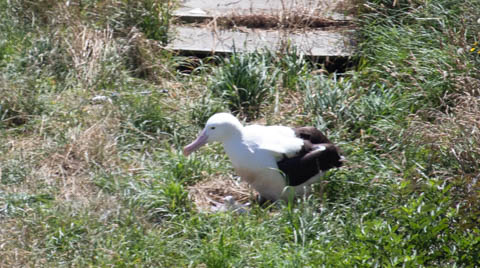
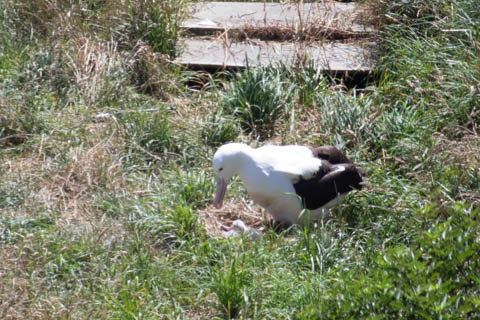
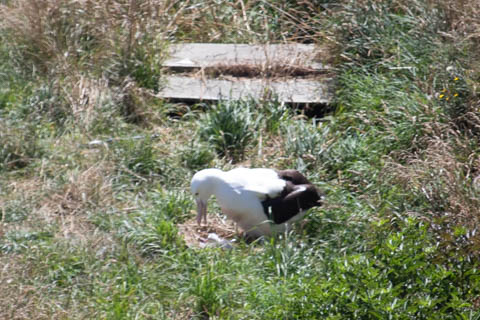
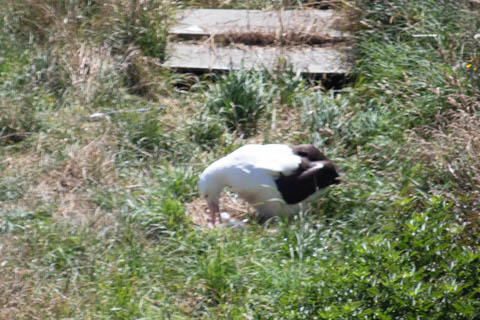
One bird was walking and eventually made his way to one of the nesting birds. Both birds then stayed together while we were there. While some of the bachelors occasionally interact with the nesting birds, Elie was sure this was a mated pair and they were (slowly) changing over which bird would be at the nest and which would go looking for food.
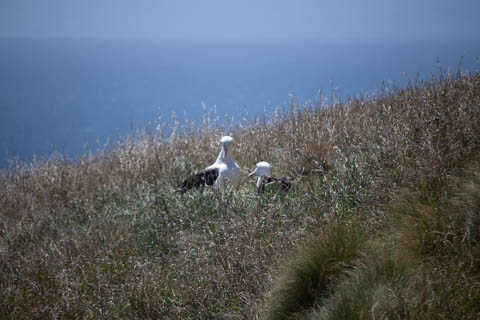
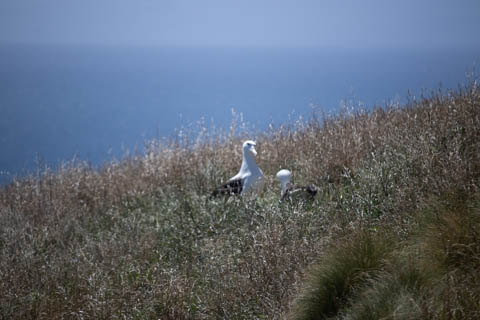
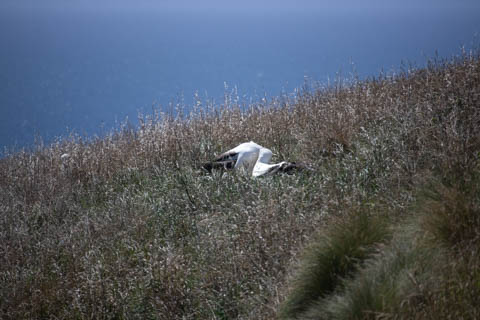
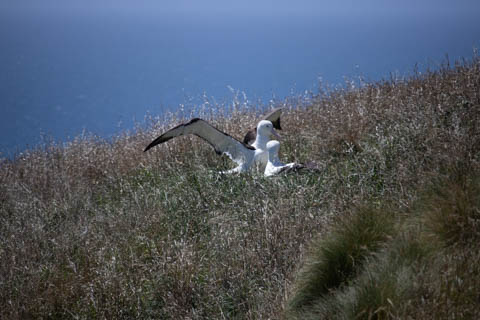
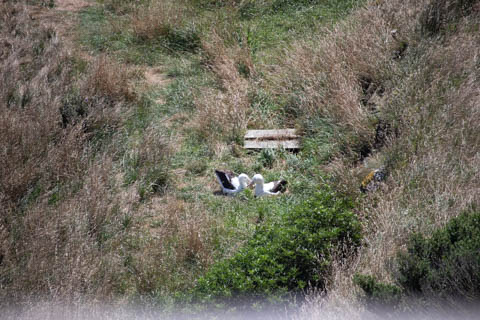
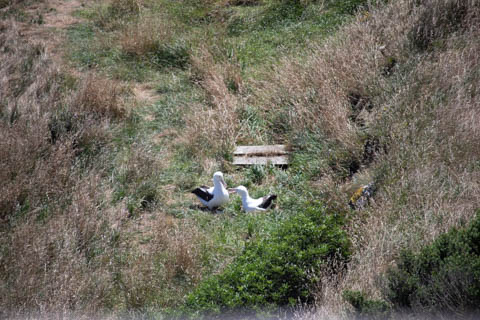
Some funny posing and interaction as they came together. We kept watching this pair on and off, wondering if one would head away and they would switch responsibility for their egg.
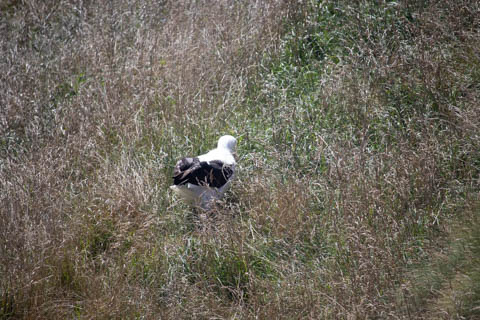
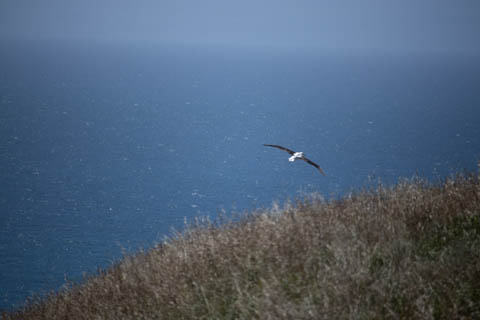
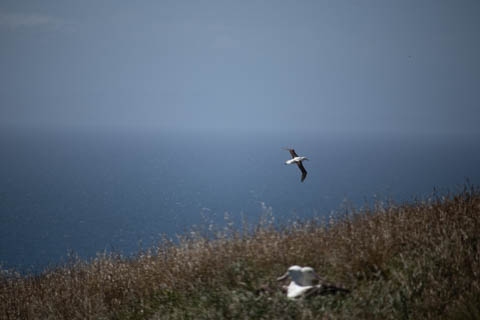
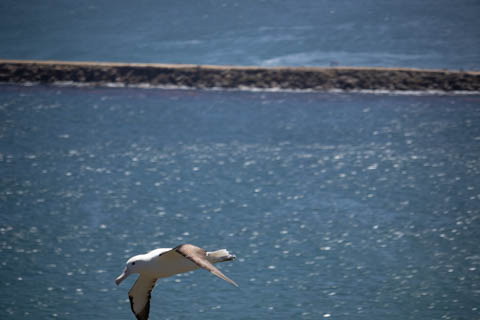
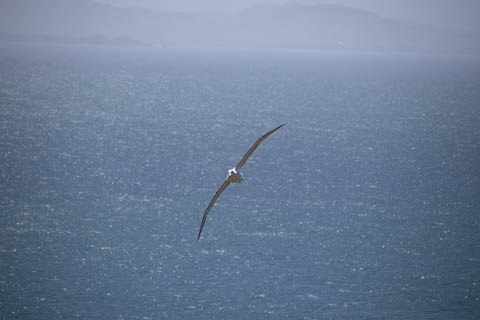
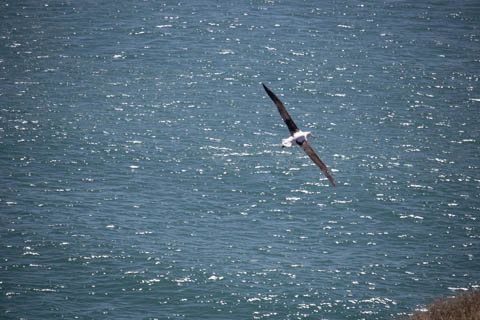
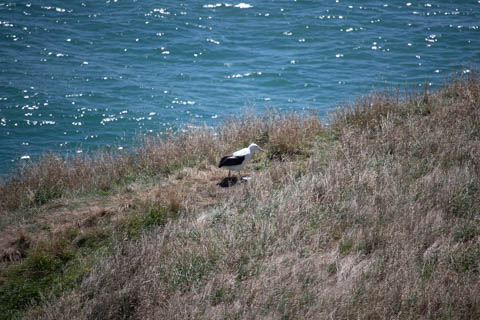
Another one on the move, with one that flew through the frame by chance.
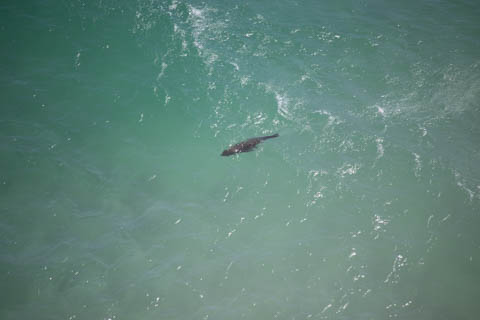
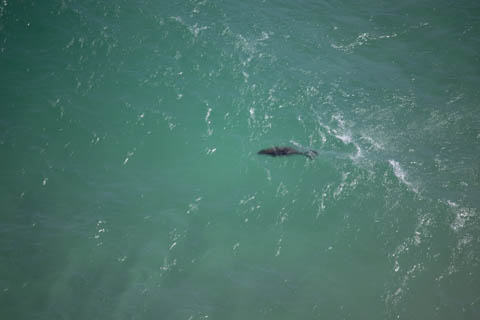
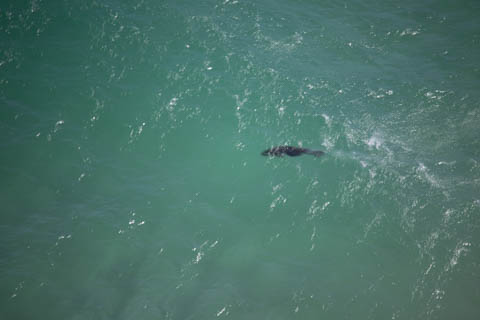
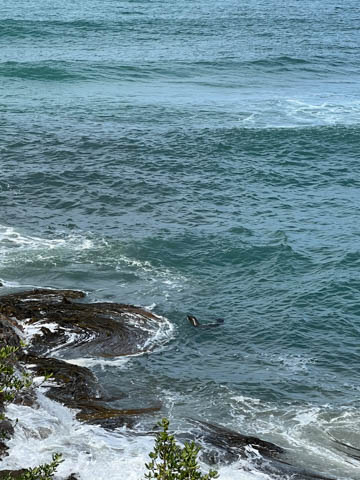
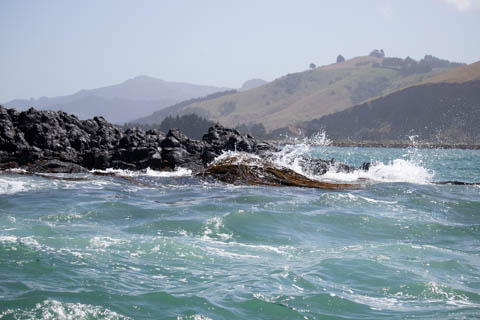
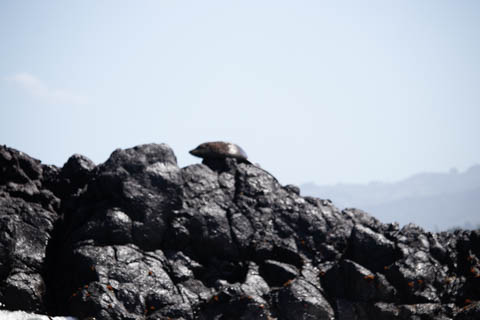
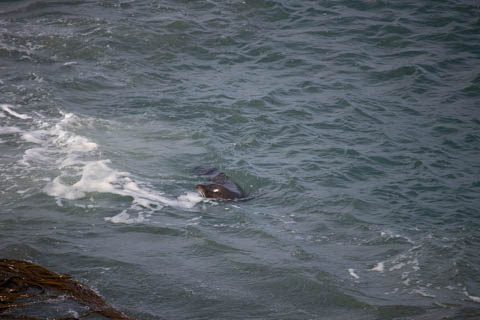
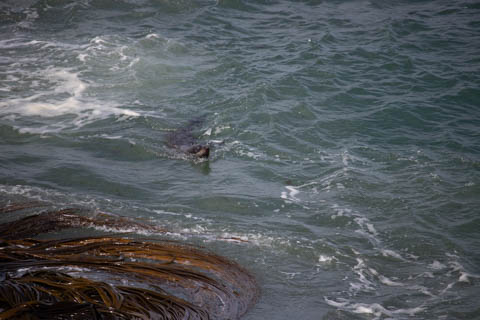
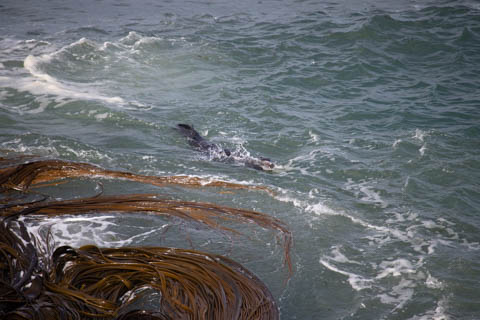
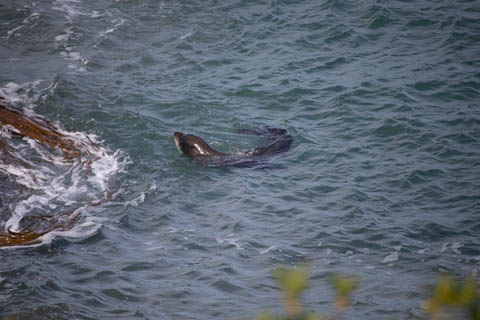
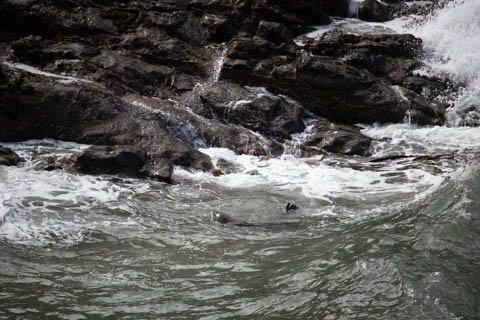
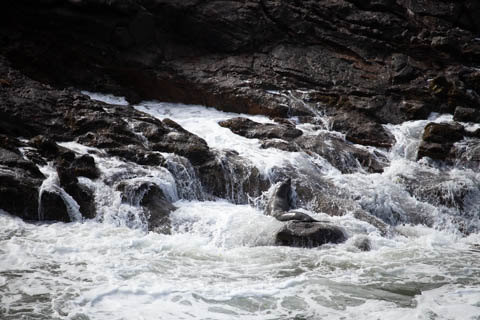
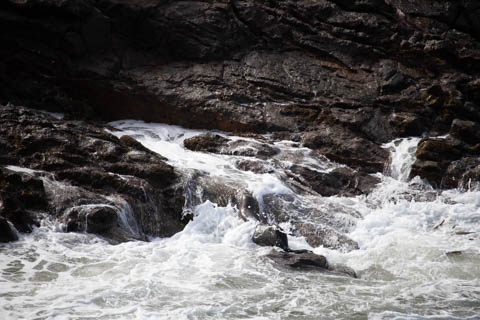
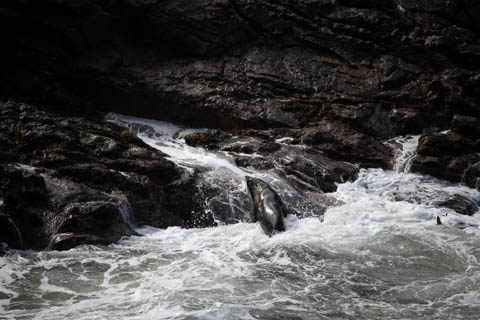
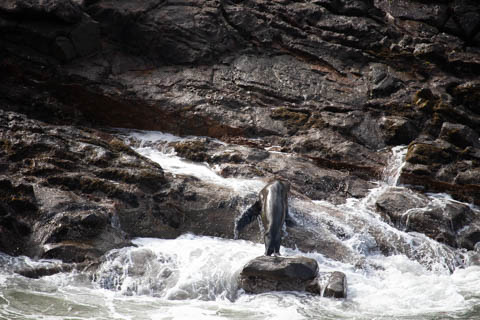
We could see some seals passing by in the water near the point.
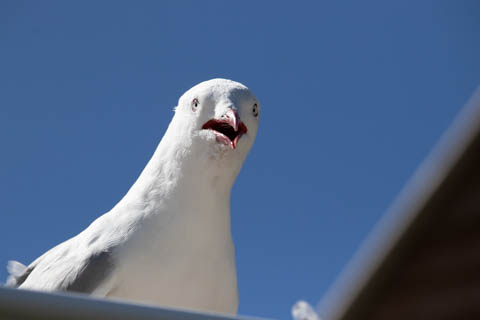
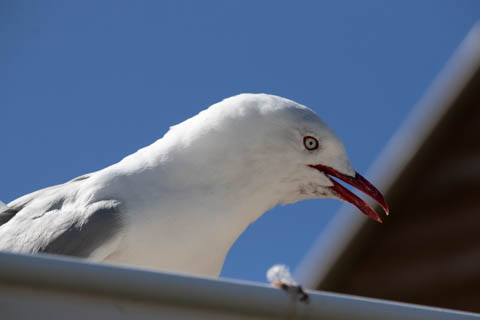
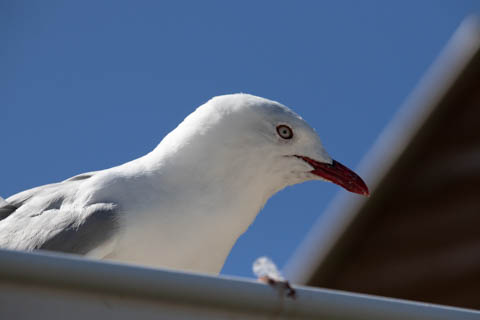
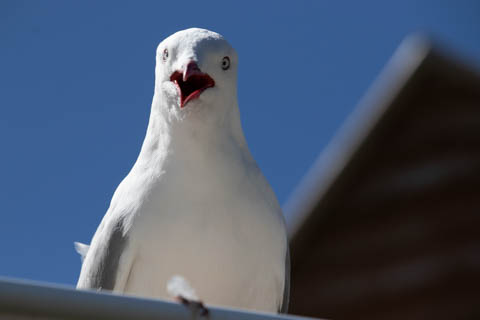
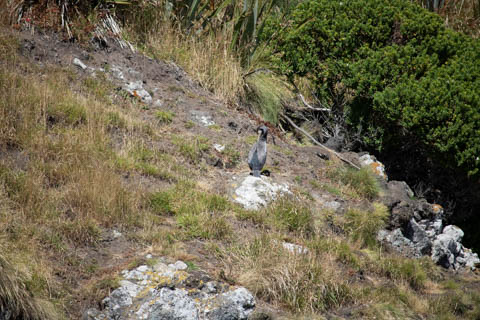
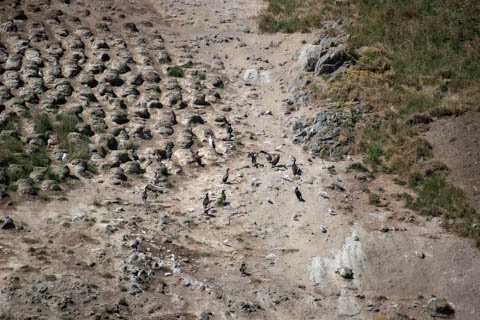
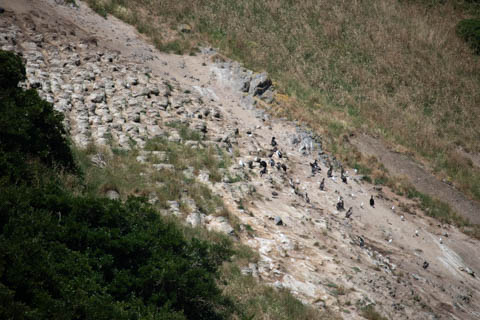
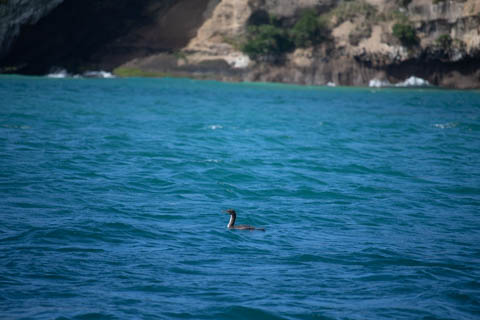
We also saw a couple other species, including cormorants (which they call shags) also nesting. Apparently there are 36 species of cormorants/shags, with twelve of them found in New Zealand.
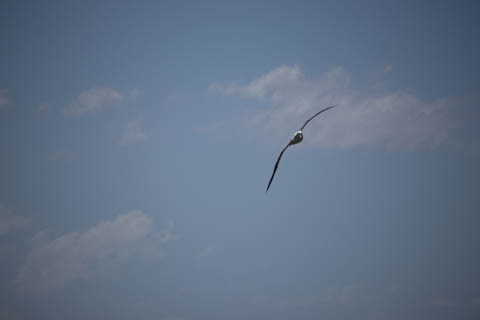
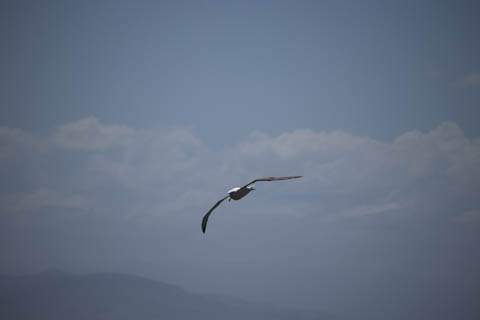
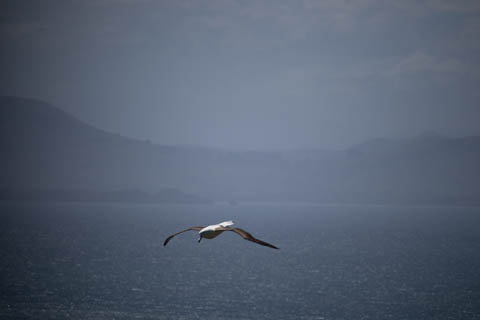
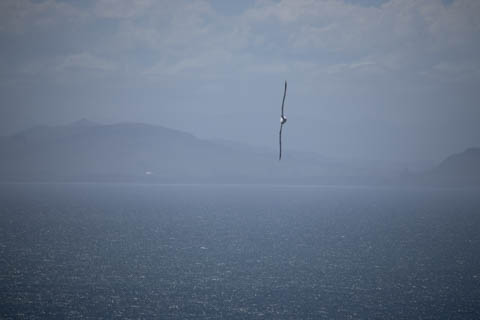
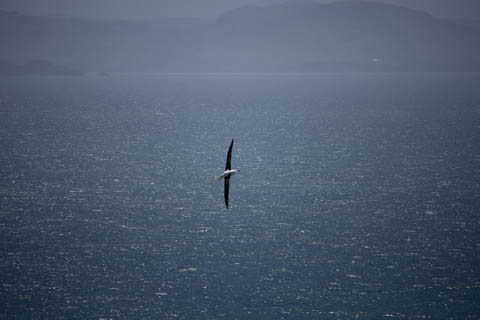
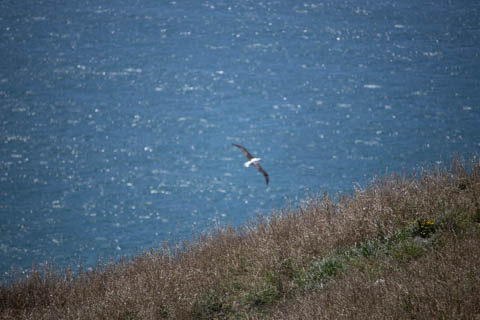
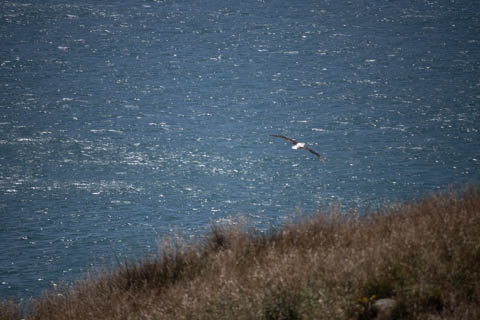
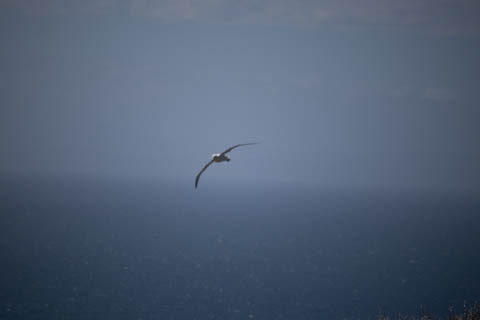
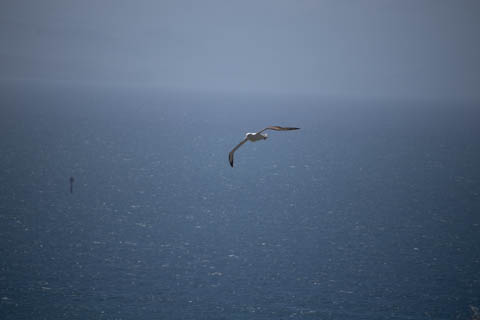
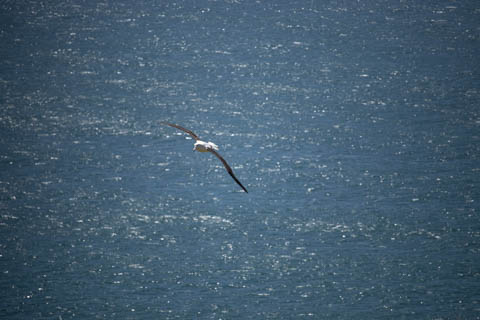
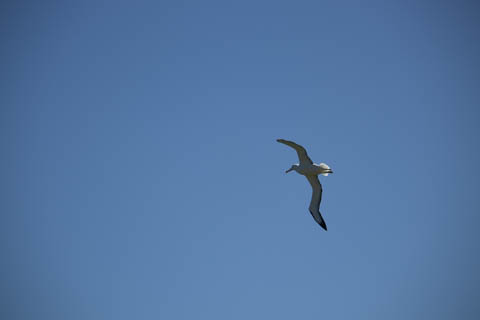
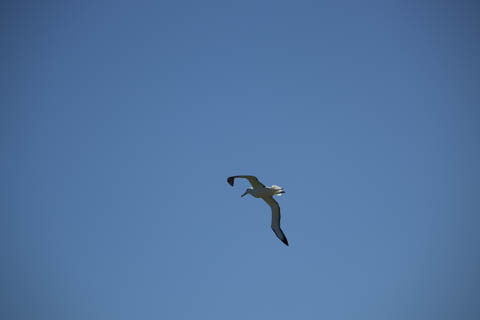
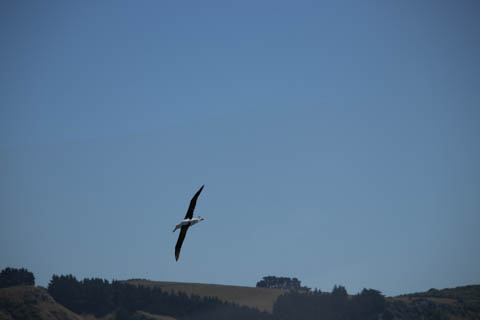
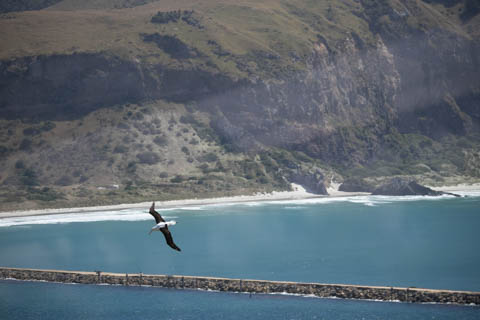
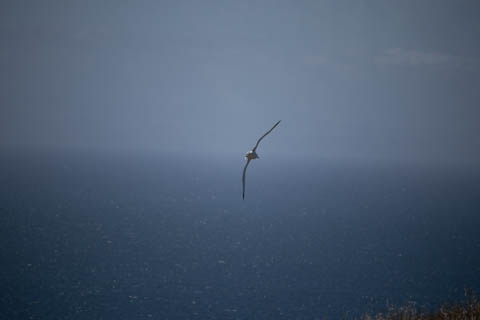
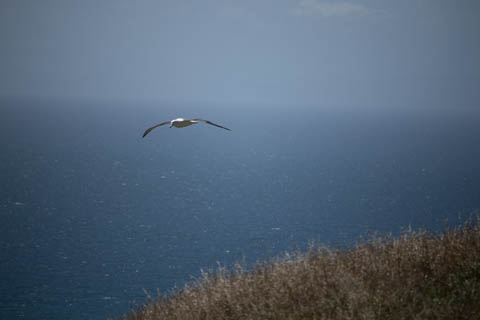
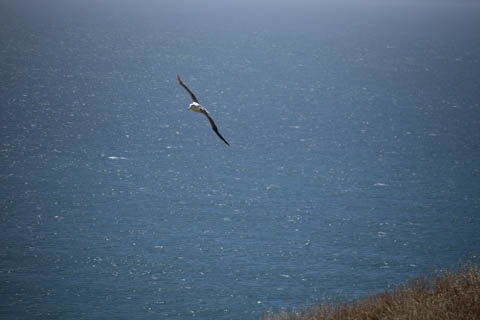
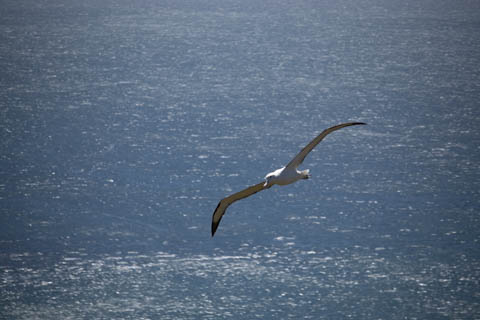
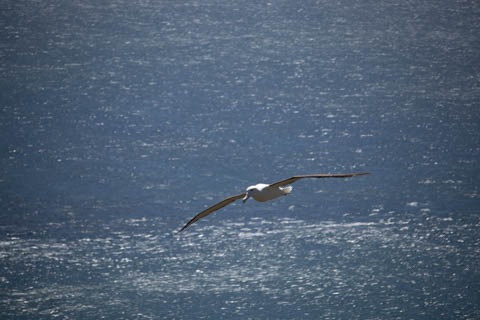
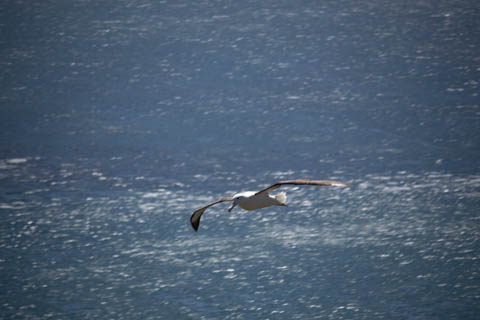
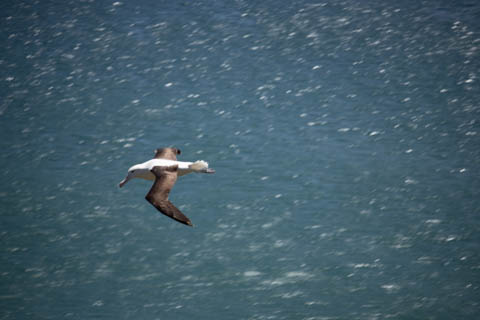
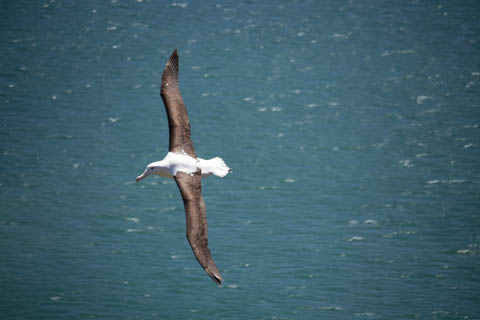
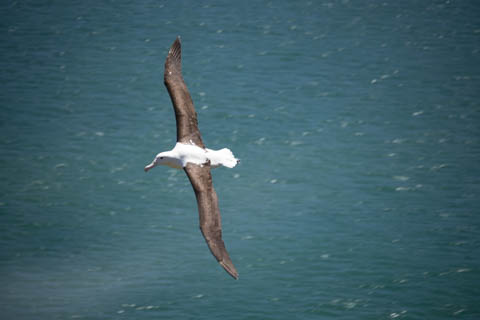
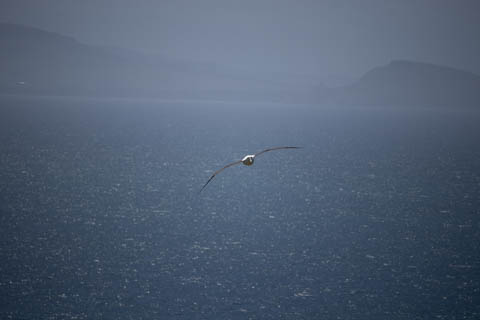
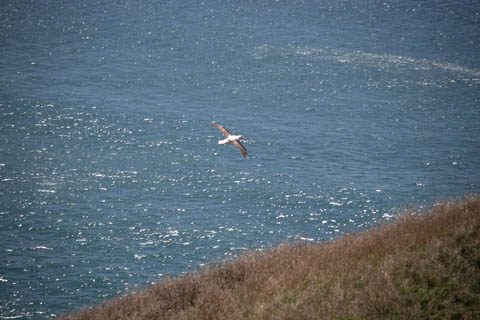
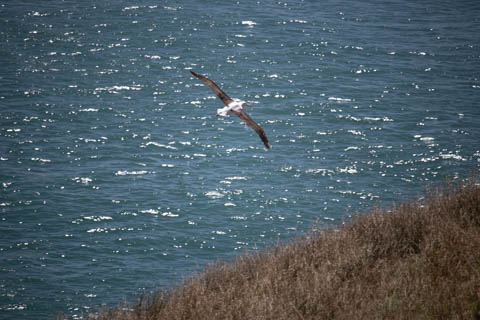
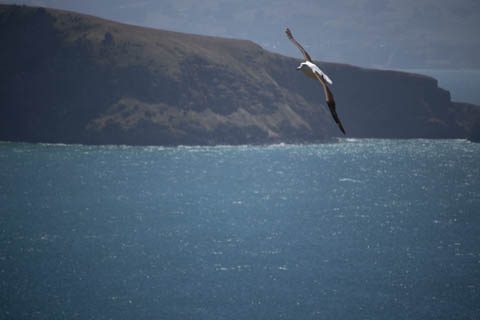
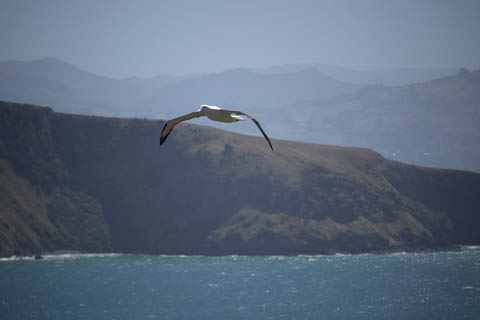
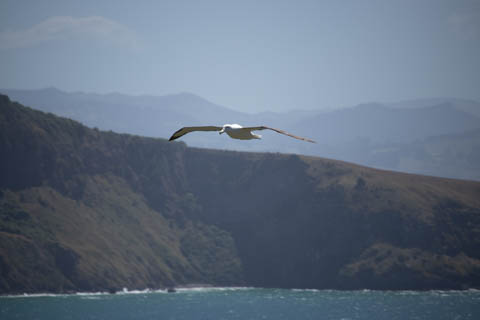
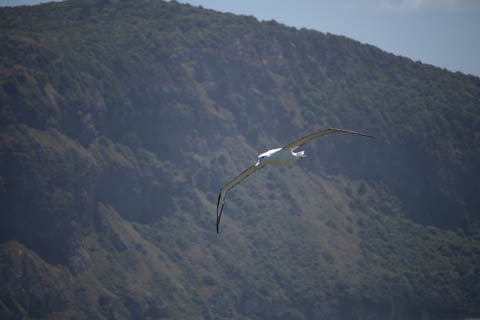
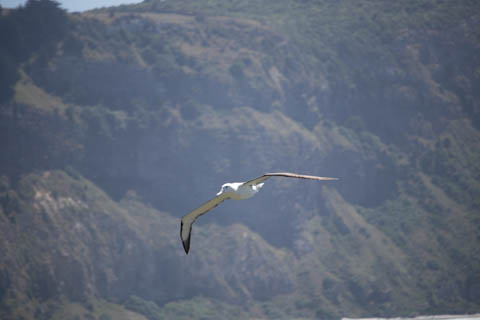
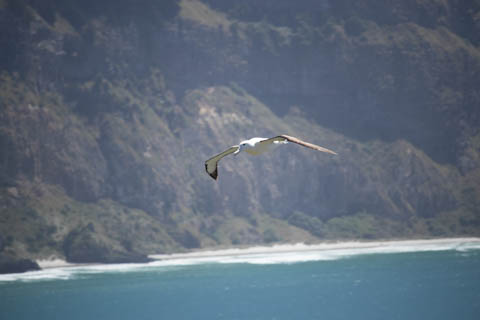
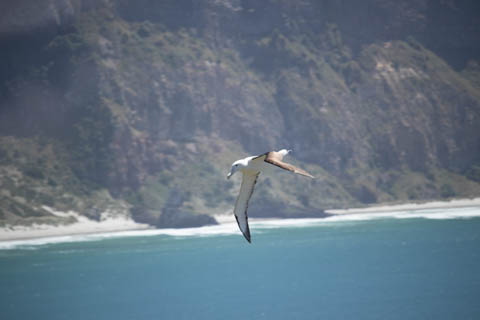
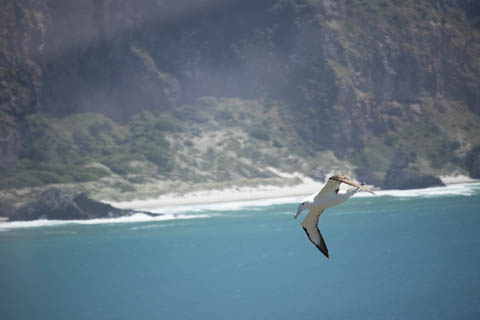
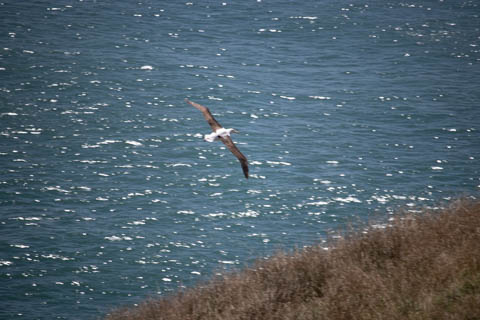
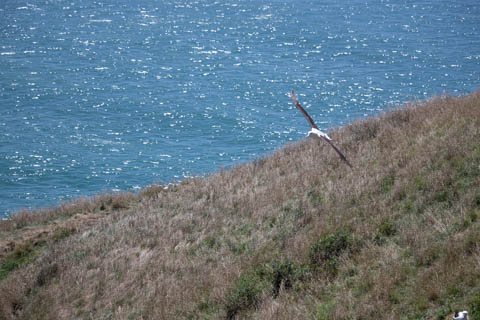
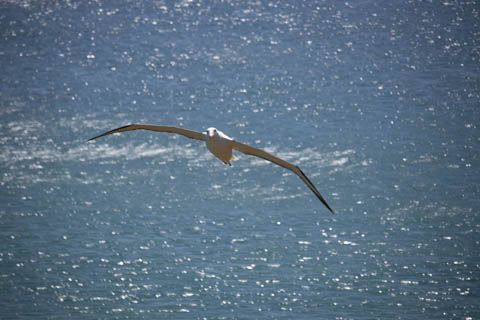
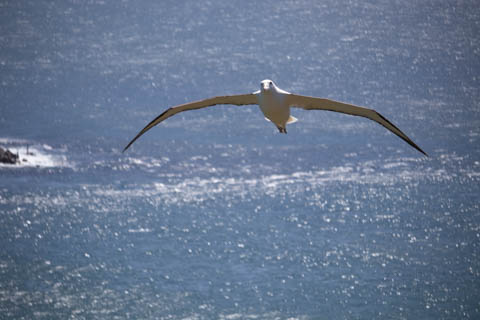
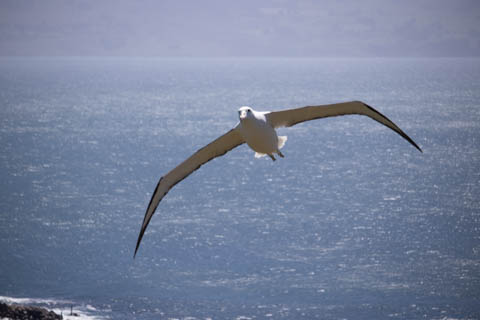
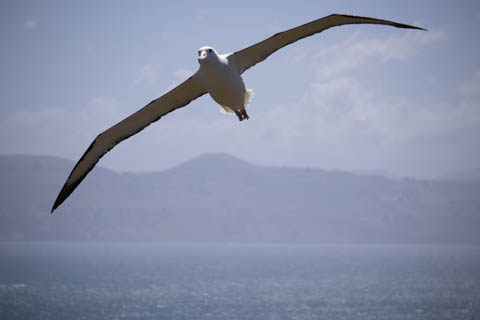
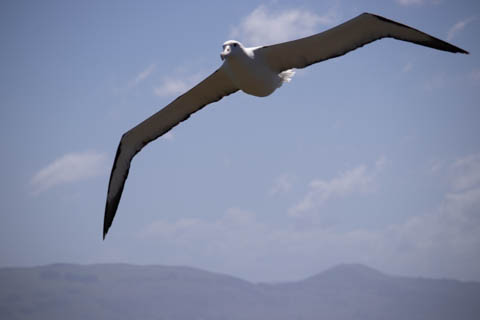
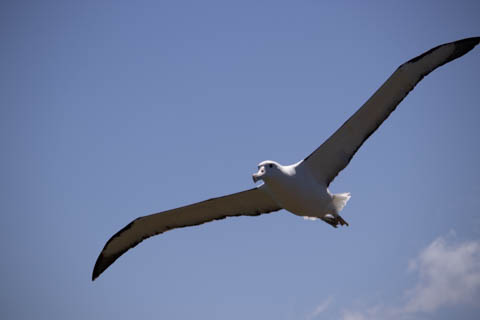
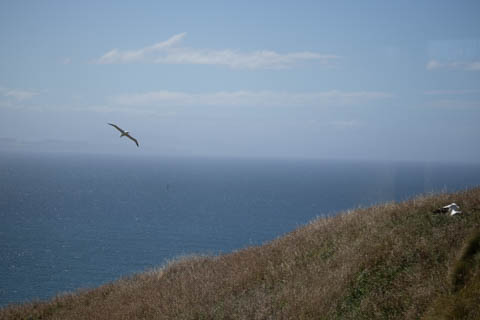
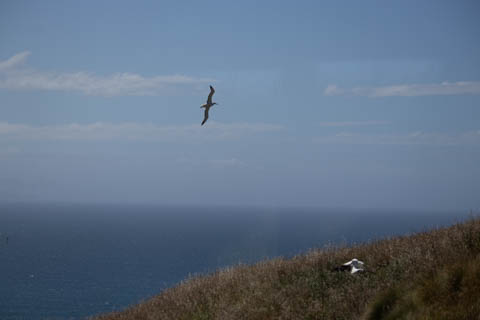
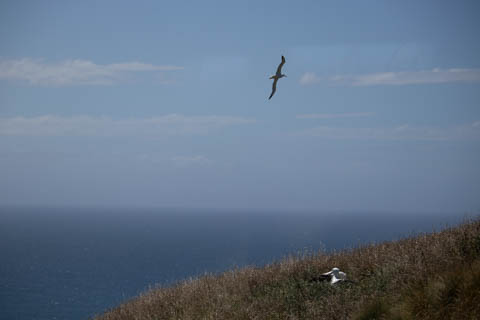
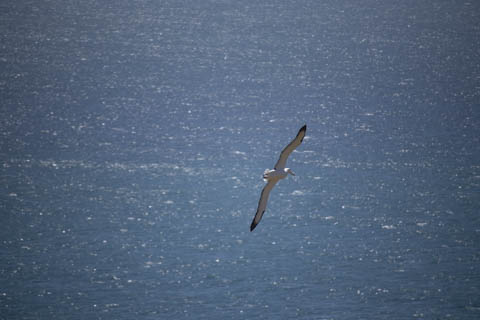
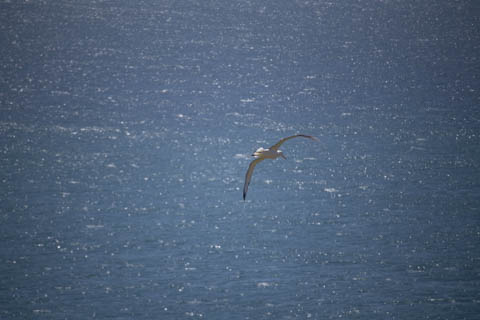
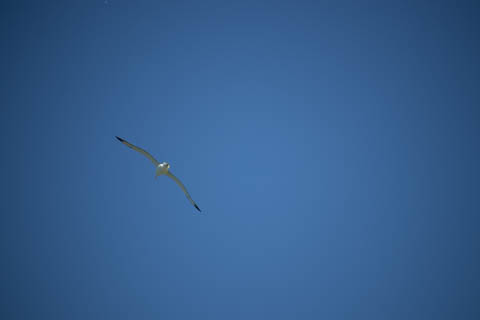
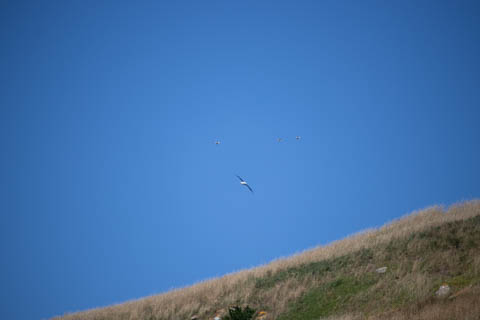
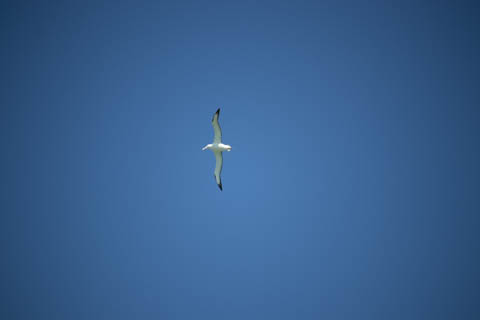
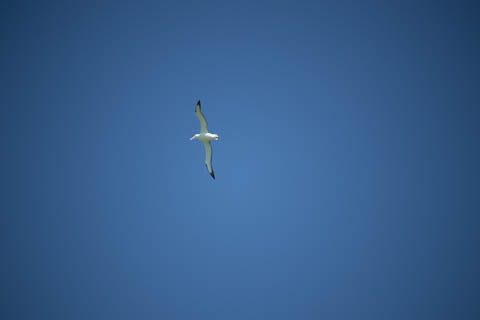
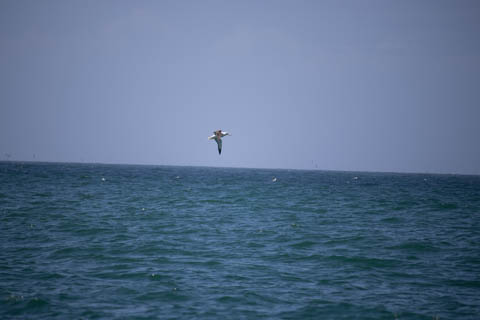
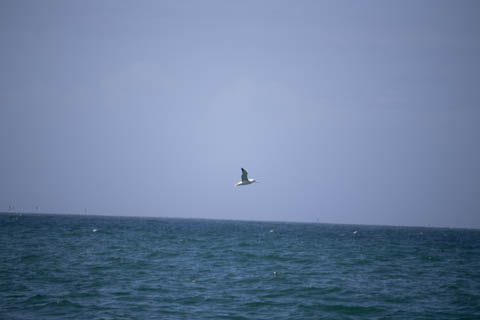
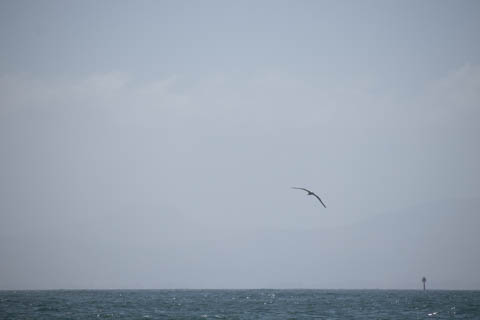
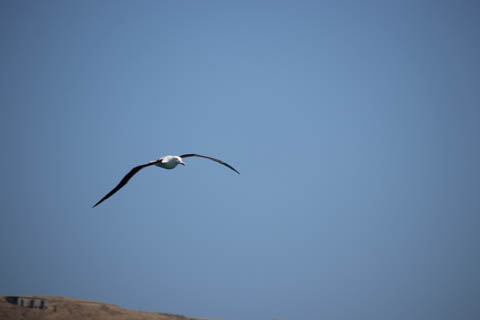
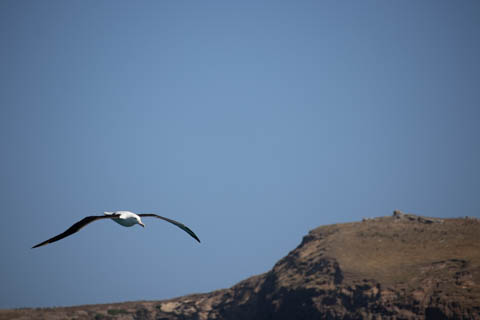
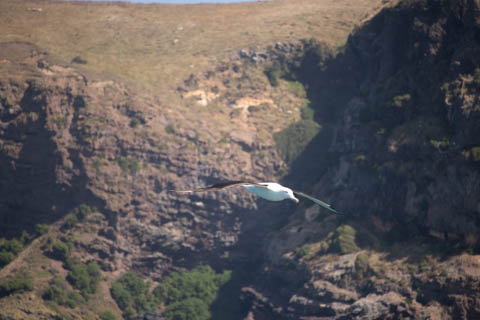
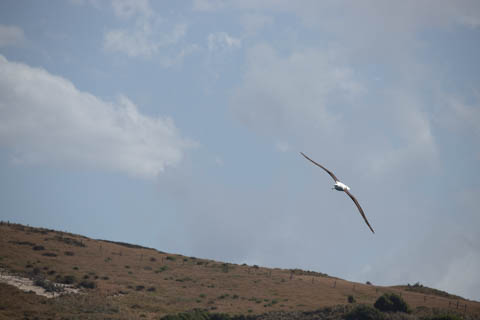
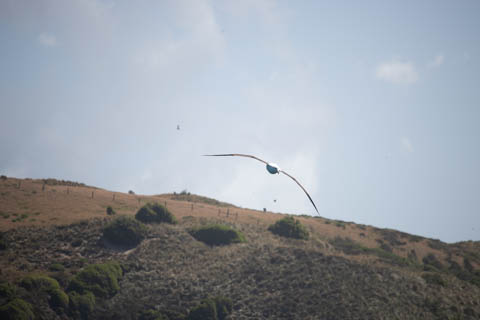
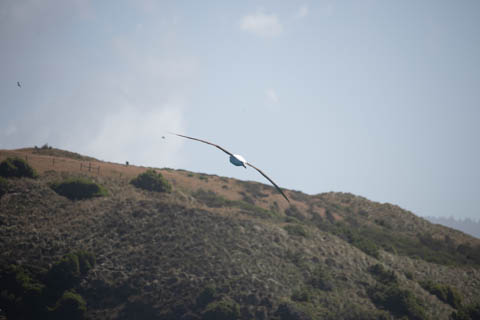
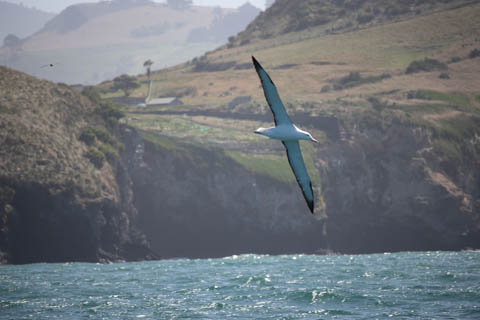
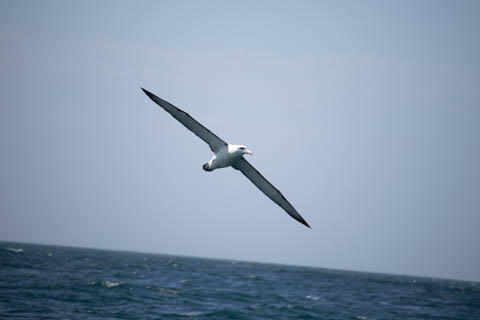
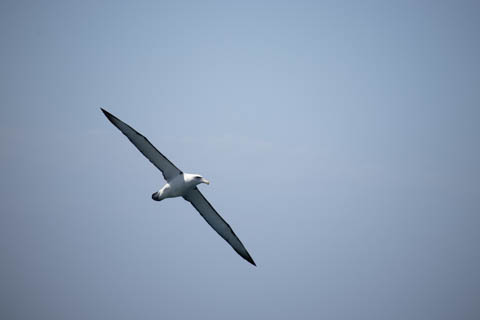
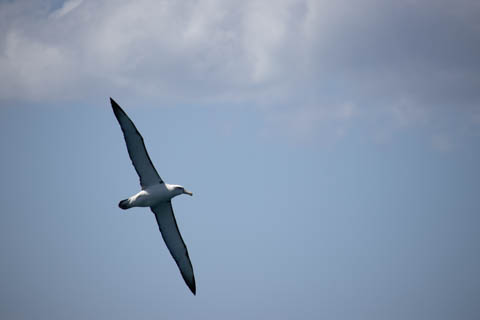
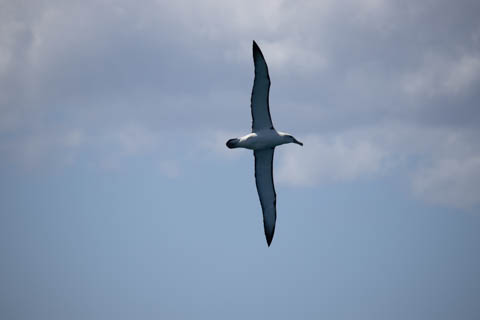
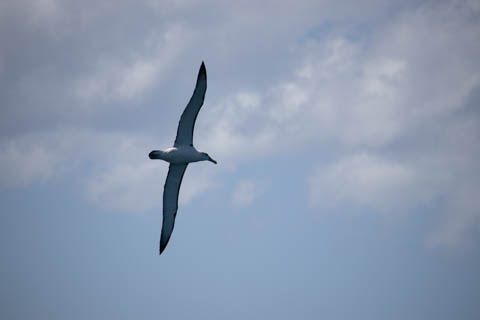
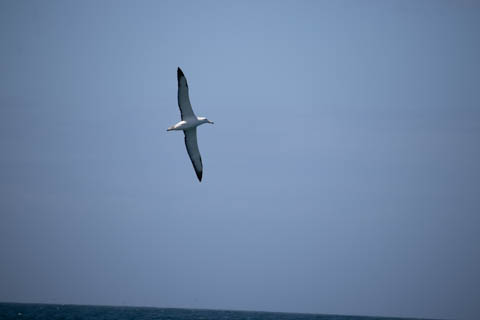
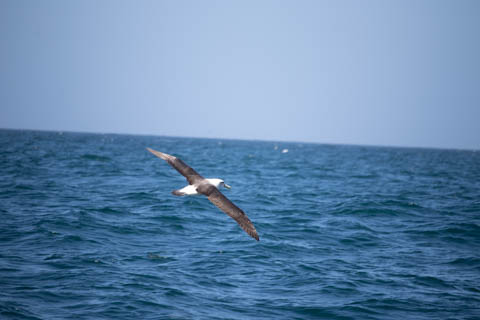
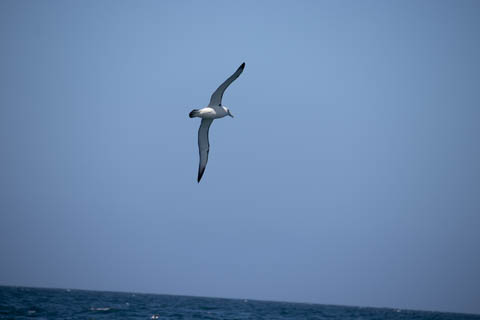
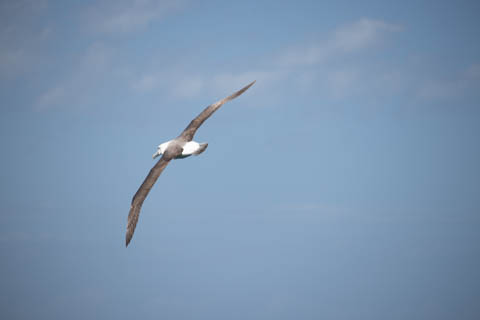
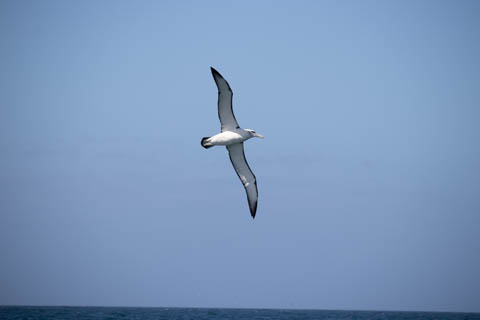
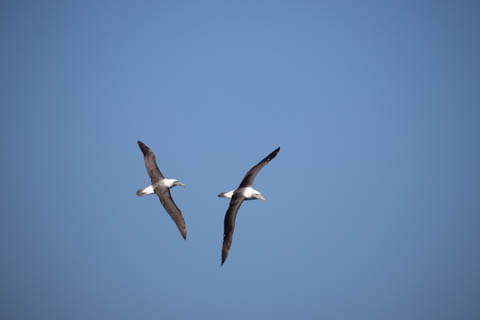
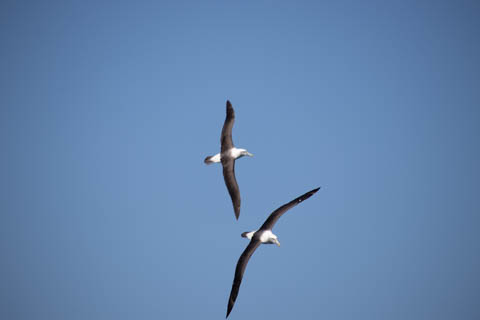
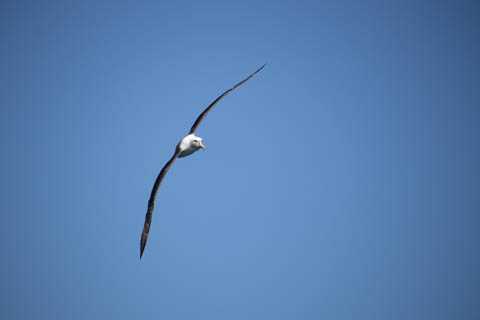
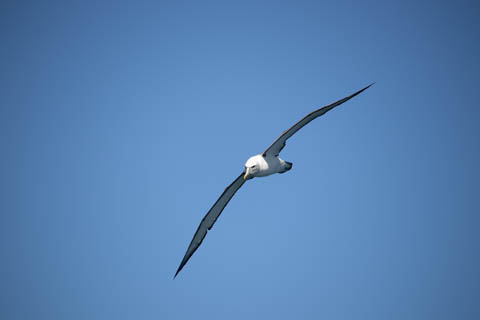
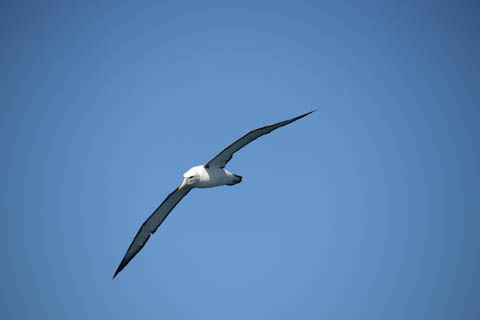
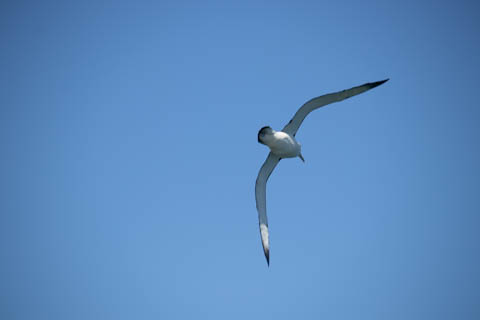
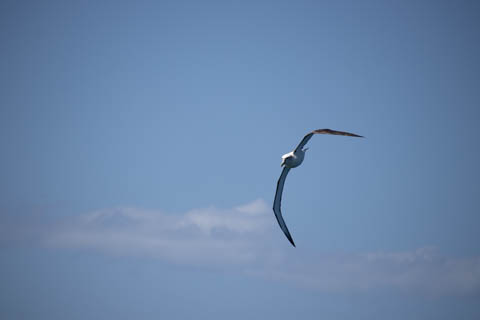
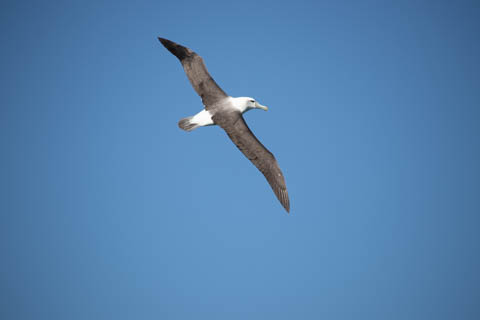
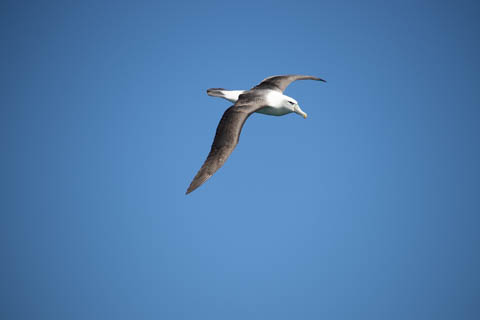
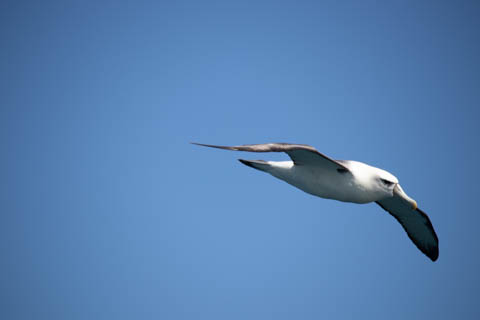
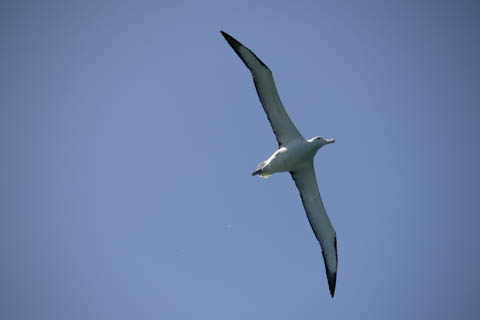
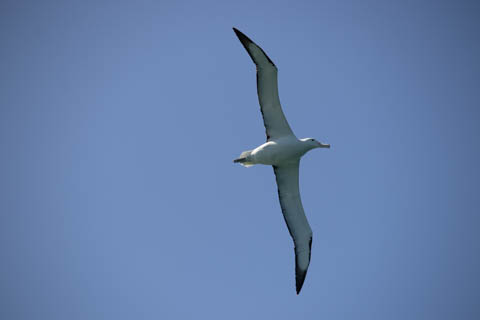
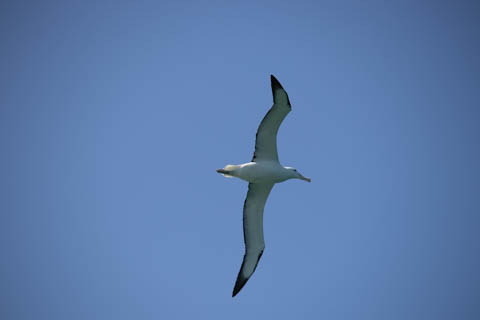
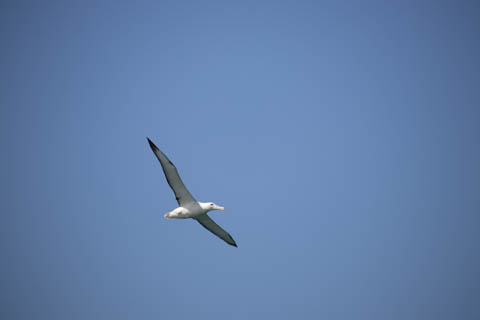
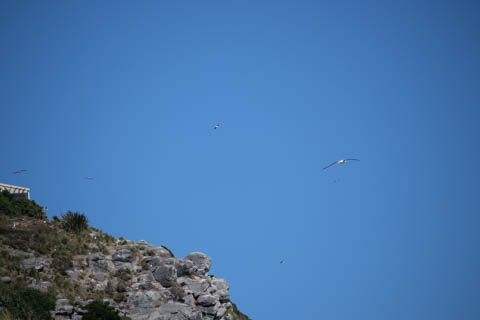
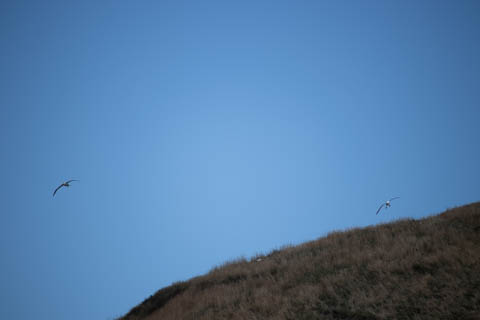
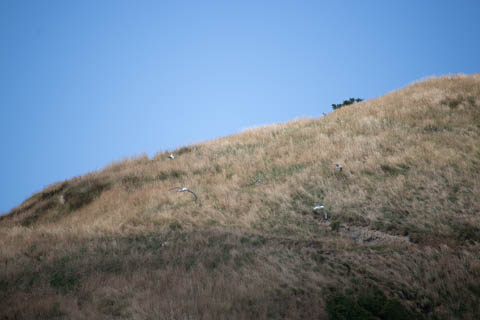
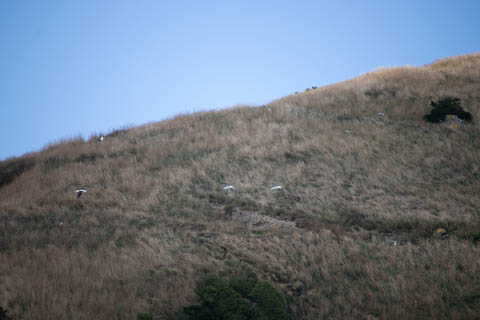
There were several Albatross circling in the air.
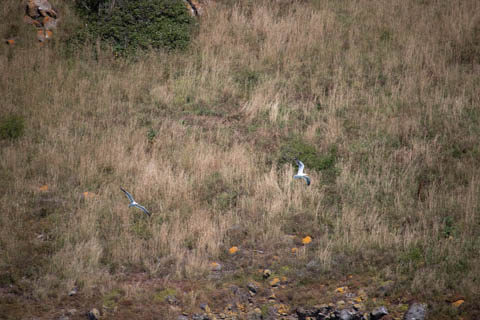
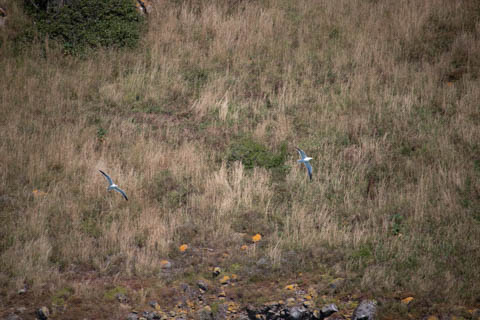
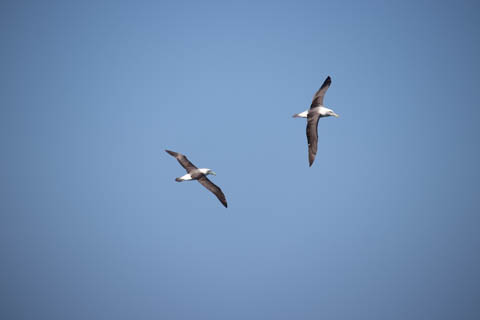
Even managed to catch two together.
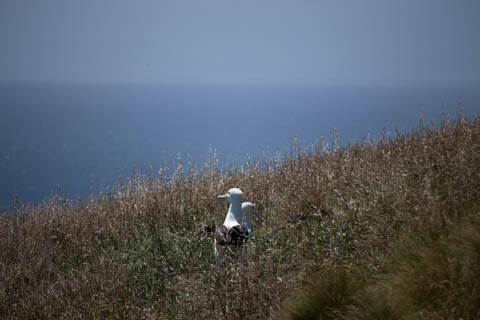
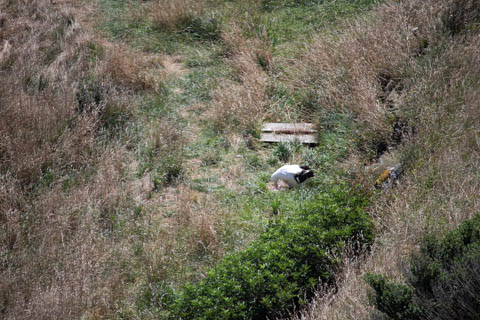
We did see one switch as one came in and the other left pretty quickly.
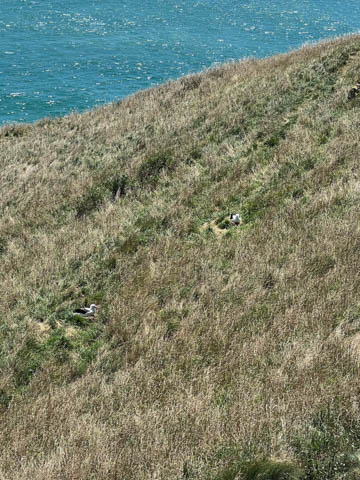
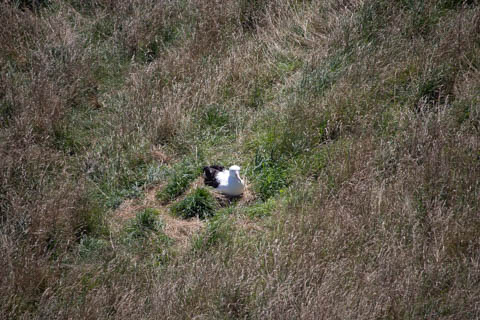
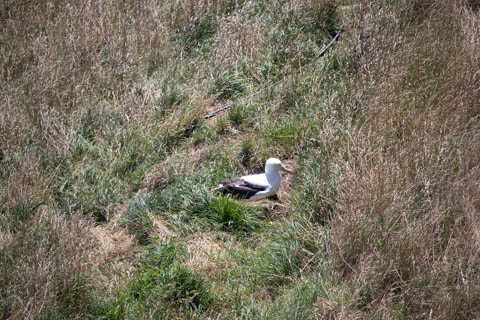
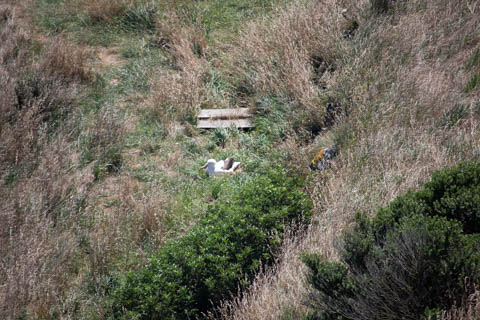
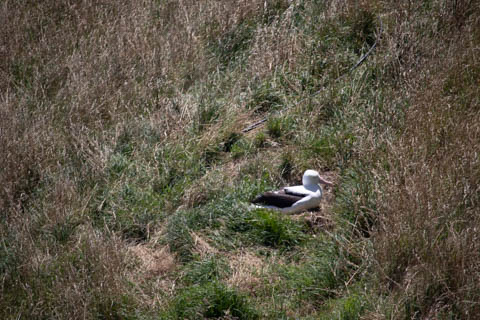
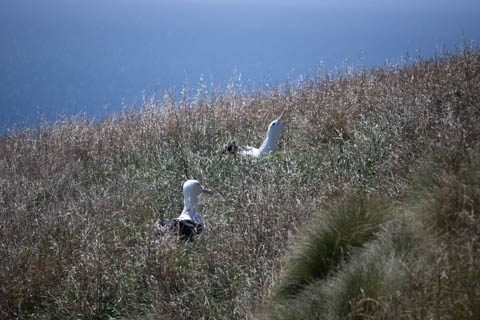
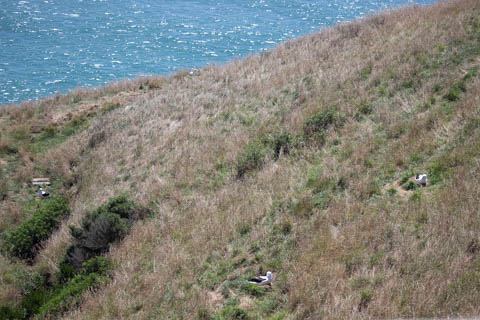
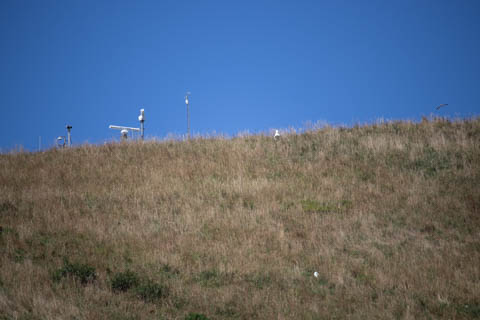
We could see five to six nests from the viewing platform, although a couple were rather hidden in the long grass or were rather far away.
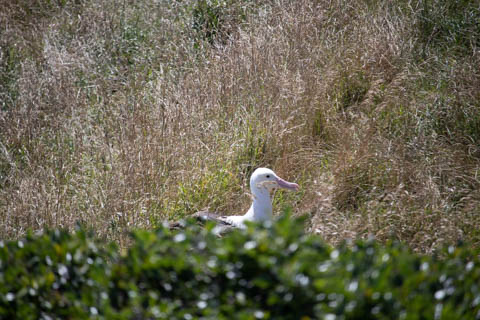
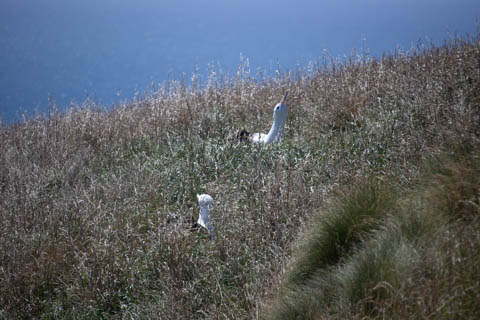
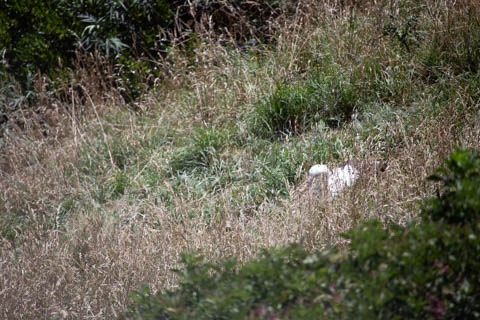
The one bird left behind stood up at one point and we realized we could just make out a chick in the nest through binoculars or telephoto lenses. Even Elie was pretty excited, as this was the first chick of the season she'd seen.
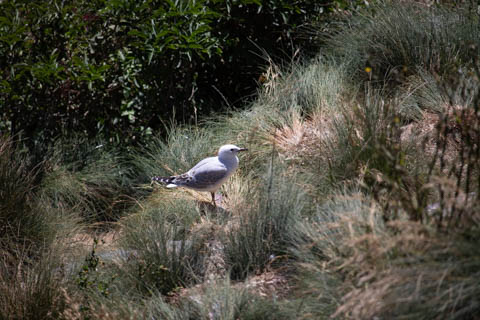
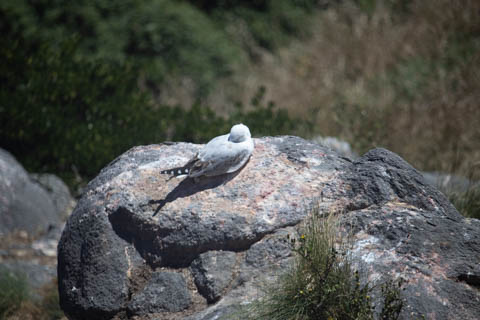
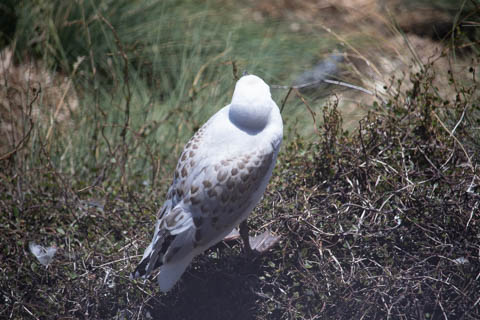
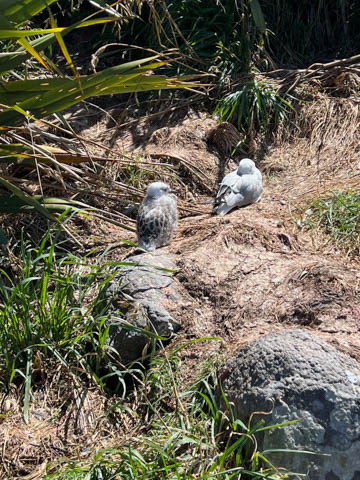
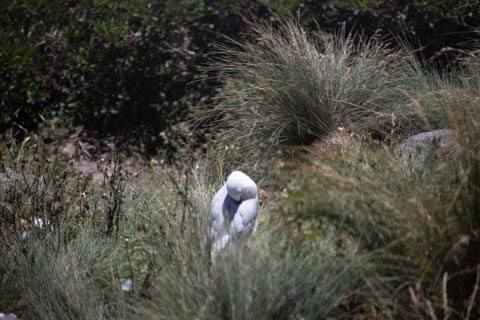
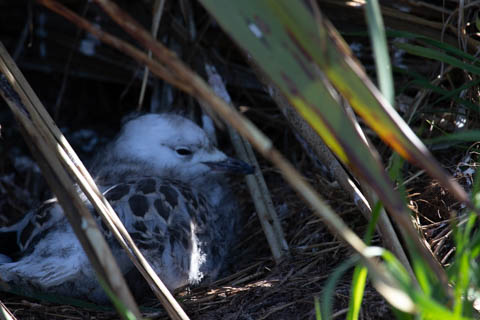
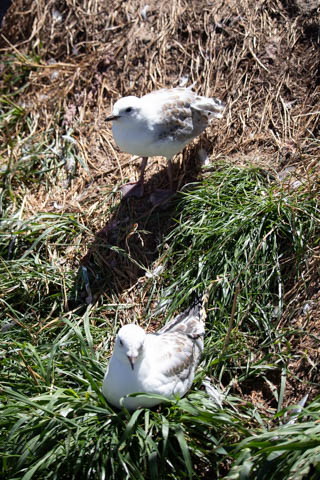
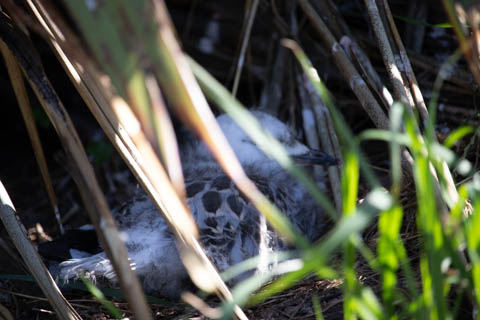
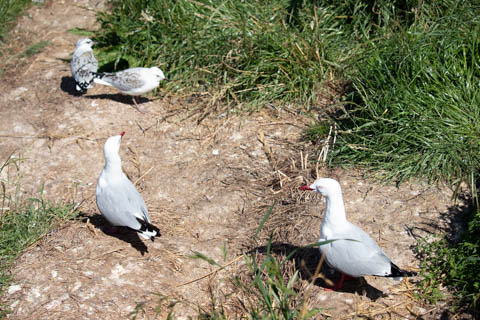
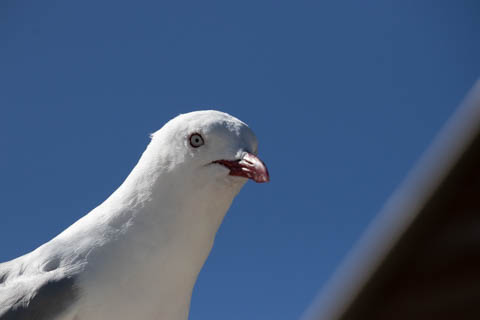
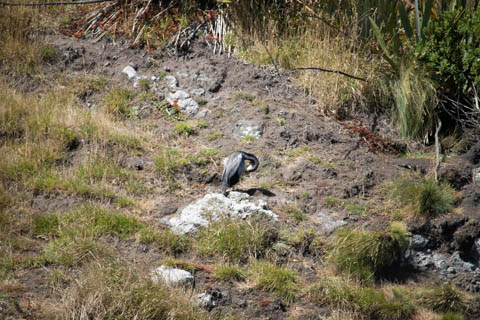
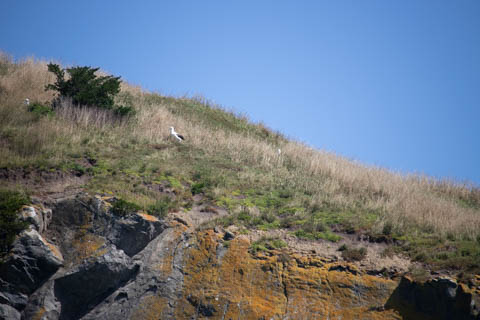
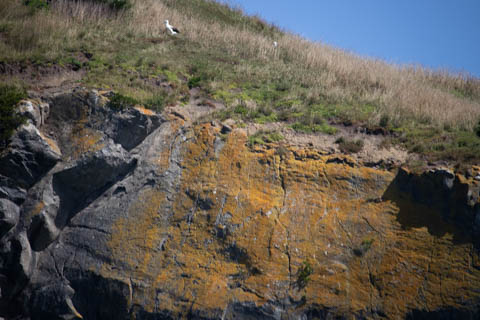
As we left the viewing platform and came back down from the ridge, we passed several other seabirds nesting too with one cute chick hidden in the grass.
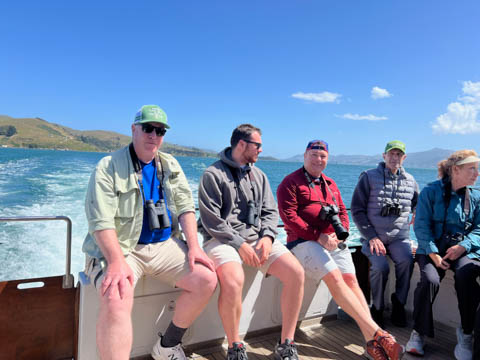
We next headed back along the bay a bit to join a cruise out on the bay and into the ocean.
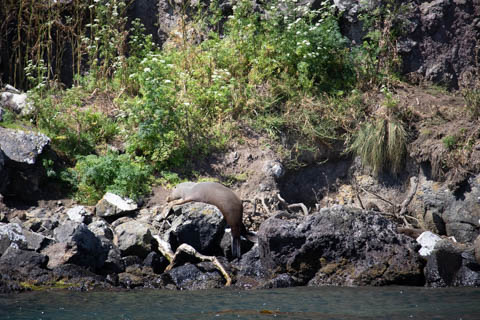
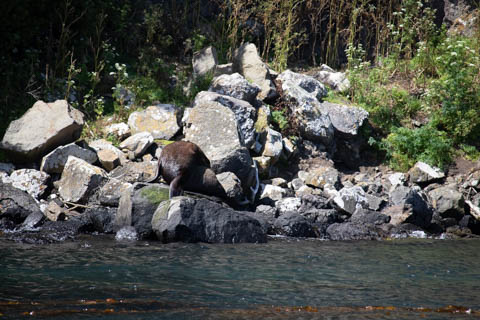
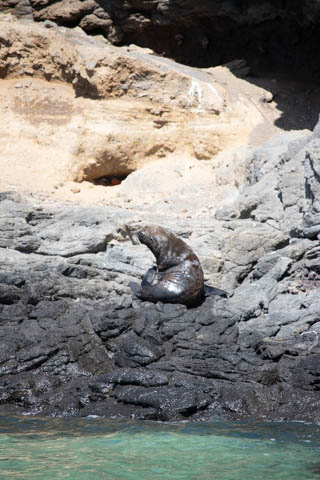
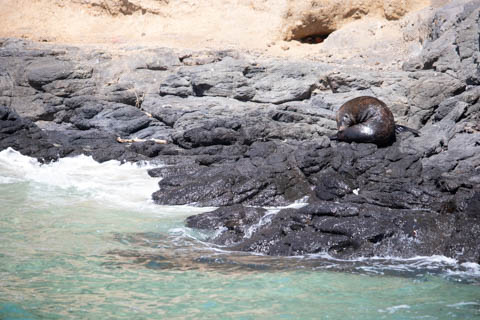
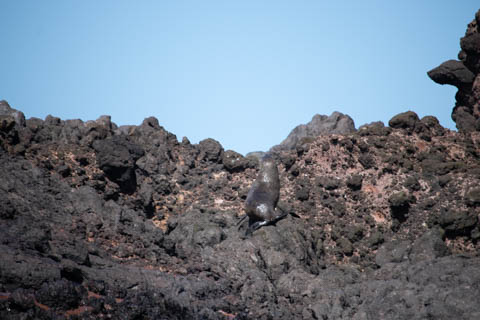
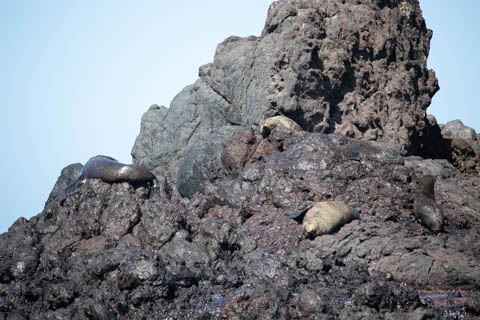
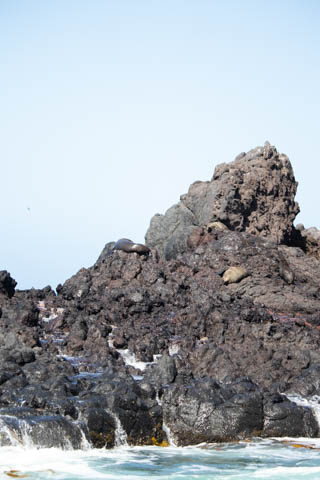
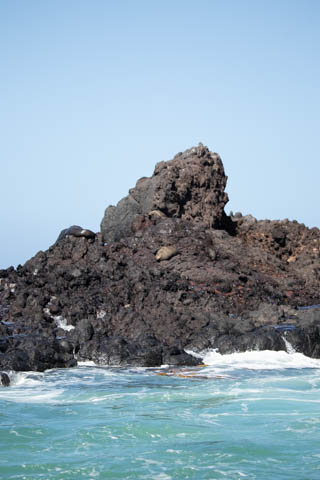
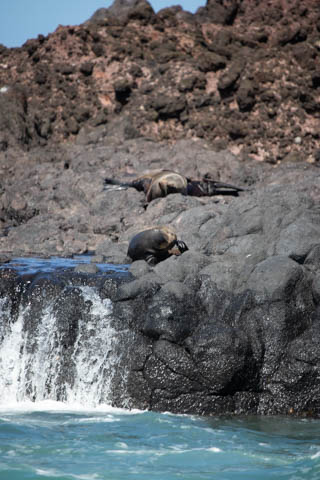
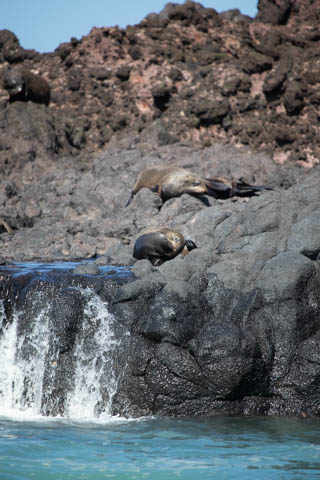
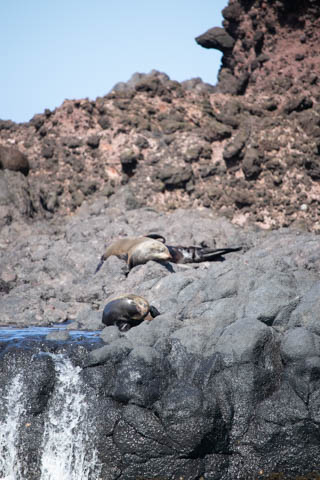
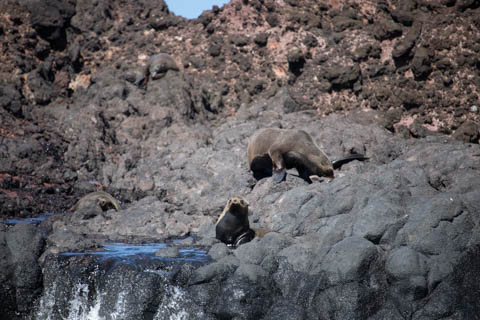
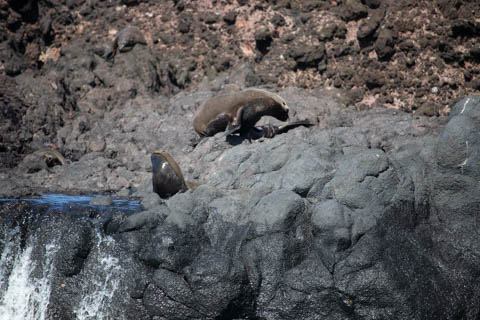
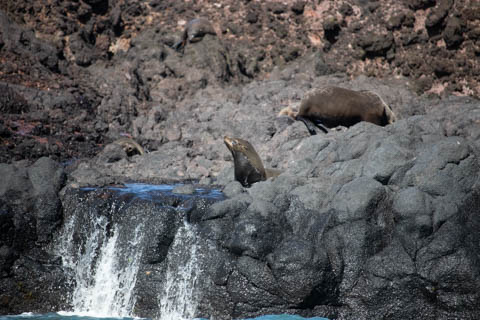
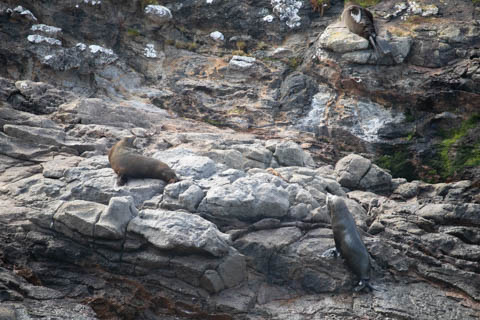
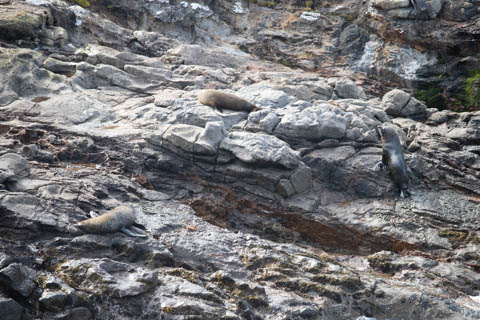
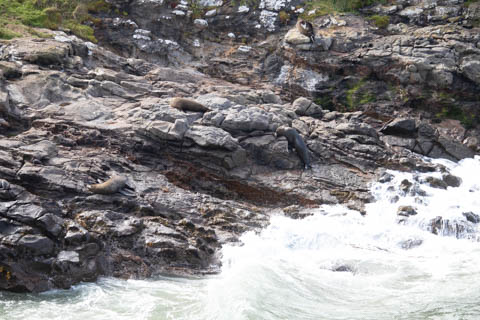
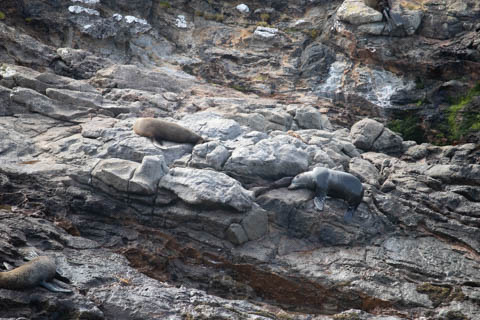
As we headed out of the bay, there were a number of sea lions on the rocks
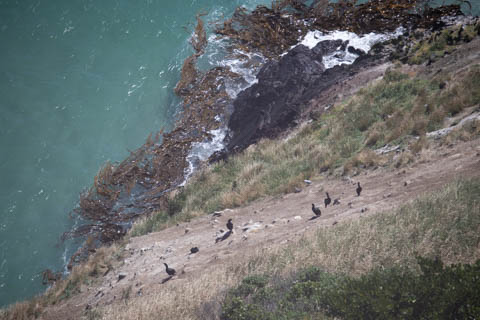
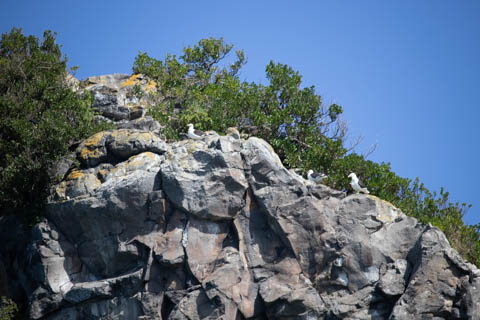
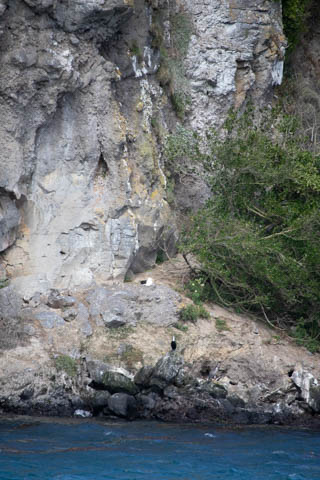
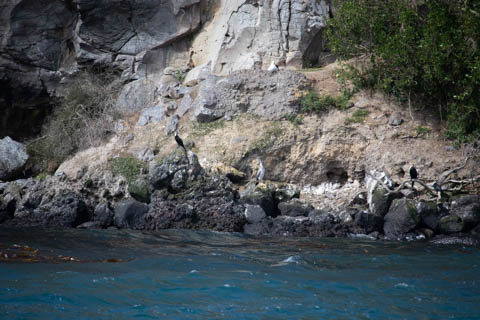
We could see the shags/cormorants nesting, as they were much farther down the slope and closer to the water.
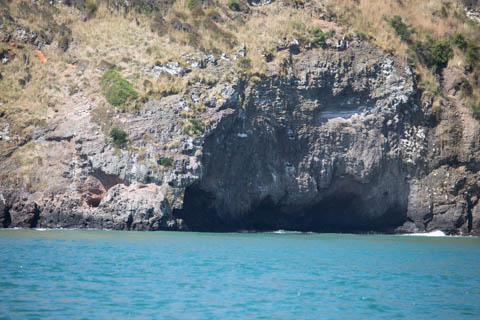
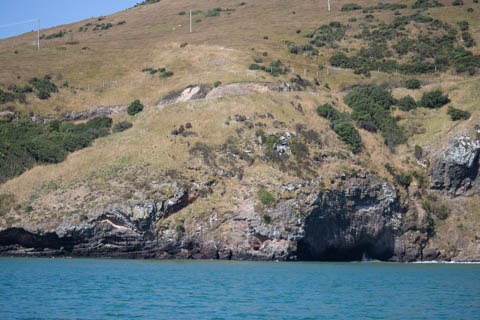
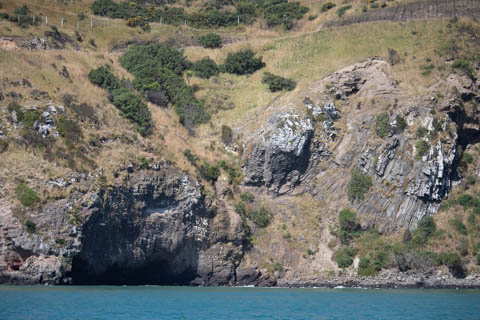
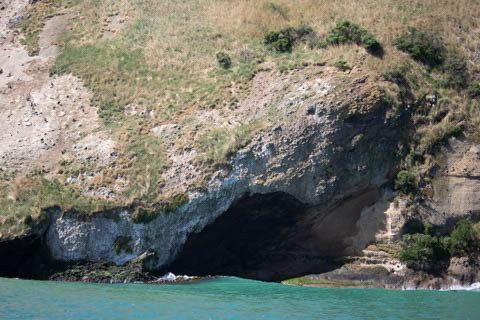
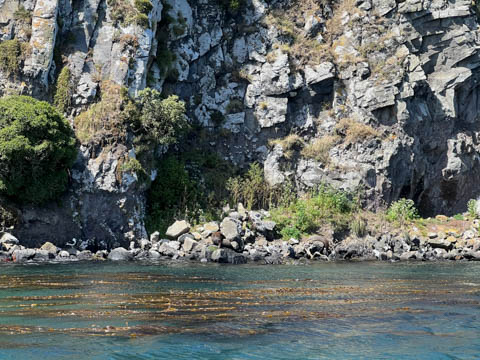
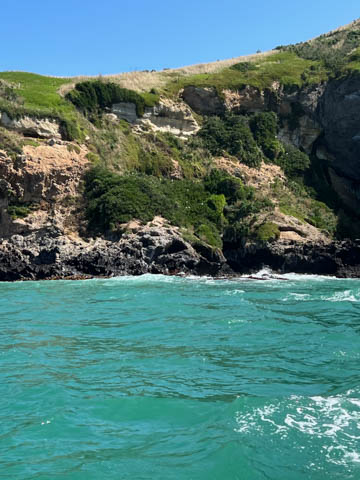
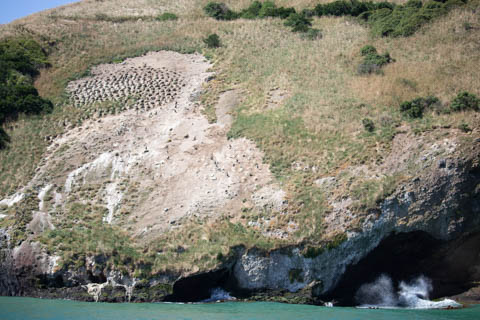
Some interesting caves along the shore.
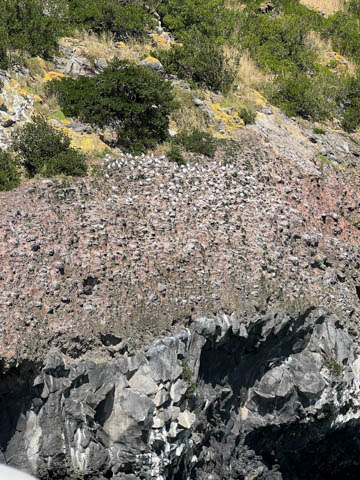
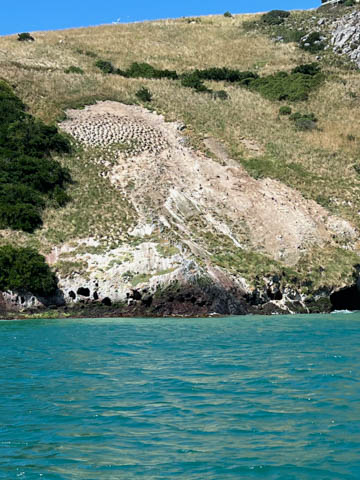
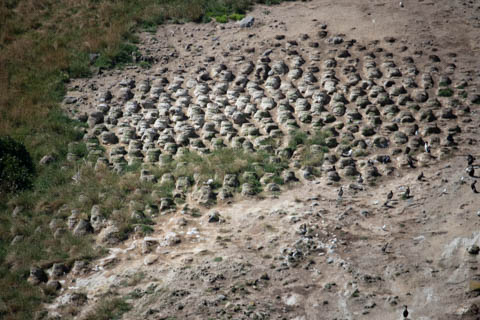
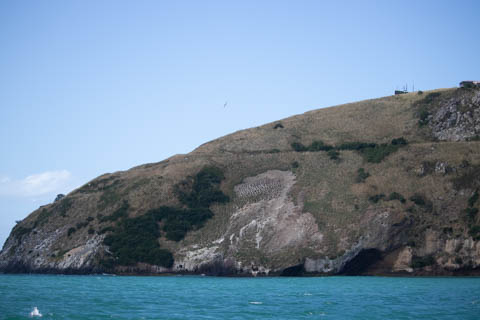
There was an interesting nesting ground for a type of shag/cormorant.
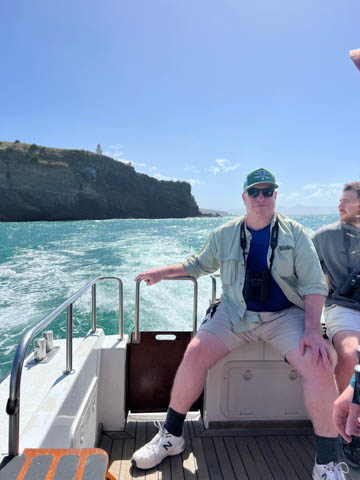
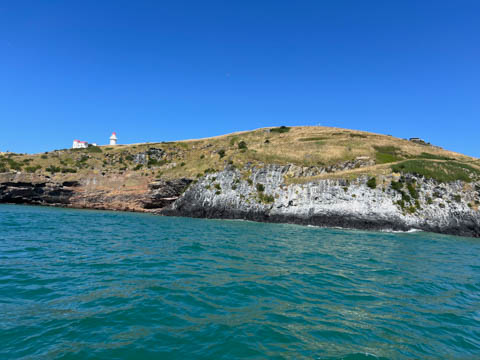
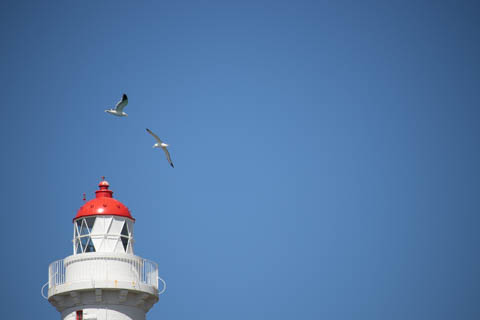
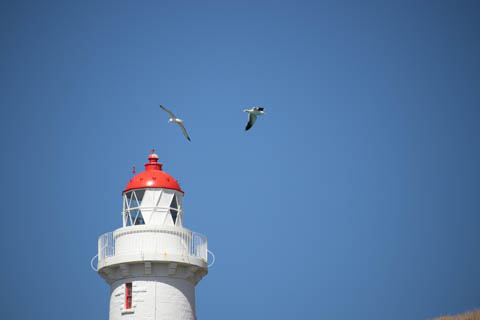
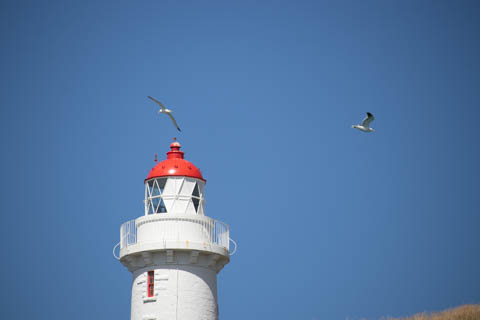
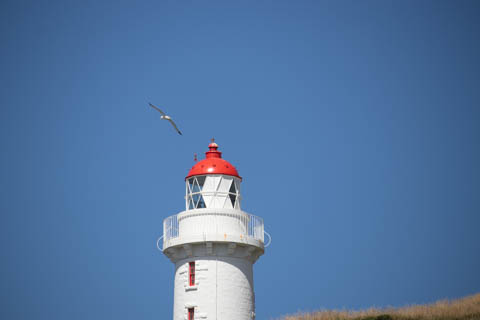
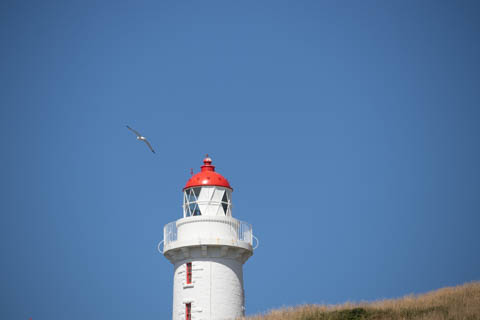
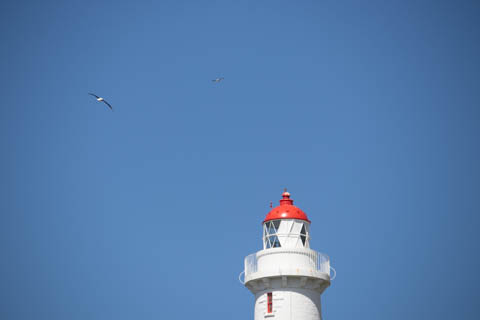
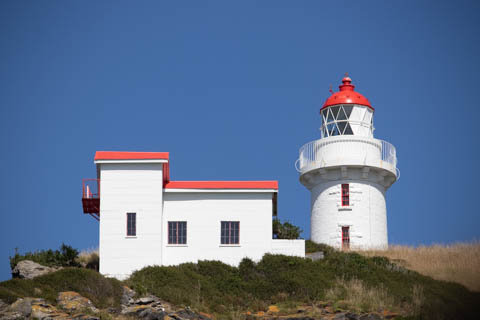
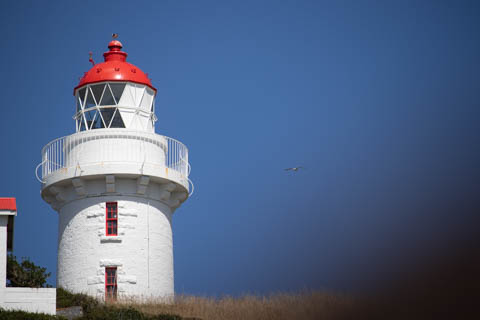
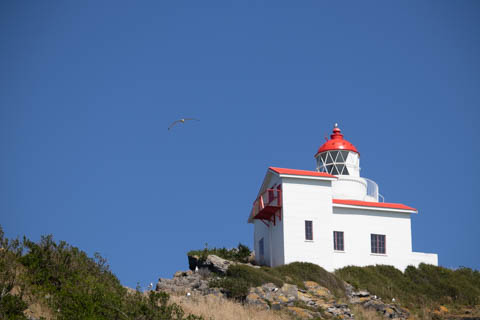
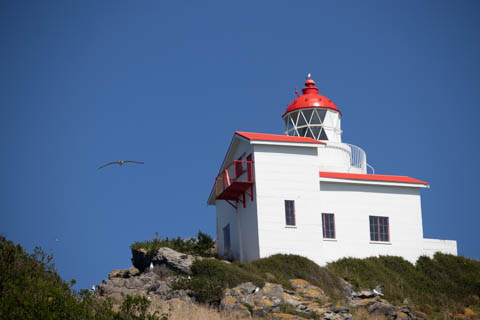
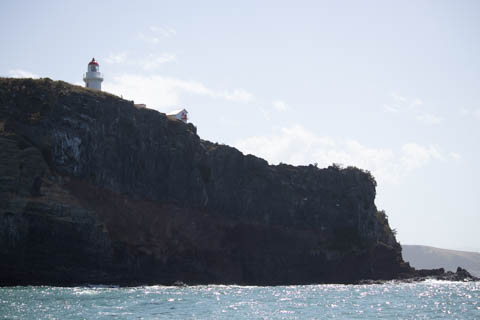
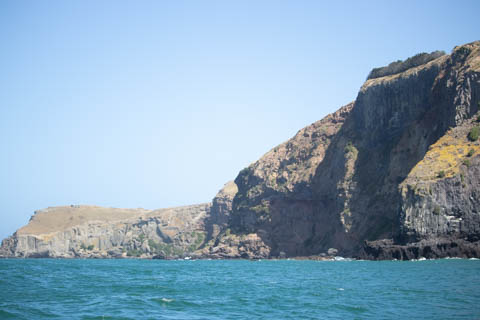
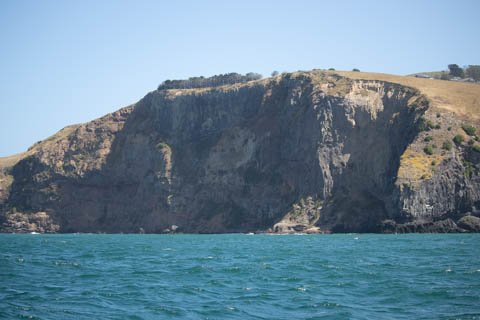
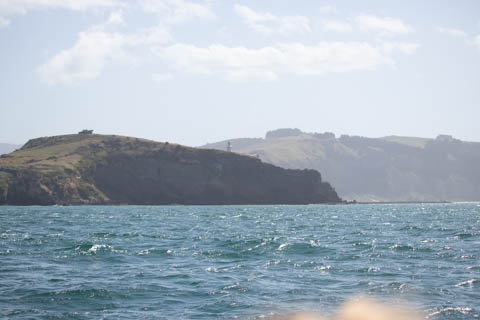
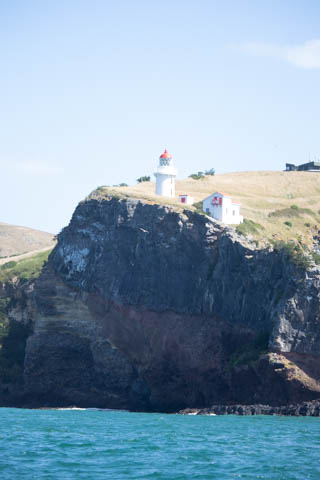
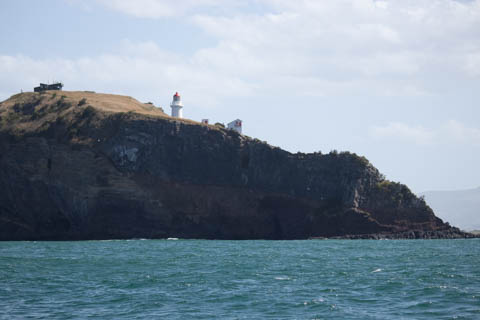
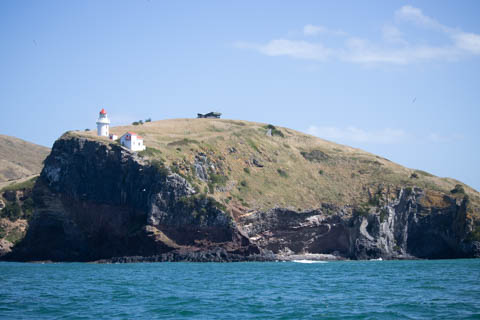
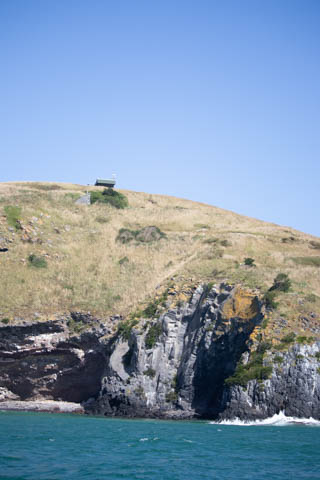
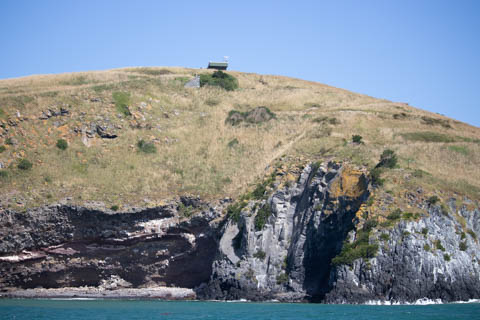
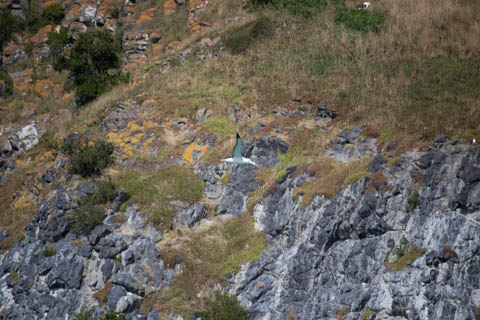
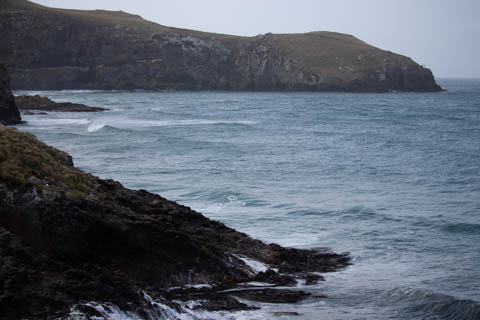
As we excited the bay and could look up at the sea cliffs, we got a great view of the Albatross nesting area on the Taiaroa Headland and the lighthouse which was just over the ridge from the viewing platform.
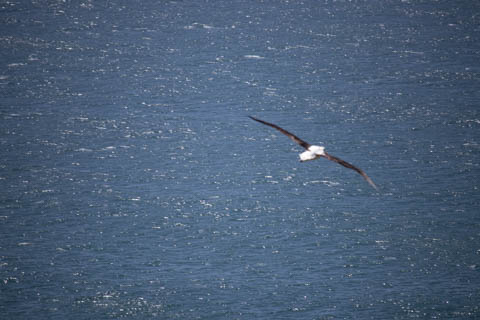
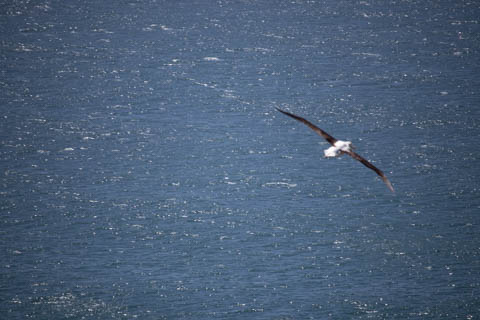
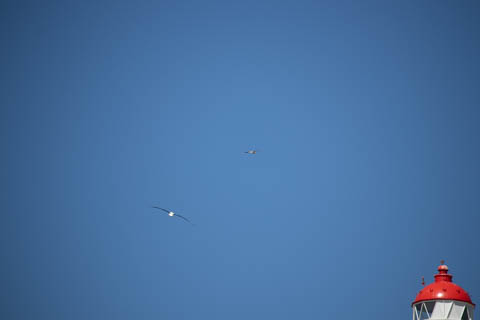
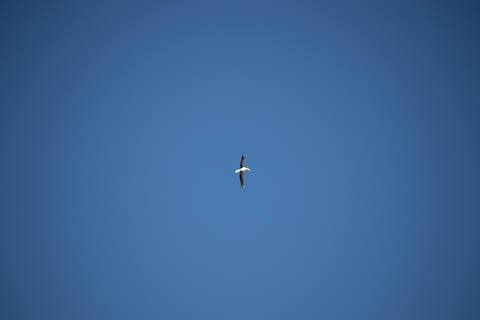
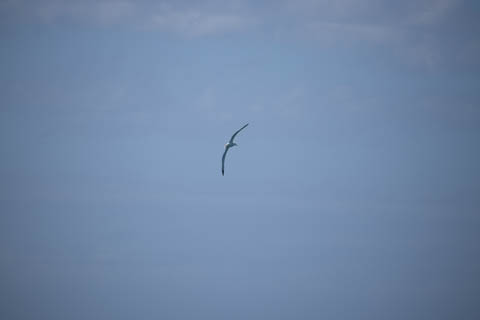
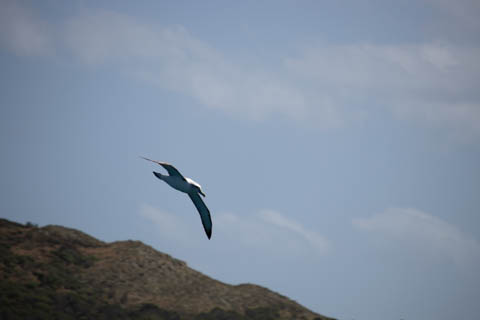
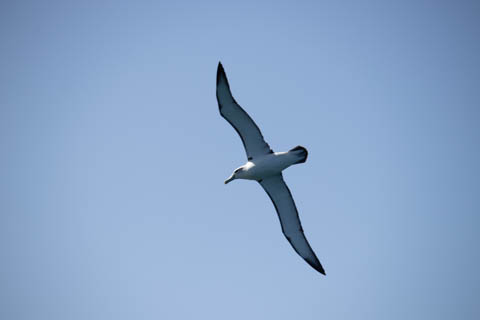
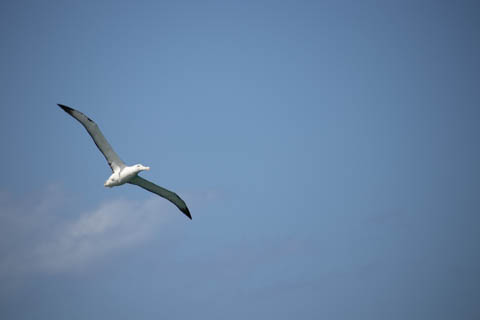
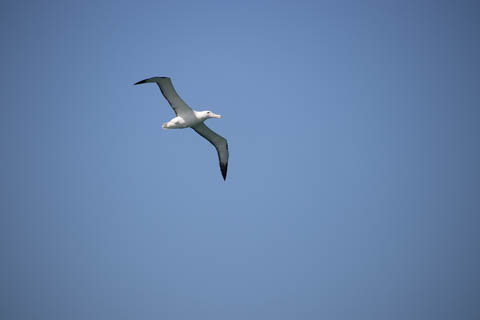
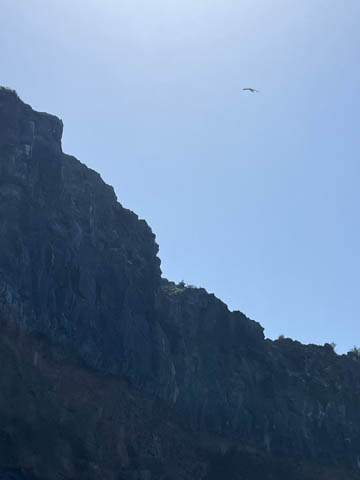
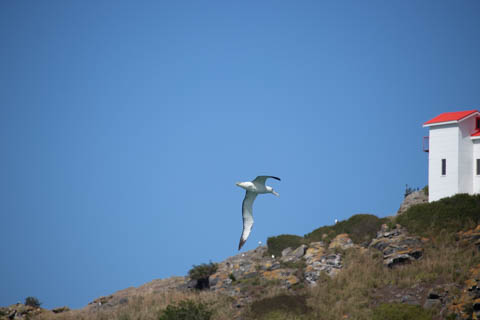
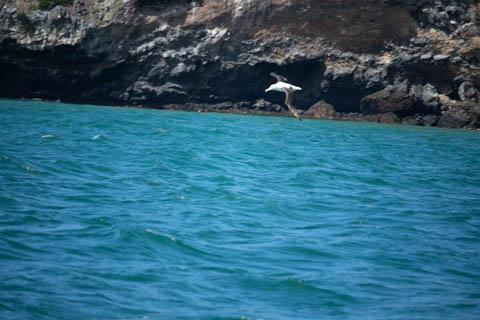
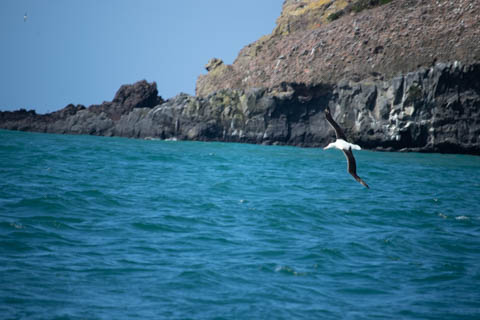
Several albatross circling on the updrafts around the headlands.
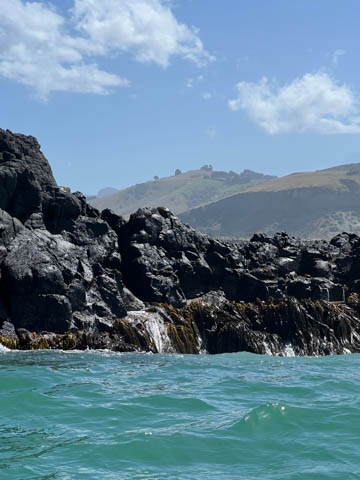
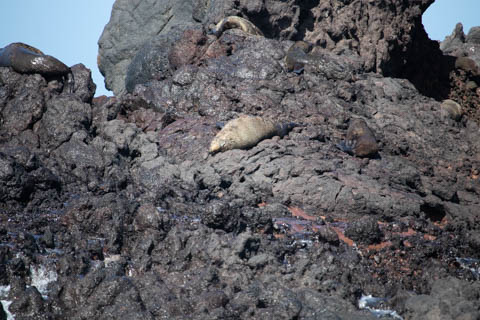
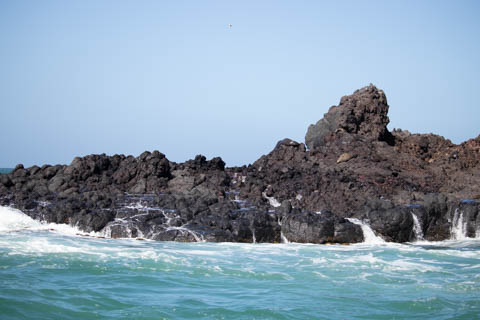
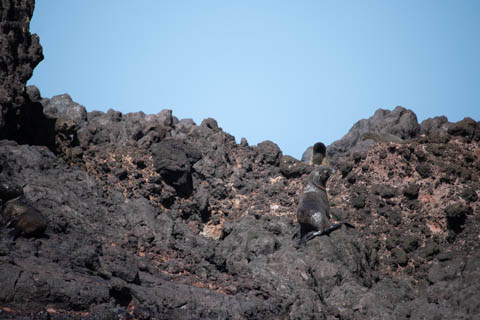
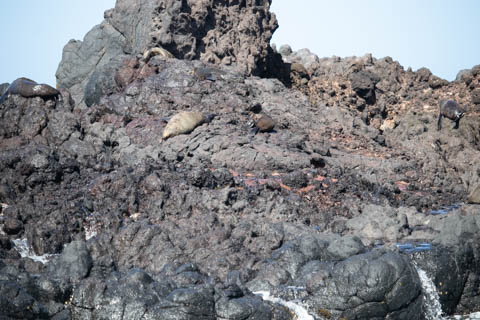
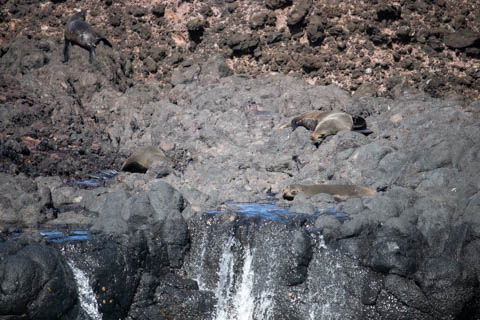
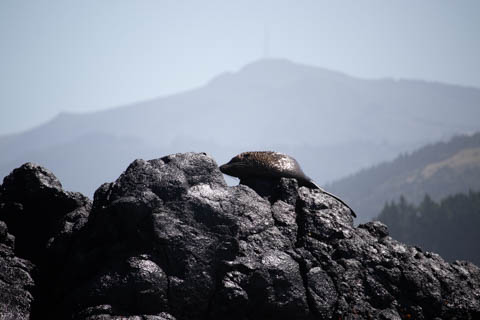
Some more sea lions and seals along the rocky shore.
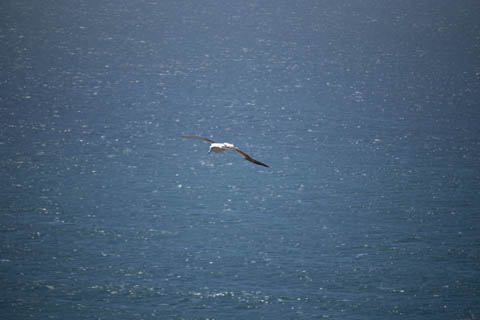
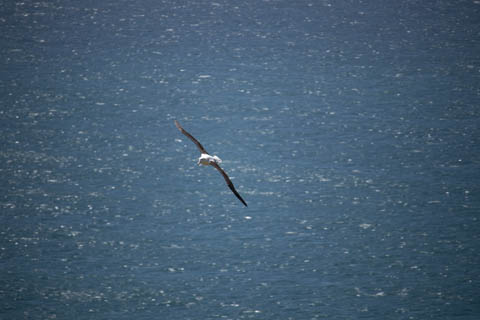
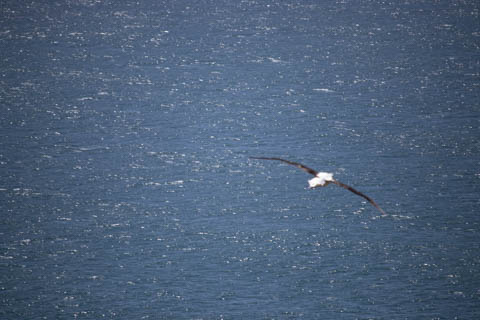
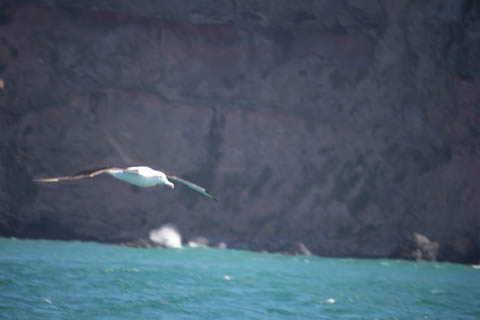
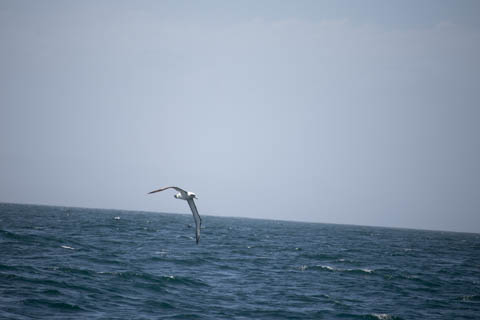
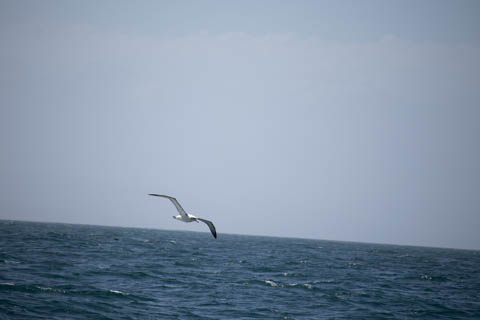
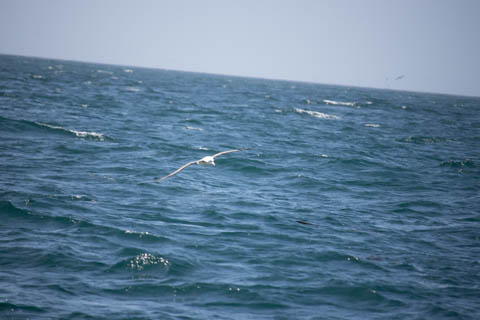
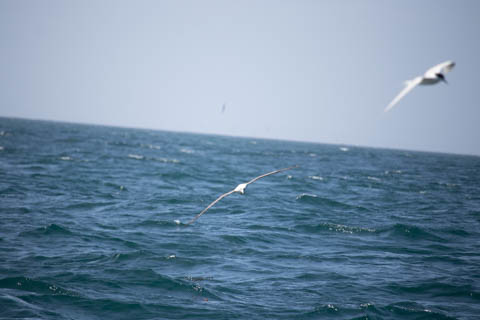
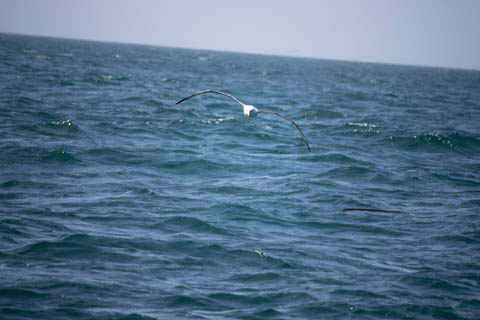
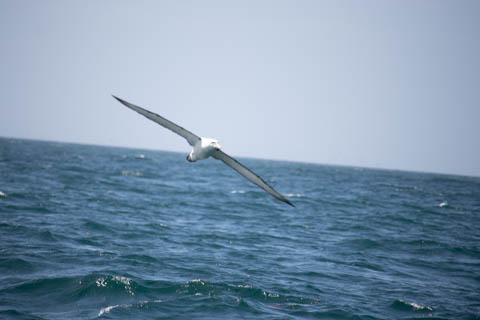
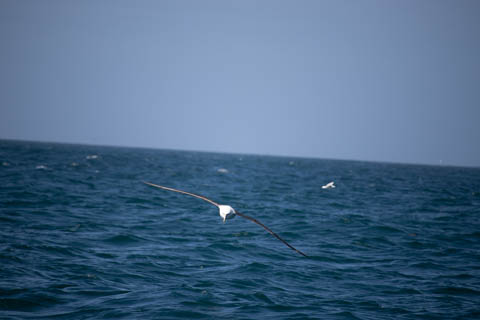
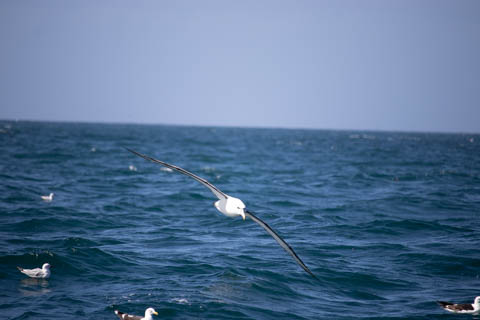
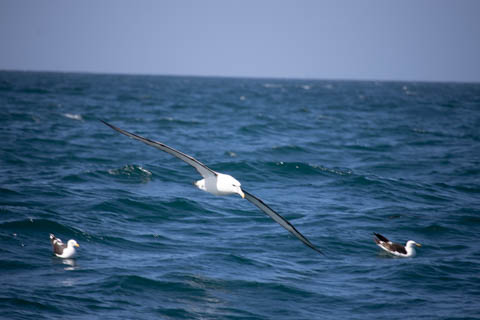
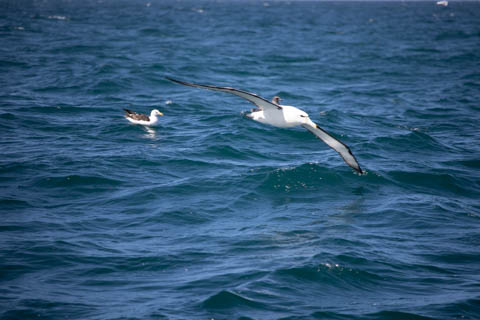
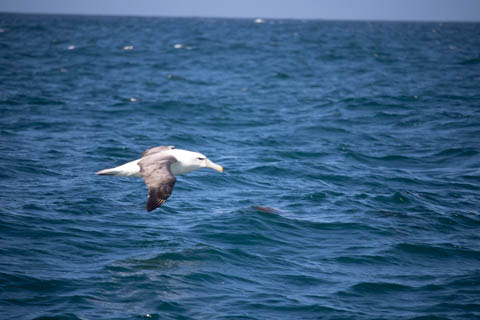
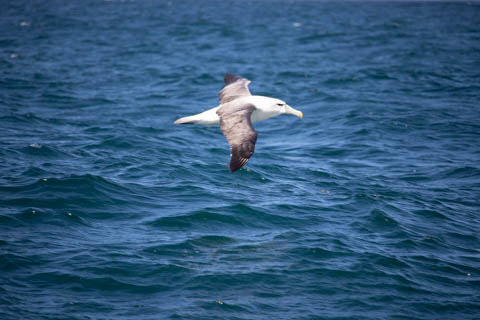
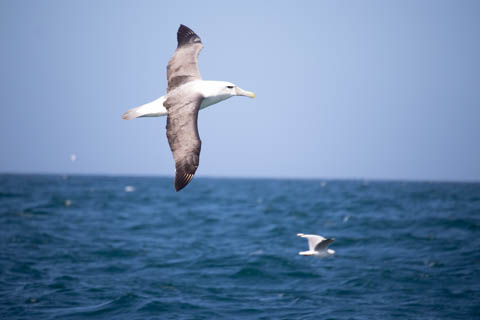
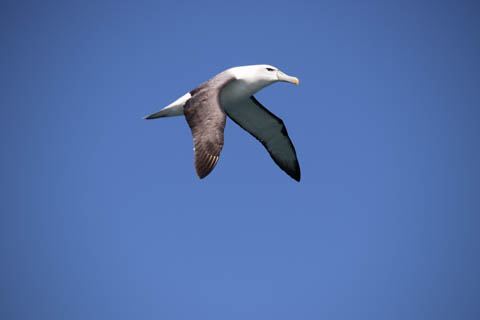
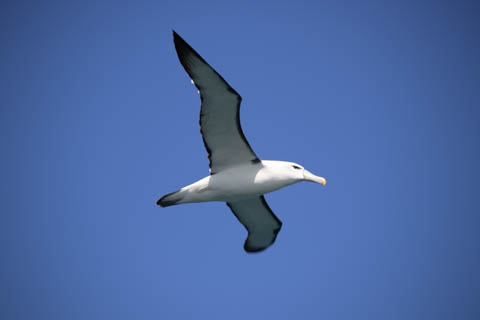
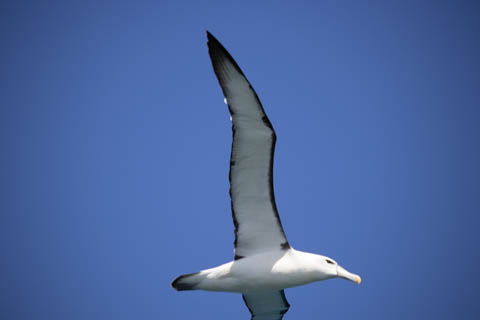
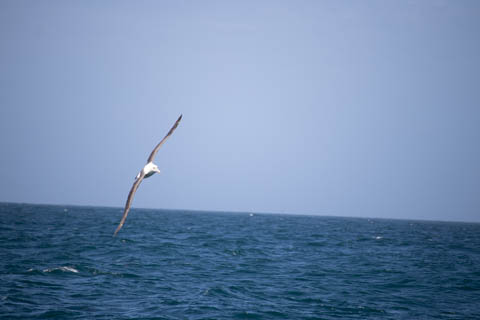
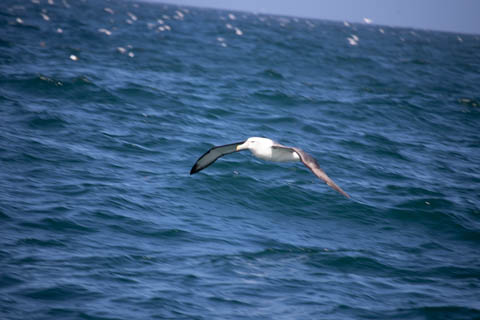
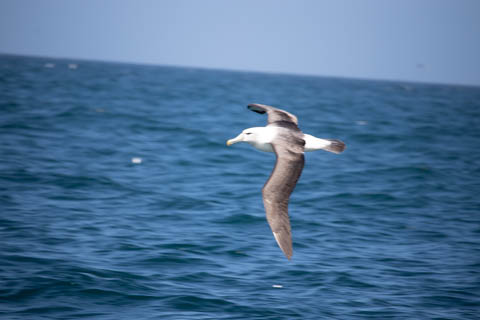
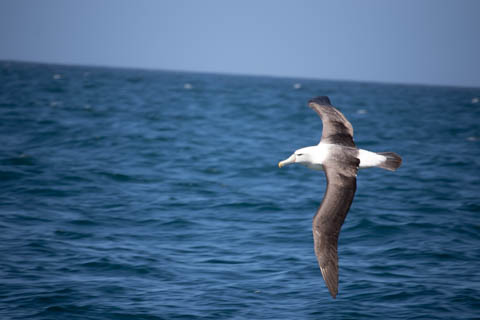
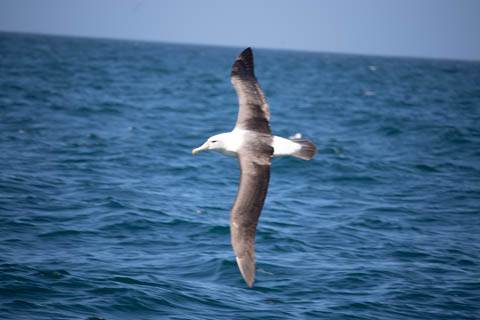
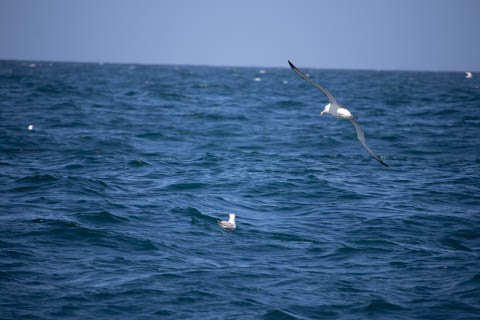
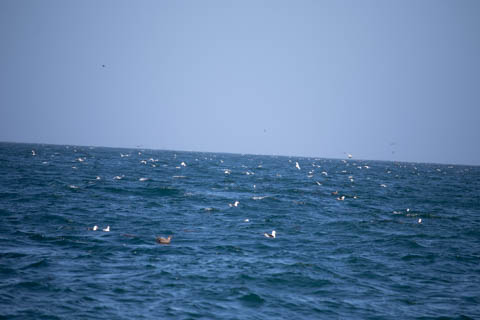
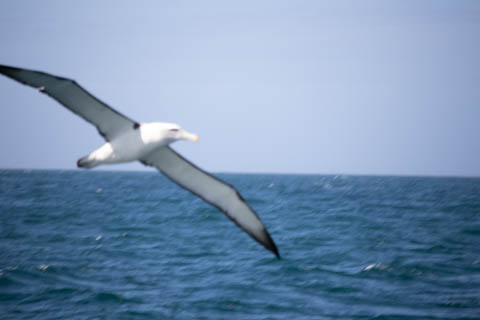
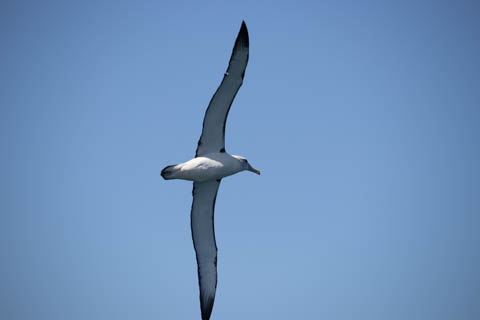
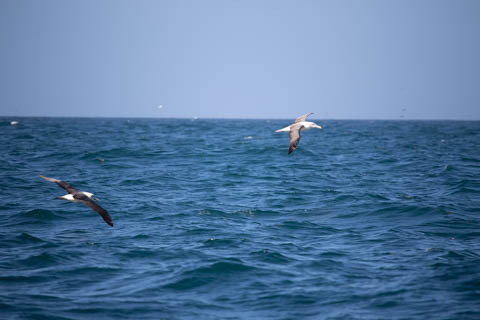
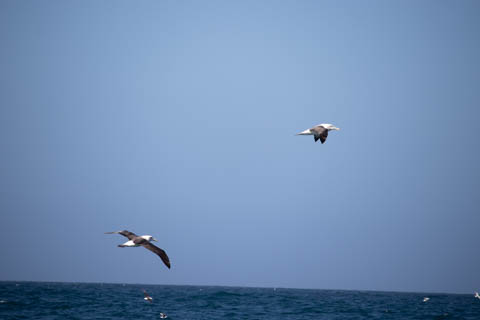
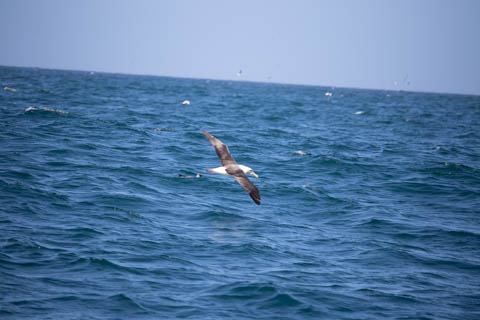
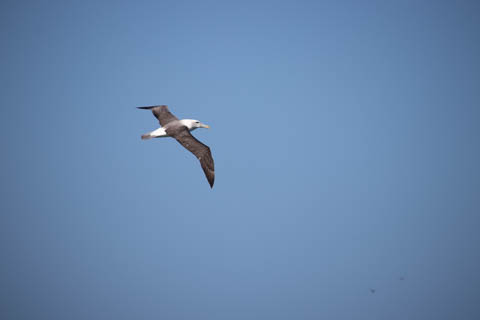
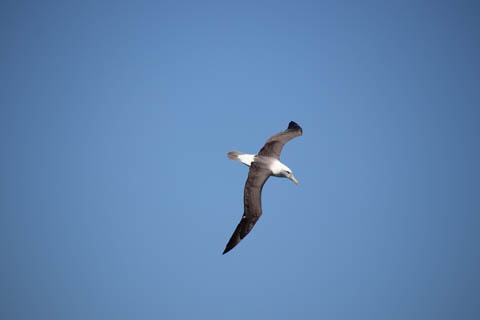
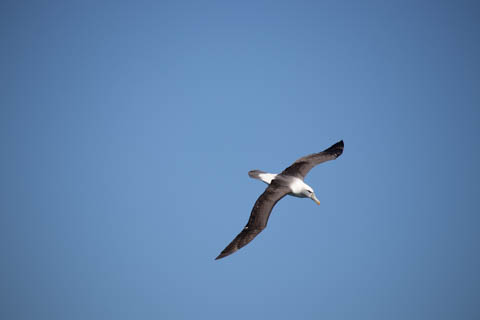
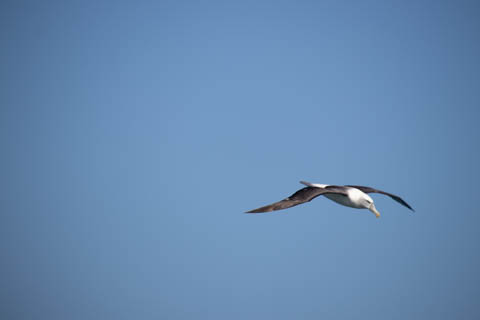
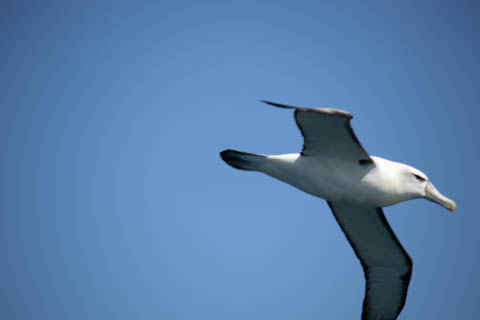
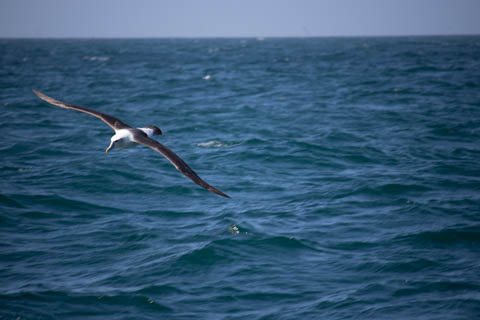
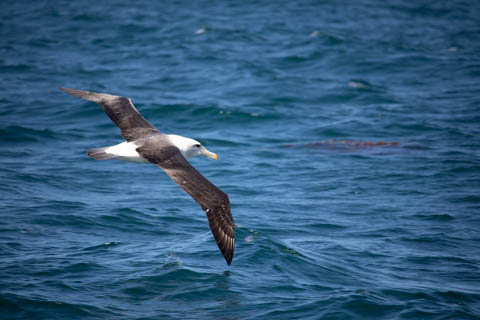
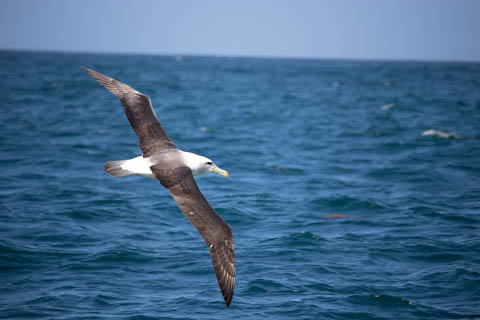
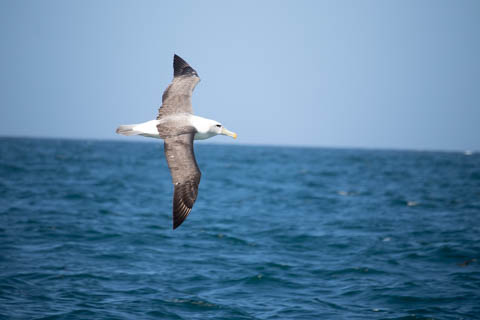
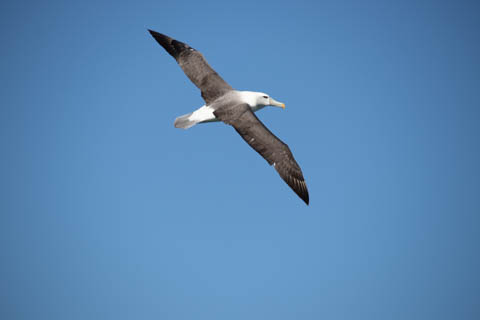
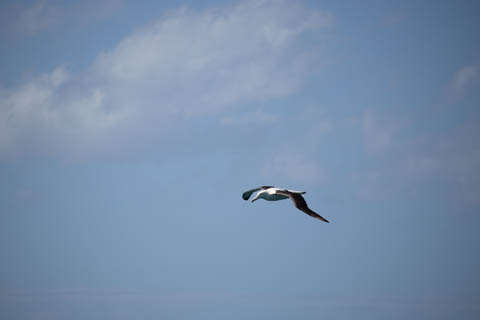
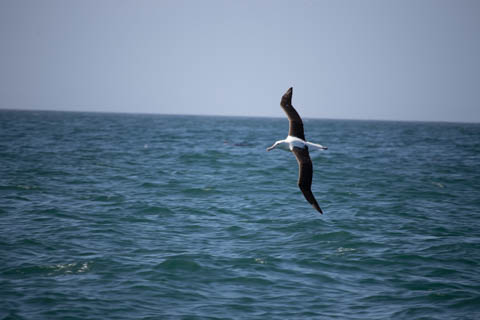
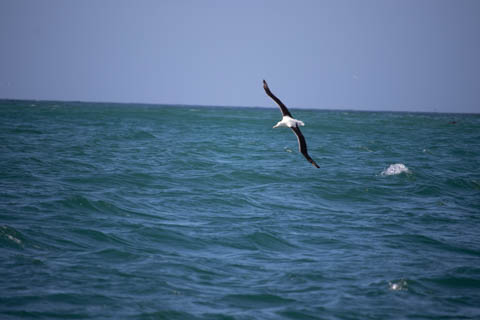
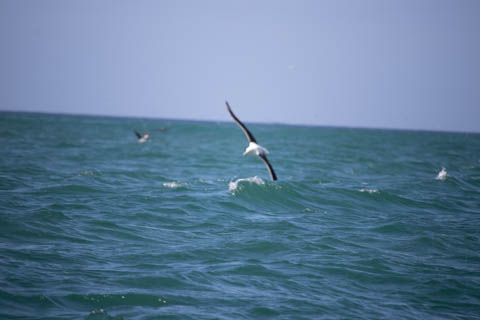
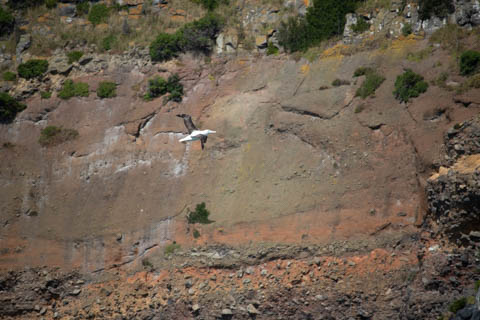
We didn't get very far offshore before running into hordes of seabirds all fishing. I think our guide said we saw four different Albatross species. The pictures do not do justice to just how massive these birds were.
There were just an amazing amount of seabirds about, which meant there were a lot of squid or other things to feast on near the surface.
We slowly completed a circle and started heading back toward shore. Such an amazing headland.
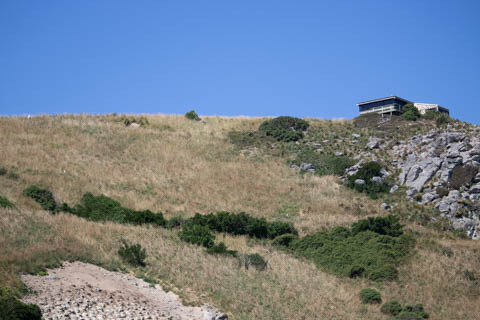
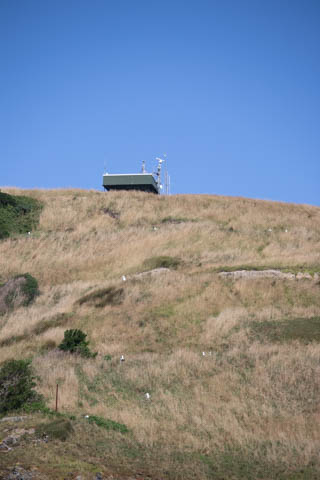
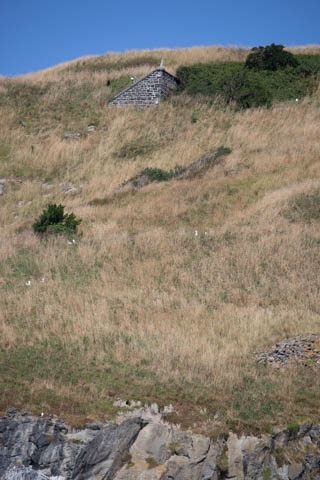
Interesting to spot the viewing platforms and albatross nests from below.
+
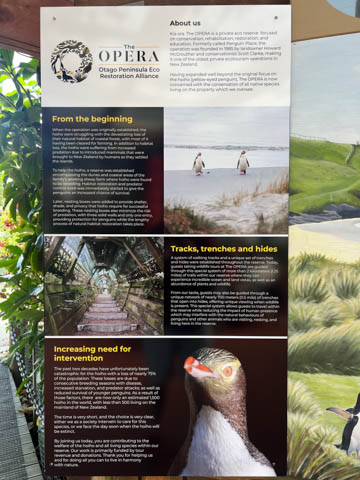
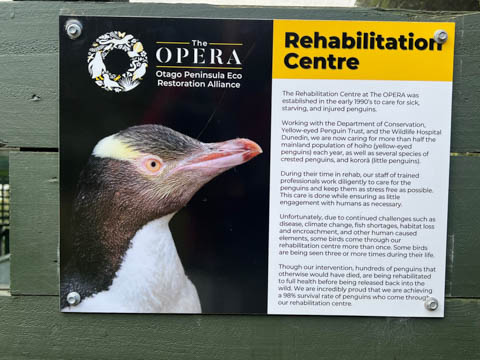
Our next stop was at the Otago Peninsula Eco Restoration Alliance (OPERA) which managed protected land holding a couple penguin nesting areas along with a penguin rehabilitation center.
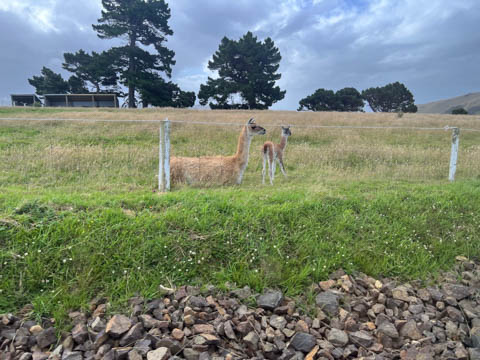
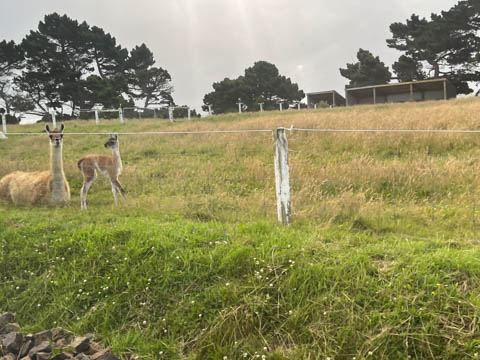
We met our guide Aspen who then took us on a short ride toward the coast, passing some llamas.
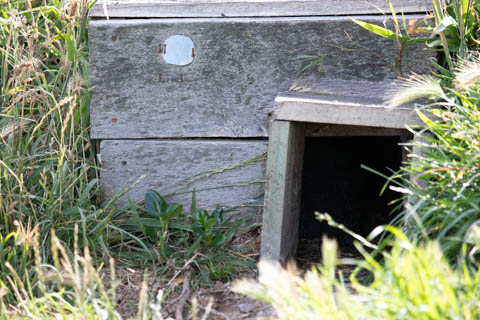
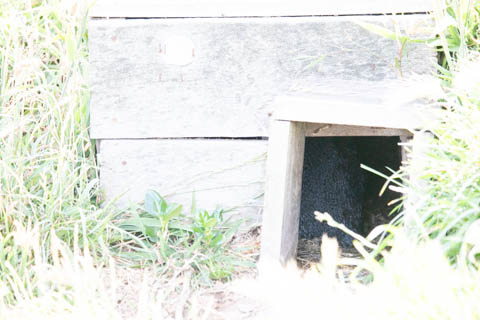
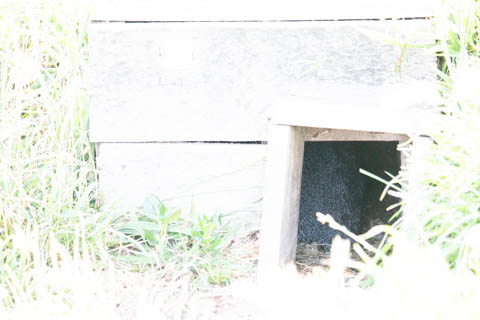
We wound up on a small footpath along the southern coast. There was a small structure with a nesting blue penguin, which we really couldn't see as it was dark inside. They are also known as fairy penguins, little penguins, or little blue penguins and are the smallest penguin breed and are called korora by the Maori. They are only found in New Zealand. With some processing on the computer later, we could at least verify there was a penguin inside.
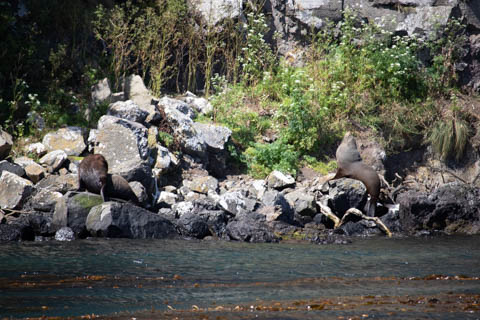
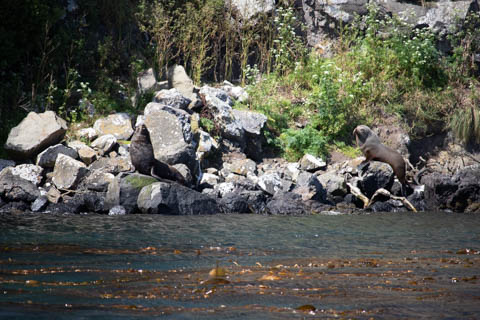
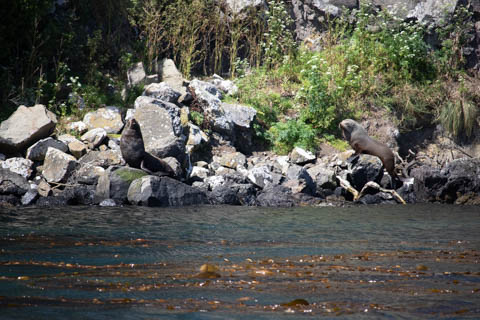
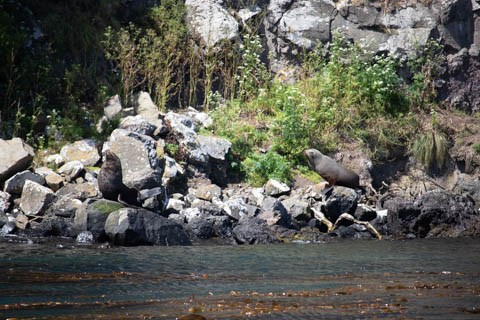
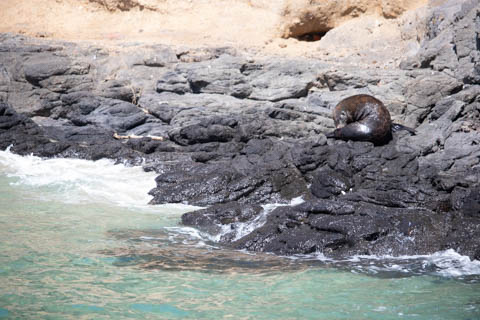
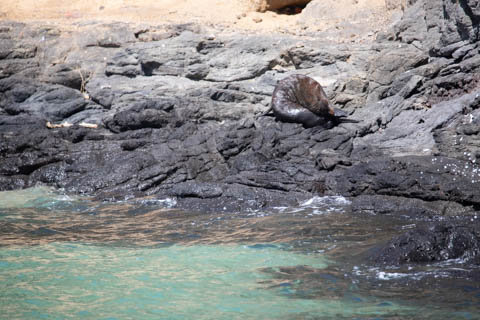
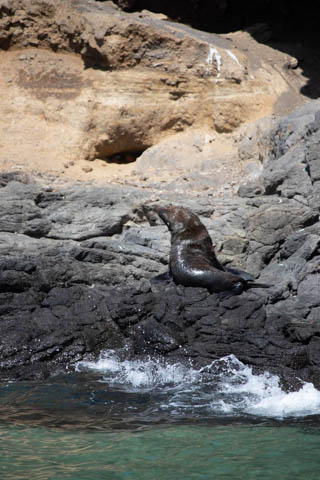
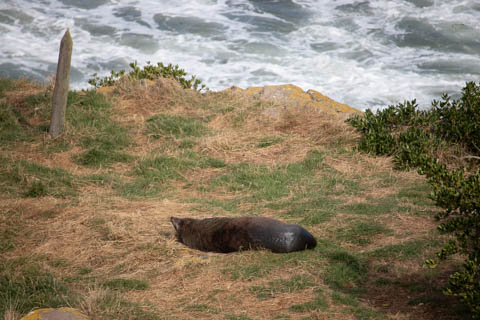
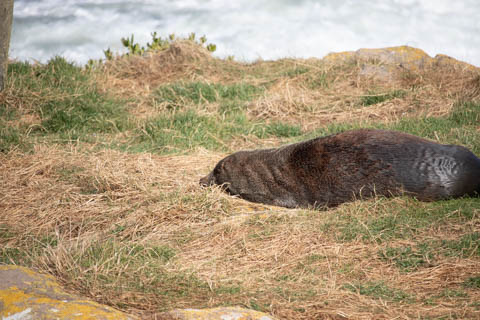
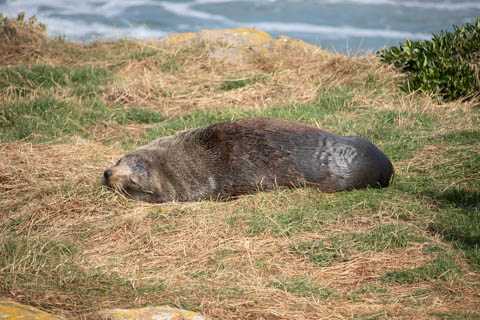
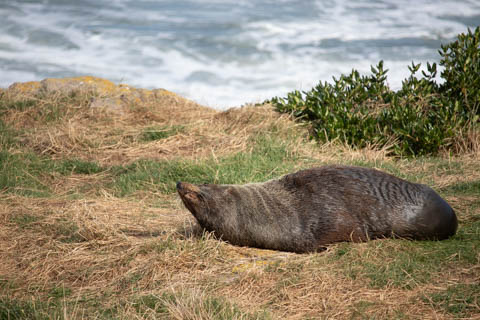
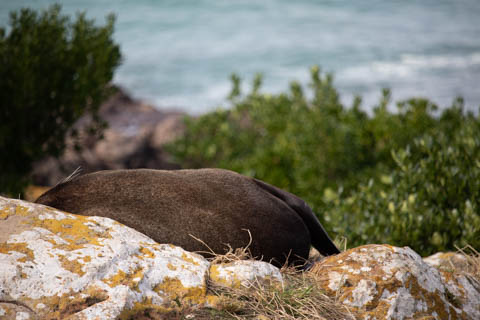
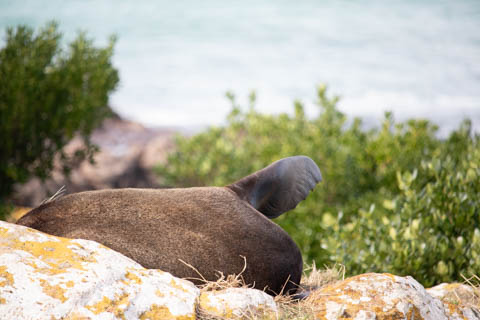
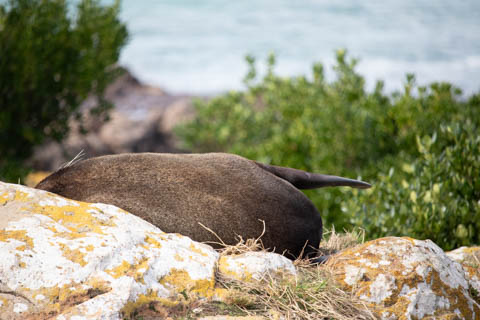
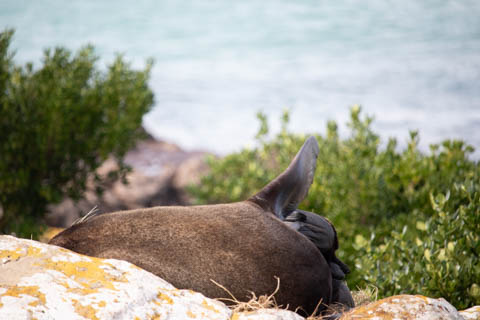
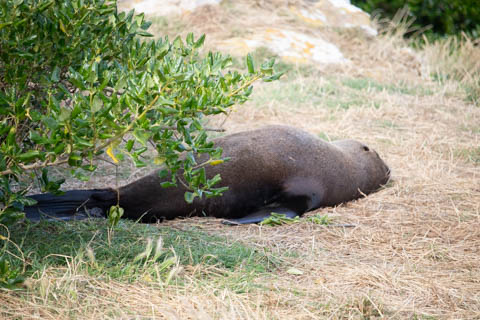
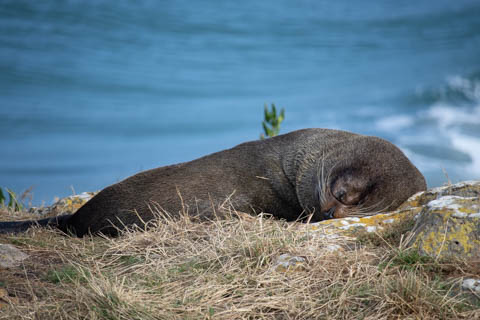
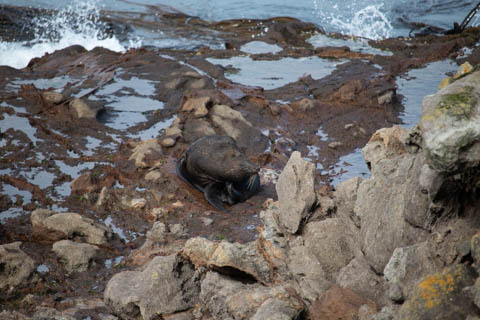
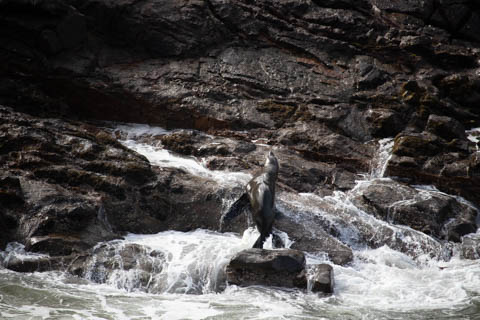
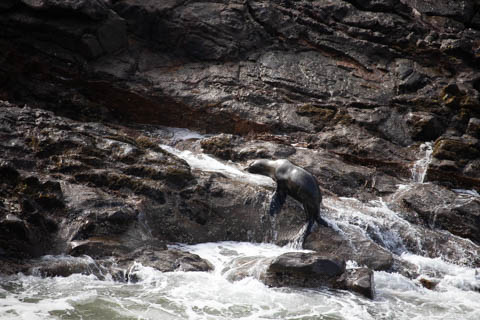
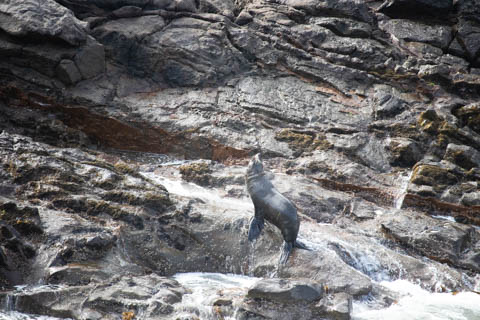
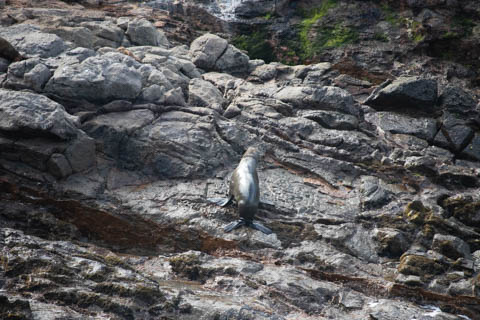
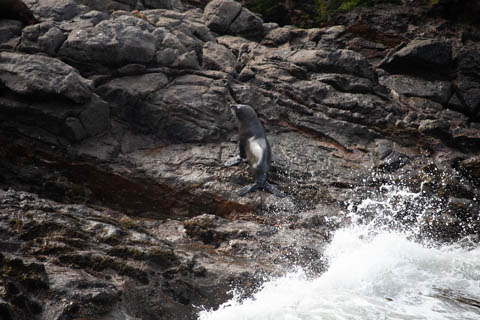
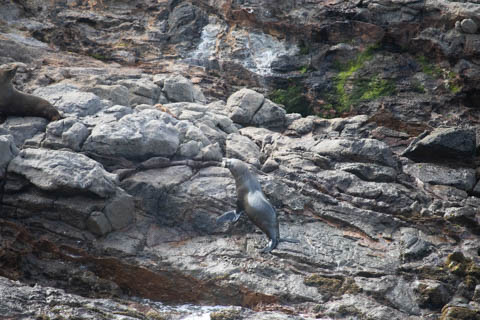
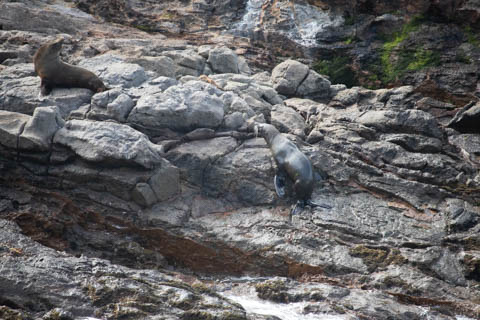
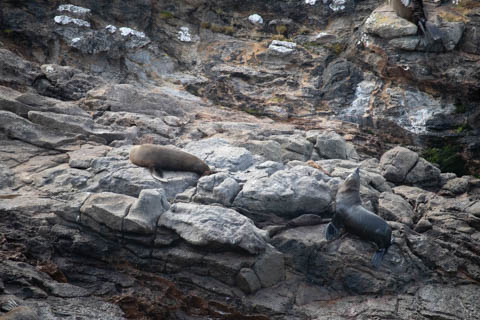
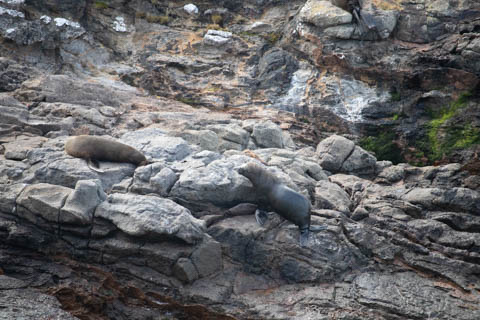
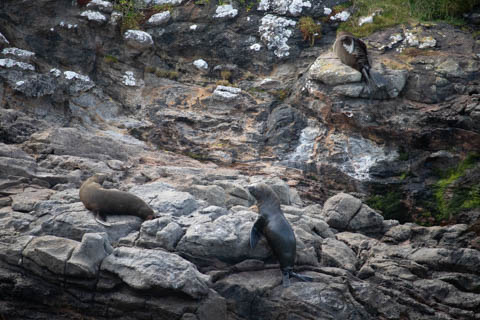
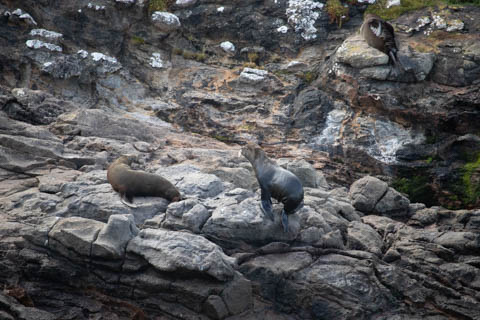
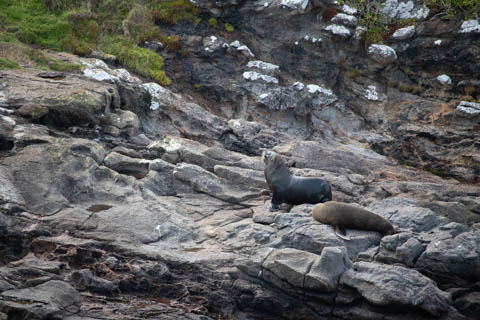
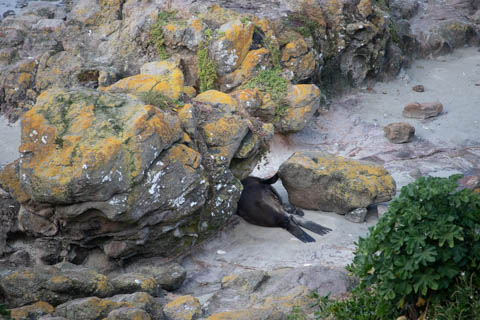
As we walked along the path, we passed a couple huge fur seals.
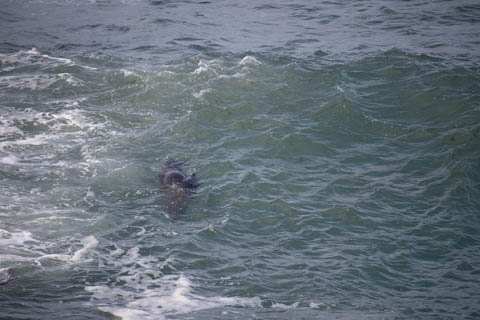
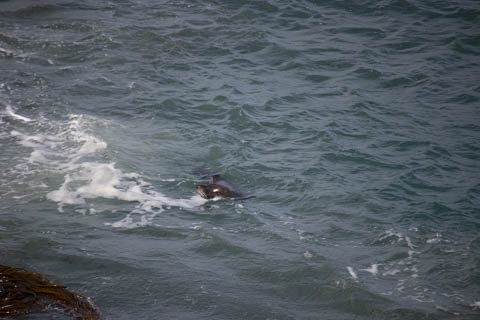
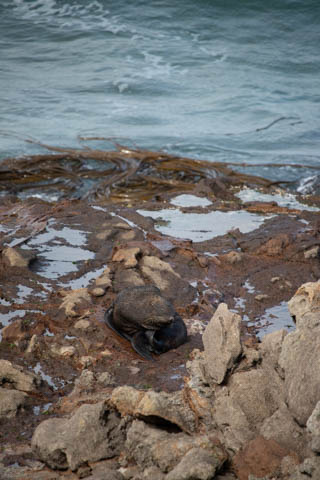
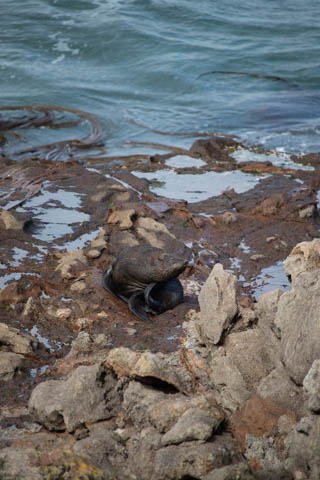
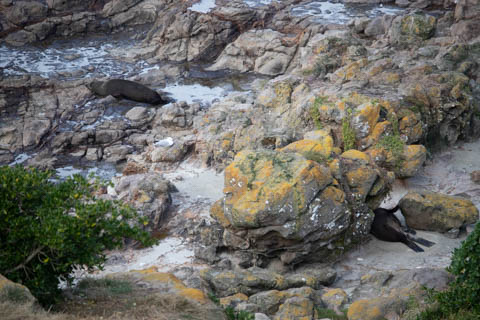
We could see several more seals swimming and on the rocks down the bluff.
Amazing watching something so big pull itself out of the surf and up onto the rocks.
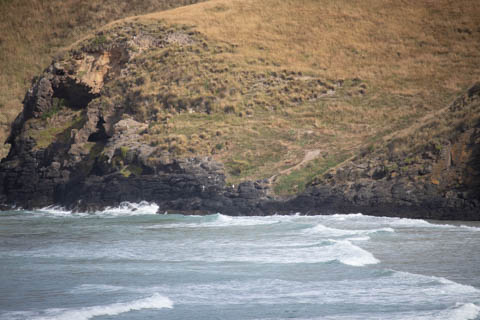
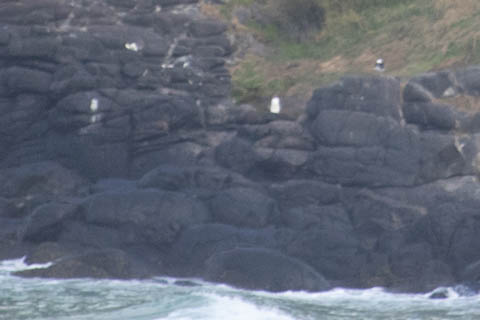
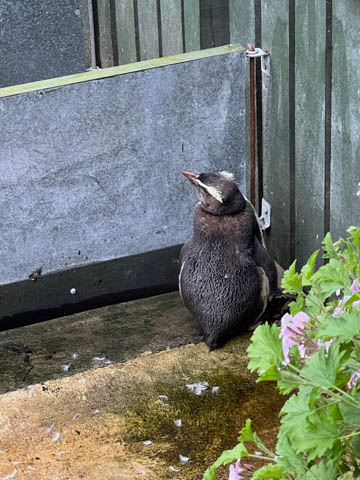
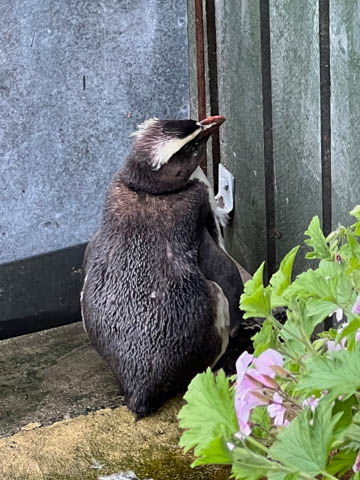
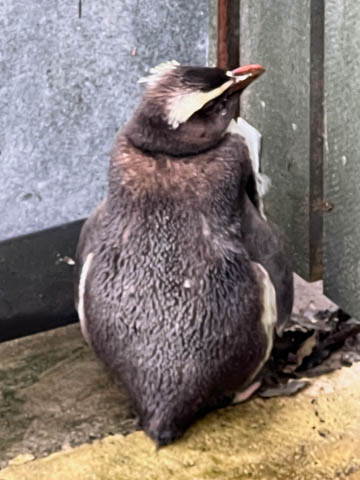
The walkway overlooked a bay with a gentle slope and a small beach to the right where yellow-eyed penguins (hoiho to the Maori) would come in to access their nesting area. in the woods and bust up to a half mile inland. They are one of the rarest penguins in the world and are only found in New Zealand. Their Māori name, hoiho (meaning noise shouter), was given because of its shrill call. They are not as social as other penguins and prefer to nest often well away and out of sight of their neighbors. Their nests were rather far inland through long grass and then inside some small wooded areas, so the best chance to see them was when they passed over the beach coming to and from the sea. No yellow-eyed penguins, but Aspen pointed out a huge crested penguin high on the rocks who had been there a couple days.
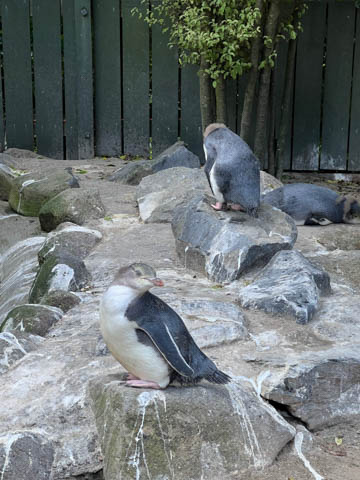
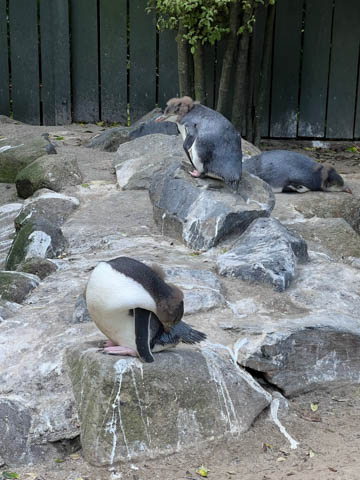
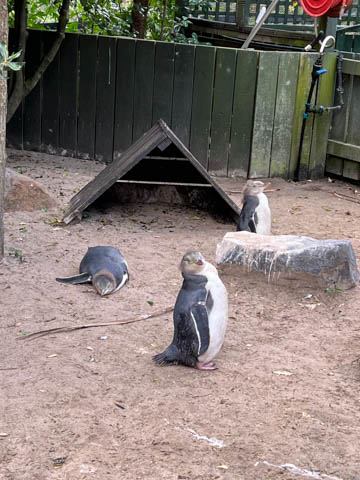
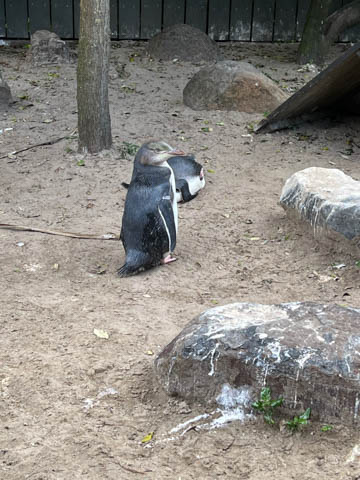
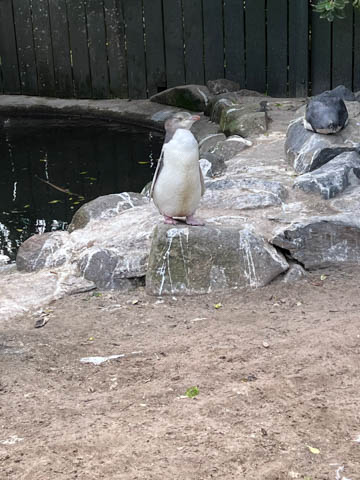
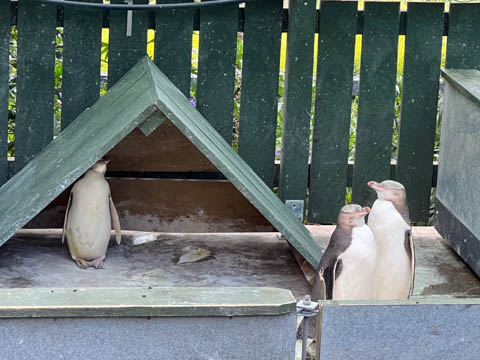
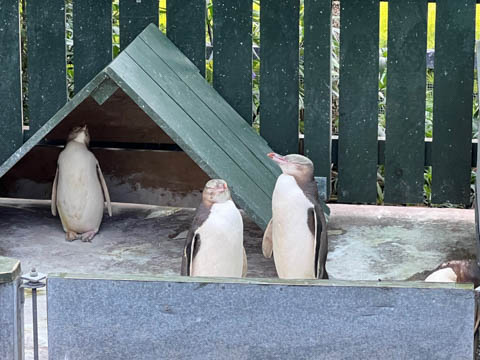
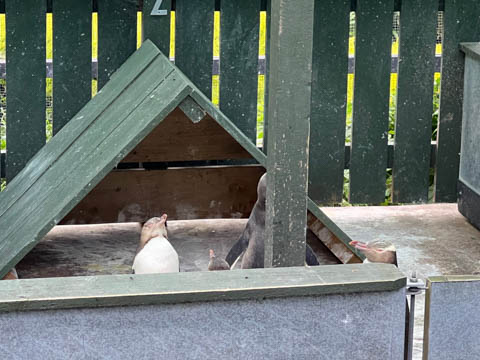
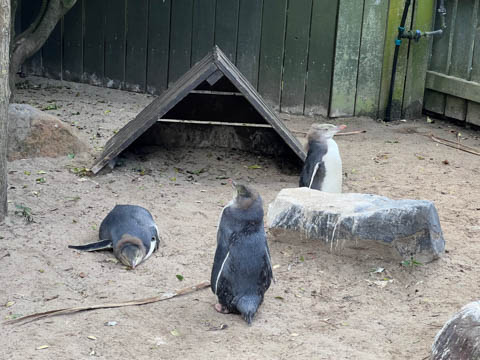
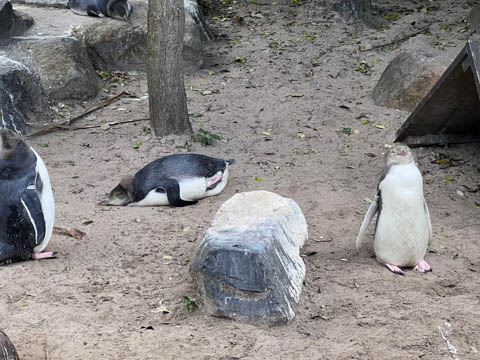
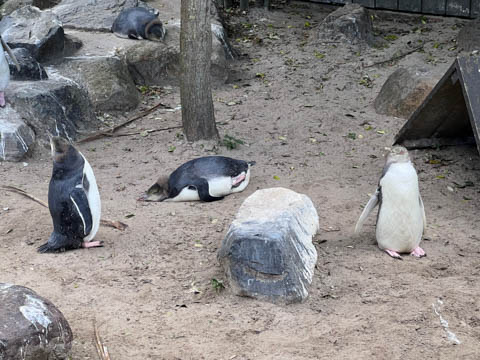
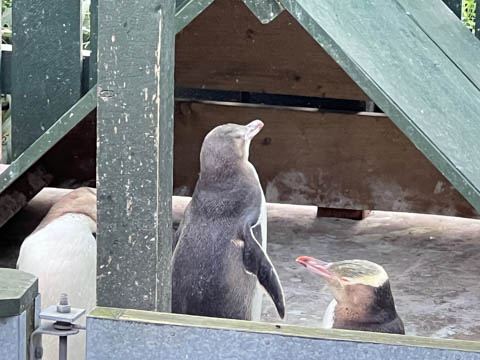
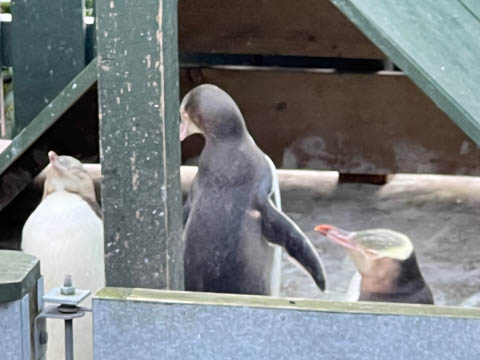
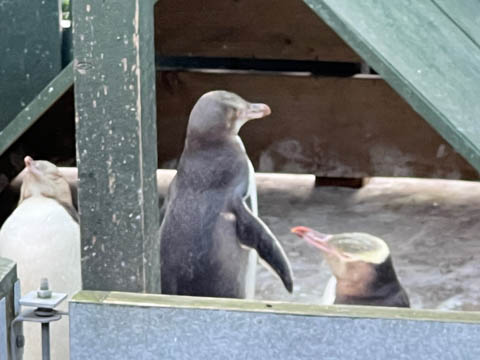
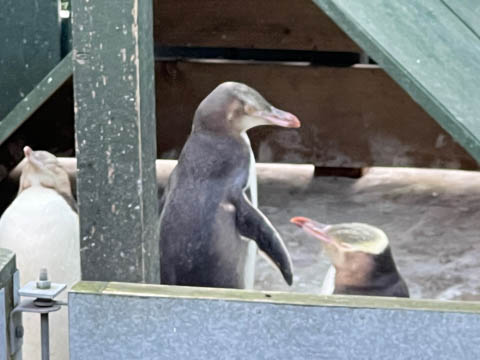
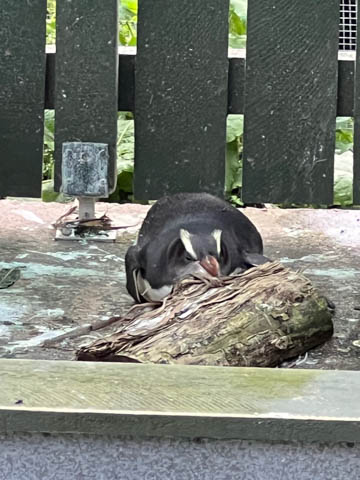
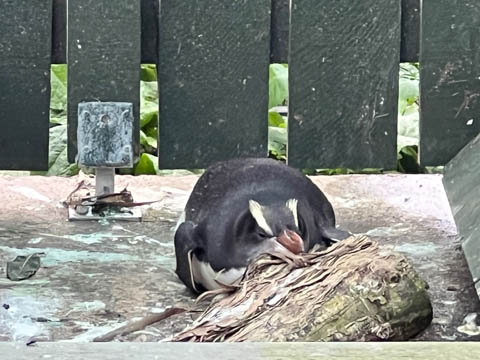
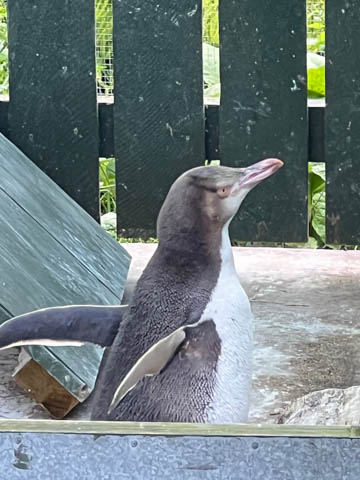
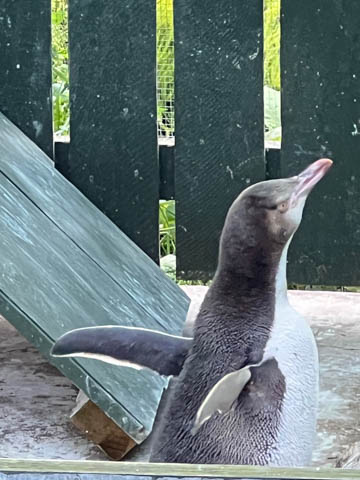
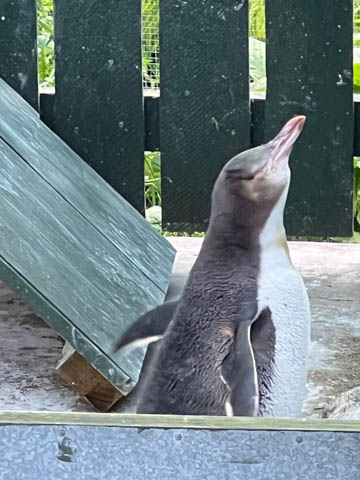
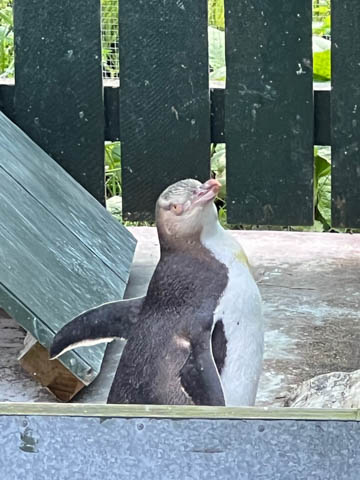
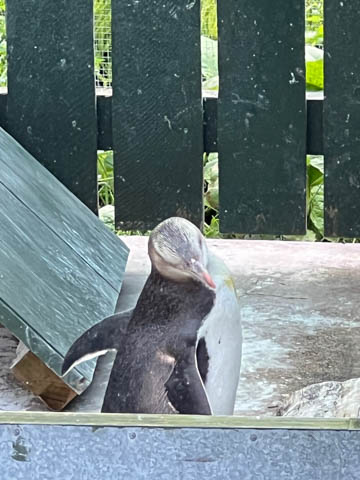
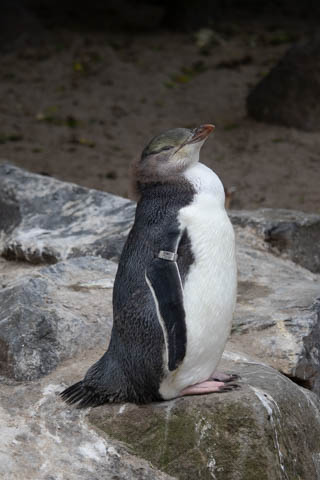
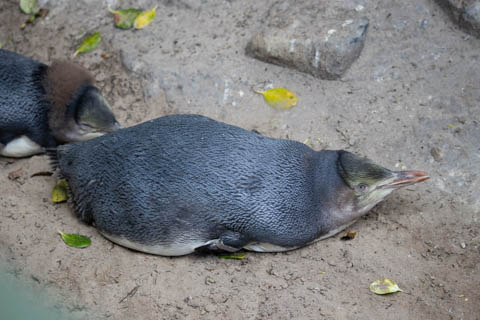
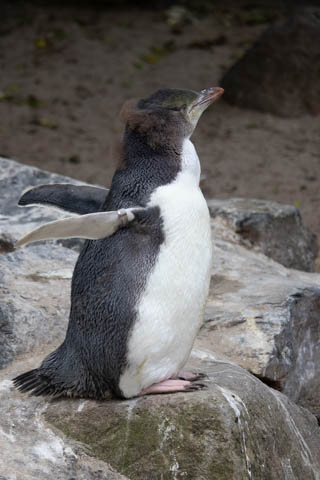
Once back at their center, we went by holding areas for penguins needing some medical help or other rehabilitation needs. Here were some yellow-eyed penguins.
|
|
|