
|
|
Use these navigation links to move between the Year 2025 pages. Specific pages can be accessed at the bottom of this page
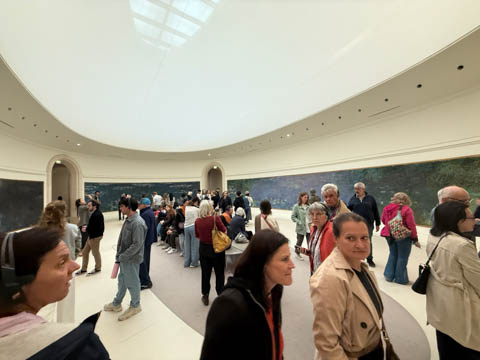
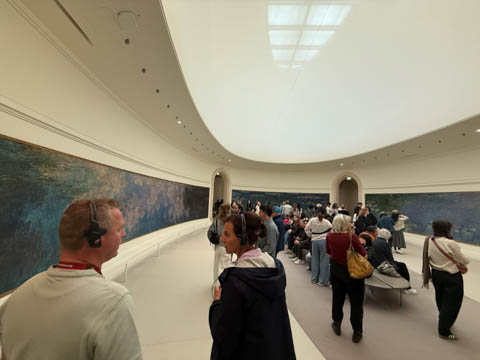
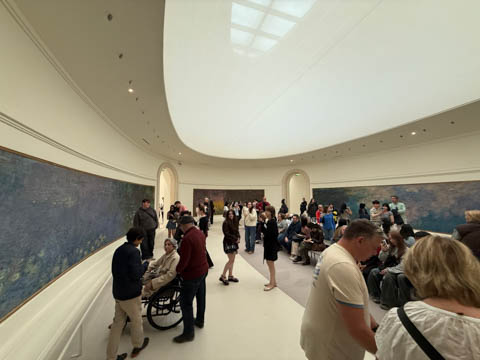
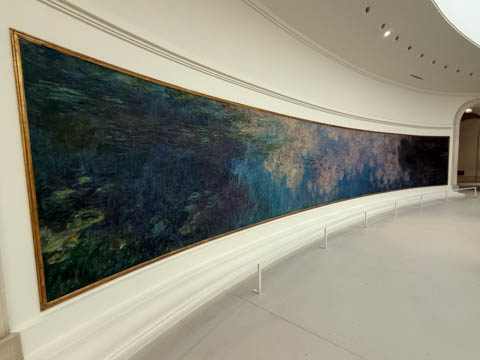
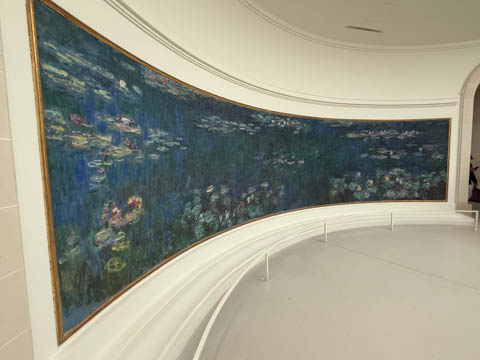
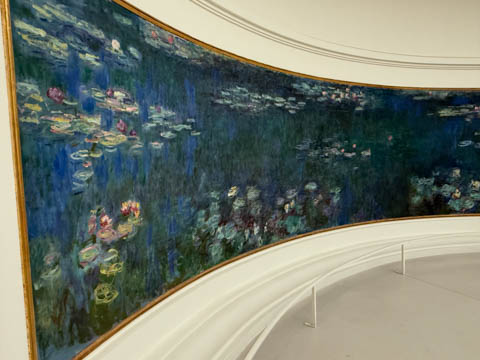
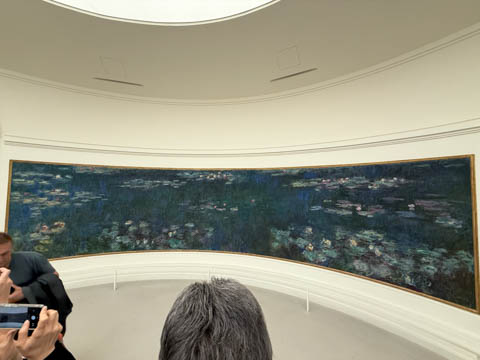
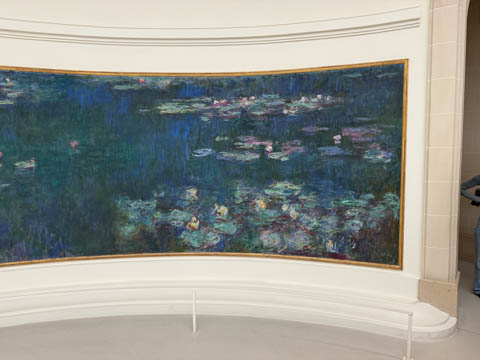
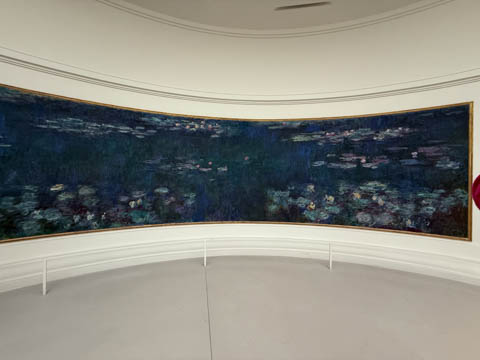
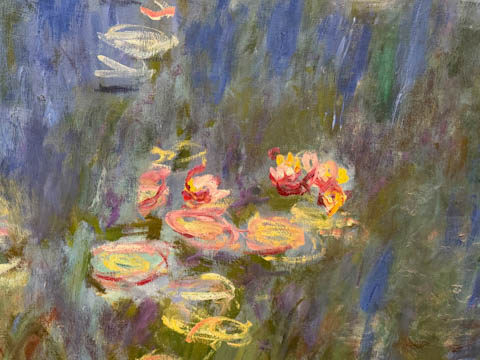
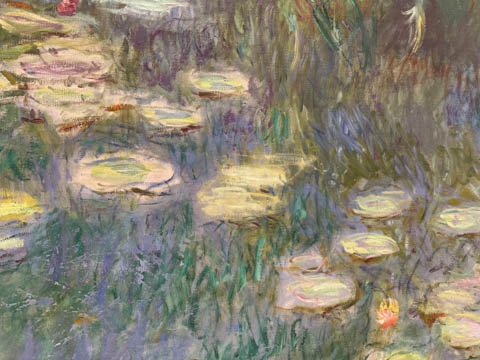
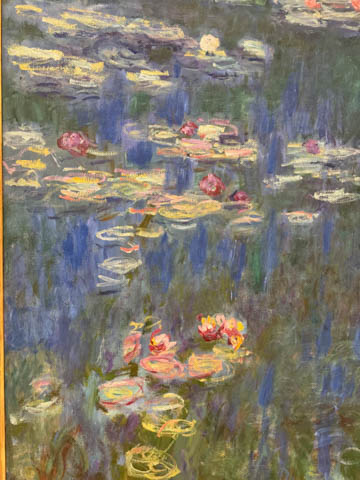
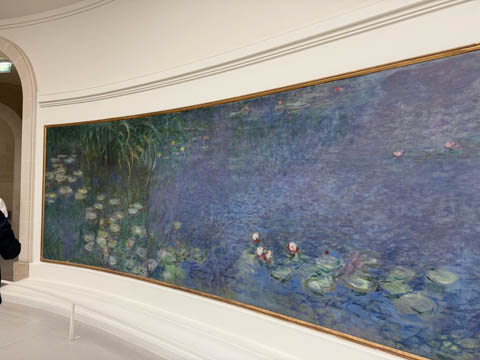
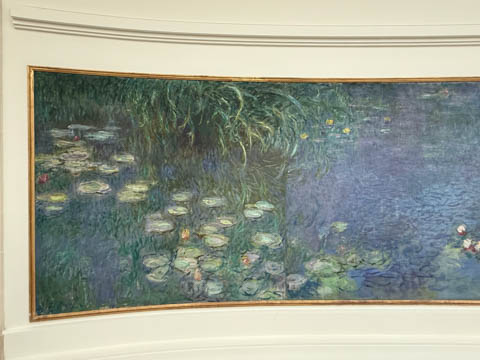
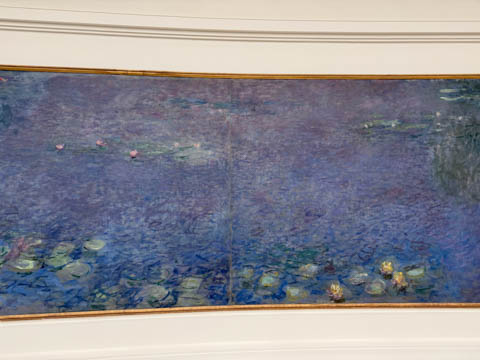
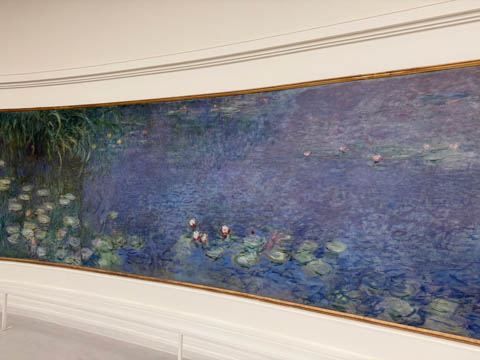
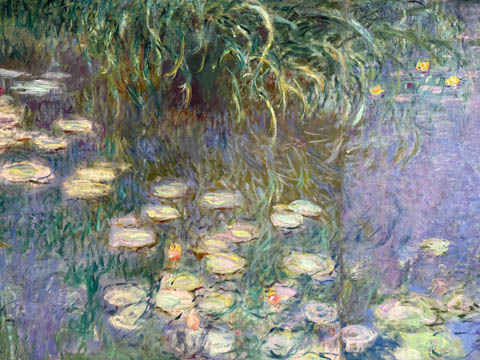
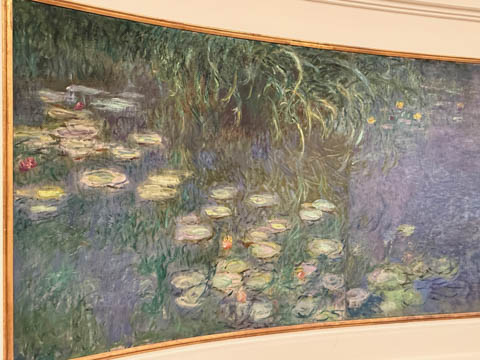
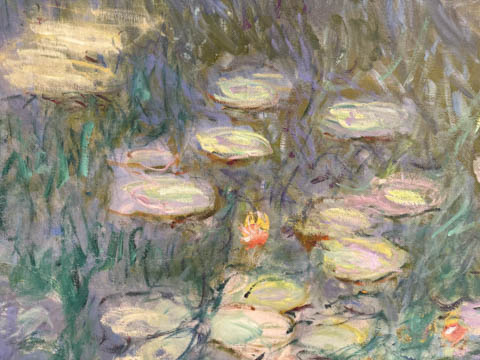
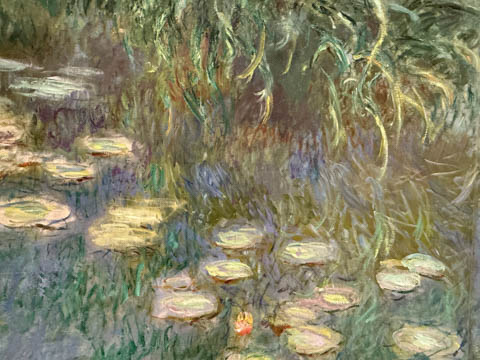
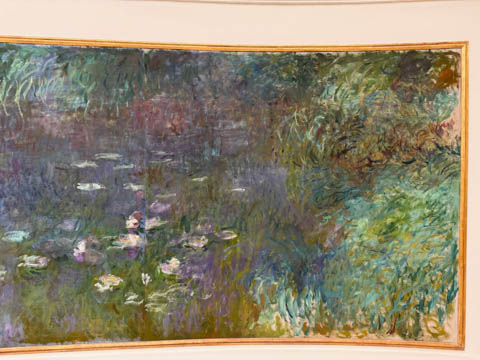
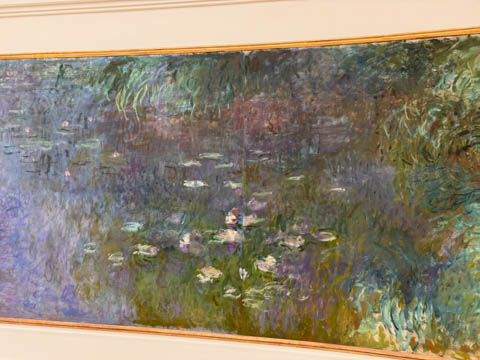
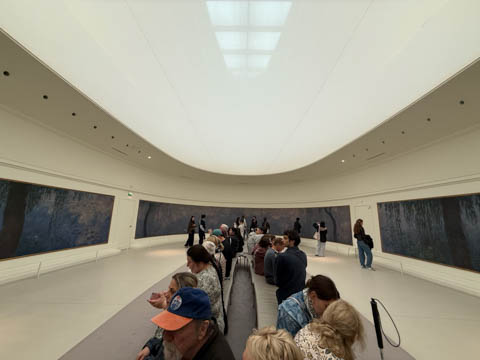
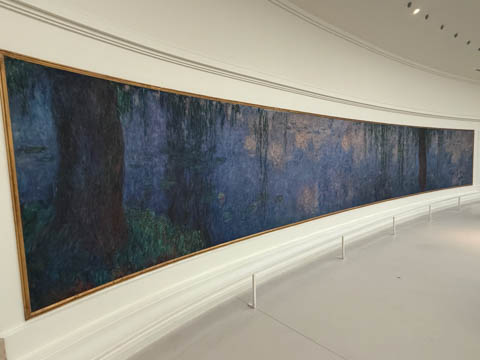
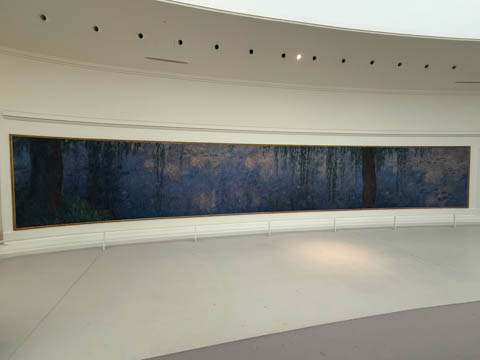
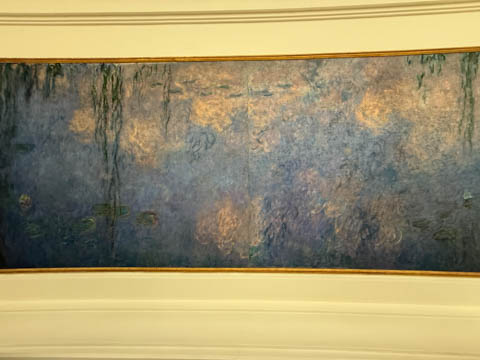
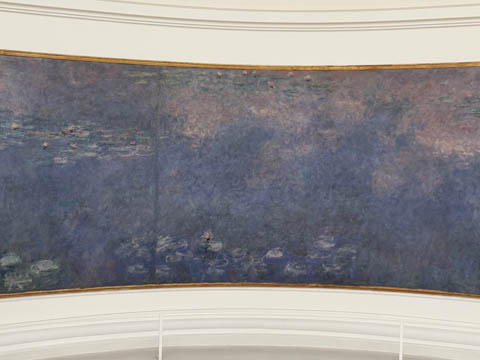
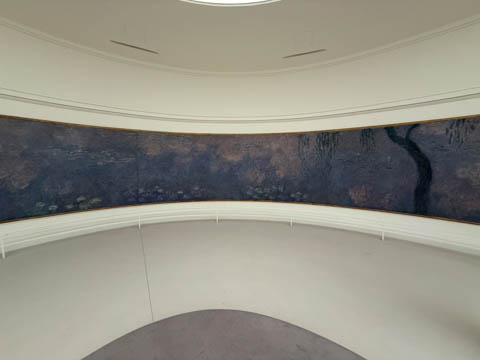
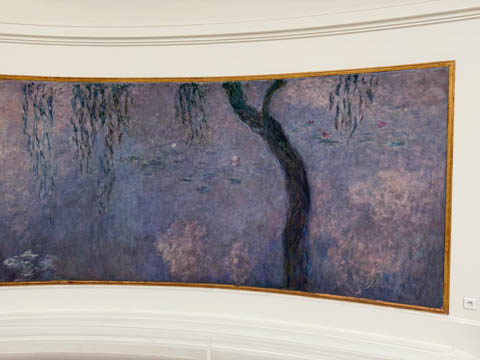
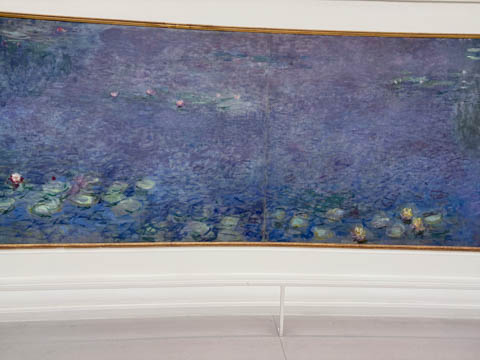
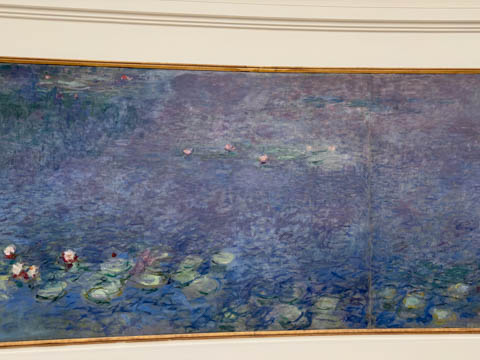
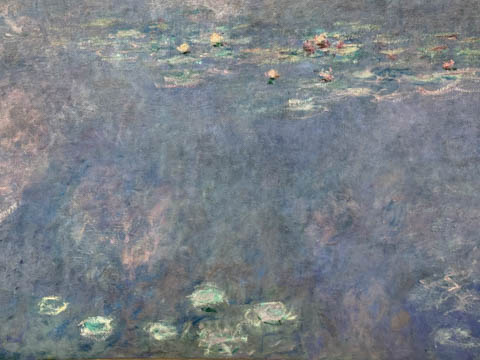
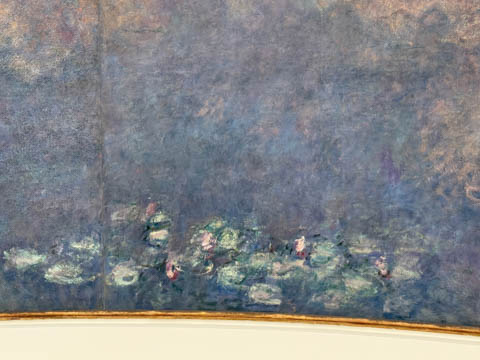
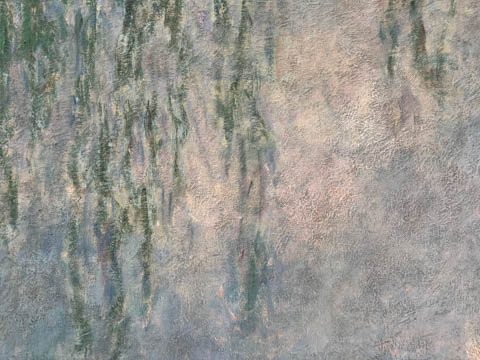
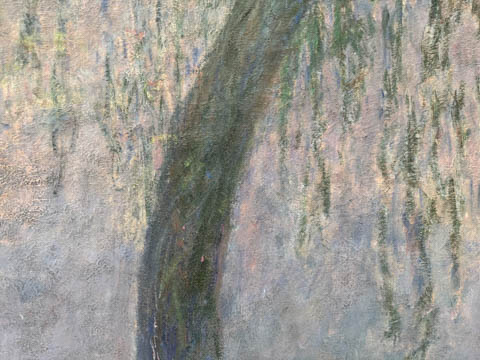
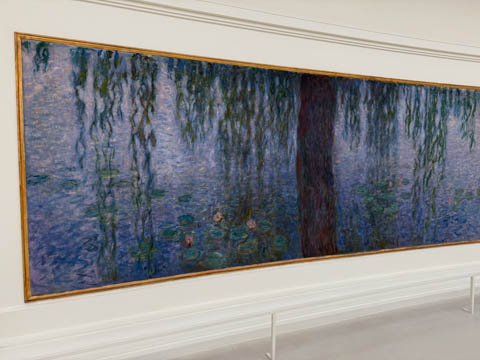
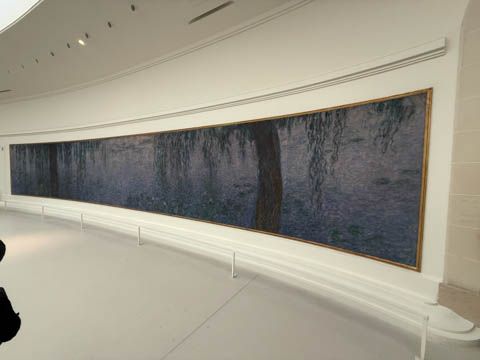
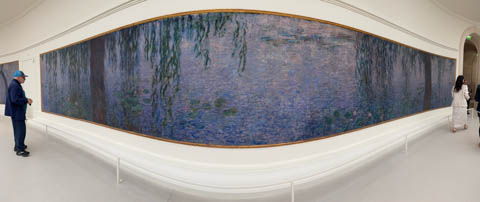
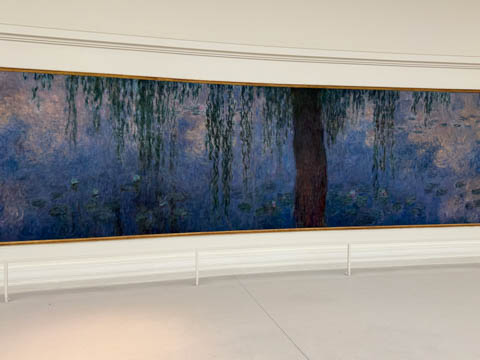
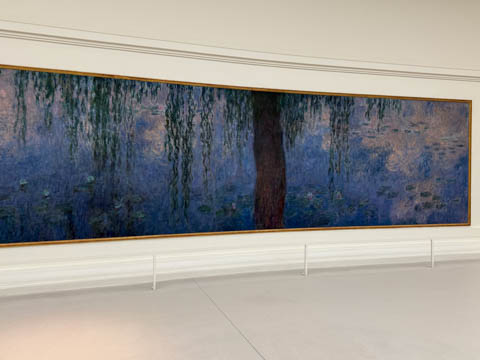
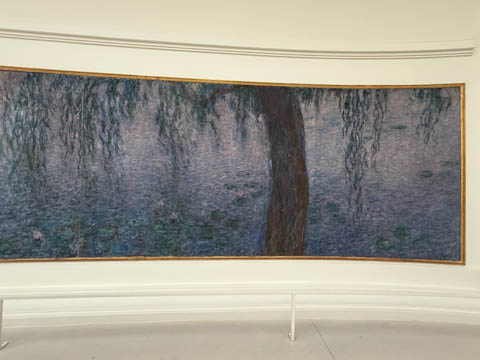
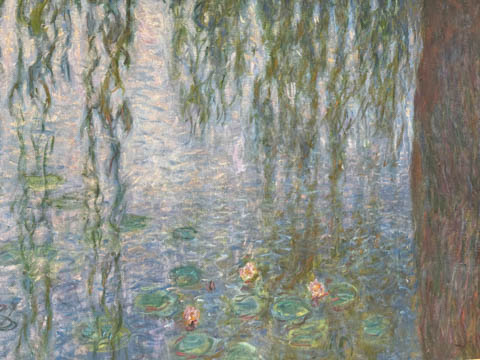
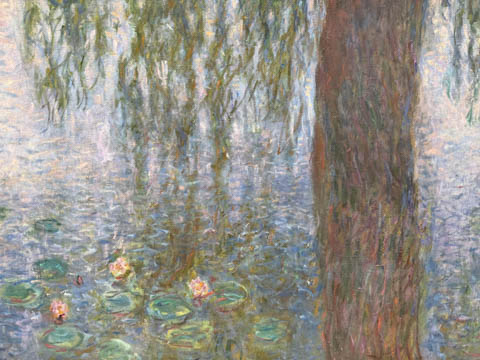
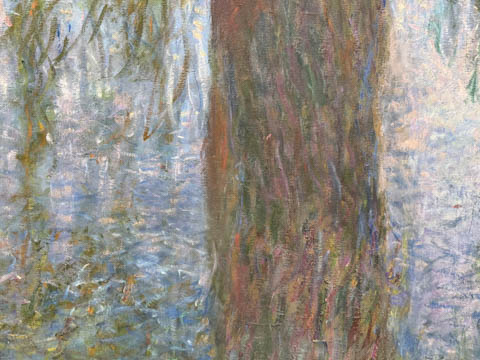
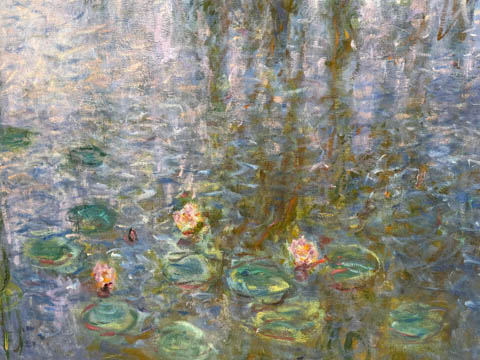
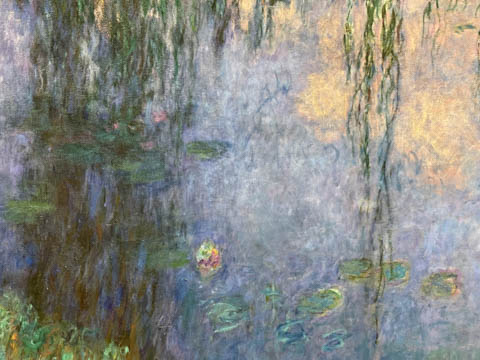
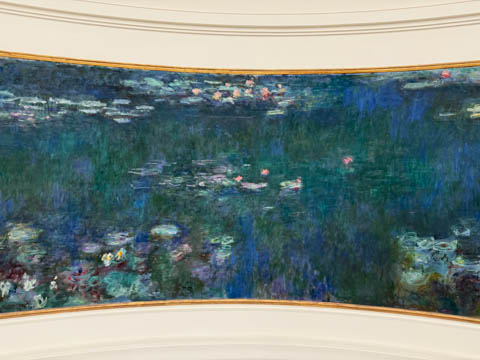
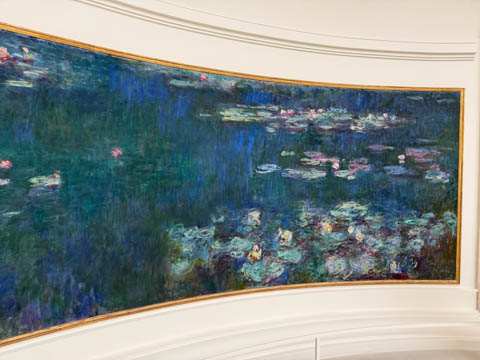
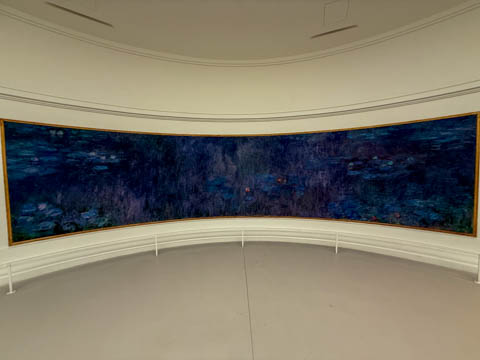
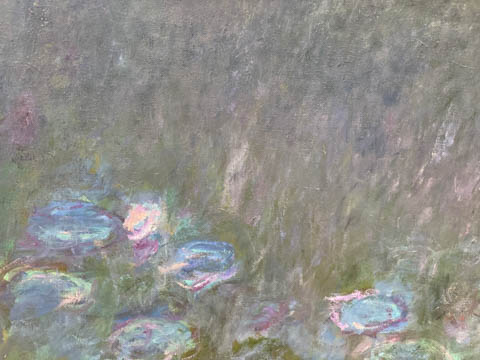
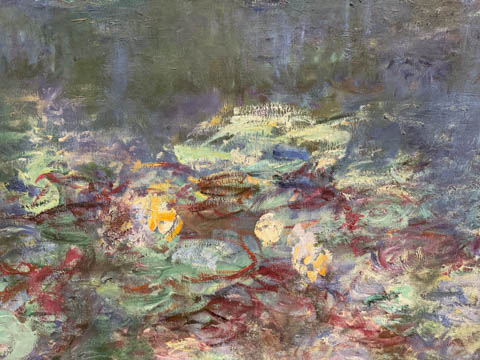
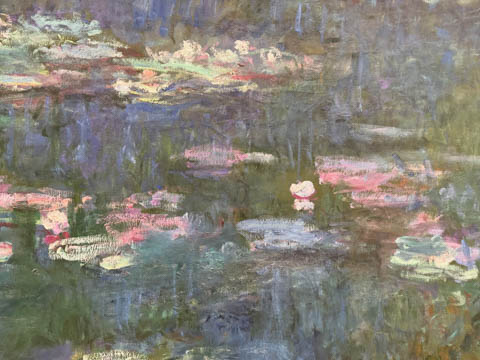
May 2025 (Part 29) France Trip: Day 13: Musee De L'Orangerie We next visited the Musee De L'Orangerie. This is an art gallery dedicated to Impressionist and Post-Impressionist paintings. The museum is most famous as the permanent home of eight large Water Lilies murals by Claude Monet, and also contains works by Paul Cézanne, Henri Matisse, Amedeo Modigliani, Pablo Picasso, Pierre-Auguste Renoir, Henri Rousseau, Alfred Sisley, Chaïm Soutine, Maurice Utrillo, and others. Napoleon III had the Orangerie built in 1852, to store the citrus trees of the Tuileries garden from the cold in the winter. It was built out of glass on the (south) Seine side to allow light to the trees, but the opposite (north) side is almost completely windowless to protect the citrus trees from the cold winds. We headed upstairs to the Monet Water Lilies, which are housed in a special exhibit space matching Monet's request and how they were originally displayed in his studio. The eight panels are amazingly big, and roughly represent images at different times of day, allowing the natural sunlight to follow them over the day and seasons. During his life, Claude Monet (1840–1926) produced approximately 250 oil paintings on the theme of Water Lilies (French: Nymphéas). The paintings depict his flower garden at his home in Giverny, and were the main focus of his artistic production during the last 31 years of his life. Many of the works were painted while Monet suffered from cataracts. He produced this series of paintings for the State, but they were destined for another museum, the Rodin. The President of the Council, Georges Clemenceau (1841–1929), wanted the paintings placed in the Orangerie instead. The Water Lillies donation to the Orangerie was finalized in 1922. Monet helped architect Camille Lefèvre with the architectural design in which eight panels, each two meters high and spanning 91 meters in length, are arranged in two oval rooms which form the infinity symbol. Monet also required skylights for observing the paintings in natural light. Due to the east to west orientation of the building the rooms are in the path of the Sun, which stretches along the same axis as the Arc de Triomphe to the Louvre. Originally, the museum was inaugurated on 17 May 1927 as the Musée Claude Monet, a few months after the artist's death, but was later changed to the Musée National de l’Orangerie des Tuileries. Monet intended the art to be "the haven of peaceful meditation" and a gift to modern man with his "overworked nerves." The six panels are the same height (a little more than 6.5 feet or 2 meters), but different lengths along the curved walls of the oval rooms. If the panels were liad end-to-end, the total length would be nearly 300 feet (or 91 meters). Natural light some into the glossy white rooms from skylights, meaning the weather and time of day literally puts the paintings in a different light. Monet arranged the artwork so the paintings with sunrise hues are to the east and the paintings with sunset hues are to the west. https://www.musee-orangerie.fr/en/node/197502 It was pretty crowded.
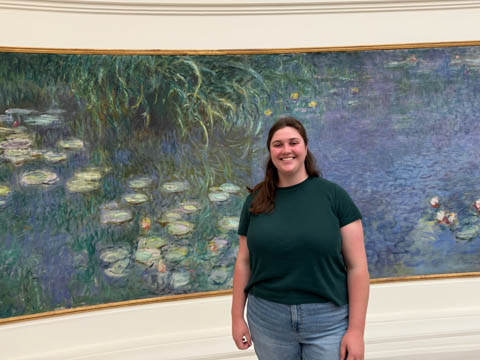
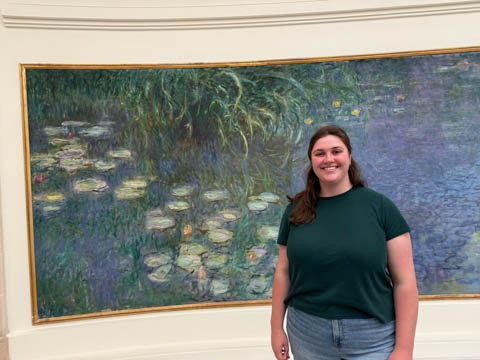
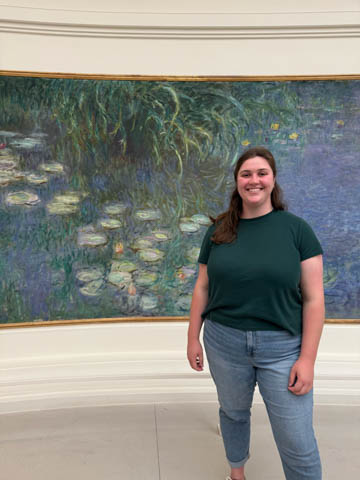
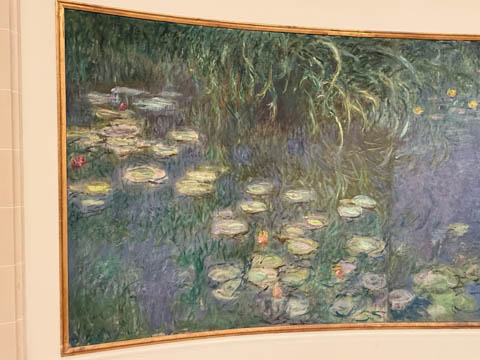
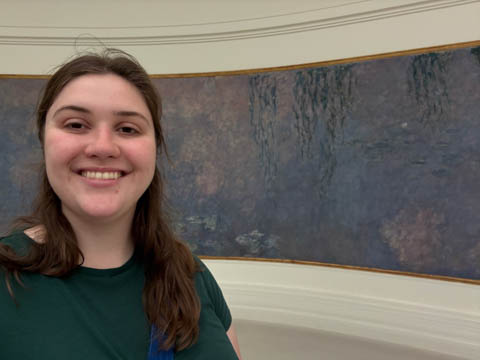
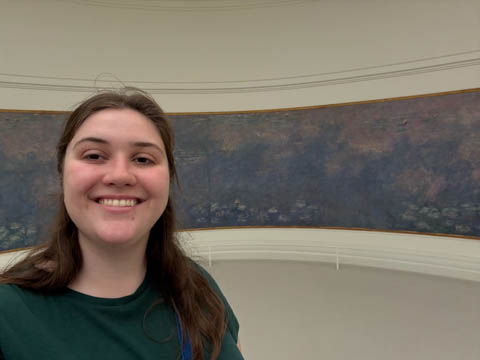
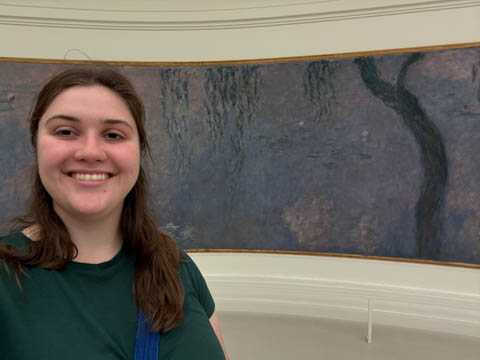
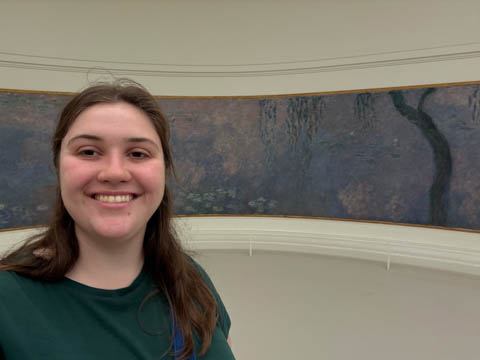
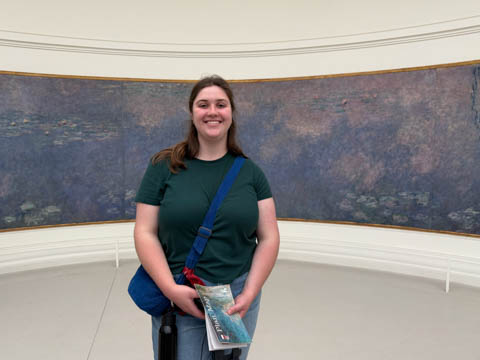
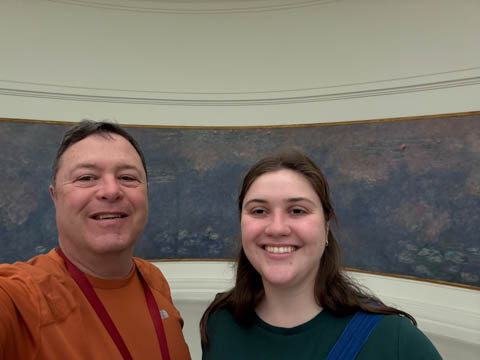
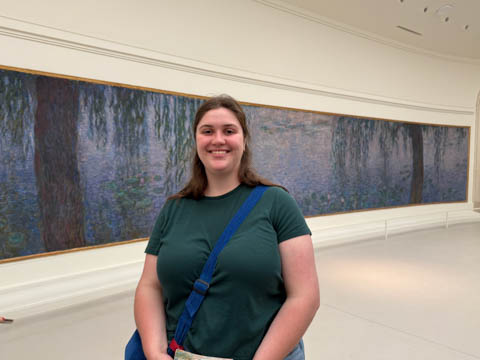
But we did manage to get a couple pictures in front of the paintings without someone right next to us or close behind. Steve and Lexi conspired to get a decent picture of her in front of at least four of the panels though, so we can declare success despite the crowd. It was rather fun trying to decipher which of the panels the images were of across three different cameras, when none of us went in the same order through the rooms. On the left as you enter was the first panel, Les Nuages (1926) (The Clouds).
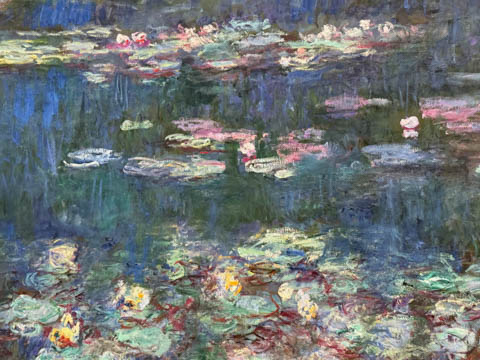
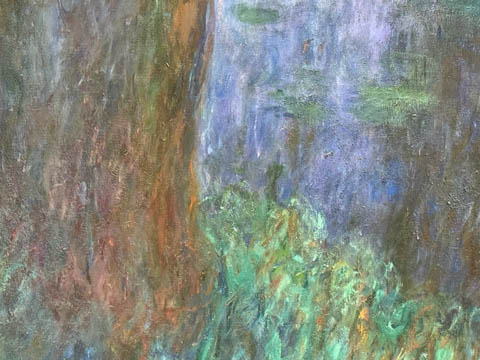
Moving clockwise, on the wall opposite the entrance is Reflects d'arbes (Reflections of trees).
The next painting to the right was Matin (1926) (Morning).
The last image in a clockwise manner, on the wall where you entered was Souleil Couchant (Sunset). Unfortunately, we somehow managed to escape without a picture of this panel. In the next room, , to the lext was Le Matin clair aux saules (1926) (The Clear Morning in the Willows).
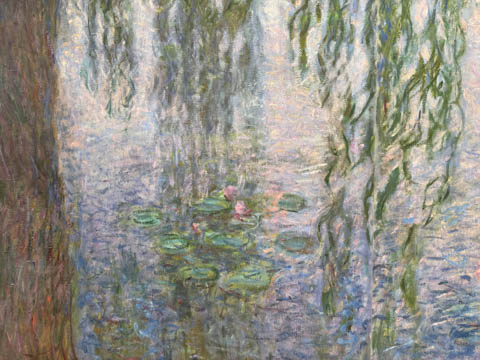
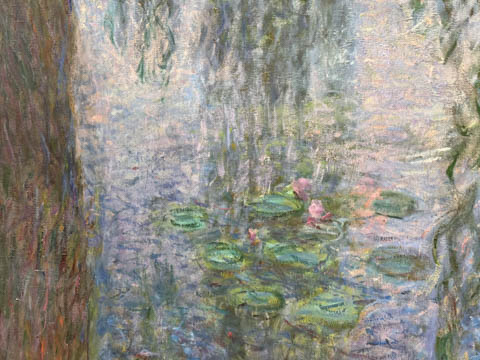
Clockwise from there, on the far wall was Les Deux Saules (1926) (The Two Willows)
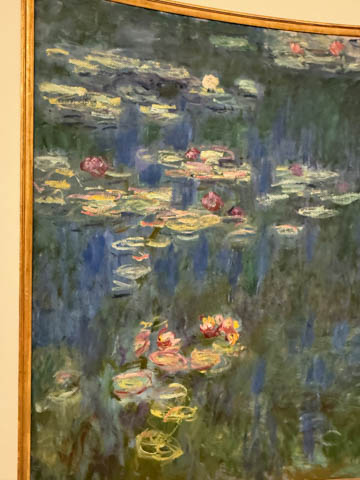
Clockwise to the right again brought us to Le Matin clair aux saules (The Clear Morning in the Willows).
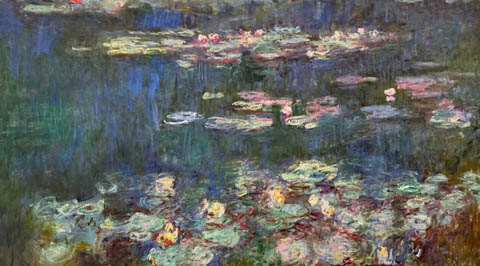
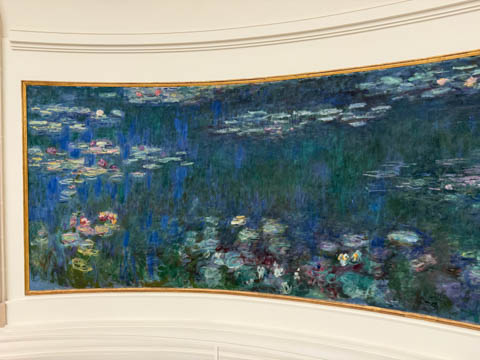
One more clockwise step brings us to the last of the eight panels, Reflects verts (Reflections of green, or green reflections).
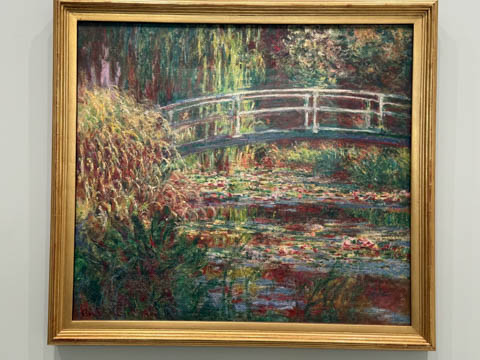
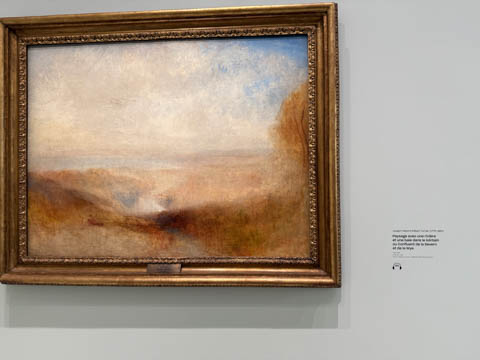
We reluctantly left the Monets and headed downstairs. There were several wonderful masterpieces, but not to the level of the d'Orsay. There was one more Monet downstairs: Le Bassin aux nympheas harmonie rose (1900) (The Pink Harmony Water Lily Pond). On the right is Paysage avec une riviere et une baie dans le lointain ou Confluent de la Severn et de la Wye (Landscape with a river and a bay in the distance or Confluence of the Severn and the Wye) by Joseph Mallord William Turner (1775 - 1851).
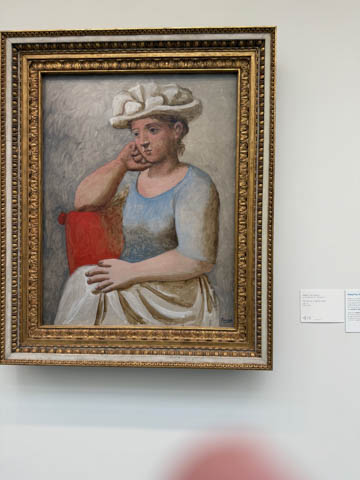
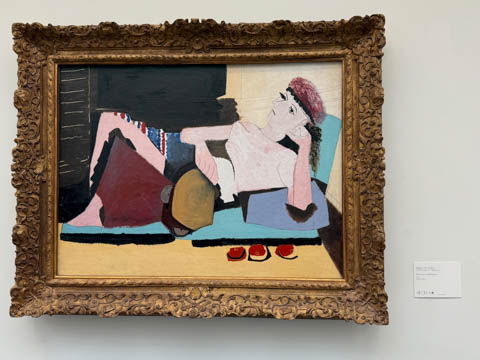
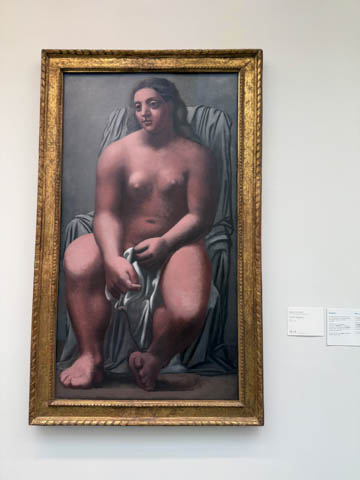
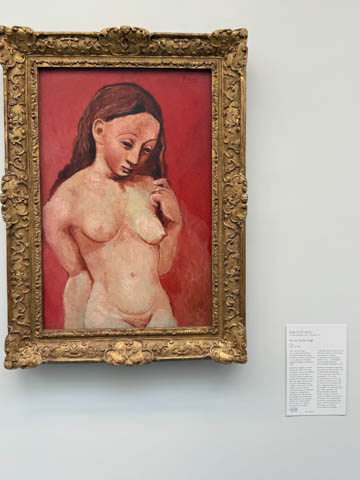
Here are several from Pablo Picasso: Femme au chapeau blanc (1921), Femme au tambourin (1925), Grande baigueise (1921), and Nu sur fond rouge (1906).
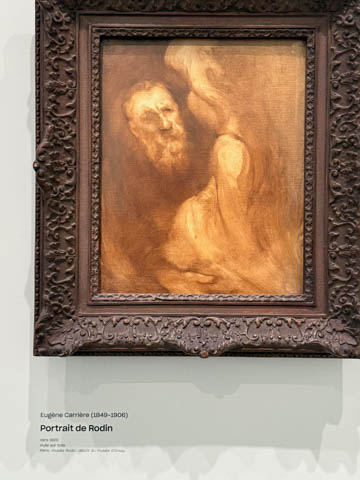
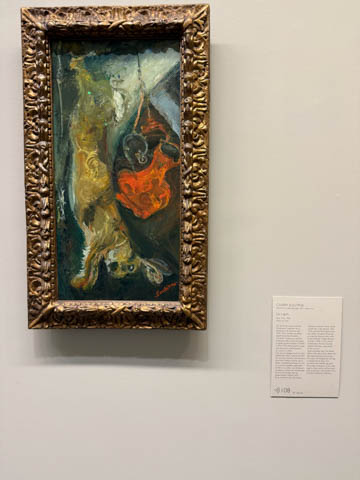
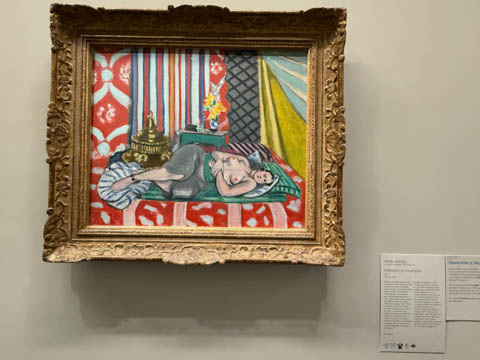
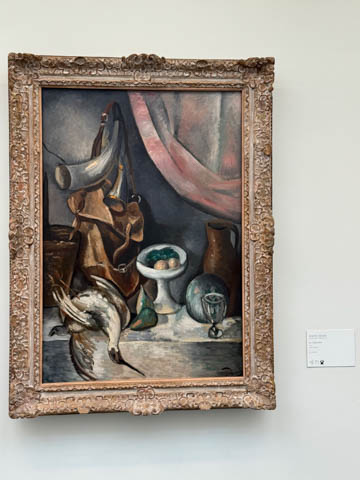
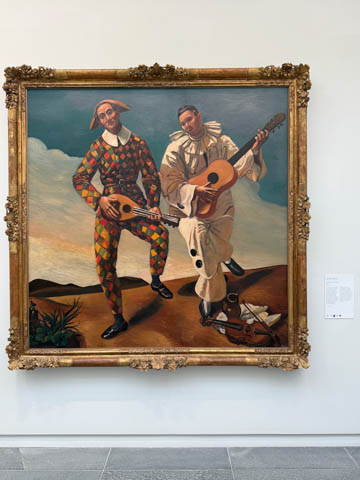
First below is Portrait de Rodin by Eugene Carriere (1849-1906). Next is Le Lapin by Chaim Soutine, then it is Odalisque a la culotte grise (Odalisque with gray panties) by Henri Matisse. Next is La Gibeciere (1913) by Andre Derain, and last is Arlequin et Pierrot (1924) by Andre Derain.
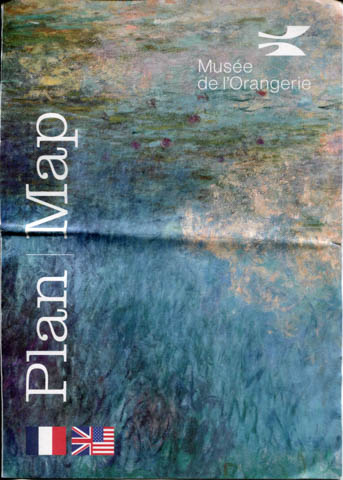
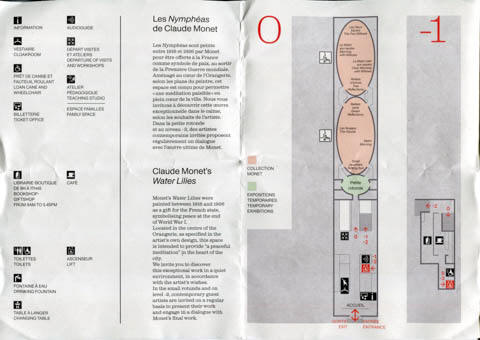
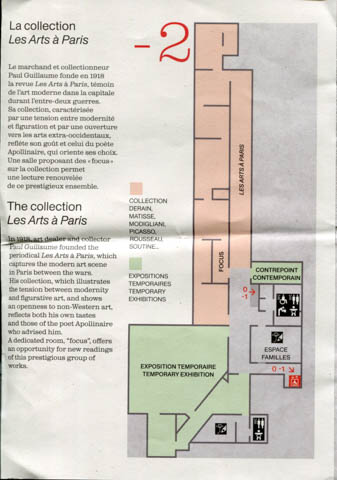
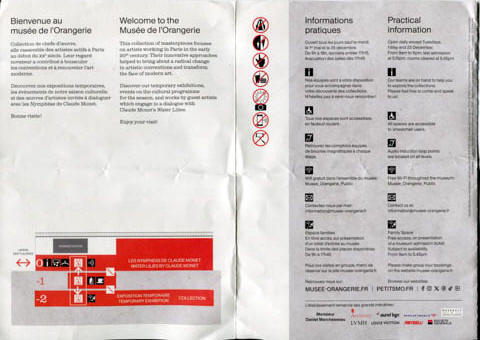
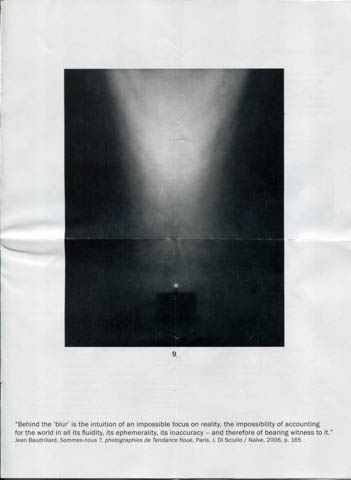
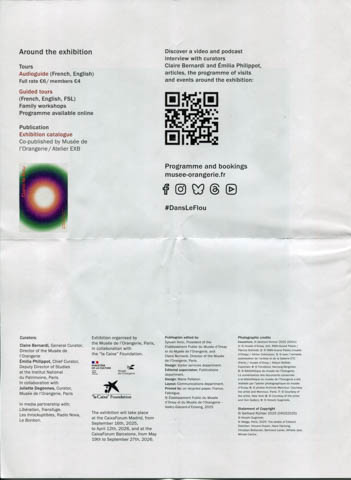
Here is the visitor pamphlet
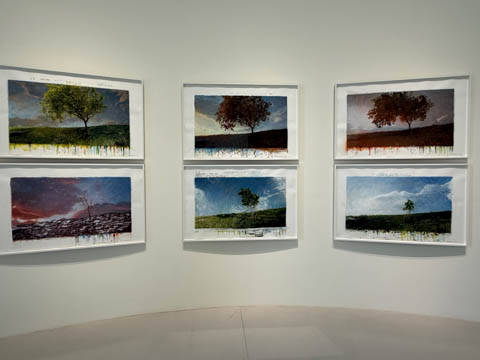
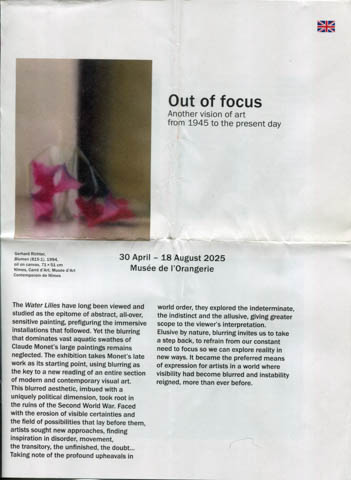
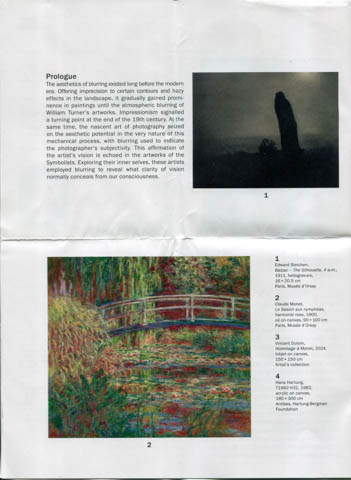
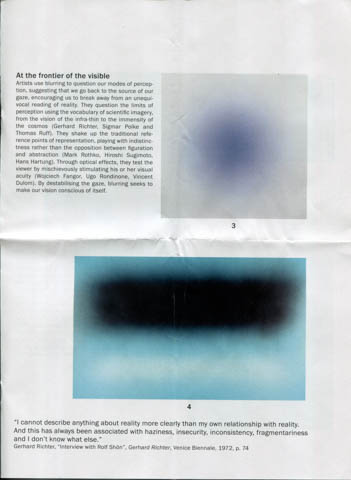
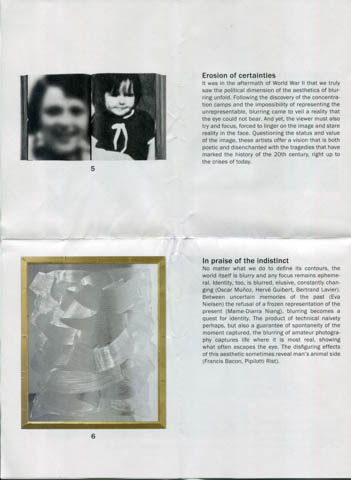
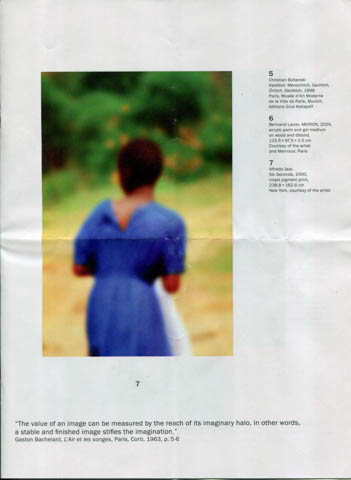
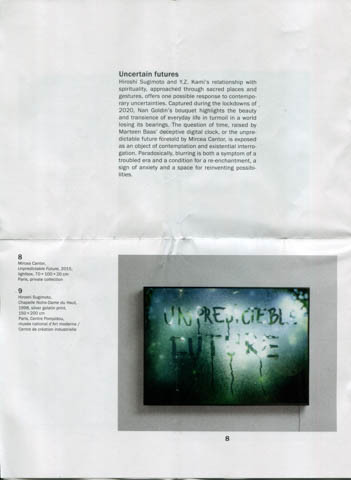
Here is the pamphlet for the special exhibit which tried to show the progression from Impressionism to Modern, capturing the moment in time and light, often with blurred images. Unfortunately, there were only a view pieces in the exhibit that we really appreciated.
|
|
|