
|
|
Use these navigation links to move between the Year 2025 pages. Specific pages can be accessed at the bottom of this page
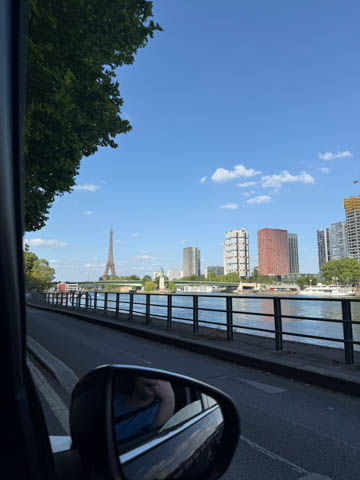
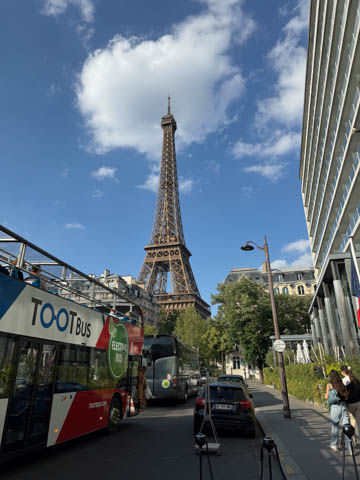
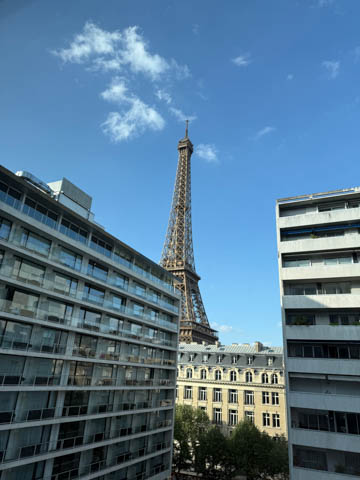
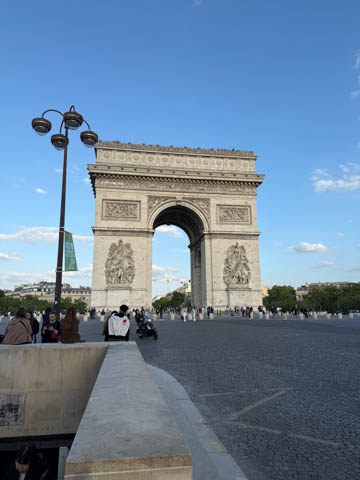
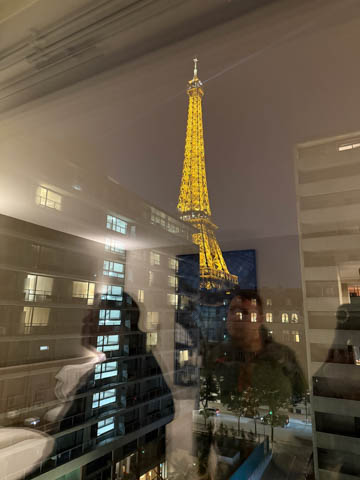
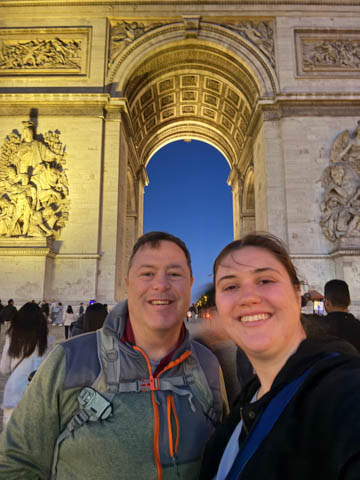
May 2025 (Part 09) France Trip: Day 3: Paris and the Arc de Triomphe After the Chateau de Chambord, we made our way to our hotel in Paris. Some images as we drove in, and the view from the girls hotel room. Had a bit of an adventure getting the rental car returned as the route involved the round-about at the Arc de Triomphe and several rapid turns in traffic.
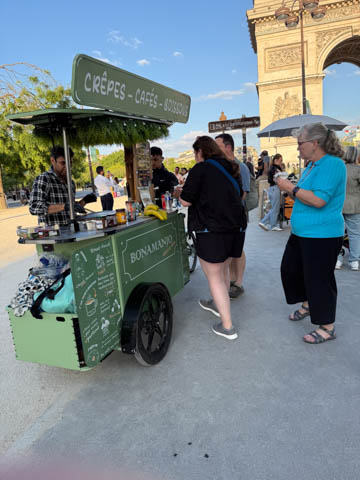
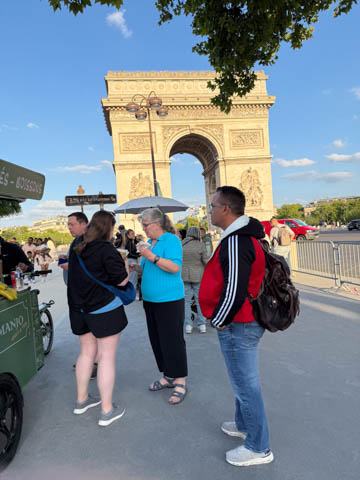
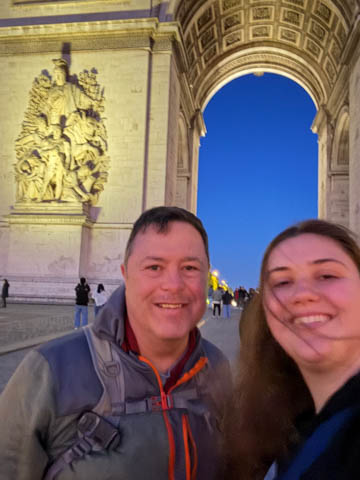
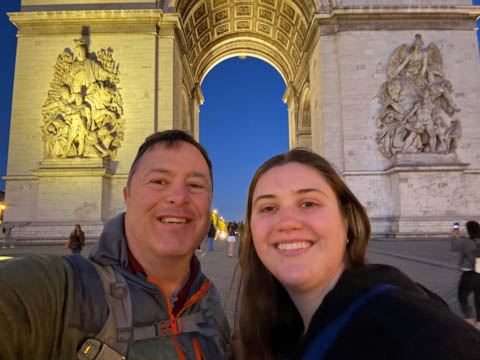
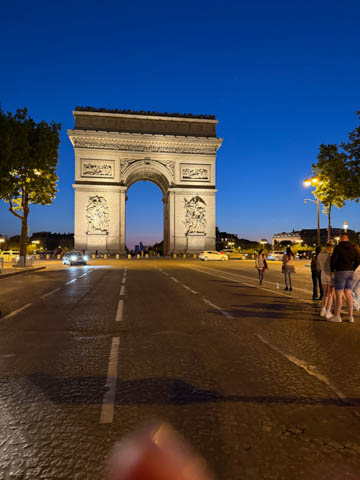
After dropping the car, we walked toward the Arc de Triomphe. We stopped in a couple restaurants, but realized we just didn't have time for dinner. We then saw a street vendor and got several fantastic crepes for dinner.
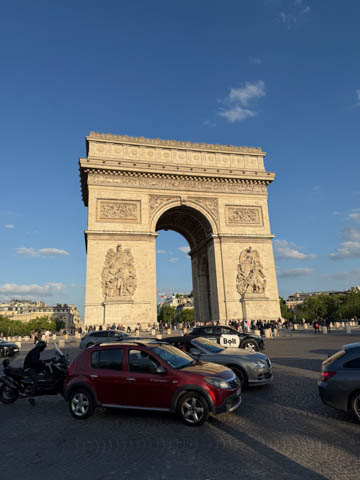
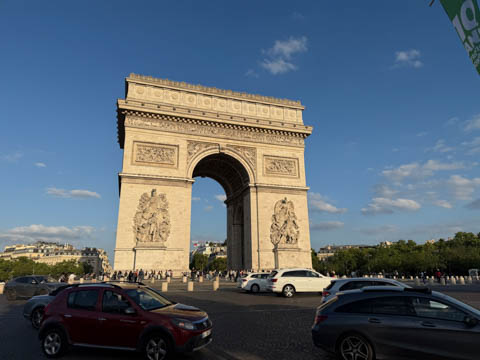
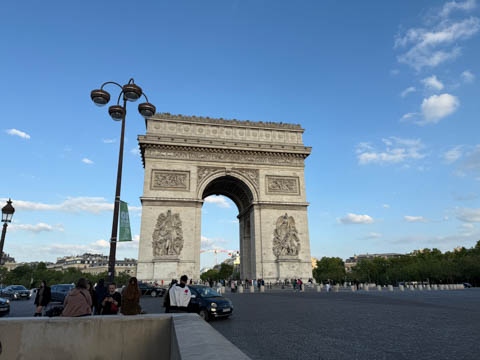
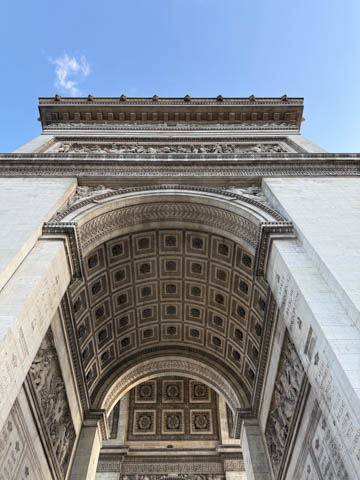
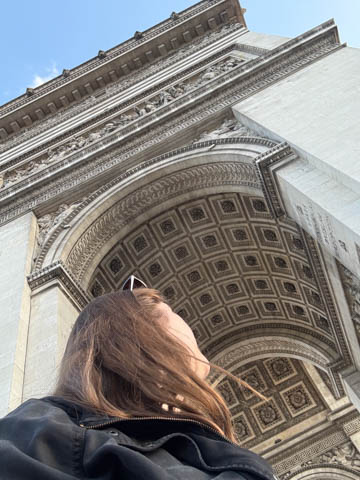
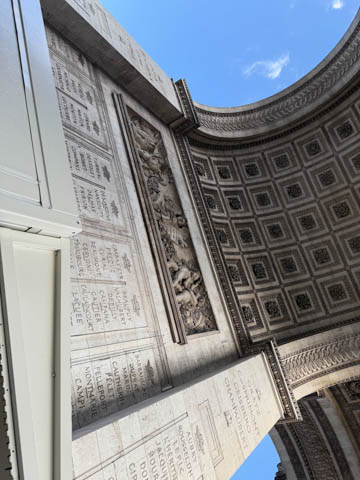
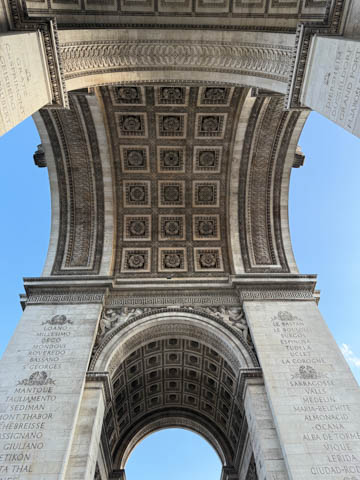
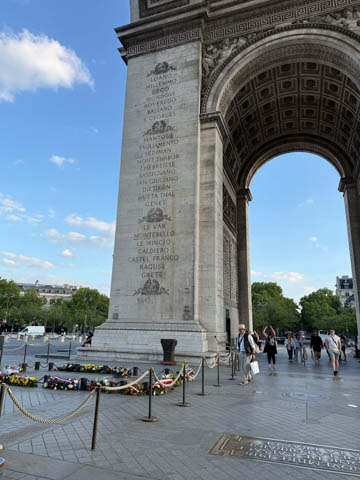
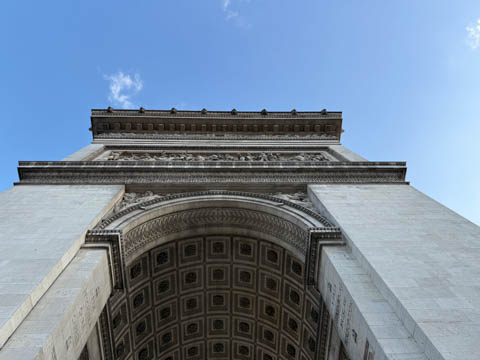
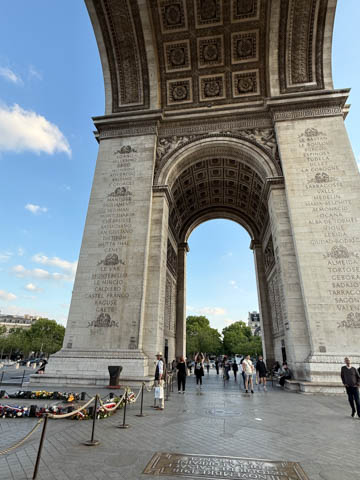
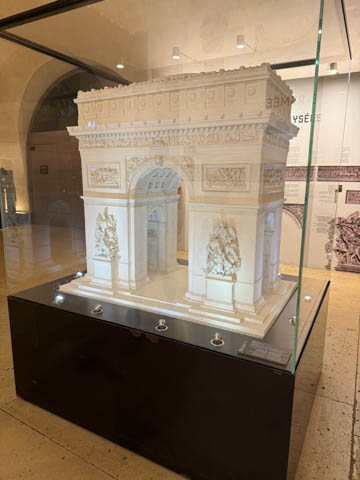
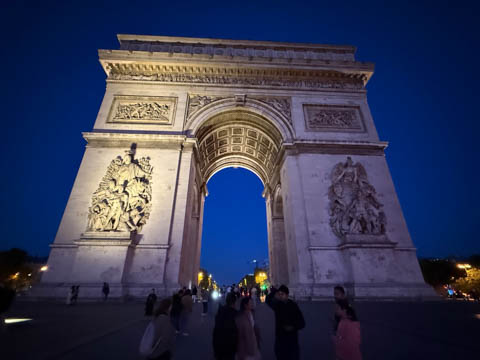
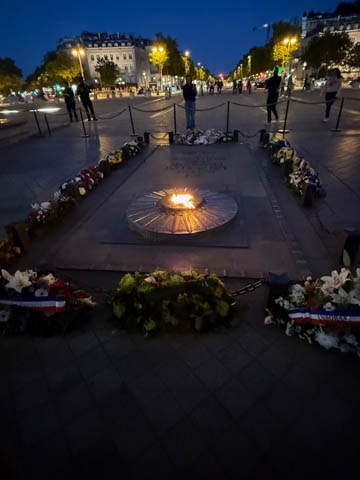
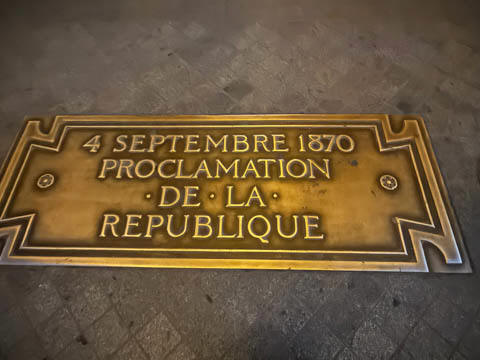
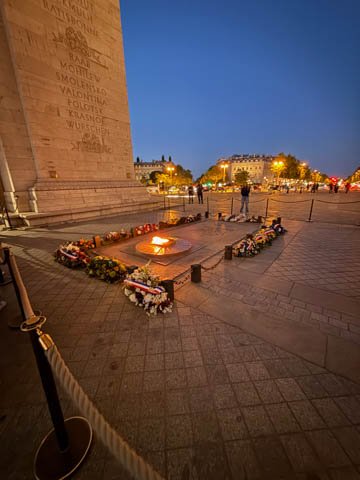
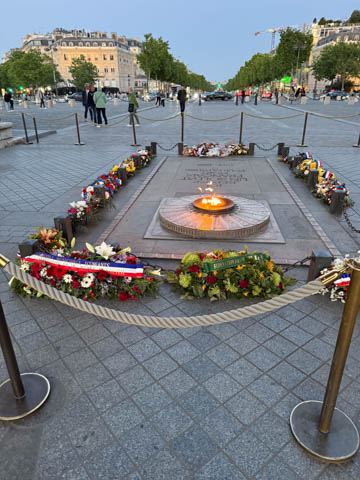
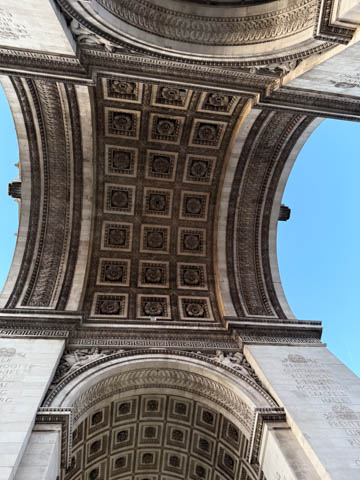
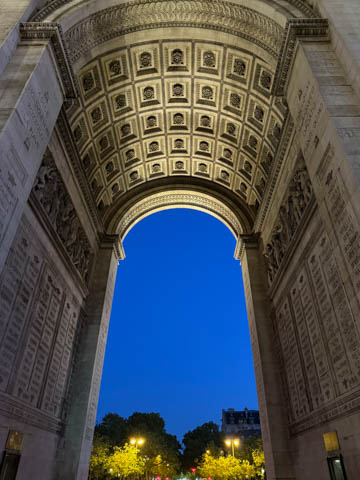
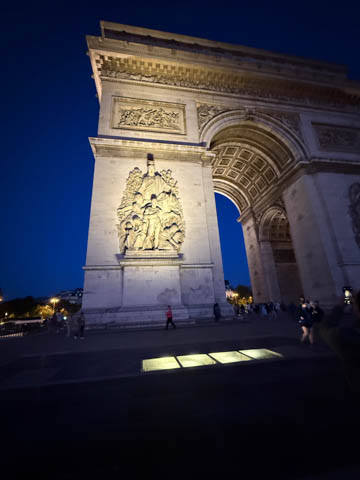
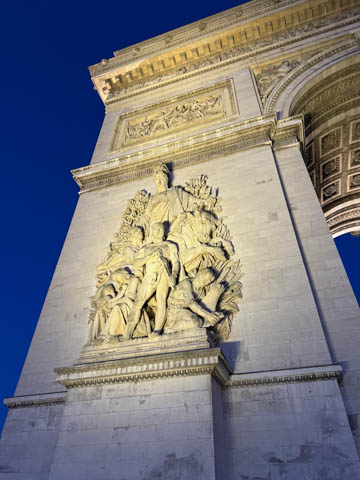
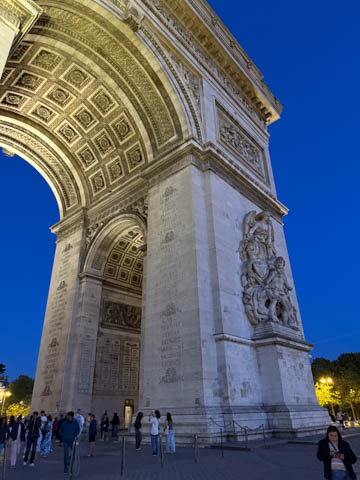
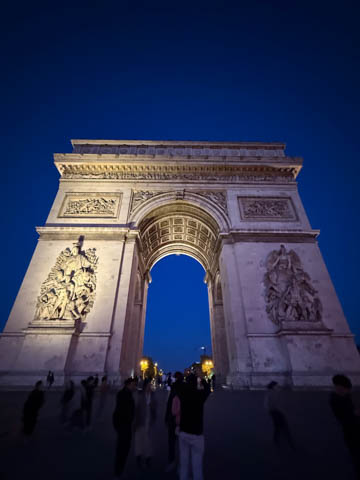
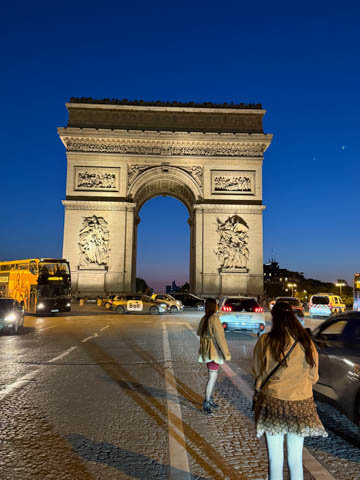
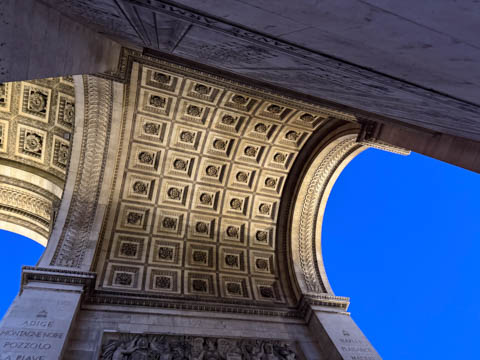
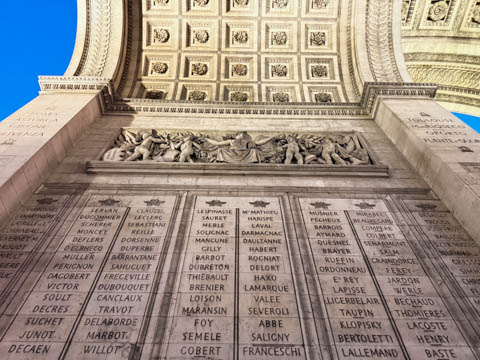
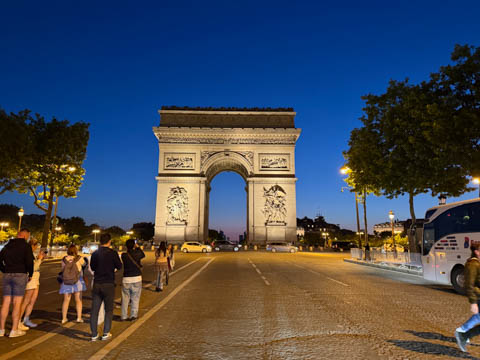
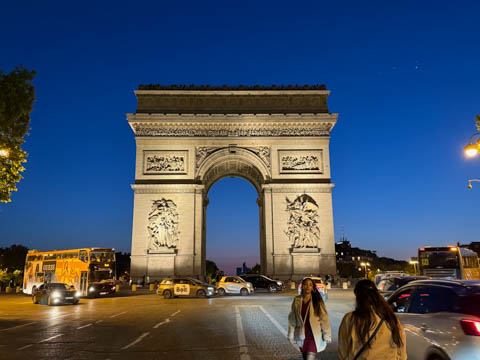
We had tickets to one of the last timeslots to go to the top of the Arc de Triomphe that evening. While I had an image of people marching through the arch, the last time that happened was to celebrate the French victory in World War I. After the war, the French selected an unknown soldier and interned him under the arc on 11 November 1920 at the same time the British simultaneously interned an unknown British solder in Westminster Abbey. The spot under the arch is now considered Dalle sacrée ("Sacred slab") with the tomb and a bronze plaque to commemorate the liberation of Paris in World War II. A ceremony is held at the Tomb of the Unknown Soldier every 11 November on the anniversary of the Armistice of 11 November 1918. It was originally decided to bury the unknown soldier's remains in the Panthéon, but a public letter-writing campaign led to the decision to bury him beneath the Arc de Triomphe. The slab on top bears the inscription: Ici repose un soldat français mort pour la Patrie, 1914–1918 ("Here rests a French soldier who died for the Fatherland, 1914–1918"). First Lady Jacqueline Kennedy remembered the flame after paying their respects during a visit in 1961 and requested that an eternal flame be placed next to her husband's grave at Arlington National Cemetery in Virginia. Technically called the Arc de Triomphe de l'Étoile, it is located at the intersection of twelve radiating avenues and three separate arrondissements (Paris neighborhoods or administrative districts which are arranged and numbered in a clockwise spiral starting with the first arrondissement which is on the right bank and includes the Louvre and Ile de la Cite). The arc was built to honor those who fought and died for France in the French Revolutionary and Napoleonic Wars, with the names of all French victories and generals inscribed on its inner and outer surfaces. It was commissioned in 1806, after the victory at Austerlitz by Emperor Napoleon at the peak of his fortunes. Laying the foundations alone took two years and, in 1810, when Napoleon entered Paris from the west with his new bride, Archduchess Marie-Louise of Austria, he had a wooden mock-up of the completed arch constructed. Following its construction, the Arc de Triomphe became the rallying point of French troops parading after successful military campaigns and for the annual Bastille Day military parade The design is a Neoclassical version of ancient Roman architecture. In the attic above the richly sculptured frieze of soldiers are 30 shields engraved with the names of major French victories in the French Revolution and Napoleonic wars. The inside walls of the monument list the names of 660 people, among which are 558 French generals of the First French Empire; the names of those generals killed in battle are underlined. Also inscribed, on the shorter sides of the four supporting columns, are the names of the major French victories in the Napoleonic Wars. The battles that took place in the period between the departure of Napoleon from Elba to his final defeat at Waterloo are not included The four main sculptural groups on each of the Arc's pillars are:
Six reliefs sculpted on the façades of the arch, representing important moments of the French Revolution and of the Napoleonic era include:
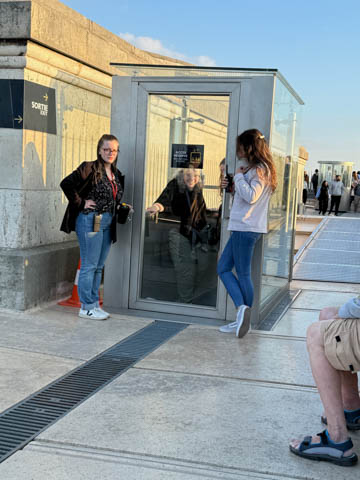
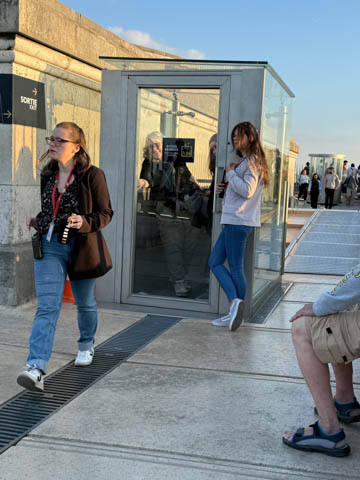
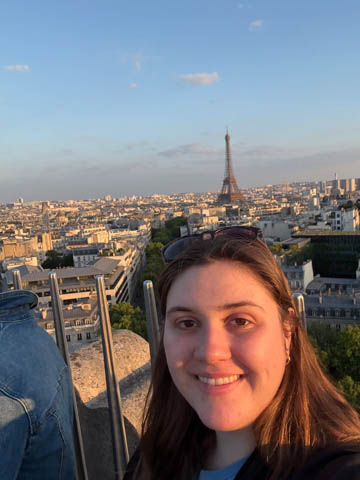
Cathy got to the top in a small elevator.
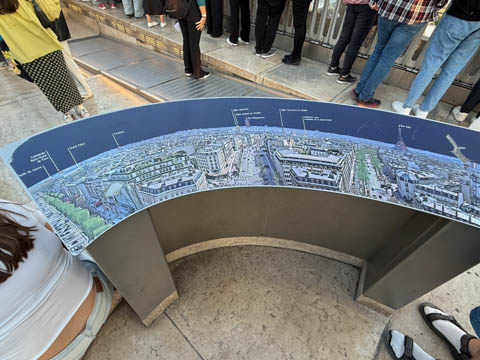
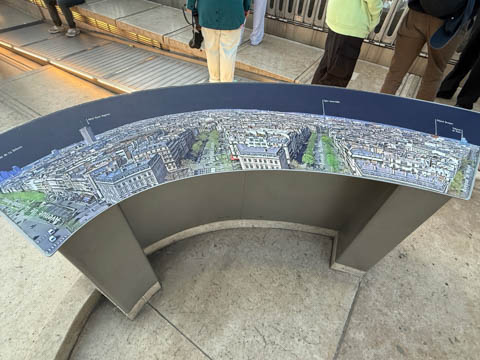
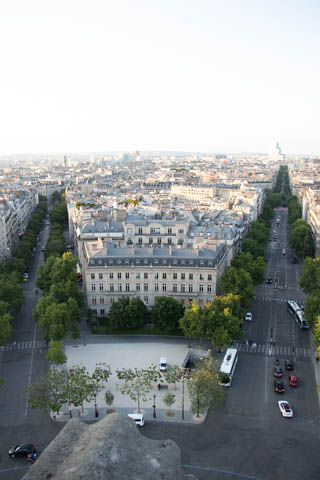
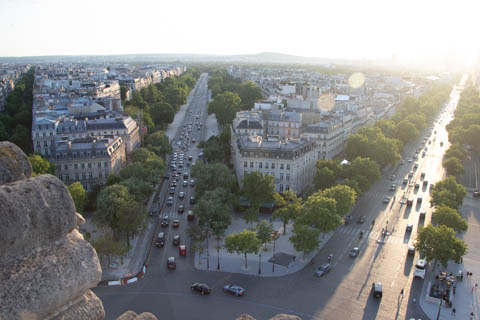
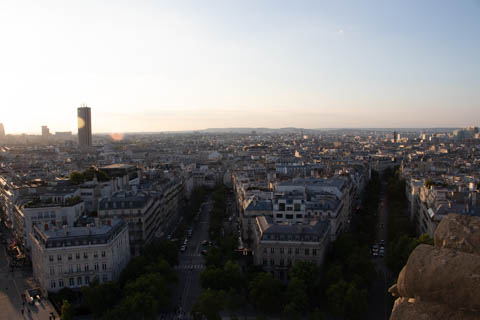
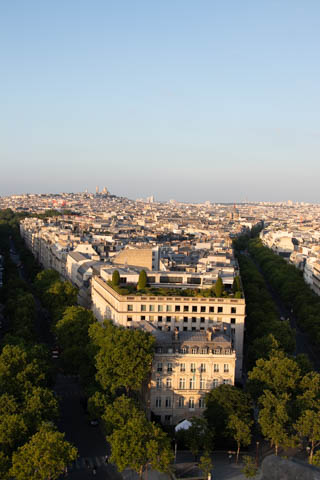
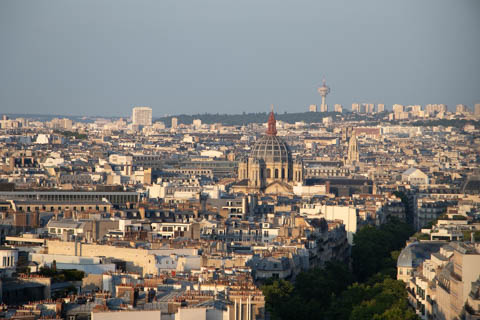
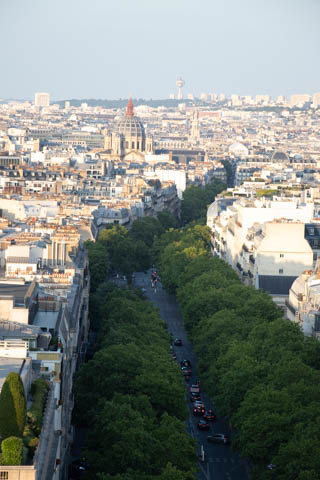
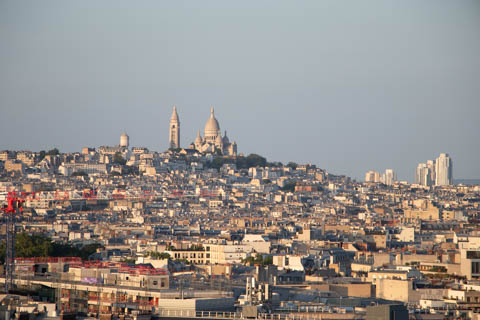
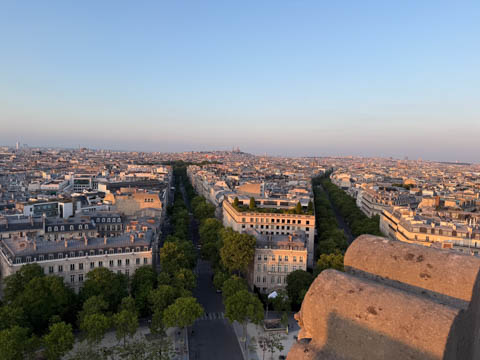
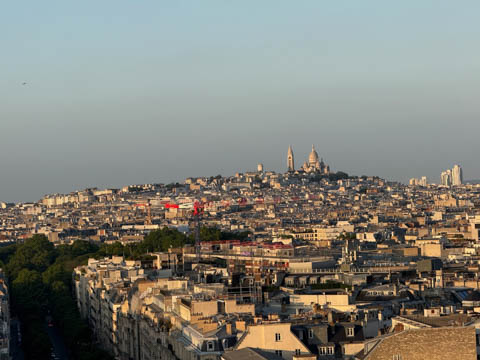
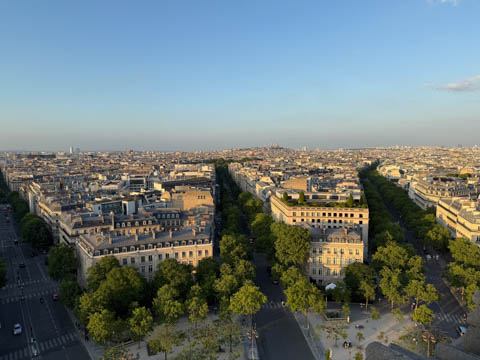
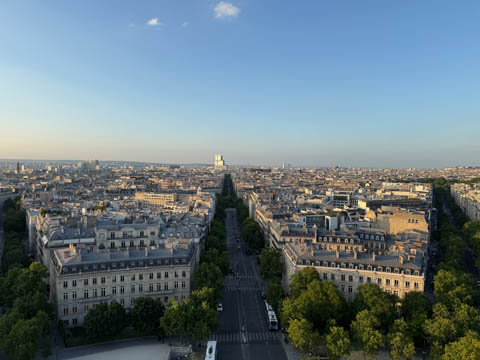
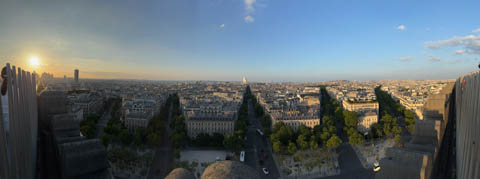
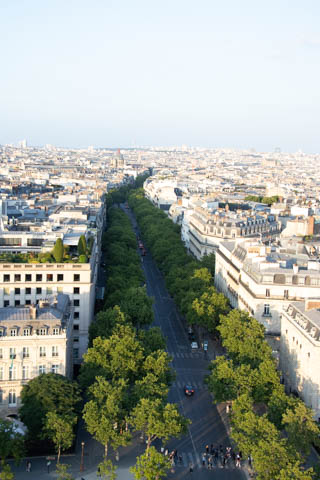
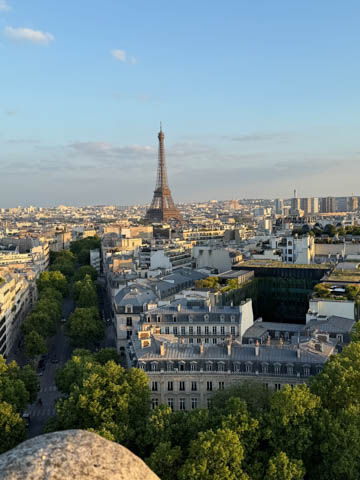
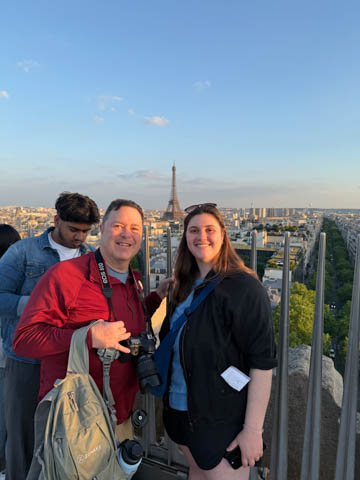
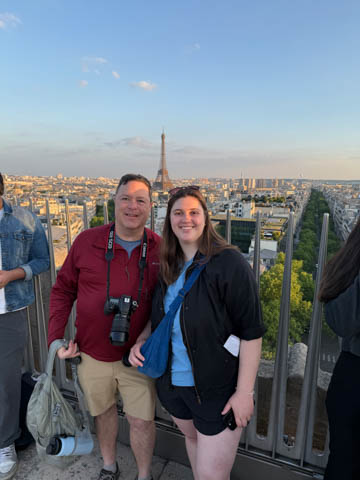
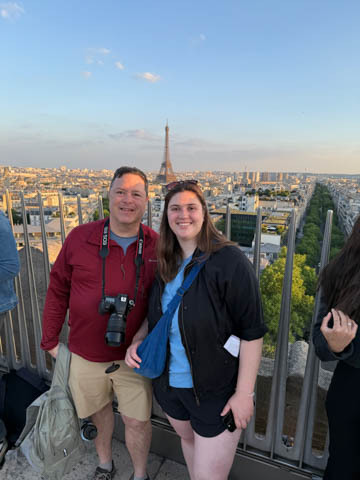
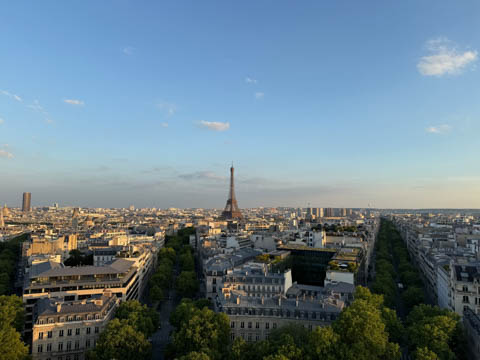
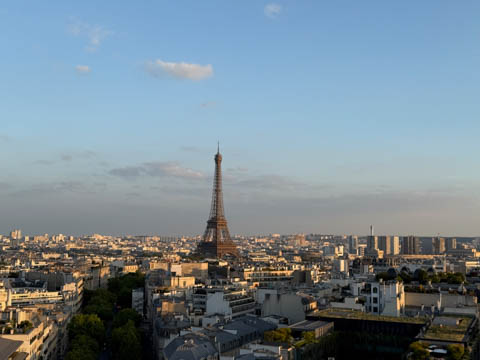
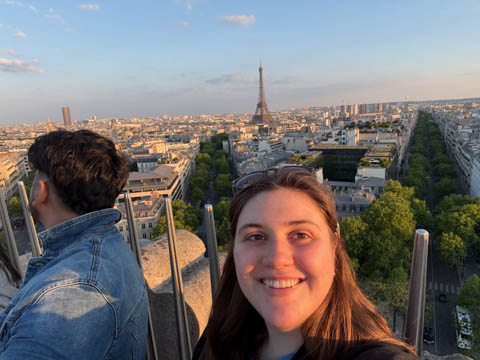
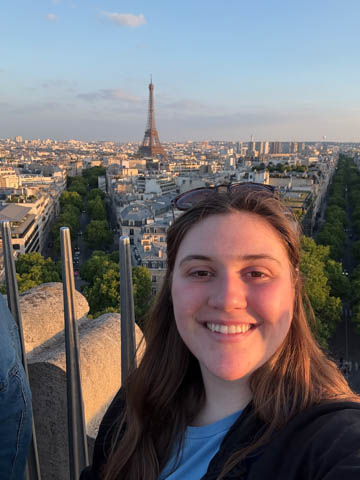
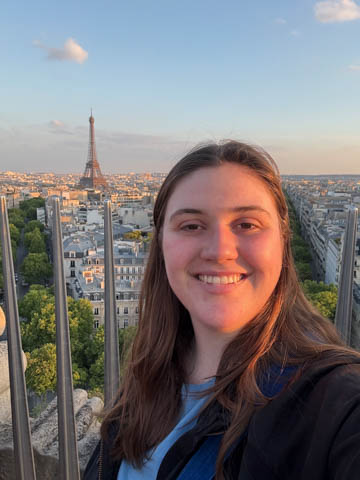
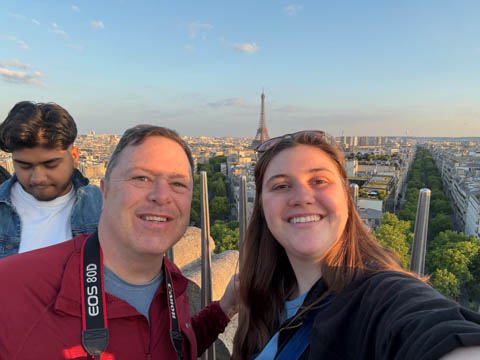
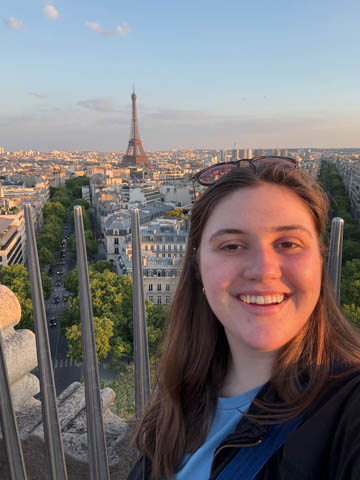
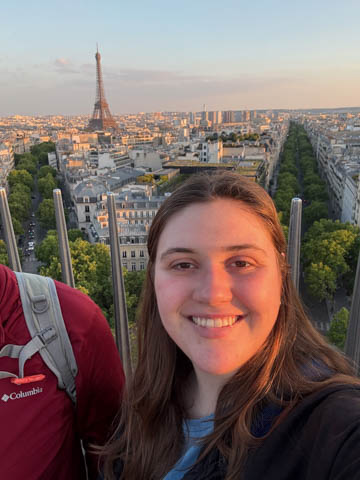
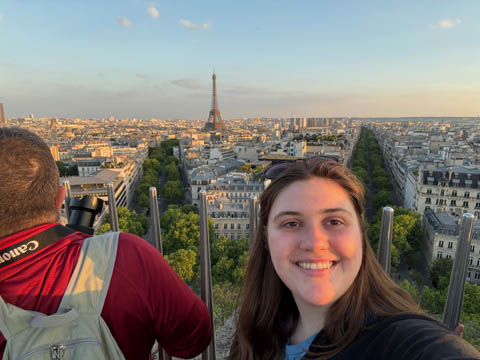
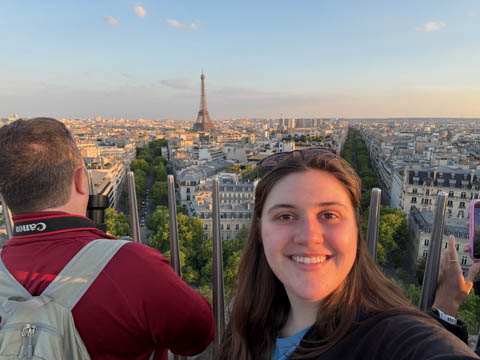
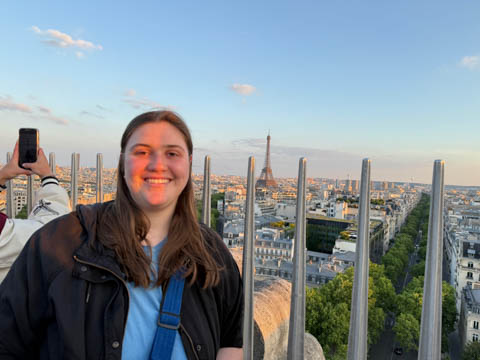
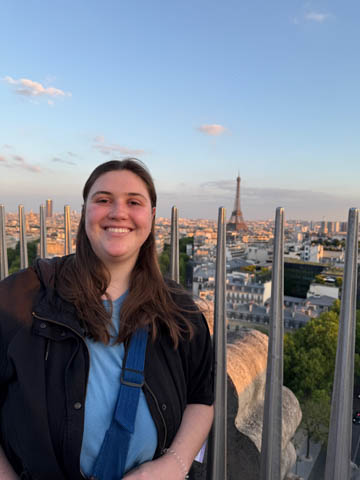
Stunning view from the top, glad they had a description of the major sites in each direction to help us get oriented.
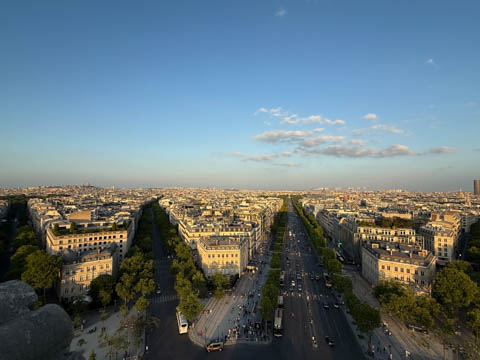
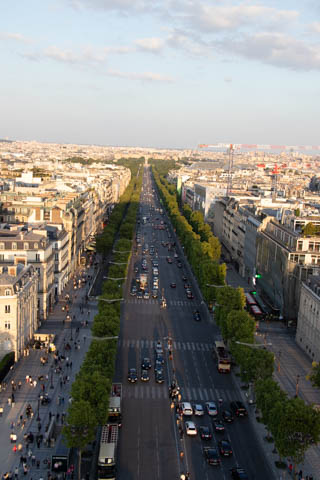
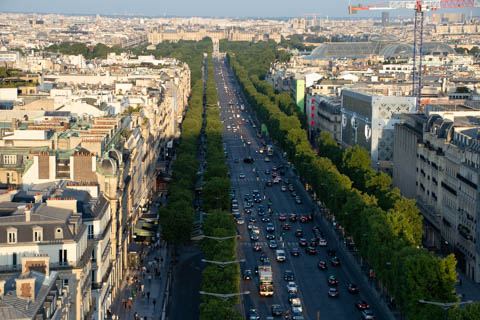
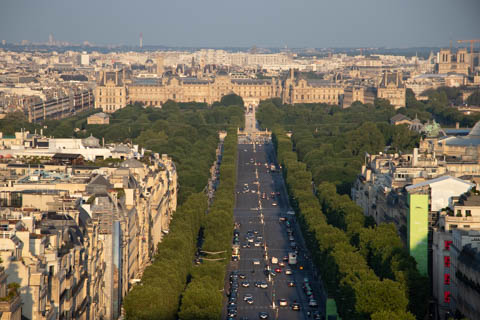
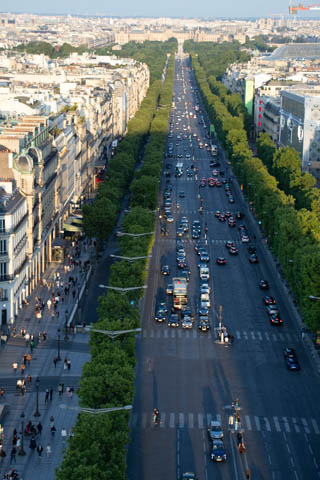
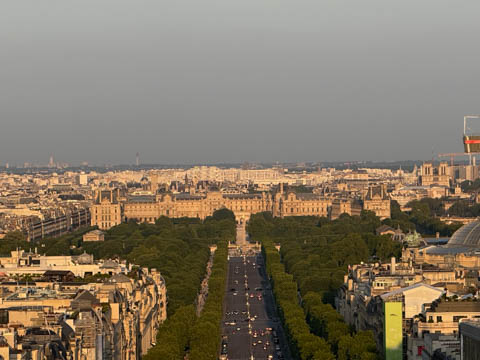
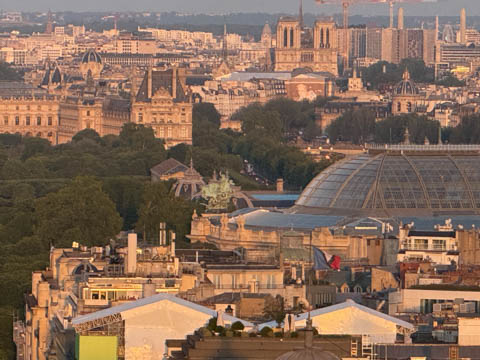
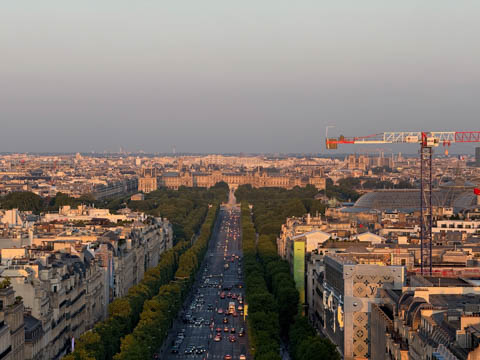
Here is the view to the east-southeast along the Avenue de Champs-Elysies which ends at the Place de la Concorde and the Musee du Louvre.
Just to the south of that in the distance was the Cathedrale Notre-Dame de Paris.
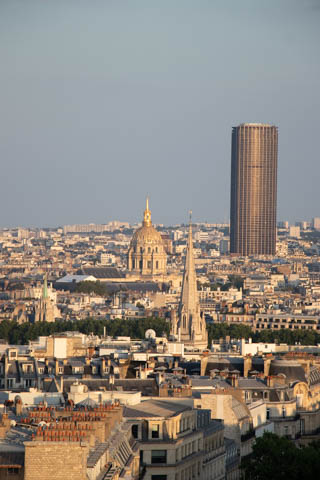
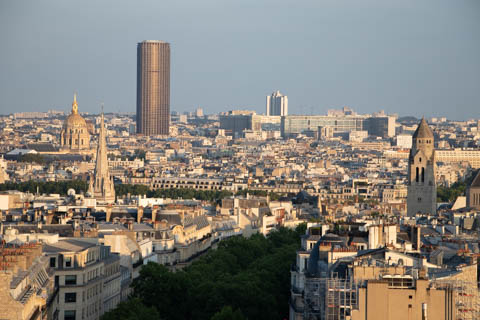
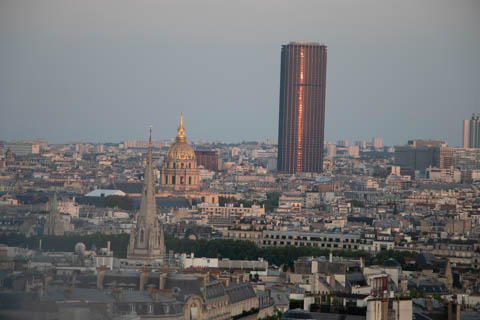
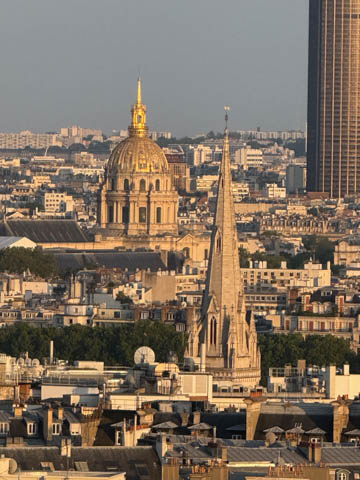
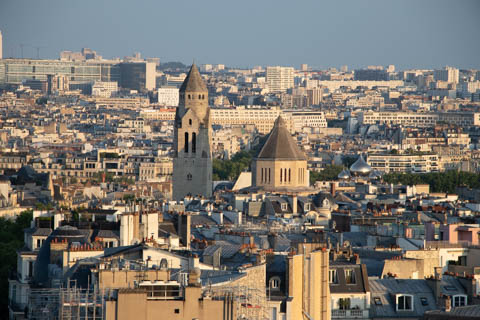
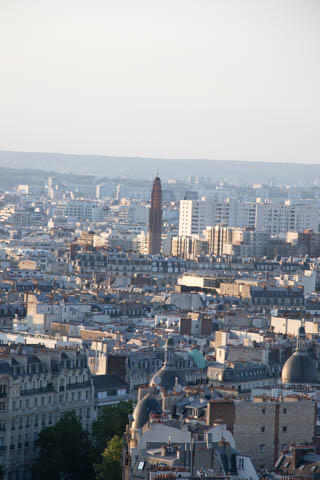
Looking further southeast is the pointed spire of the American Cathedral in Paris, while the dome of the with its golden spire on top just to the left in the distance is the Hotel des Invalides and the Saint Louis des Invalides Cathedral. More to the right is the Eglise Saint Pierre-de-Chaillot catholic church with its more Roman dome and tower. In the distance is the Tour Maine-Montparnasse which is considered an eyesore in the Paris skyline (one guide later referred to it as the middle finger sticking up to Paris).
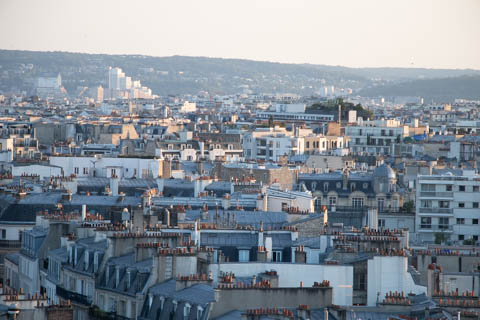
Changing directions and looking to the northeast was the Eglise Saint Augustin, while just a bit farther to the north is the Basilique du Sacre-Couer de Montmarte was on the hill to the northeast.
I think the tall building directly to the north is the Tribunal de Paris, a huge courthouse.
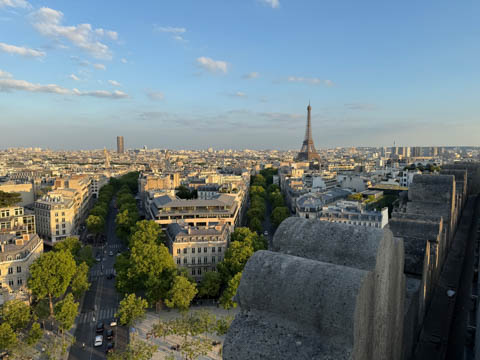
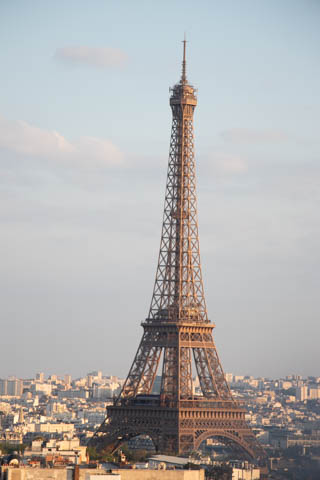
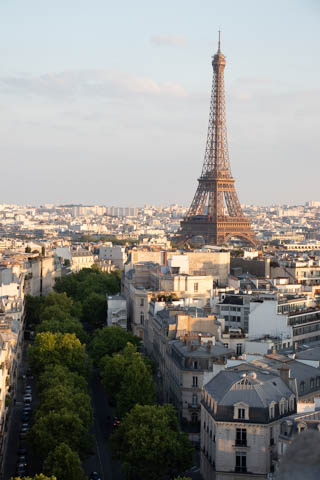
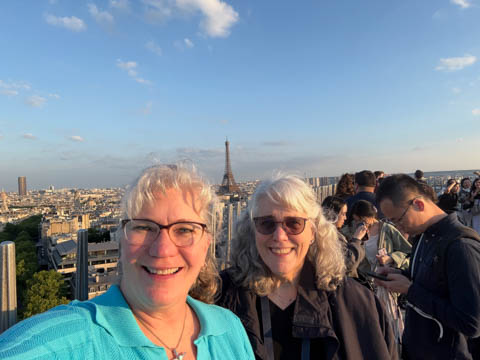
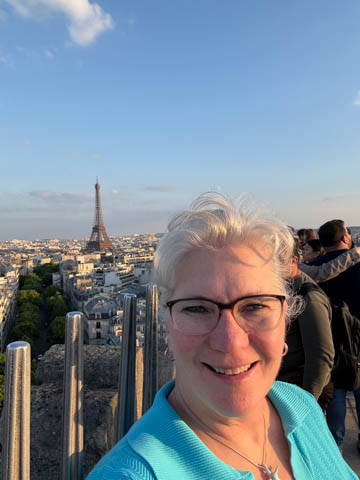
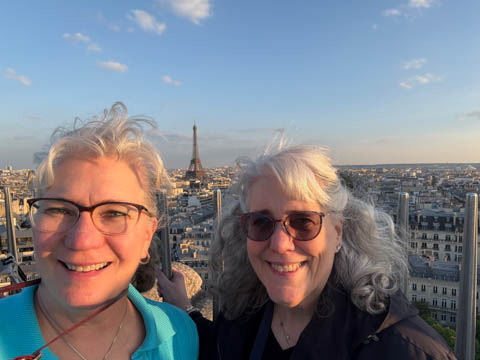
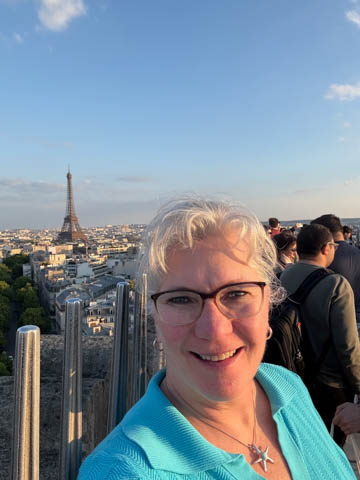
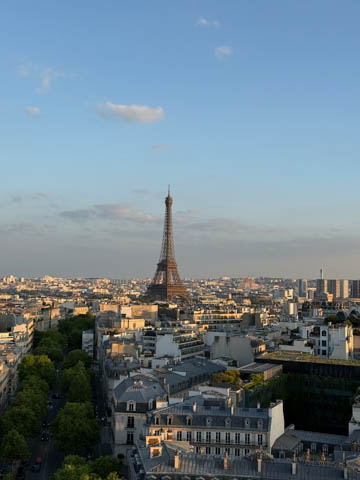
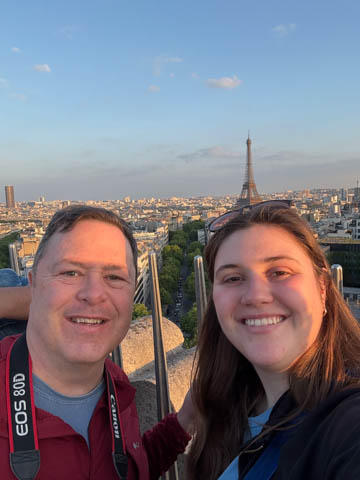
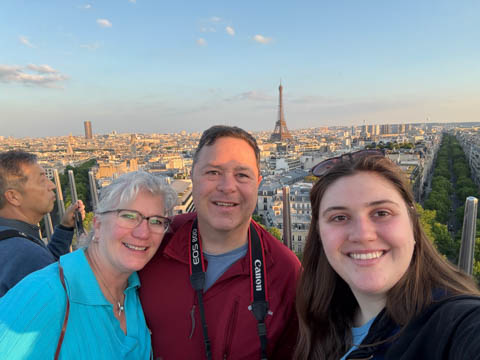
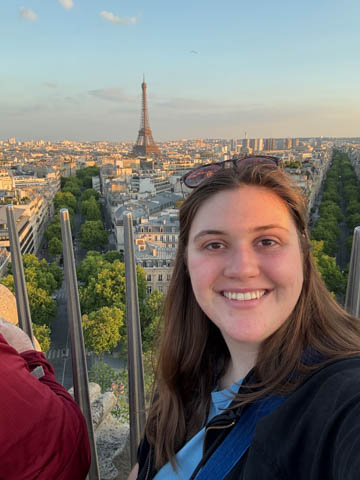
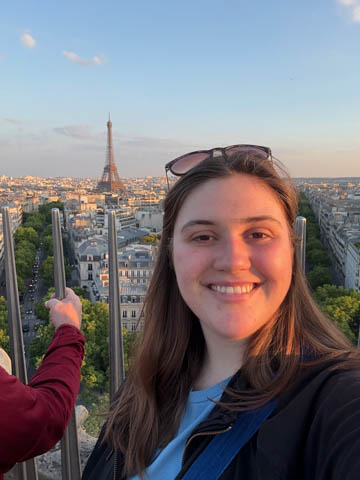
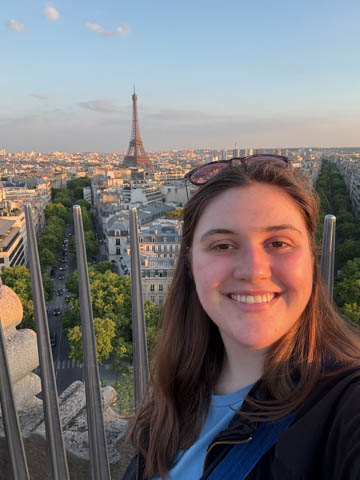
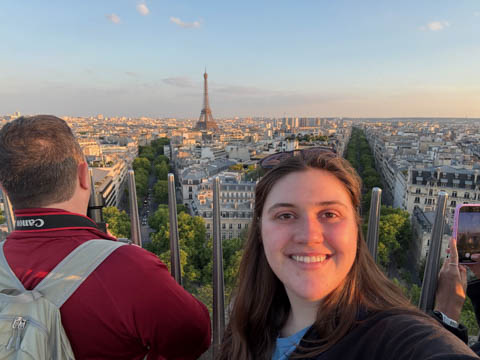
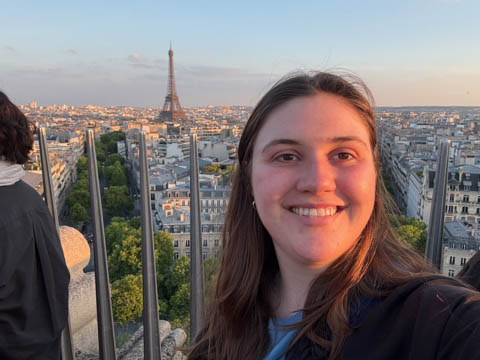
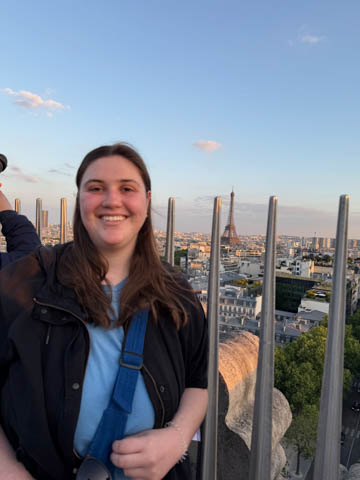
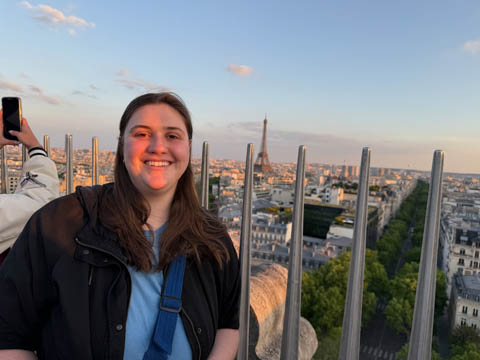
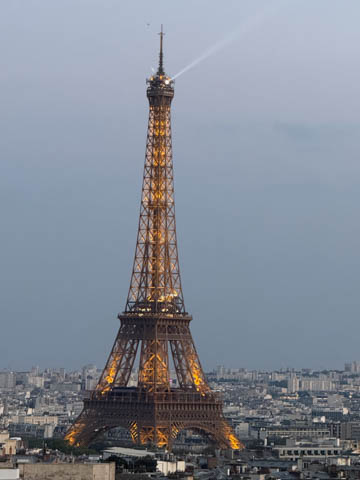
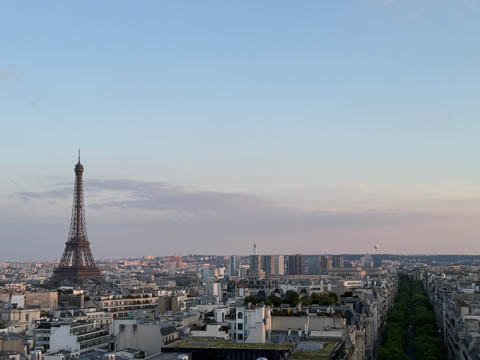
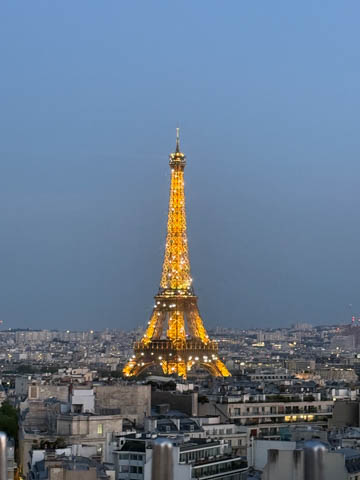
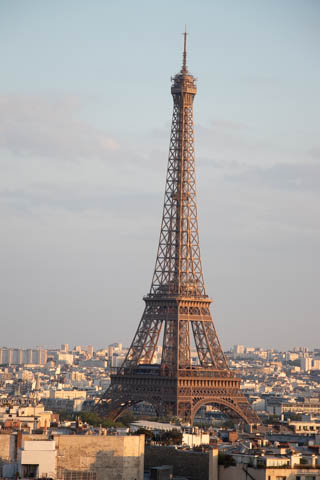
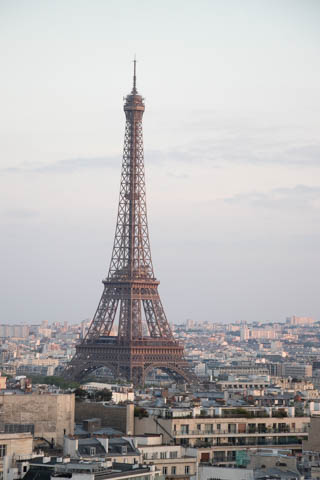
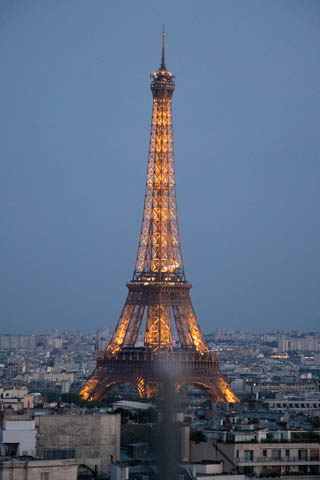
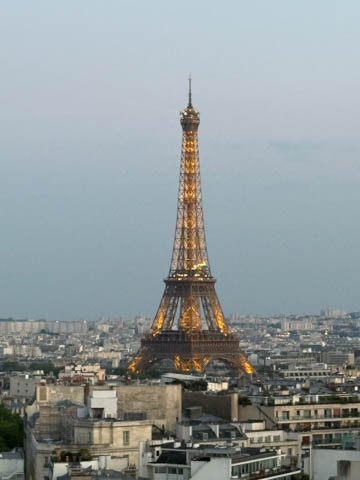
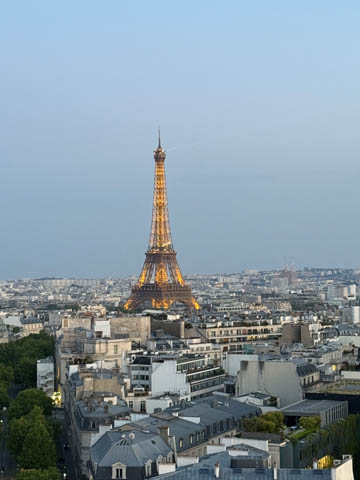
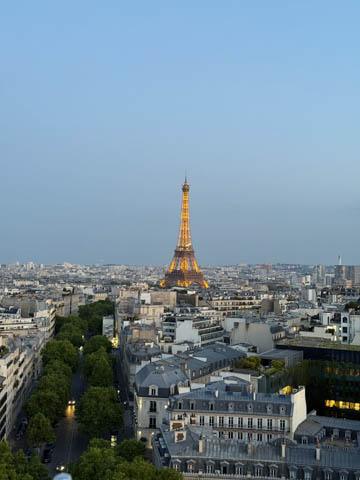
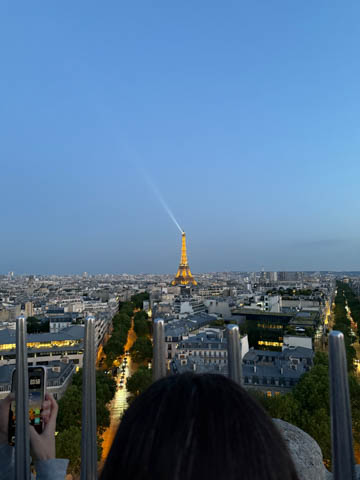
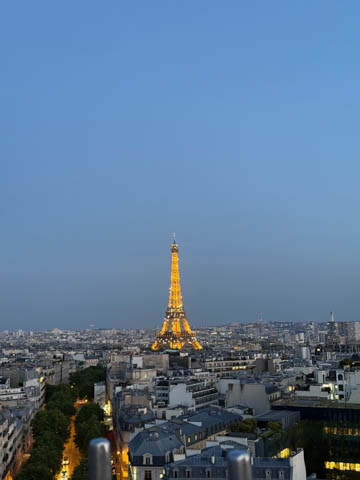
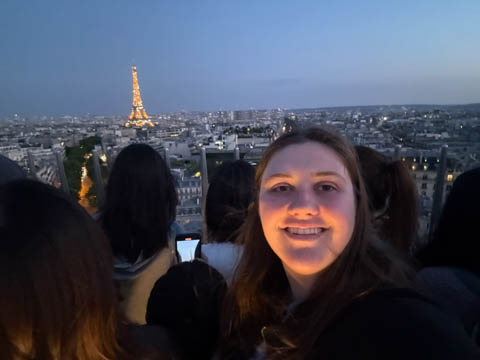
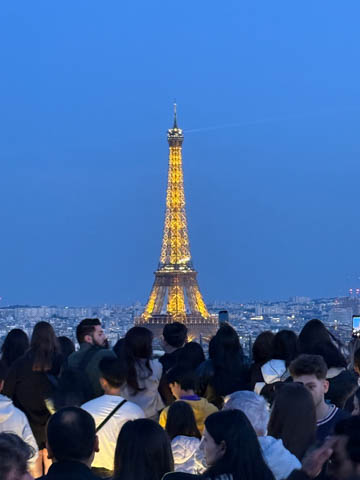
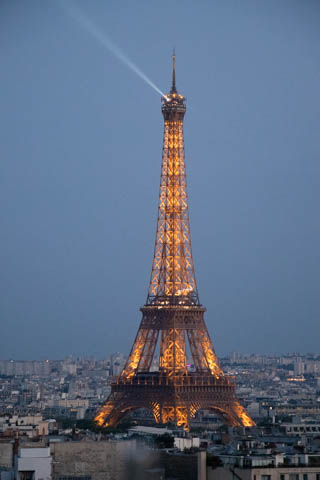
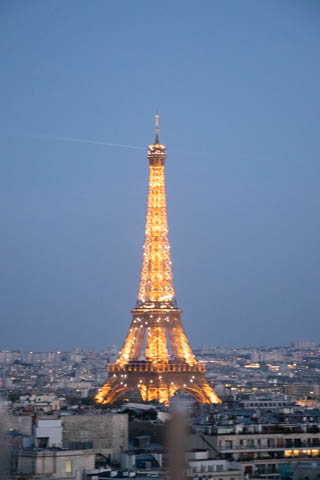
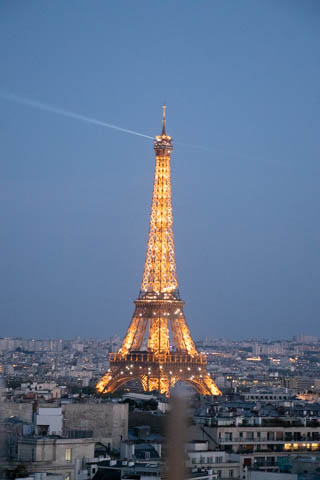
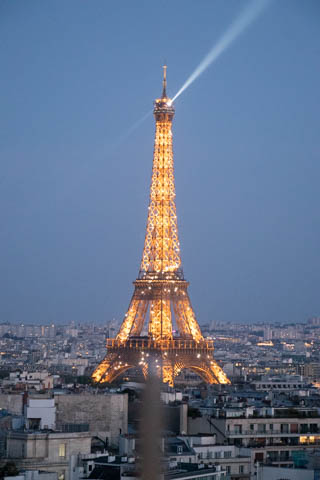
Of course, the dominant view is directly south to the Eiffel Tower.
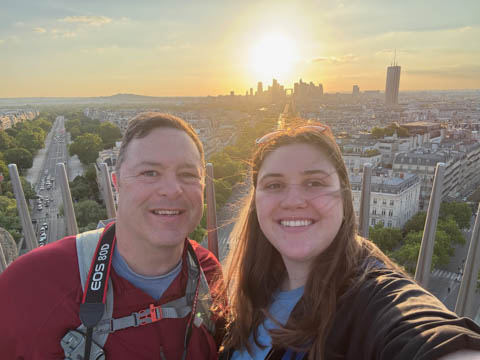
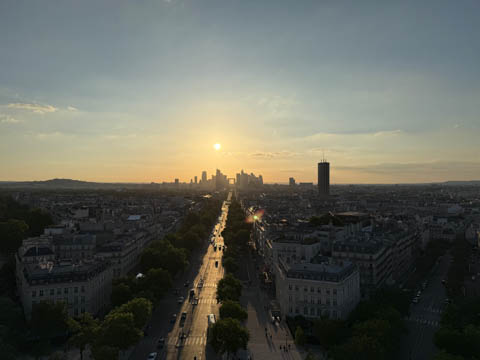
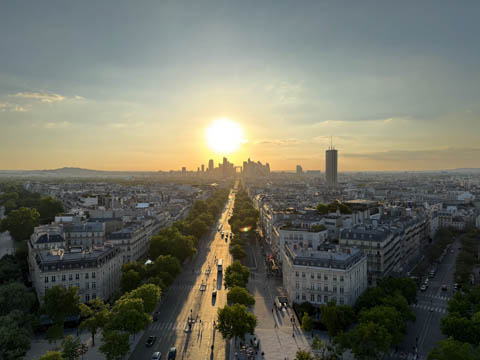
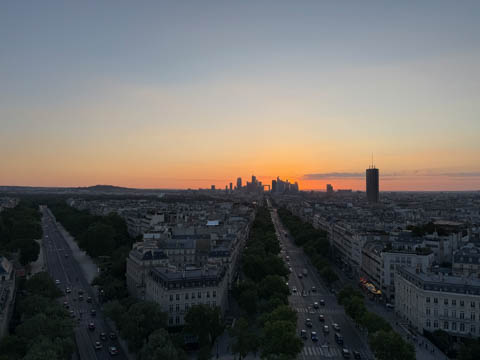
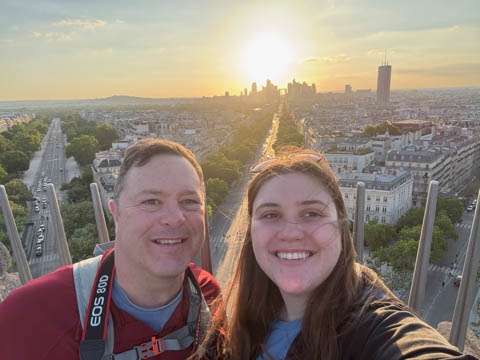
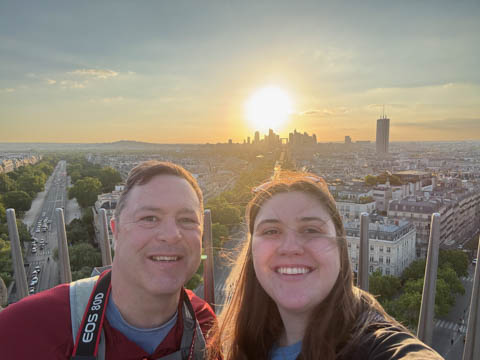
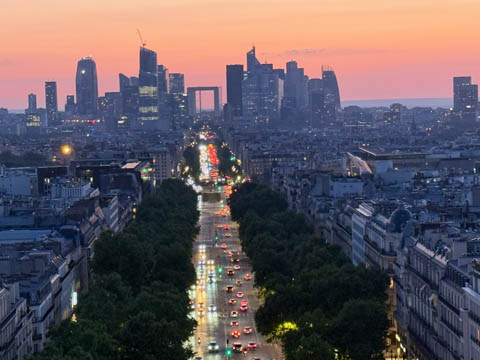
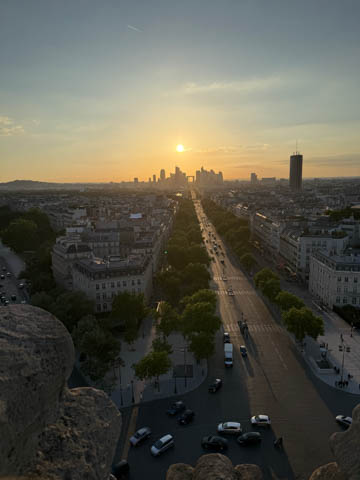
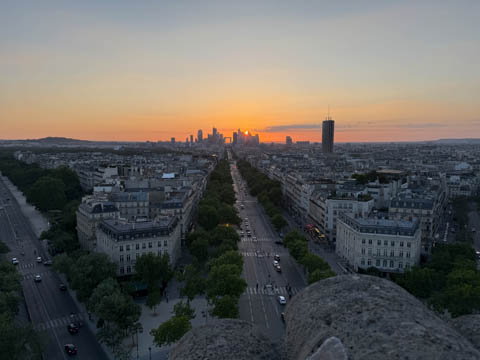
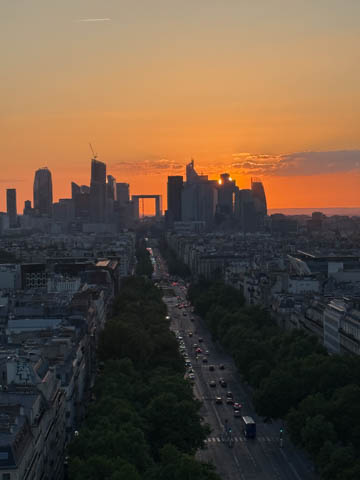
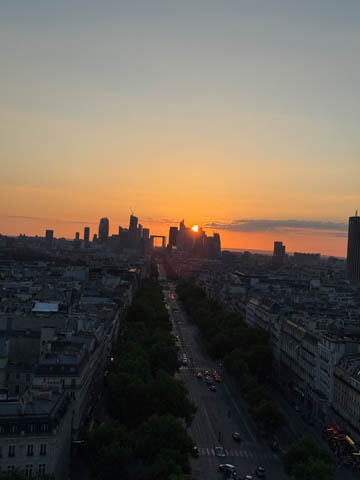
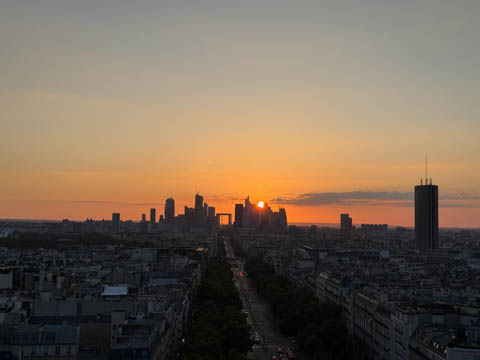
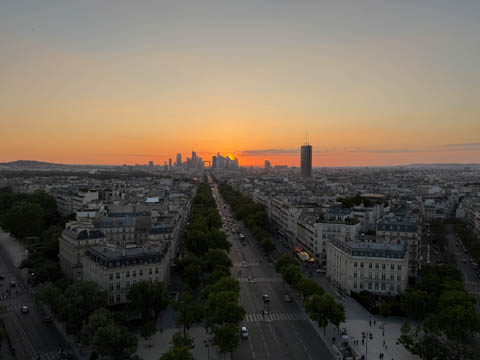
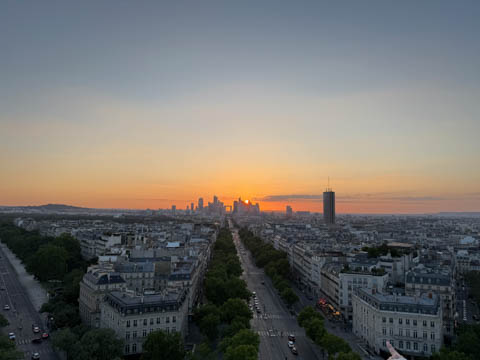
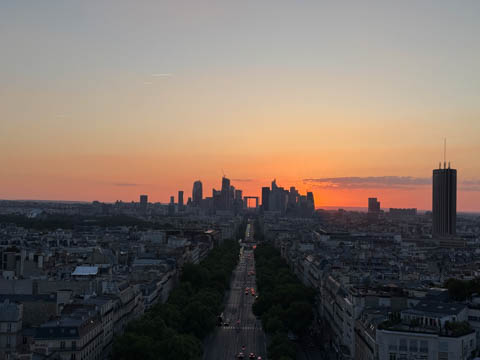
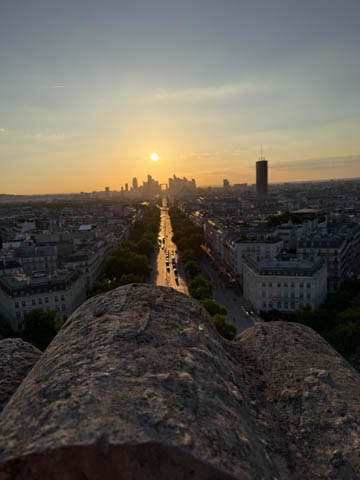
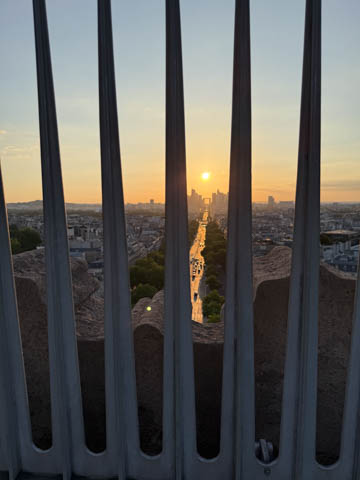
The sunset to the west was shaping up nicely, but was clearly setting right in line along the Avenue Charles de Gaulle and behind a set of high-rise buildings to the west so wouldn't make for good pictures. The box-like building hollow in the middle is the Grande Arche de la Défense. This was built in 1982, completing a line of monuments that forms Paris's Axe historique all in a line from the Louvre along the Avenue des Champs-Élysées and the Avenue Charles de Gaullewhich includes the Arc de Triomphe du Carrousel, the Arc de Triomphe de l'Étoile, and the Grande Arche de la Defense.
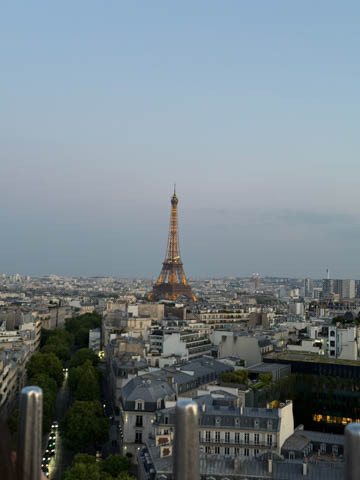
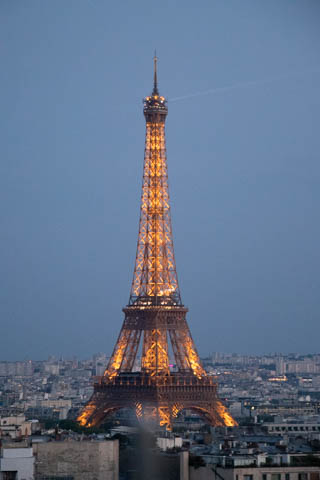
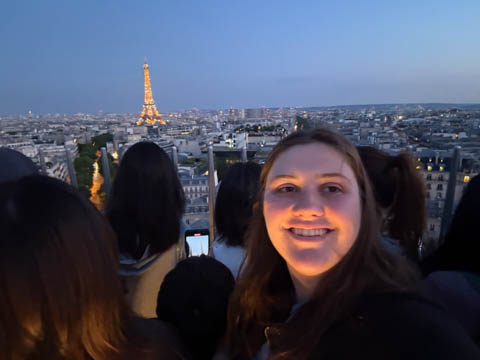
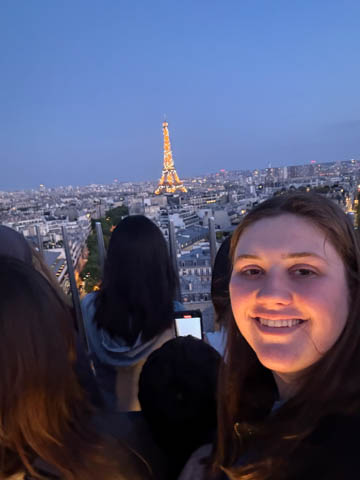
The Eiffel Tower to the south lit up at dusk. After dark, on the hour, it was alight with a light display. We waited quite a while to see this display.
As it got darker you could see the rotating spot light at the top, then finally the light show at 10 pm. A lot of people materialized for the show.
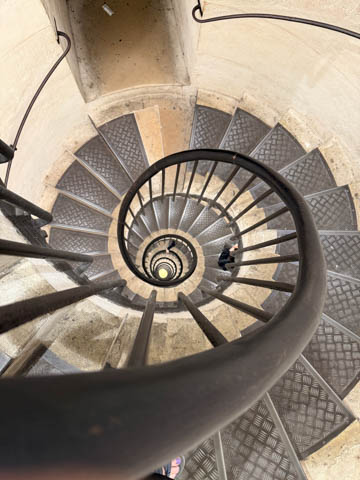
Finally time to head down, passing through the museum in an upper floor then down the spiral stairs.
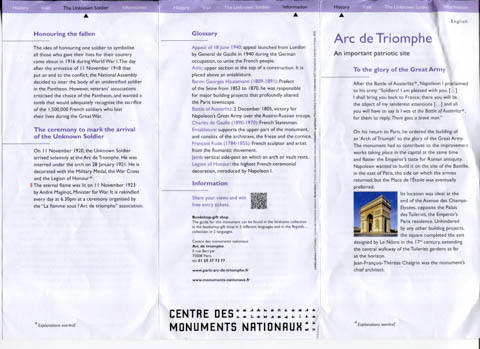
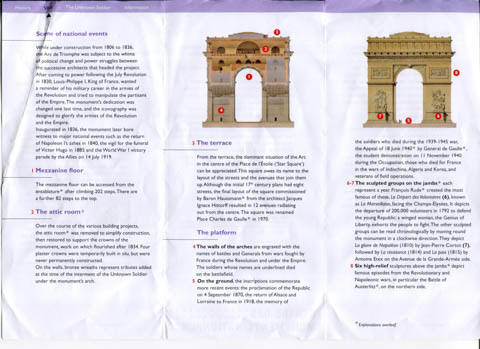
Here is the pamphlet
|
|
|