|
|
Use these navigation links to move between the Year 2024 pages. Specific pages can be accessed at the bottom of this page
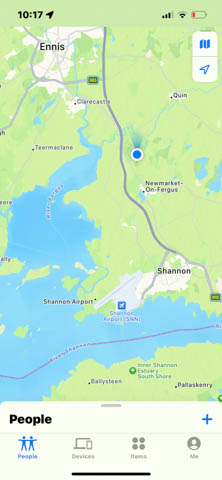
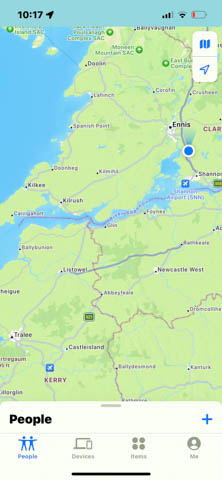
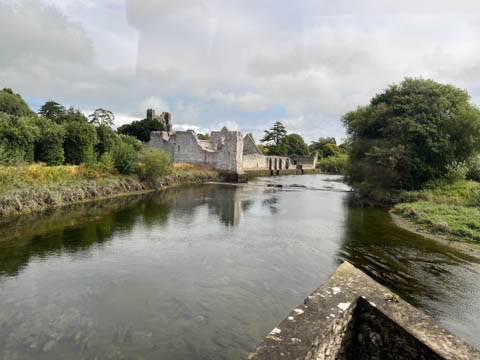
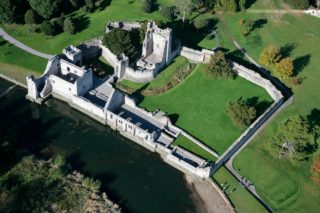
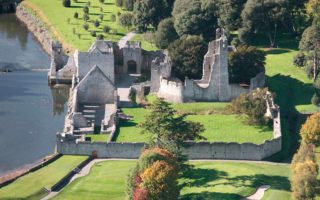
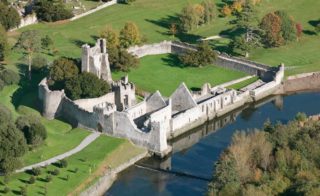
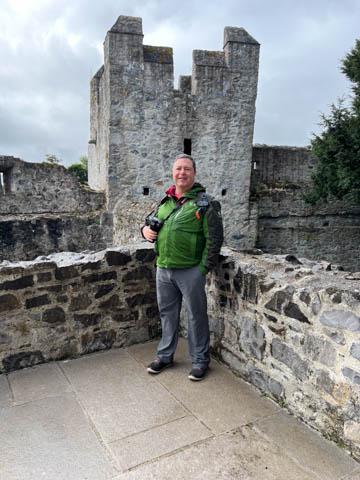
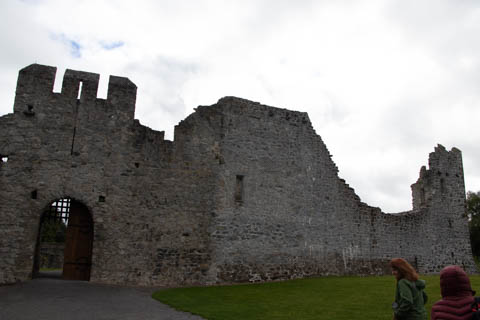
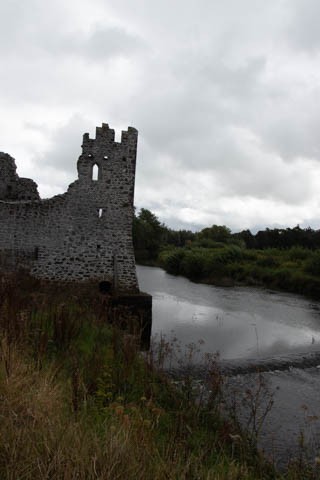
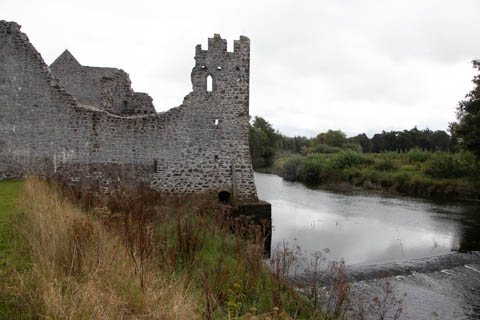
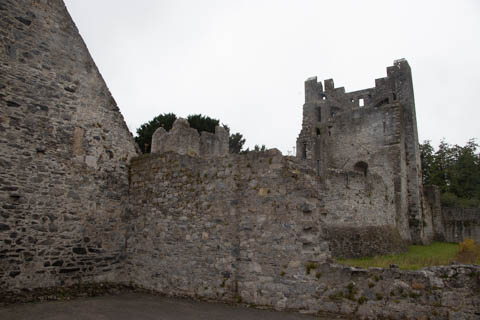
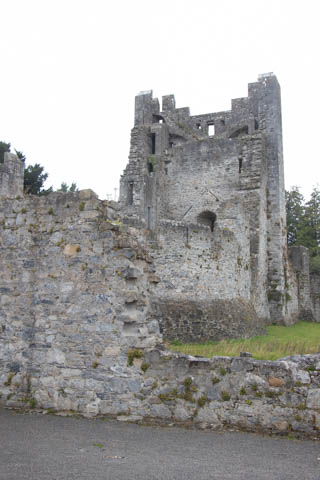
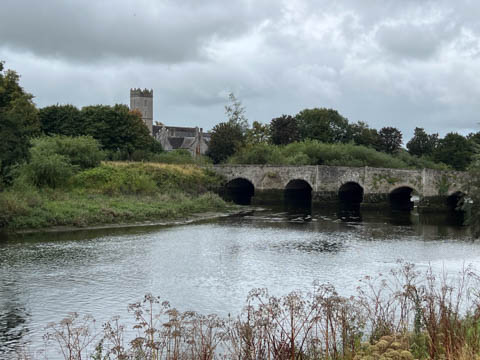
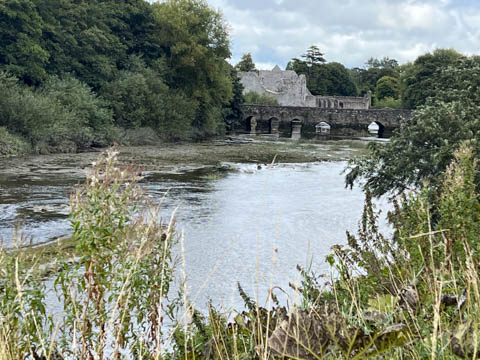
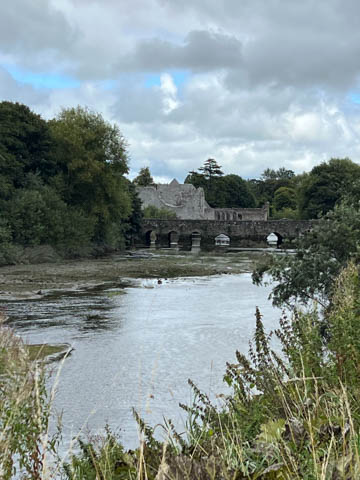
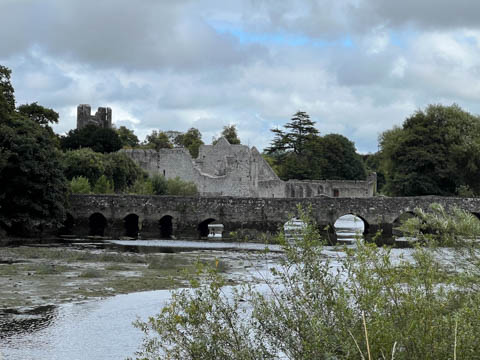
September 2024 (Part 03) Ireland Trip (Day Six): Killarney to Ennis (The Royal Treatment) We left Killarney, headed northeast and stopped in the small town of Adare. A historic market town dating to the Middle Ages, this town was fascinating and was designated a heritage town by the Irish government. The town is along the River Maigue, which is tidal all the way from the Shannon estuary to Adare, a distance of over 17 km. We got a quick look at our destination as we crossed a small bridge. Our first stop was at Desmond Castle (Adare), named that way as there are four different castles named Desmond Castle and built by the Earls of Desmond. A castle or fortress is said to have first been built with an ancient ring-fort, by the O'Donovans, rulers of the region into the 12th century, and afterwards to have passed into the possession of the Kildare branch of the FitzGerald dynasty, who may be responsible for the majority of the remains of the present fortress (which occurred with Croom Castle, also on the Maigue). Desmond Castle, as it is popularly known (after the FitzGeralds of Desmond), stands on the north bank of the Maigue. An extensive renovation has been in progress on the castle since 1996. I pulled the last three images below from the web (obviously, as we don't have a drone and certainly didn't bring one of the trip). They show the castle against the river bank adjacent to a small waterfall which marks the end of the tidal, and navigable, part of the river, making the narrow point strategically important and a great place from which to extract taxes on travel and trade goods. The castle featured a tall keep, a huge long room/building, and internal grounds.
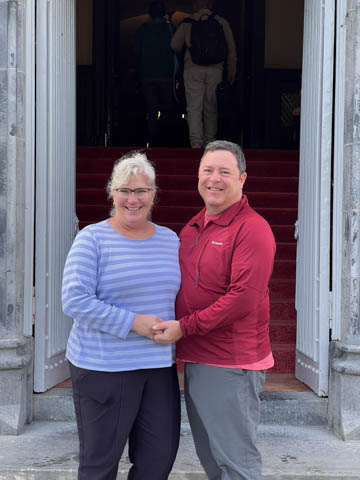
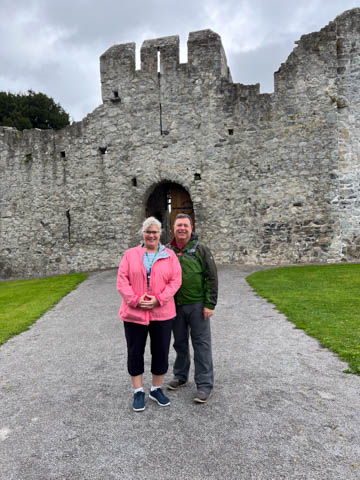
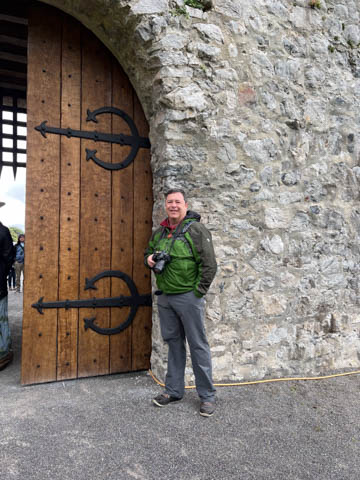
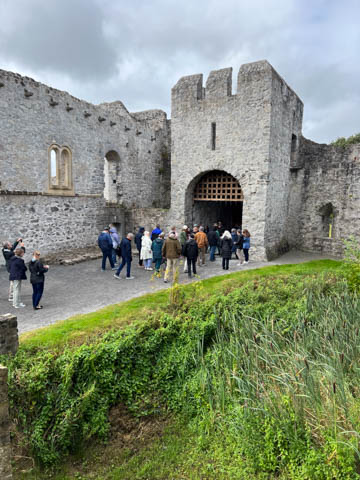
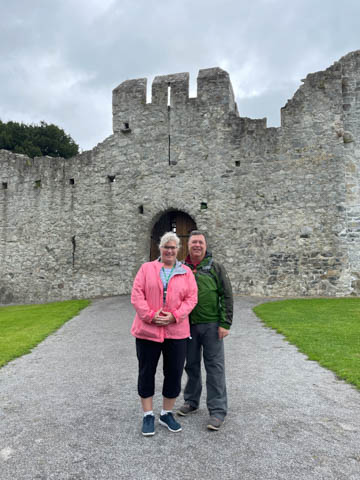
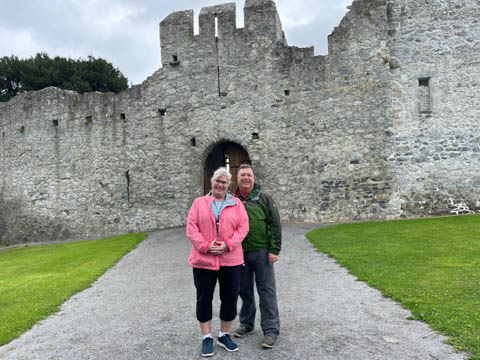
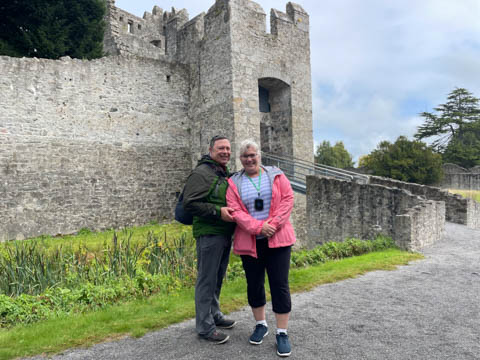
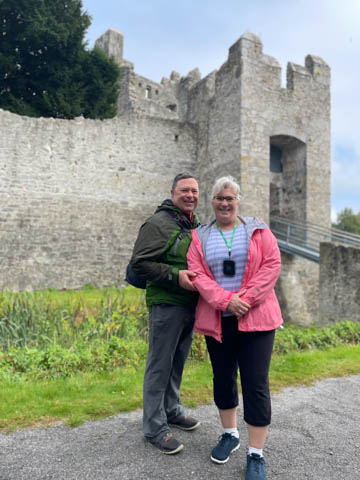
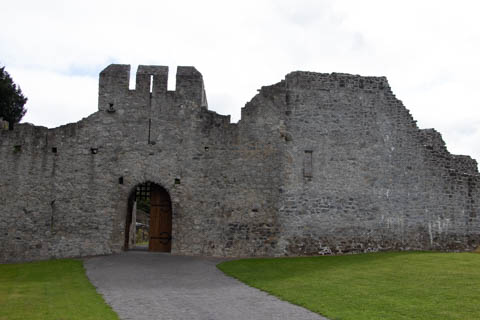
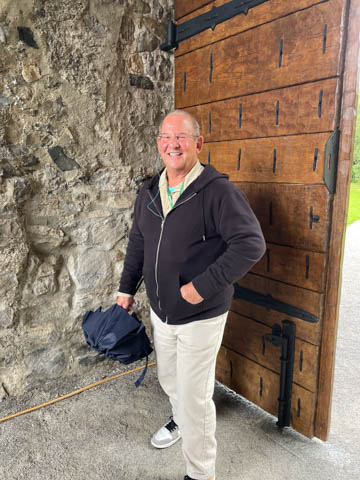
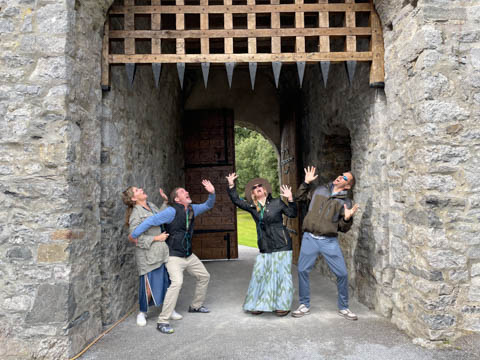
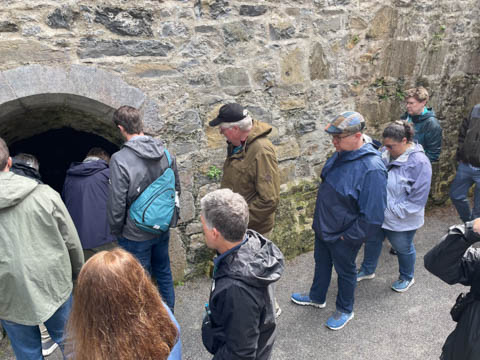
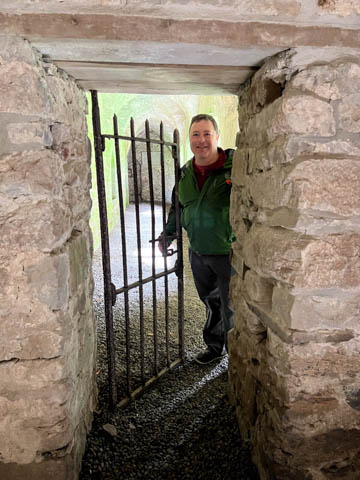
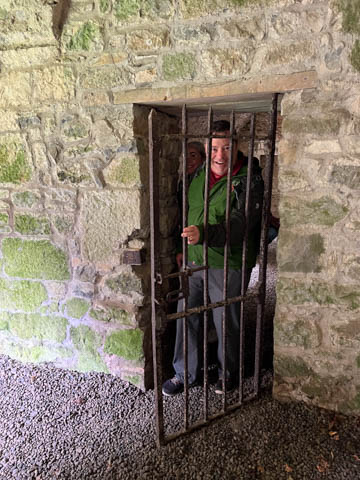
Here we and the group are outside, then inside, the main gate.
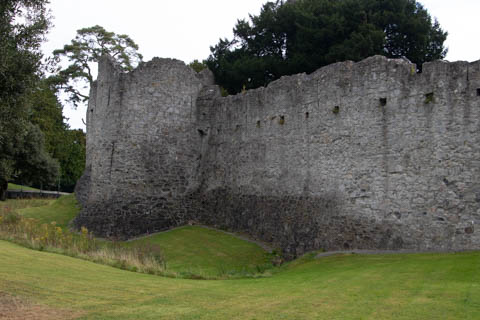
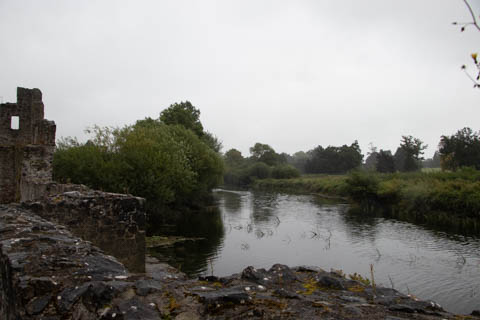
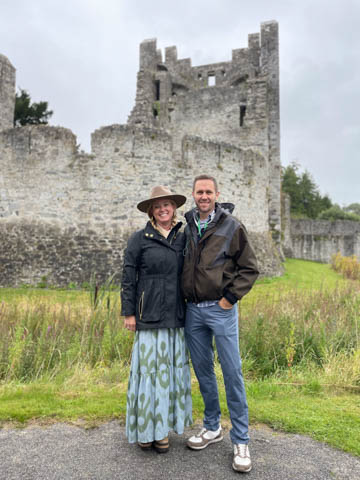
Coming up to the castle, we were surprised how close it was to the river with a small dam right at the wall.
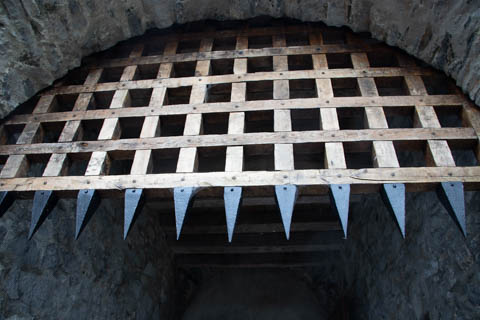
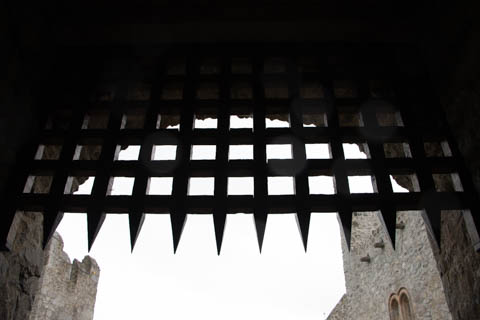
The main gate included a working portcullis
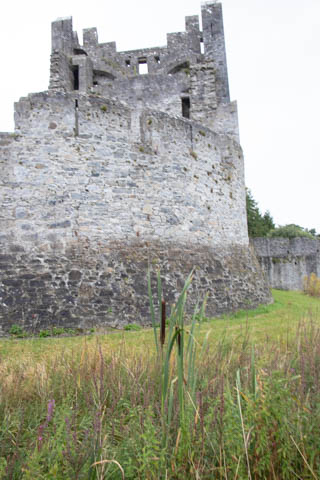
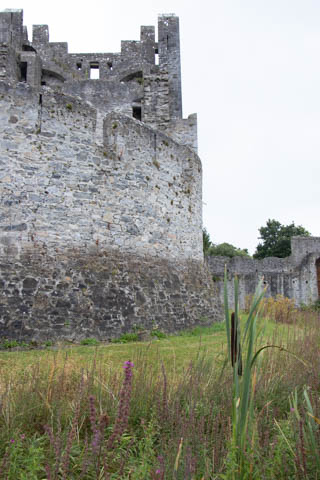
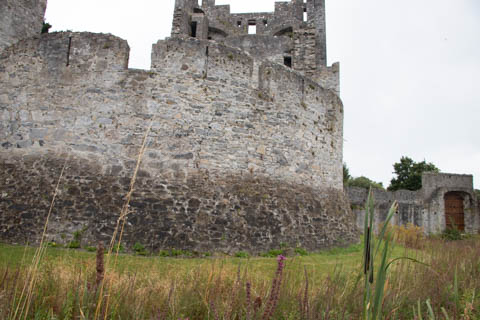
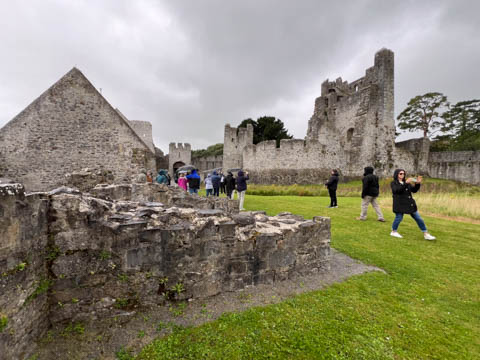
Once inside, we were in a small inner courtyard between a long hall and the keep which had an inner moat. The moat had silted in and was now full of reeds and cat tails.
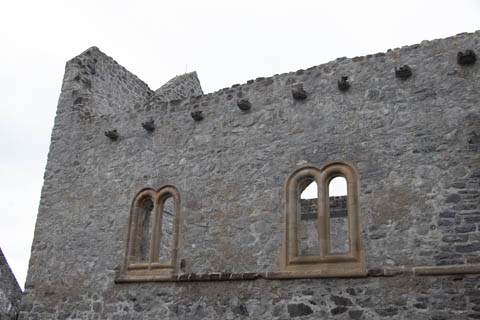
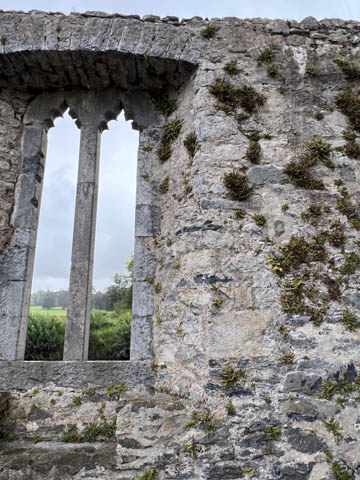
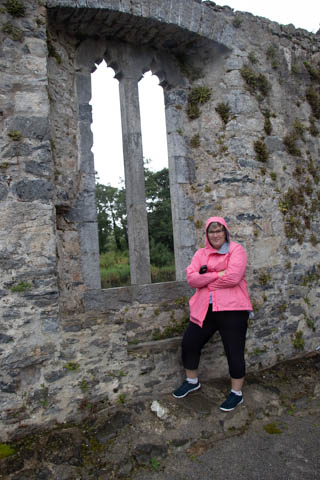
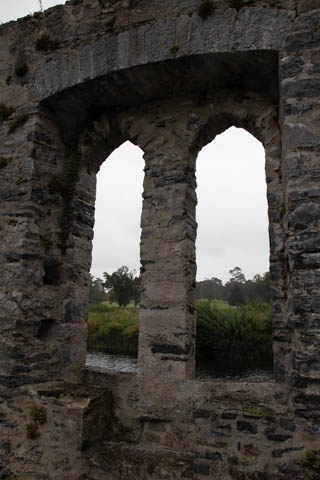
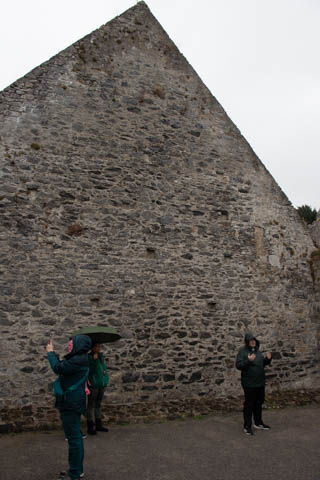
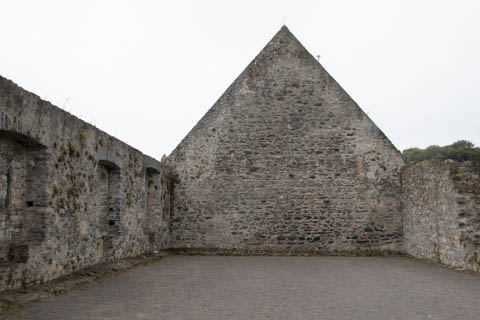
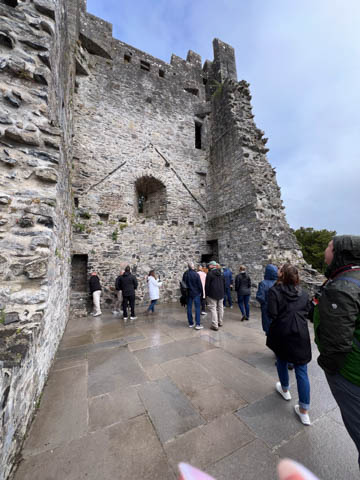
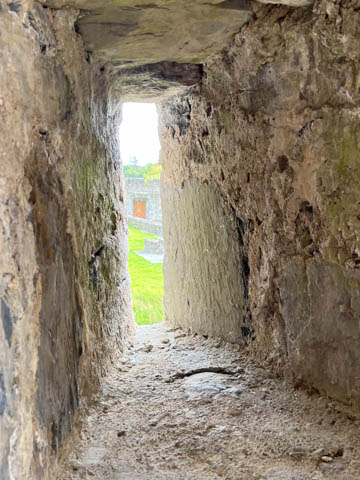
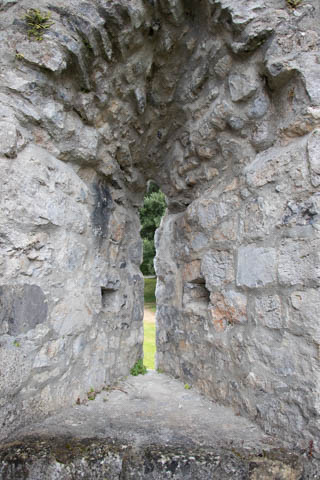
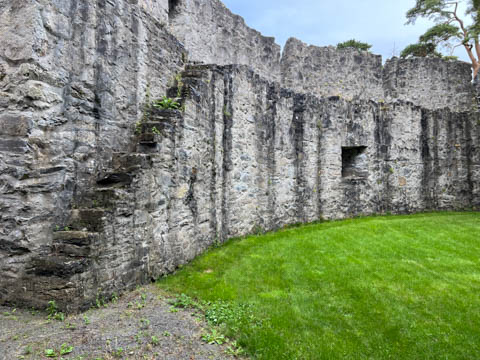
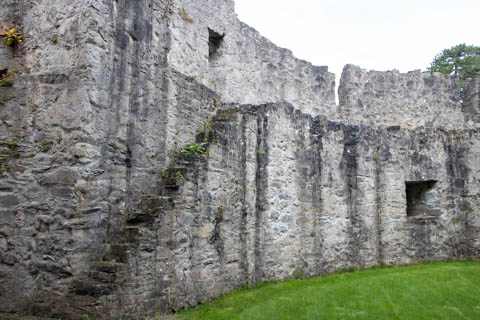
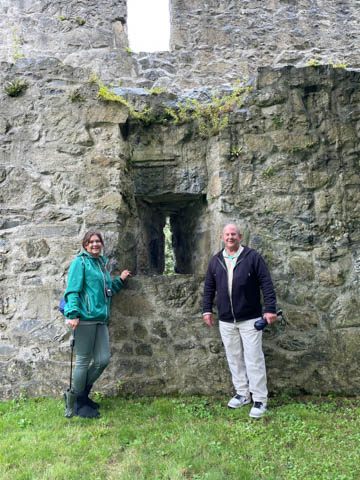
To the right was the long room. There were a number of windows remaining which overlooked the river. It was clear that several had been rebuilt or repaired as they were in different styles including Norman and French arches.
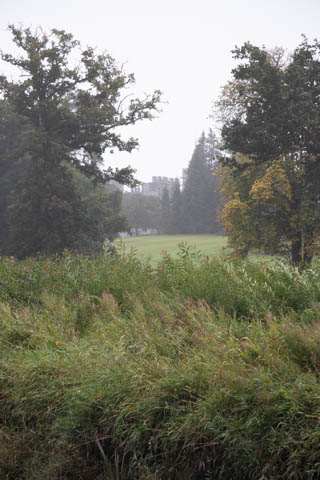
Beyond the great hall was a large open paddock.
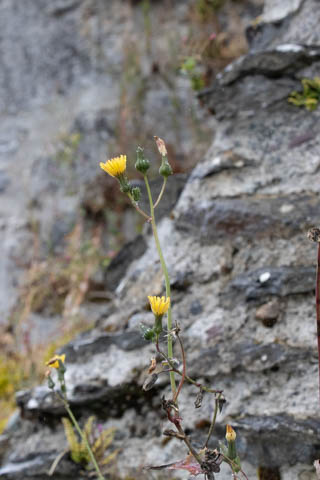
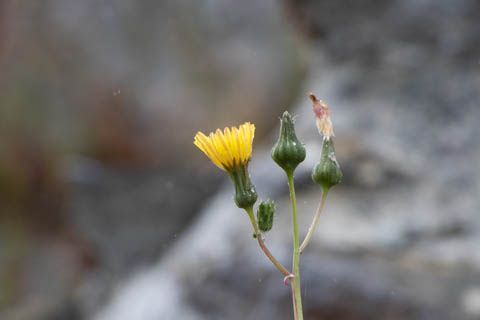
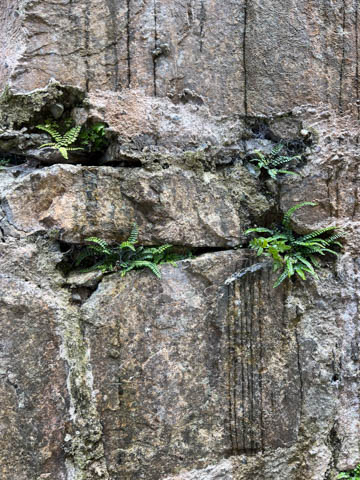
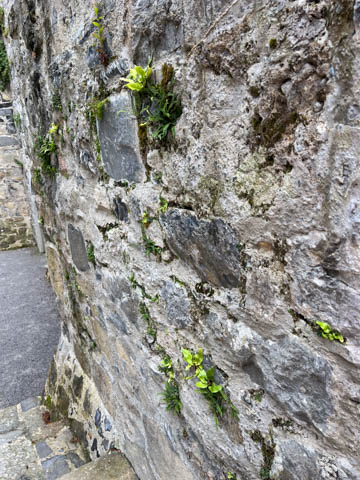
Some fun flowers and moss growing in the stonework.
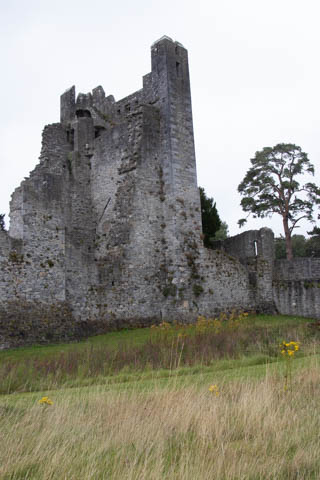
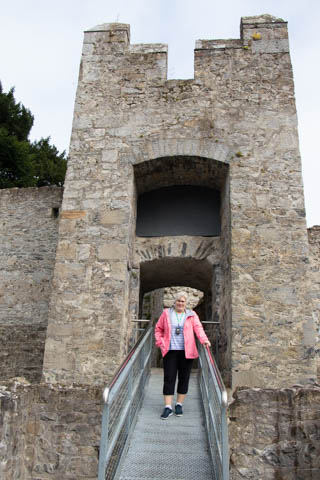
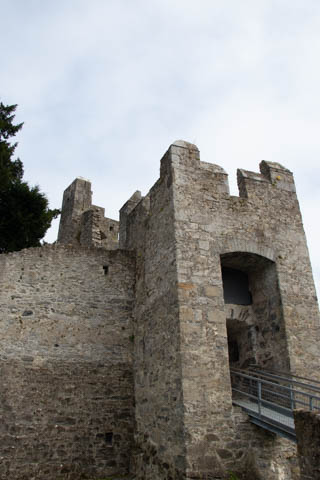
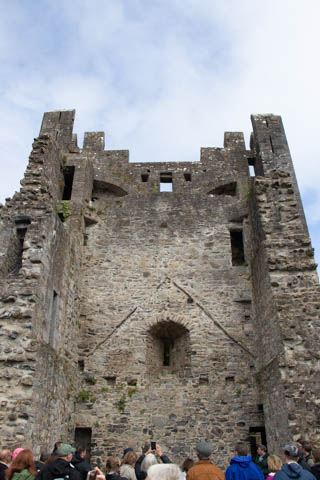
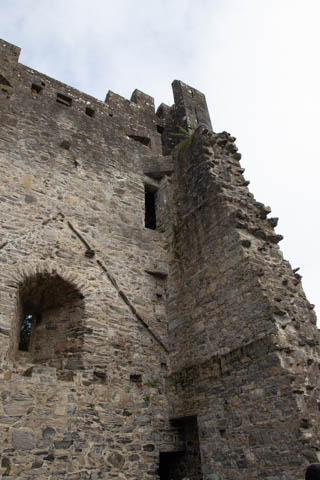
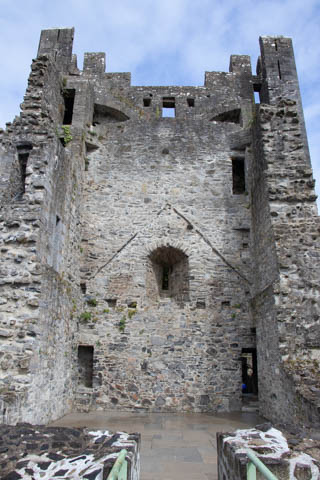
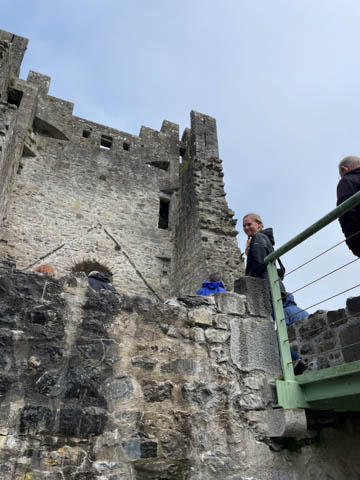
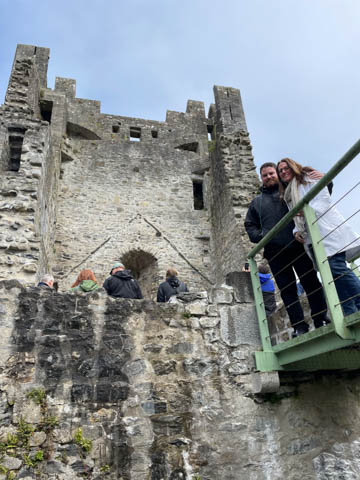
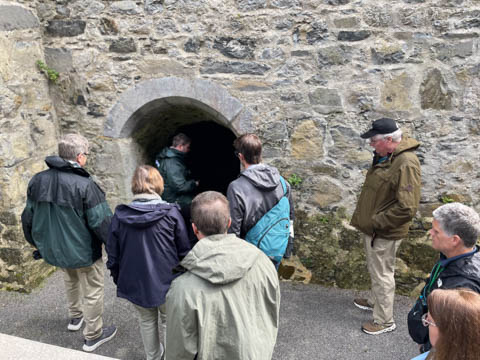
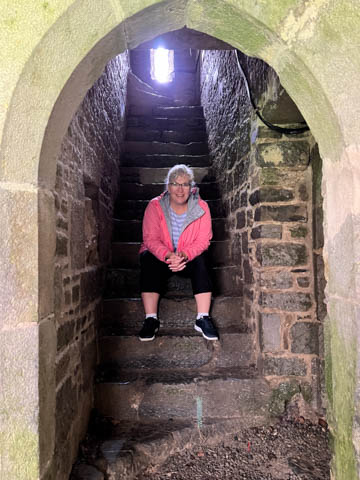
Across the inner moat was the tall keep which was accessed across a small bridge over the inner moat then through a small gatehouse.
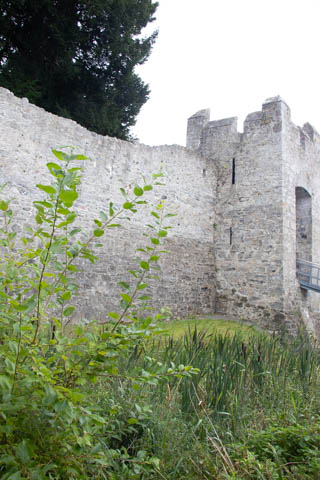
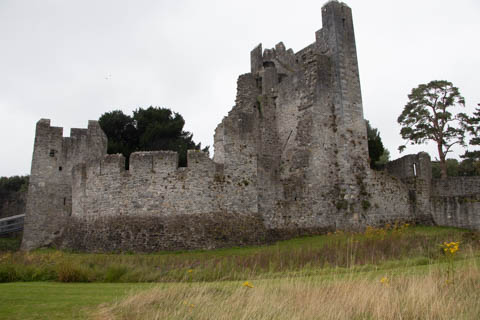
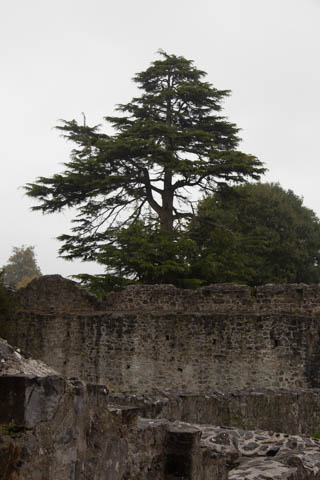
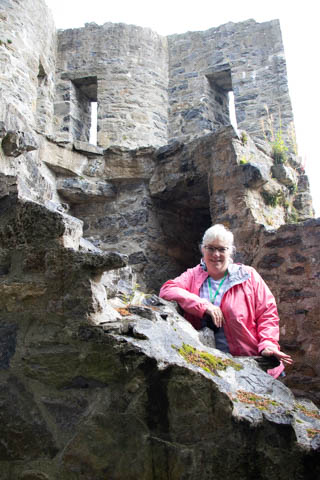
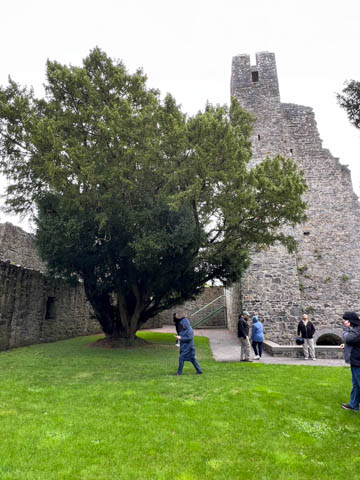
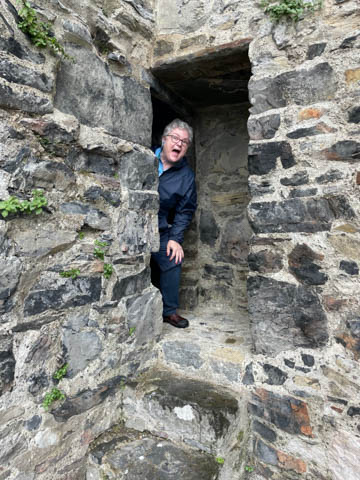
To the left was a small garden area between the keep and the outer wall, which has battlements you weren't supposed to climb up to.
Here are a couple more from Gabby and Leisha.
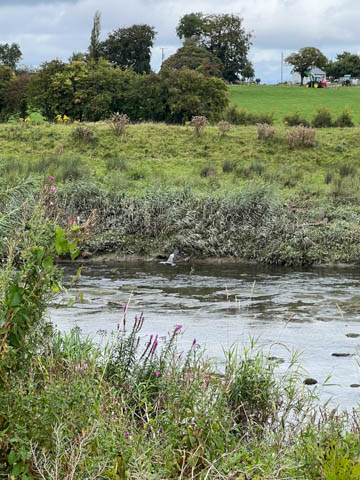
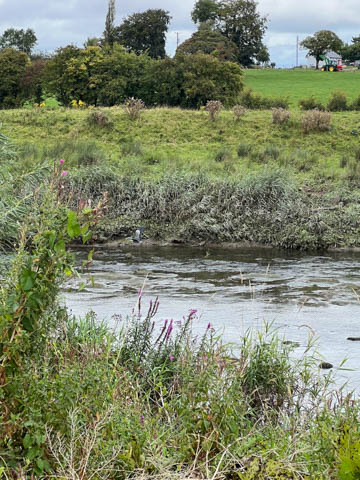
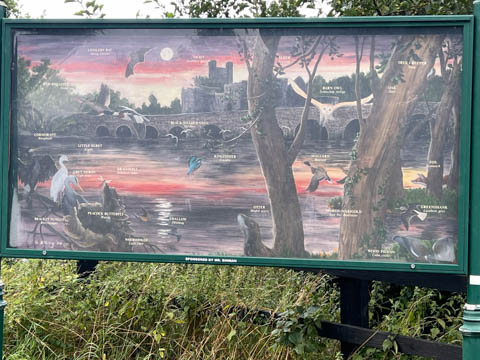
After visiting the castle, we got back on the bus for the short trip into Adare, stopping at a rest area and then heading into the town. Leisha had described the options for lunch and walking around and mentioned there was a river walk along the River Maigue where we might see wildlife, including otters. So, she quickly had us there and after hearing that was our plan, she opted to join us as she had never wandered there either, despite have come to the town many times. Glad she was with us to help find our way, eventually discovering a nice elevated paved walkway along the one branch. No otters, but we saw a heron along the river along with a number of small songbirds.
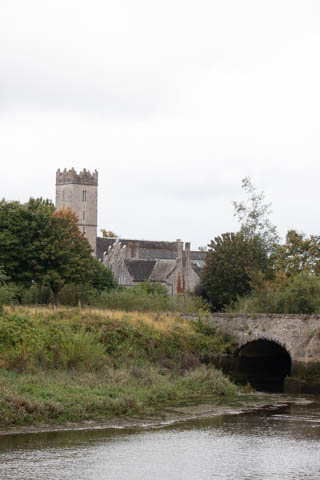
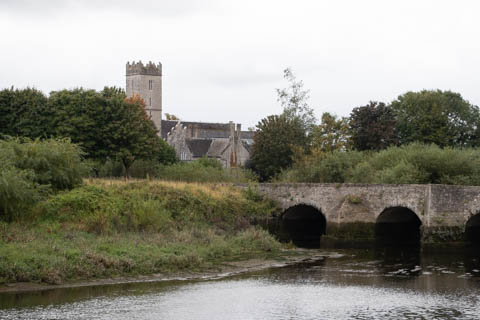
The walk eventually ended at the bridge near Desmond Castle, providing another interesting viewpoint of the ruins.
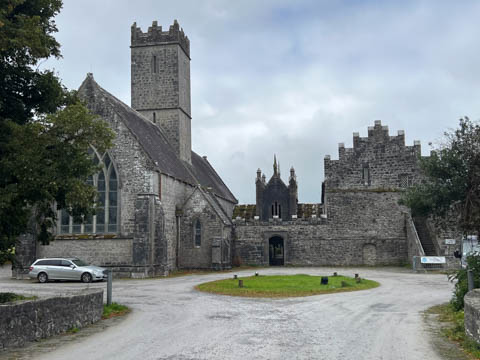
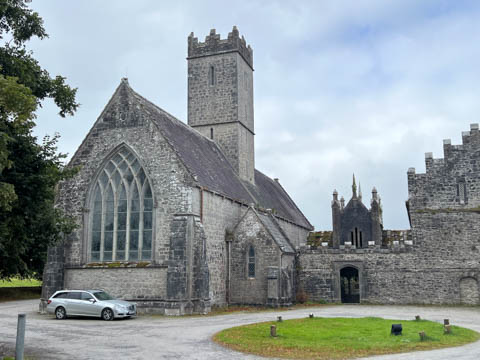
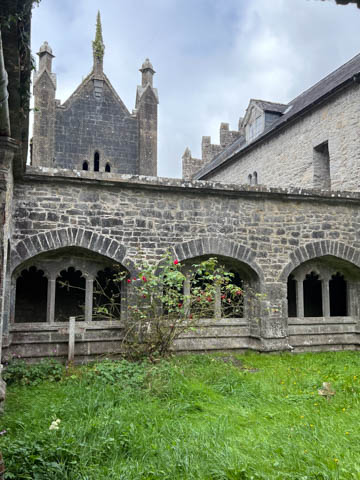
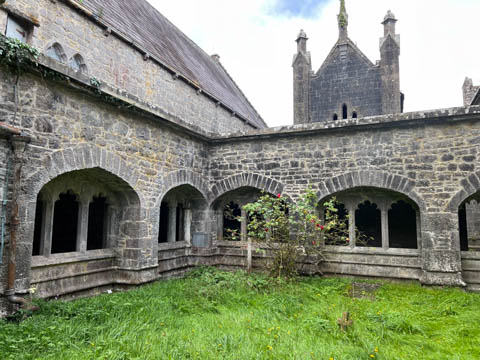
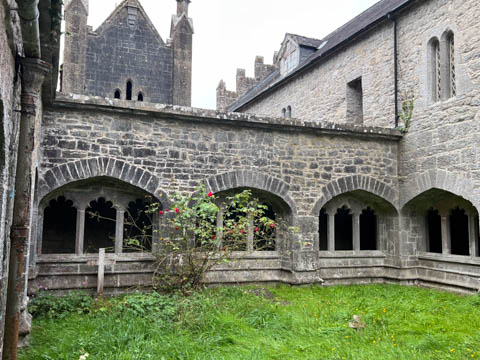
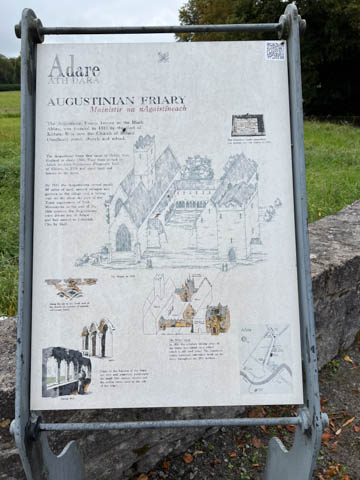
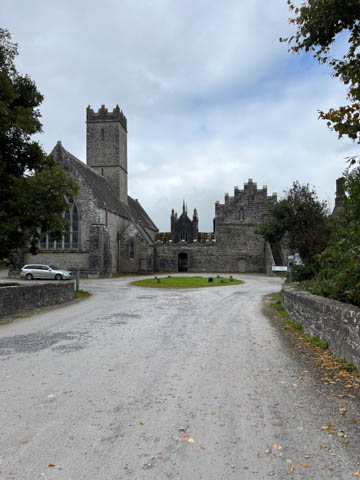
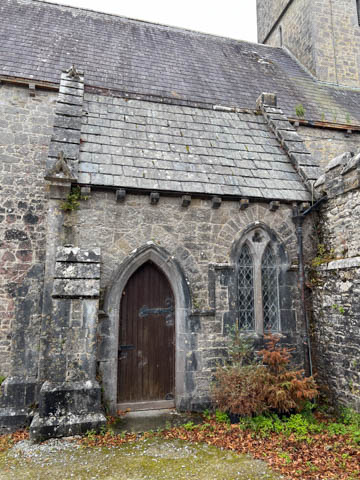
At the road, there was a older monastery and church, which now hosted a small daycare. This turned out to be St Nicholas, part of the Church of Ireland, making it an Anglican Church amid the majority Catholic nation, and likely why it had a daycare. This was formerly the Augustinian Priory, founded over 700 years ago in 1316 by John FitzThomas FitzGerald, 1st Earl of Kildare, as a friary of the Augustinian Order. It was one of three friaries founded in Adare in the Middle Ages. The monks were called black friars due to their black cloaks or habits. So, it was also known as the Black Abbey. A portion of the current church, the cloister (the square walkway forming the center of the monastic buildings), and the Refectory, a hall where the friars ate, are all that remain of these original structures. The original Catholic Priory was suppressed in the reign of Henry VIII when he destroyed monasteries throughout Great Britain and dissolved the Augustinian Order to reduce the power of the Catholic Church. The friars were driven out sometime between 1567 and 1585. The likely relocated to Limerick, as the Augustinian friars there trace their origins to Adare. The buildings sat in ruin for 250 years before being given to the local Church of Ireland congregation as the parish church in 1807. In 1814, the refectory was roofed and converted into a schoolhouse. Between 1852 and 1854, a second restoration of the church was undertaken by Caroline, Countess of Dunraven. She also founded the small school at the site, which is now over 200 years old.
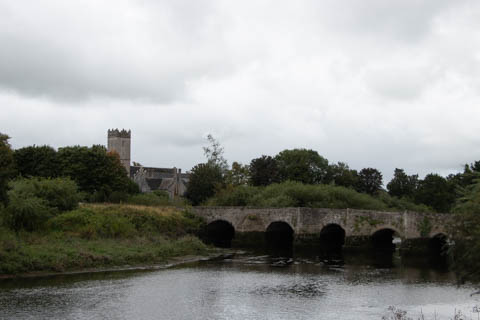
Steve took these pictures from Desmond Castle, looking back across the River Maigue and the bridge at St Nicholas.
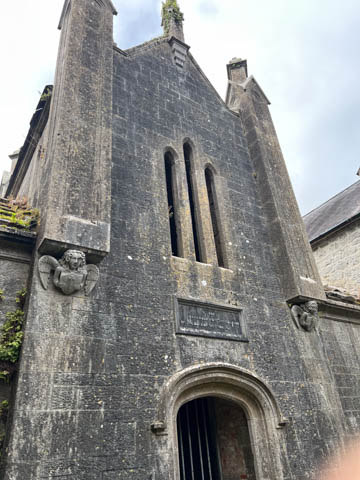
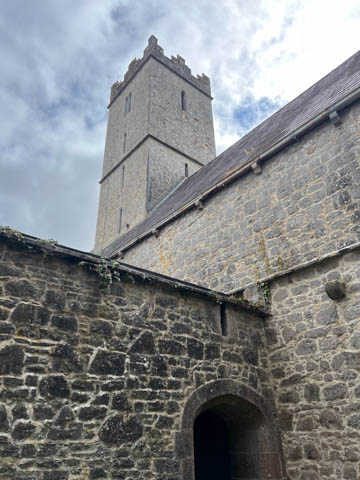
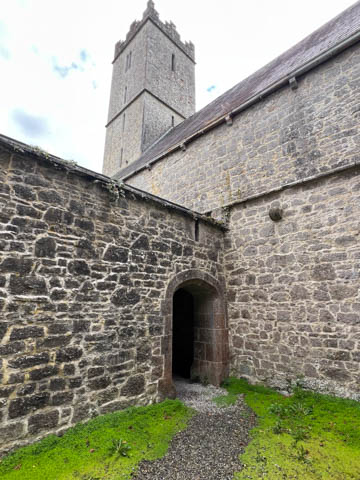
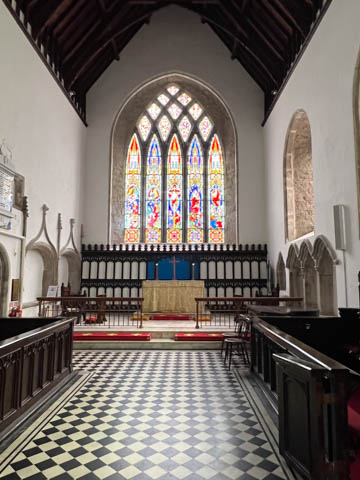
Both the chapel and the cloister were open.
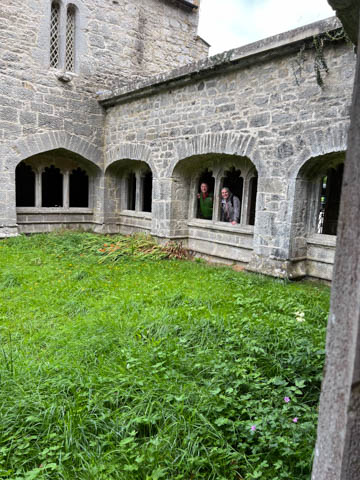
The cloisters, the central hub of the friary, were open.
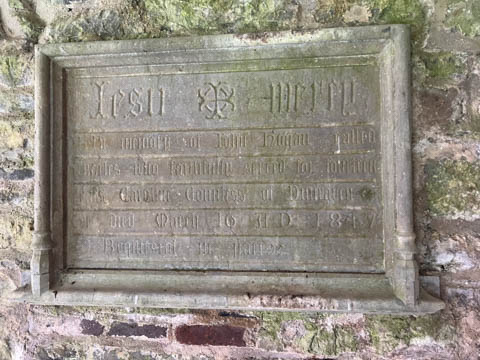
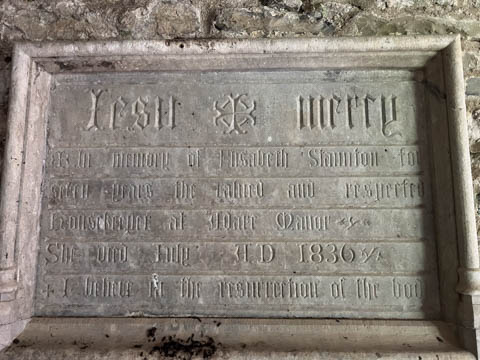
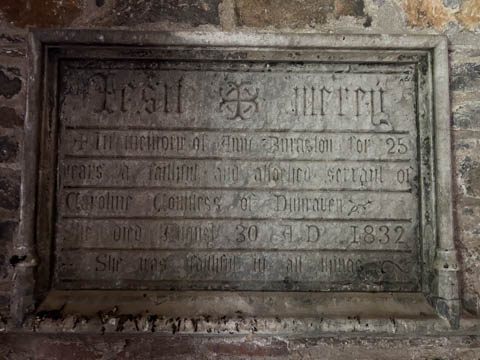
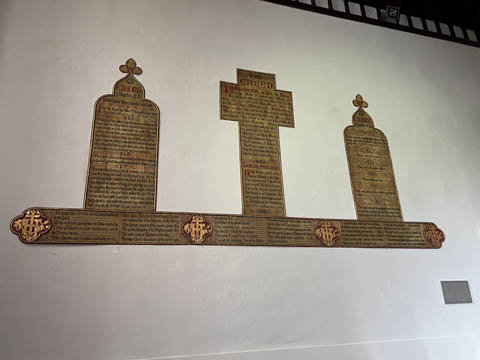
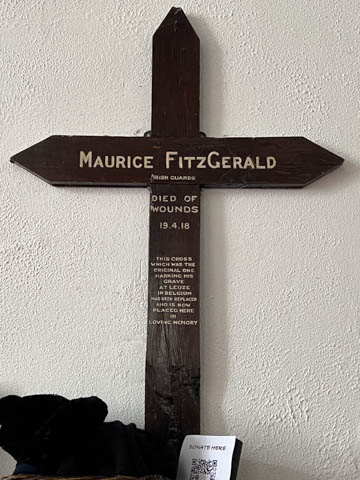
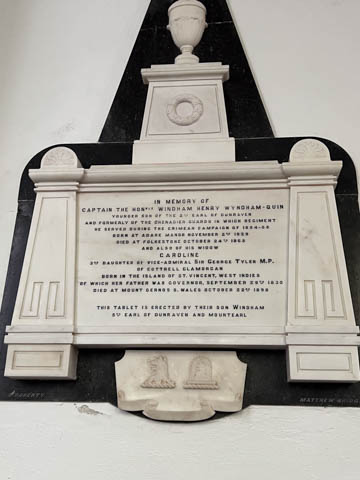
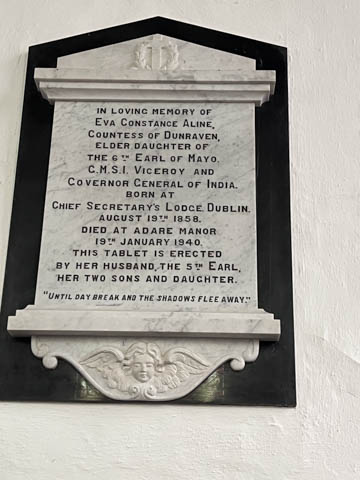
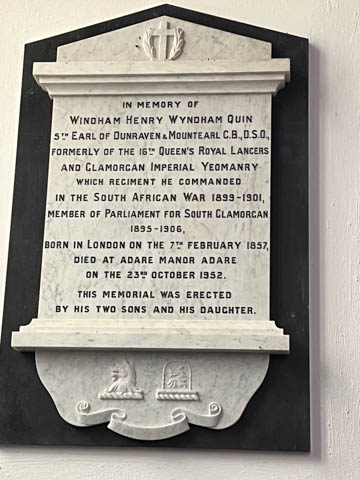
There were a number of plaques in the cloister, dating back to the early 1800s, including one to the housekeeper at Adare Manor and a servant to Caroline, Countess of Dunraven, who funded the renovation in the early 1830s.
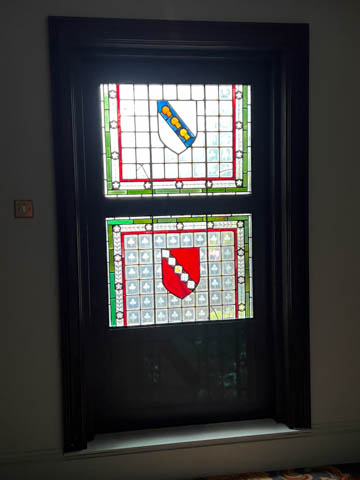
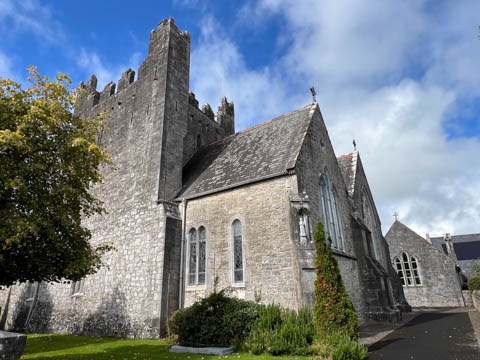
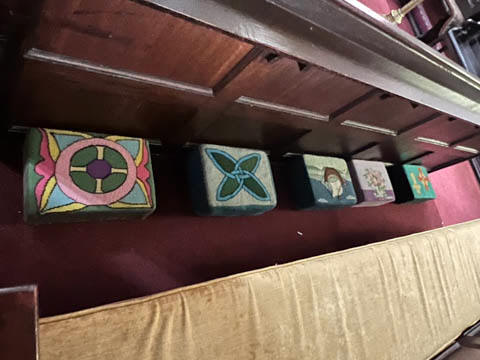
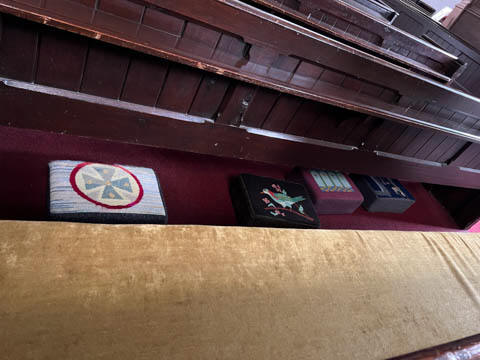
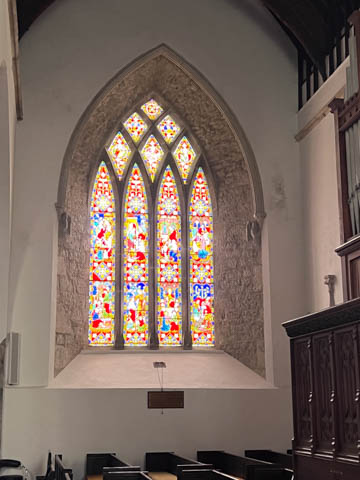
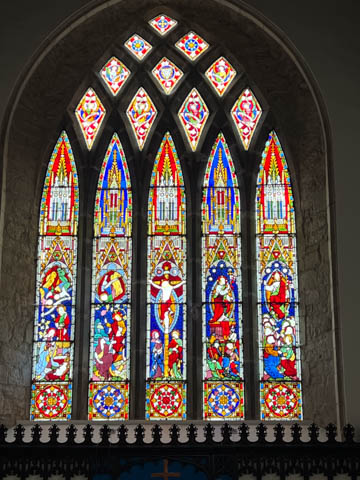
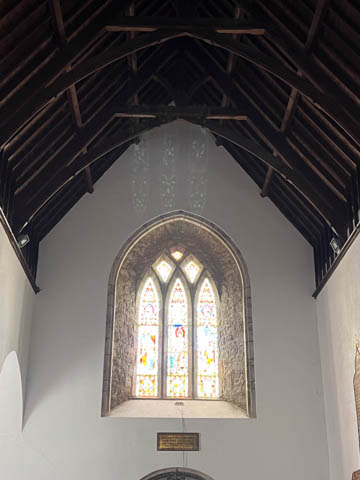
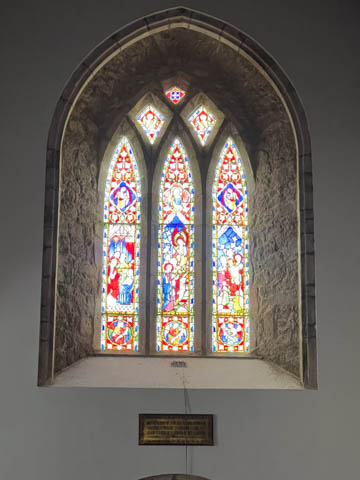
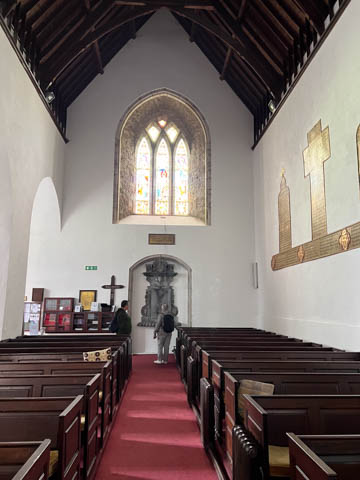
The literature and signs in the chapel told that the central tower complete with bells was added in the 15th century, about 100 years after the main part of the church was built. One of the side chapels contains a small font from the 12th or 13th century which is still occasionally used for baptisms. The wooden seats in the choir were once were the friars would gather to worship. The current seats were made in the 19th century by craftsmen from Adare Manor. Ever since the refurbishment (and stained glass windows) funded by the Earls of Dunraven in the 18th century, the seats on the right have been restricted to the Earl's family. On the wall above the altar rail is a small window (now bricked over) which leads to the infirmary, allowing friars in the infirmary to attend worship service. We were delighted to discover hand-embroidered kneeling pad along all of the pews. The handout said the current set of kneelers came from a Church of Ireland parish in Bangor, Northern Ireland. They replaced a previous collection which were ruined when the River Maigue overflowed, flooding the church in 2014.
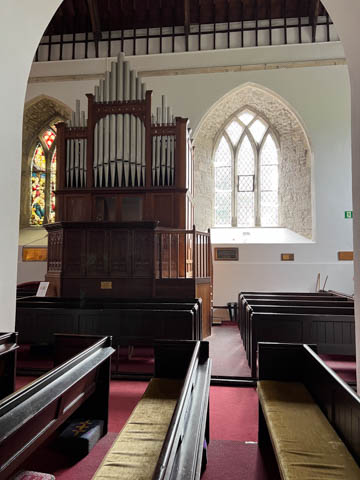
The organ is elevated to protect it from flooding from the nearby river, especially as the church used to be on the riverbank and had its original main door facing the river.
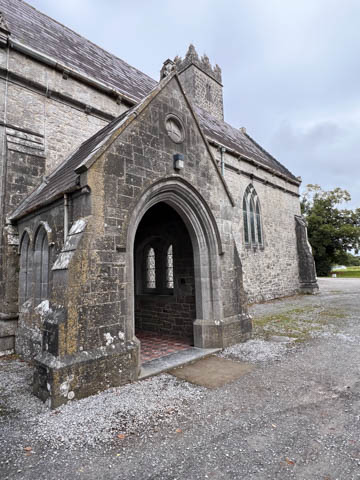
Outside the church, we could see a number of small statues and figures in the facade along the roofline. According to the handout these were "bosses" not gargoyles as they provided decoration but were not drain spouts. They "may have been added to ward off evil spirits and provide a touch of whimsy to the church." The emblems include the Tudor rose, a crowned lion, a human head, and a unicorn.
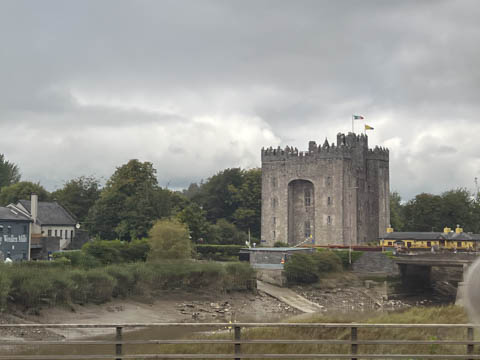
We made our way back to the village, where we just had time to grab a sandwich and get back to the bus. Castles and towers everywhere, and green fields.
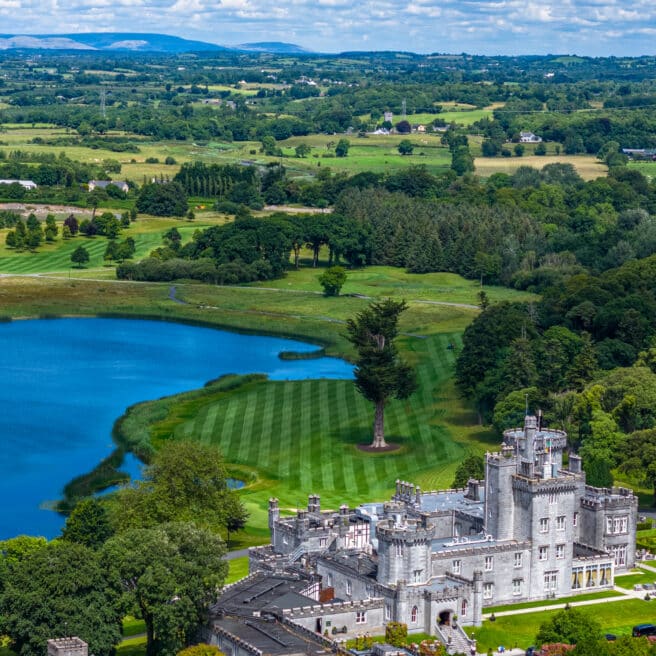
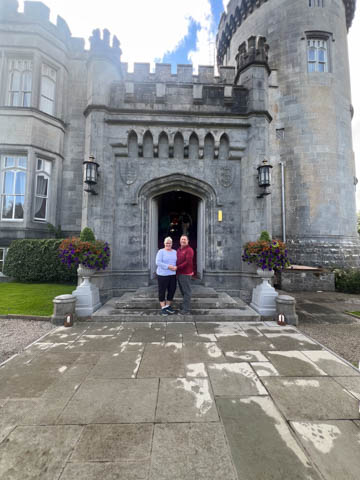
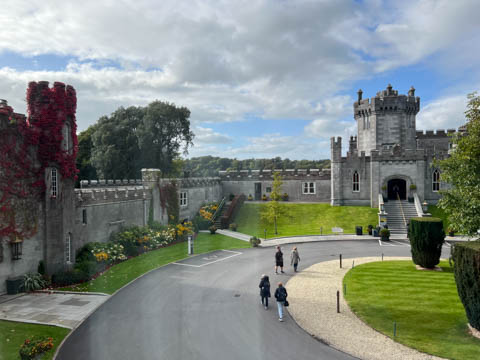
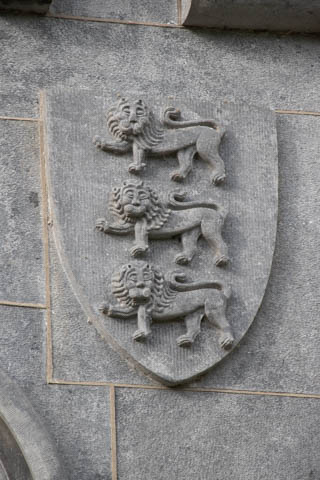
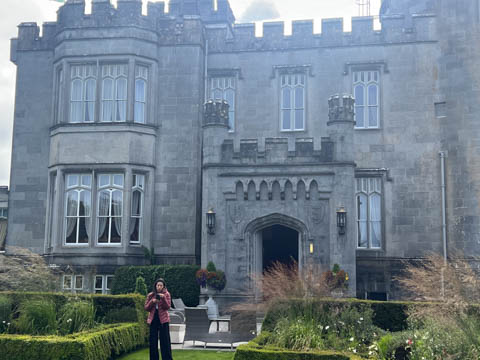
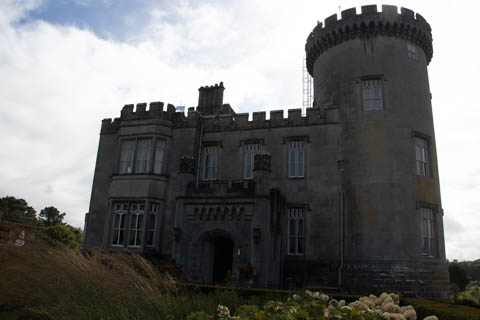
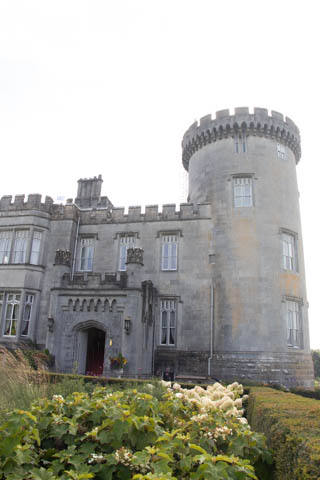
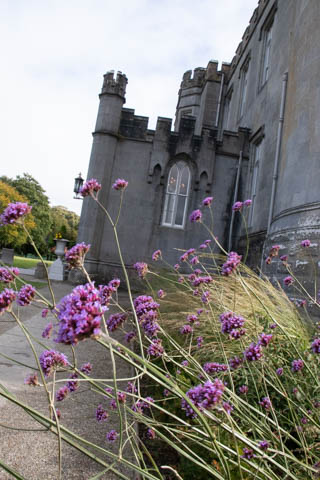
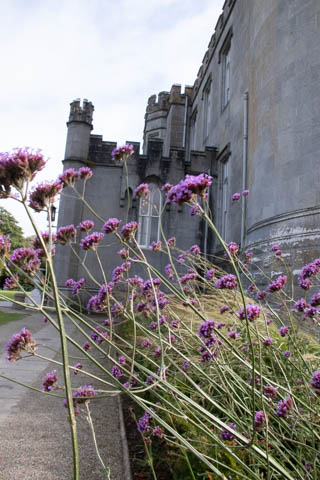
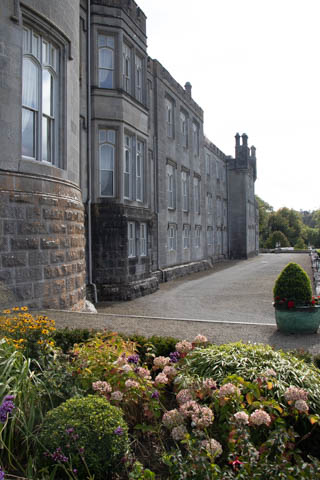
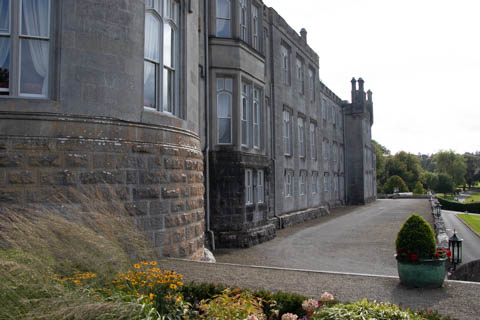
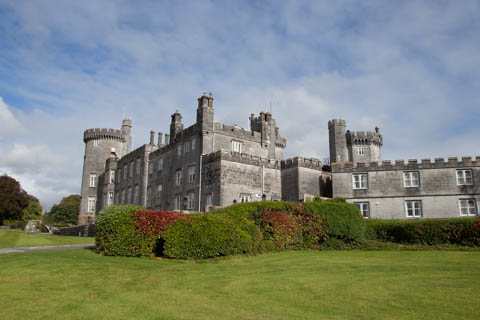
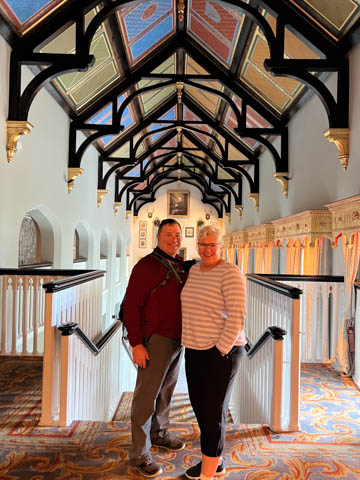
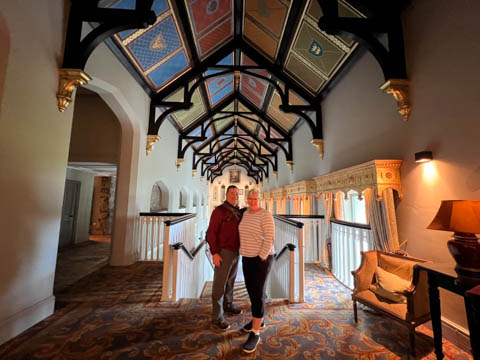
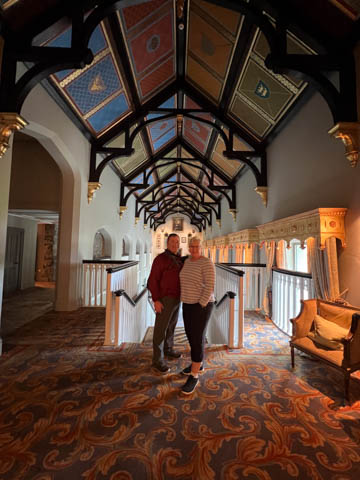
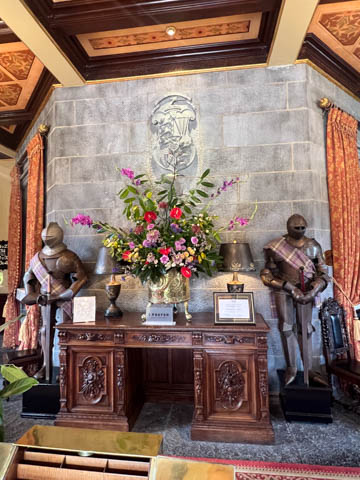
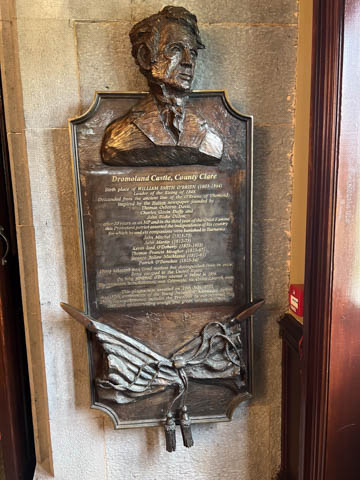
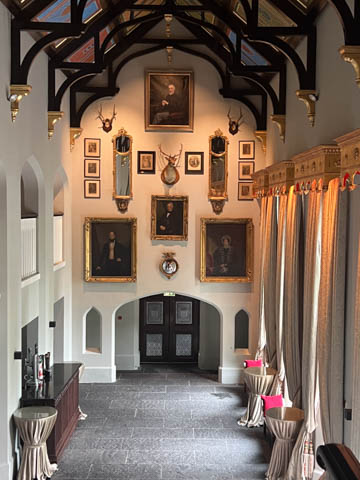
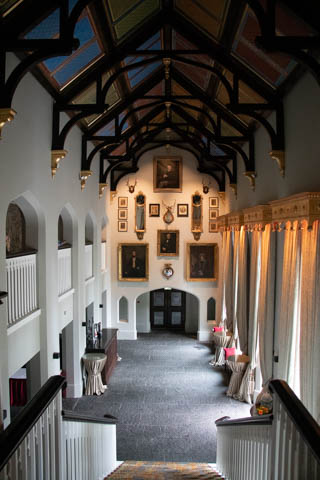
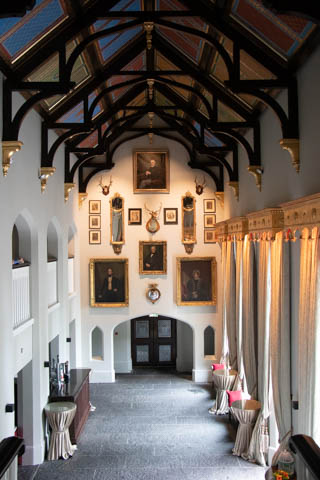
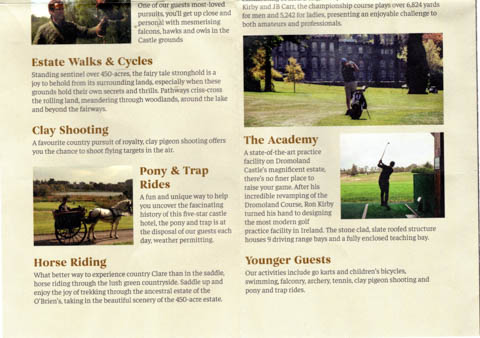
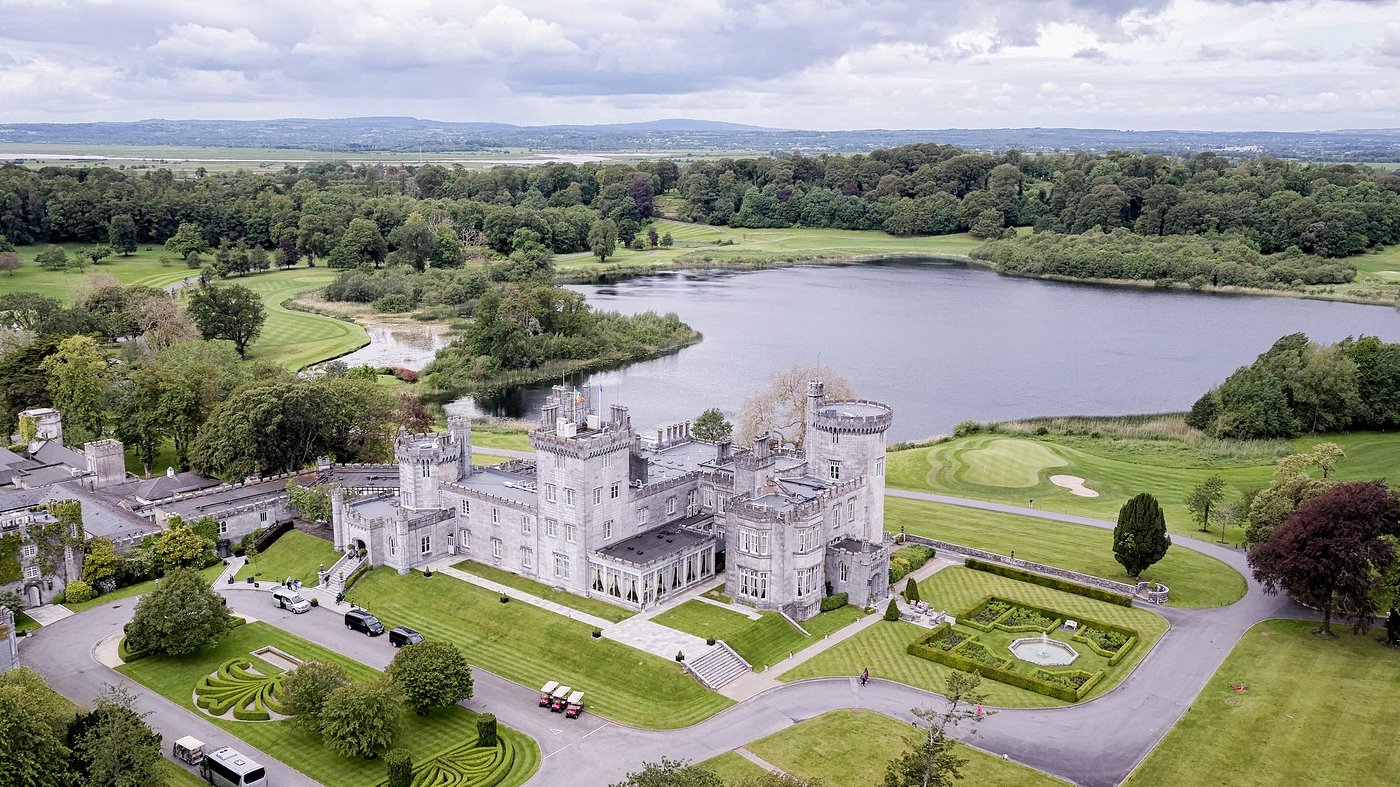
Our next stop was Dromoland Castle (pronounced "druh-moe-land"), our luxury hotel for the next couple days. According to the brochure (and our Irish guide who instructed us to tell people we met where we would be staying and watch their reaction), the is considered one of Ireland’s most magical addresses. It is the ancestral home of the O’Briens of Dromoland, with a lineage that dates back over 1,000 years to one of the last and one of the most powerful High Kings of Ireland, Brian Boru. From the imposing baronial façade to the startling interiors nestled on a 450-acre estate complete with a world-class gold course, the castle provides a world of historic grandeur underpinned by the finest modern comforts. https://www.dromoland.ie/
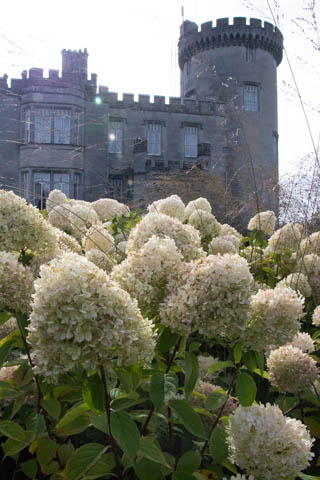
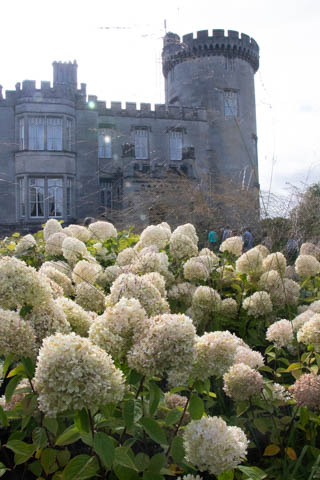
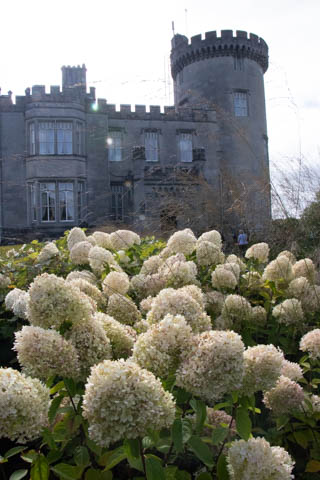
Here are a couple shots from above from the web to provide perspective. Our room was in the left building in the last picture, across the circular drive from the historic castle.
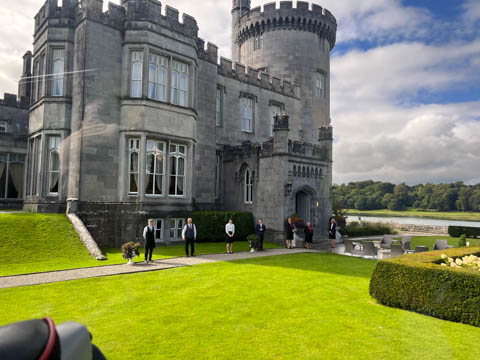
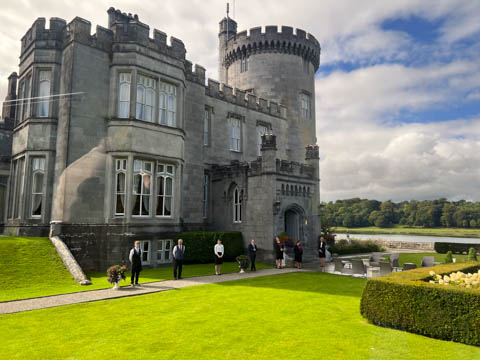
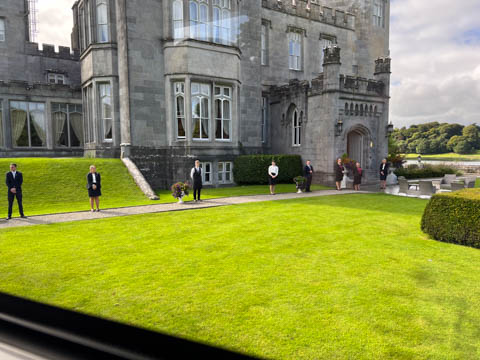
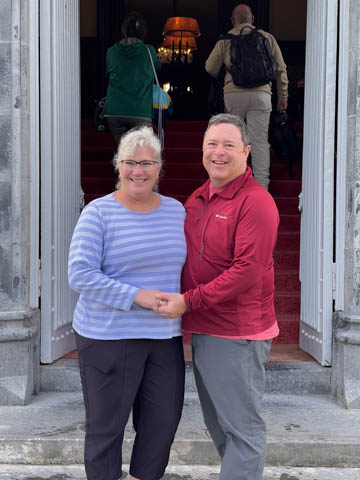
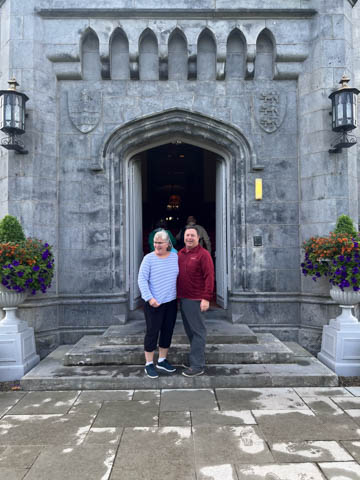
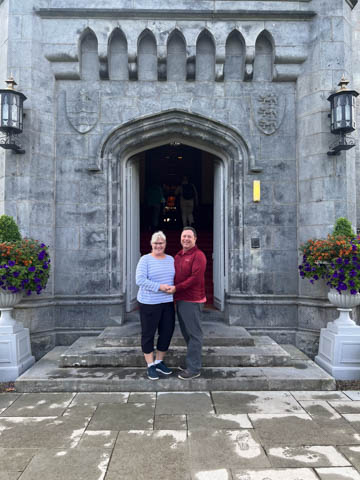
They laid out a fancy welcome, with staff lining up outside an entrance to greet us.
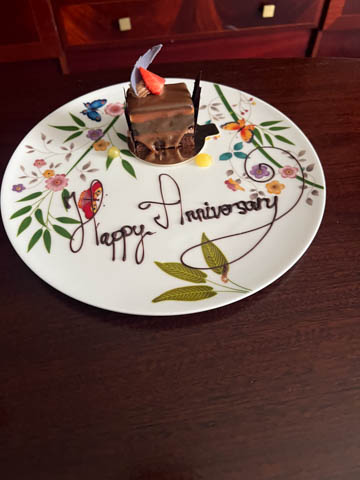
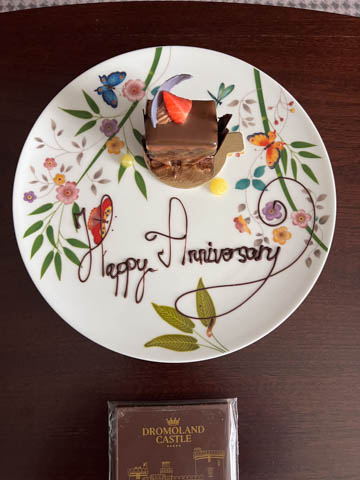
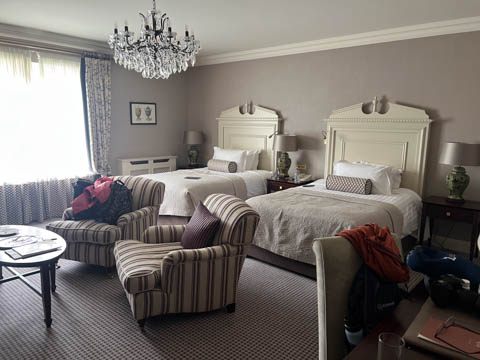
Happy to find another welcoming gift waiting for us in our room.
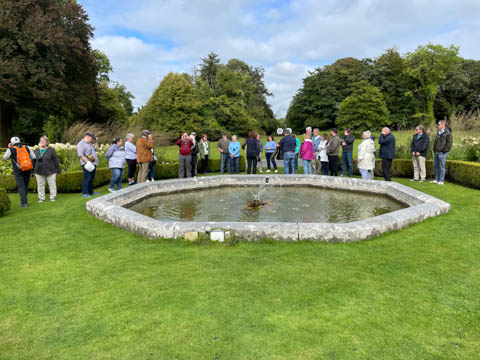
After a short break, we gathered back for a walking tour of the castle and grounds.
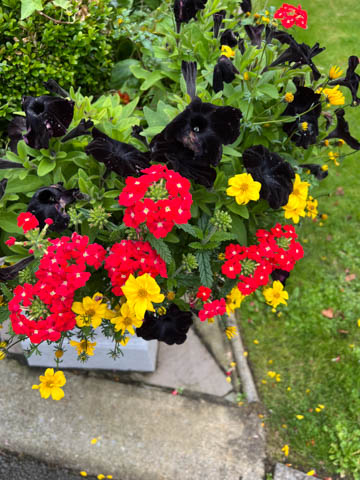
Enjoyed the little flower garden as we waited for the group to form and as we headed out
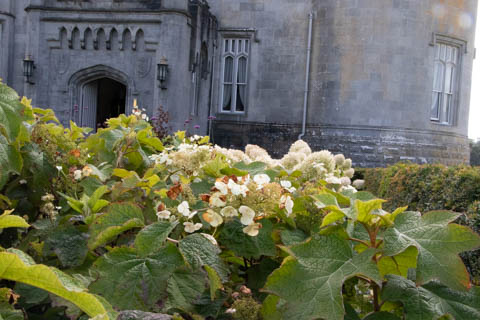
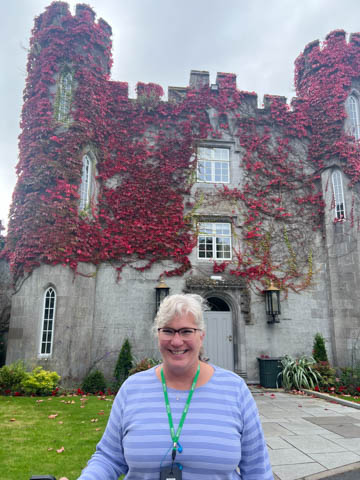
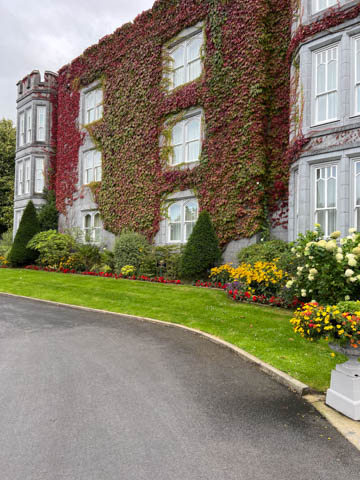
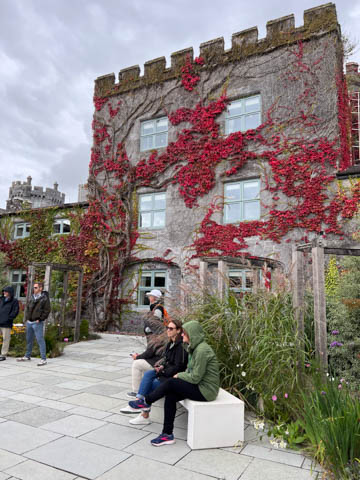
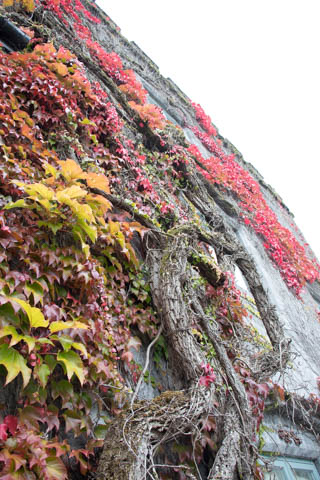
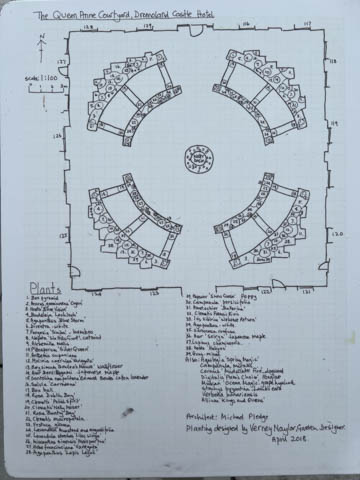
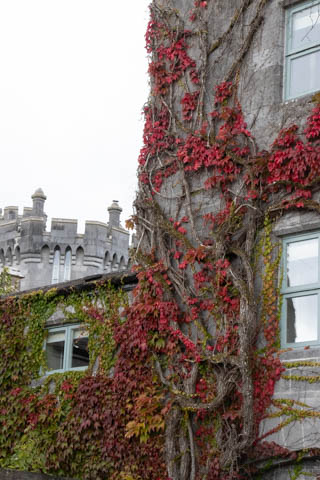
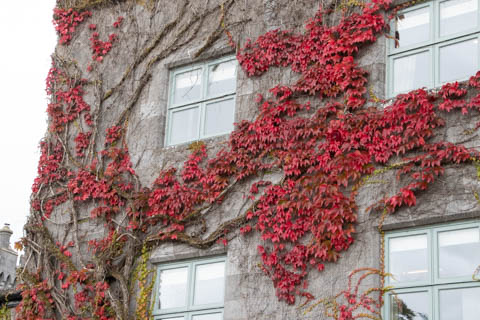
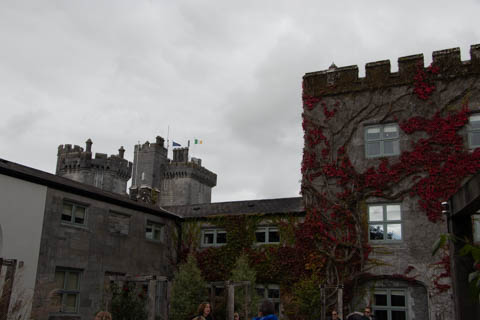
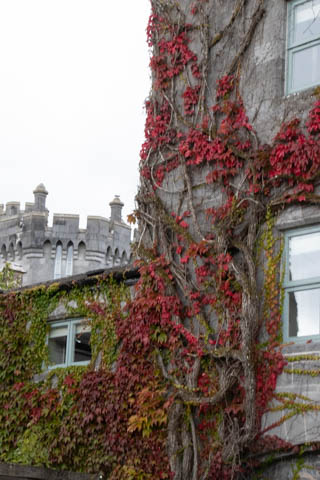
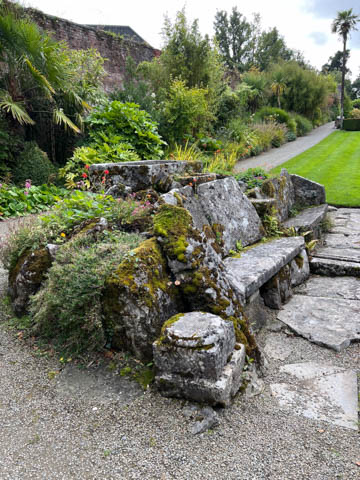
The ivy on many of the walls was amazing, as were the flowers around the small Queen Anne Courtyard.
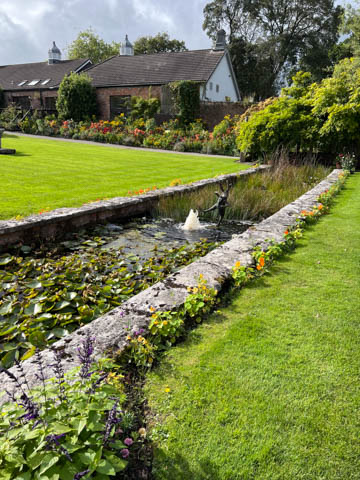
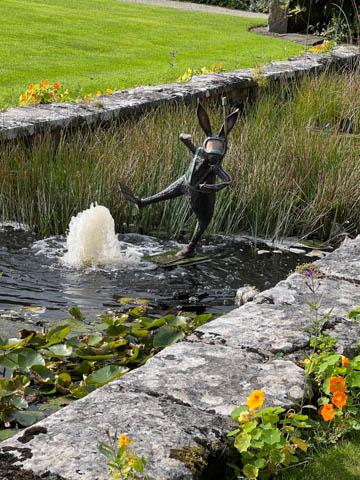
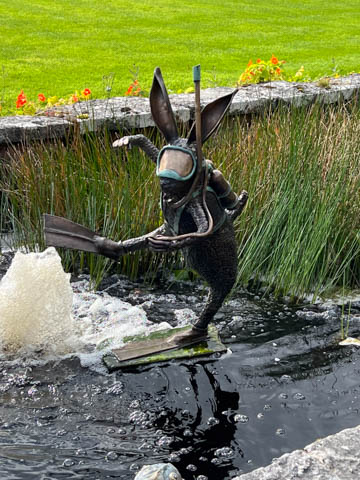
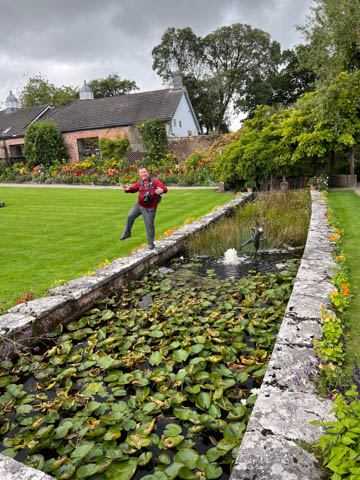
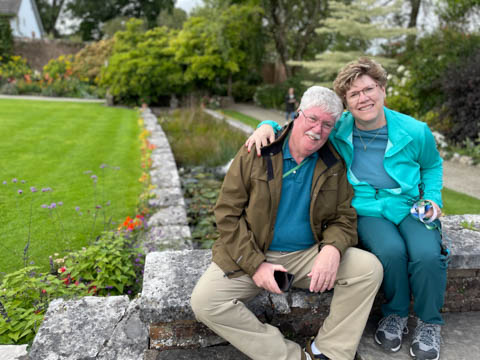
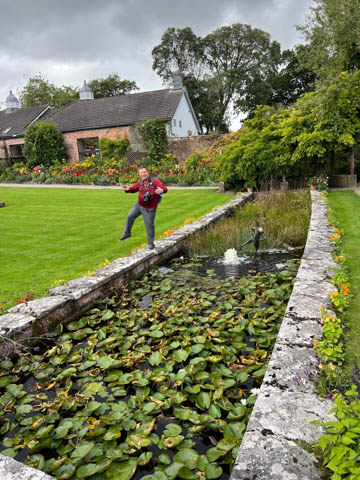
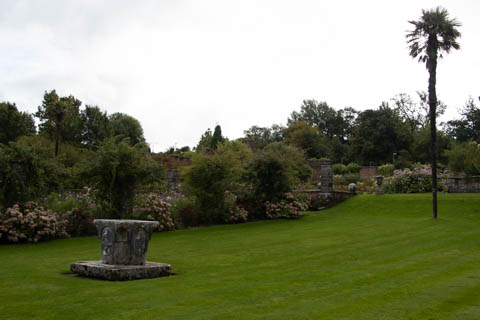
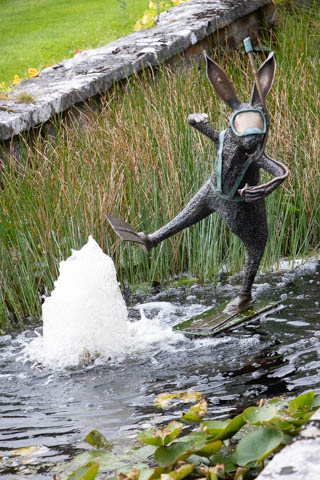
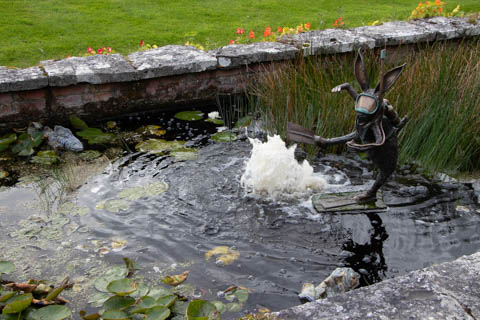
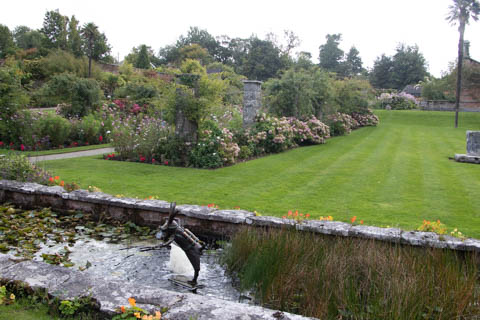
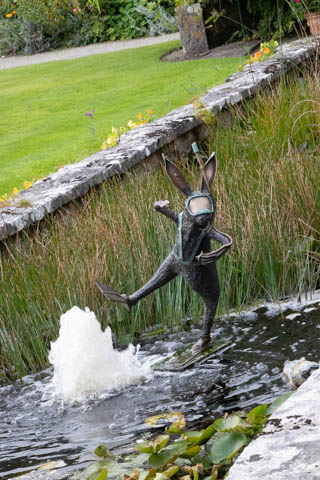
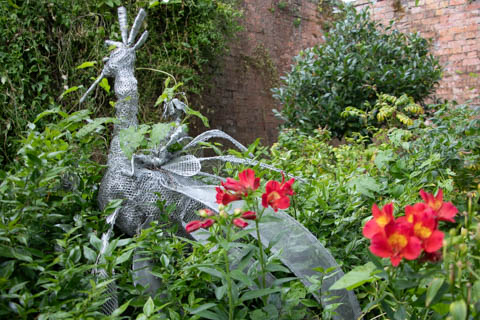
The tour took us through an amazing walled garden which we vowed to return to. Loved the statue of the scuba diving rabbit, which Steve tried to imitate
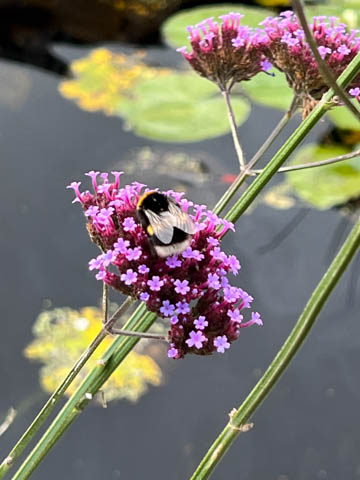
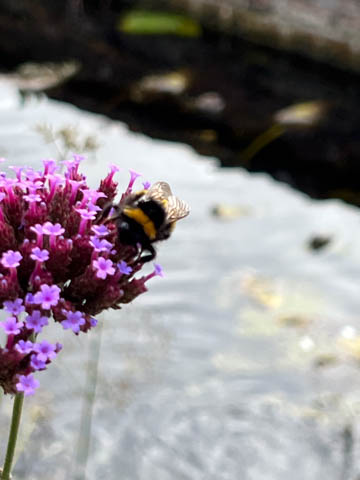
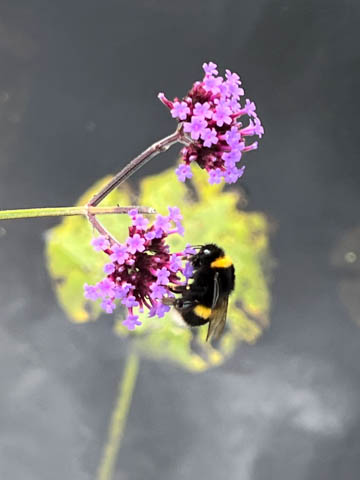
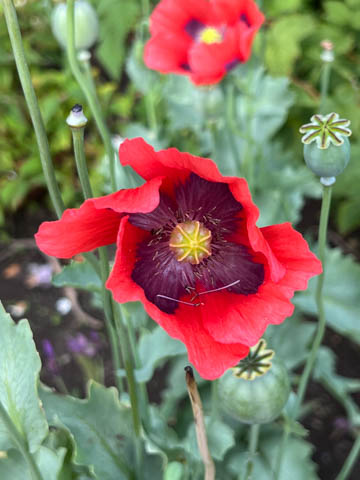
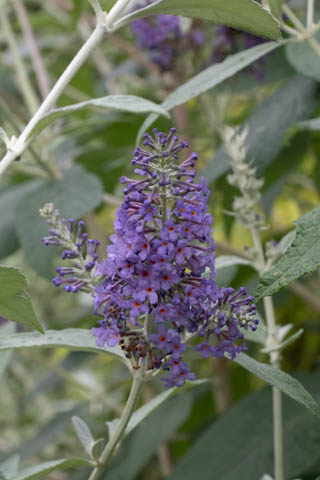
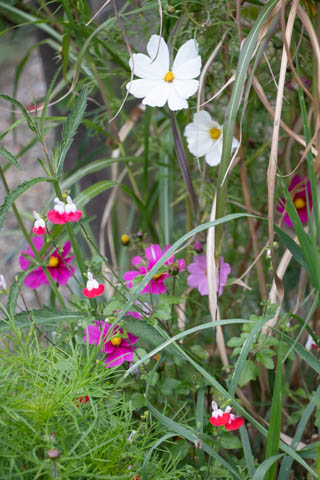
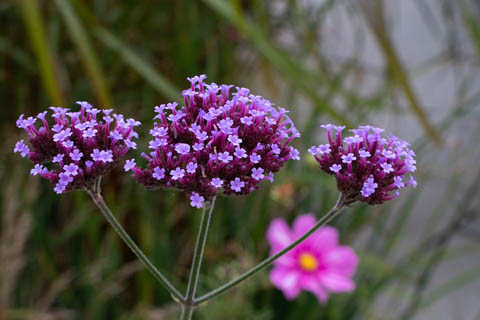
Some fun flowers with a number of bees.
A couple more from Gabby and Keisha.
There was a large banquet hall.
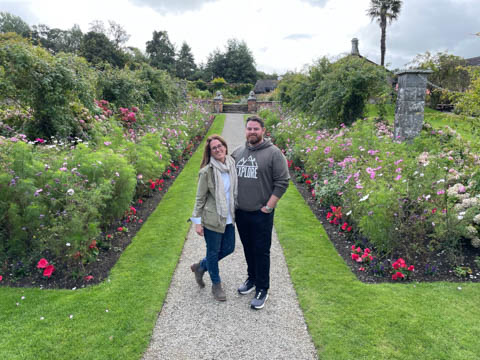
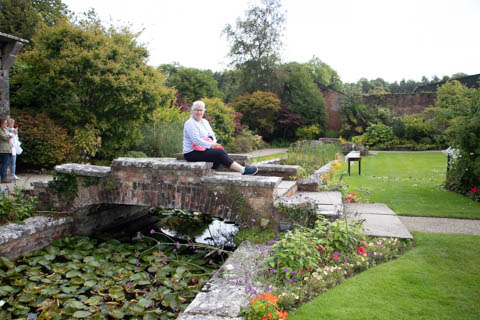
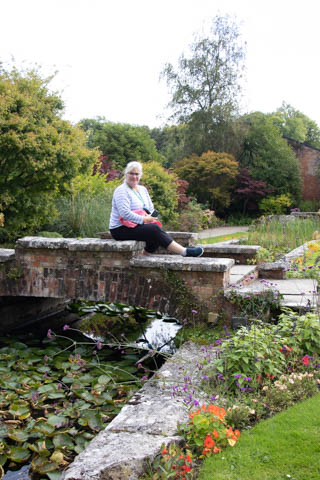
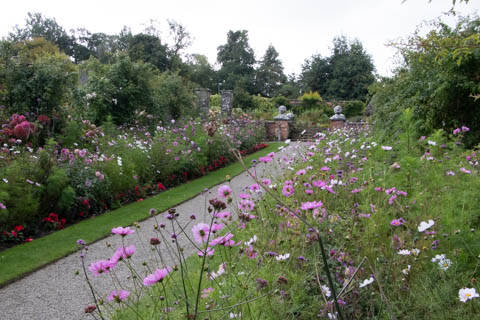
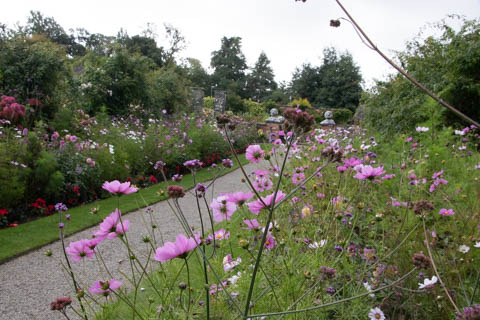
Once the tour was over, we headed back to the walled garden. The Walled Garden is divided into three sections. The walls of the first (the Ornamental Walled Garden) and second sections (the Nursery Walled Garden) are thought to date to the time of Queen Anne (1702-1714), while the third section, the orchard, is Elizabethan (1558-1603). A brochure noted the red brick walls retain heat from the sun, helping to warm the garden plots near the walls. It also noted they have submitted daily rainfall records to the Met for the last 80 years.
There were a number of other sculptures hidden around the garden.
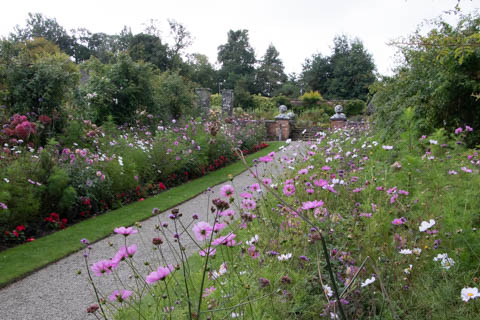
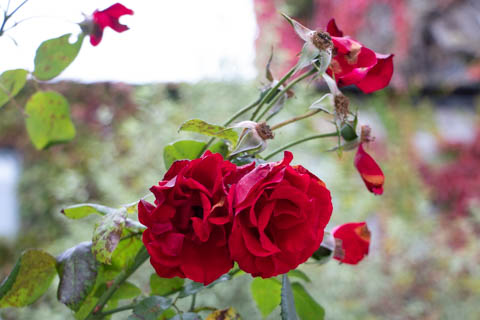
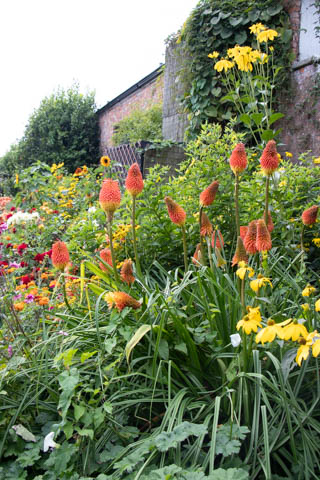
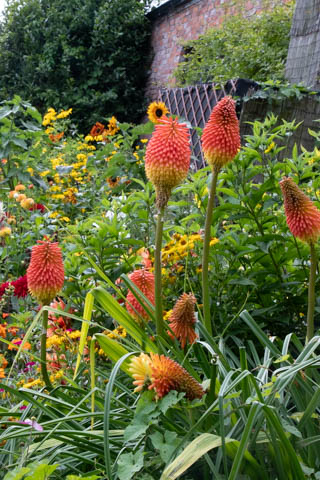
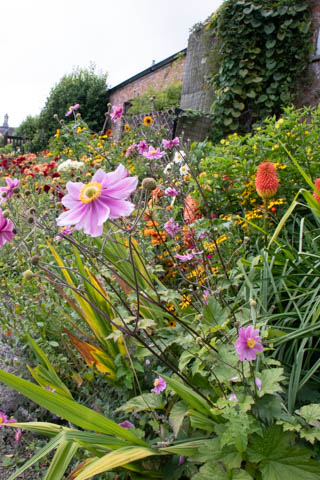
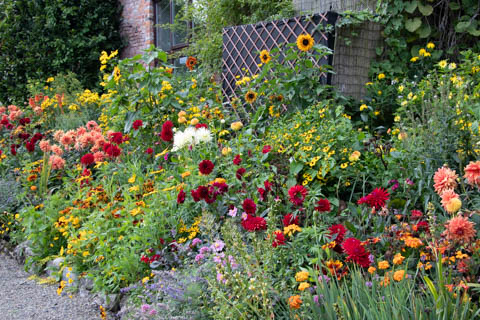
The flowers were simply amazing.
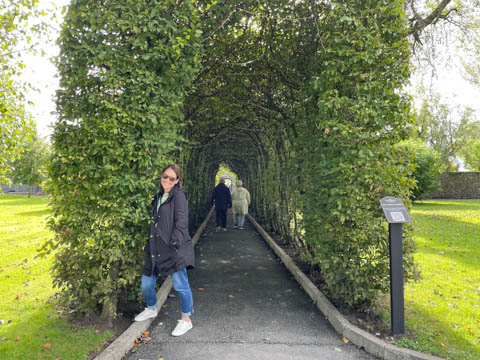
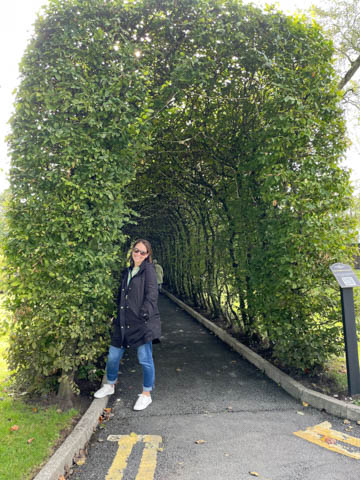
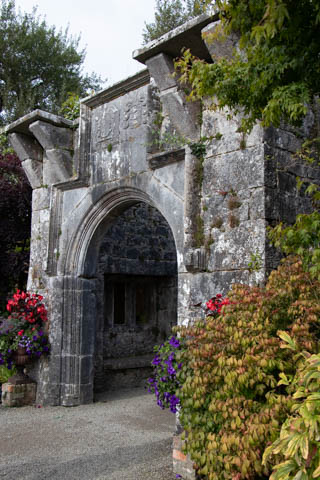
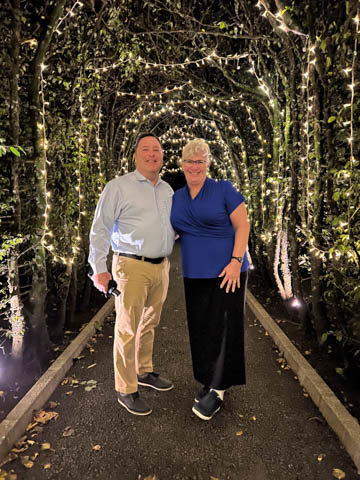
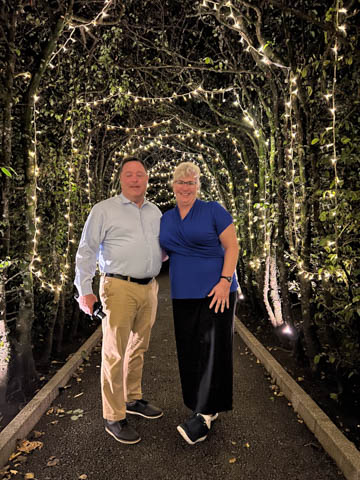
We had dinner at the adjacent country club. Enjoyed walking through this arch on the way there.
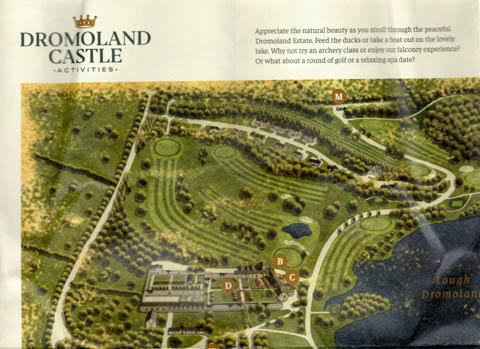
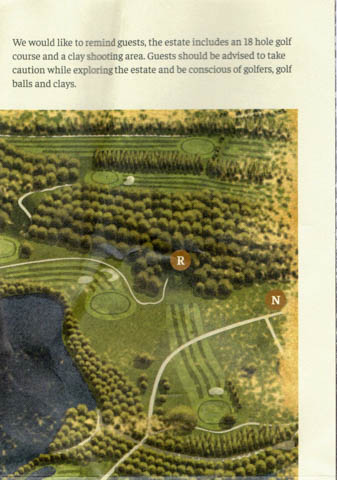
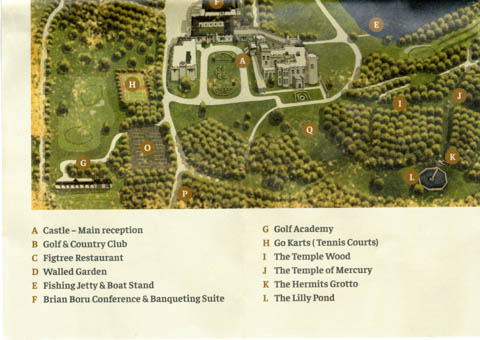
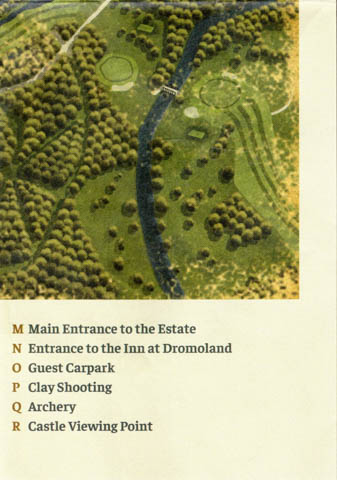
Here is the castle map.
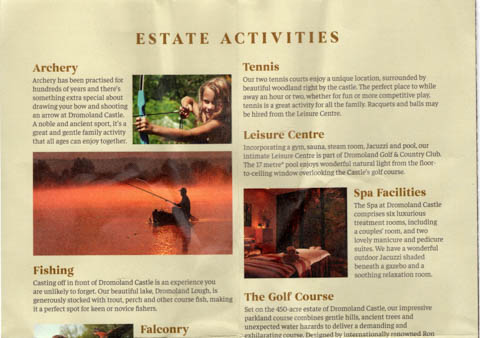
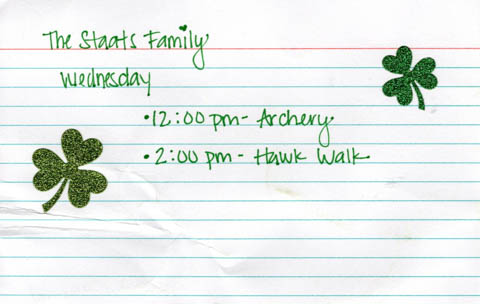
Like the stationary in our room. Also got the notice below of which activities we had been scheduled for after giving a ranked-order list of the possibilities, which included some more expensive options like horseback riding, sporting clays, golf and spa treatments, which sounded fun, but we ranked lower. There were also a number of activities which didn't need to be scheduled like renting bikes, which also sounded great.
|
|
|




.jpg)

.jpg)