

|
|
Use these navigation links to move between the Year 2026 pages. Specific pages can be accessed at the bottom of this page
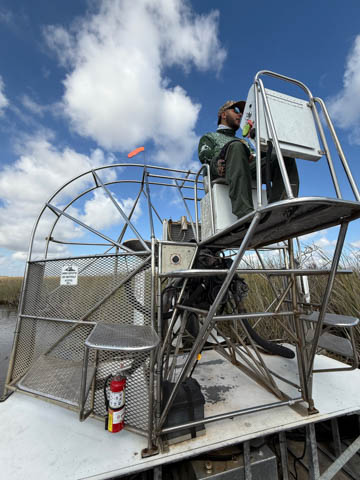
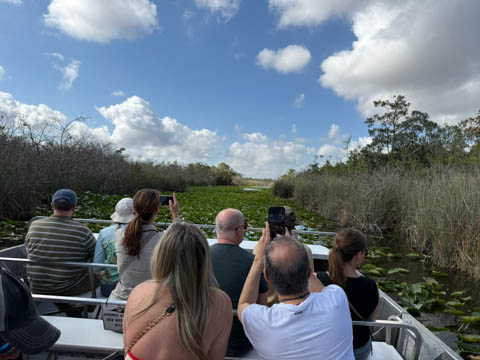
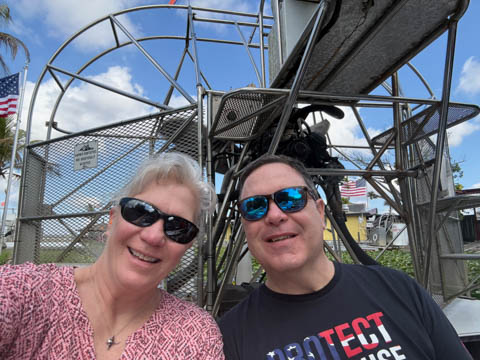
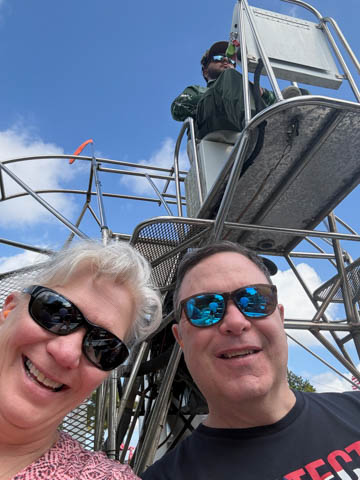
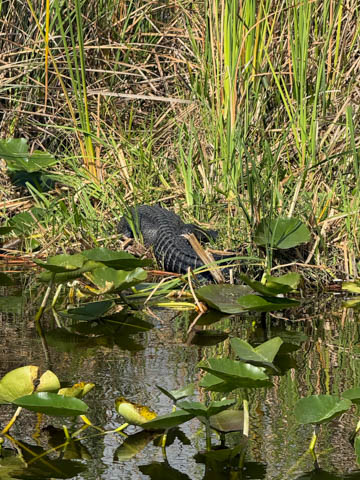
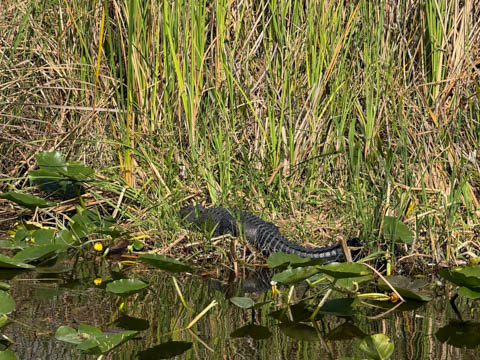
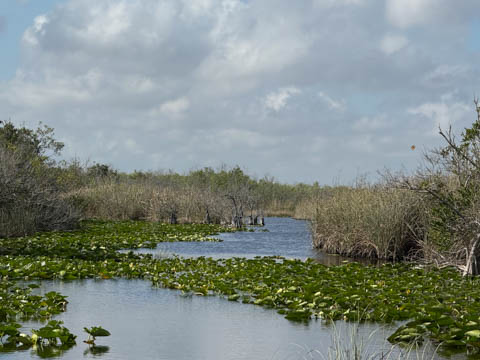
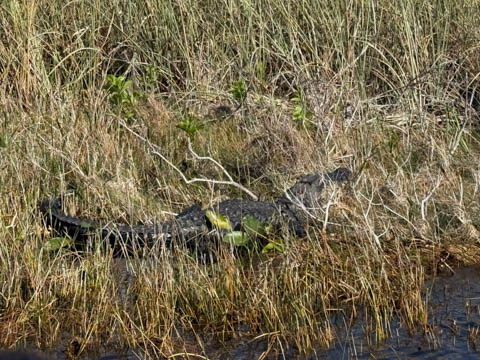
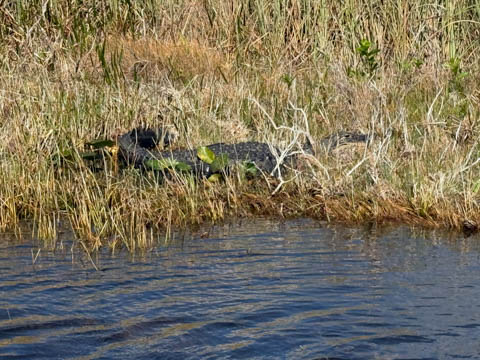
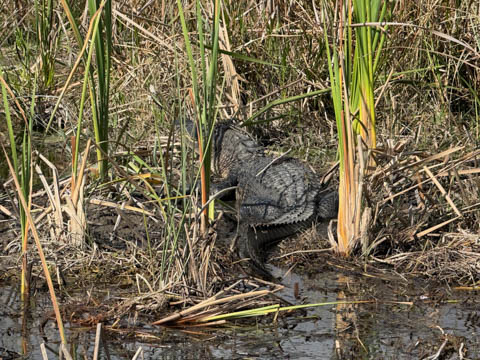
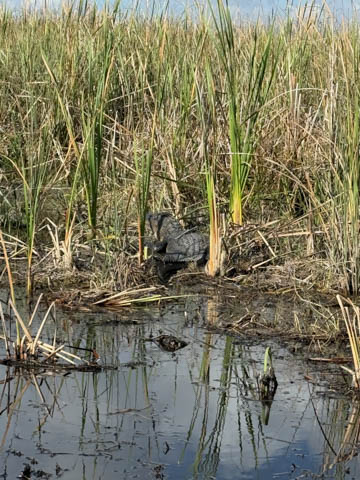
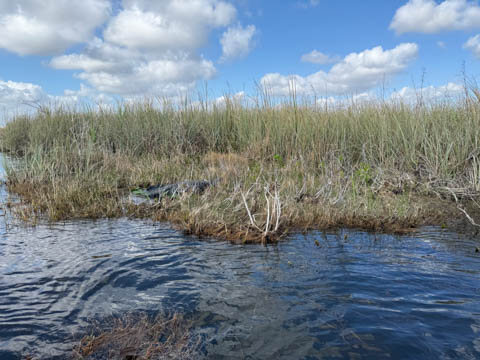
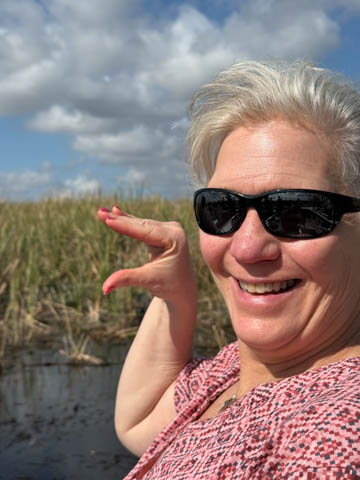
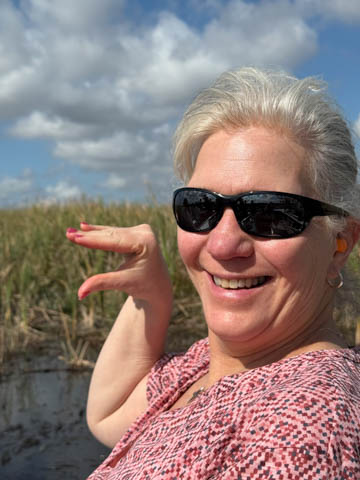
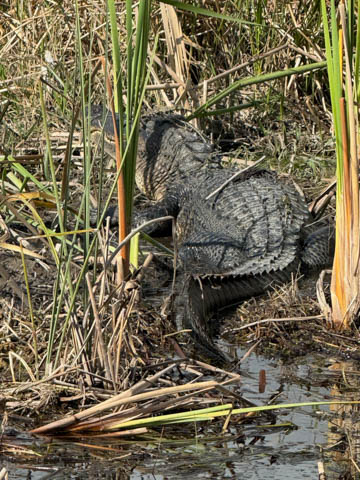
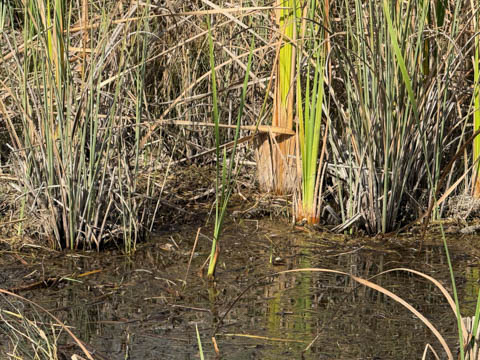
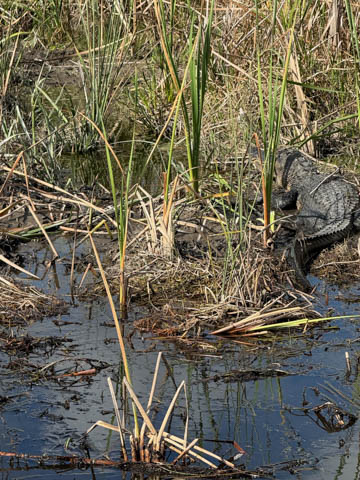
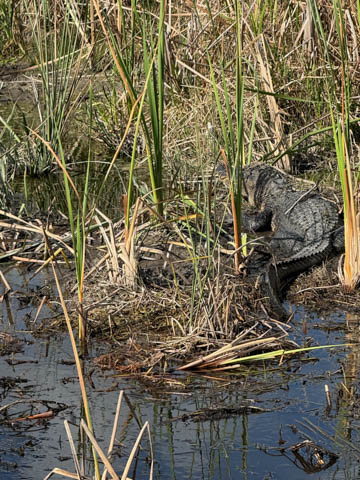
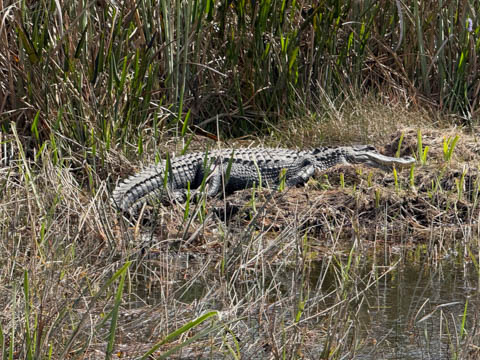
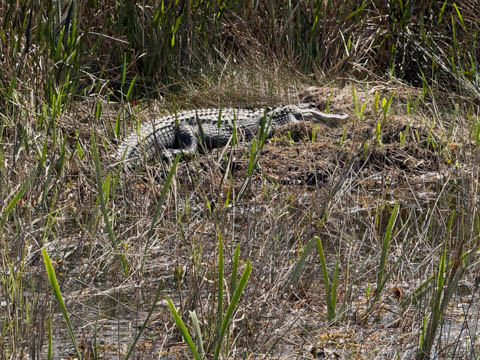
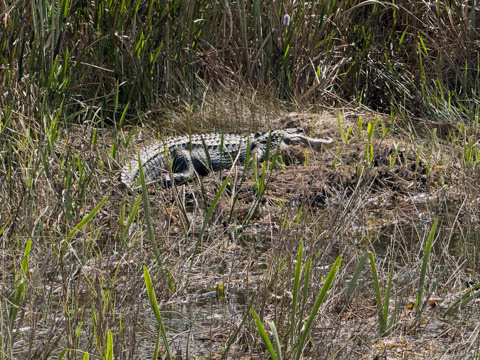
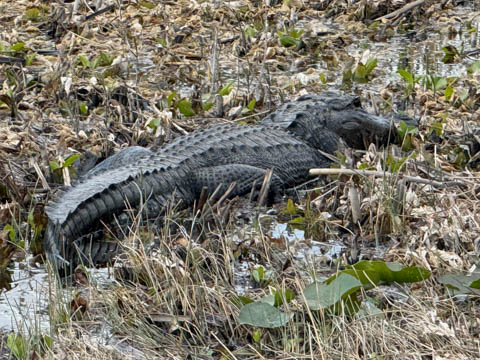
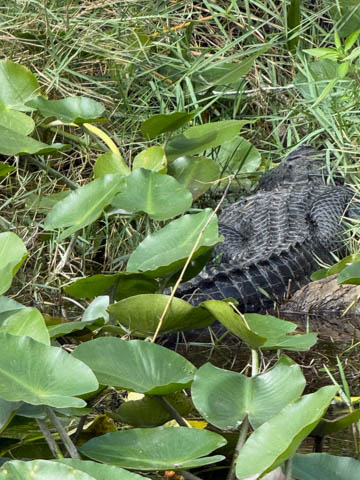
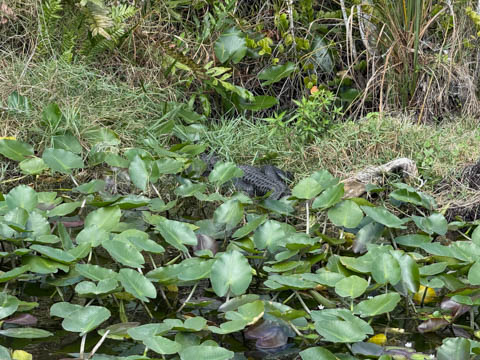
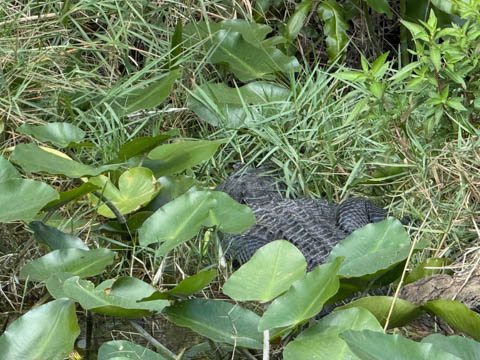
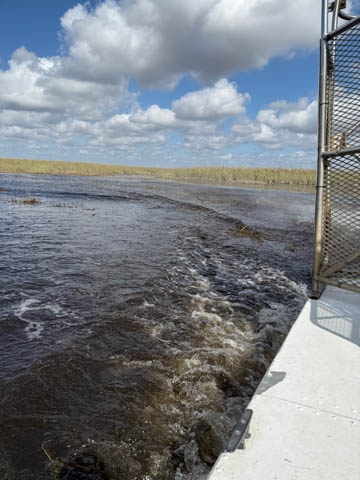
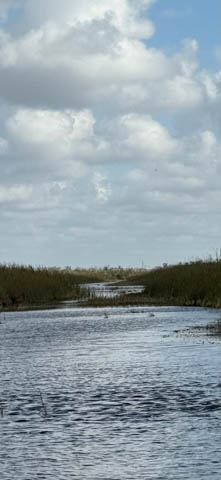
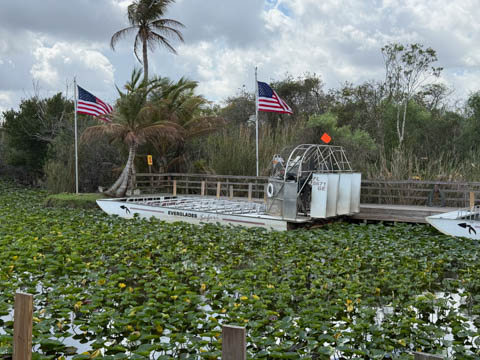
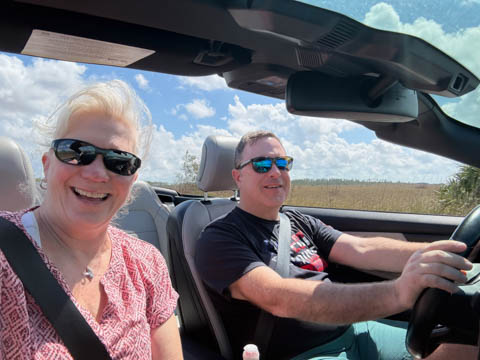
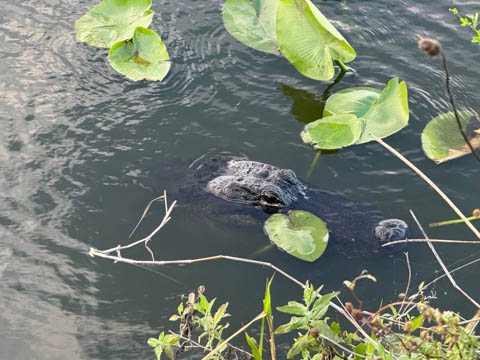
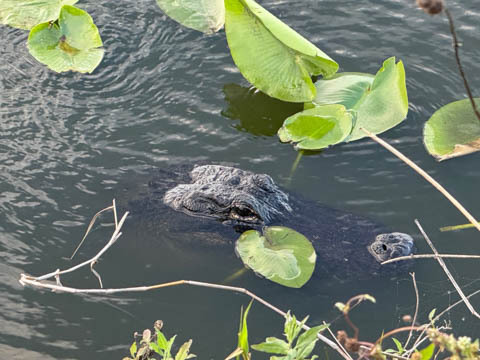
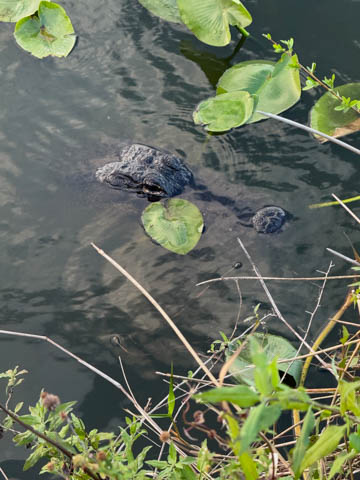
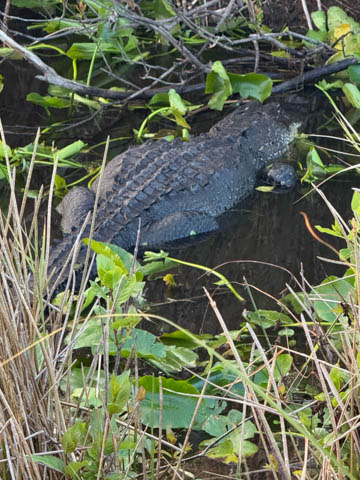
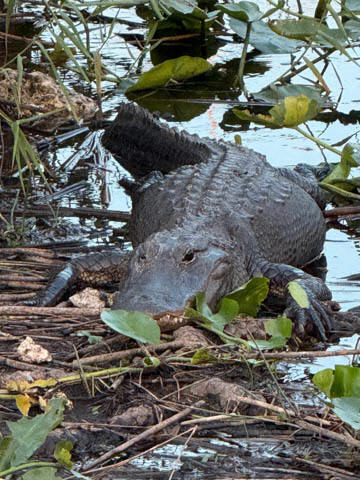
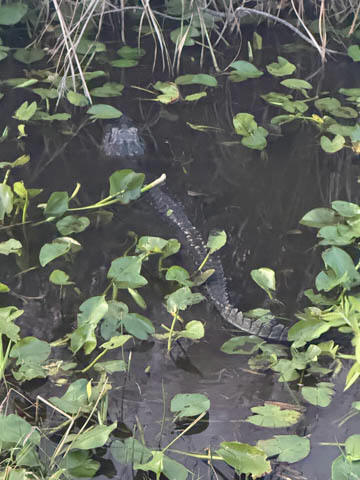
March 2026 (Part 01) South Florida Trip –Day 1: Everglades NP We took a week in early March over Nancy's birthday to visit southern Florida, the Florida Keys, and three national parks in the area. We got in a bit late after a flight delay, but had time to drive to Homestead from the Miami airport and find a good Cuban restaurant for dinner. Our first stop was Everglades NP, and an airboat tour with Captain Ray from the Everglades Safari Park, which runs tours into the National Park on the north side. We saw a couple alligators in the marsh.
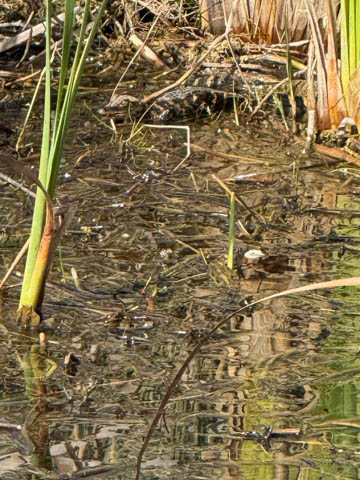
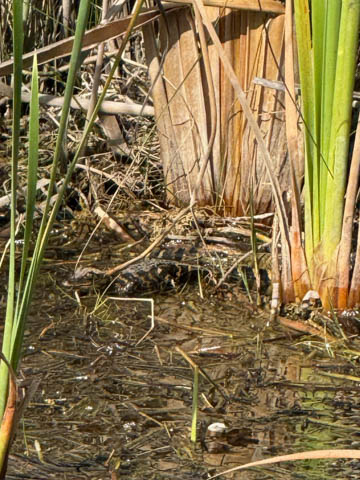
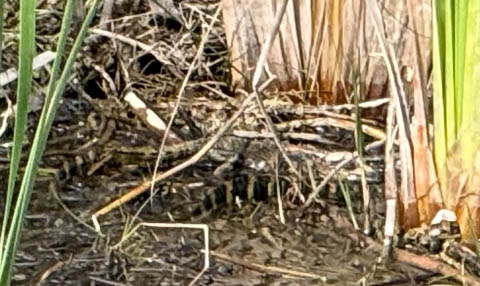
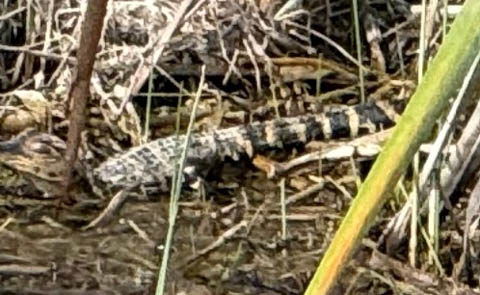
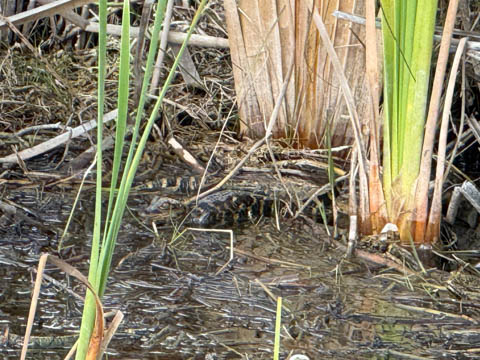
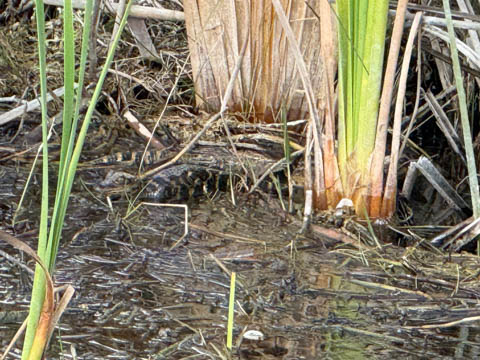
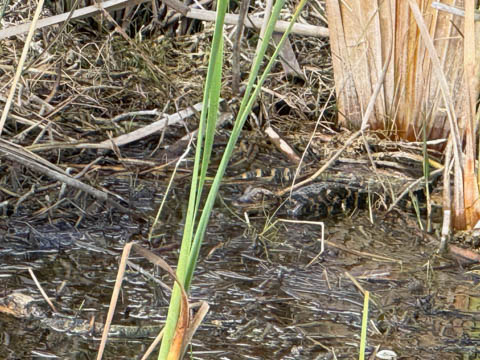
We realized there were a number of baby alligators near the grasses. Our guide/pilot must have had binoculars to see them. He stated they were likely hatched last year, although it appears that juveniles can keep their stripes until they are about five years old.
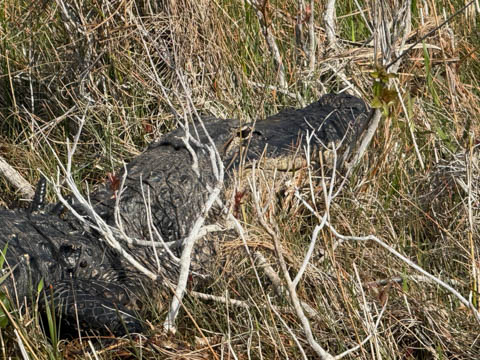
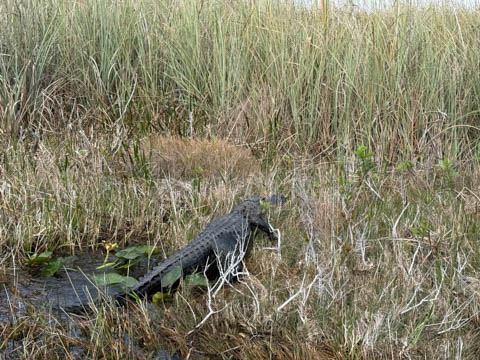
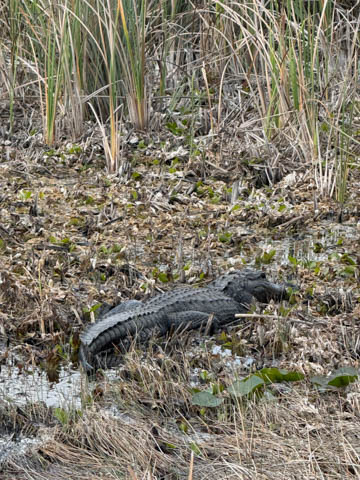
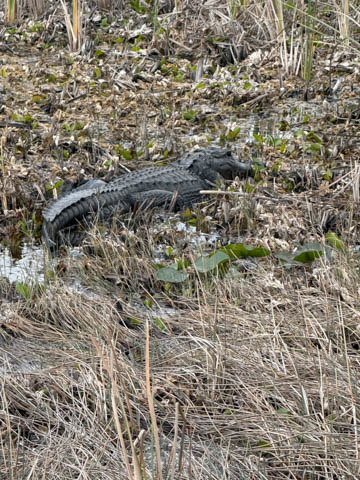
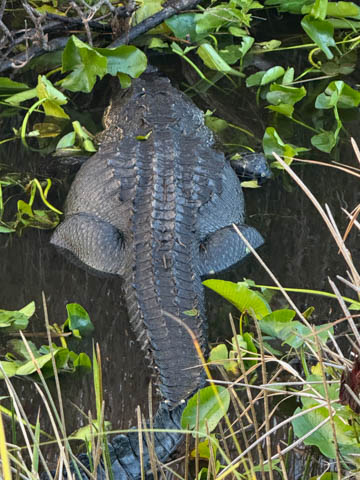
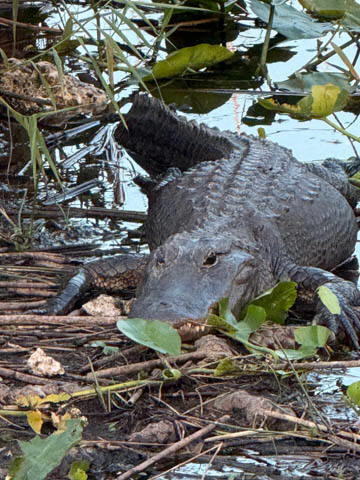
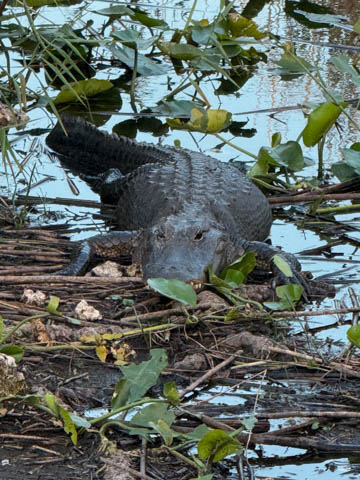
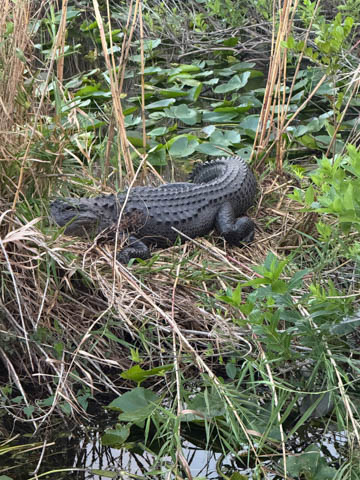
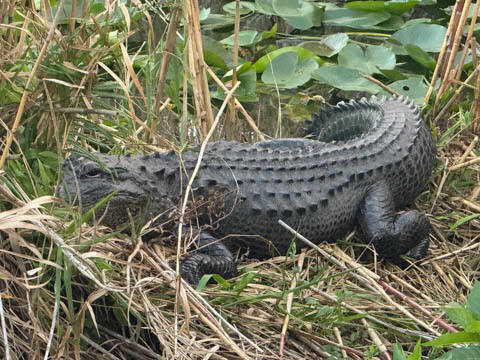
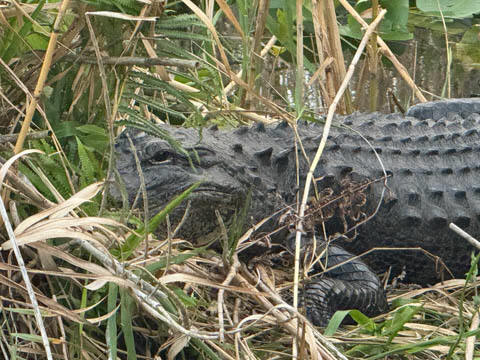
Here is another gator.
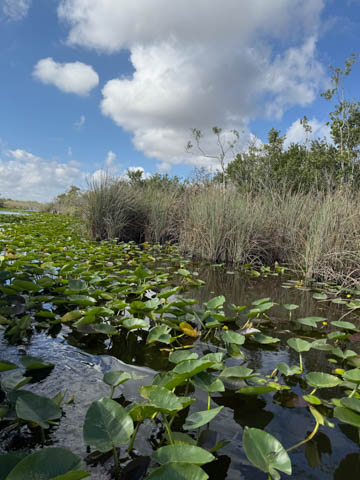
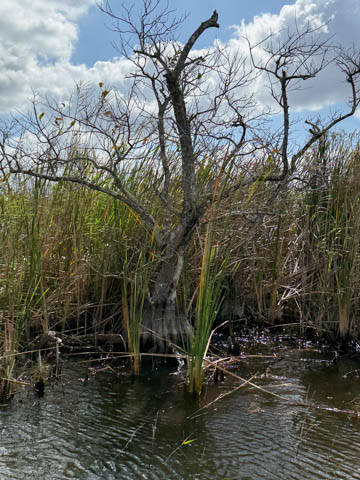
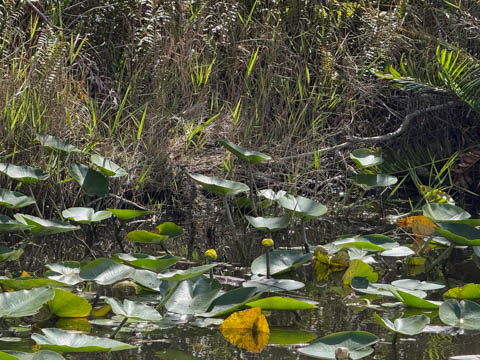
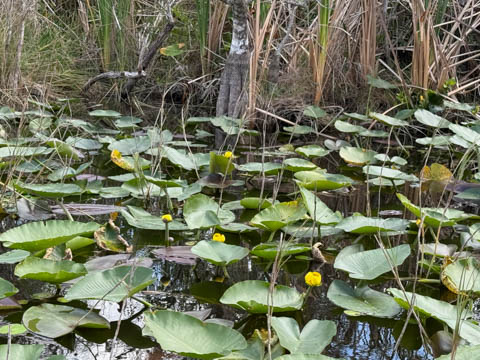
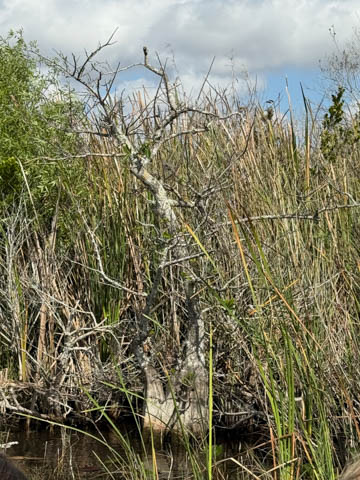
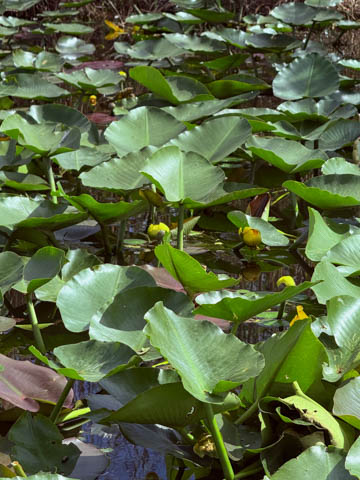
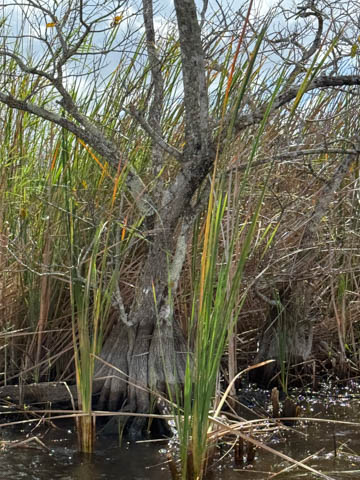
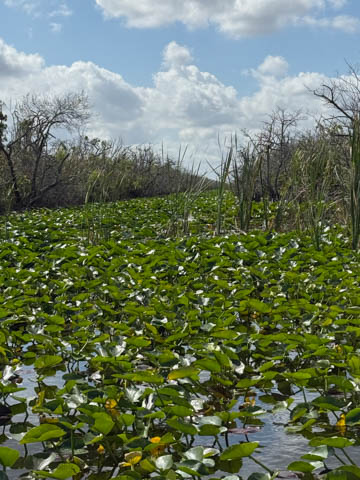
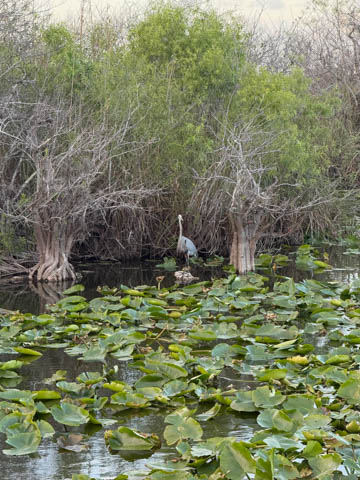
Some interesting cypress trees and water lilies (which looked like they were getting ready to bloom).
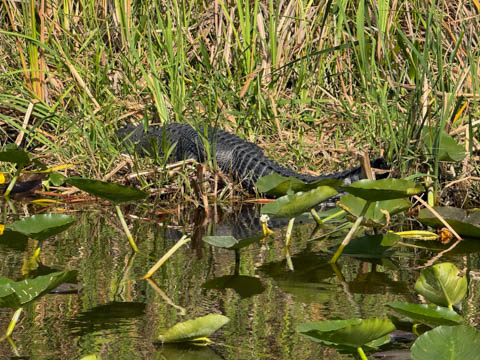
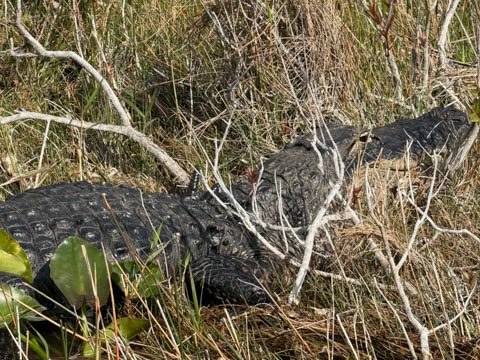
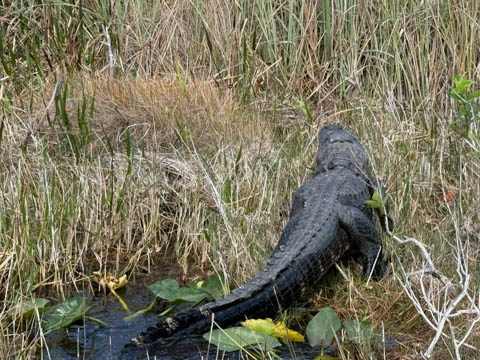
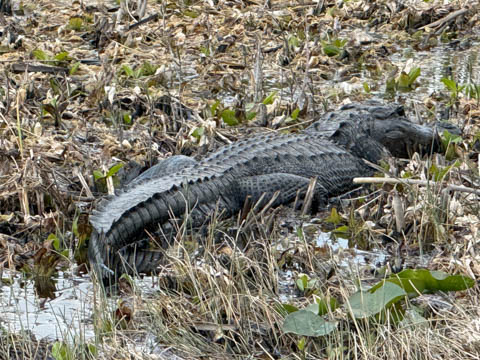
Another gator.
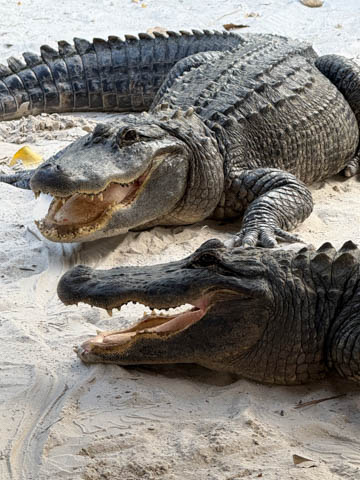
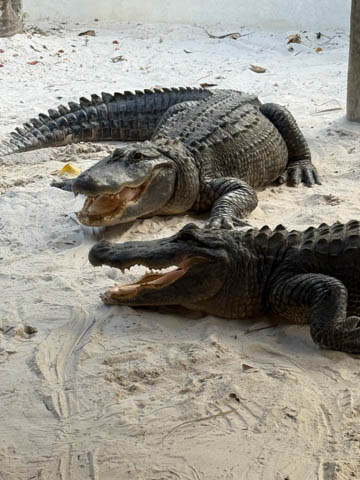
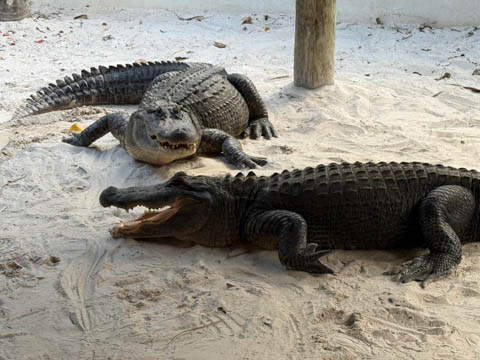
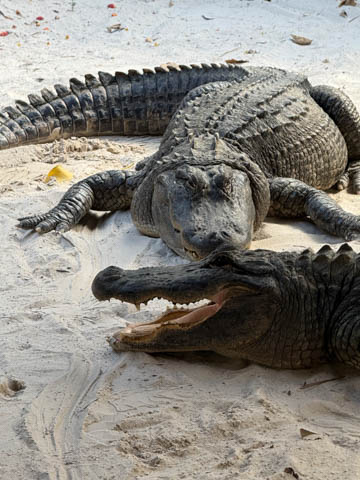
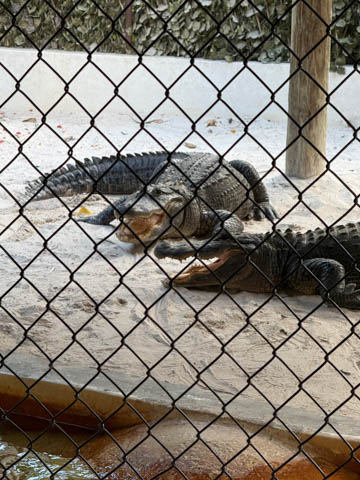
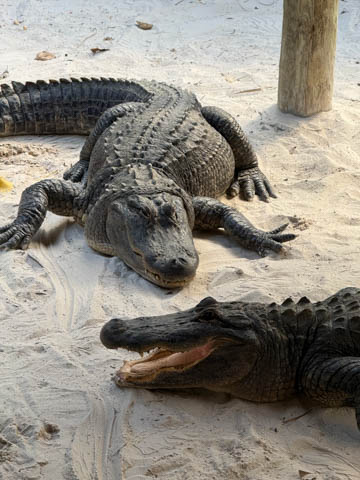
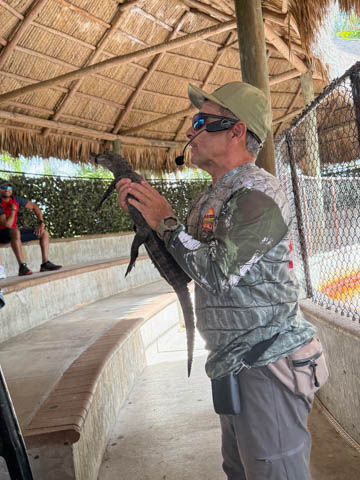
Once back at the dock, we wandered around a nature path, then to a quick show with a couple captive gators.
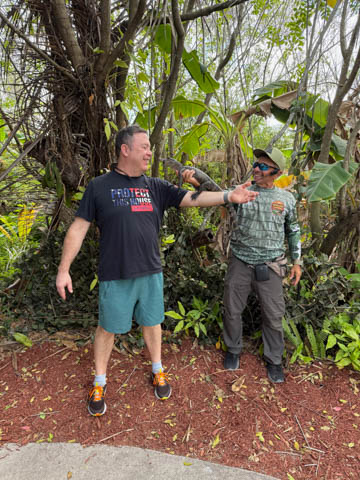
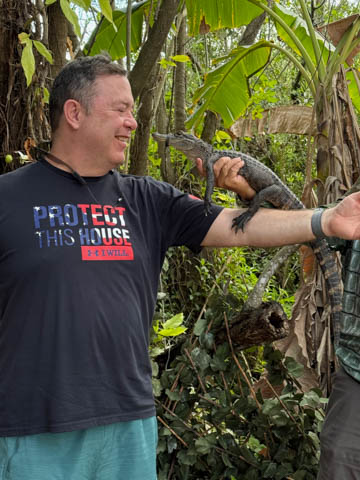
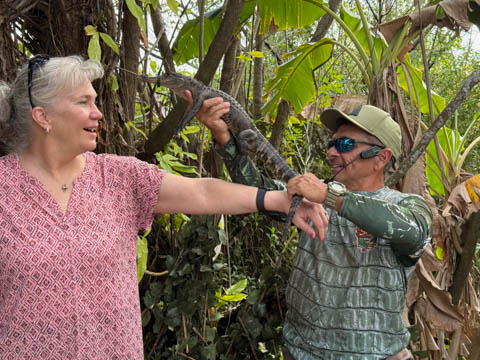
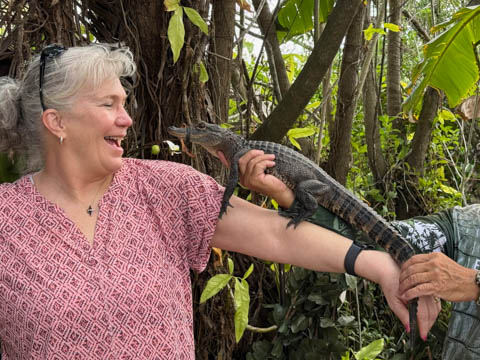
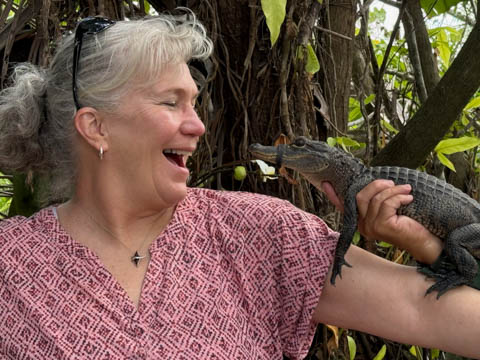
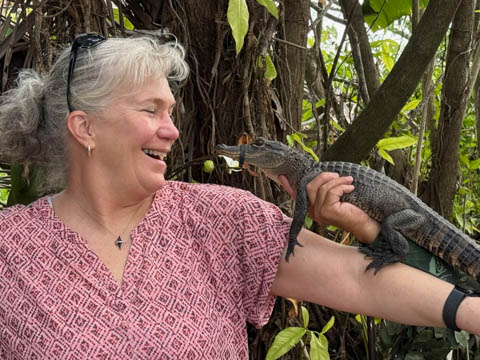
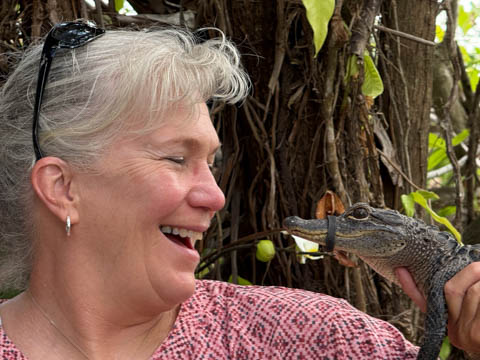
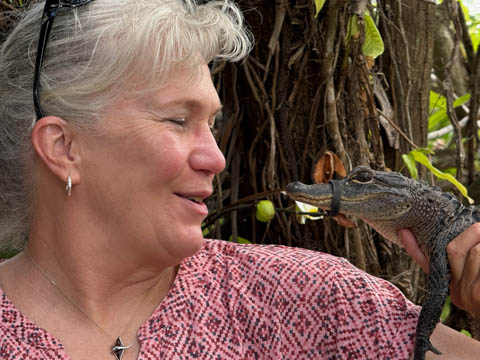
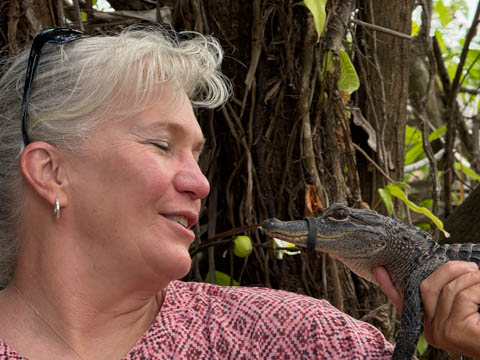
The handler had a baby alligator we could get close to. Not allowed to touch though according to state law.
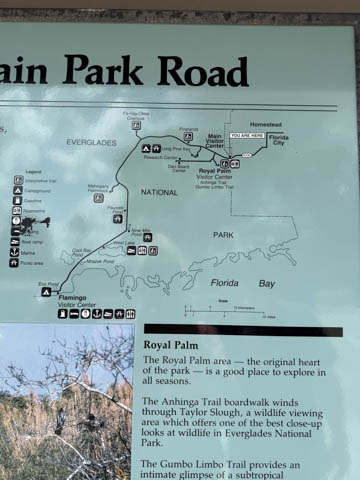
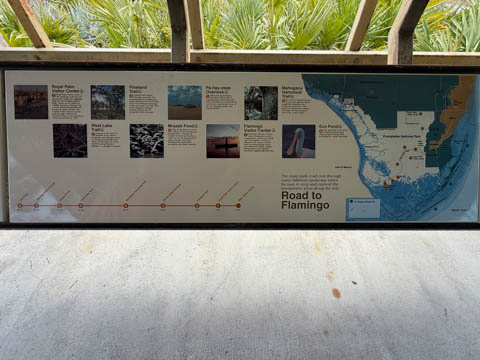
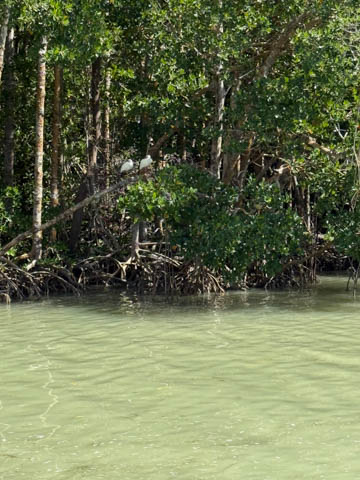
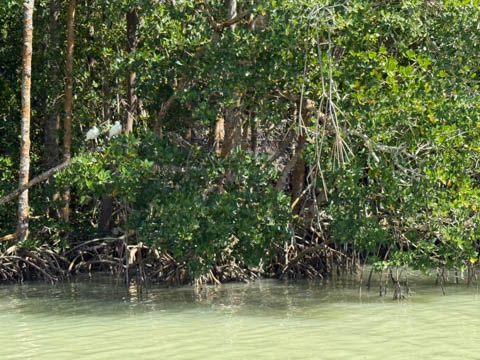
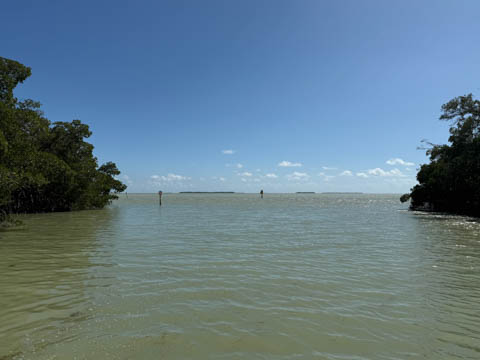
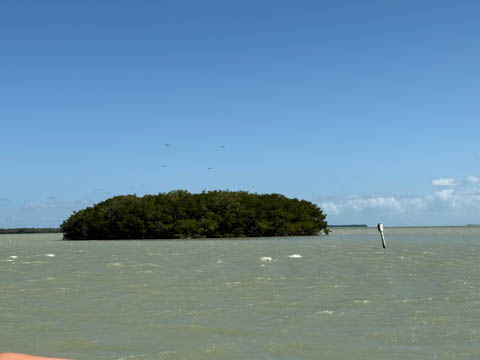
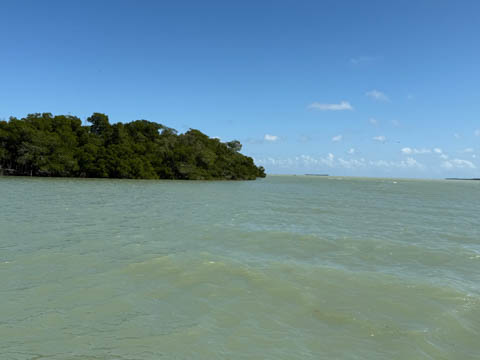
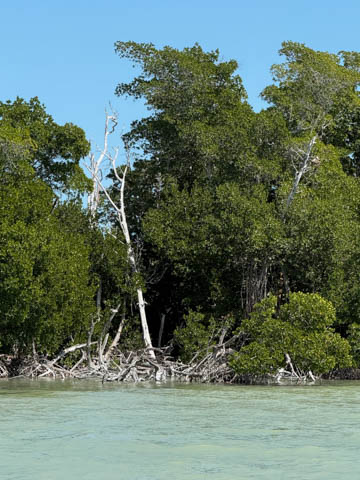
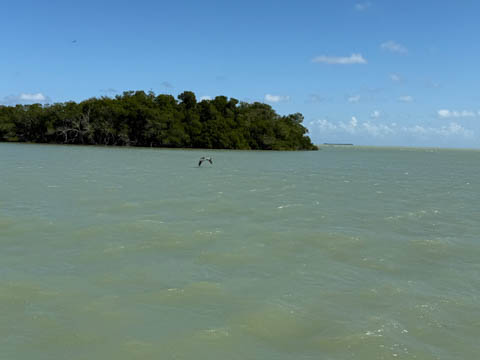
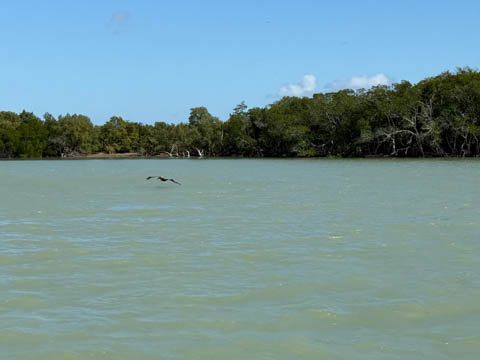
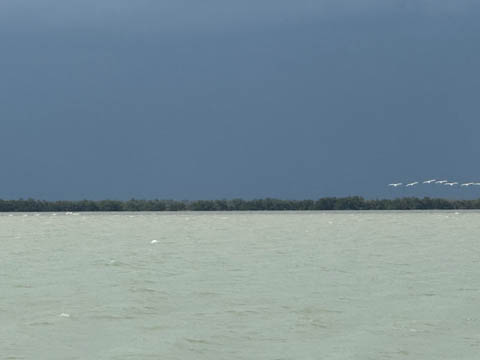
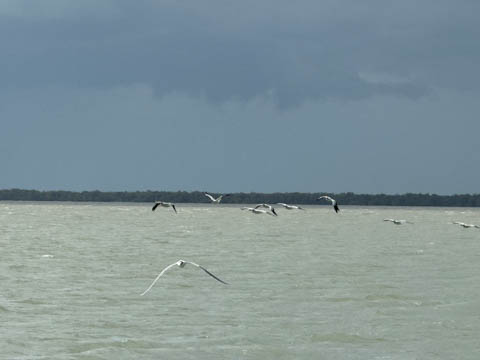
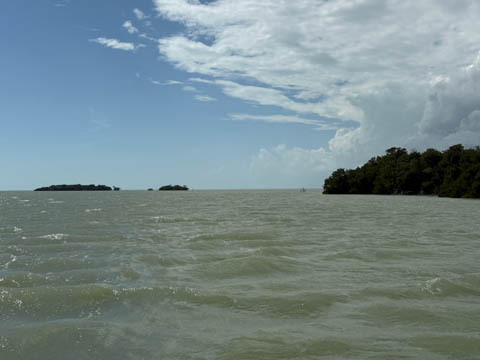
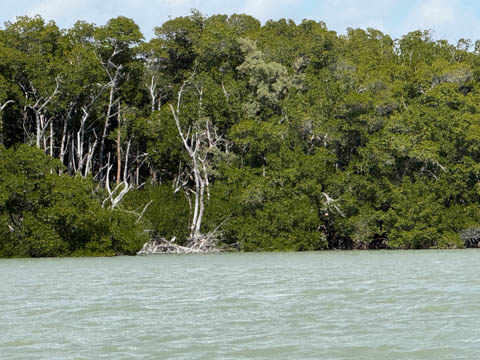
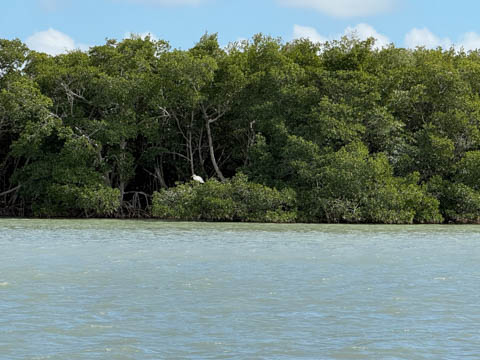
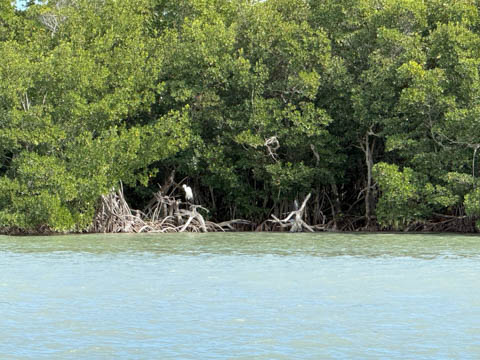
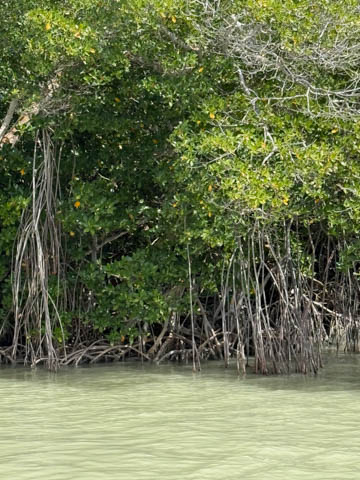
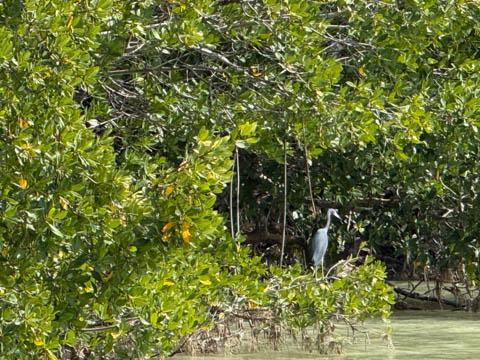
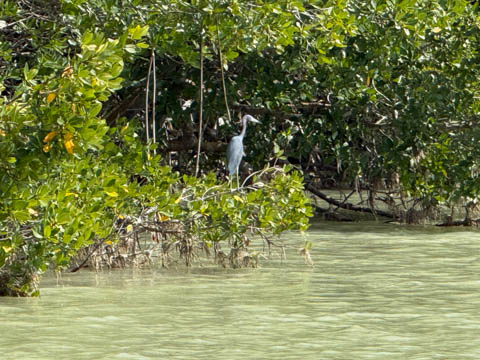
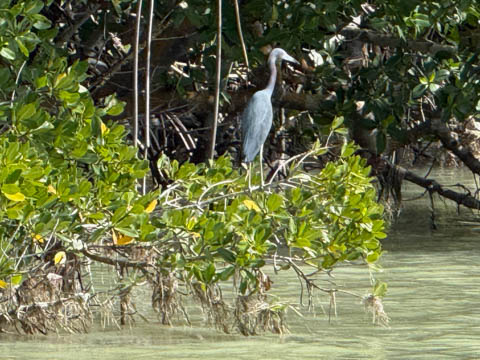
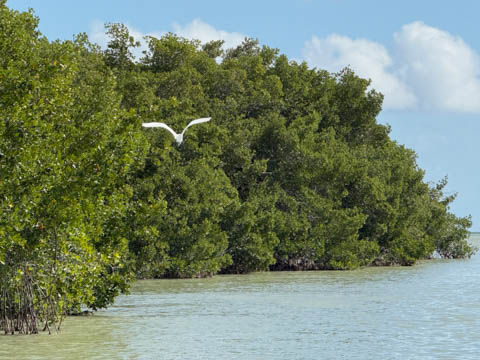
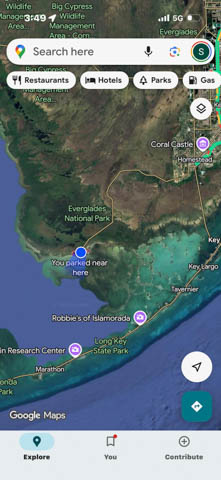
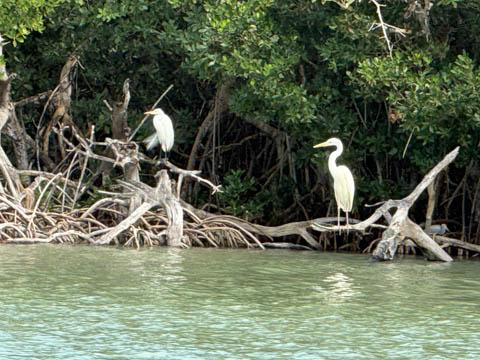
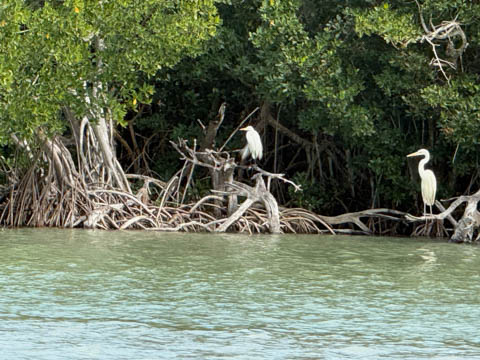
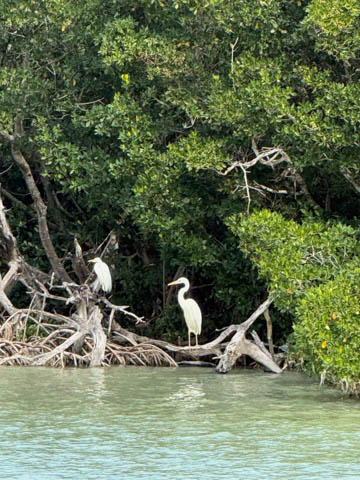
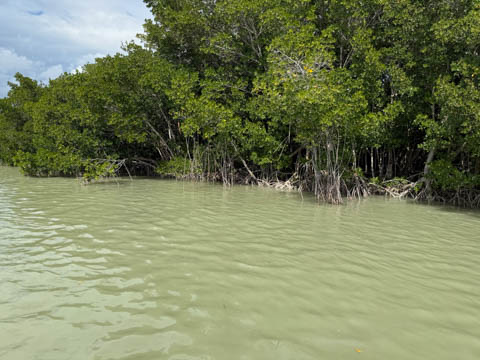
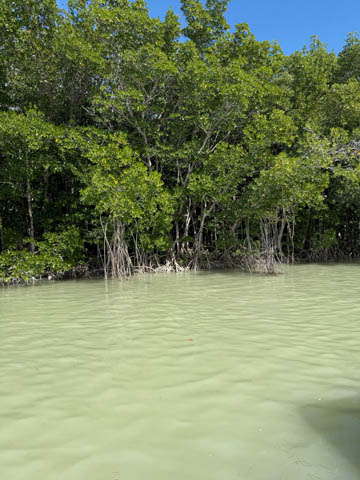
From there, we headed all the way around the park to the Earnest Coe entrance at the southern end of the park. We then hurried to the Flamingo Visitors Center, which is along the coast about 40-miles into the park from the entrance. We made it just in time to get on a boat for a tour out into Florida Bay. We headed out with our Captain and Lucky, a naturalist (or at least a biology major with some training as a local guide) toward the offshore keys, stopping at Murray Key and Frank Key (maybe Friend Key). All of the area, including the mainland was once a coral reef well under water. The area became land when the higher water receded as the polar ice cap and ice in Antarctica lowered the sea levels. The coast and all of the keys were then overrun with mangroves, which helped create and anchor a pasty soil. The red mangroves produce the shoots which grow down into the water, while black mangroves have shoots which grow up.
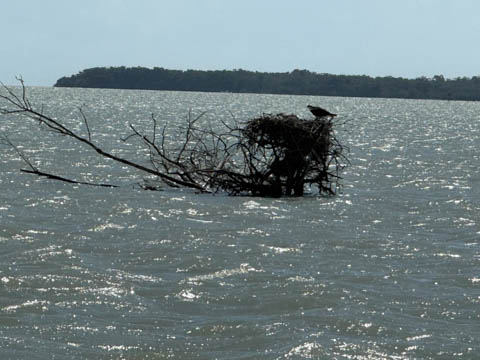
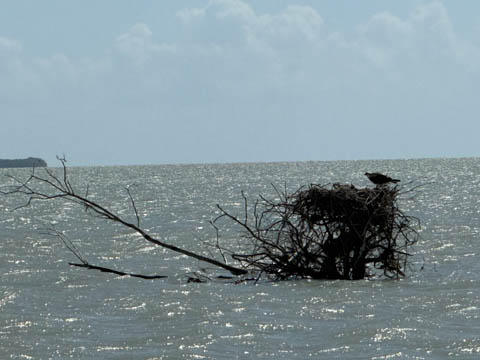
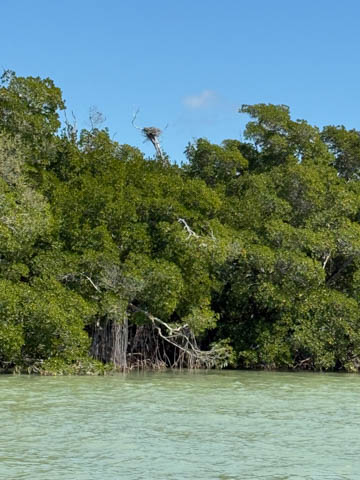
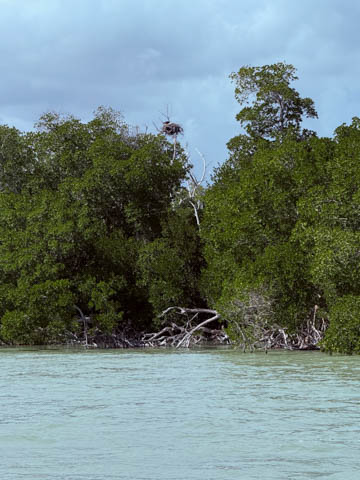
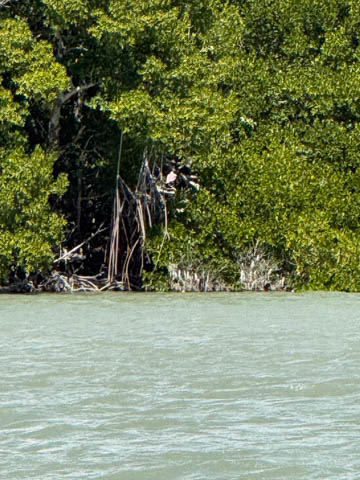
A fun osprey nest just offshore on a fallen tree. Not sure how its lasted this long.
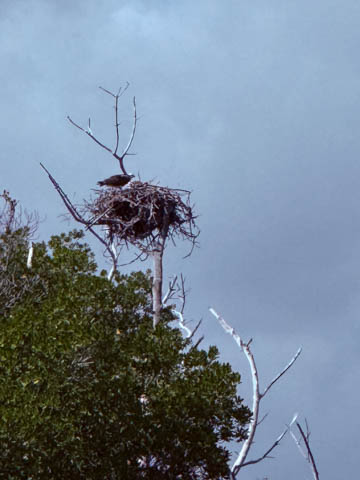
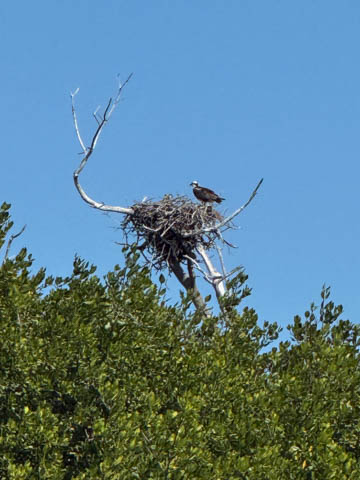
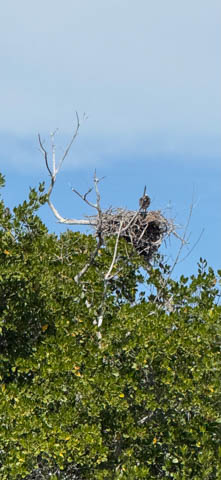
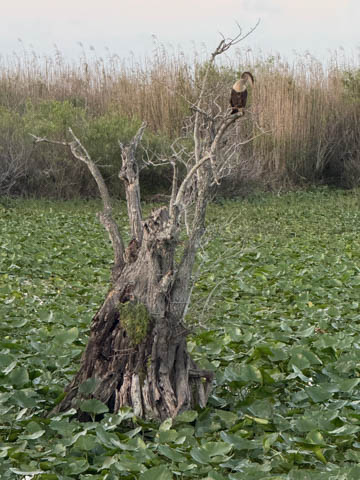
An amazing osprey nest at the top of a lone tree.
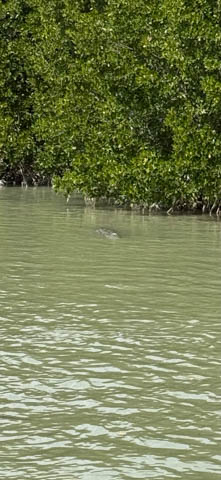
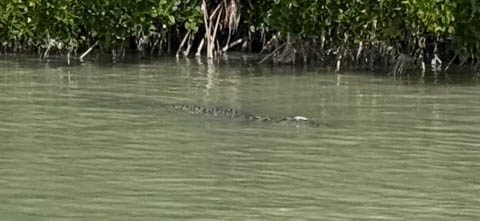
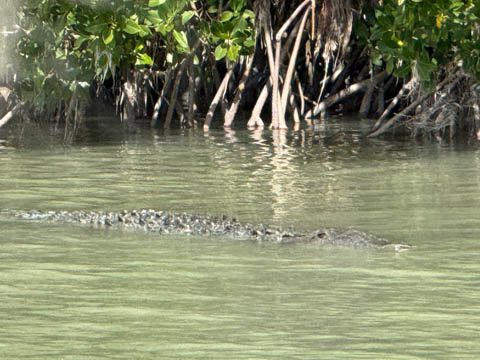
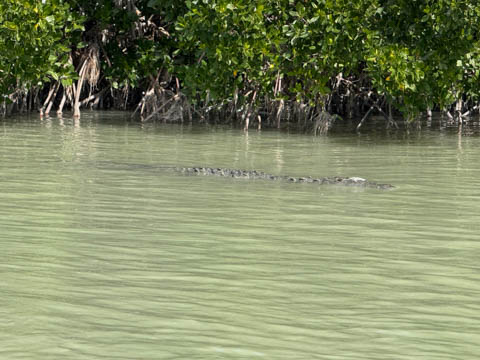
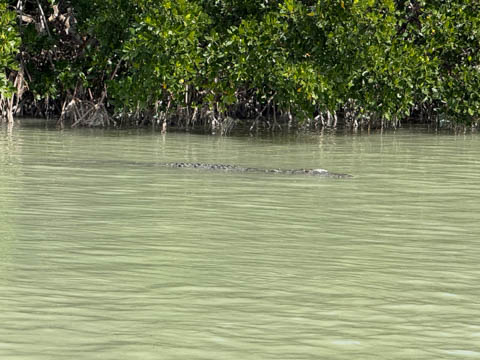
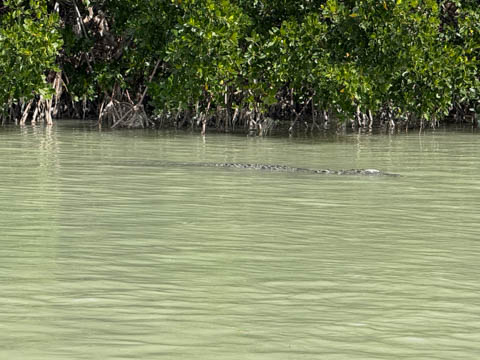
A crocodile just hanging out. They have an extra gland which allows them to live in salt-water, while alligators need fresh water.
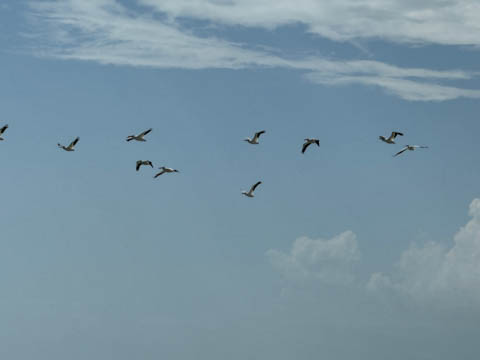
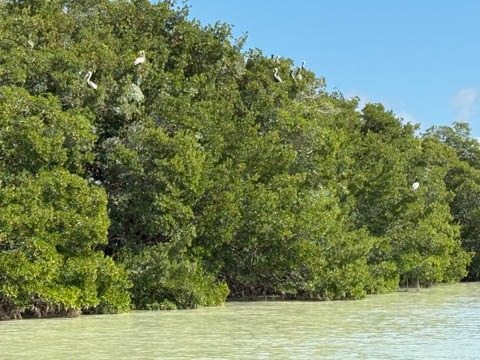
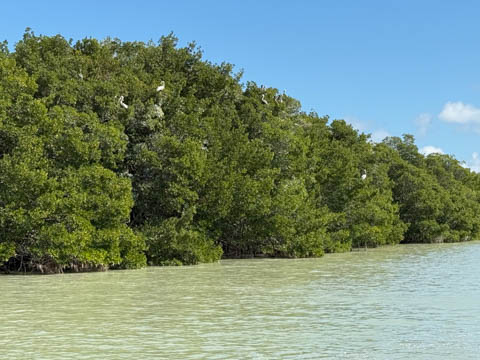
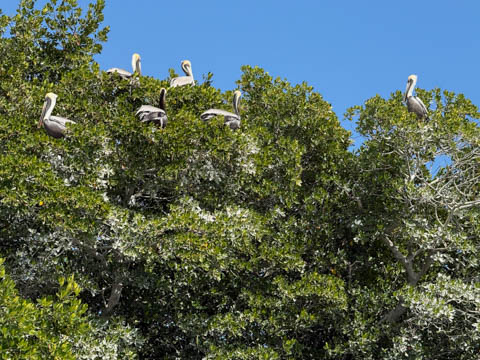
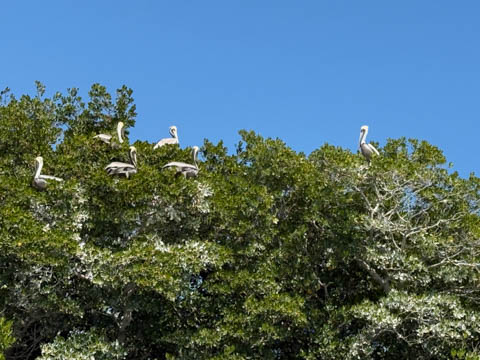
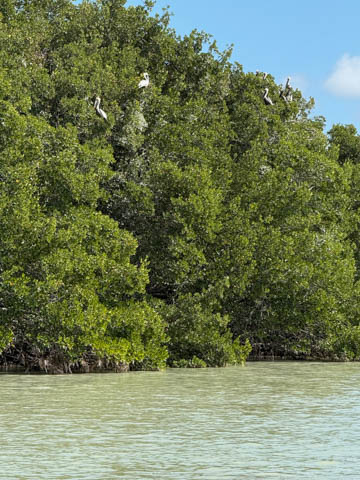
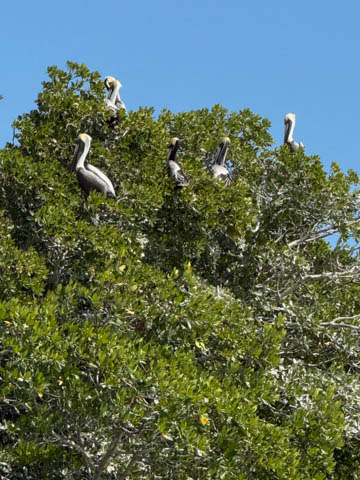
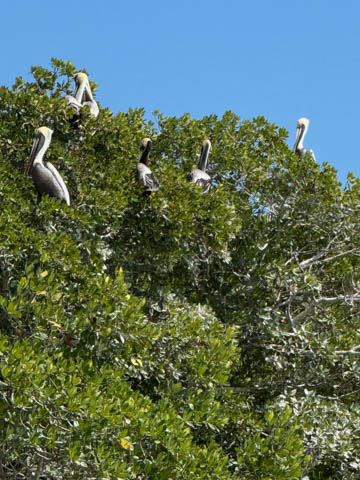
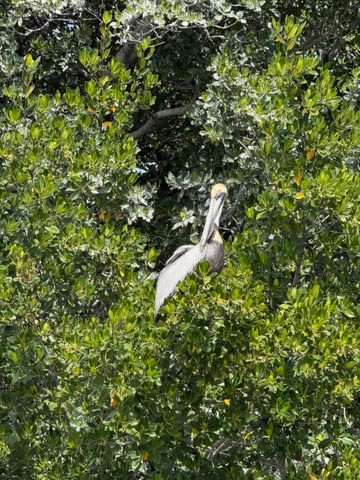
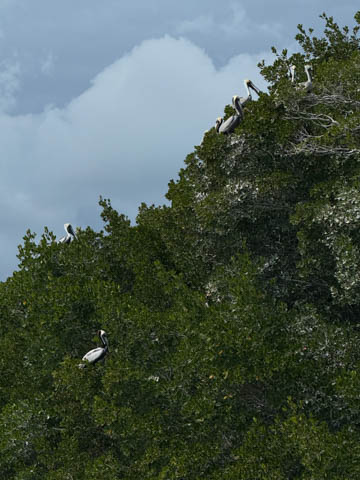
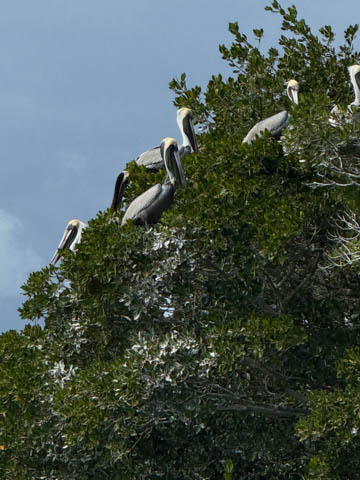
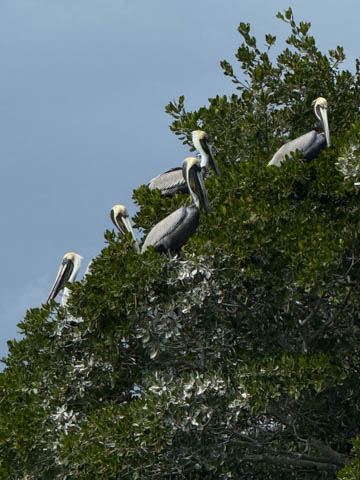
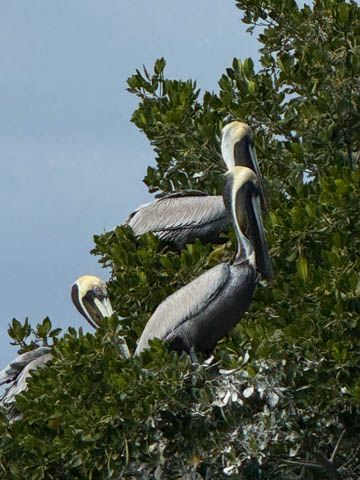
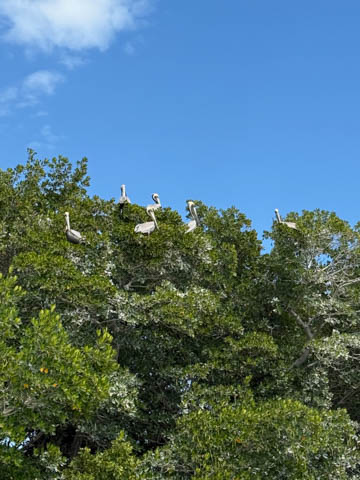
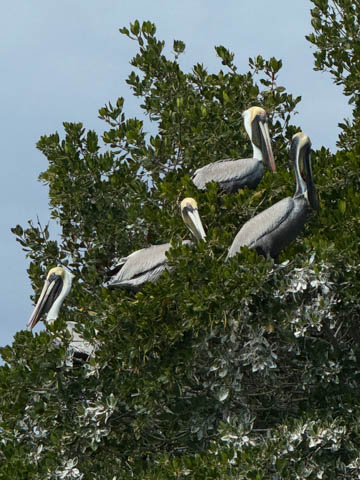
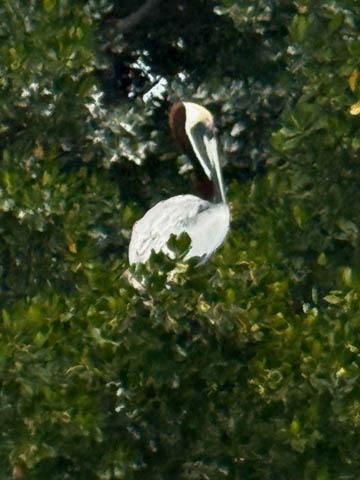
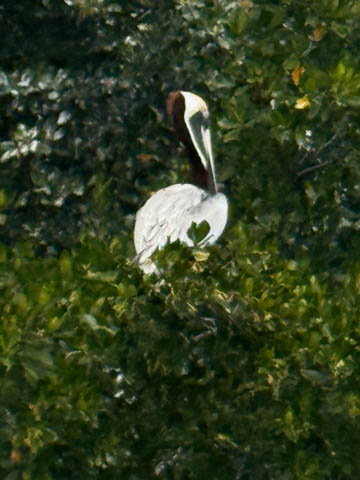
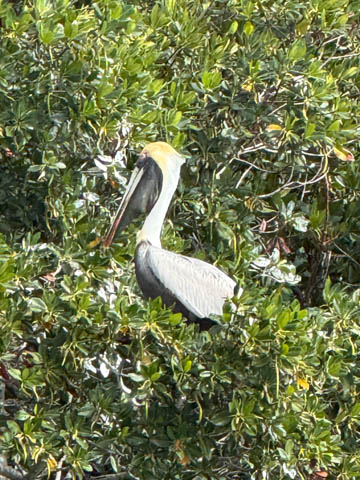
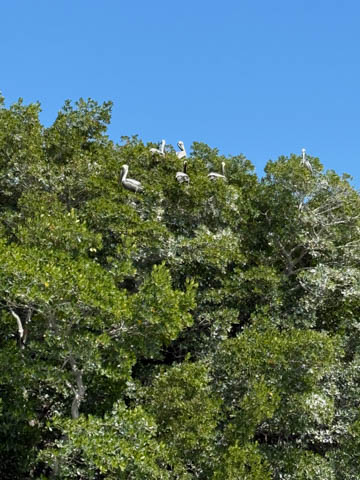
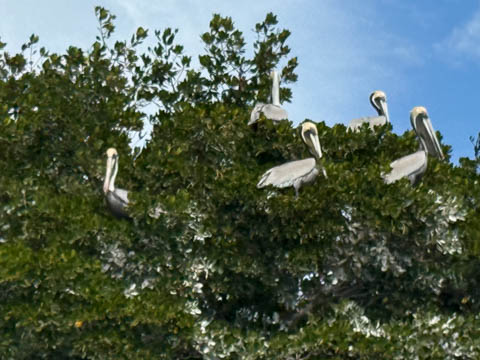
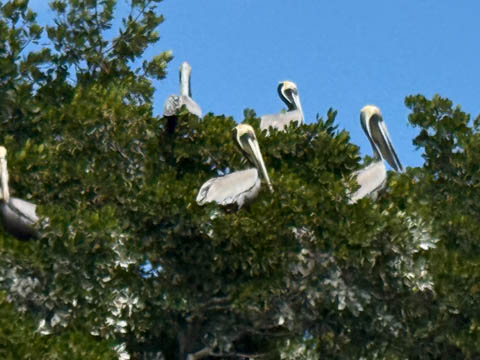
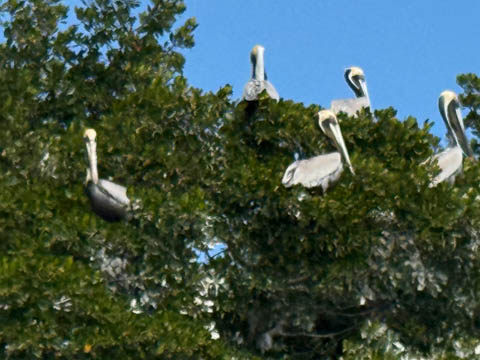
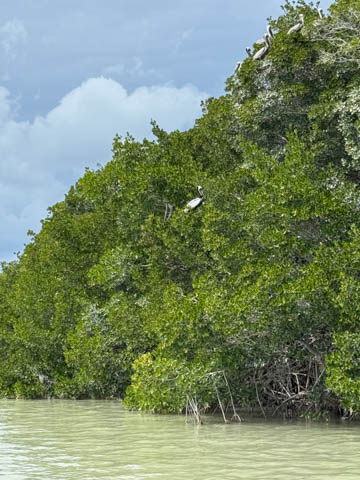
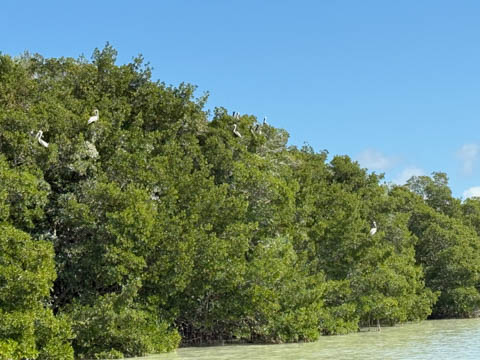
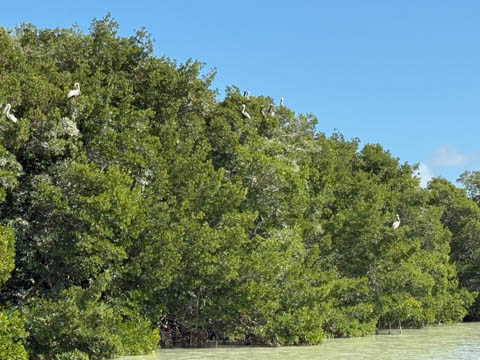
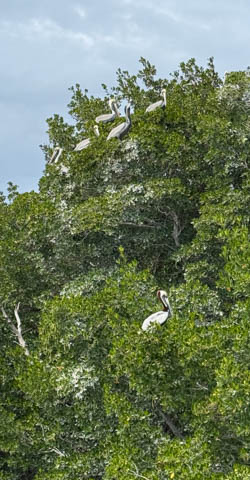
This was a bit weird with a ton of brown pelicans roosting in a tree.
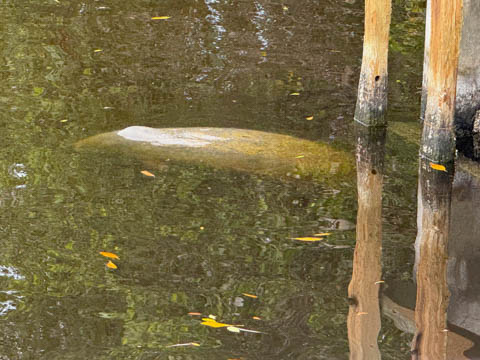
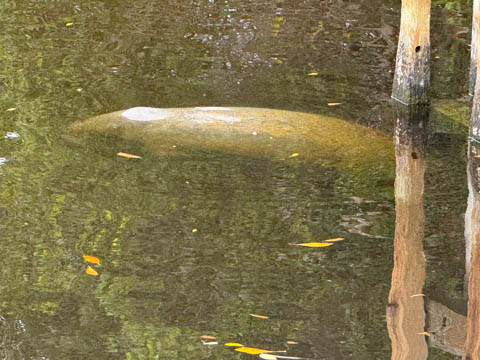
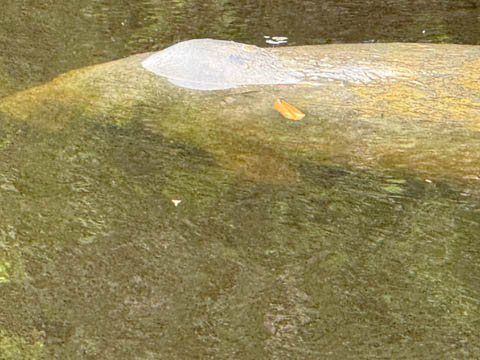
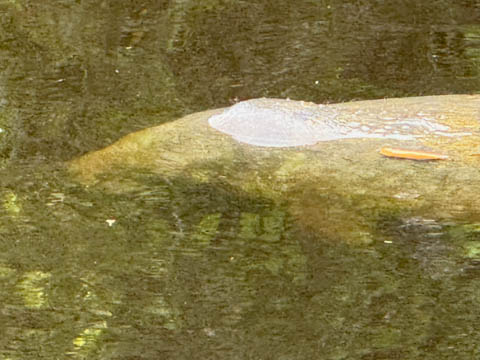
Back at the dock we saw a group of people looking into a canal, and were glad to discover there was a manatee tucked under the pier. Kept waiting for it to lift its head to take a breath, and it never did.
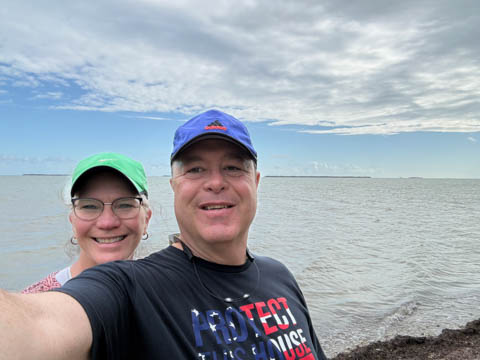
We took a walk along the shore, finally turning around in a camping area.
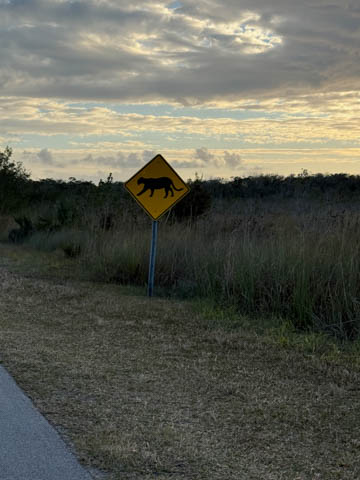
Not in as much of a hurry on the way back, although we did have a couple places we wanted to get to before sunset. Enjoyed the Panther crossing sign along with a sign denoting a pass with an elevation of 3 feet (wish we took a picture of that).
We stopped to go to the Pa-Hay-Okee Lookout Tower, which provided a high-point over a marshy prairie expanse.
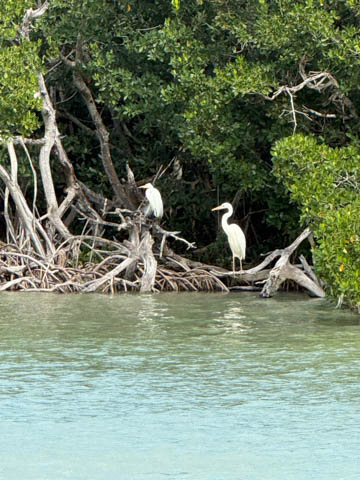
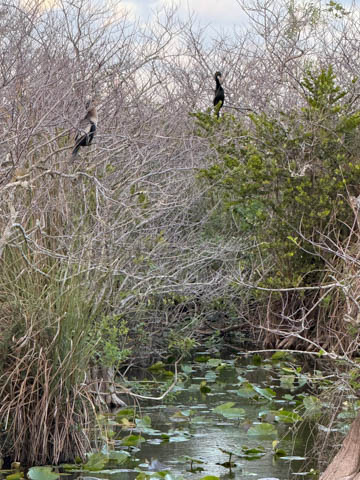
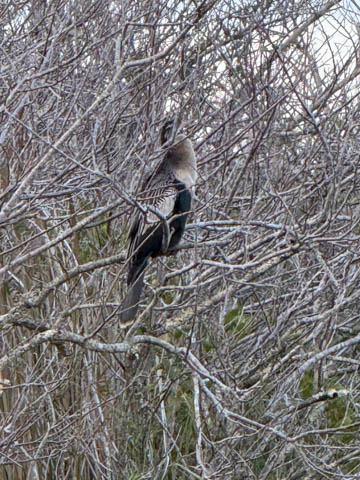
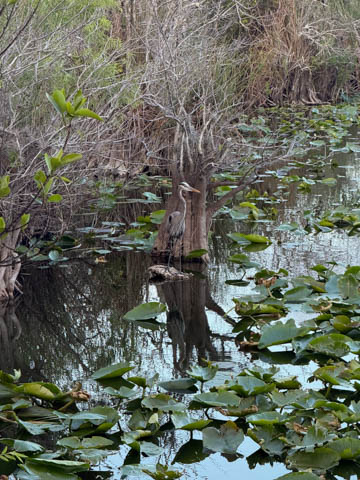
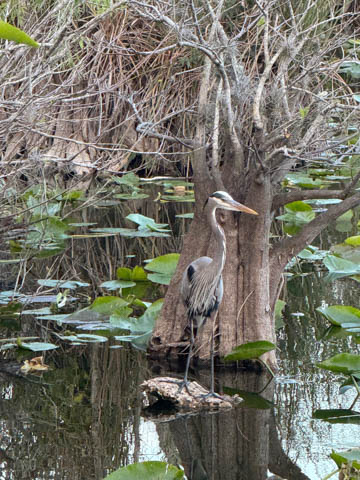
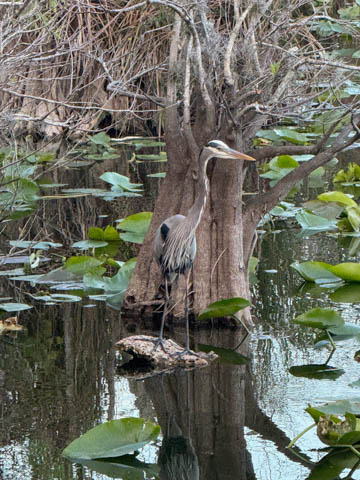
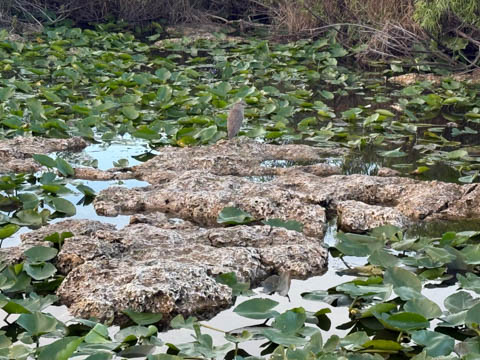
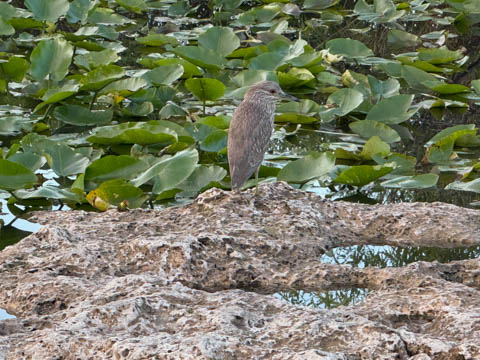
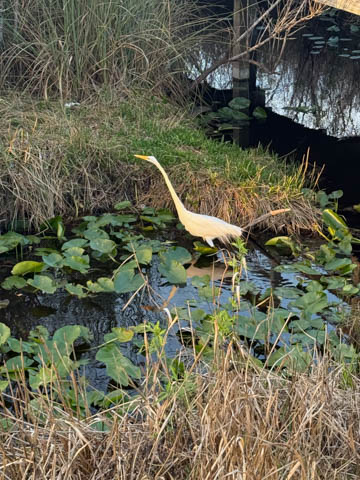
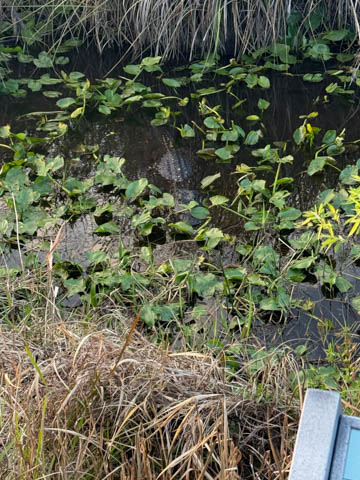
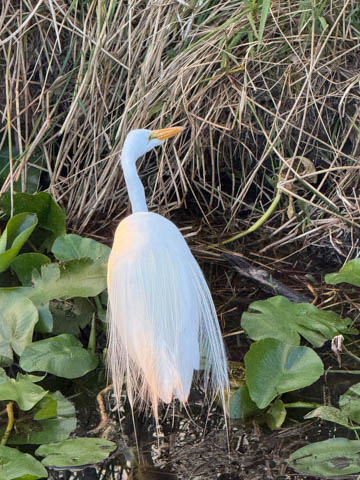
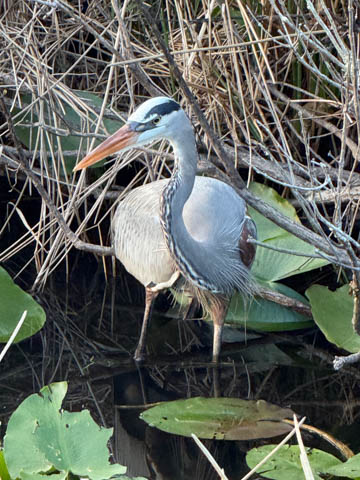
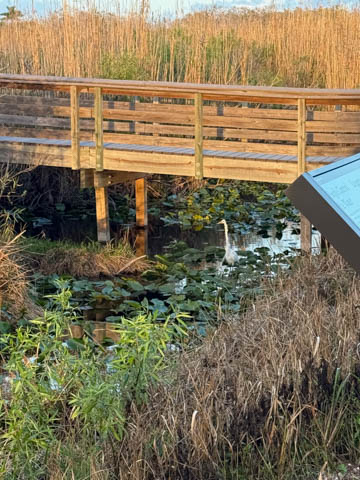
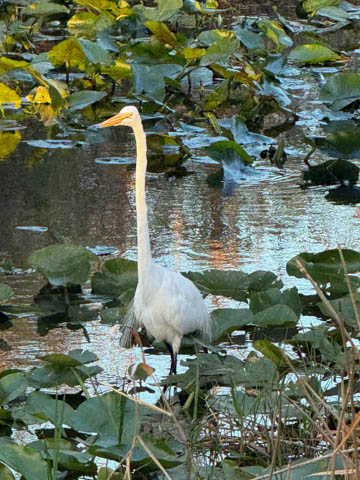
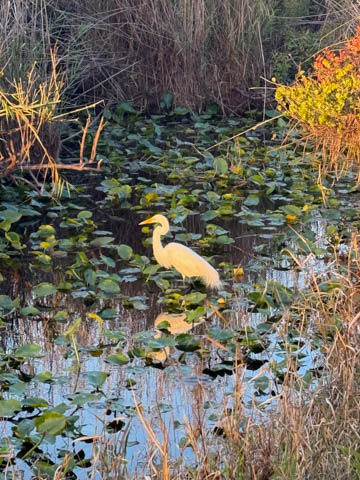
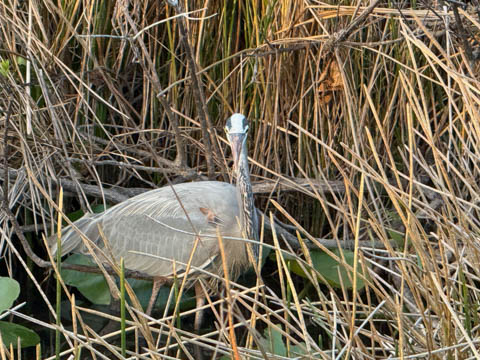
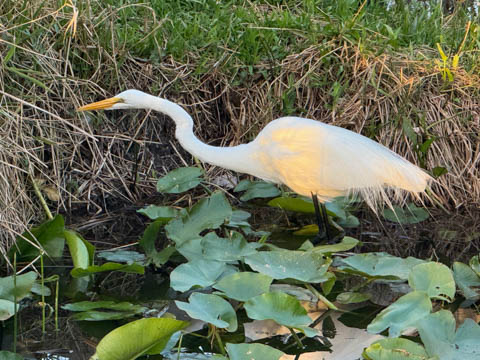
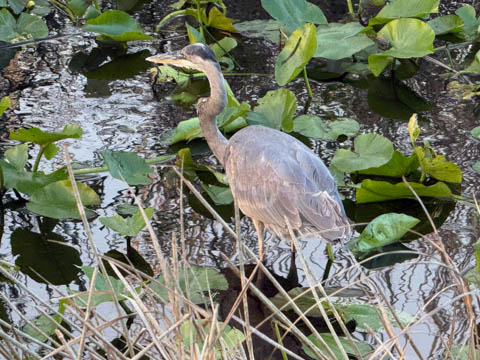
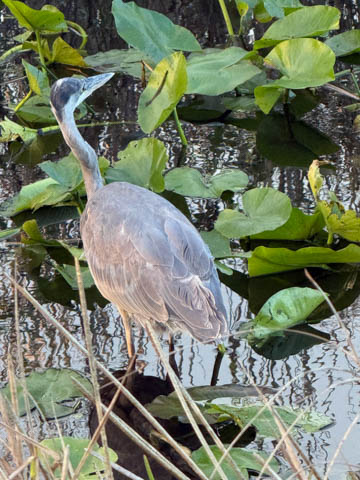
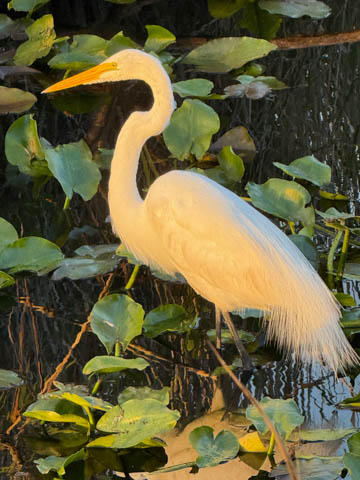
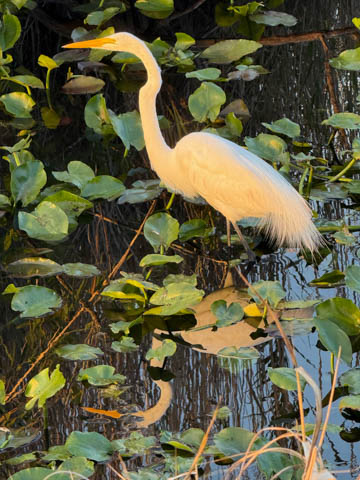
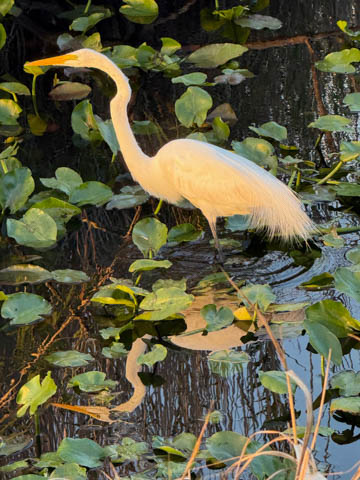
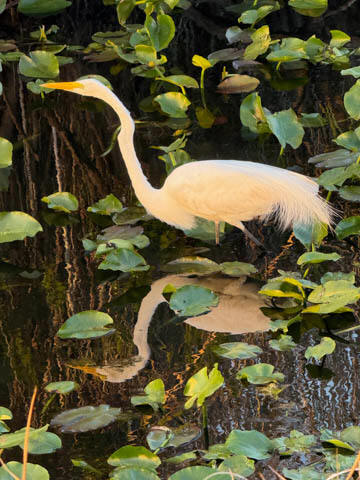
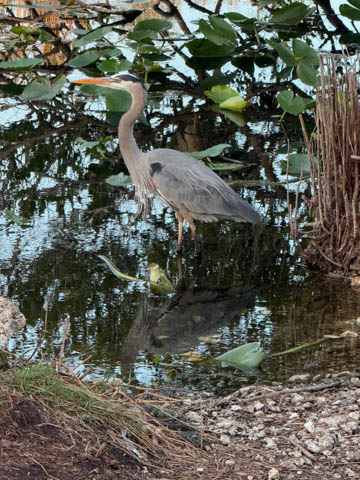
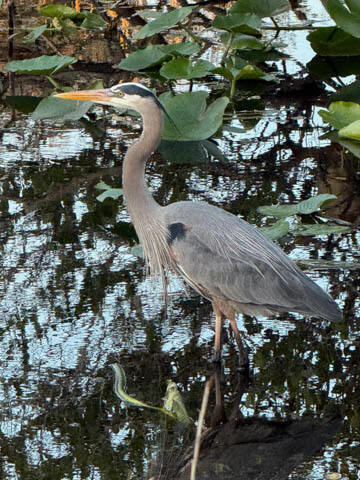
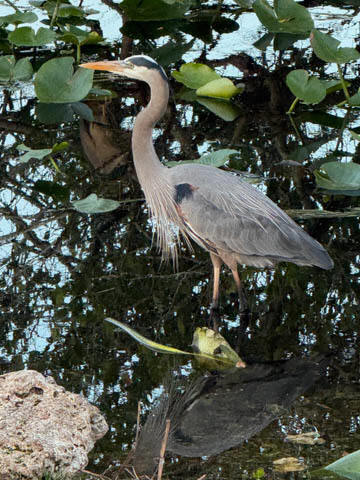
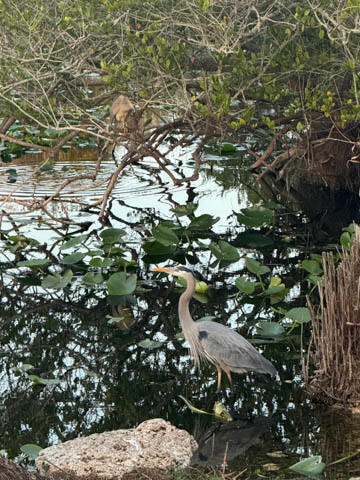
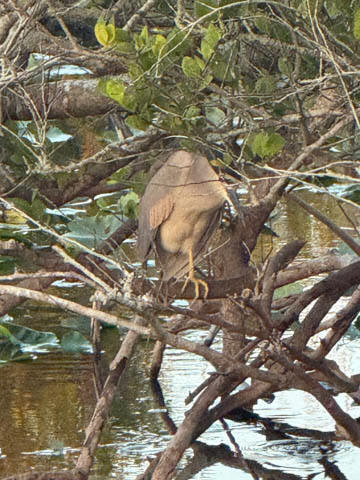
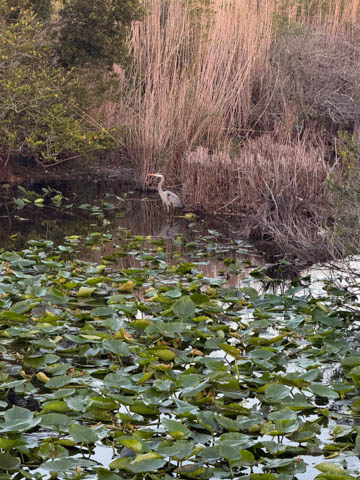
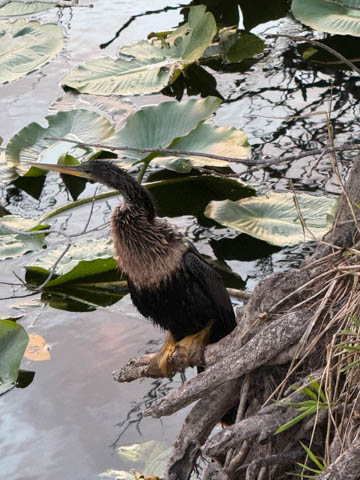
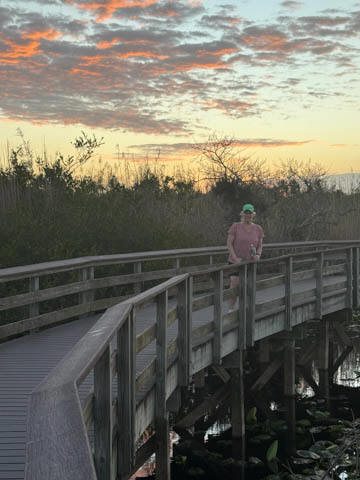
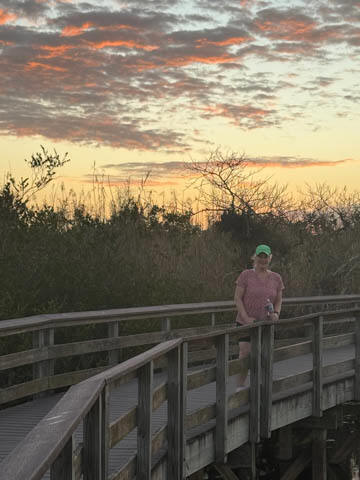
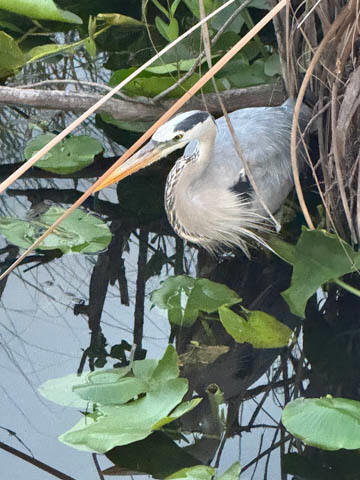
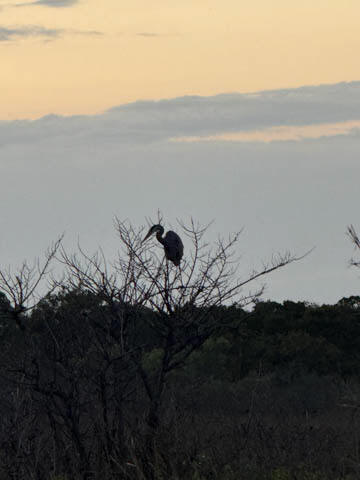
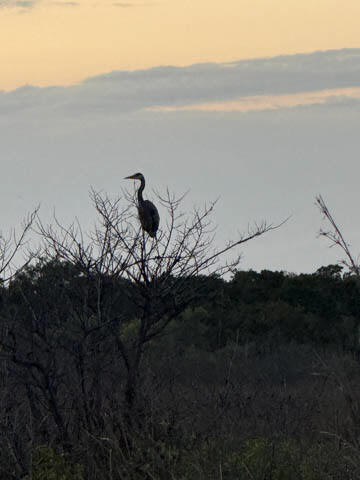
Closer to the entrance we stopped to hike out on Anhinga Trail along a small canal to a pond where a series of channels converged. There was an alligator in the water very close to the visitor's center. We soon discovered two or three more in the channel along the trail along with several egrets, blue herons, and green herons.
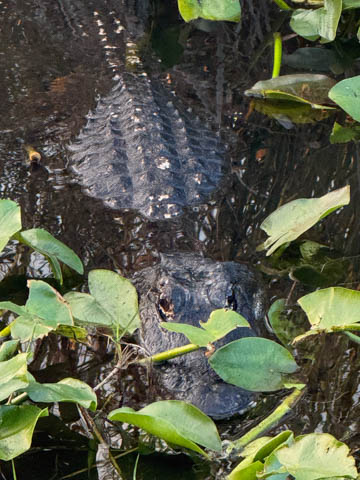
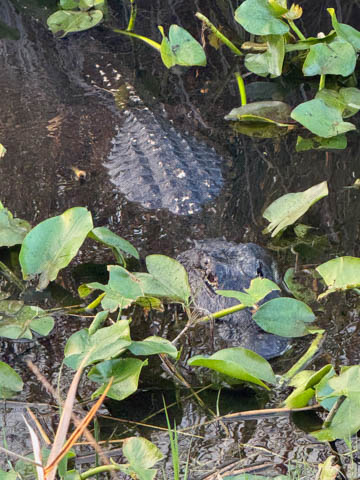
The path turned at the end of the channel then followed the bank of a pond. Another gator just hanging out.
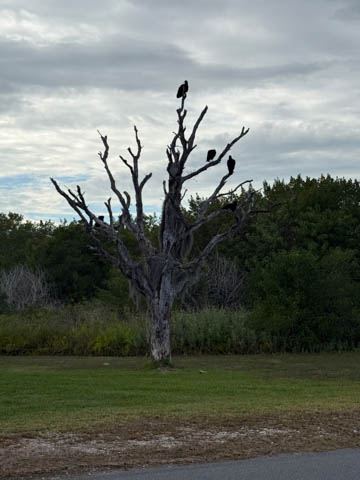
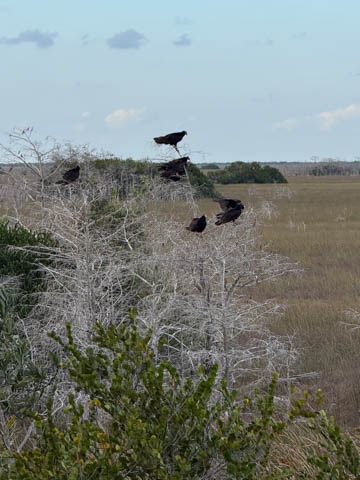
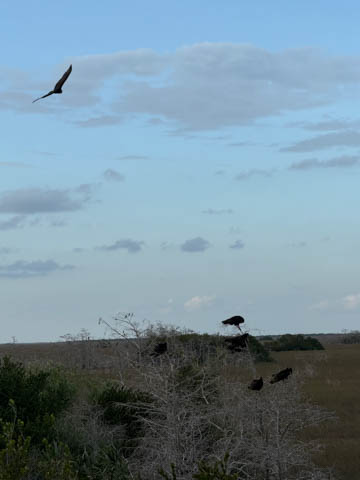
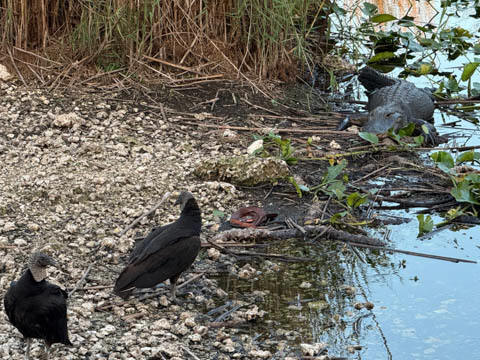
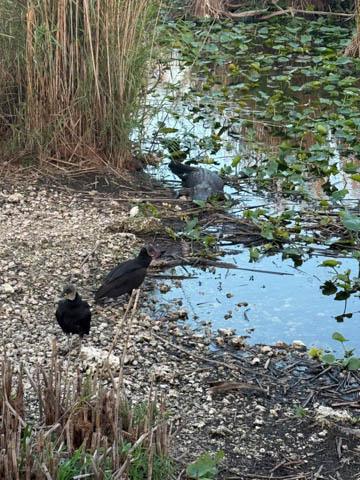
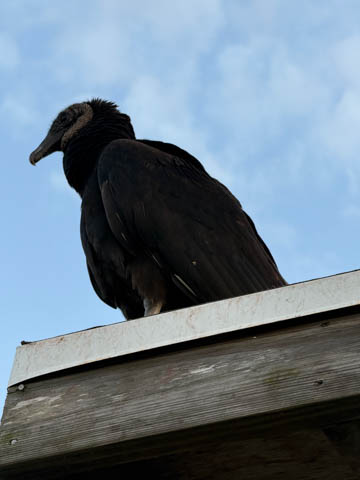
Looked up and realized there was a vulture right over our heads on the top of the shelter.
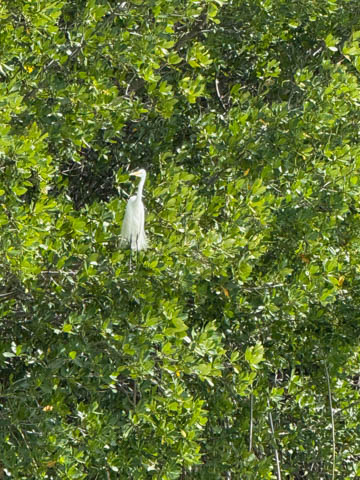
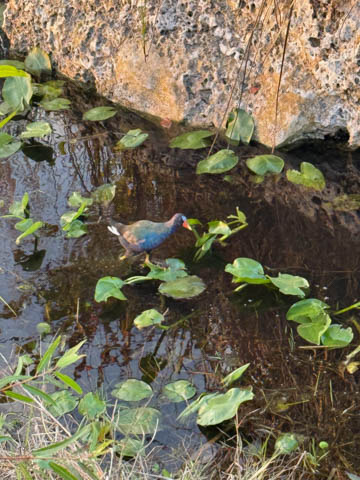
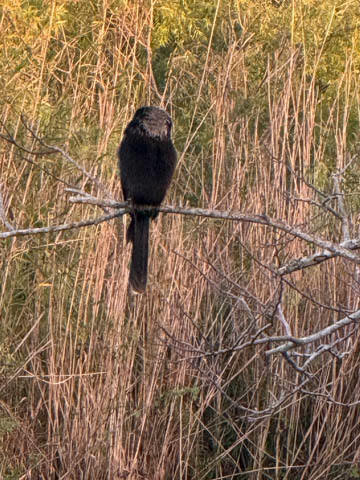
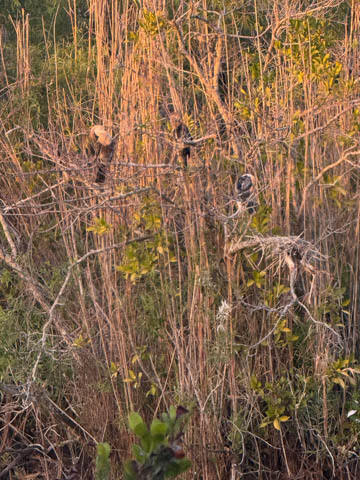
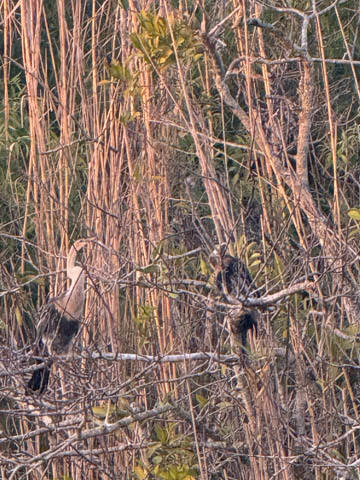
We had been surprised so far at the lack of birds in the park, well they were all hanging out at this pond apparently.
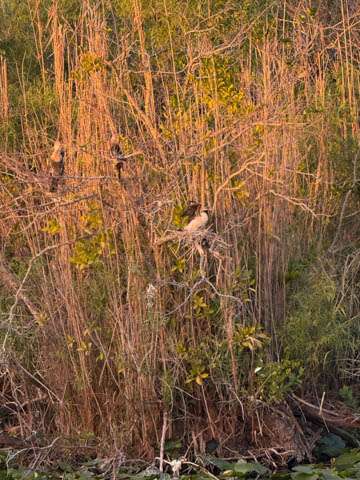
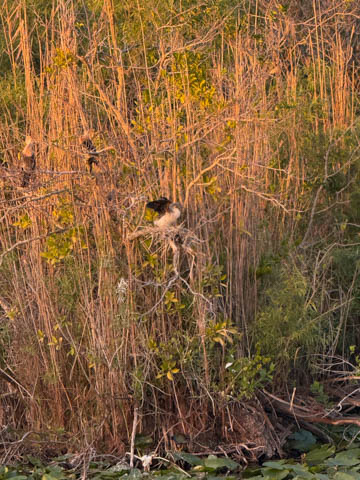
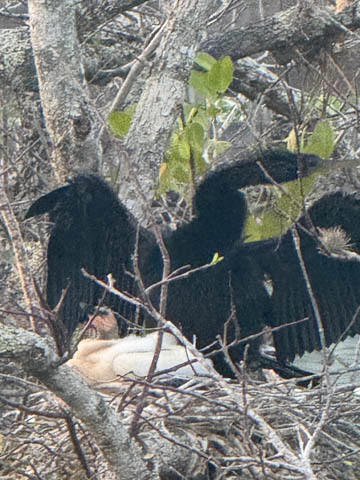
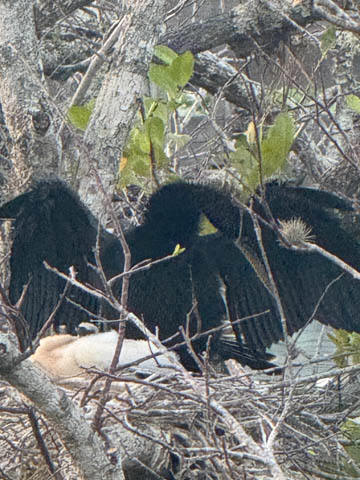
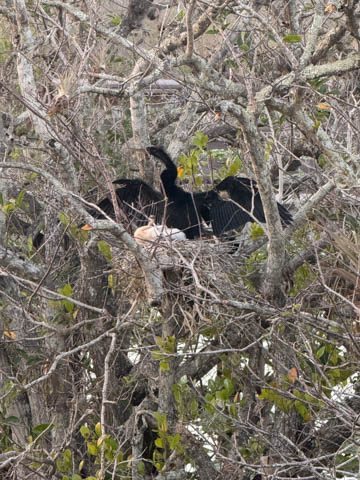
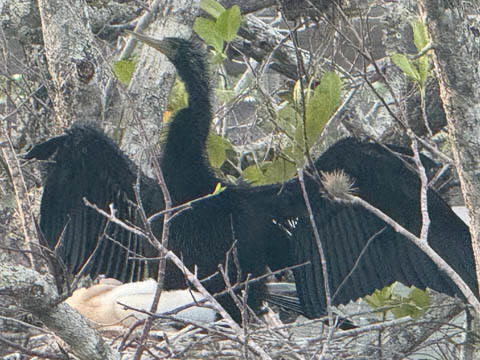
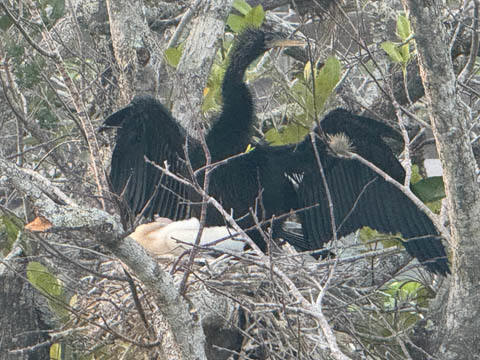
There was a cormorant with a nest in a tree just above the height of and just off the boardwalk. We could see the fledglings.
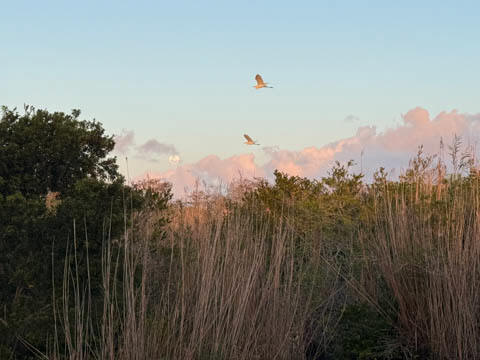
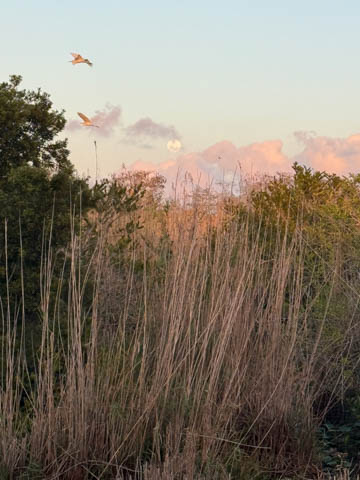
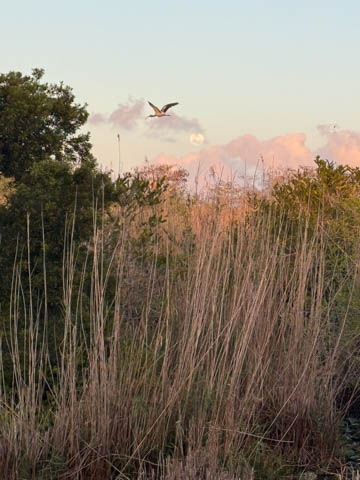
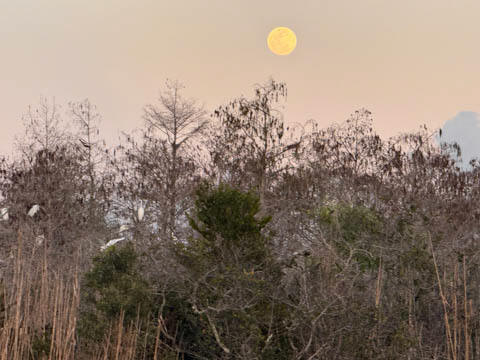
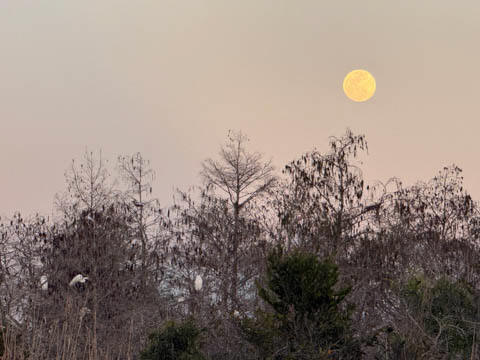
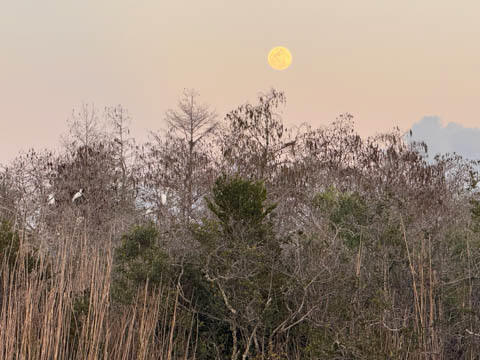
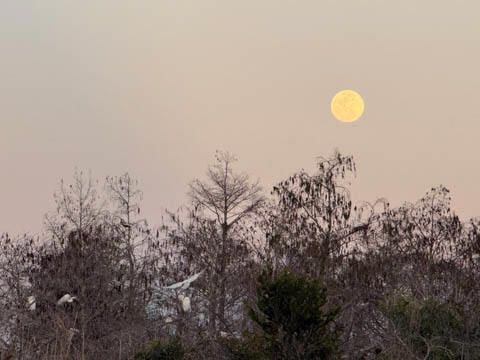
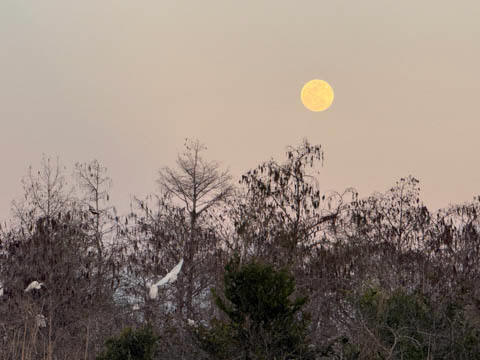
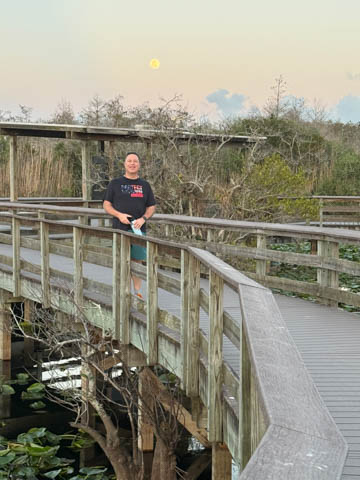
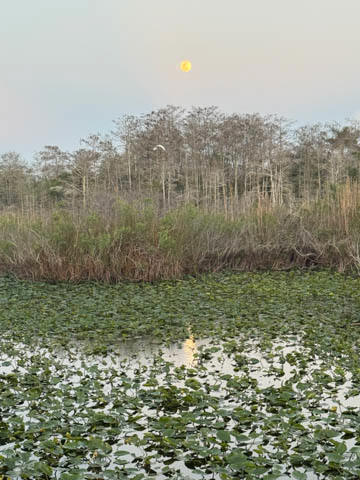
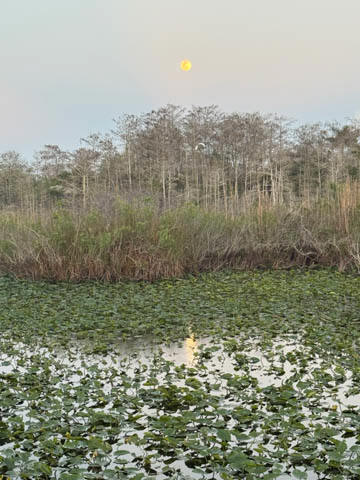
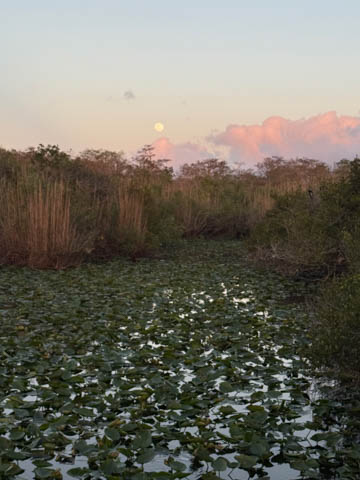
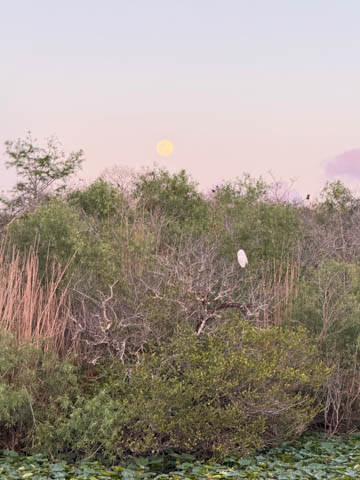
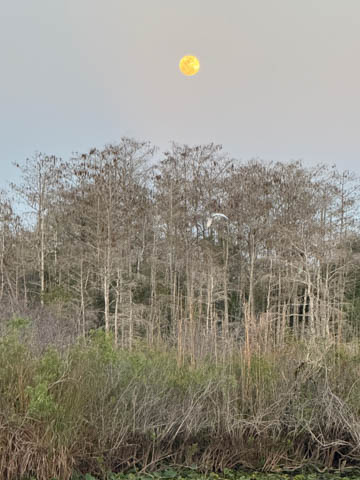
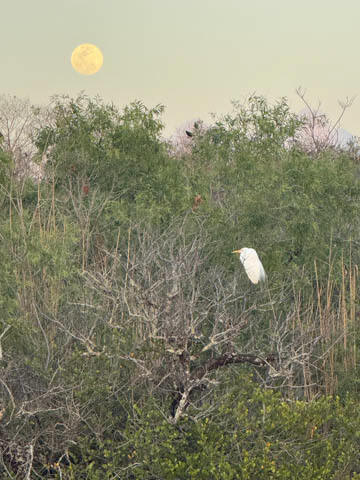
A pretty full moon rising over a grove of trees with a number of egrets in the branches.
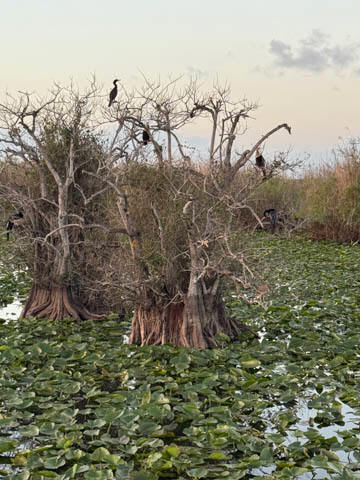
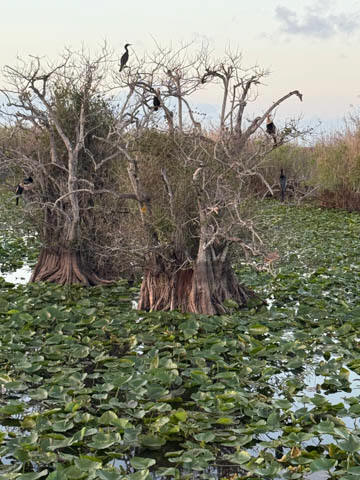
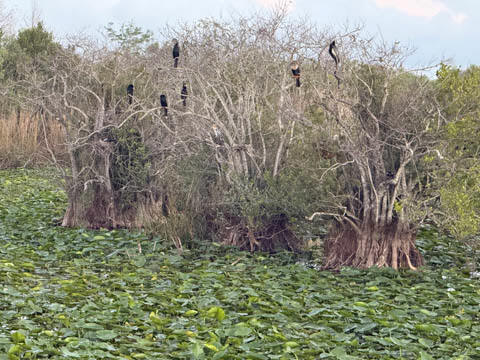
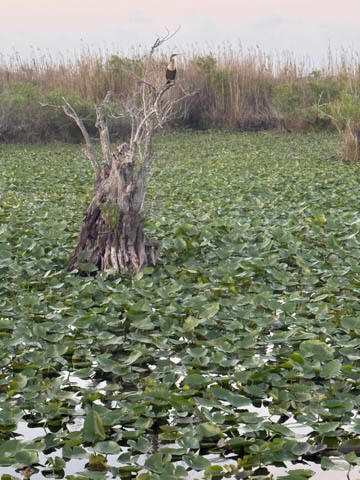
An amazing amount of Anhinga birds in these trees.
|
|
|