|
|
Use these navigation links to move between the Year 2025 pages. Specific pages can be accessed at the bottom of this page
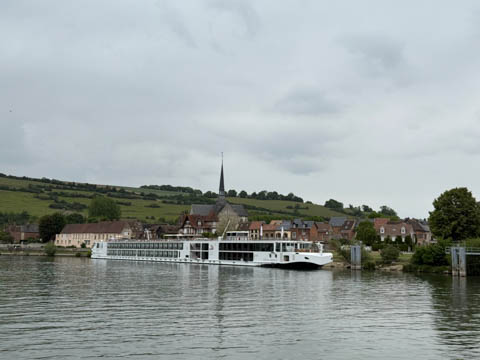
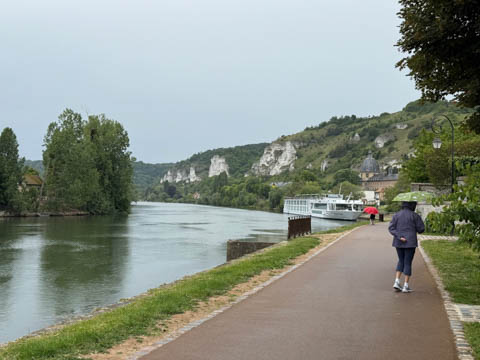
May 2025 (Part 15) France Trip: Day 6: Les Andelys After visiting Giverny, we reboarded the boat and headed down the Seine during lunch to Les Andelys, where we docked by rafting off another cruise ship. Les Andely is about 95 km (59 mi) north-west of Paris.
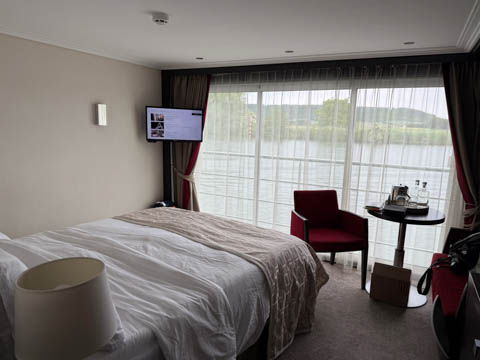
Here is an image of our room onboard.
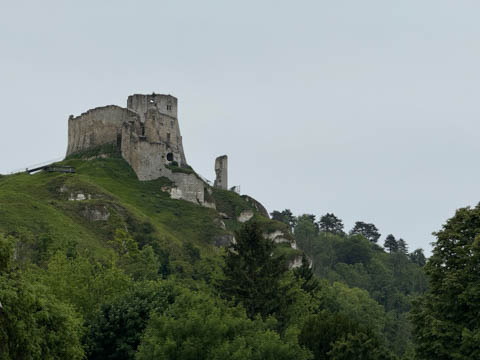
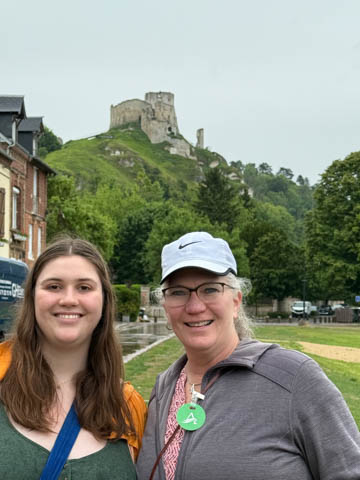
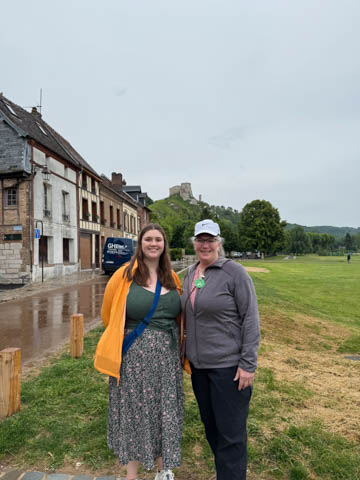
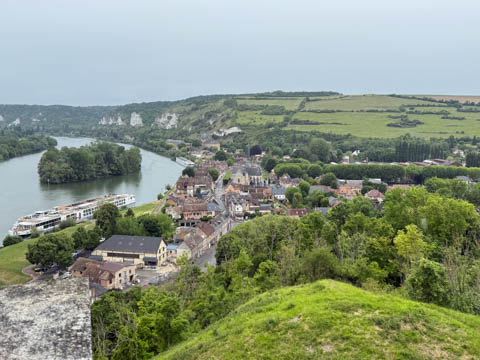
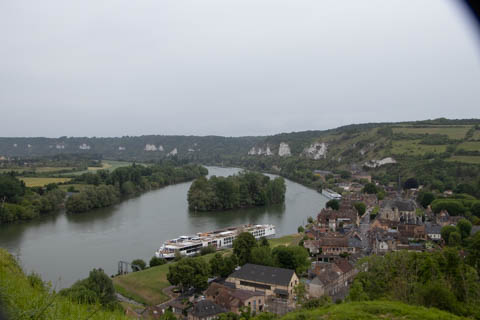
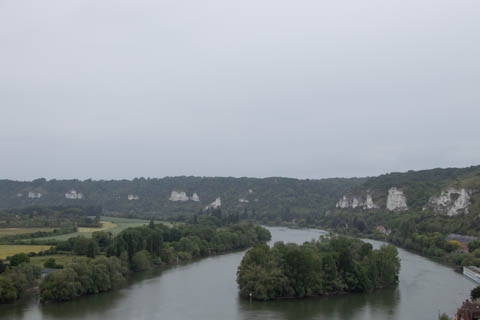
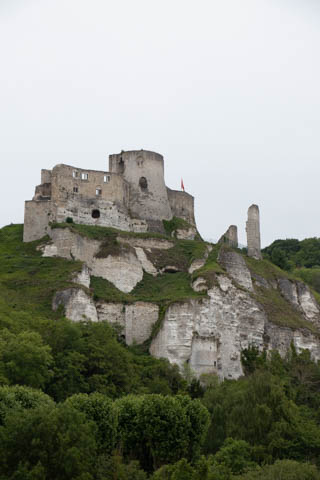
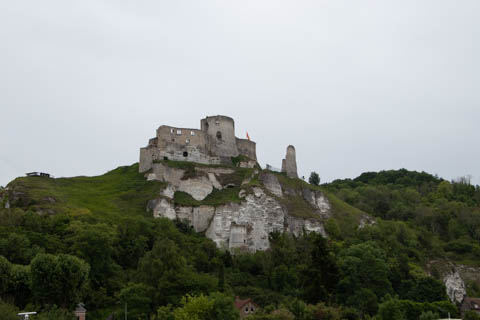
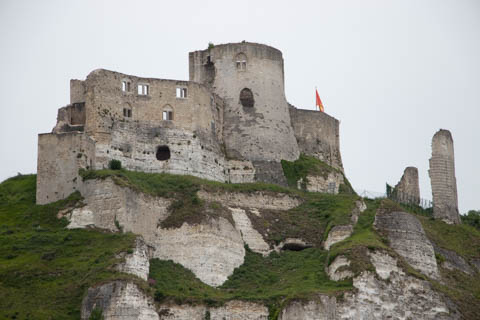
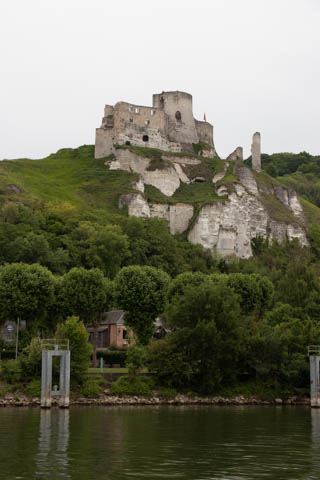
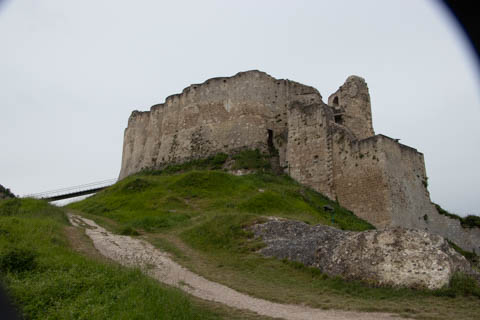
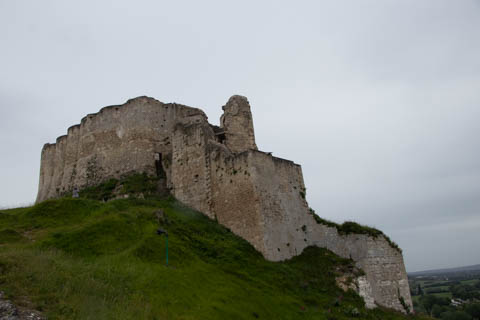
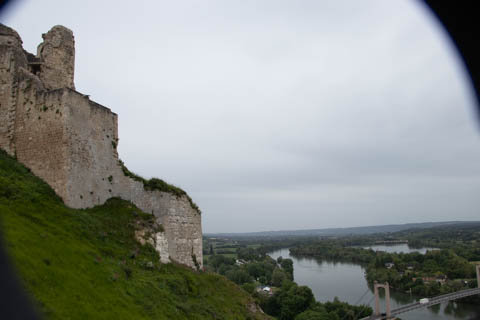
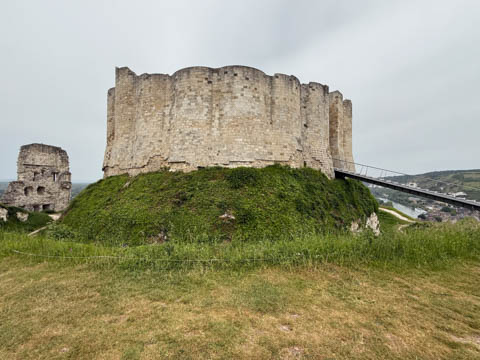
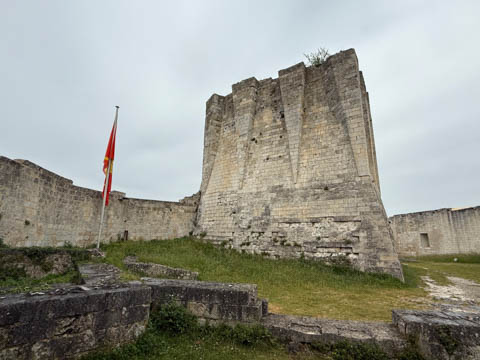
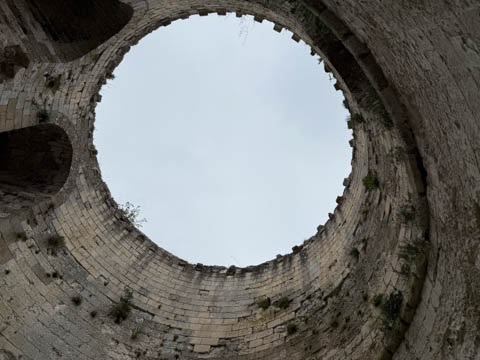
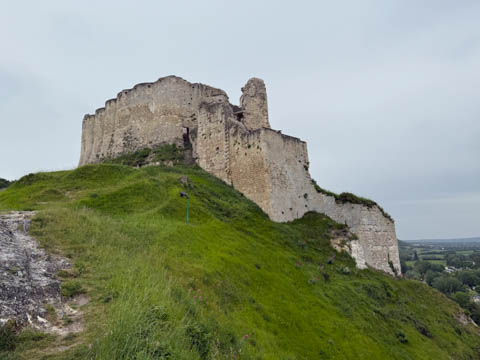
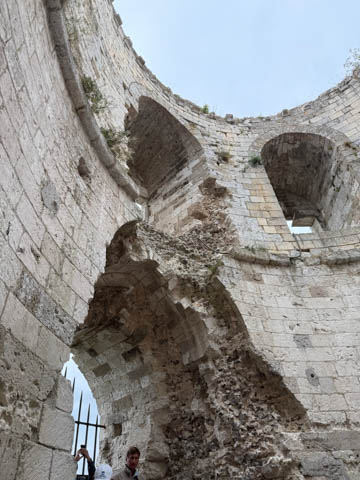
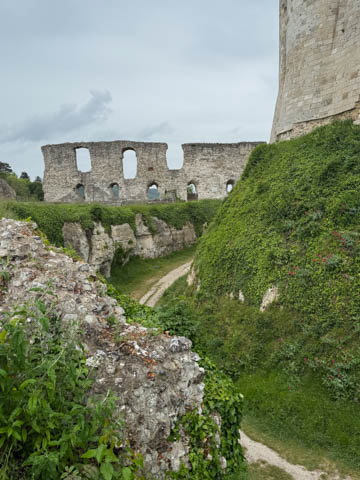
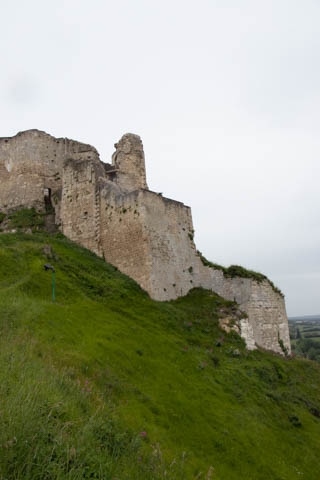
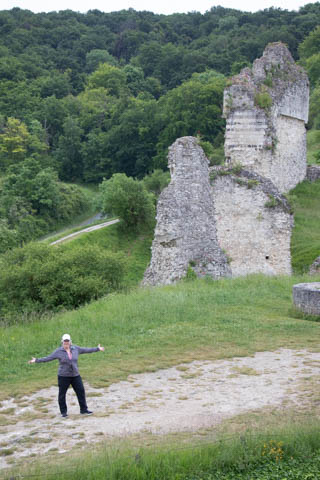
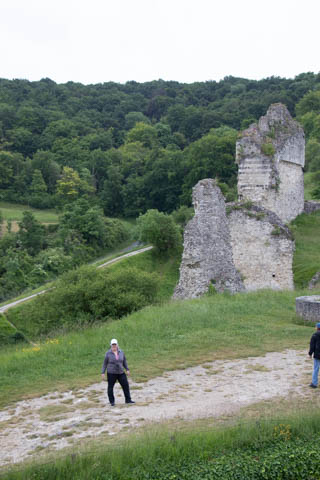
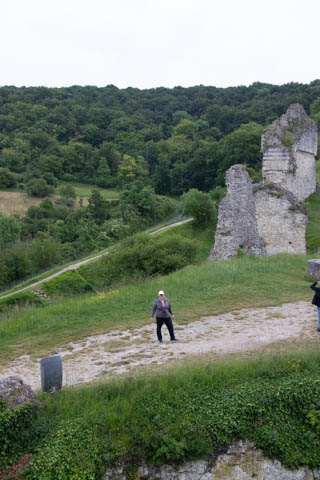
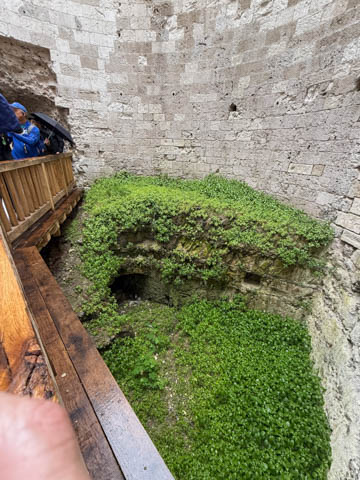
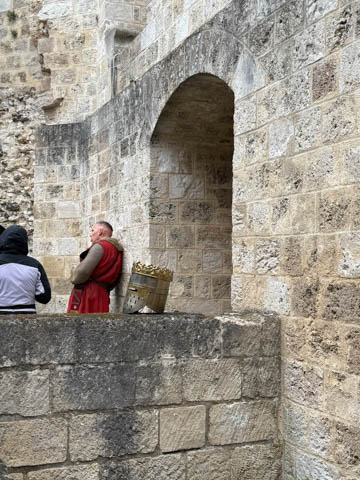
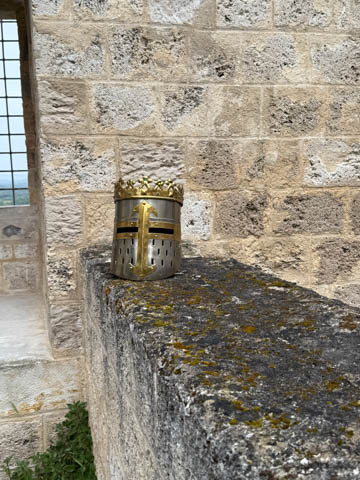
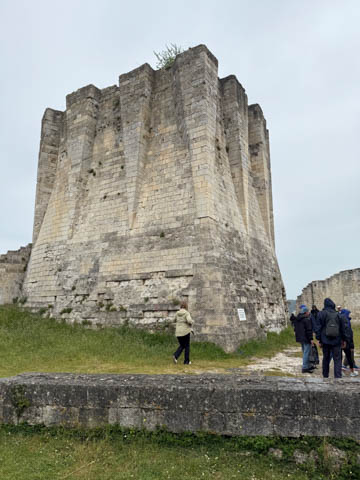
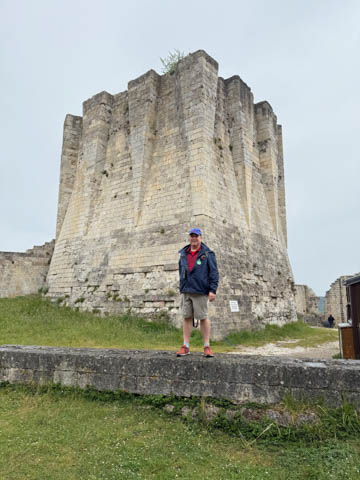
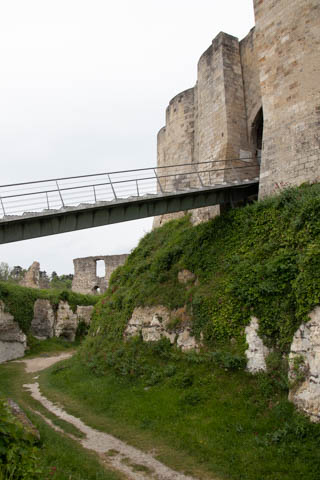
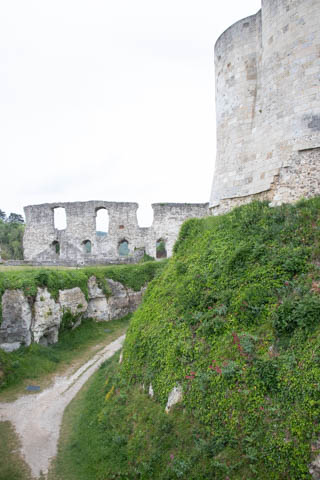
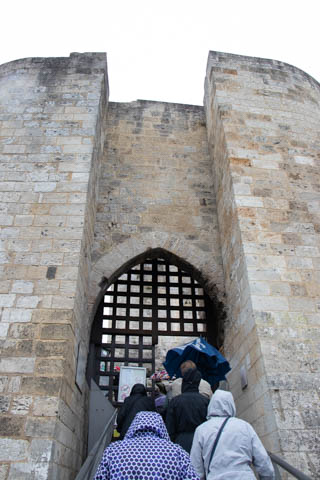
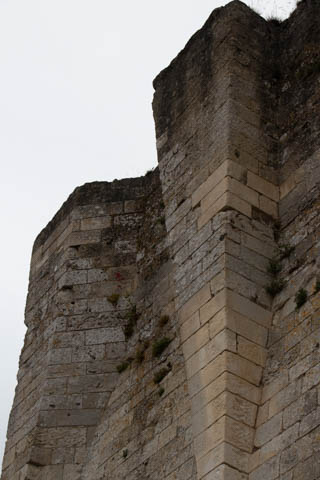
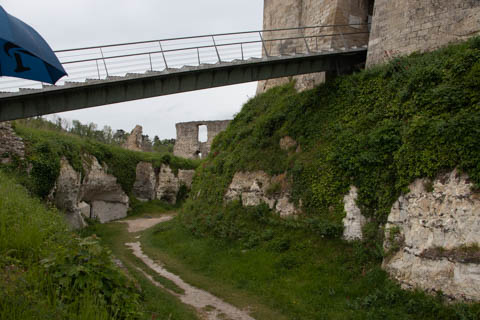
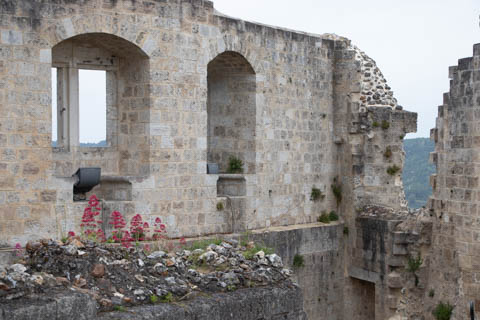
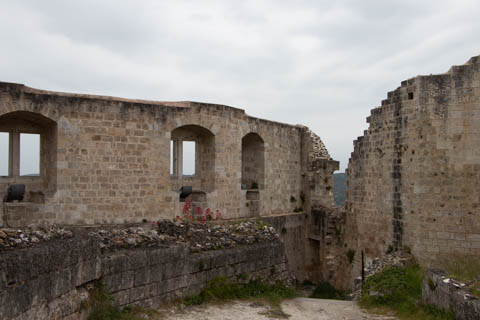
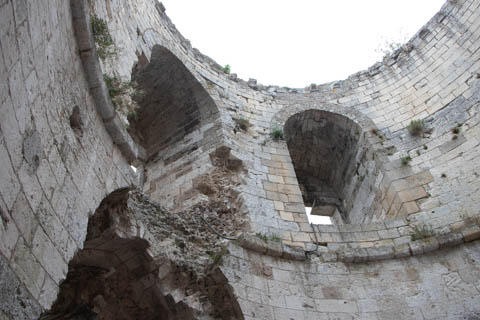
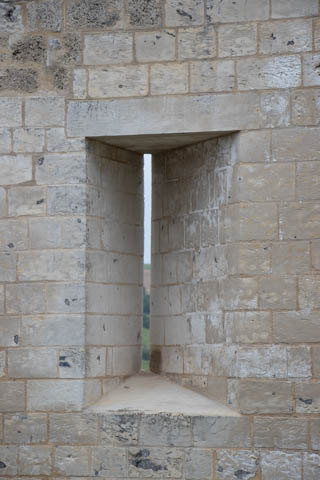
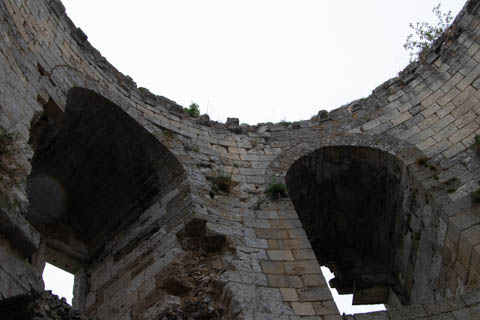
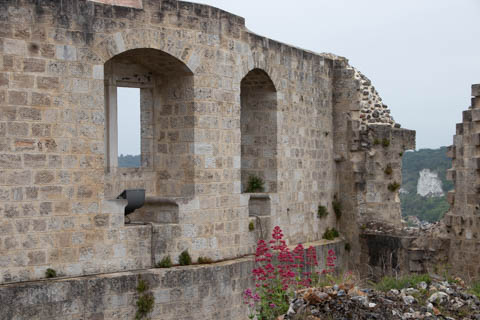
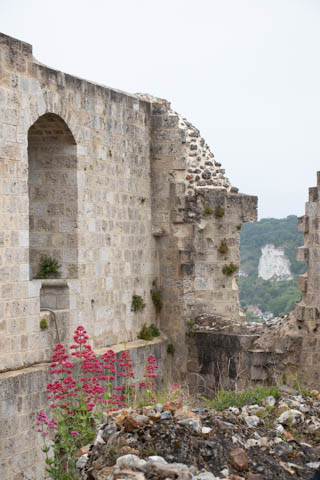
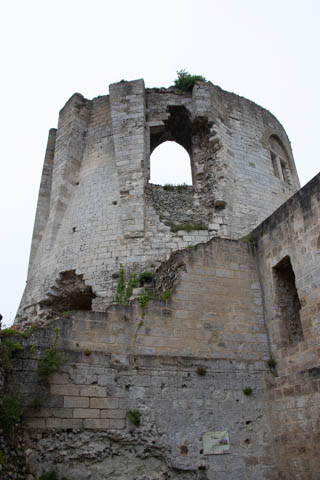
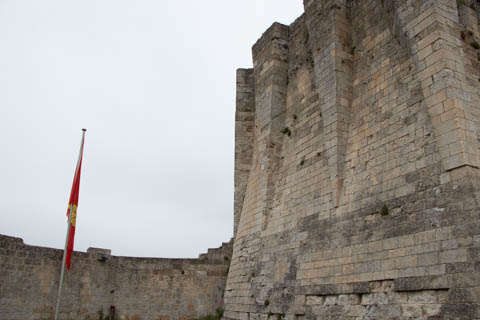
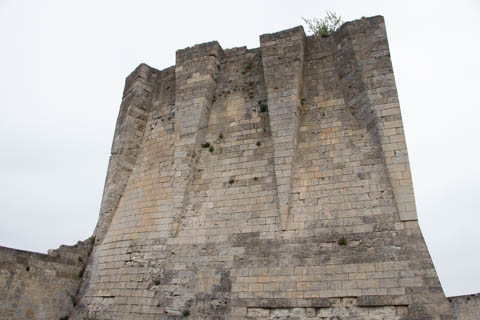
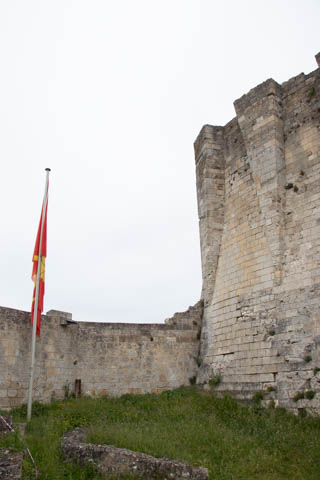
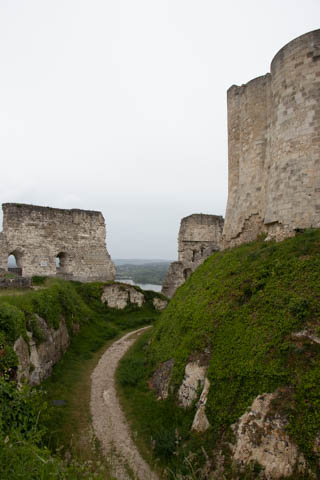
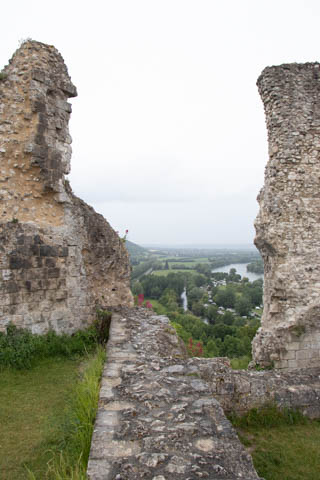
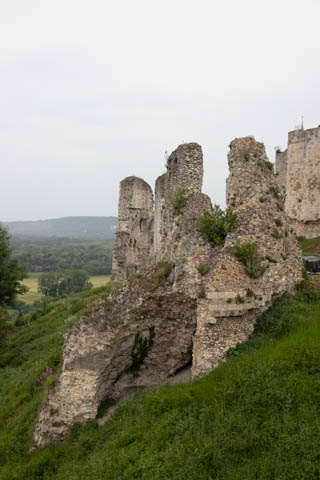
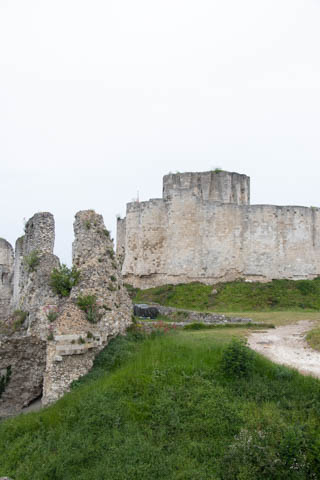
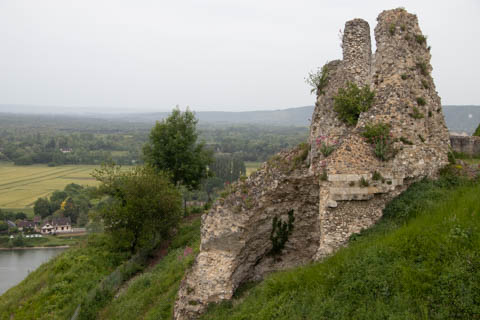
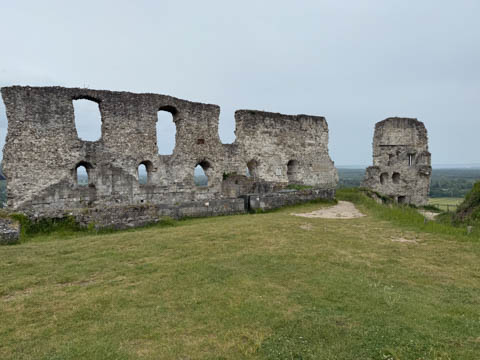
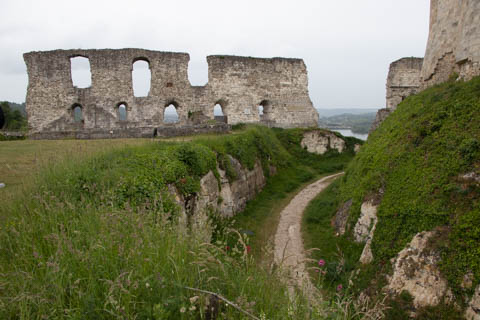
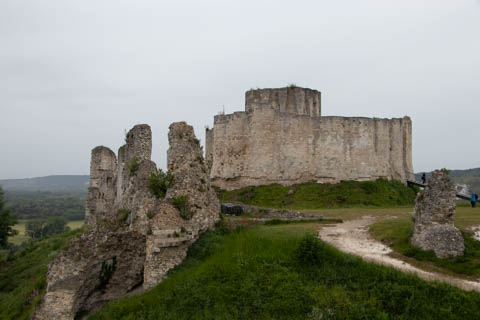
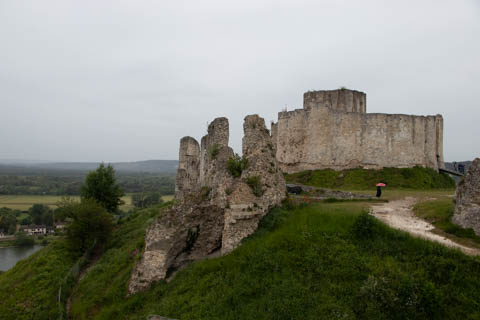
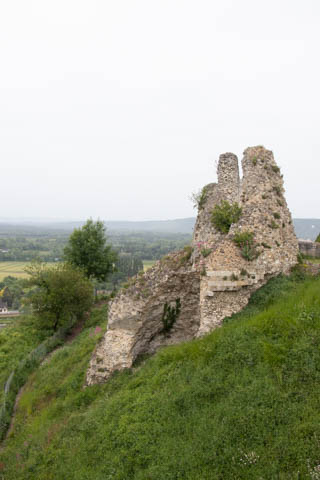
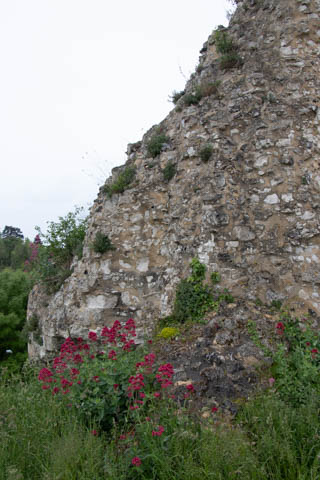
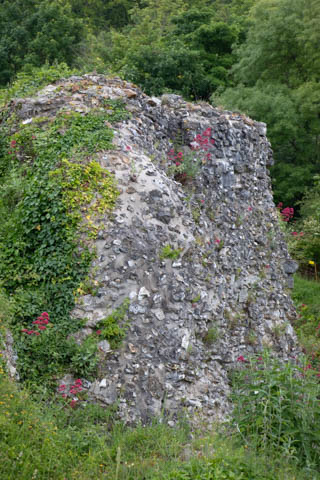
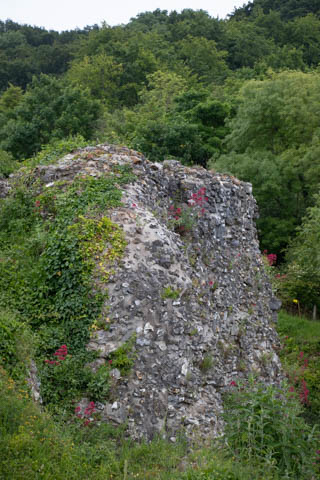
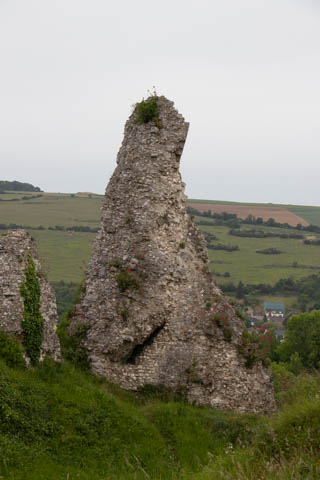
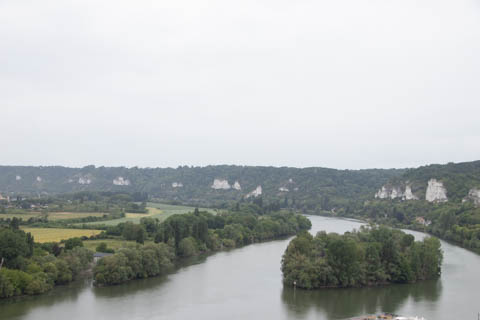
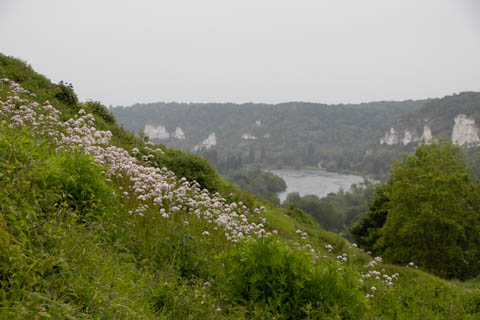
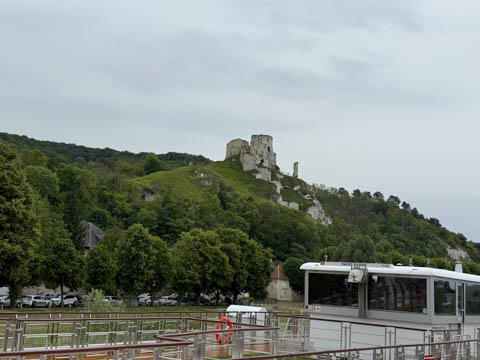
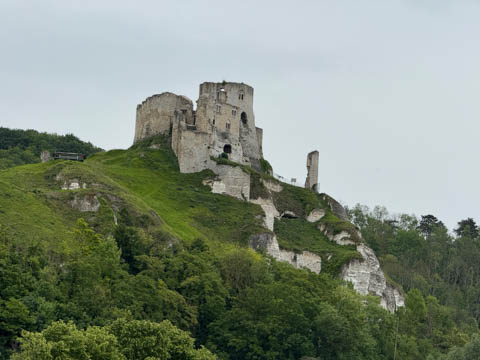
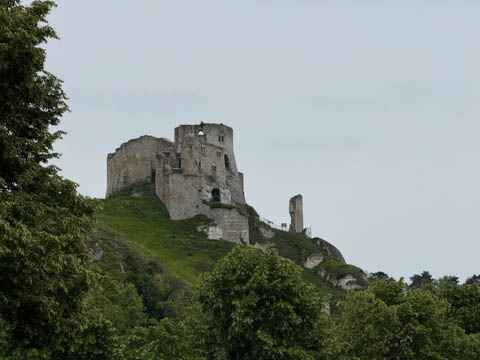
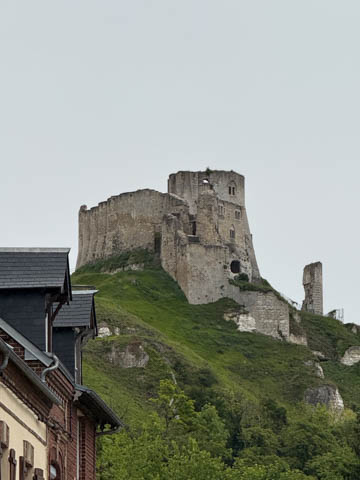
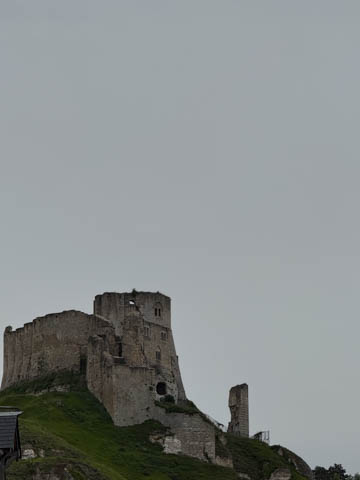
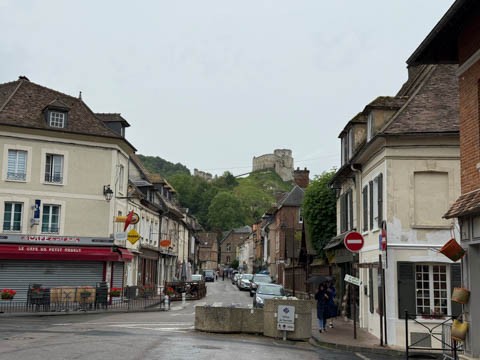
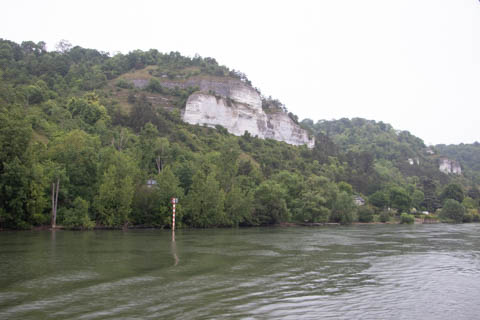
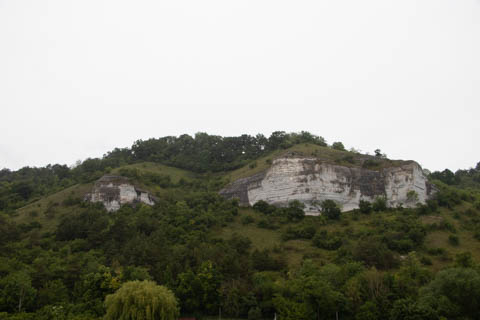
Nancy and I joined a walking tour with Patricia up the hillside to Château Gaillard, a 12th-century, ruined, hilltop castle with panoramic river & verdant countryside views.
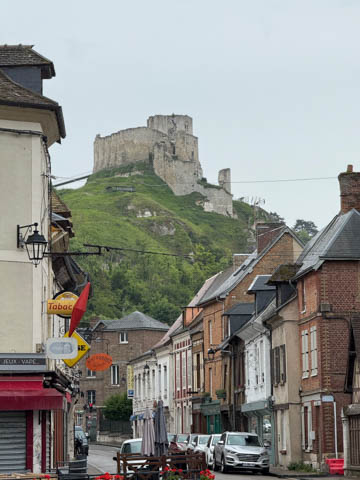
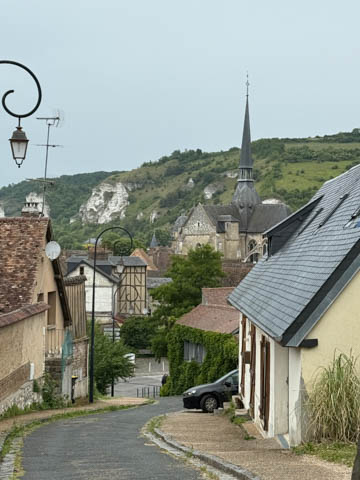
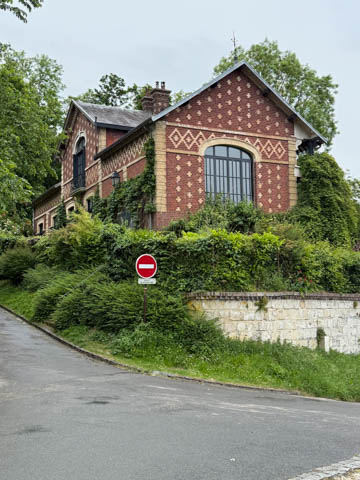
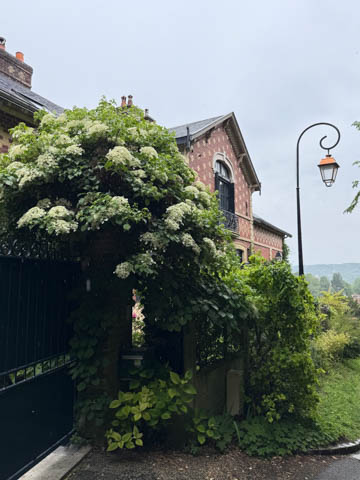
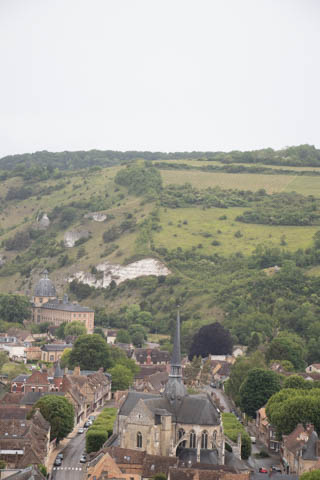
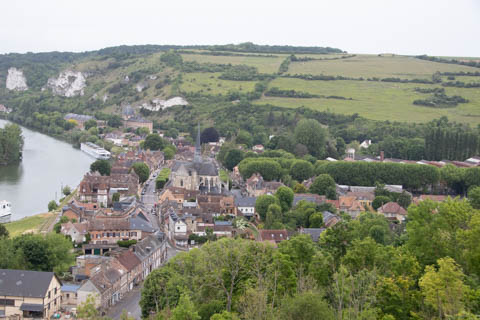
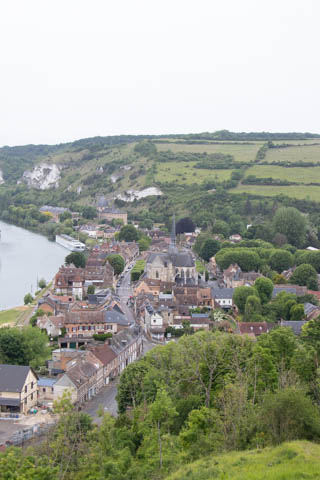
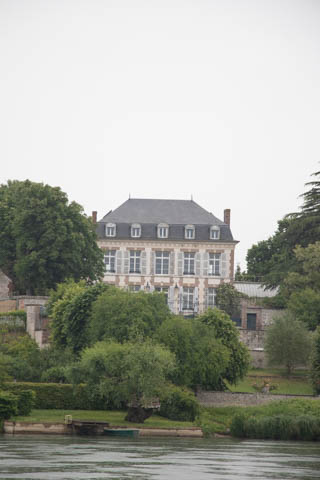
An interesting view back toward the town as we ascended the hill. We also admired this house sited high on the hill.
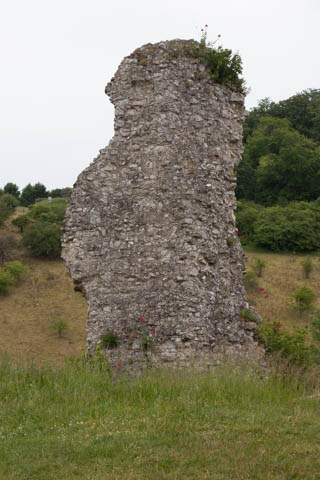
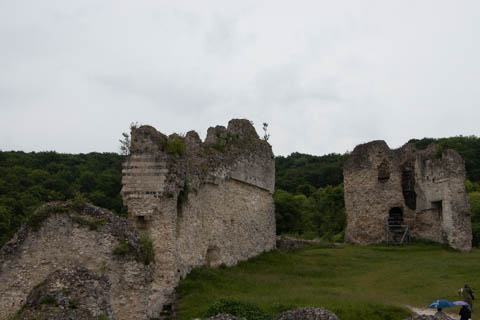
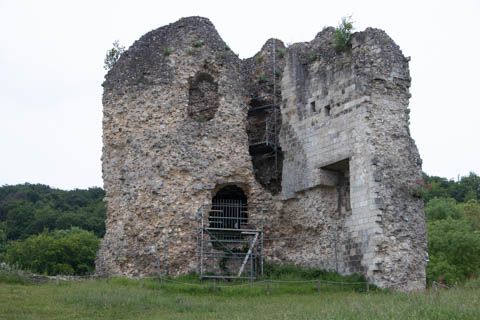
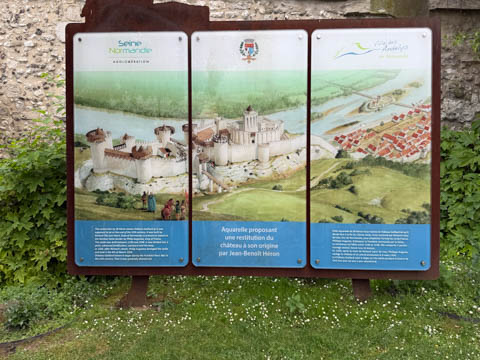
Chateau Gaillard was built in 1196 by Richard the Lionheart, King of England and the feudal Duke of Normandy. In the short two years it took to built the castle, he also built the small town of Petit Andely. The castle was a concentric fortification with three walls separated by dry moats surrounding an inner keep. The castle was built during the rivalry between Richard as the Plantagenet king of England who was more powerful than the Capetian Kinge was joined by Philip II of France as each was wary that the other might invade his territory in his absence. Richard was captured and imprisoned on the return journey to England, and he was not released until 4 February 1194. In Richard's absence, his brother John revolted with the aid of Philip, who in turn conquered much of Richard's territory in Normandy. It took Richard until 1198 to reconquer a part of it. Under the terms of the Treaty of Louviers (January 1196) between Richard and Philip II neither king was allowed to fortify the site. Despite this, Richard built the castle as a base from which Richard could launch his campaign to take back the lower part of Normandy which was under French control. It occupied a strategic point along the Seine, allowing Richard to collect taxed on any commerce along the river, while also countering a French castle nearby. In his final years, Richard made the castle his final residence. After his death in 1199, King John failed to defend much of Normandy, allowing King Phillip II to seize the castle after a long siege in 1204. During the lengthy siege over the winter, the defenders evicted 500 civilians who were allowed to pass safely through the French lines. However, the next group of between 400-1,200 civilians were fired upon by the French, and denied re-entry at the castle, leading to more than half starving as the sought refuge between the lines for three months in the winter. After the French undermined the outer wall, then gained access to the next fortifications by climbing up through a latrine chute in the wall. The remaining defenders retreated to the inner keep before finally surrendering in March 1204. With the French finally able to control the Seine, they soon conquered Rouen in June 1204, leading to the French finally reclaiming Normandy since 911. During the Hundred Years' War between the English and French crowns, possession of the castle switched several times, including after another lengthy siege, this time by the English. It was taken by the French for the last time in 1449. While the castle fell into disrepair, it still posed a threat to the local population and control of the Seine if it were to be repaired. So, it was ordered demolished by King Henry IV in 1599. Much of the masonry was taken by monks in 1611 to repair a nearby abbey, leaving the site as a ruin.
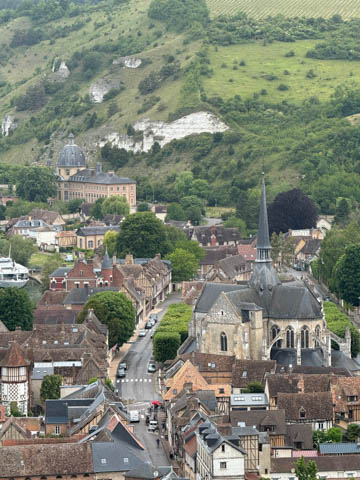
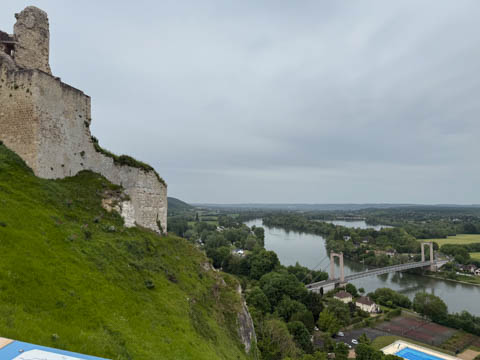
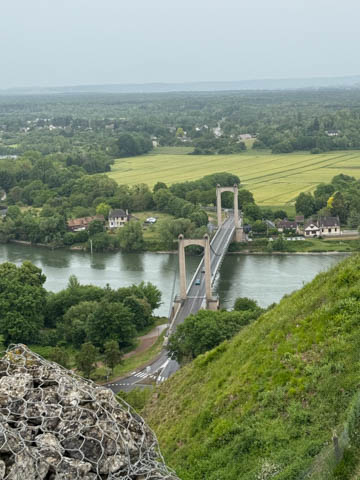
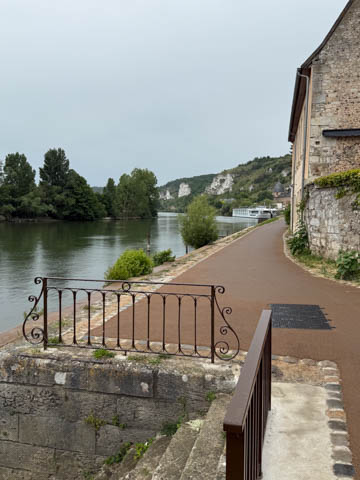
Nice view of the bridge just upriver and the town.
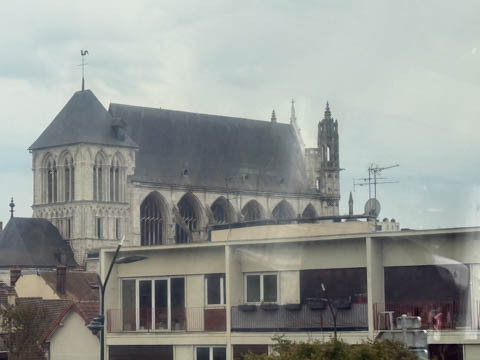
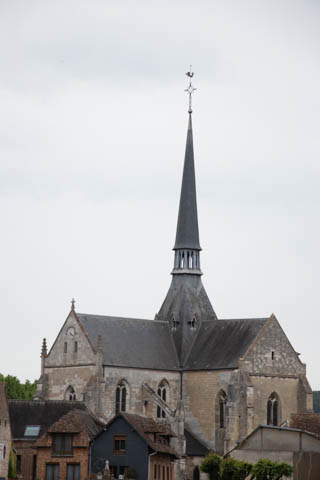
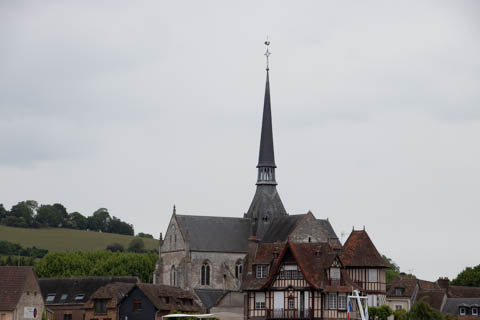
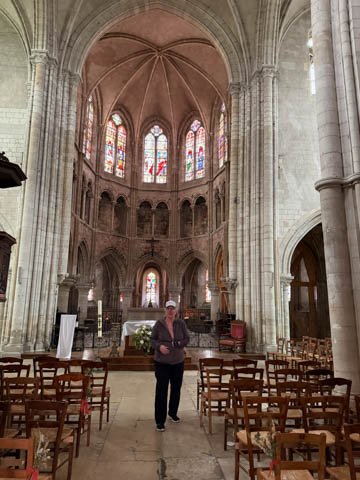
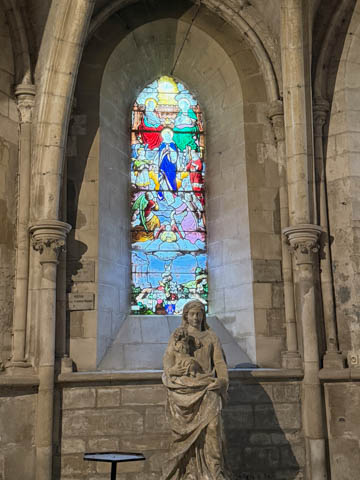
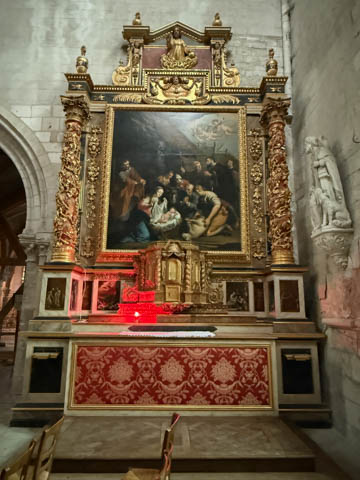
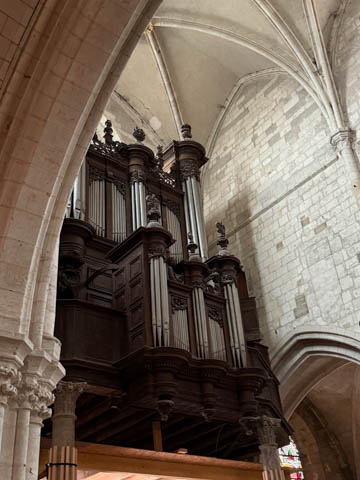
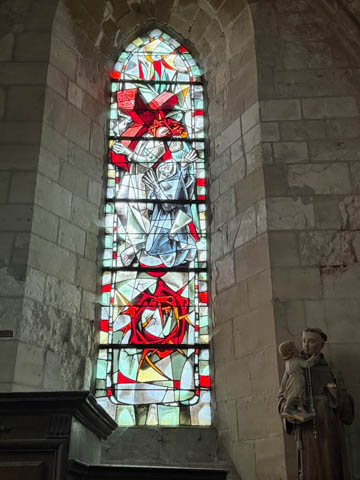
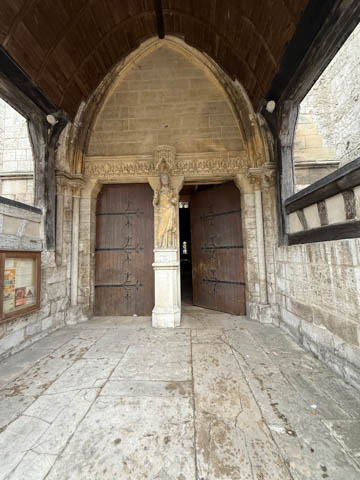
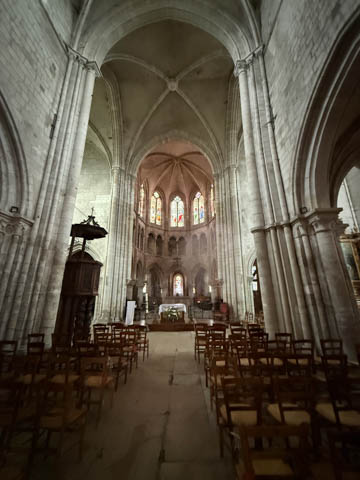
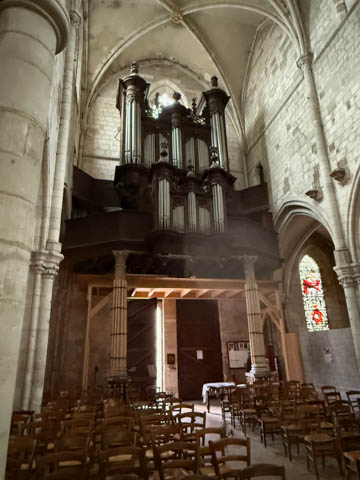
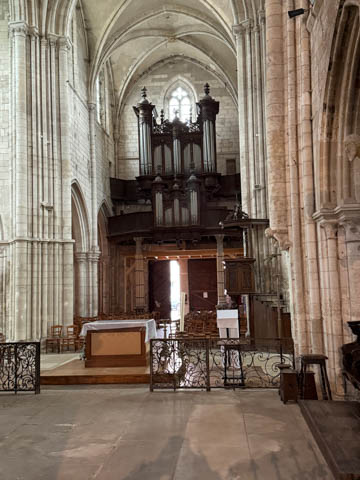
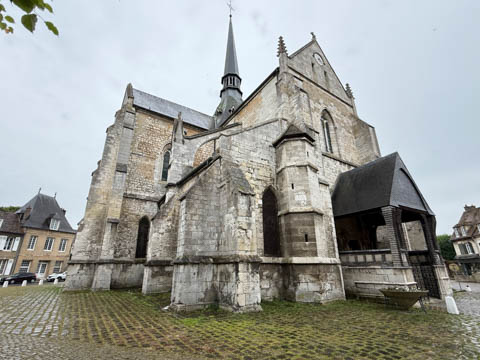
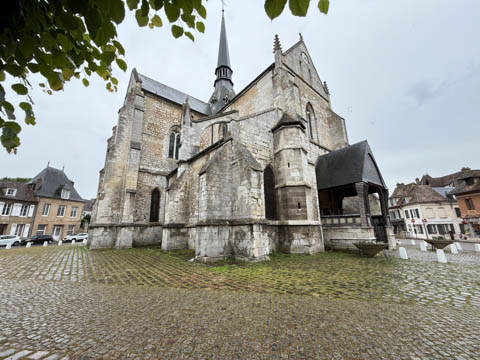
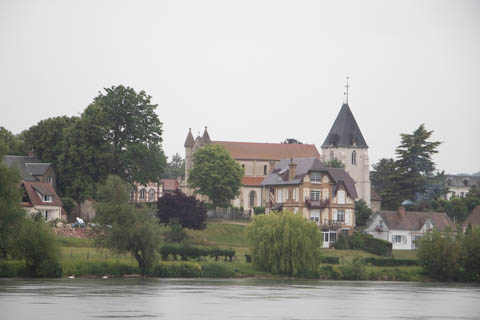
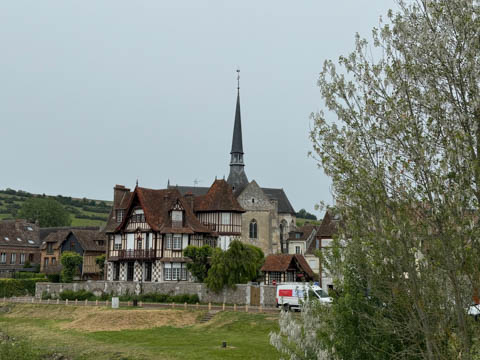
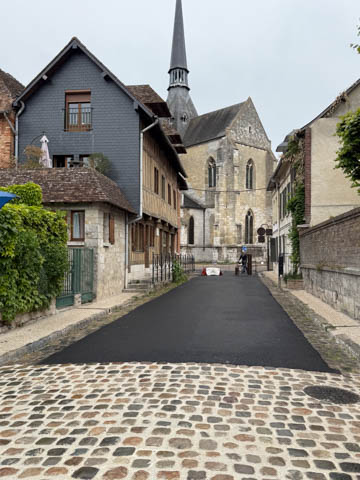
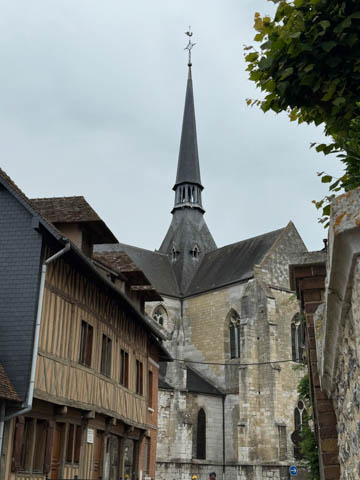
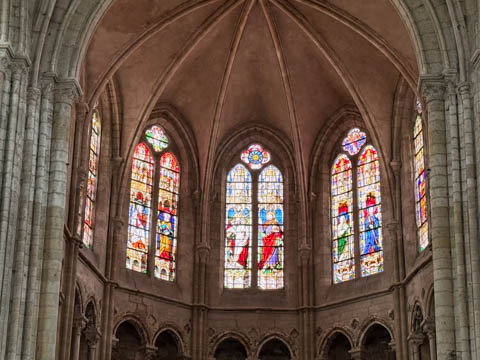
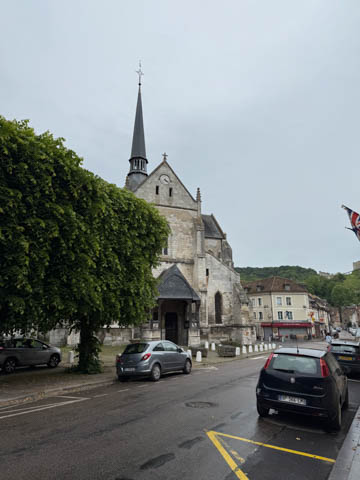
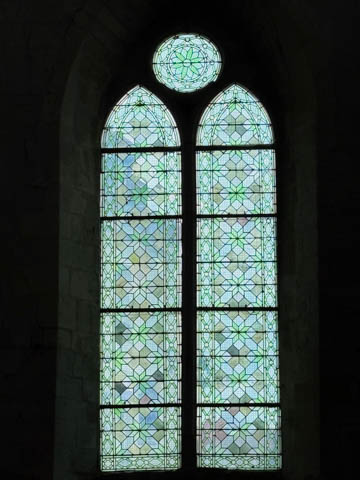
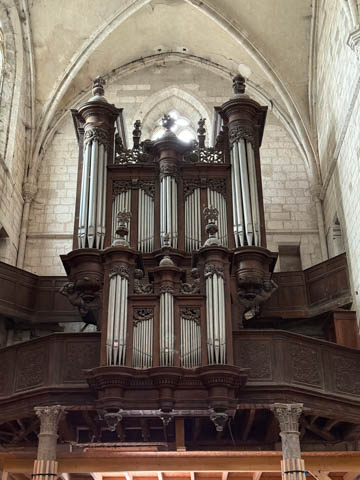
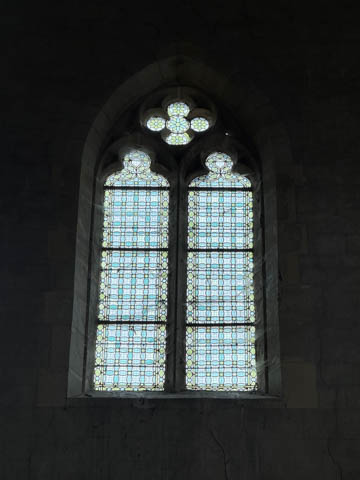
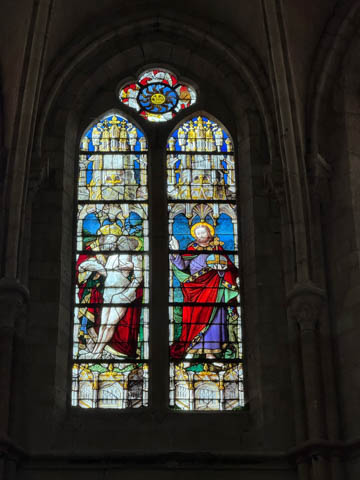
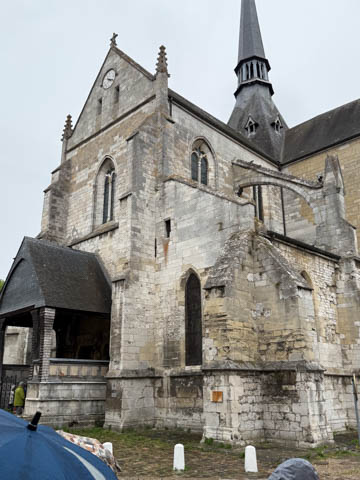
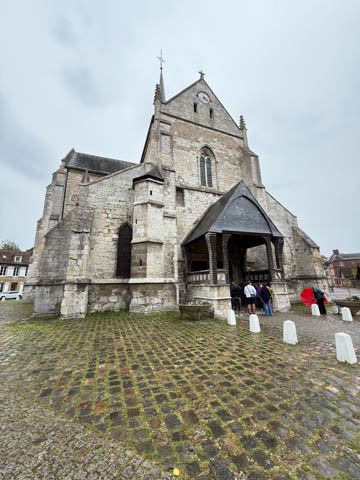
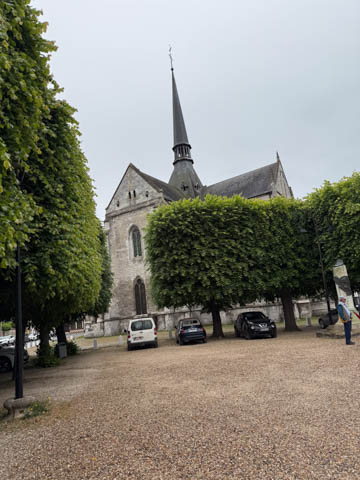
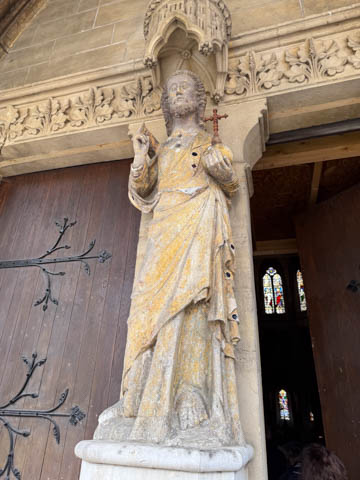
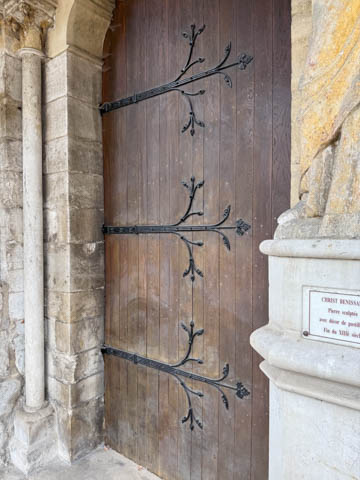
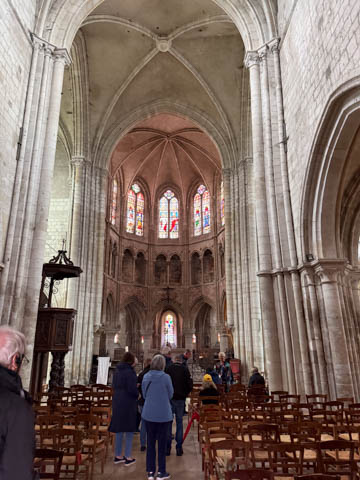
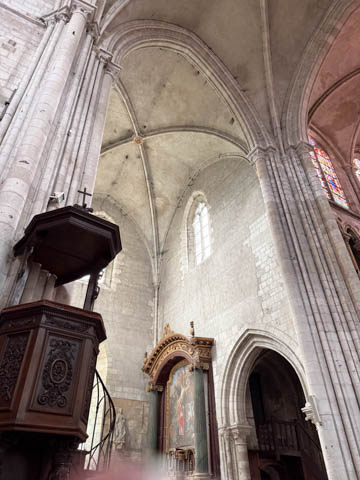
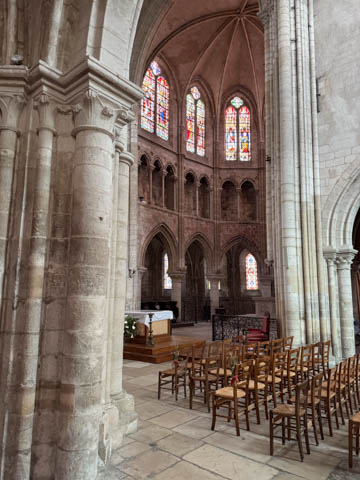
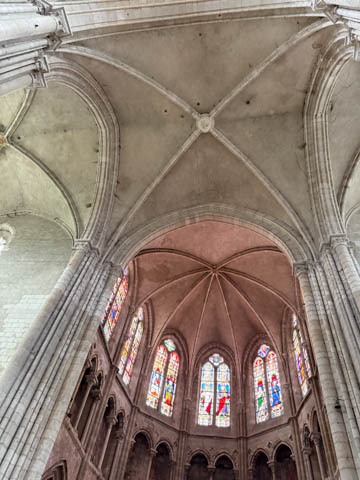
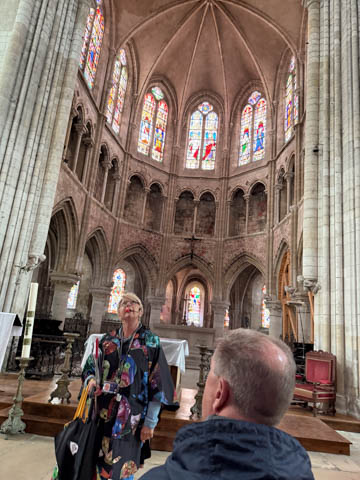
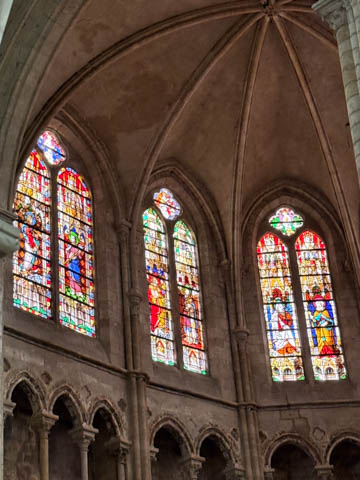
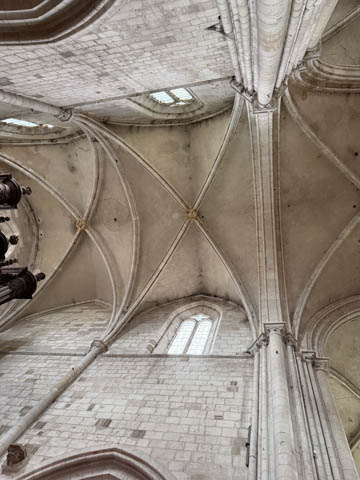
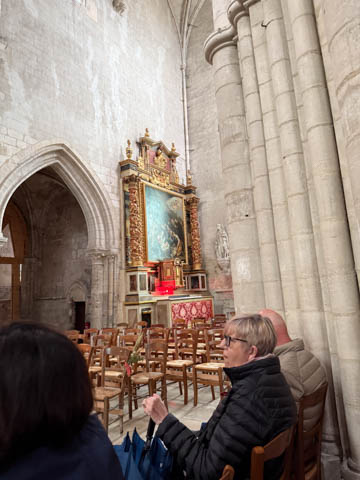
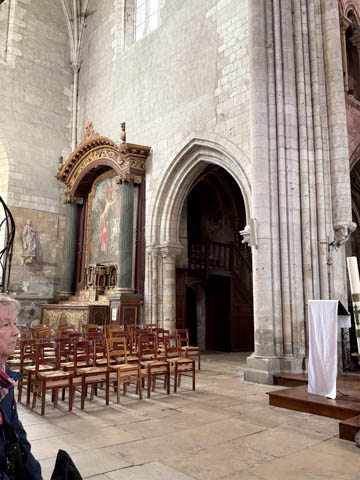
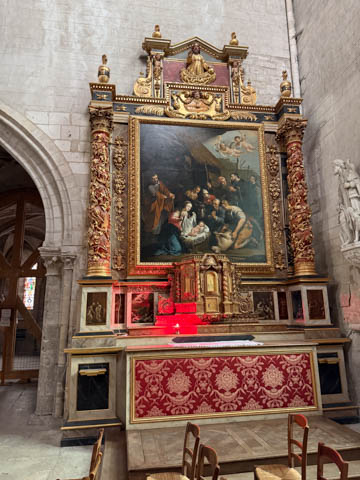
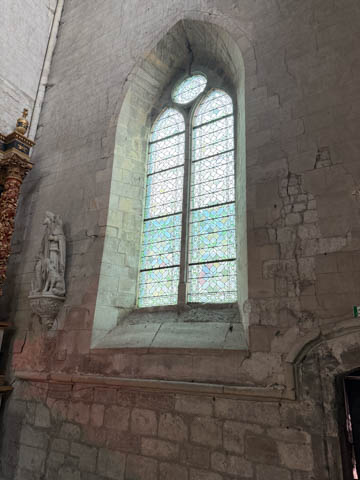
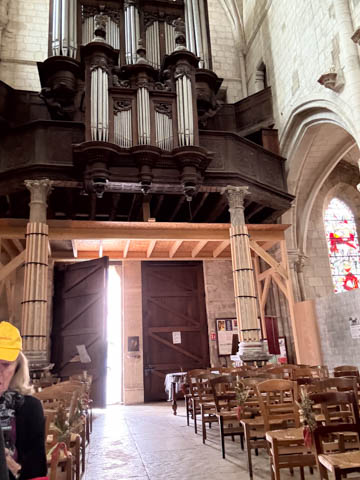
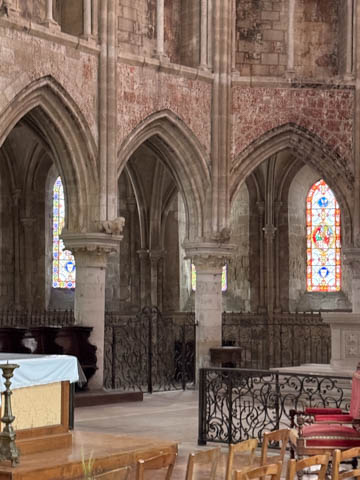
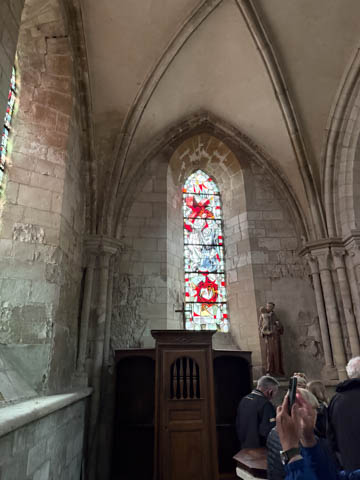
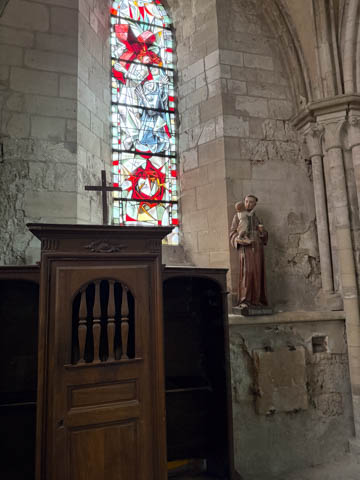
Back in town, we took an opportunity to visit the Eglise Saint-Sauveur de Petit-Andely (St. Savior Church or Petit-Andely).
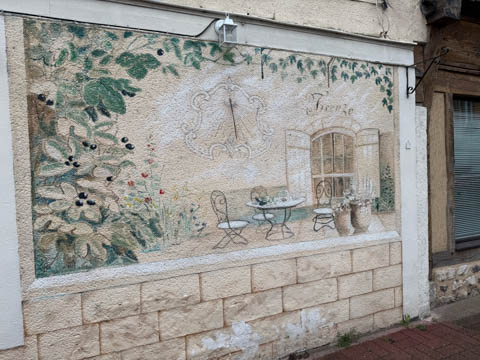
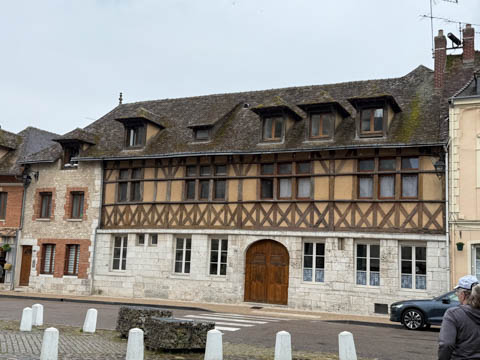
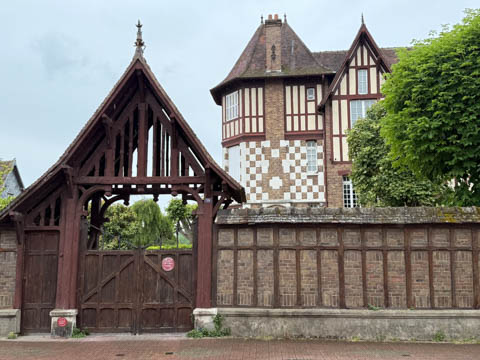
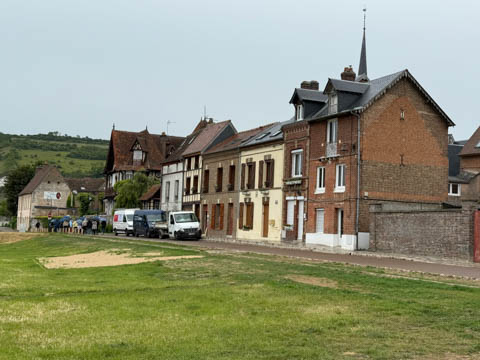
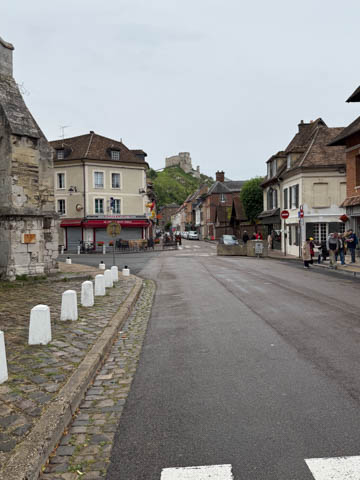
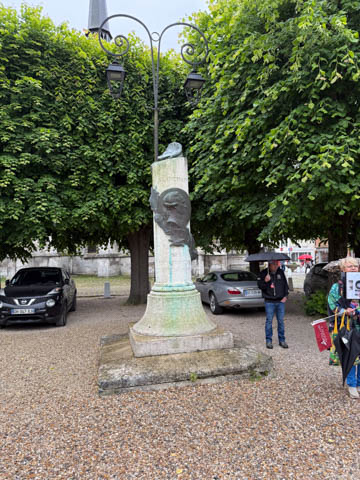
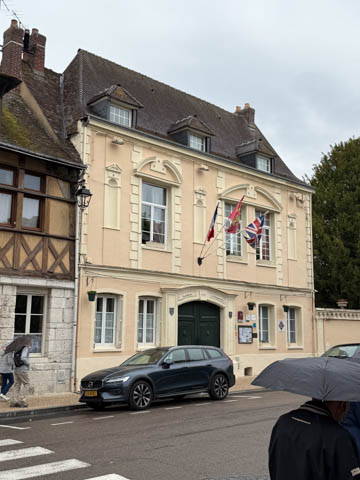
A nice little town.
While we went up to Chateau Gaillard, Alexa and Cathy took a walking tour with Fred through Les Andelys.
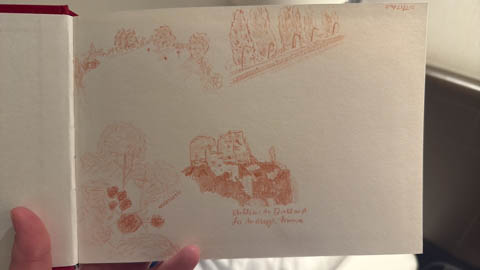
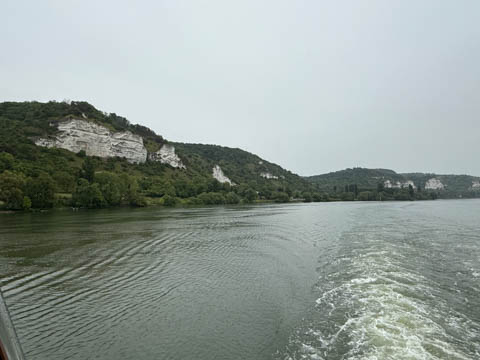
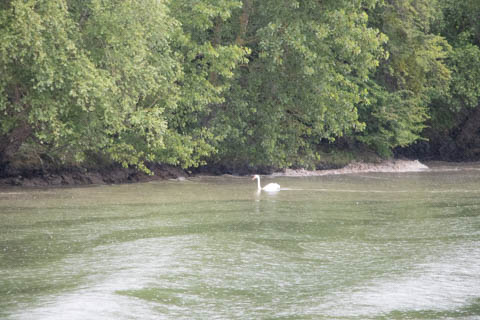
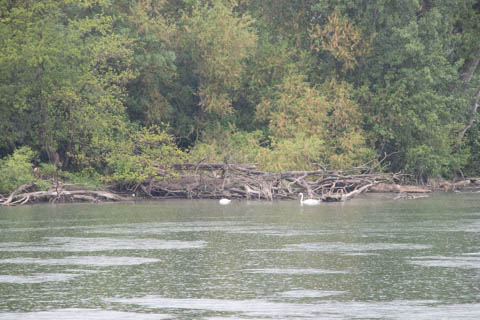
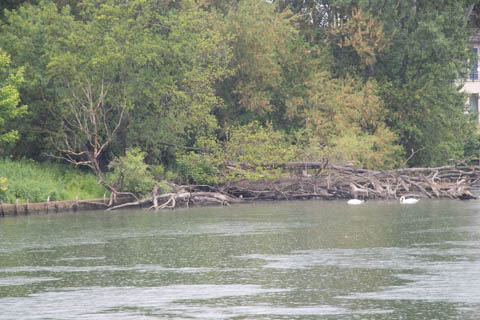
Lexi had a bit of time to sketch before we departed. We saw several swans along the river as we departed.
|
|
|