

|
|
Use these navigation links to move between the Year 2026 pages. Specific pages can be accessed at the bottom of this page
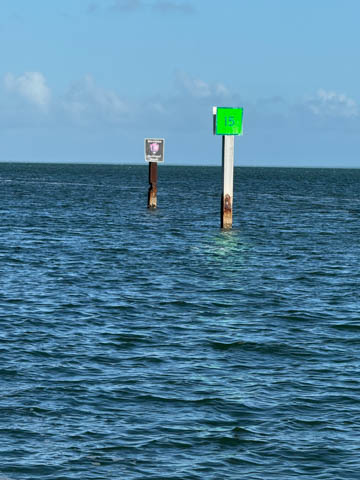
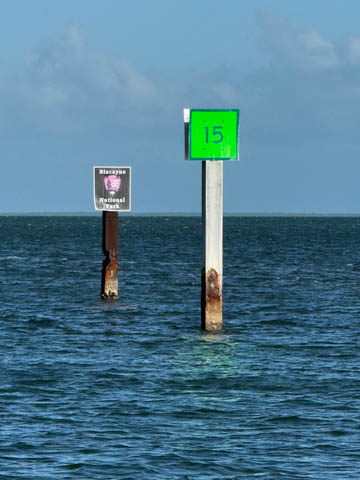
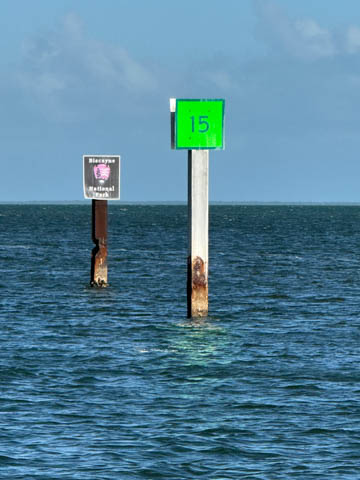
March 2026 (Part 02) South Florida Trip –Day 2 & 3: Biscayne NP and the Florida Keys Our next day, we headed to Biscayne NP. As almost the entire park is offshore, we headed out on a boat trip to go snorkeling, kayaking, and sailing. Loved this park sign on the way out.
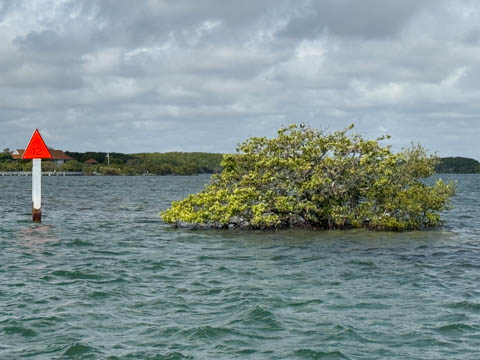
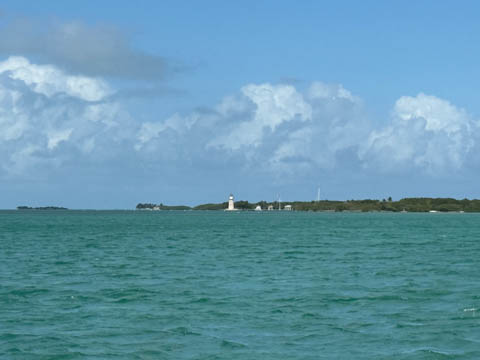
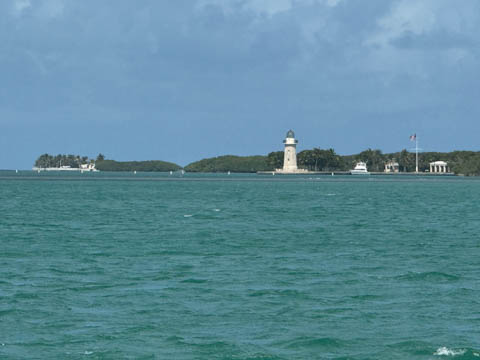
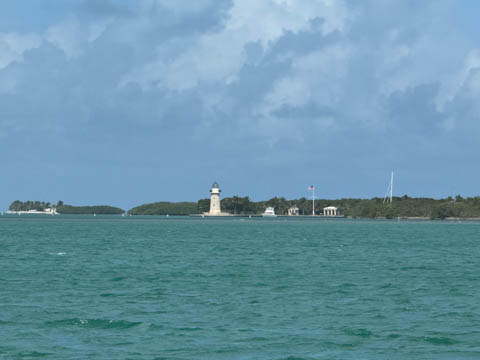
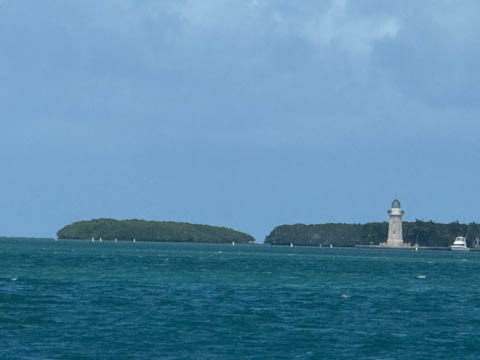
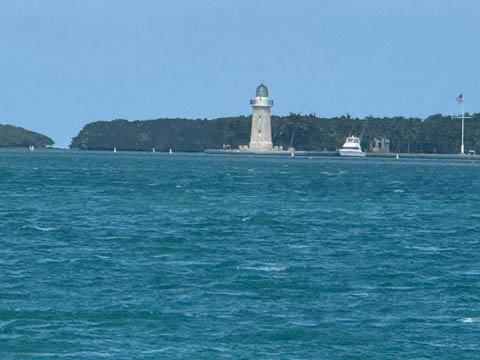
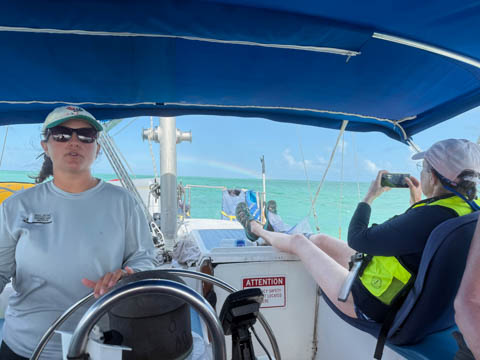
Our guide/skipper, Stephanie, headed to Sands Key. We were able to snorkel near some corral and up to the edge of the red mangroves, which hid a number of smaller fish. After an hour or so, we switched to kayaks and wandered into a small channel which led to a small open pond, which apparently used to be a fresh water spring before someone opened the channel to get limestone to pave a small road along the key. We sailed most of the way back. Sands Key was next to Boca Chita Key, which had been populated at one time and had a small lighthouse. The lighthouse was ornamental, and had to be lowered to ensure it couldn't be seen from the ocean side and falsely draw ships onto the reef. The area was developed by Mark Honeywell, in the late 1930s as a retreat for the Miami rich, who anchored and stayed in their luxury yachts, but could socialize on the key. There was even a canyon to signal when a party was starting. The group wanted to develop the keys and connect them with a road like the lower keys, while also digging a channel to the mainland for an oil terminal, an effort which stirred enough opposition to eventually have the entire bay protected, eventually leading to the creation of a national park to preserve the resource, as the shallow bay is a spawning ground for many species.
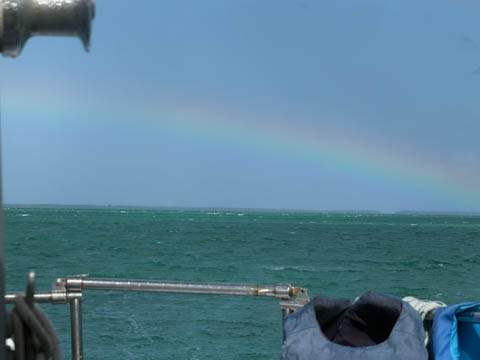
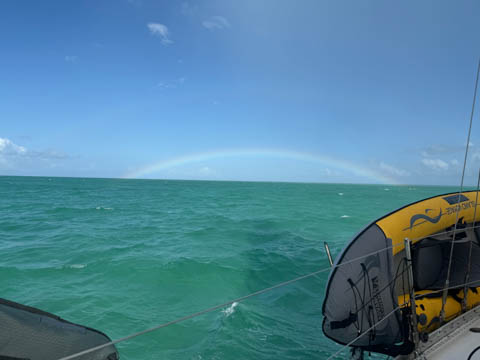
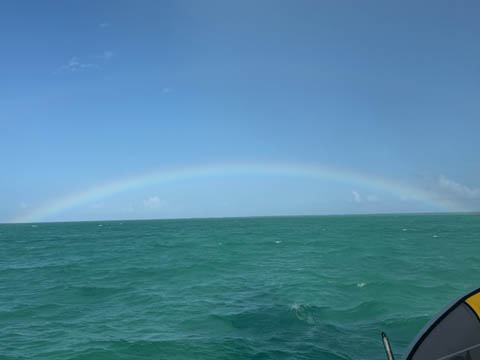
It rained a bit on our return, providing a nice rainbow behind us over the keys.
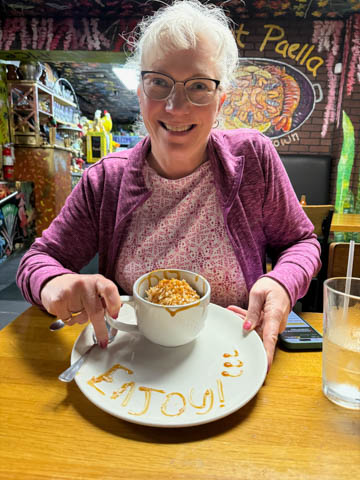
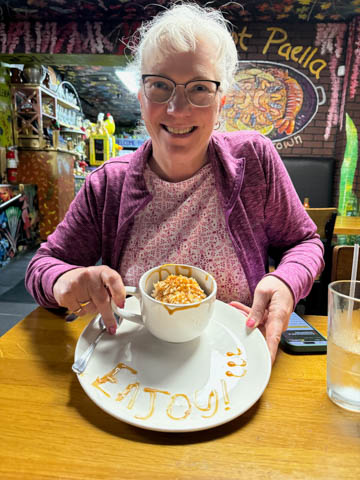
Happy Birthday Nancy!
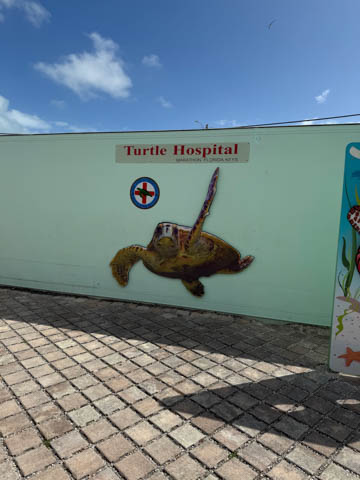
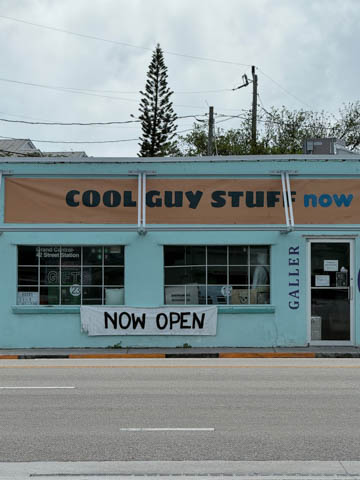
The next morning we put the top down on the Mustang convertible we rents and headed down the Overseas Highway (US Route 1) which connects the Florida Keys. Our first stop was at a Sea Turtle Rescue Center and Hospital on Marathon Key. Andy replied via text that we didn't need to run into the Cool Guy Stuff store across the street to bring him back something.
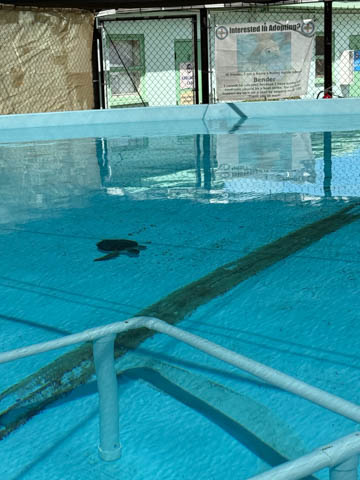
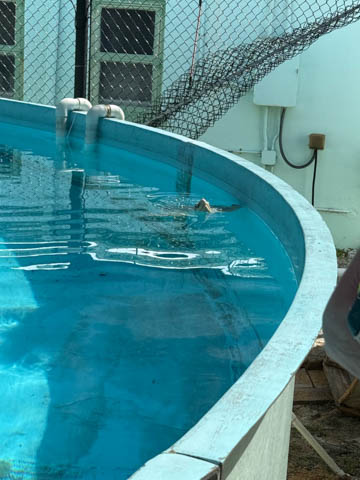
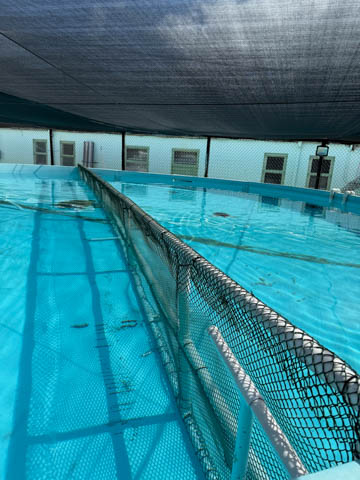
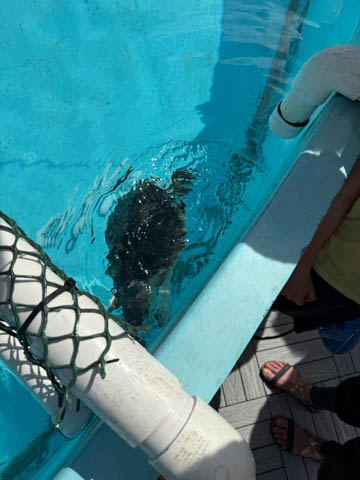
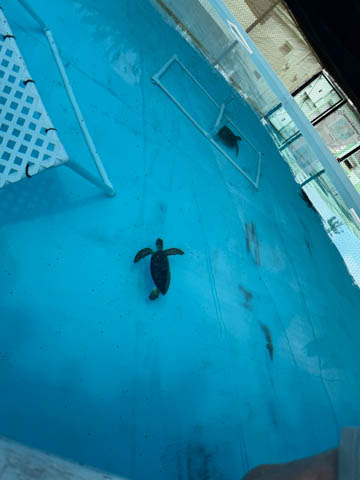
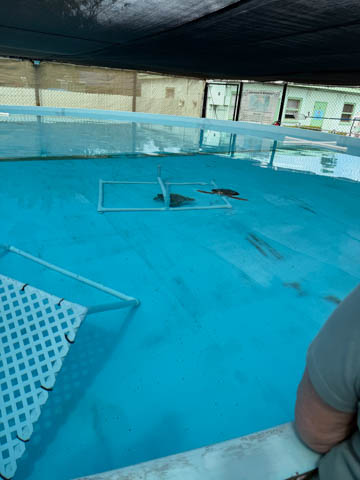
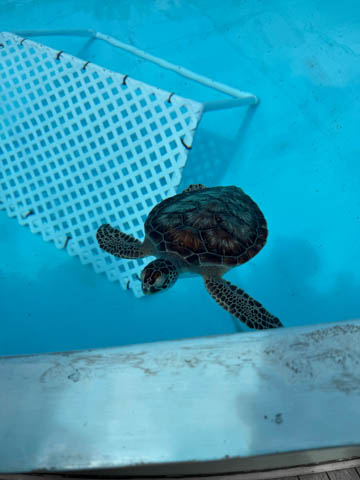
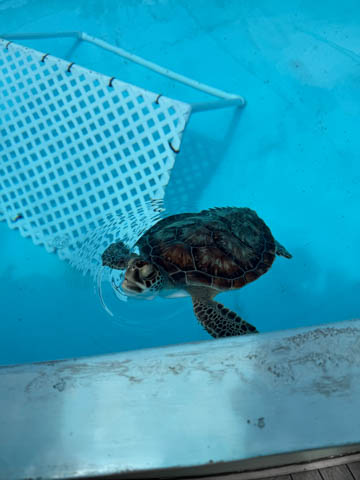
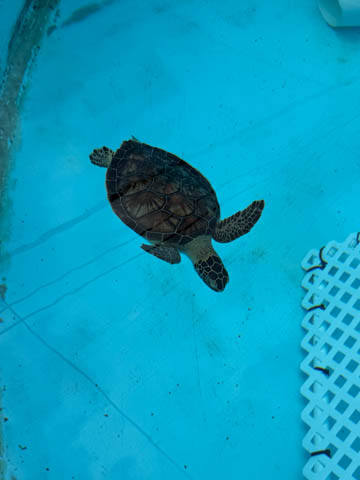
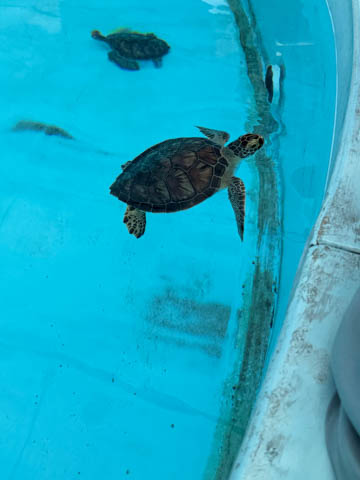
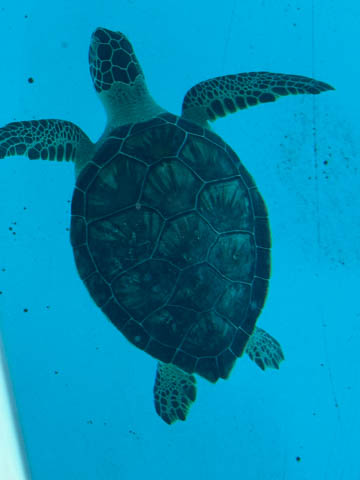
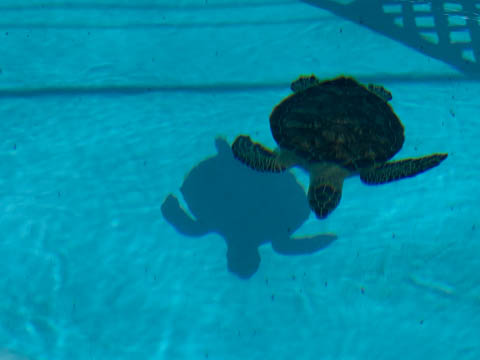
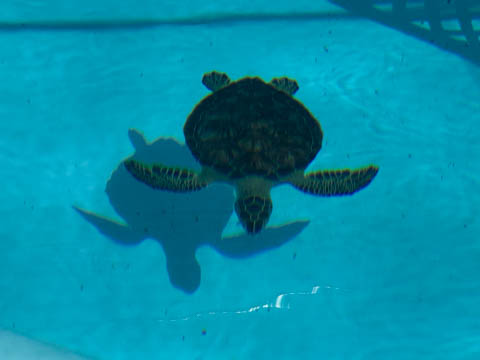
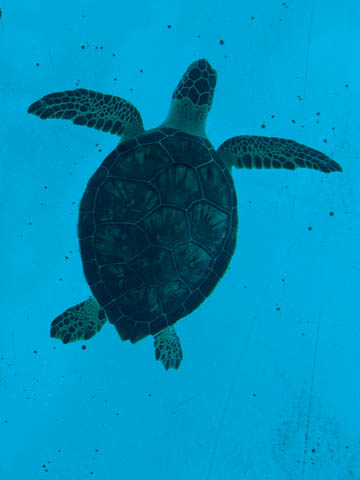
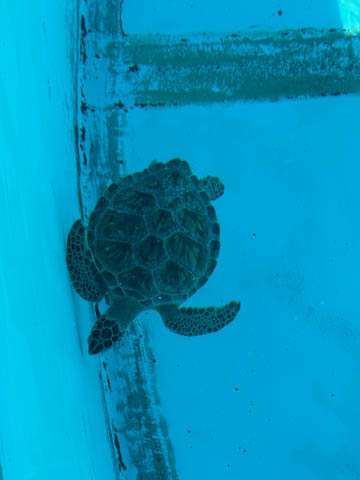
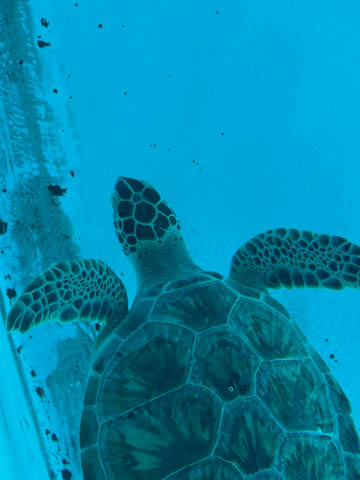
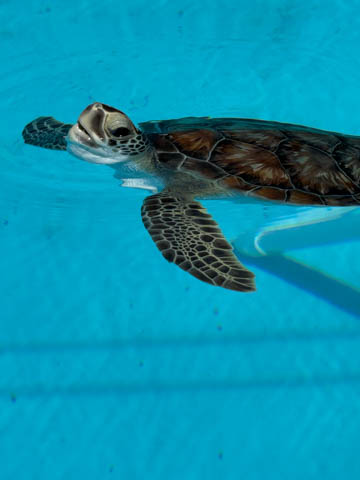
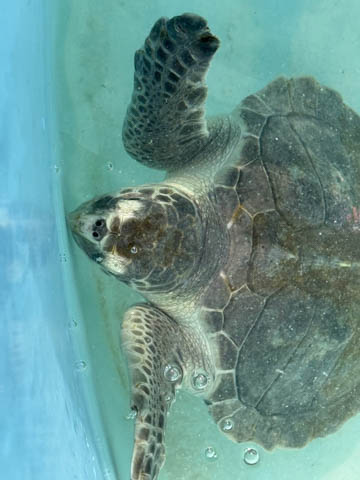
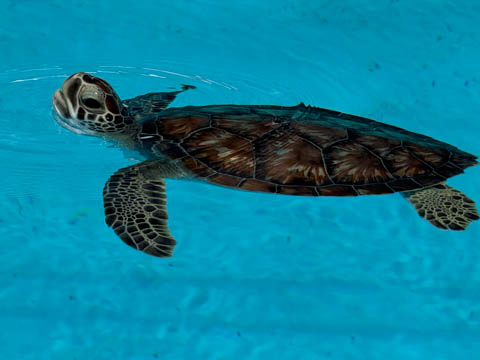
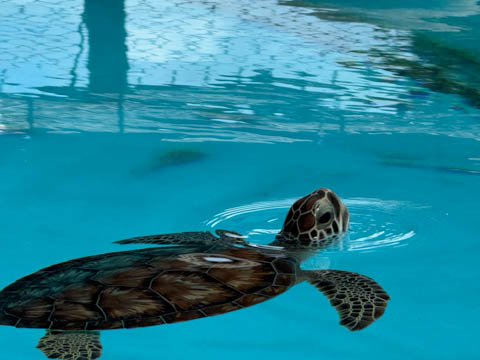
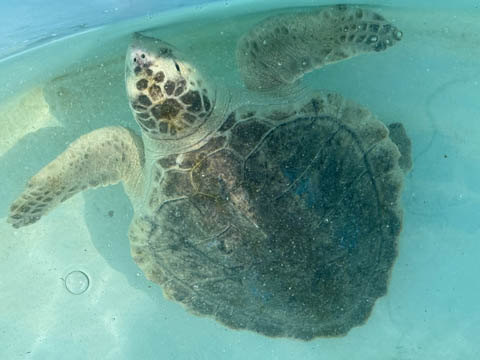
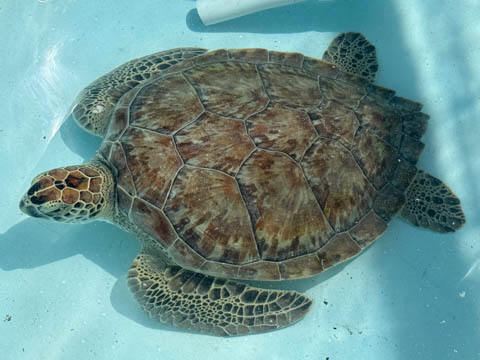
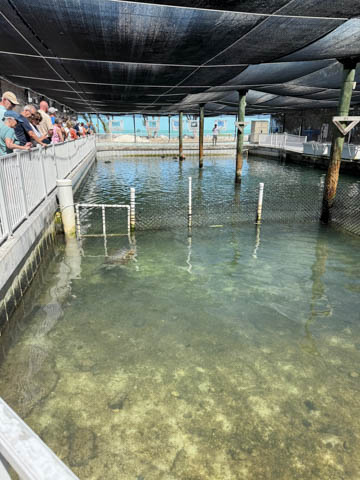
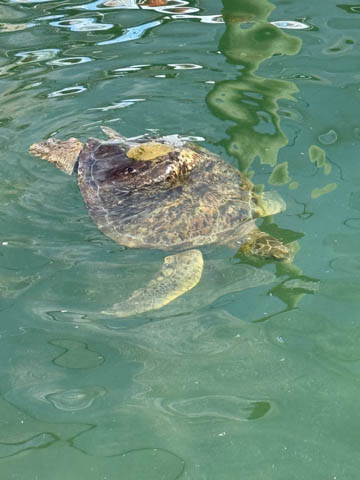
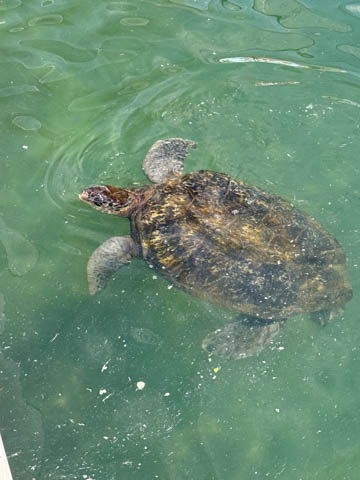
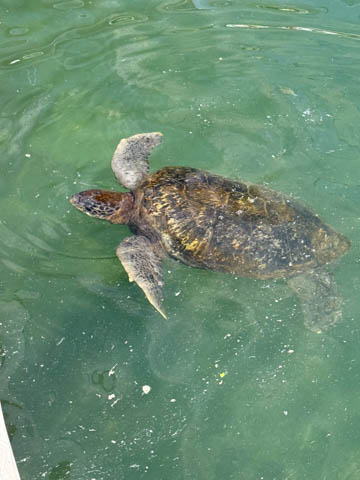
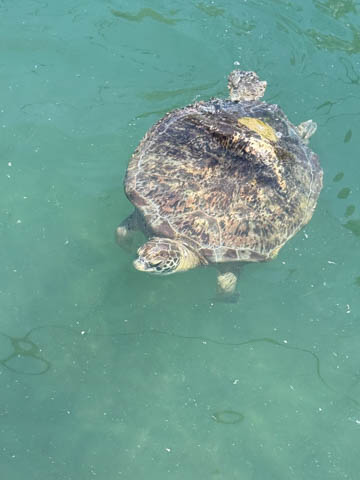
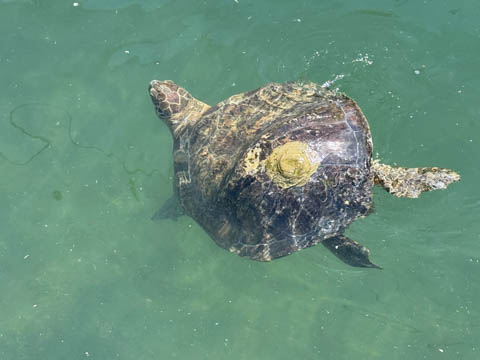
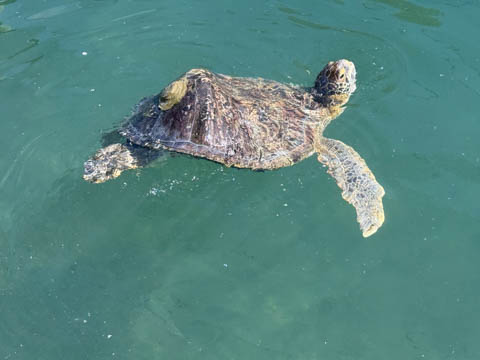
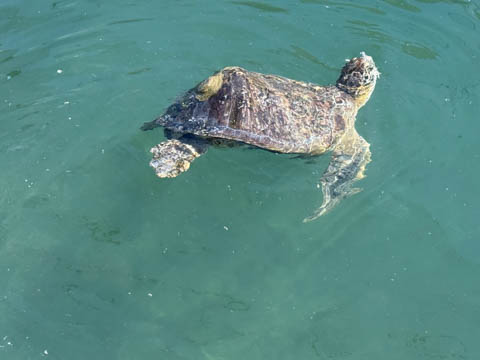
The center is on the grounds of an old motel, and utilized the huge salt water pool as its largest of several tanks. They provided an educational tour, first discussing the different breads of sea turtles, where five of the seven total species can be found in Florida (green, loggerhead, leatherback, hawksbill, and Kemp's Ridley). They treat and release over 150 turtles on average each year, with most suffering from cold shock, boat collisions, and fibropapilloma (FP) virus (similar to the human papilloma virus, except this causes multiple tumors in the turtles). If a limb is removed or if they have bubble-but , where gas accumulates under their shell after damage (normally from a boat hit), which prevents they from floating level, making it hard to raise their head to breath, or preventing them from diving to eat. There were several green turtles recovering in a larger tank.
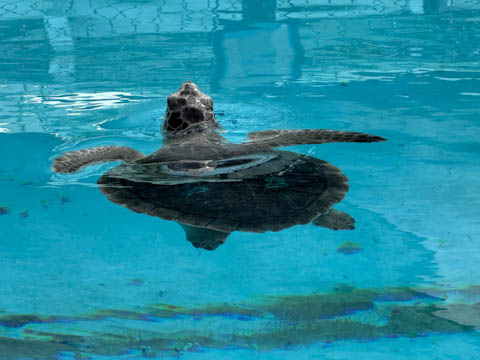
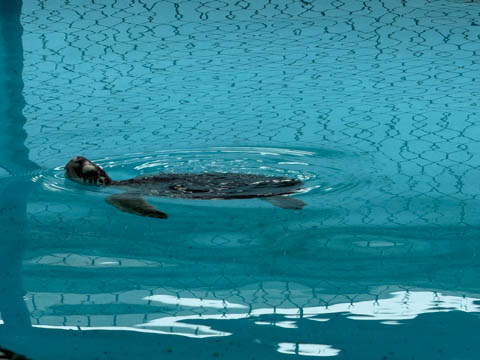
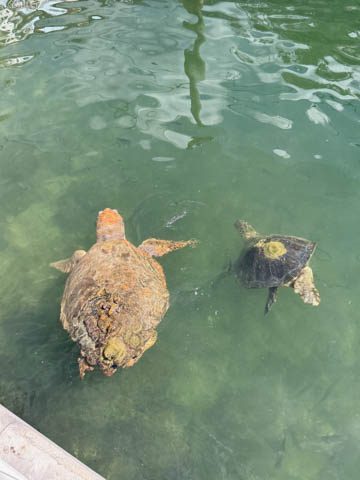
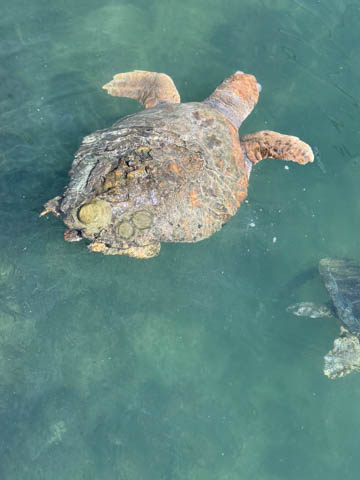
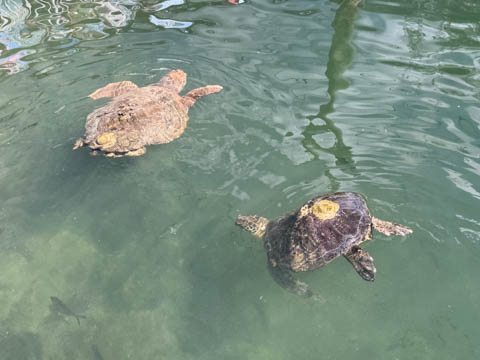
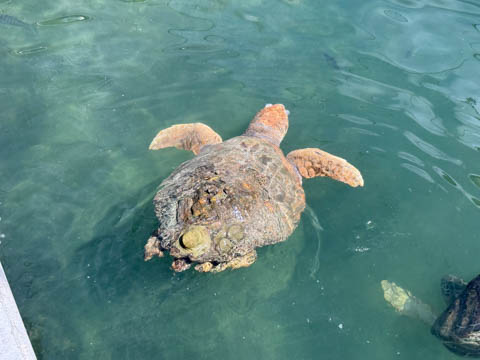
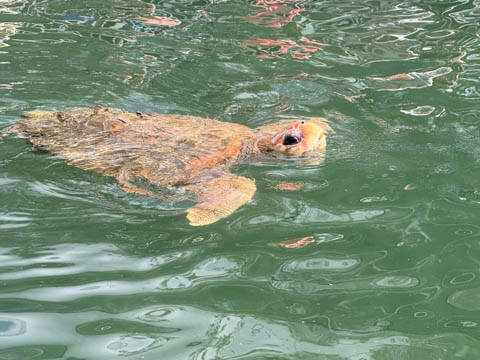
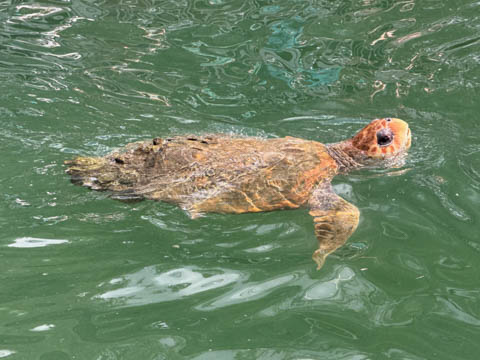
There were 7 or 8 permanent residents who couldn't be released or who weren't sent to other centers, who all lived in the large salt water pool. All of the green turtles had bubble-but and had distinctive weights glued to their shells to help with neutral buoyancy along with clearly deformed shells.
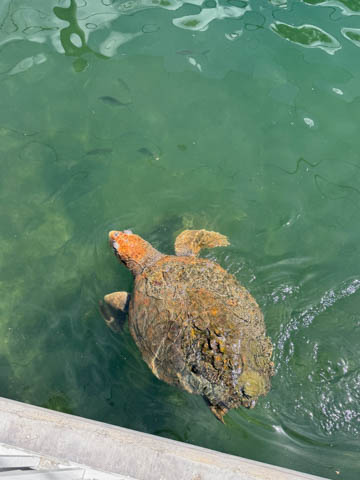
There was one loggerhead named Madea who weighed almost 200 pounds.
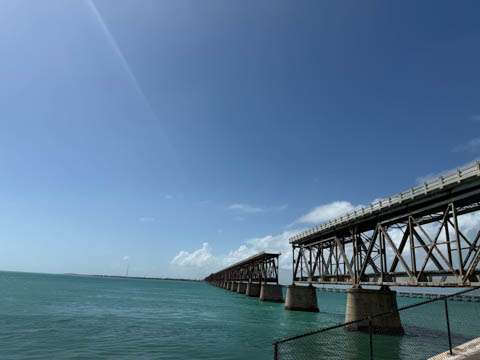
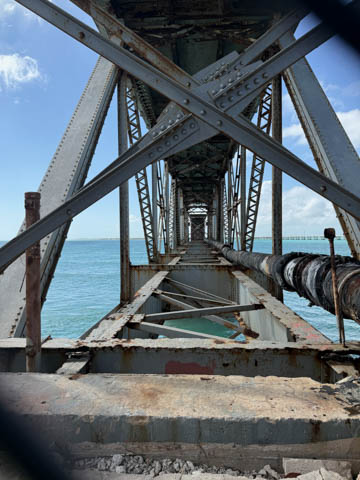
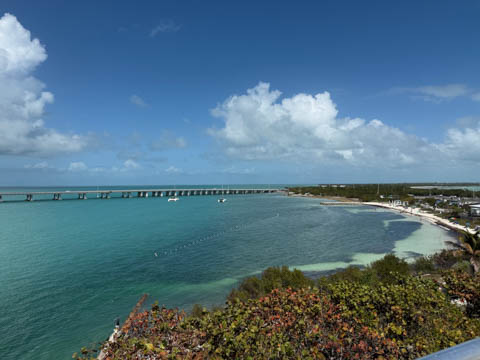
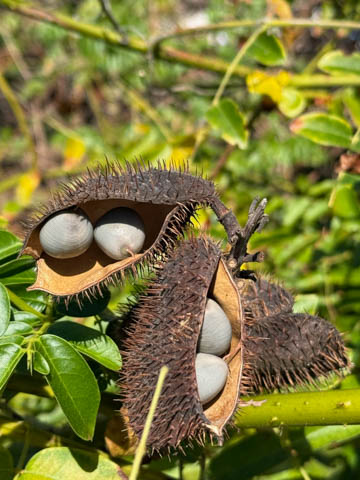
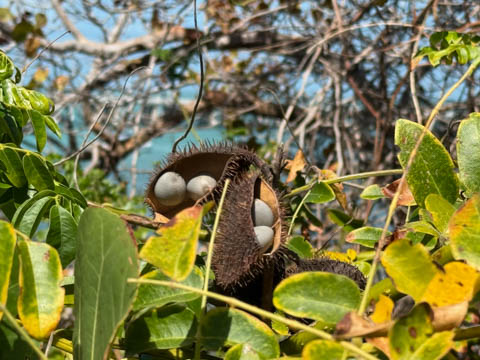
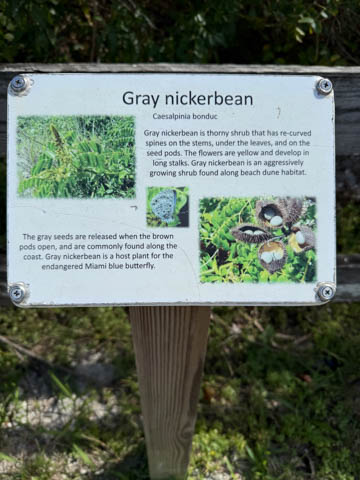
We also stopped at Bahia Honda State Park, where we were able to snorkel a bit (not very good as the tide going out created a pretty big current stirring up a lot of silt, plus there were almost no fish). We did walk around a bit, finding this older railroad trestle bridge. Found these seed pods rather interesting, which Google stated belong to a Nicker-Nut tree.
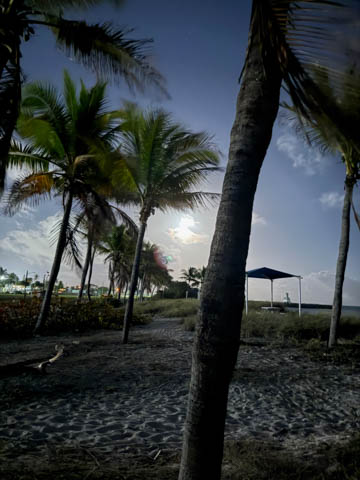
We had a room at the Navy Lodge in the Truman Annex, close to downtown Key West. After walking into tow, we wandered on the small beach before calling it a night.
|
|
|