
|
|
Use these navigation links to move between the Year 2025 pages. Specific pages can be accessed at the bottom of this page
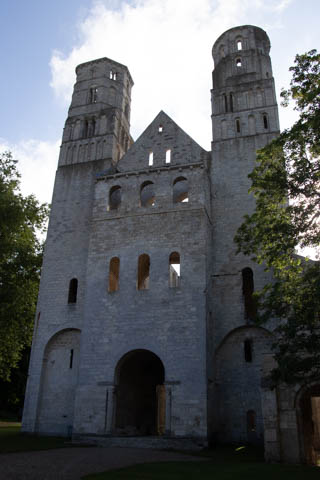
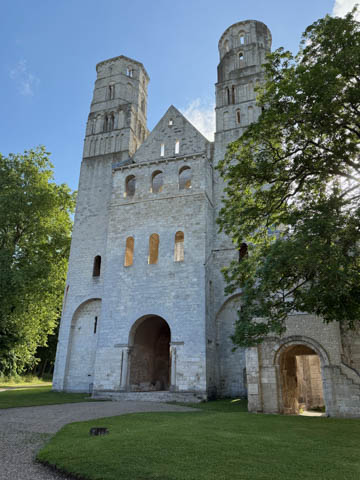
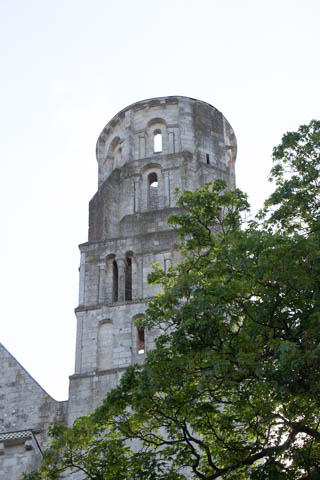
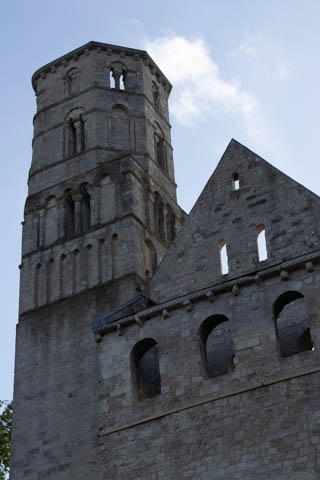
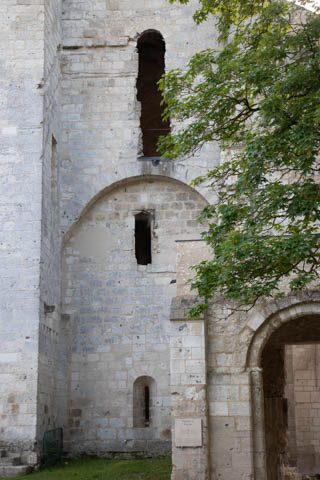
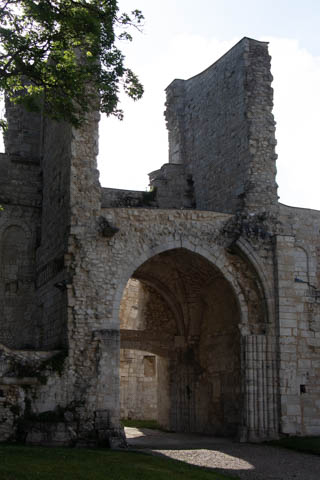
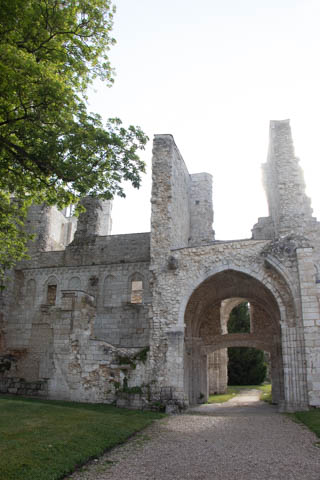
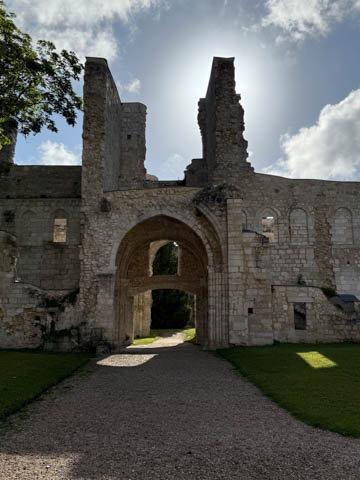
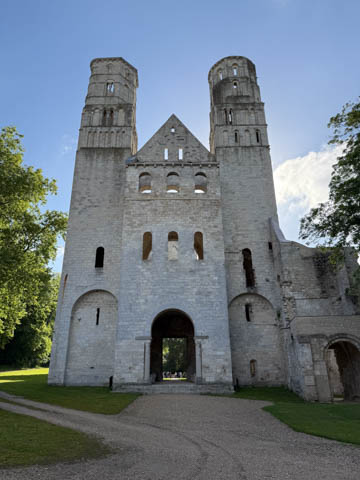
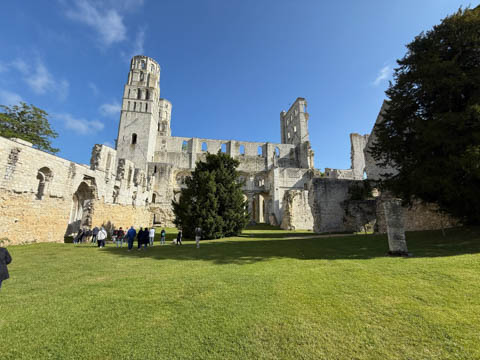
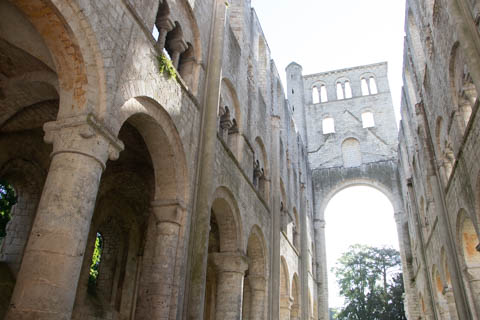
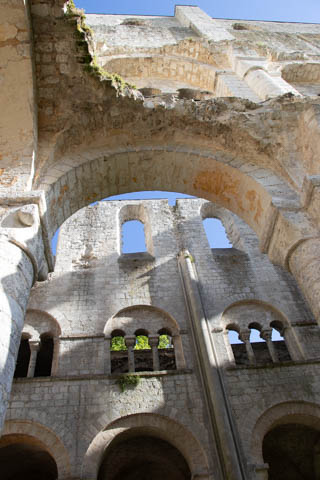
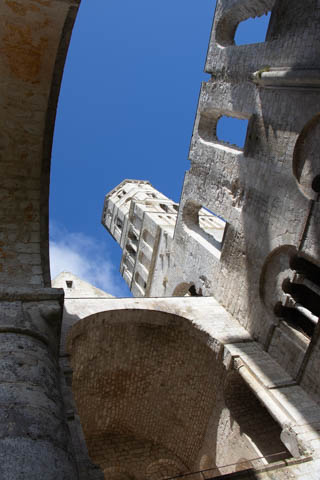
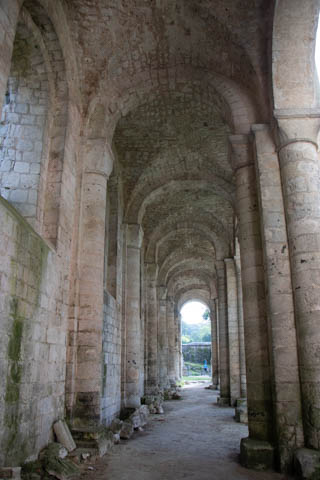
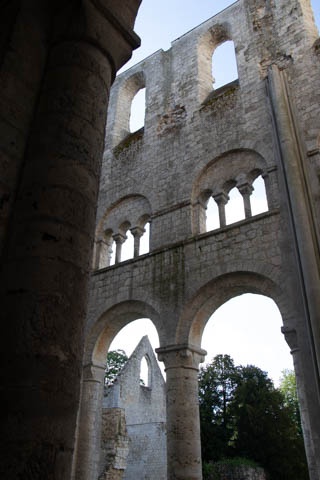
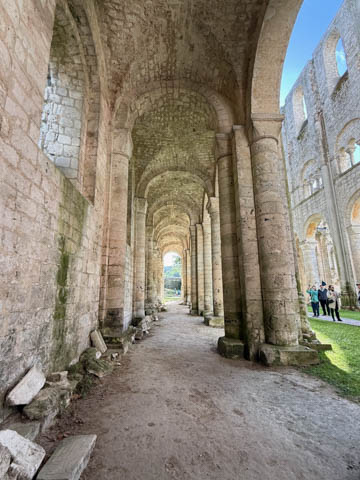
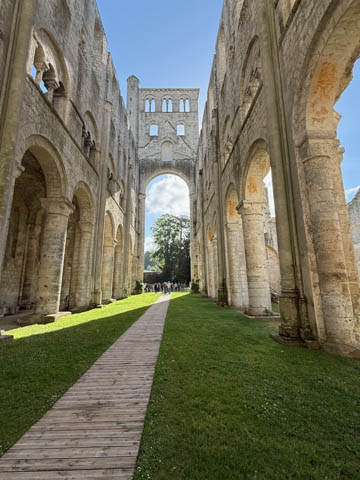
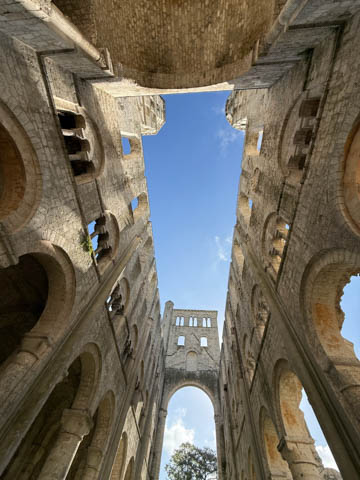
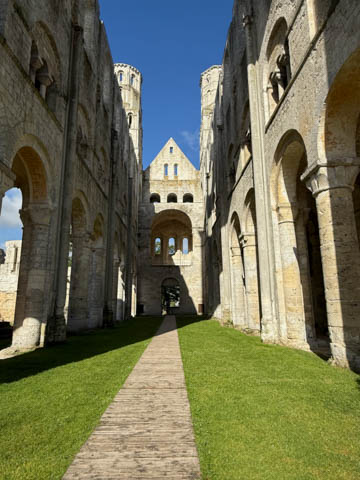
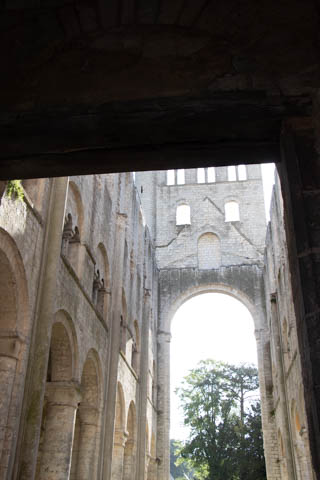
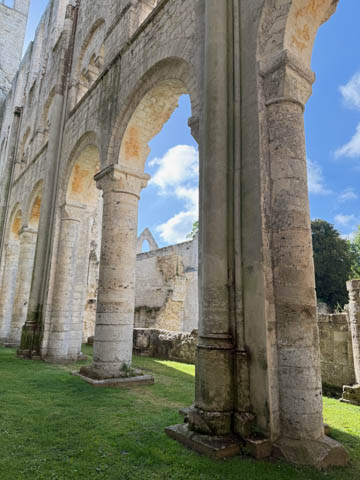
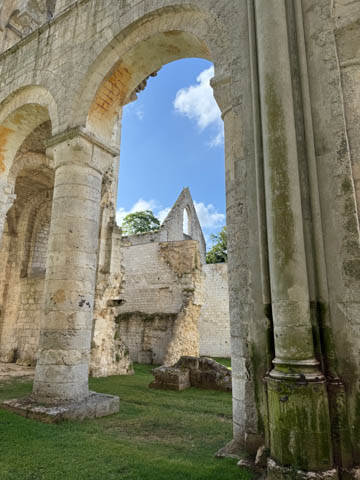
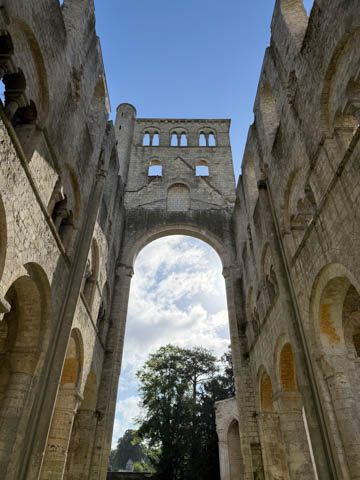
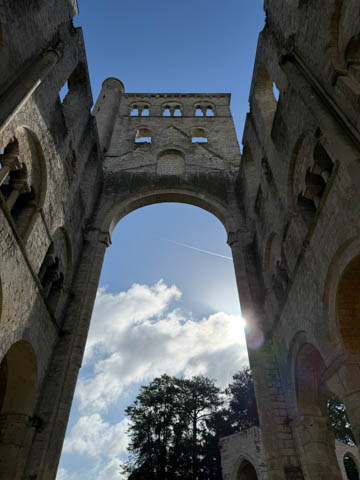
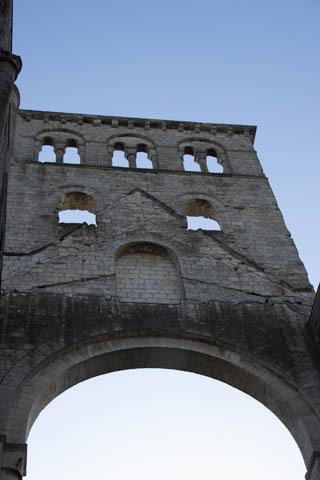
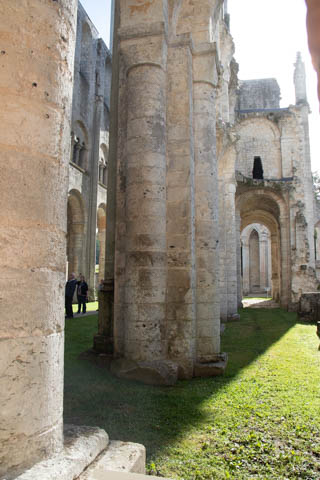
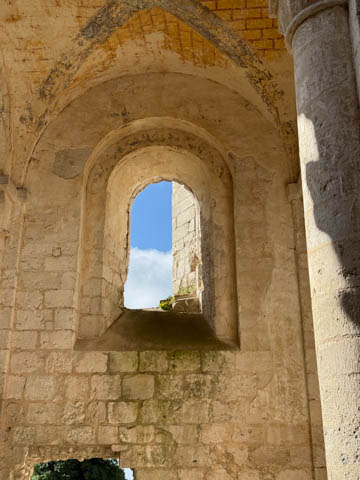
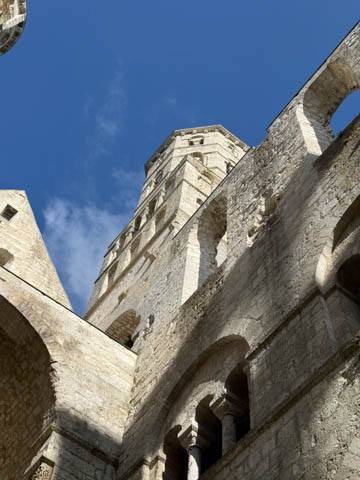
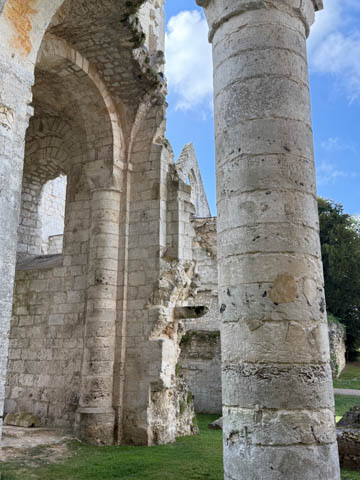
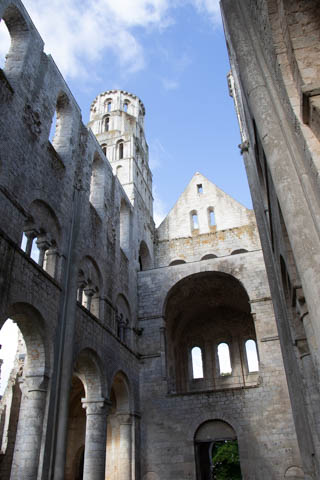
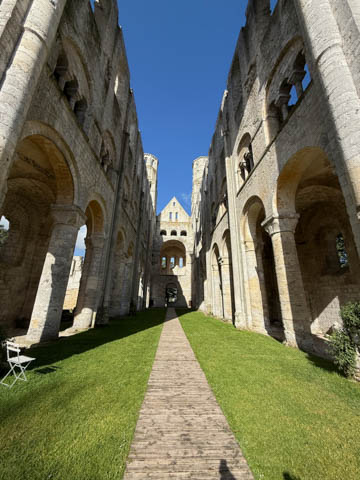
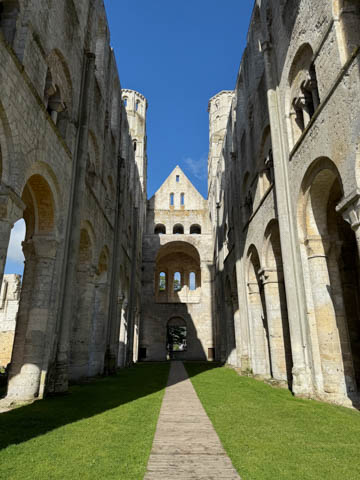
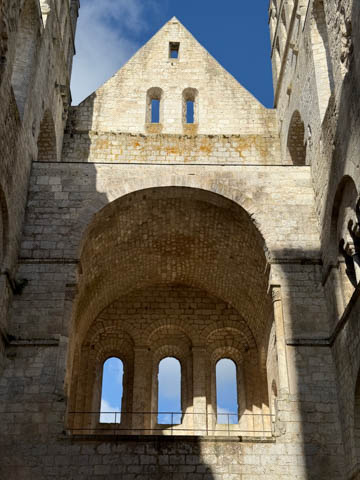
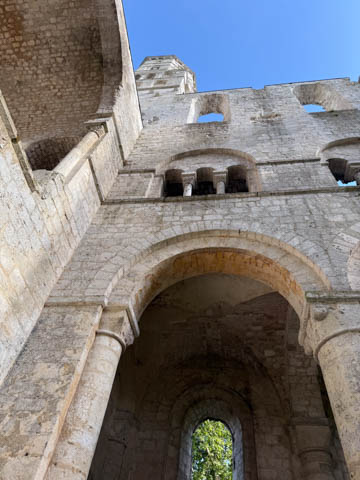
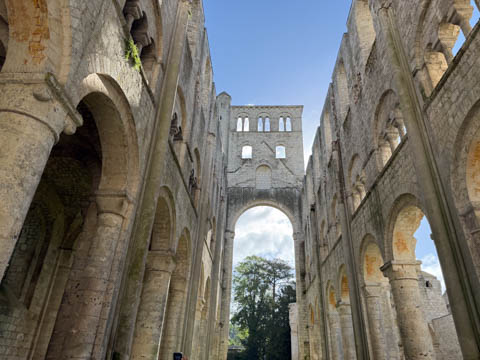
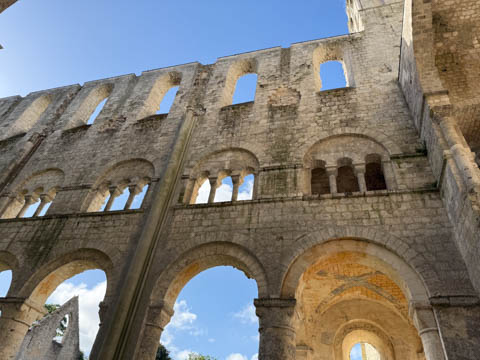
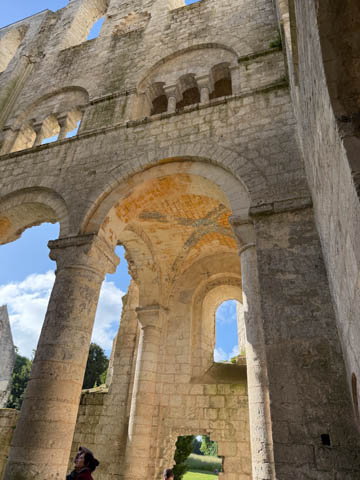
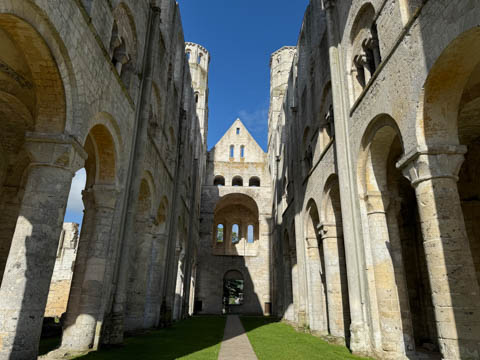
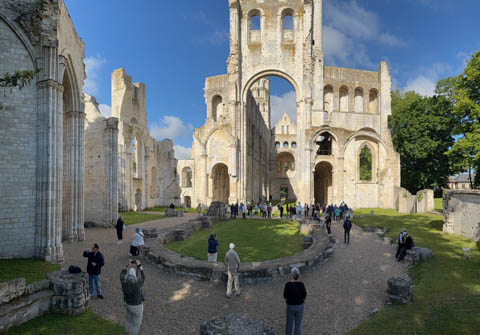
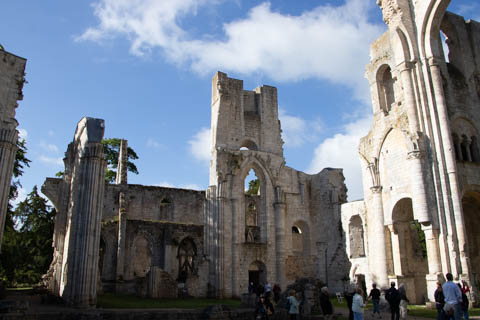
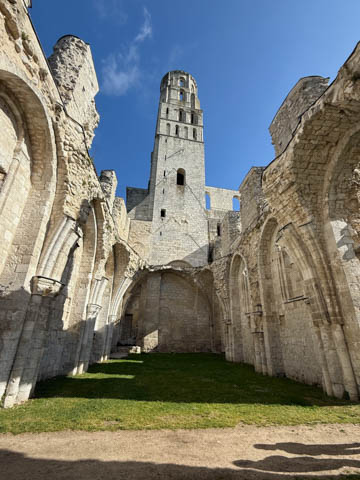
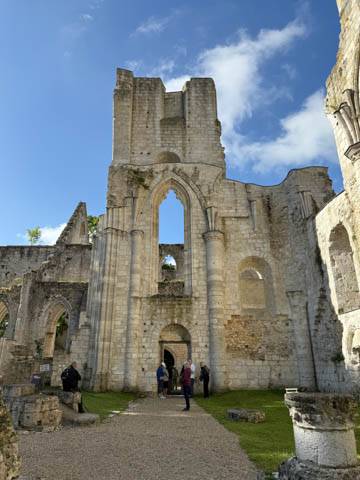
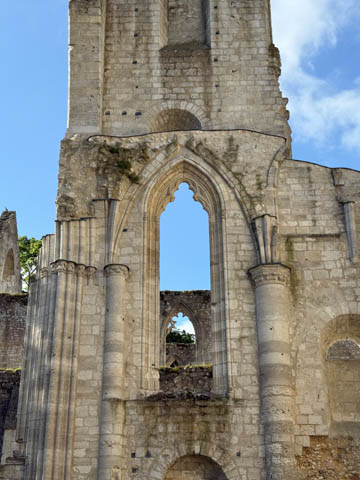
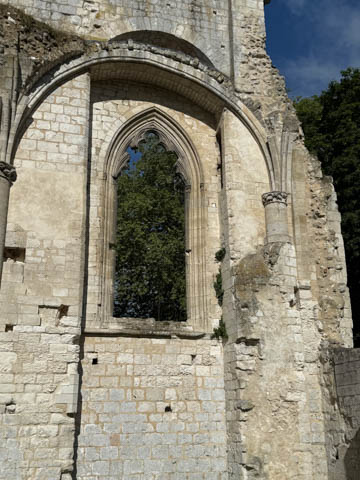
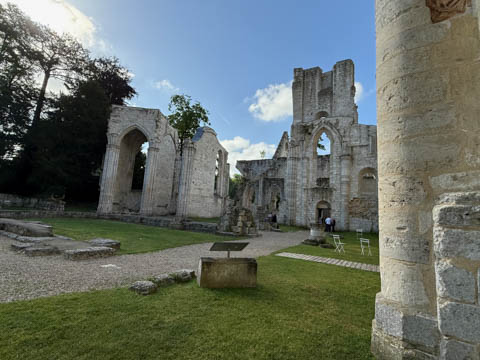
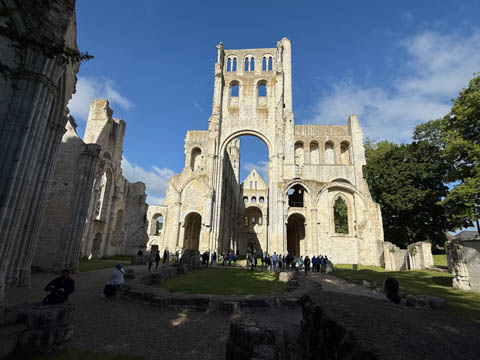
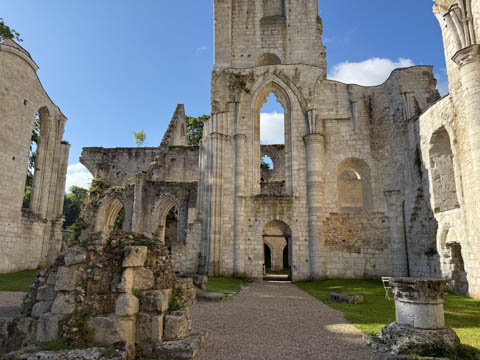
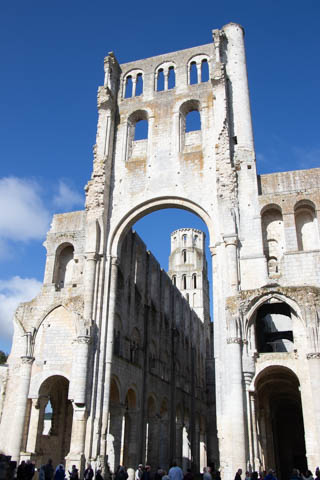
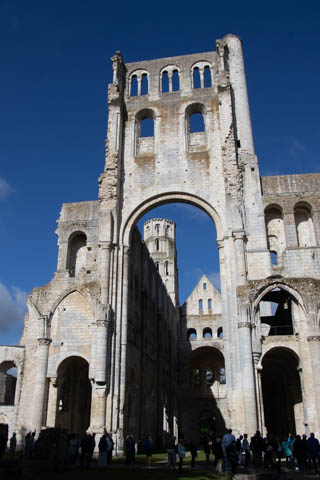
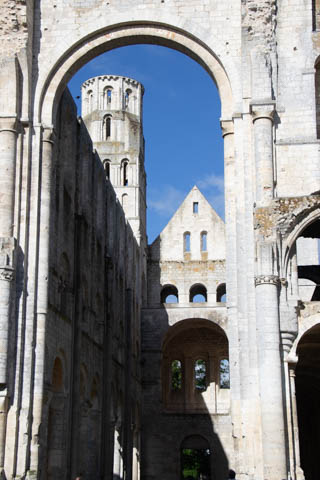
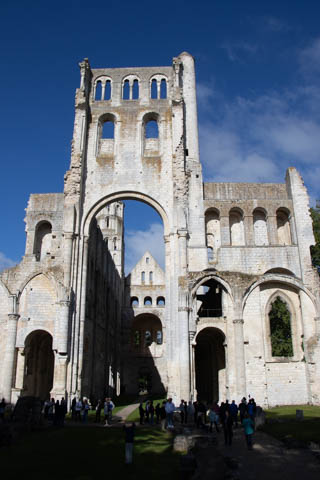
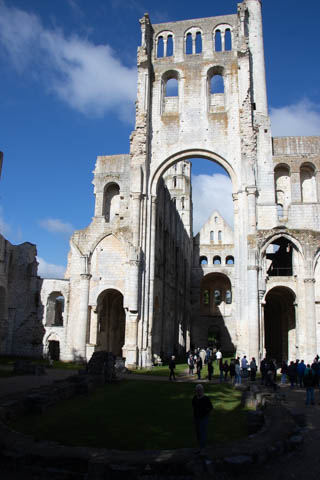
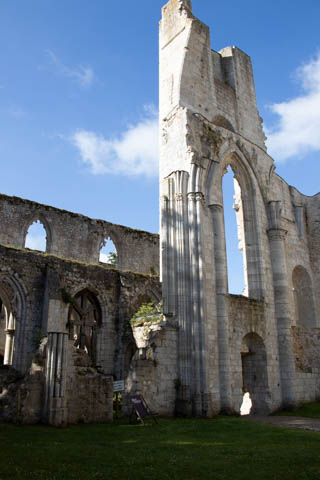
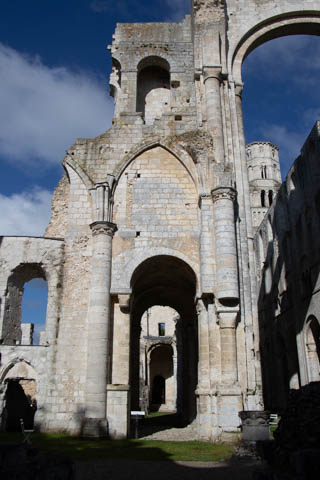
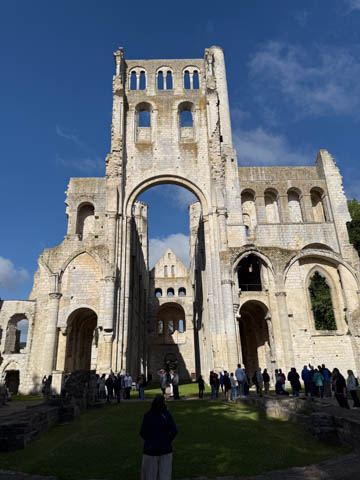
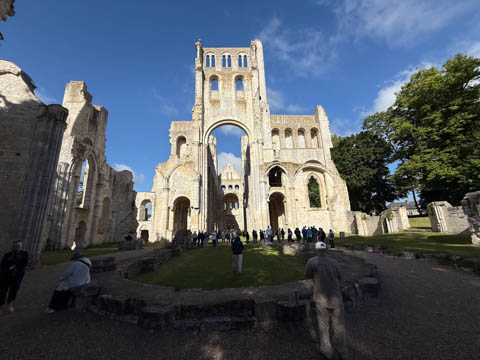
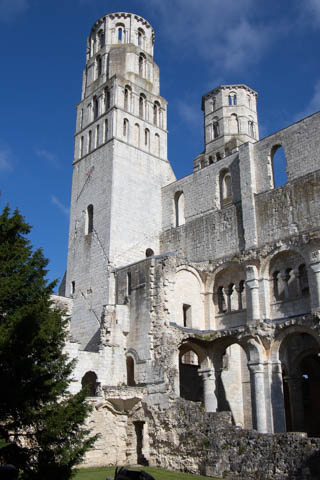
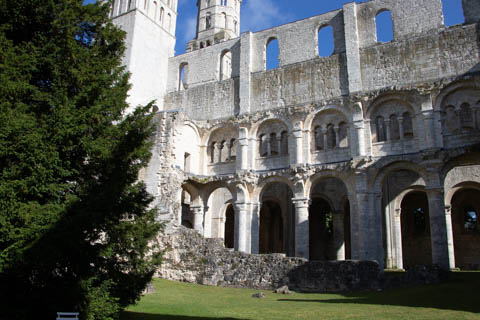
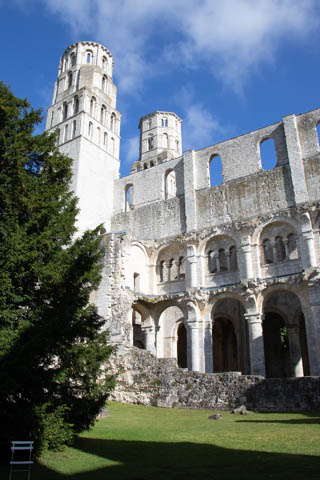
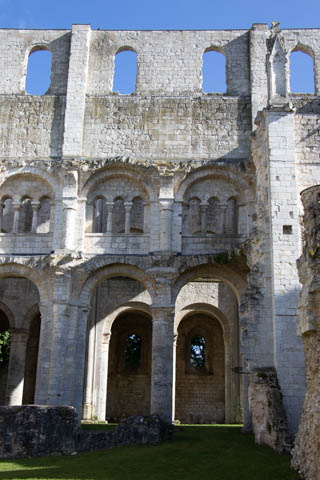
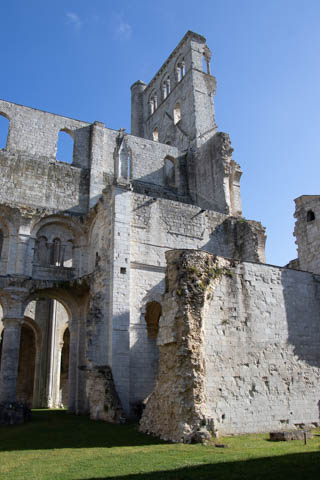
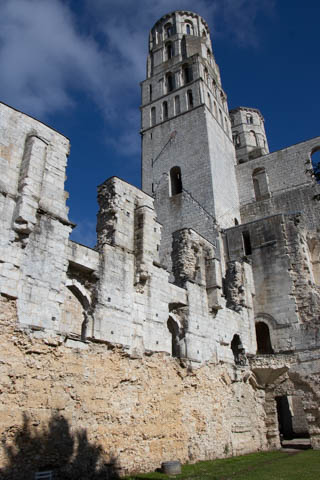
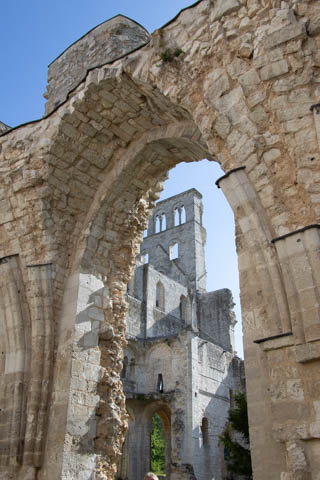
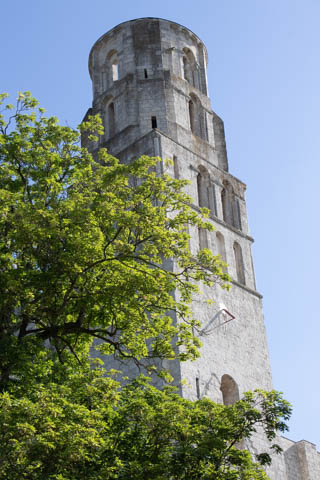
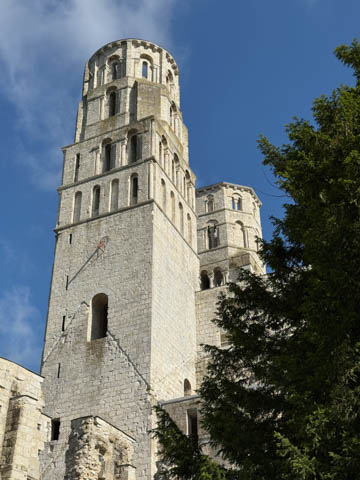
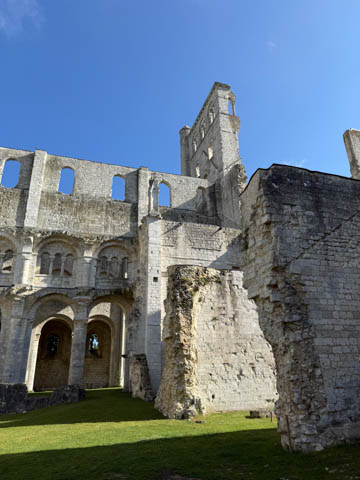
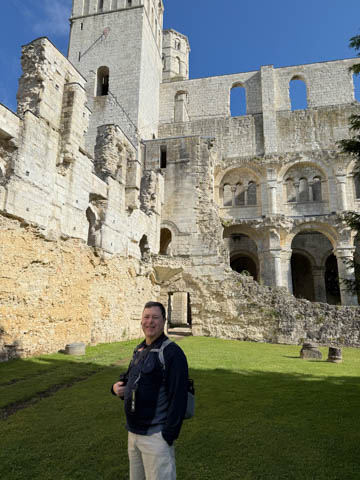
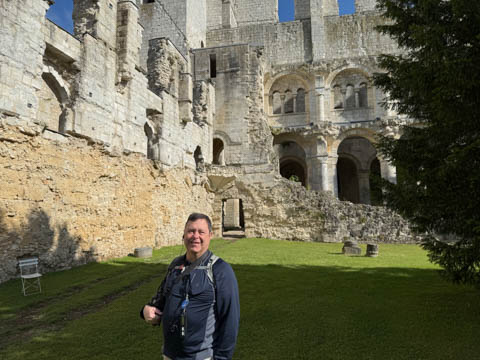
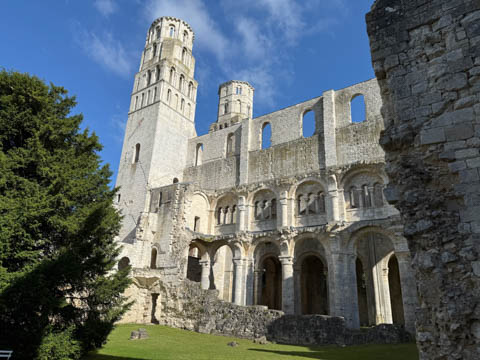
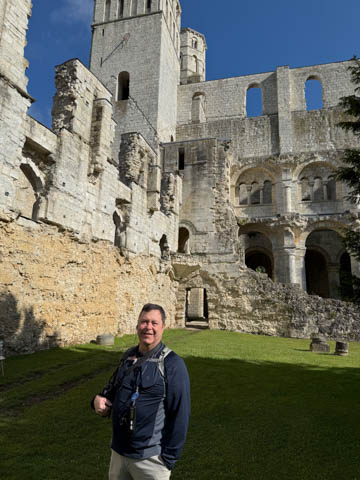
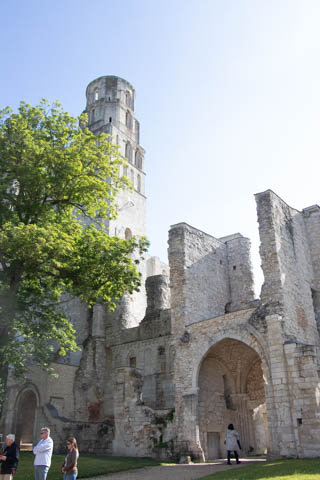
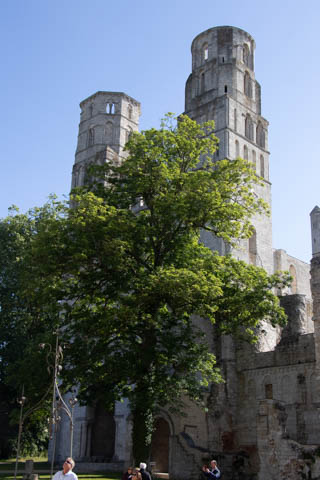
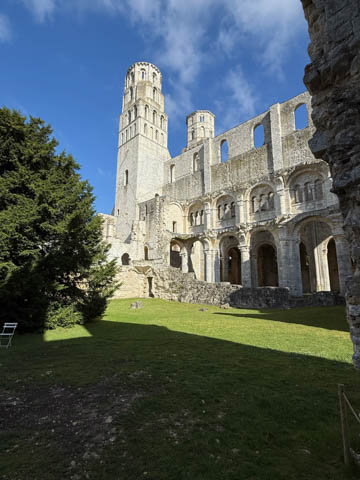
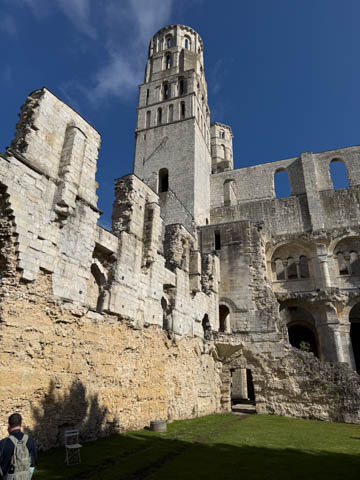
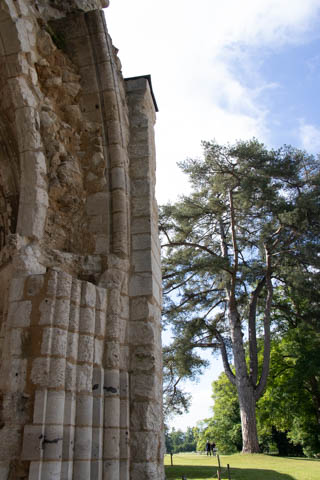
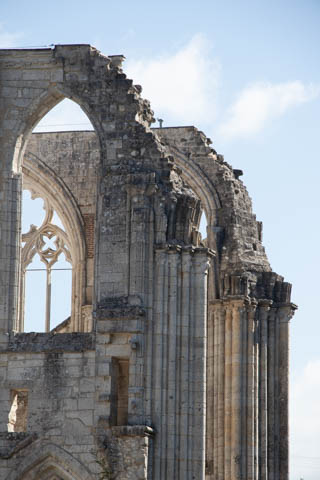
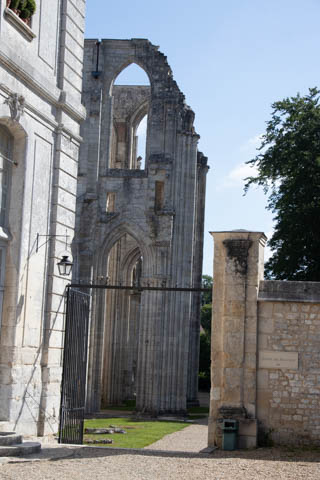
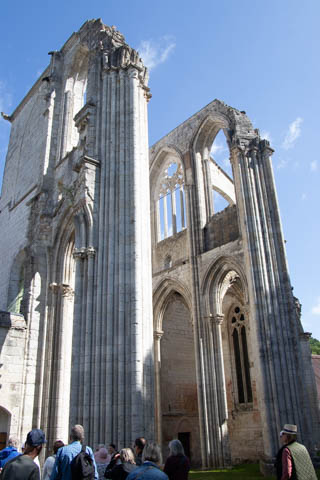
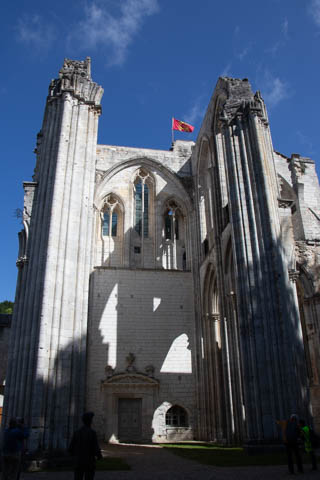
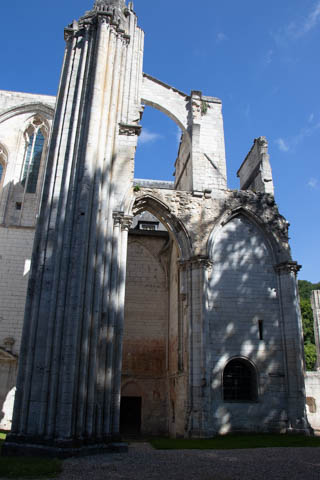
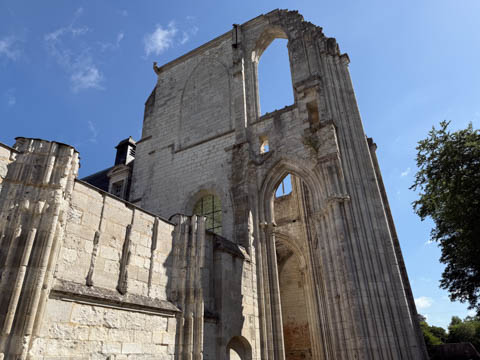
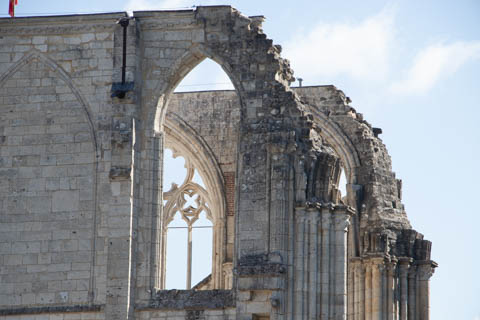
May 2025 (Part 16) France Trip: Day 7: Jumiegas and Saint-Wandrille (Fontenelle) Abbeys The next morning, we had docked in Caudebec En Caux and headed to the Jumieges Abbey (formally the Abbey of St Peter at Jumièges) a typical Norman abbey of the Romanesque period dating to the 7th century. The first abbey was founded in 654 by Saint Philibert, but was pillaged and burnt to the ground by the Vikings. It was rebuilt on a grander scale by William Longespee, Duke of Normandy, with a new Church of Notre Dame consecrated in 1067 in the presence of William the Conqueror. The church is an exceptional example of Norman Romanesque design, remarkable for its size and balanced construction. The nave, with its walls of almost 25 m, is the tallest of its period in Normandy. Its three levels (large arcades, tribunes, and upper windows of diminishing height) emphasize its monumentality. On the side of the choir is a section of wall almost as high as the towers of the facade (45 m) is what remains of the lantern tower that lit the transept. The abbey became a great centre of religion and learning, reaching its zenith in the eleventh century when it was regarded as a model for all the monasteries of the province and held over a thousand monks. It was renowned especially for its charity to the poor. The church was enlarged in 1256, and again restored in 1573. The fortunes of the abbey suffered somewhat through the English invasion of the fifteenth century. The French Revolution, however, ended its existence as a monastery, selling it for use as a stone quarry for 25 years, leaving only impressive ruins of a third of the original buildings. The places related to the lives of the monks and the original cloister are gone. The remaining structures comprise the Church of Notre Dame, with its beautiful twin towers and western façade; ruins of the church of Saint-Pierre (built in the Carolingian Period); the residence of the Abbot constructed around 1670; and portions of the cloisters and library, the contents of which were removed to Rouen when the abbey was dissolved. In the middle of the former cloister, there is still the 500-year-old yew tree.
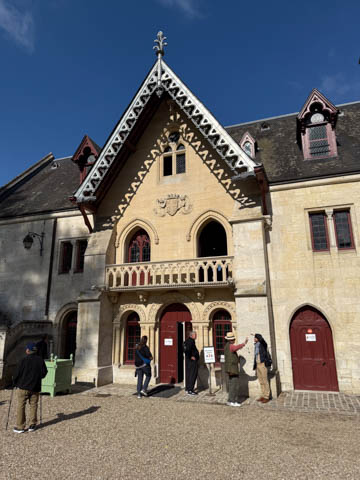
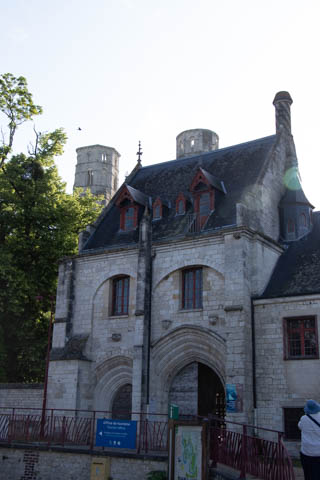
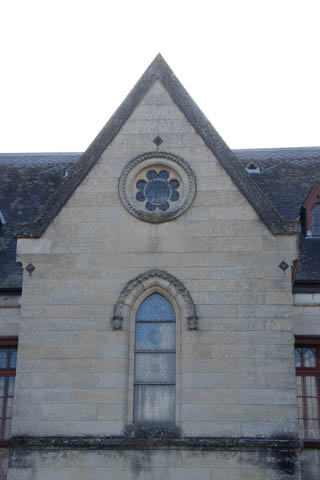
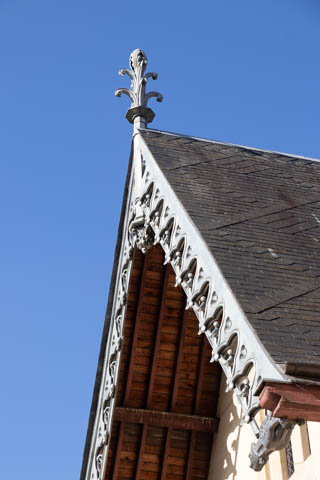
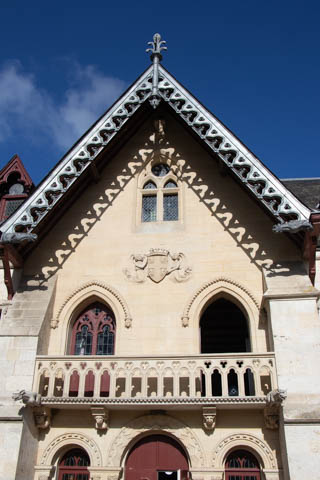
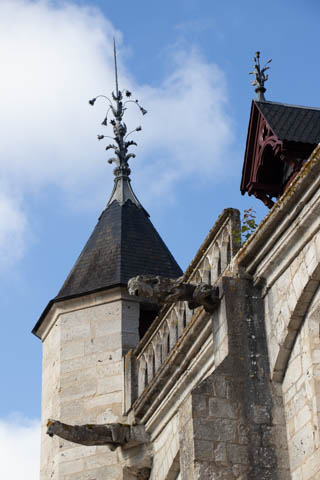
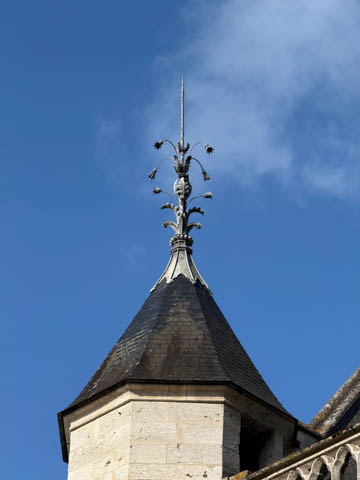
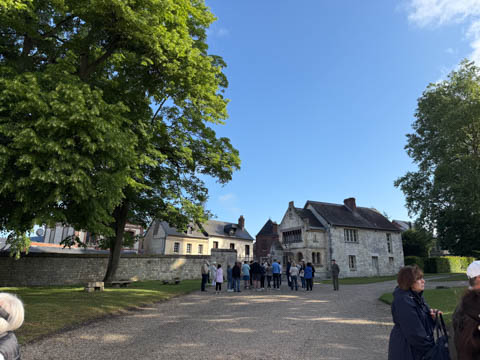
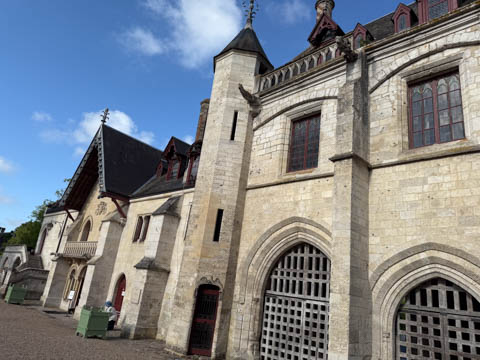
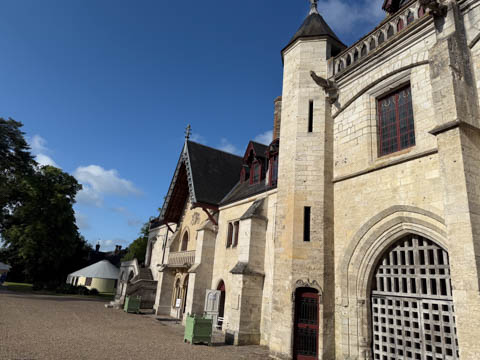
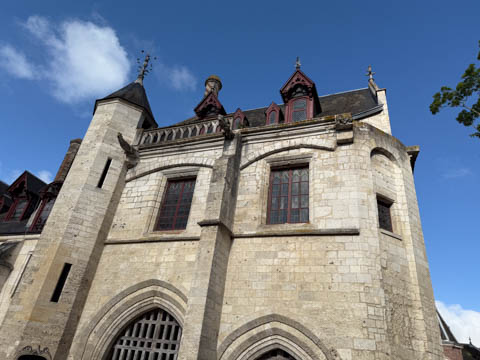
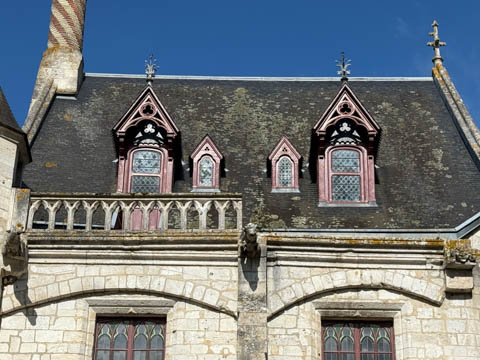
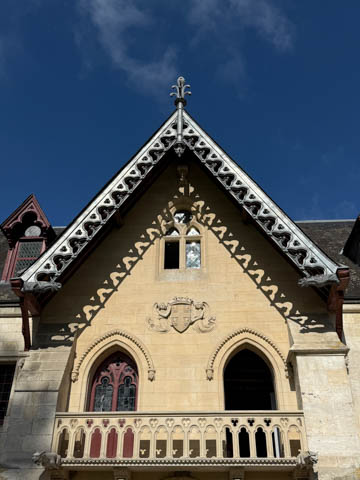
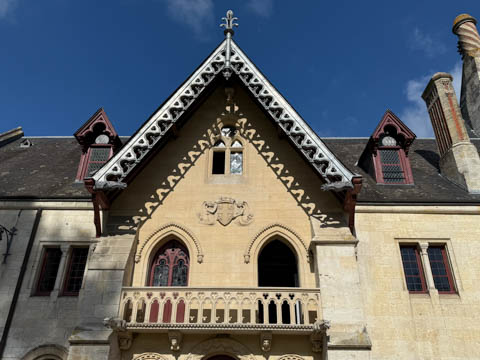
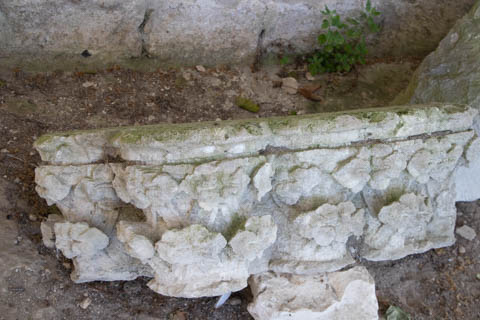
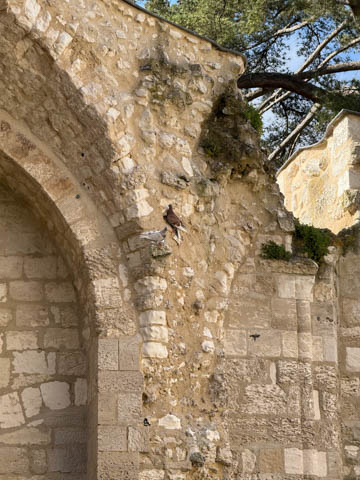
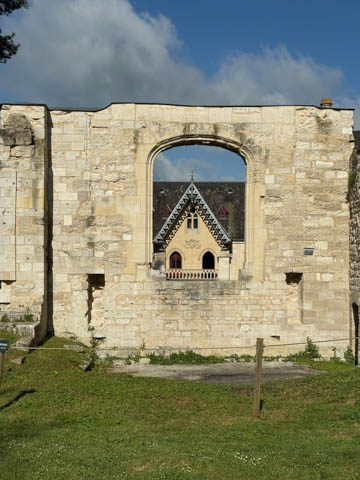
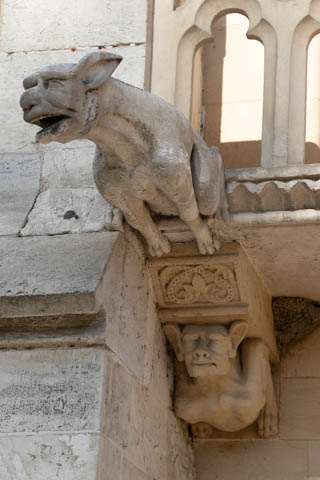
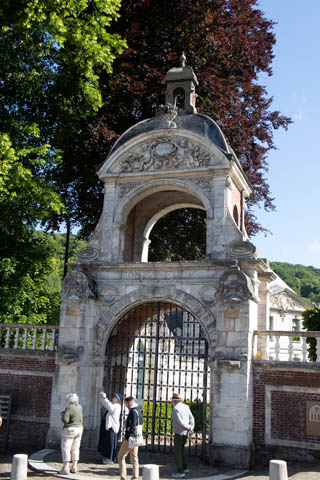
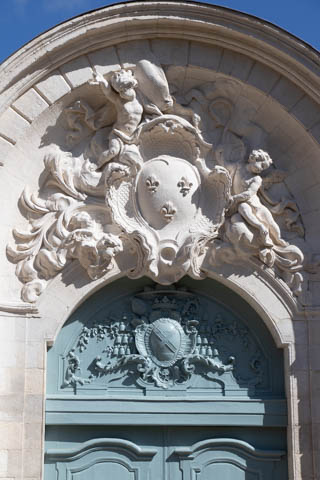
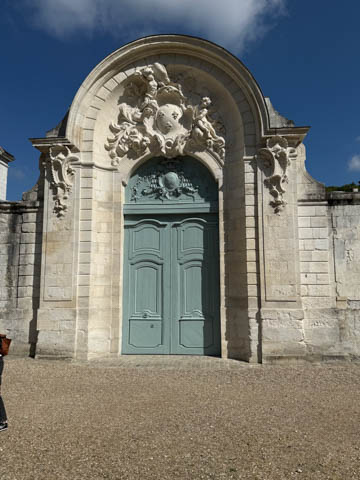
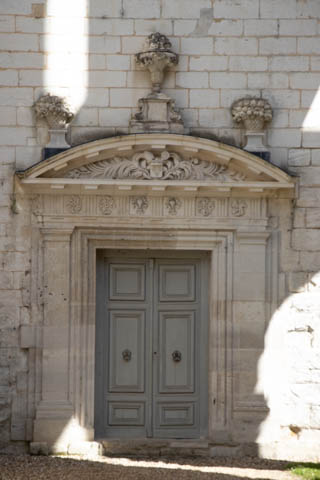
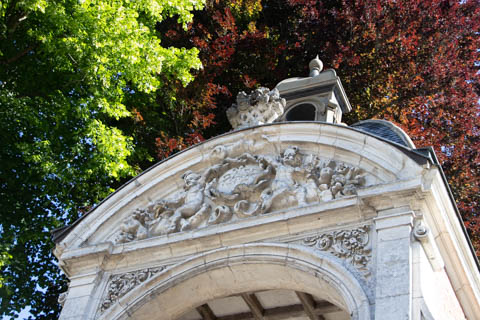
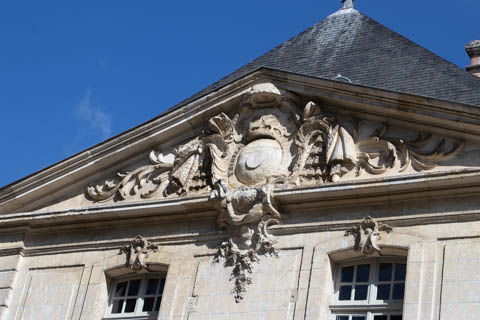
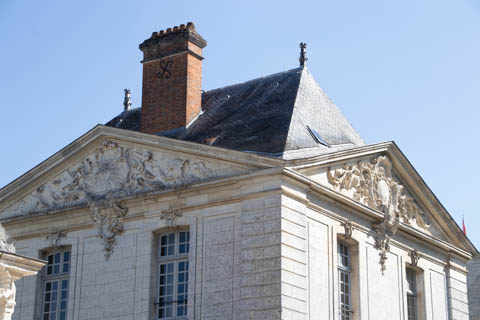
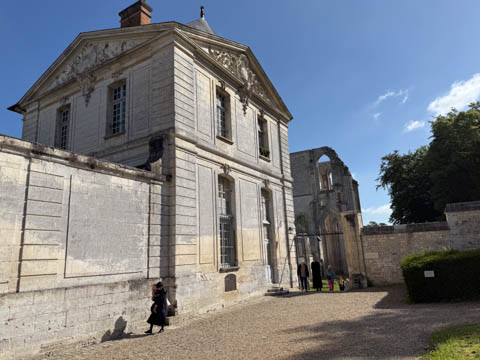
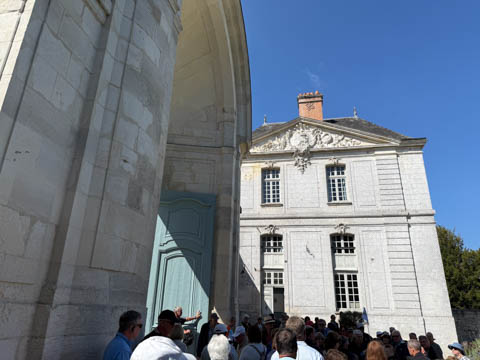
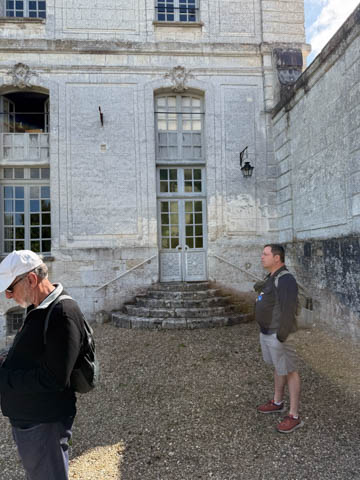
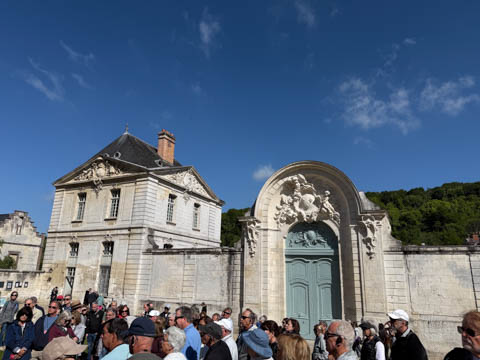
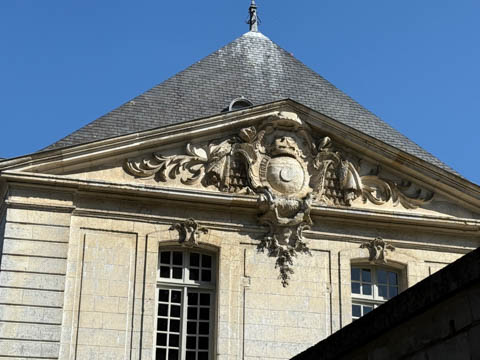
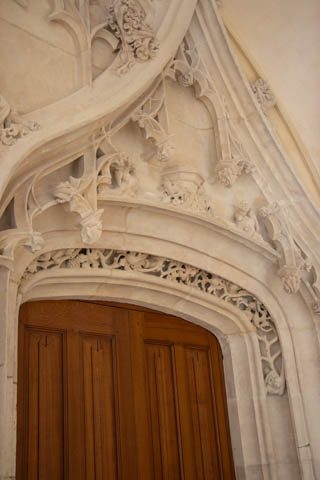
Loved the details on the "more modern" likely administration building outside the abbey ...
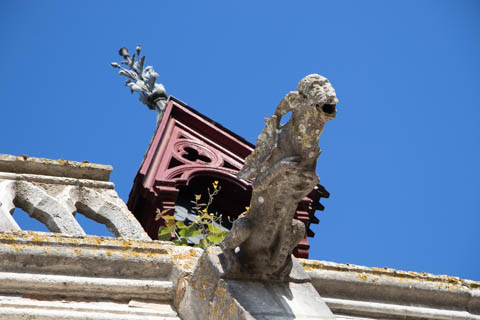
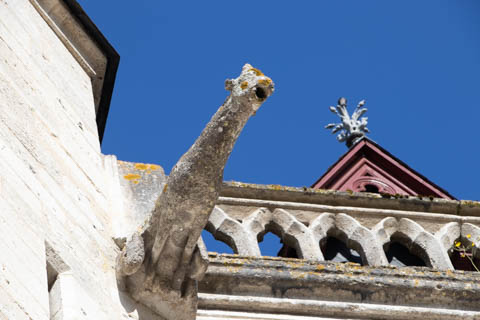
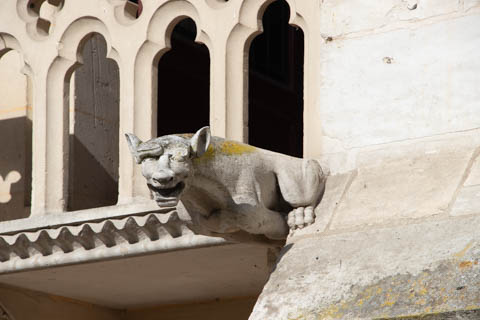
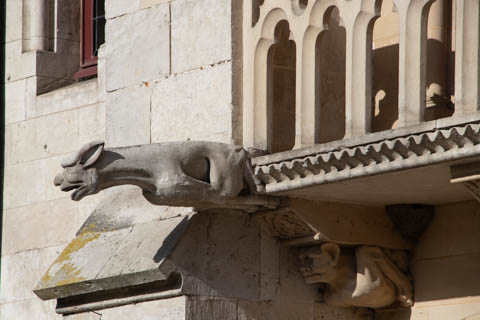
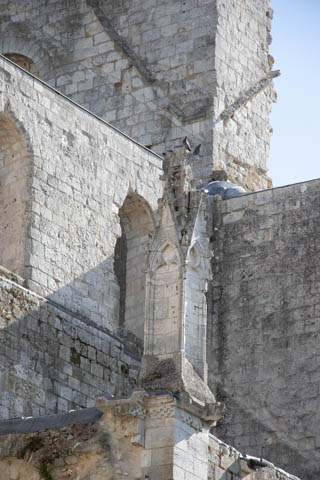
... and the gargoyles.
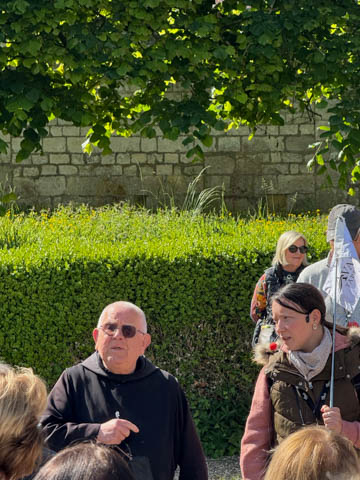
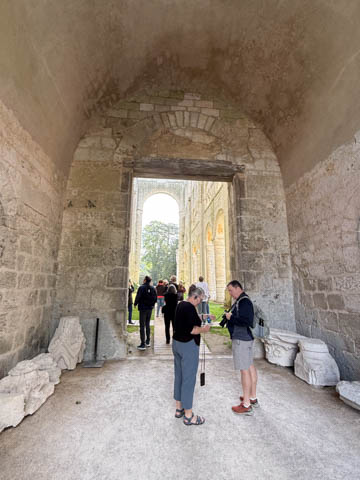
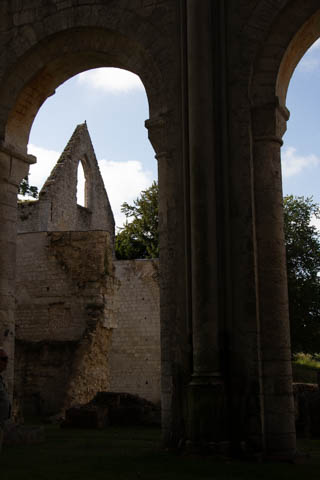
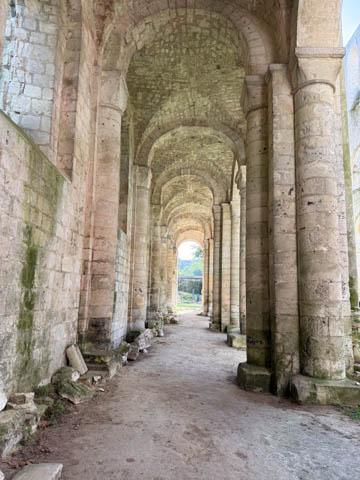
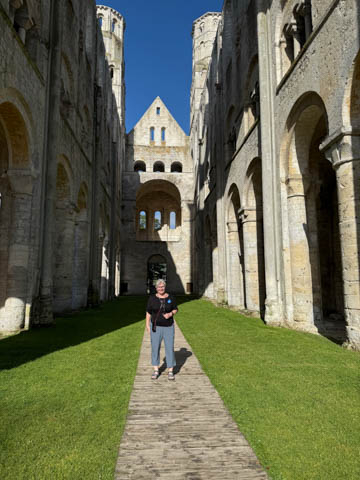
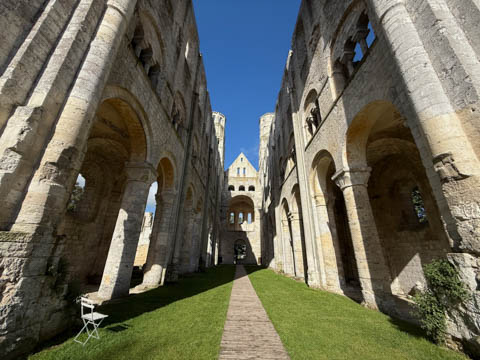
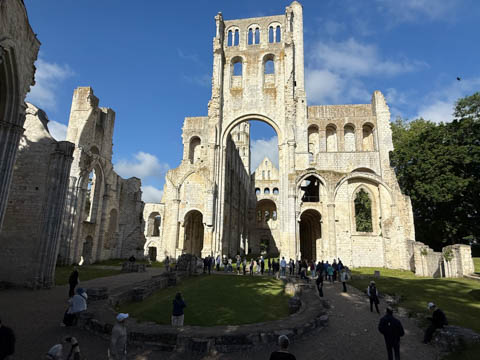
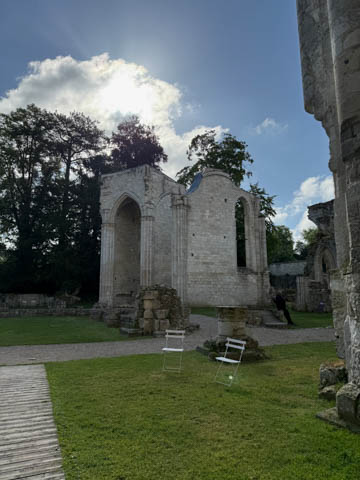
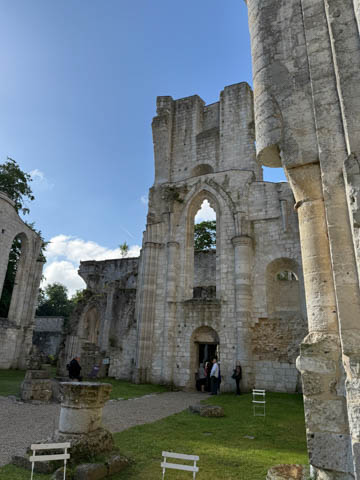
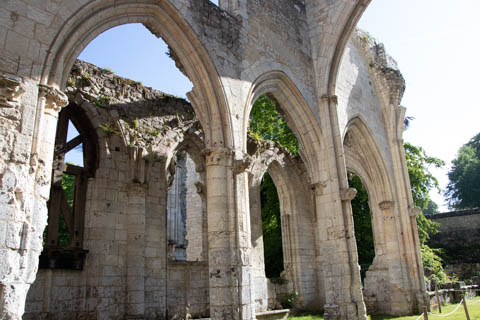
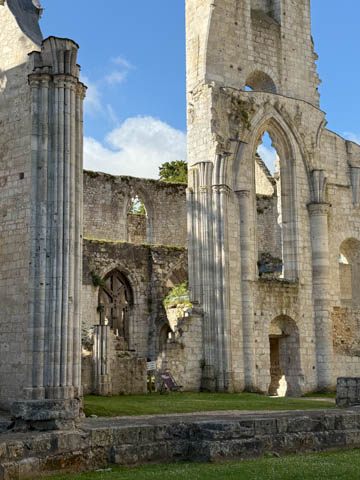
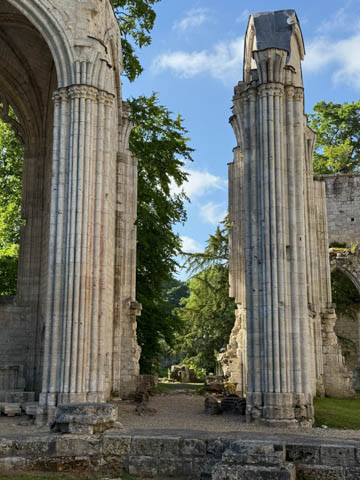
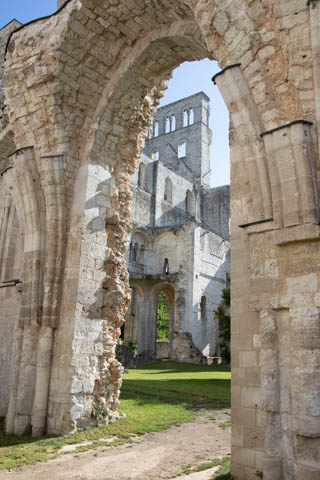
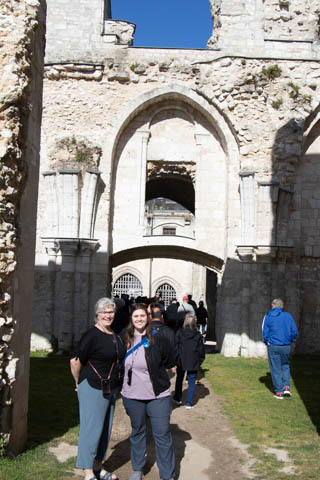
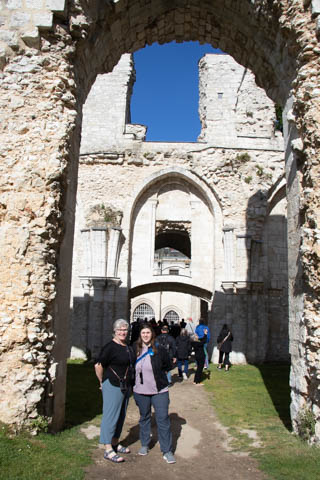
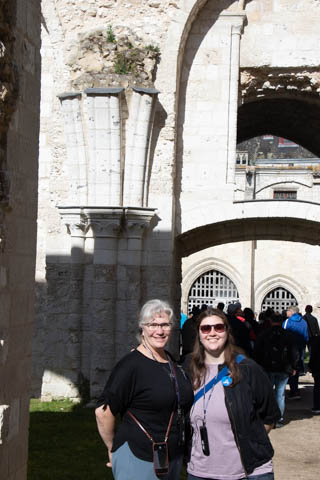
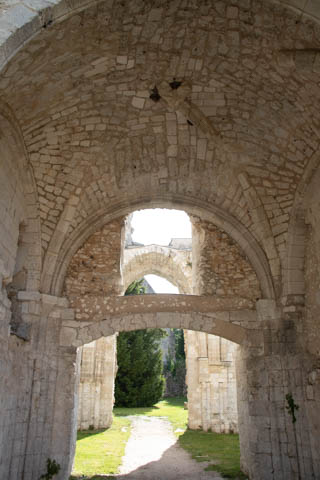
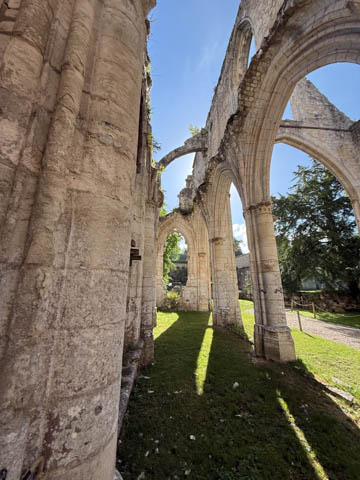
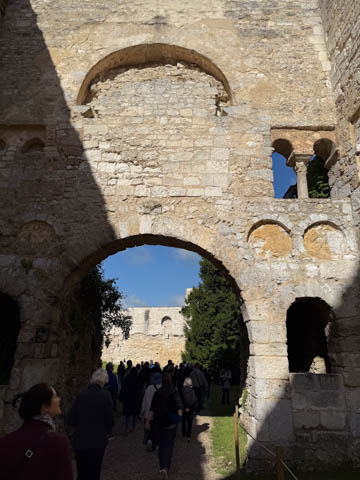
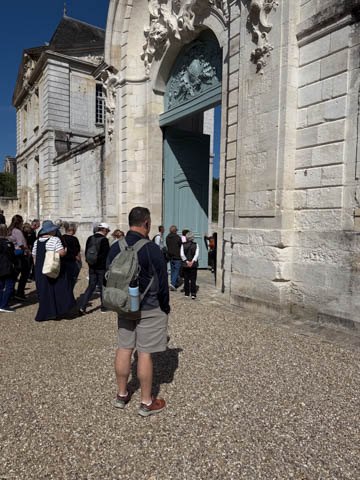
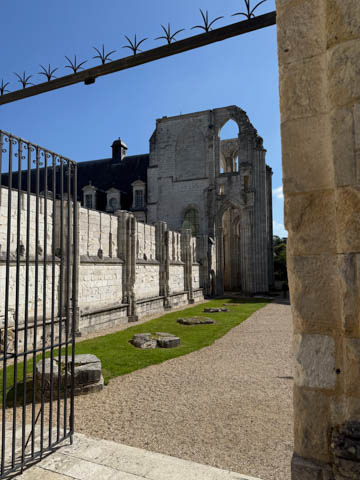
We were greeted by the Abbot, Father Lucien, who we can best describe as a jolly man. He discussed the history of the abbey and took us through the ruins. To the left were the stunning ruins of the Romanesque Church, with ruined walls extending to the right.
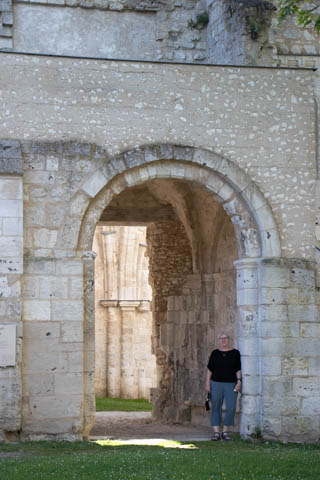
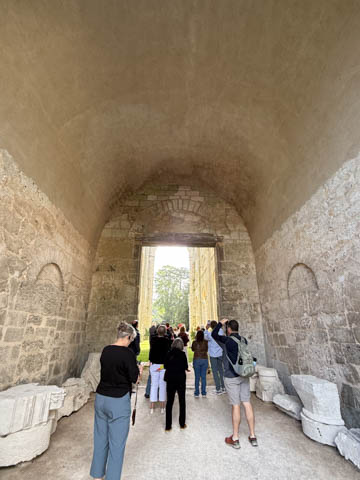
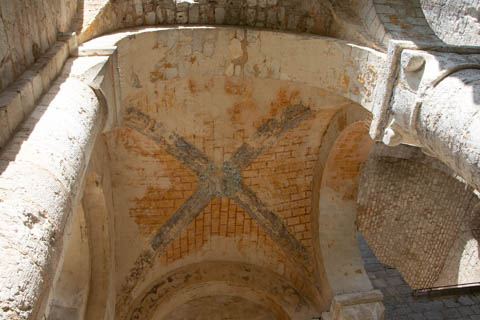
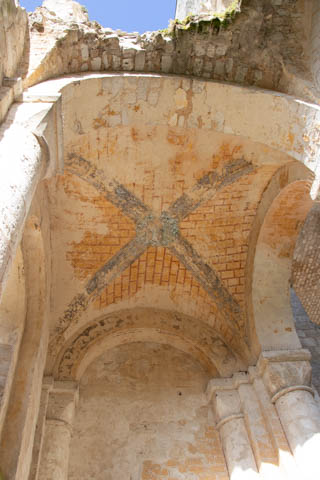
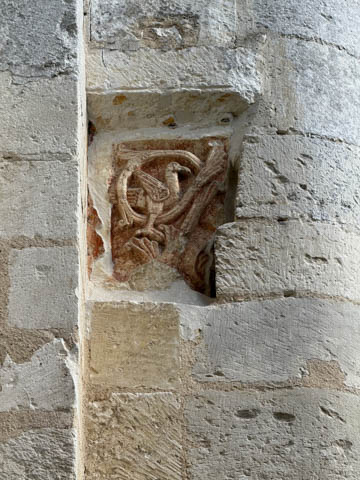
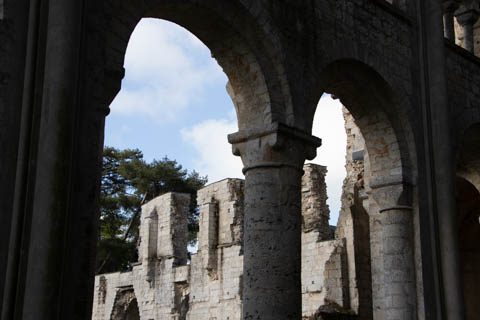
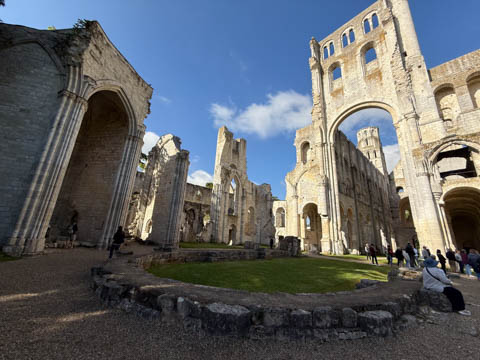
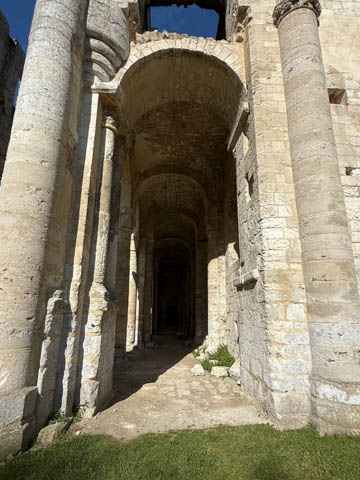
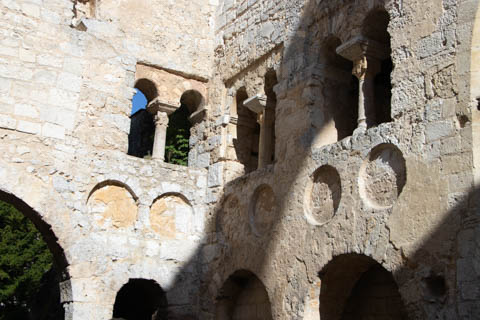
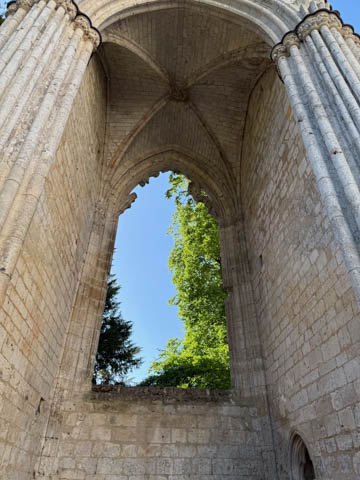
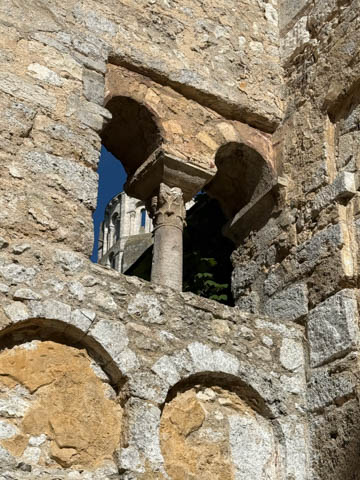
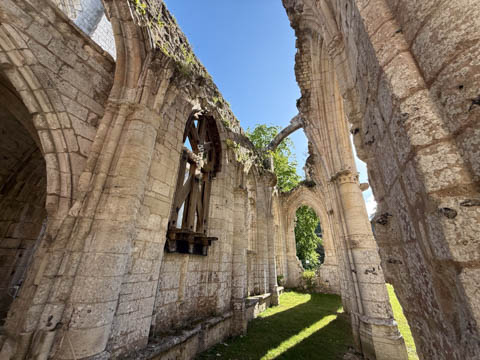
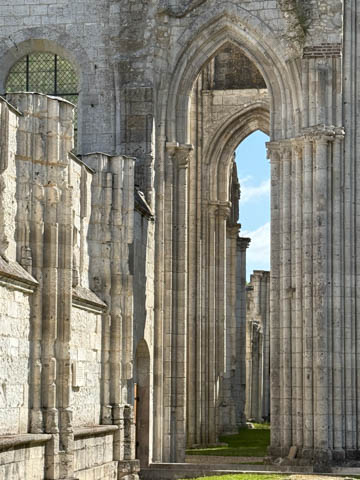
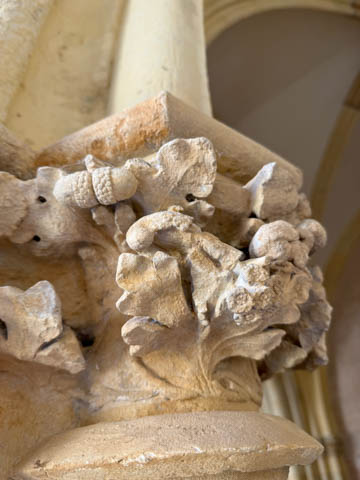
We entered the ruins of the huge church first. Remains of painted decoration dating to the 13th and 16th centuries are still visible in the side aisles and on certain capitals.
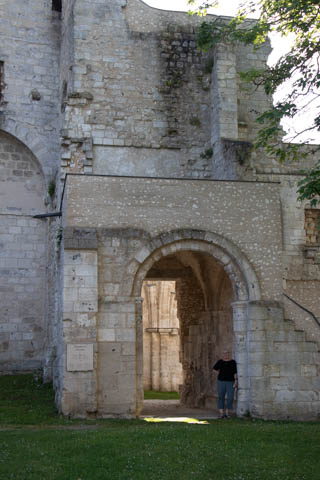
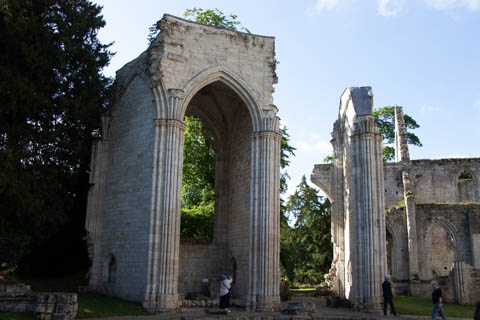
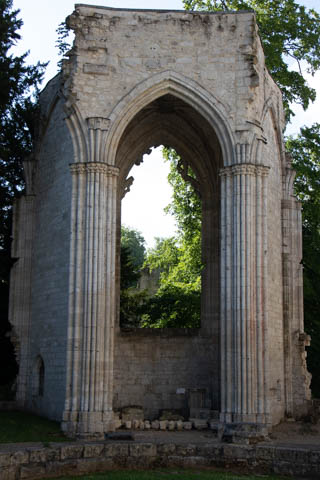
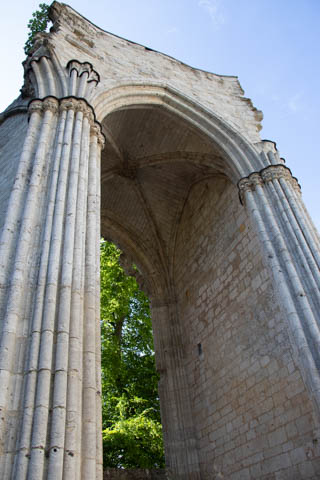
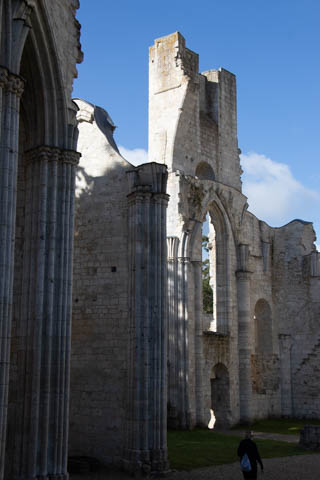
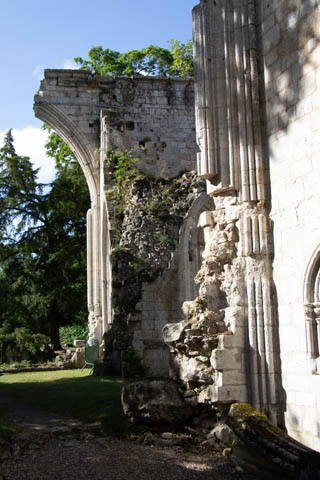
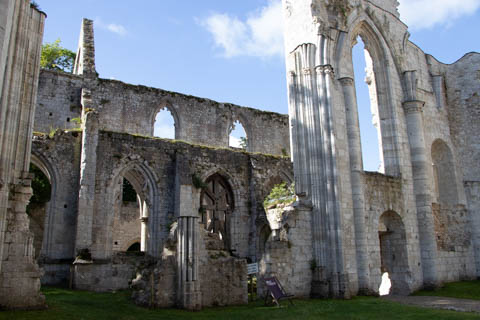
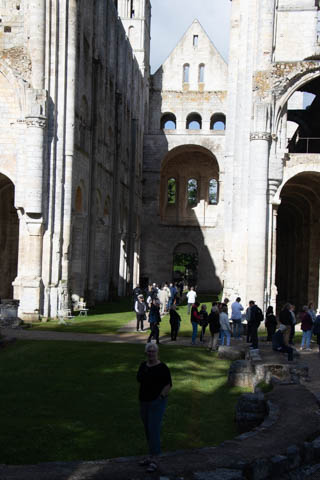
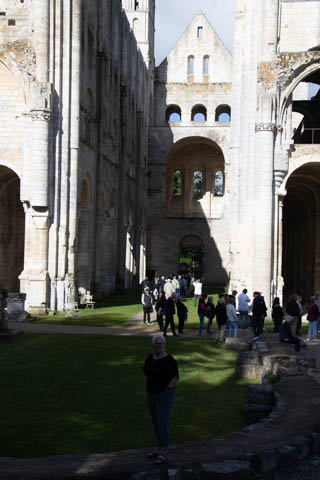
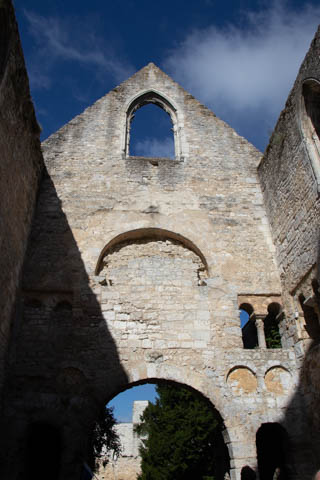
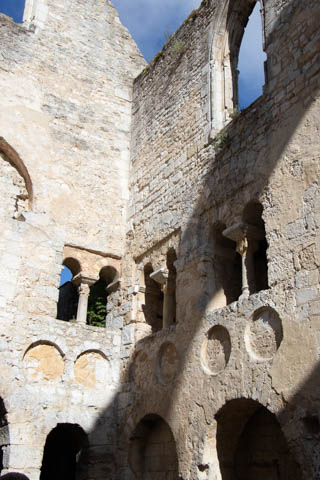
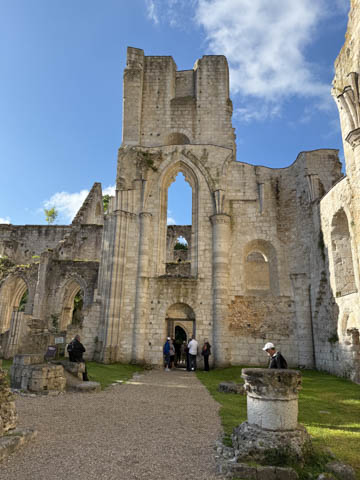
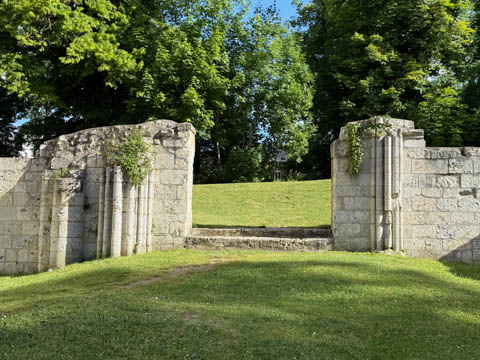
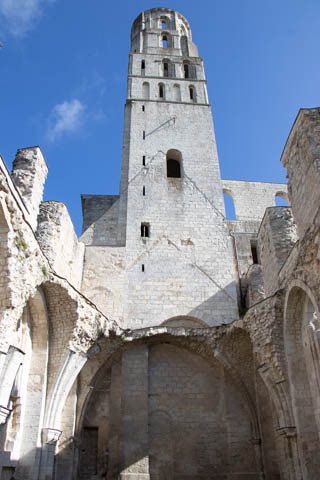
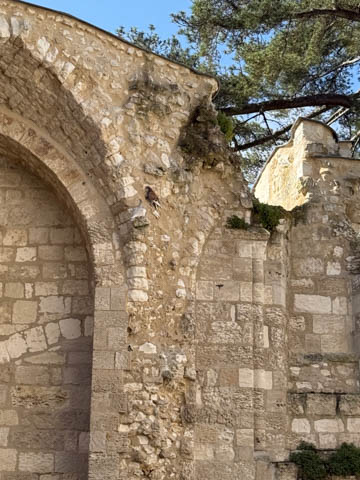
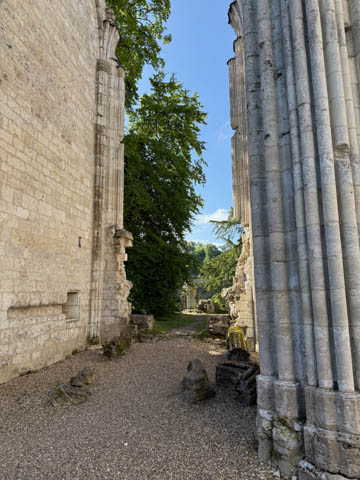
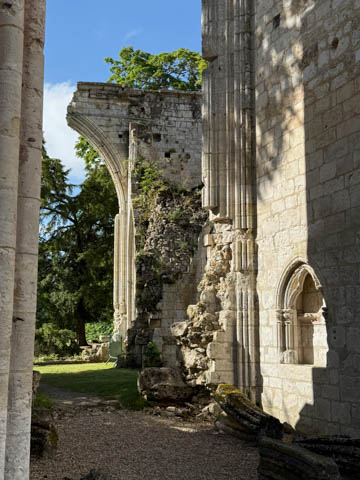
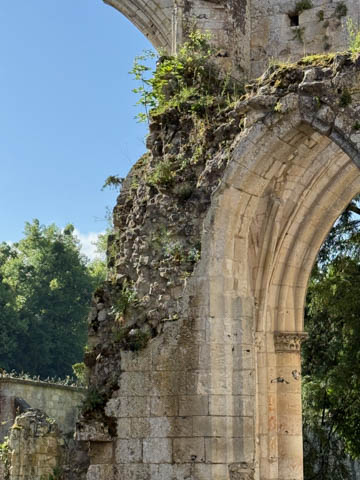
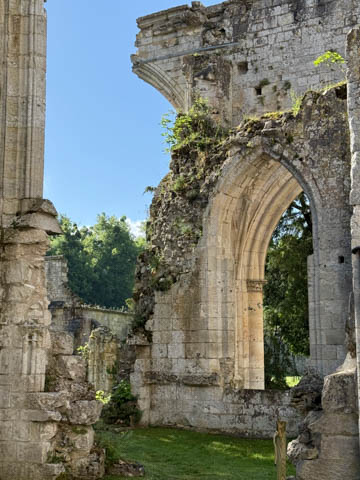
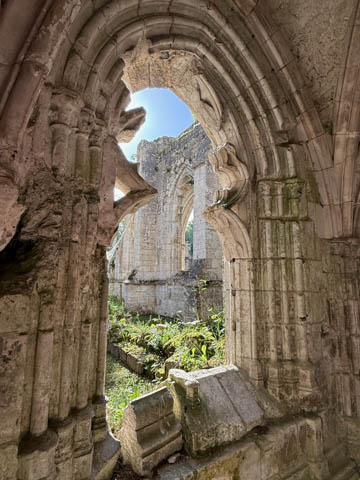
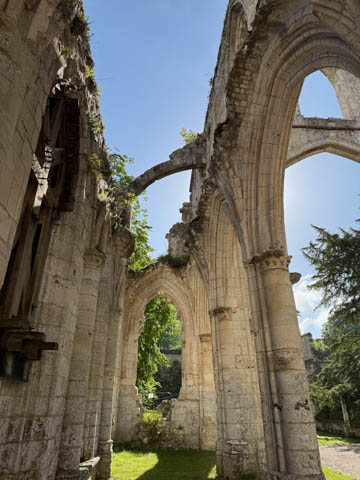
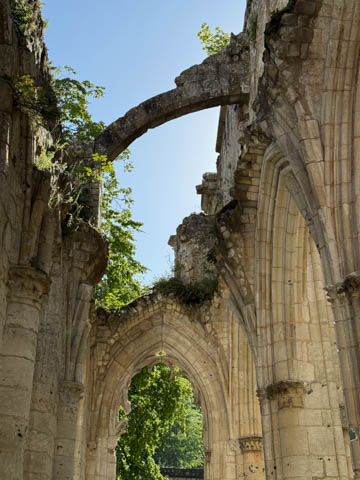
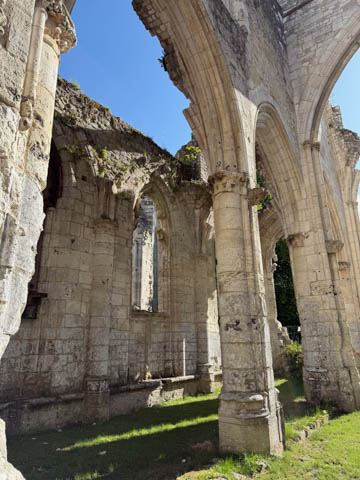
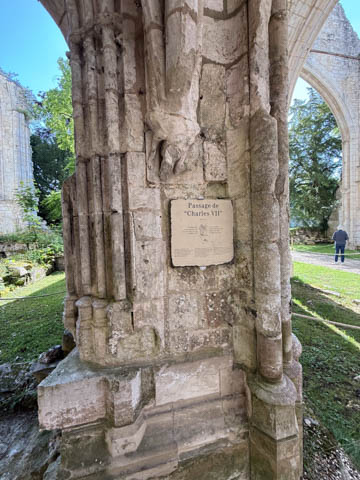
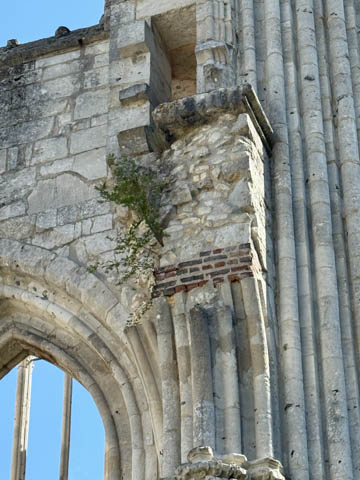
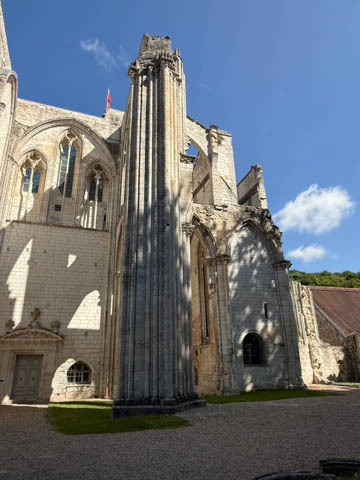
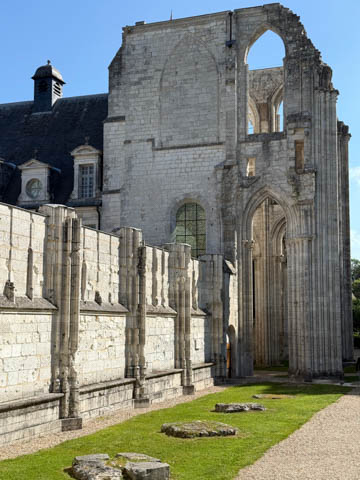
Once outside, there was a large space which was the ruined inside of another church with chapels around the ambulatory. Some interesting views back at the Church of Notre Dame's other facade.
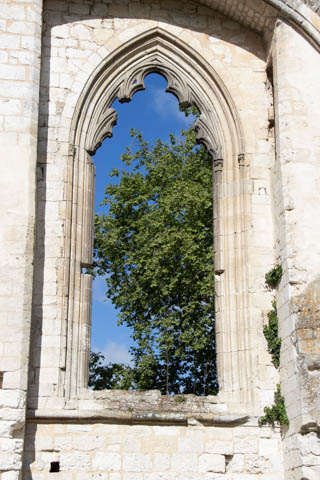
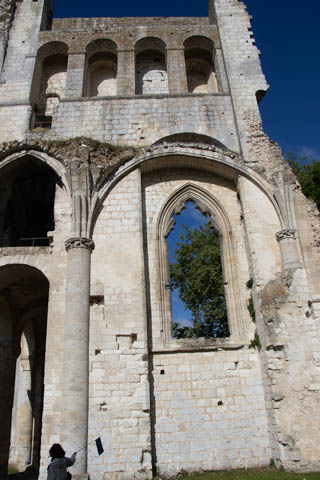
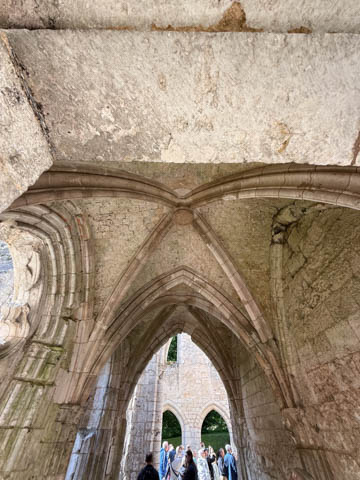
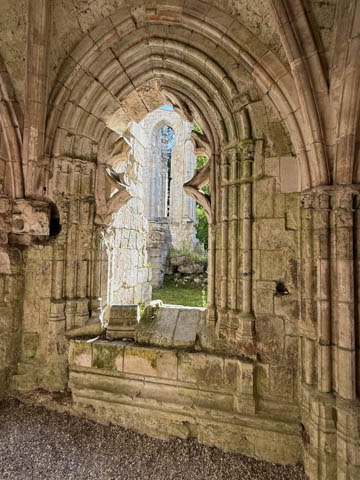
The two remaining chapels give some insight into the Gothic chancel the monks constructed in 13th century to replace an 11th century original. It had an ambulatory like the Romanesque chancel, with seven radiating chapels.
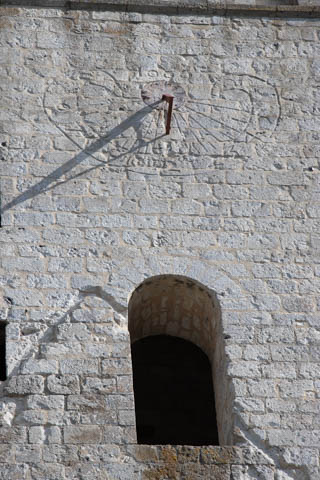
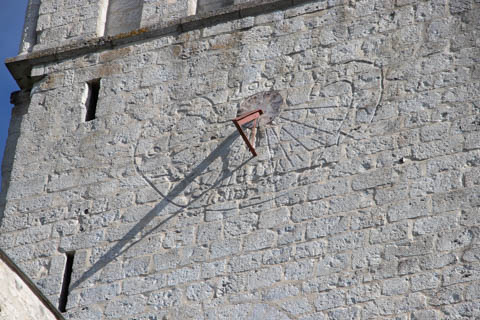
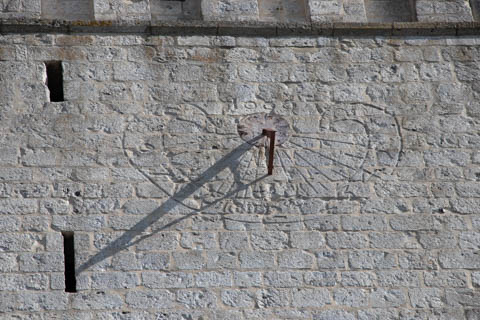
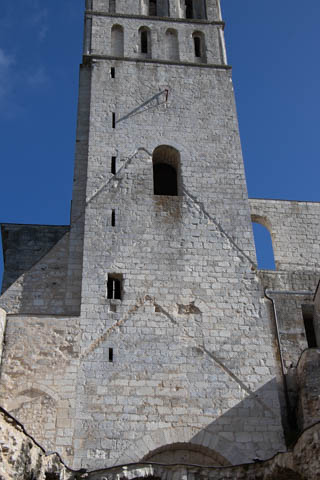
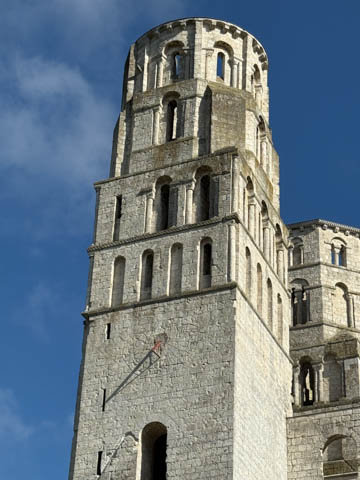
Loved this huge sundial on the outside of the church tower - an early example of a community clocktower.
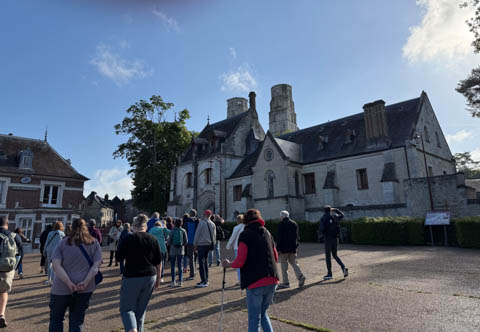
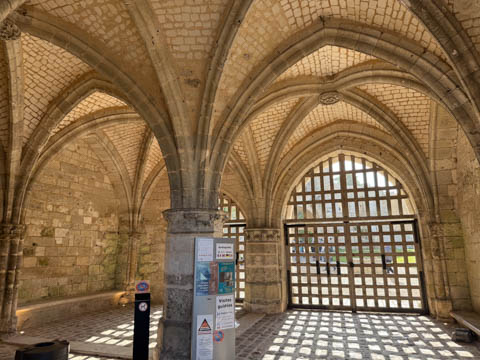
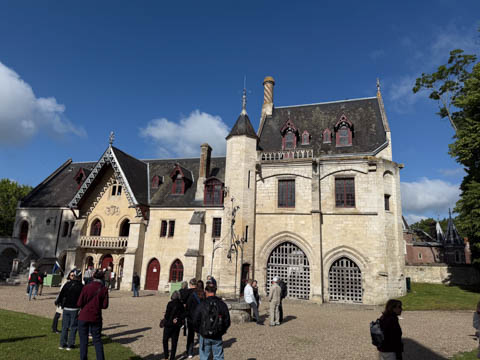
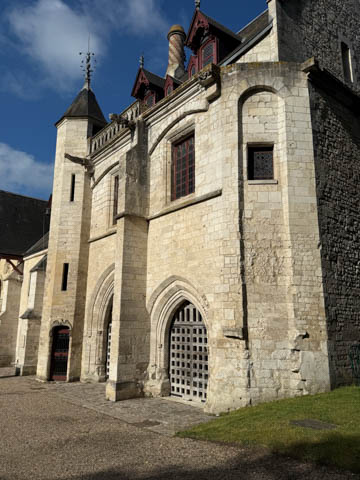
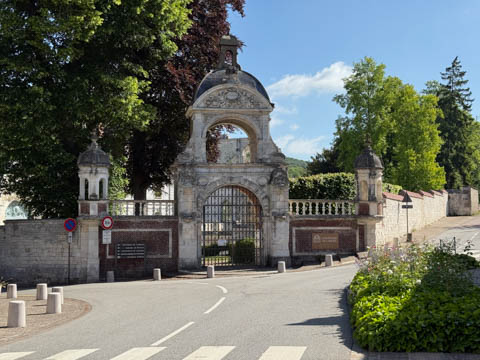
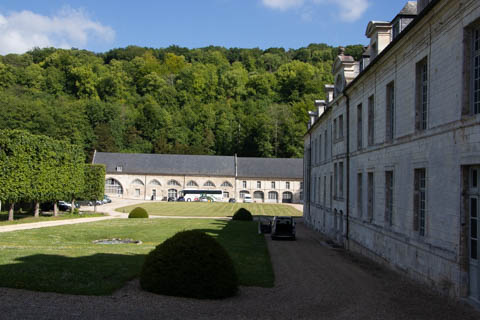
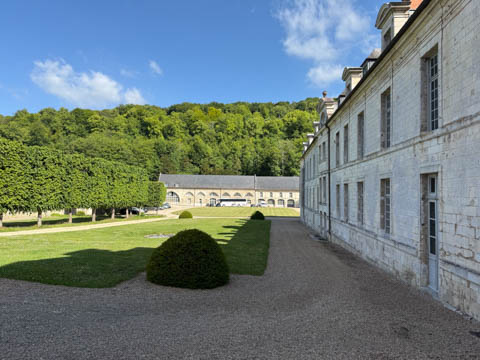
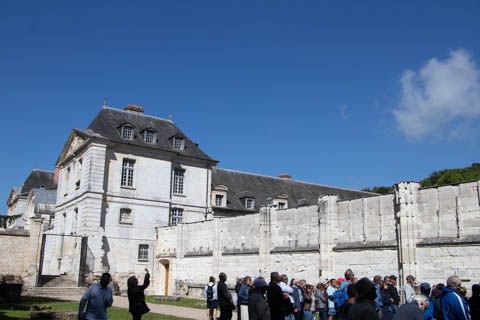
After exiting the ruins of Jumieges Abbey, we boarded our bus and headed to the Abbey Saint-Wandrille (apparently also called Fontenelle Abbey), a community of about thirty Benedictine brothers about 20-minutes away.
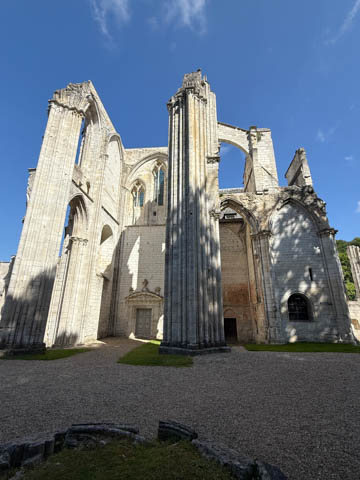
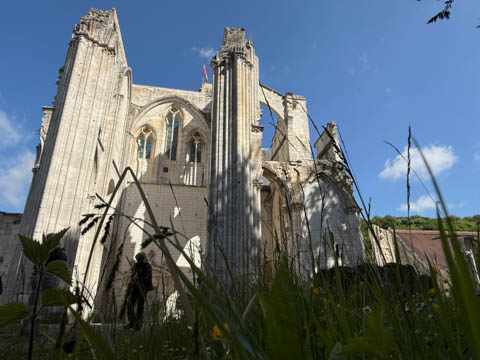
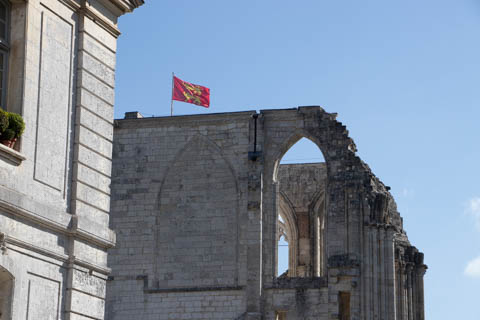
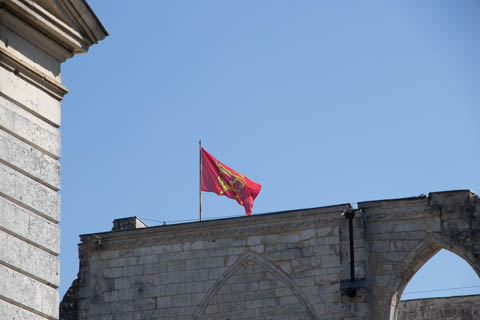
Saw the traditional flag of Normandy flying above the ruins. Its design with two gold lions dates back to coat of arms of William the Conqueror.
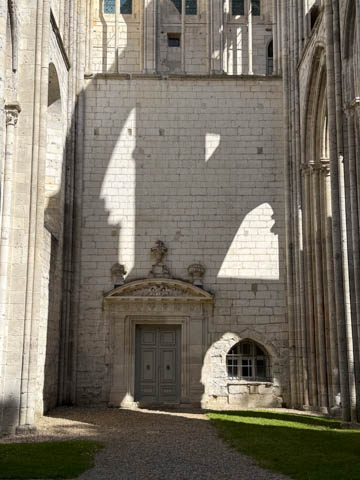
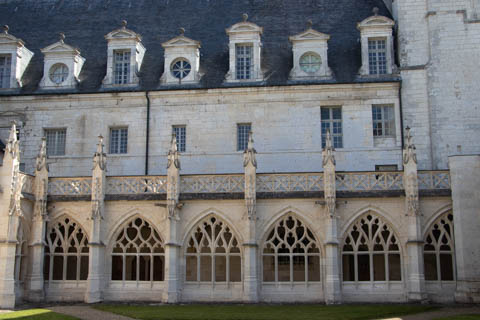
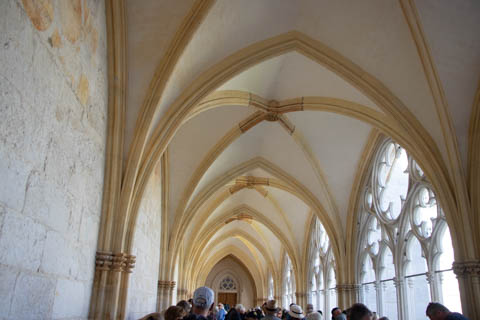
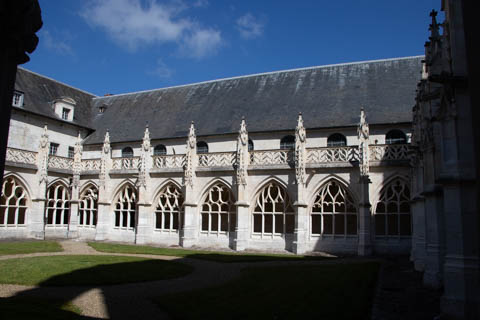
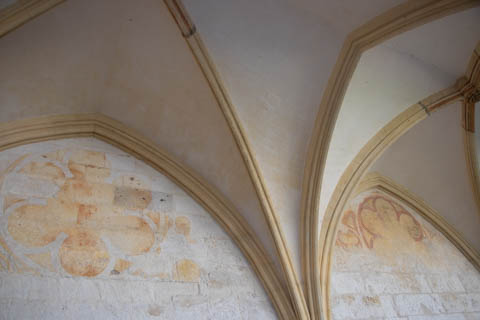
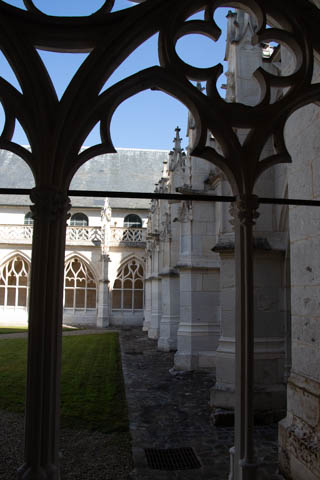
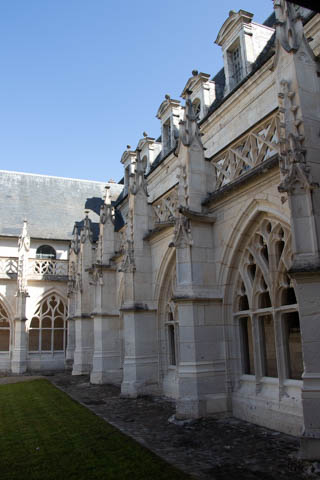
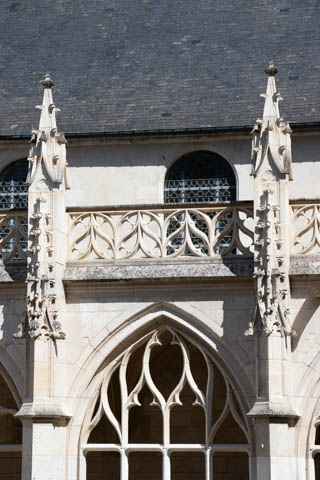
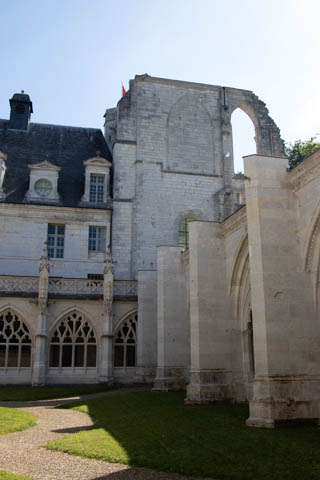
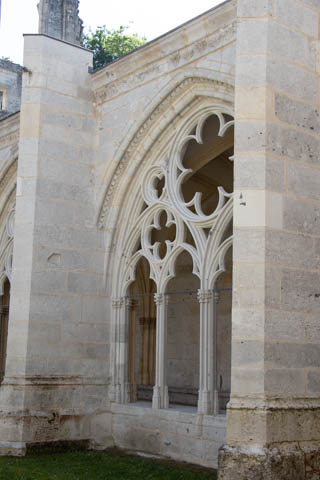
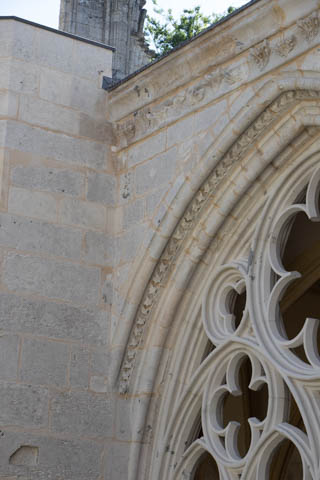
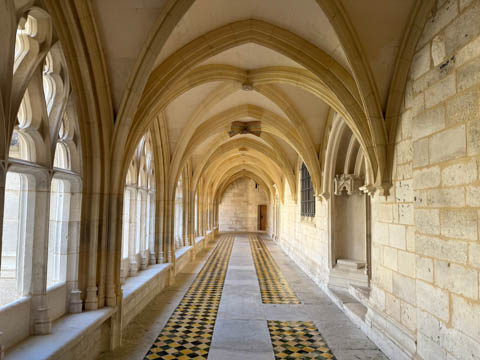
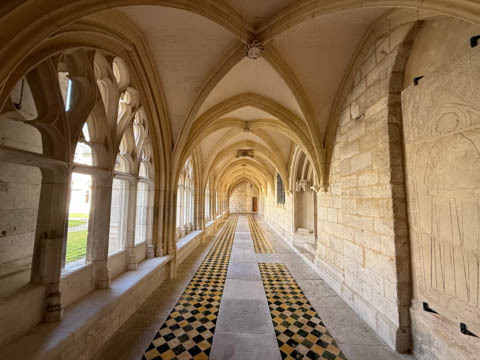
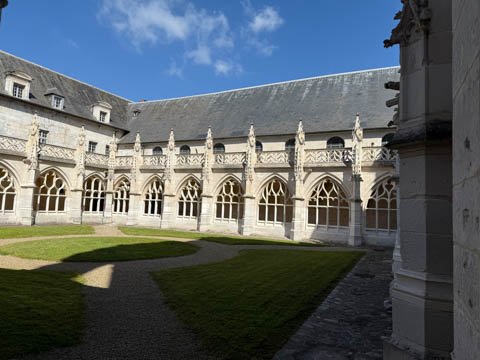
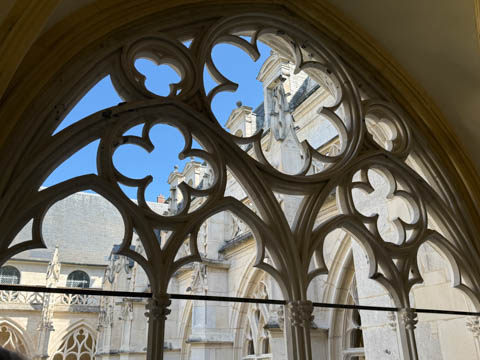
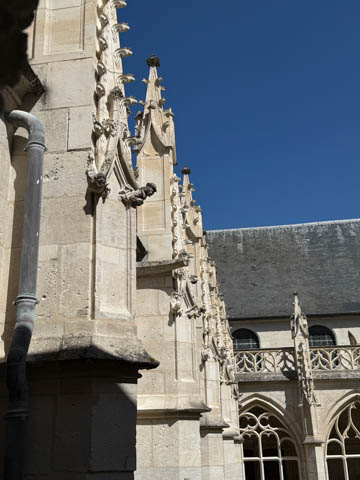
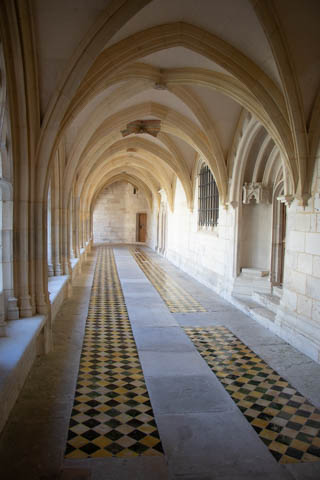
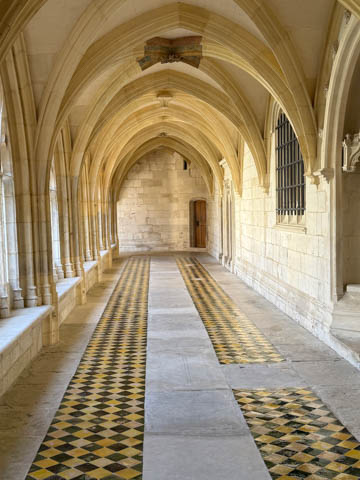
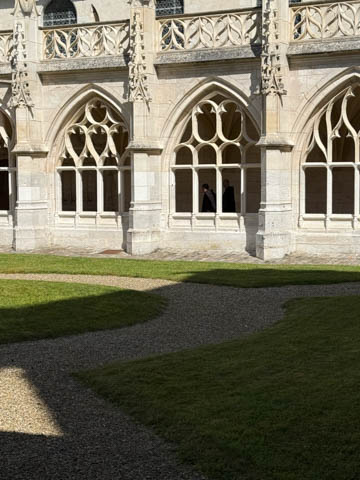
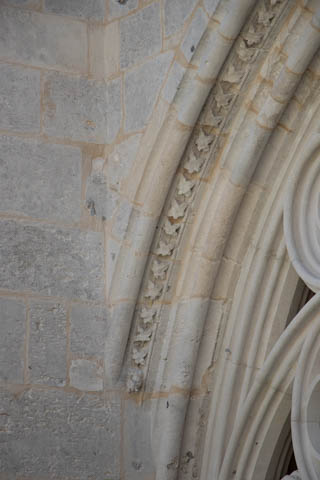
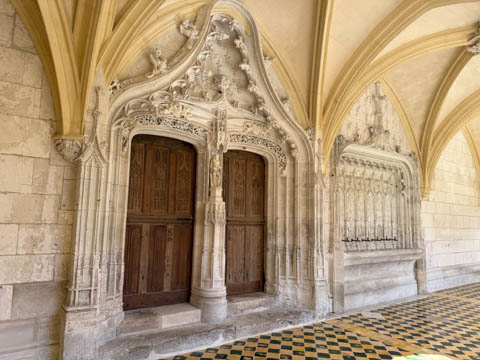
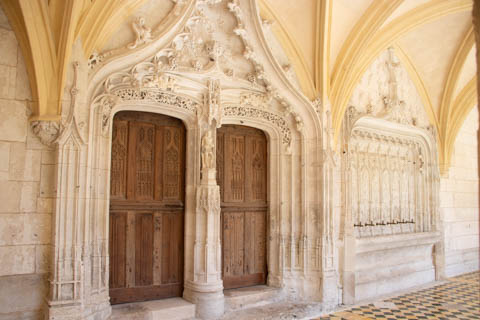
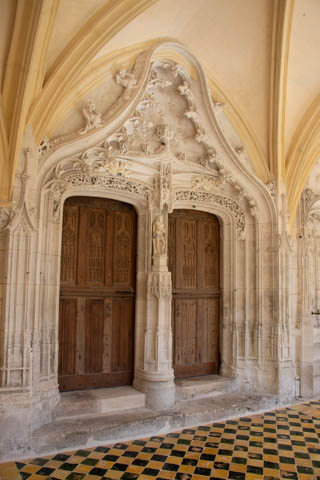
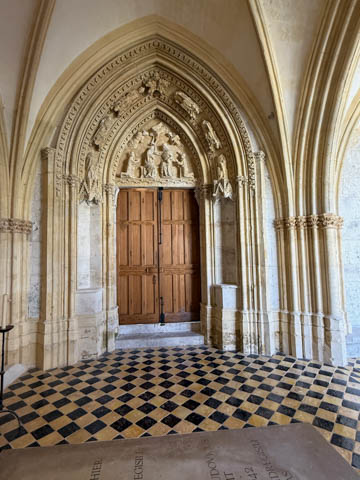
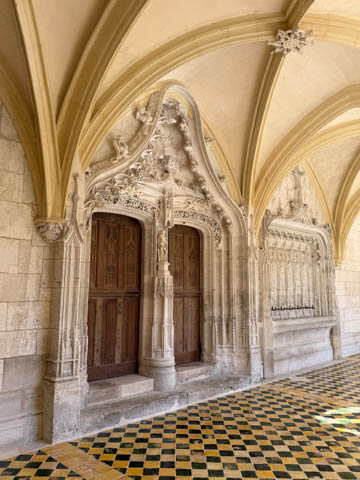
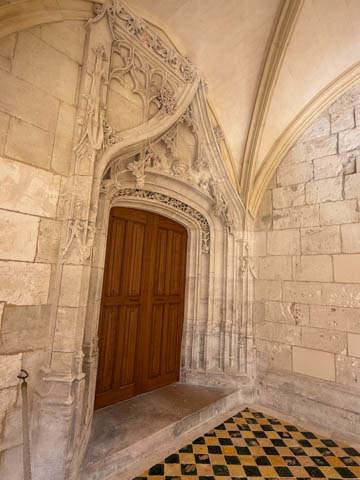
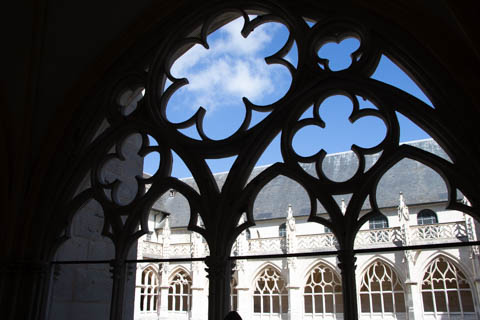
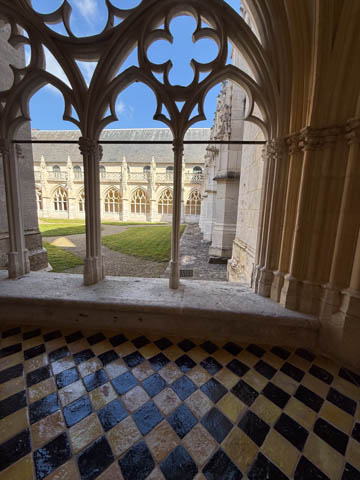
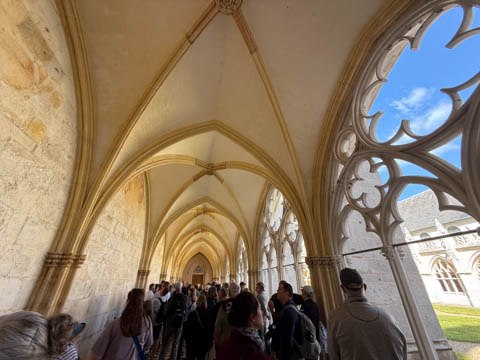
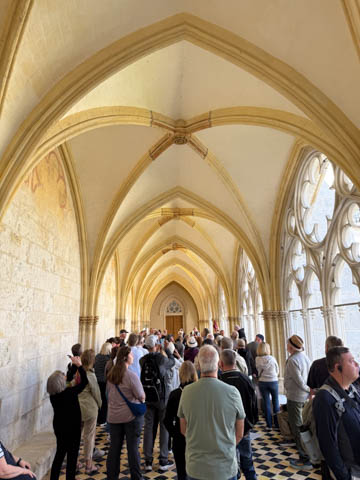
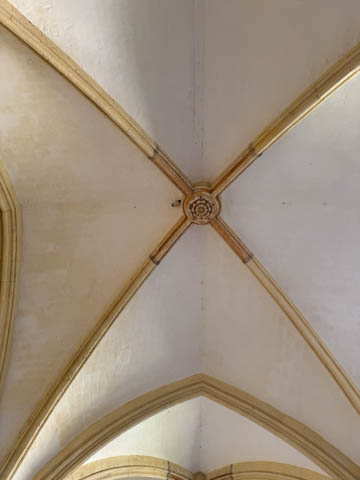
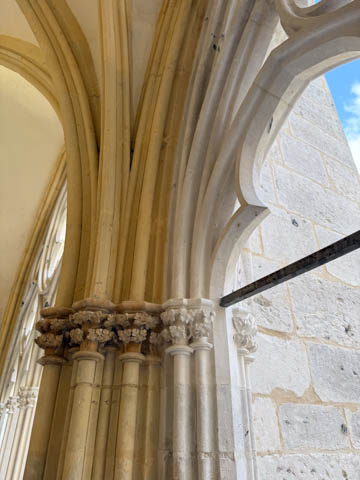
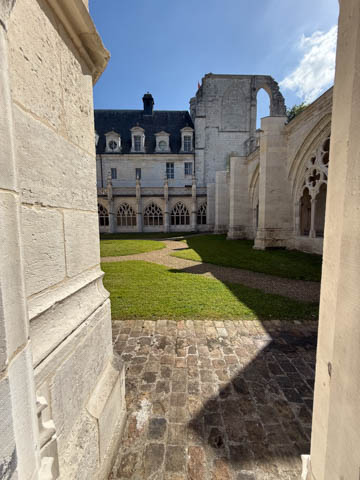
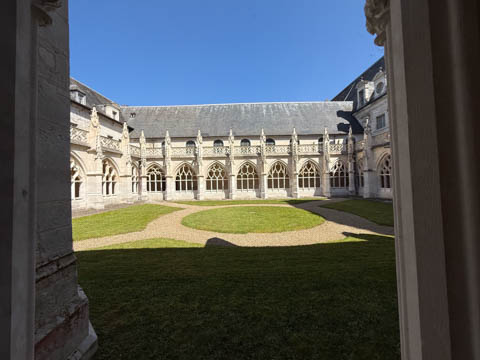
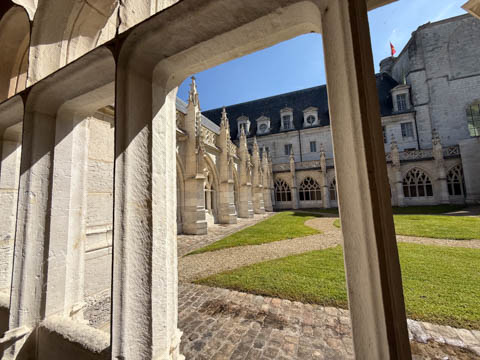
He also took us into the cloister, which was stunning. It took the abbot to point out that each of the windows were actually slightly different.
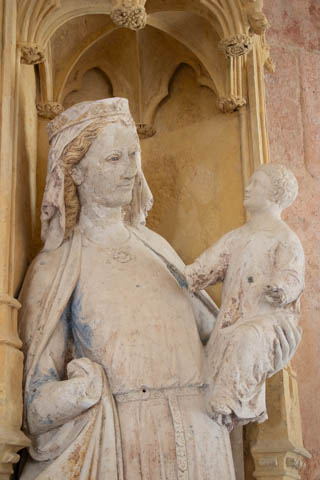
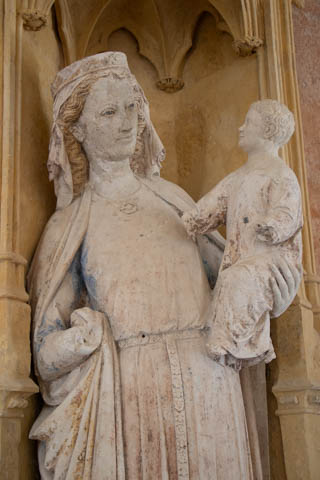
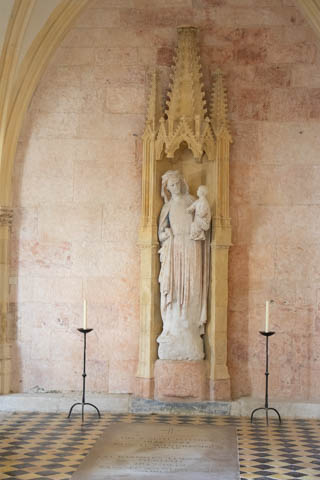
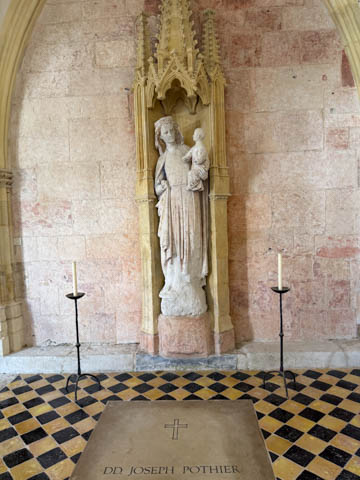
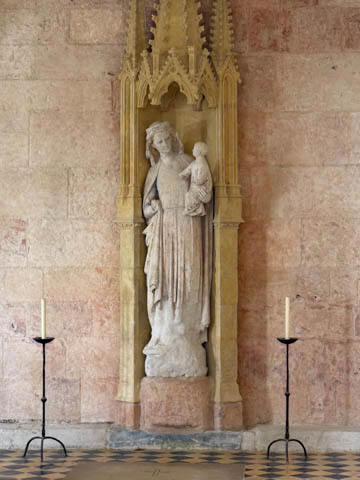
This statue of the Madonna and baby Jesus was from 1208, based on an earlier design.
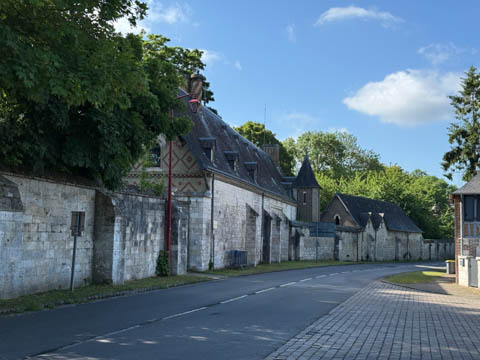
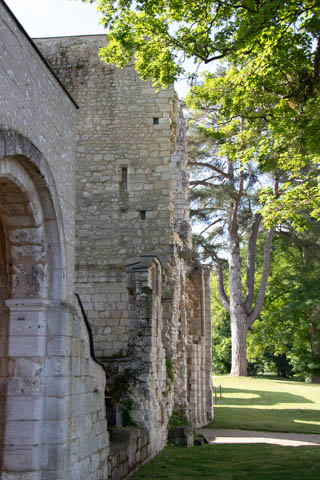
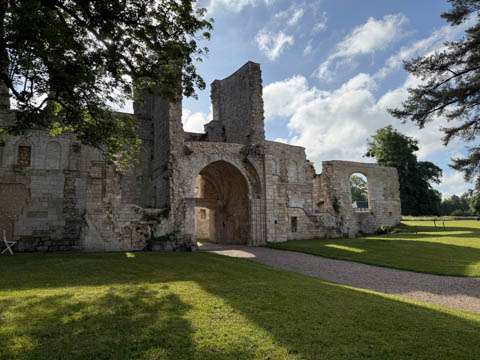
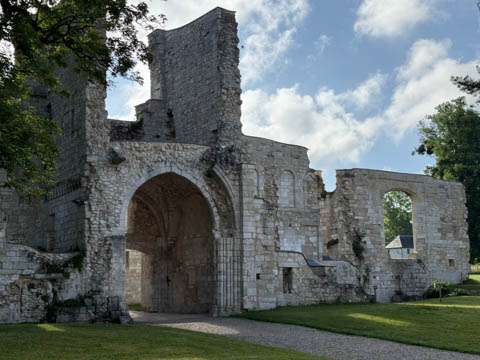
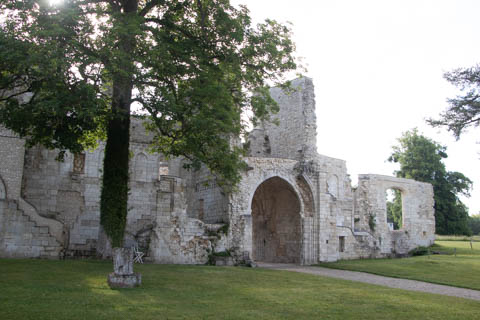
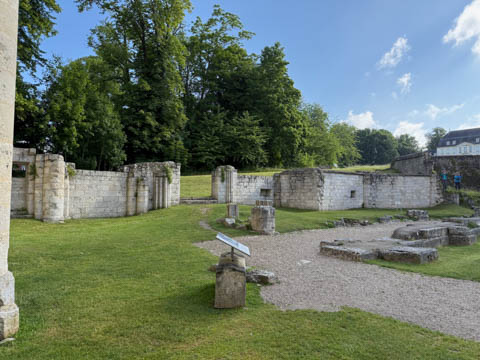
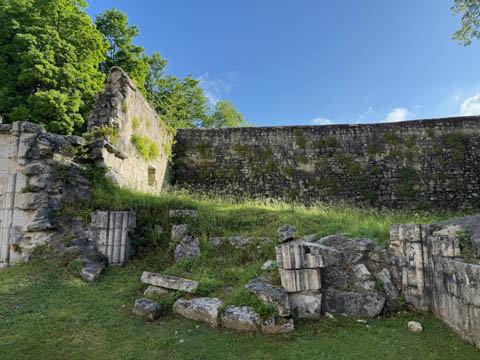
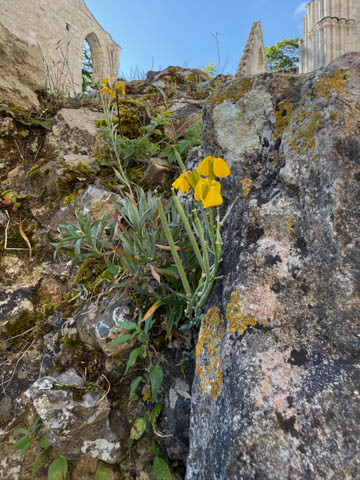
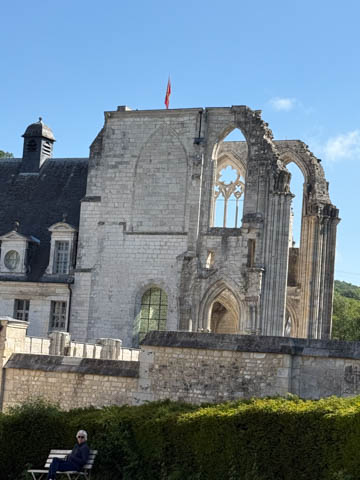
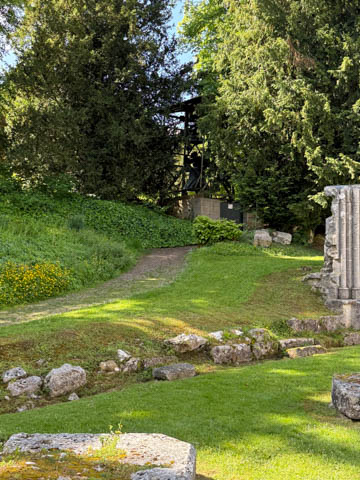
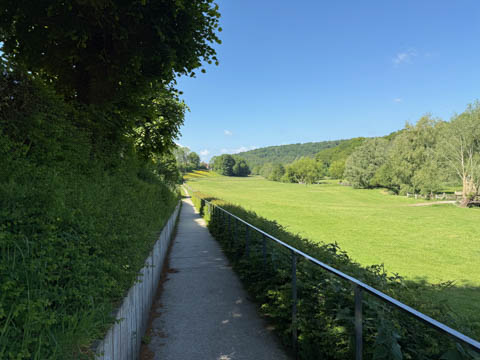
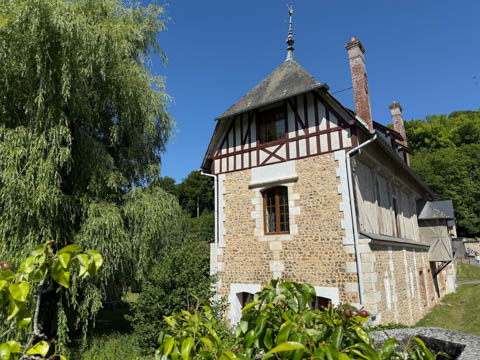
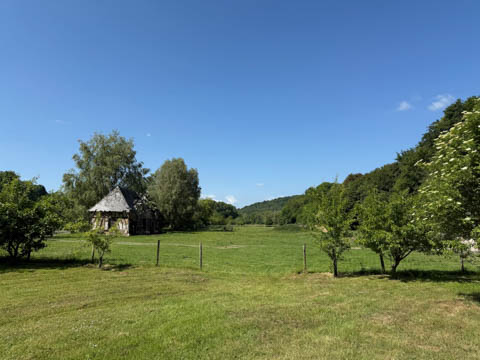
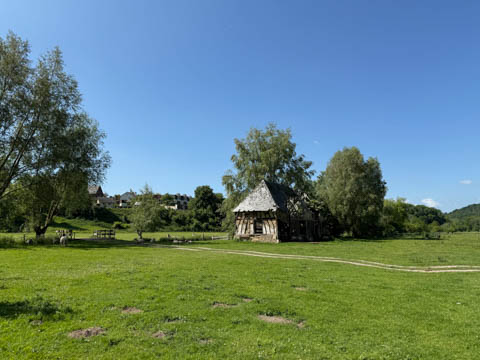
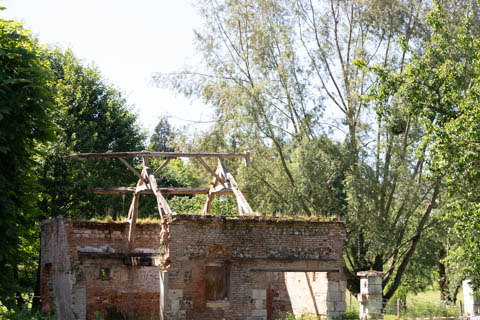
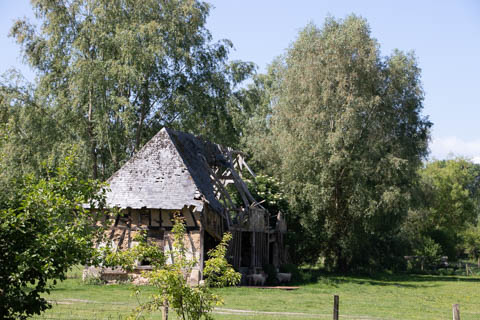
We left the abbey and headed around to corner to their small store. Found these ruined building in a field across the street interesting.
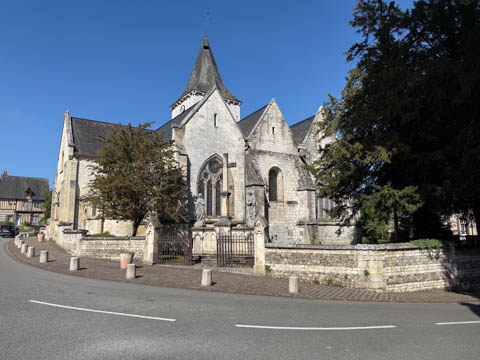
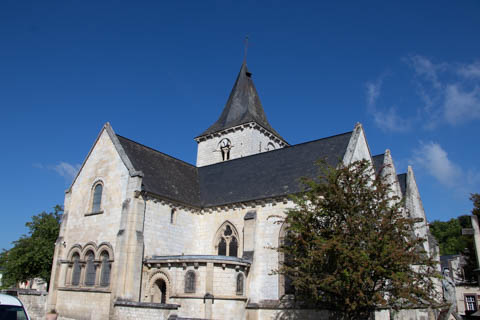
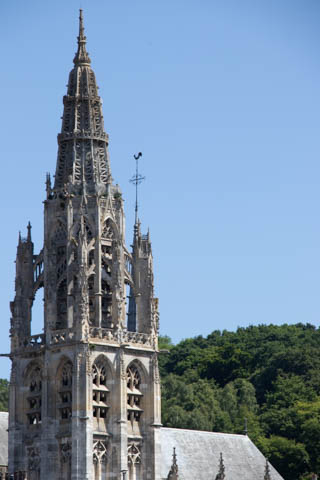
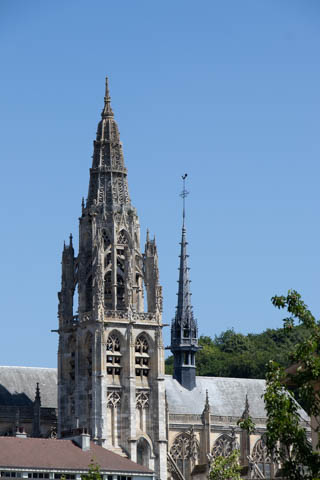
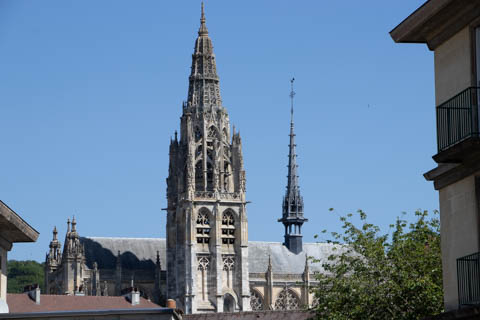
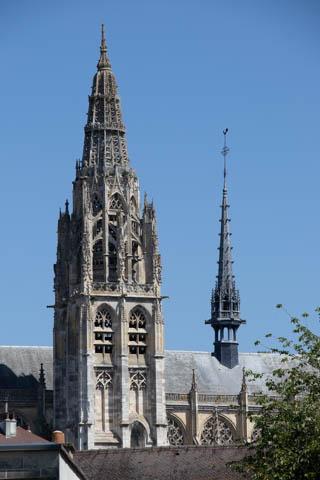
A pretty Gothic church spire in Caudebec En Caux where our boat was docked.
|
|
|