

|
|
Use these navigation links to move between the Year 2025 pages. Specific pages can be accessed at the bottom of this page
May 2025 (Part 19) France Trip: Day 8: Omaha Beach The next day our excursion was to Omaha Beach. Steve was really looking forward to this. The Normandy landings were the largest seaborne invasion in history, with nearly 5,000 landing and assault craft, 289 escort vessels, and 277 minesweepers participating. Nearly 160,000 troops crossed the English Channel on D-Day, with 875,000 men disembarking by the end of June. Allied casualties on the first day were at least 10,000, with 4,414 confirmed dead and the Germans had 4,000–9,000 casualties (killed, wounded, missing, or captured).
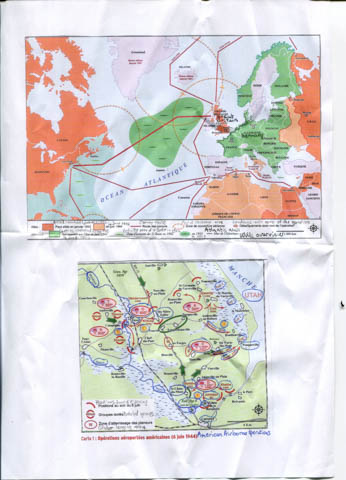
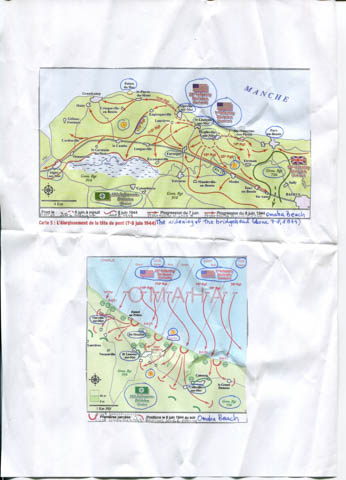
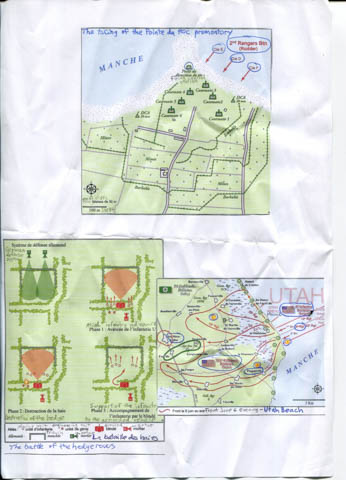
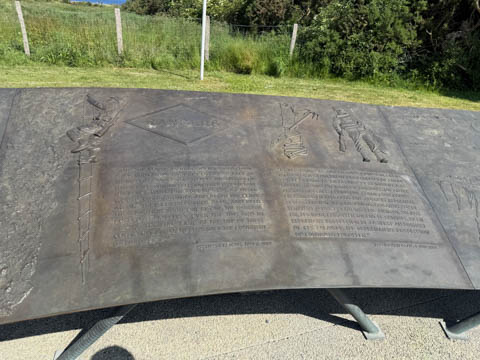
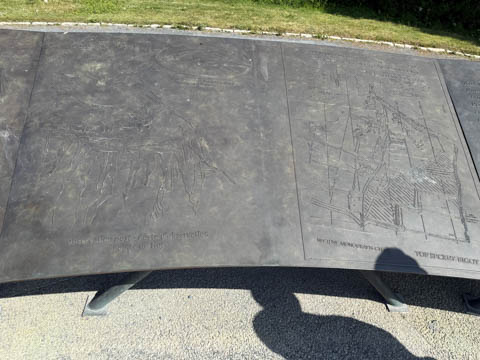
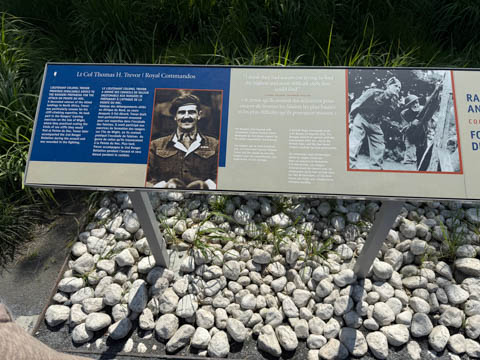
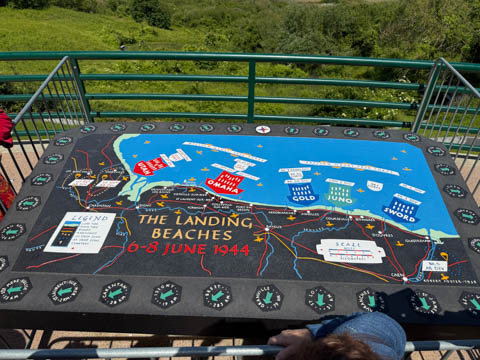
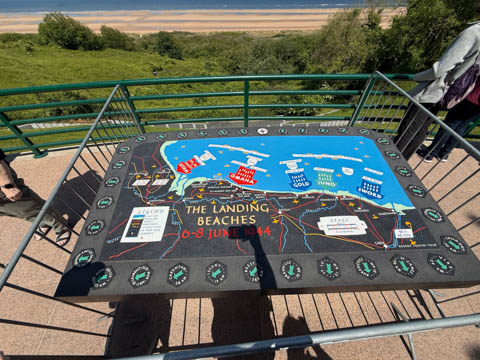
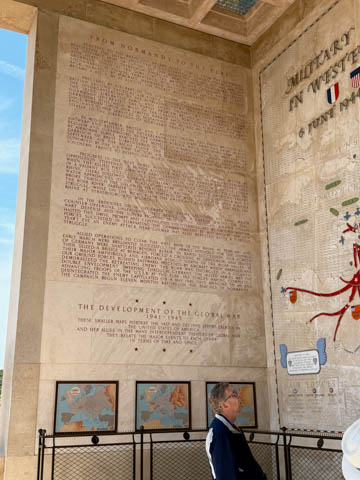
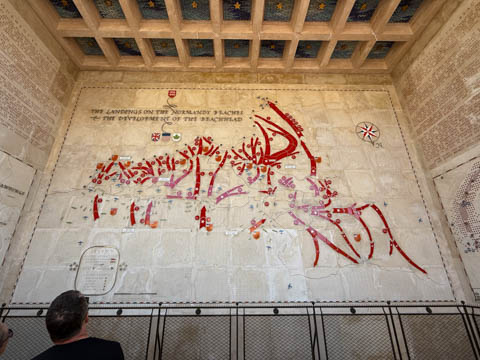
Here are the handouts our guide used to describe the landings on our bus ride to the coast.
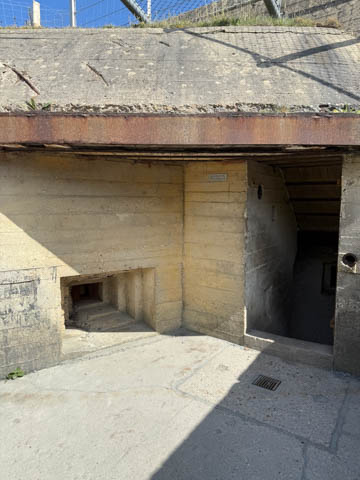
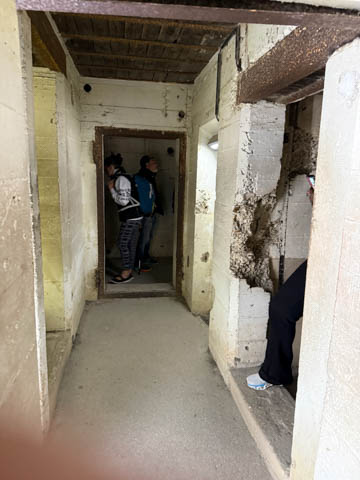
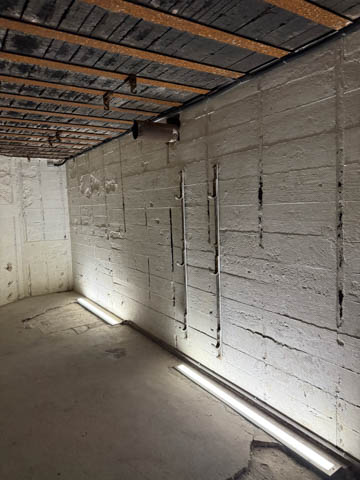
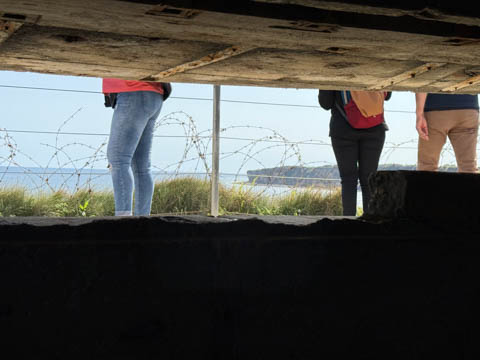
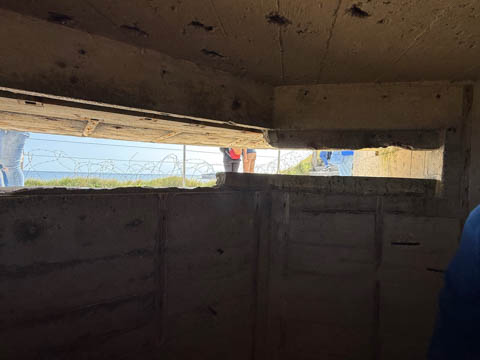
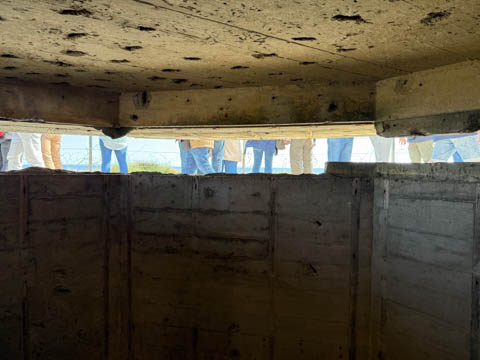
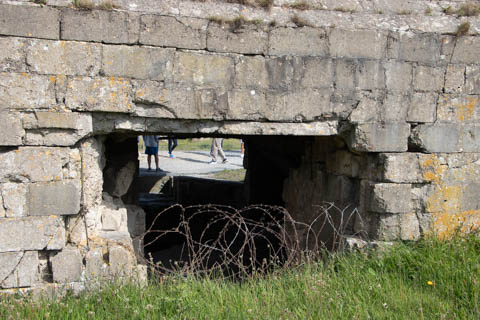
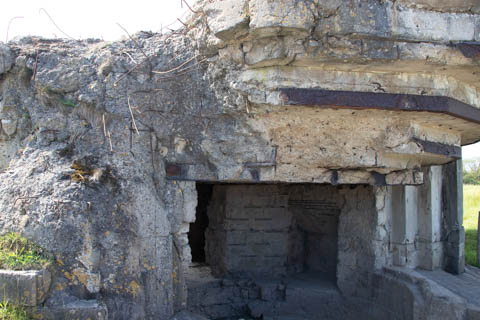
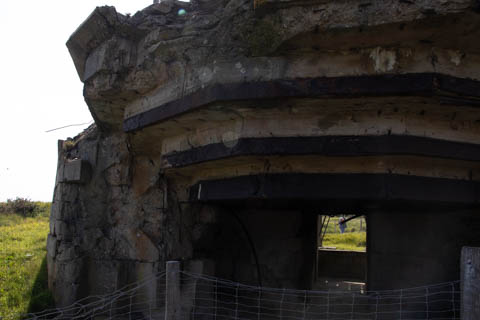
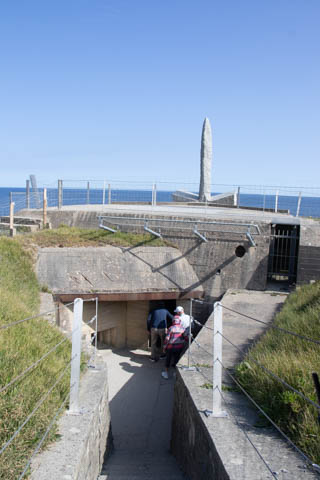
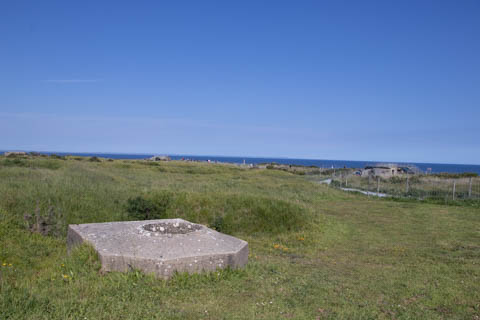
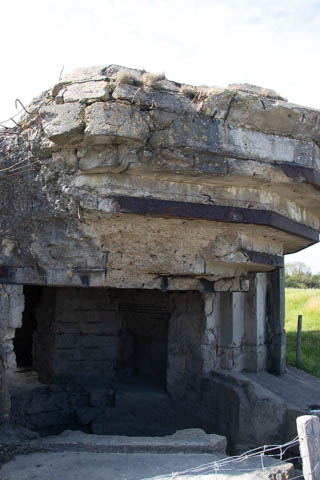
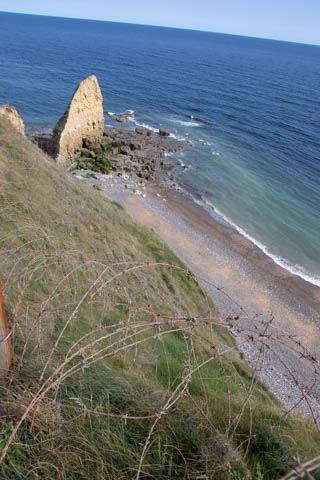
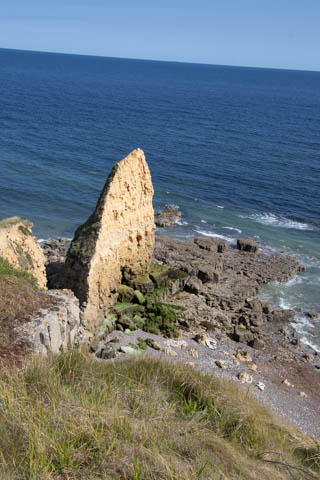
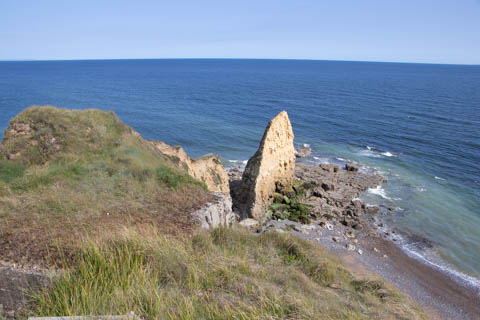
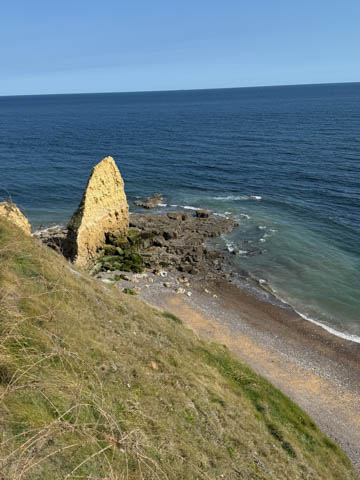
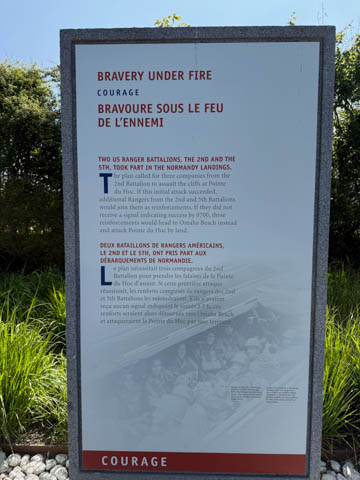
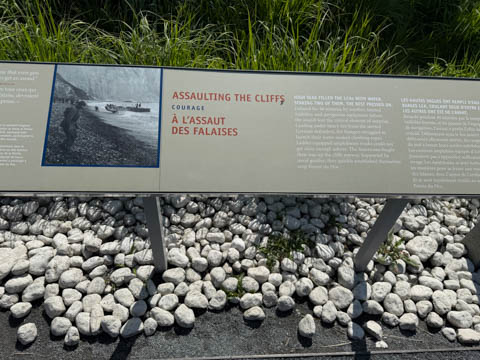
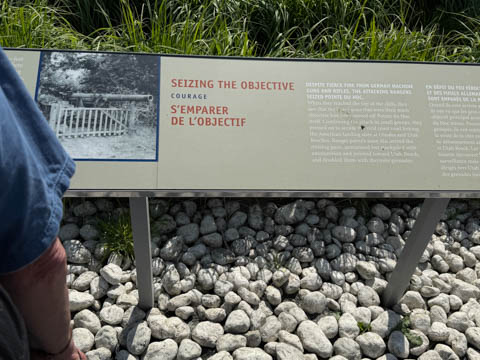
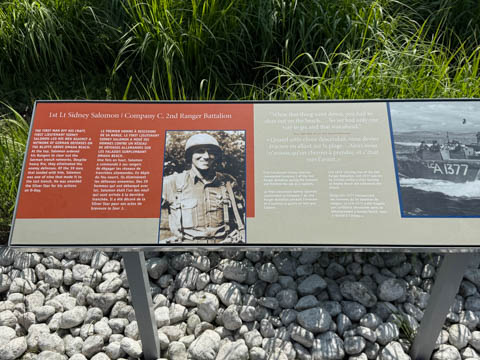
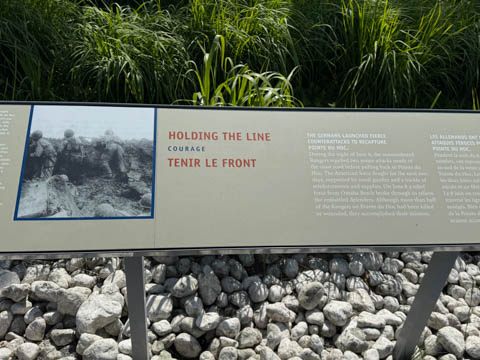
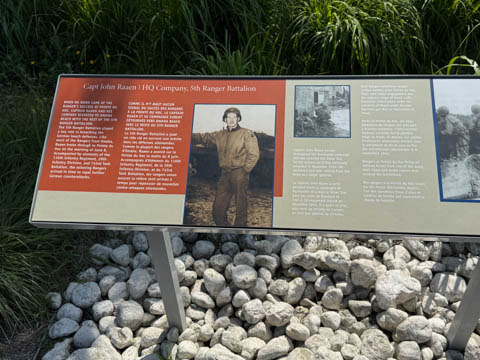
Our first stop was at Point du Hoc, a prominent headland between Omaha Beach to the east and Utah Beach to the west. The entire coastline had been fortified as part of the German Atlantic Wall, but it was believed Point du Hoc held six World War I era 155 mm artillery guns positioned in concrete casements. Given their range and position, they represented a singular risk to the landings. The US Provisional Ranger Group (2nd and 5th Ranger Battalions) was assigned the task of attacking and capturing the strong point. In the months leading up to the landing, the Germans were observed removing individual guns and reinforcing the casements. The assault force was carried in ten landing craft, with another two carrying supplies and four DUKW amphibious trucks carrying the 100-foot (30 m) ladders requisitioned from the London Fire Brigade. One landing craft carrying troops sank, drowning all but one of its occupants; another was swamped. One supply craft sank and the other put the stores overboard to stay afloat. German fire sank one of the DUKWs. Once within a mile of the shore, German mortars and machine guns fired on the craft. These initial setbacks resulted in a 40-minute delay in landing at the base of the cliffs, but British landing craft carrying the Rangers finally reached the base of the cliffs at 7:10 am with approximately half the force it started out with. The landing craft were fitted with rocket launchers to fire grapnels and ropes up the cliffs. As the Rangers scaled the cliffs, the Allied ships USS Texas (BB-35), USS Satterlee (DD-626), USS Ellyson (DD-454), and HMS Talybont (L18) provided them with fire support in an attempt to prevent the German defenders above from firing down on the assaulting troops. The 30 m (98 ft) cliffs proved to be higher than the ladders could reach, forcing the Rangers to adapt and overcome. Because of the delayed landing, the planned signal for reinforcements was late and additional Rangers planned for the assault were landed at Omaha Beach instead (where they were instrumental in avoiding a disaster, since they carried the assault beyond the beach, into the overlooking bluffs and outflanked the German defenses). The Rangers made it to the top at Pointe du Hoc about 30-minutes after landing; they had sustained 15 casualties, most of them from the raking fire to their left. The cliffs were defended by the German 352nd Infantry Division and French collaborators firing from above. Upon reaching their main objective of the assault, the artillery battery, they discovered the guns had been removed. Two different patrols found five of the six guns unguarded but ready to use, in a nearby orchard some 550 meters (600 yd) south of the point, (the sixth was being repaired) and destroyed their firing mechanisms with thermite grenades. The Rangers fended off numerous counter-attacks from the German 914th Grenadier Regiment. The men were isolated, and some were captured. During the first night, one patrol from the 5th Rangers that landed at Omaha Beach made it through to join the Rangers. By dawn on 7 June, Rudder had only 90 men able to fight. Relief did not arrive until 8 June, when members of the 743rd Tank Battalion and others arrived. By then, Rudder's men had run out of ammunition and were using captured German weapons. Several men were killed as a result, because the German weapons made a distinctive noise, and the men were mistaken for the enemy. By the end of the battle, the Rangers casualties amongst the 225 soldiers who landed were 135 dead and wounded (77 dead, rest wounded), while German casualties were 50 killed and 40 captured. An unknown number of French collaborators were executed. We first headed out to the point, where there was a small trail along the bluff around one of the casements, which you could go inside.
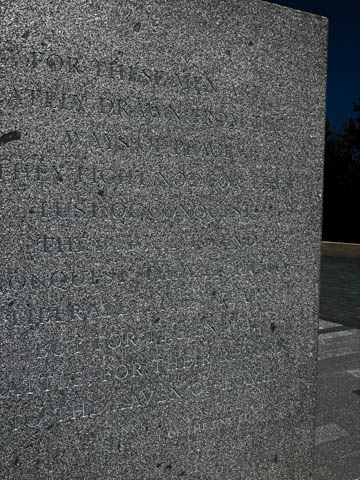
There was an inscription with a quote from FDR, "For these men are lately drawn from the ways of peace. They fight not for the lust of conquest, they fight to end conquest. They fight to liberate ... they yearn but for the end of battle, for the return to the haven of home."
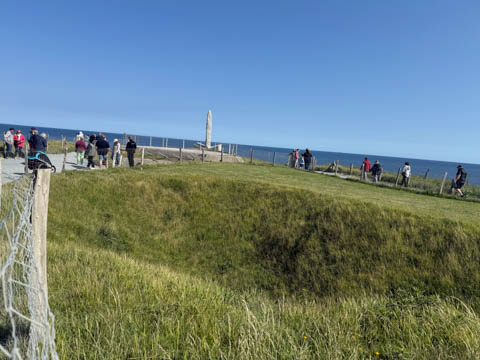
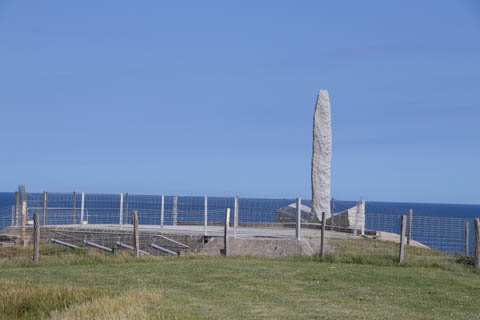
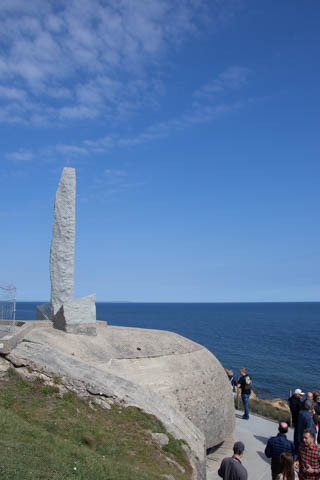
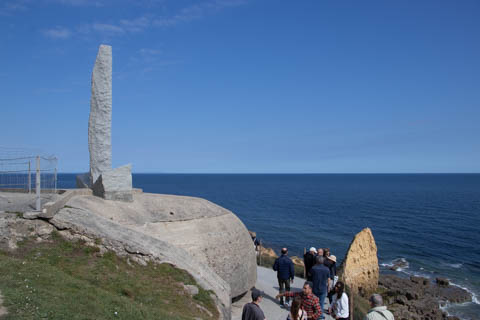
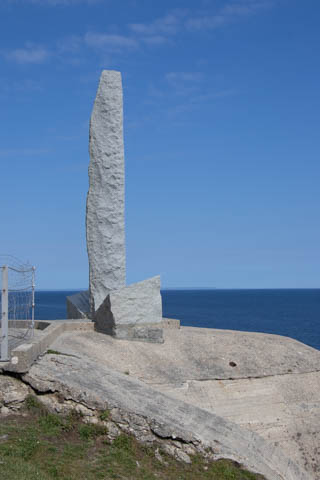
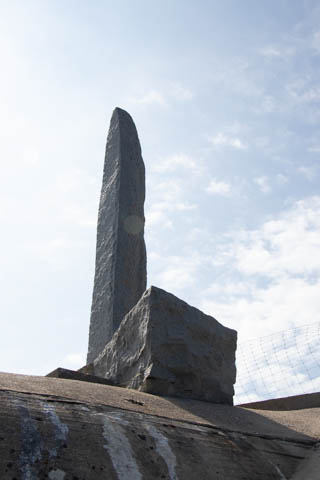
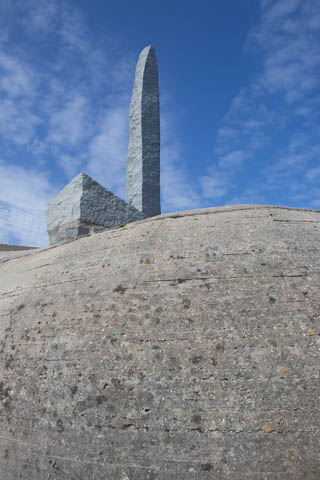
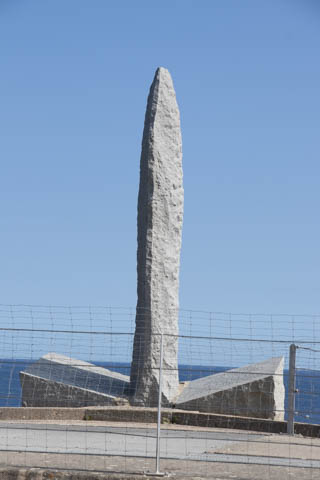
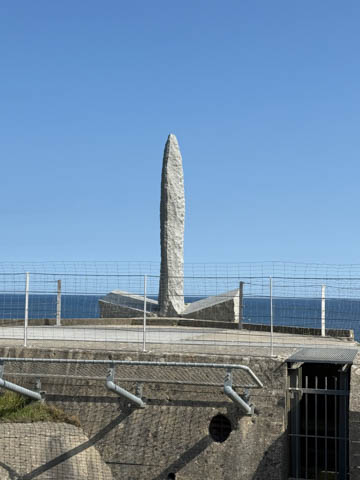
There was a monument to the Rangers at the point. The monument consists of a simple granite pylon positioned atop a German concrete bunker with tablets at its base inscribed in French and English
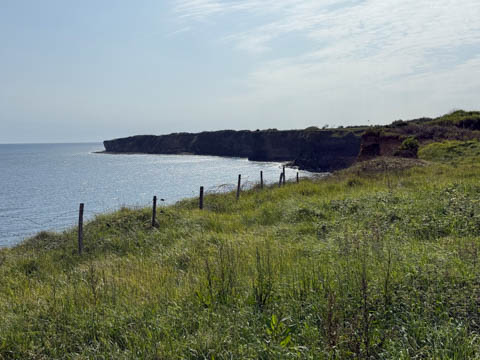
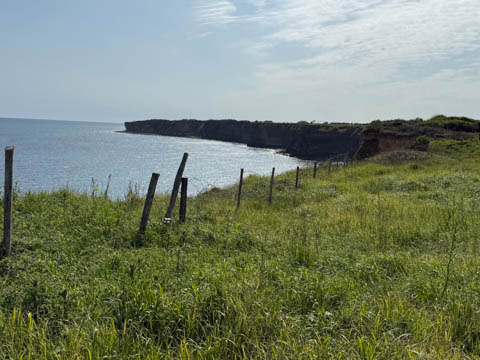
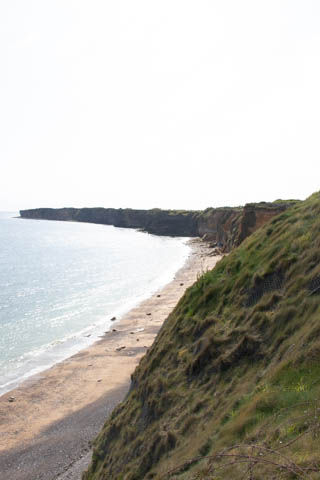
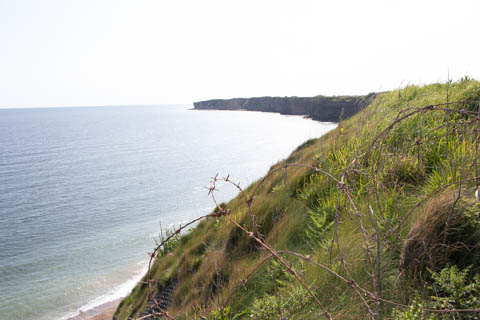
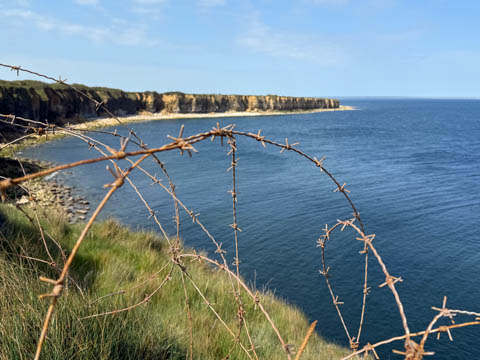
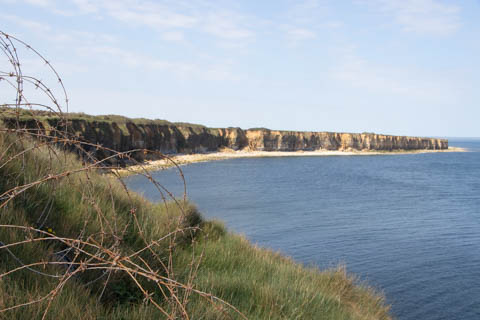
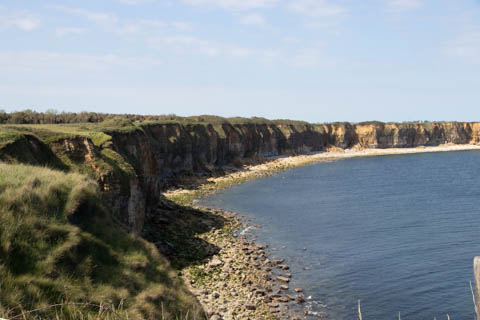
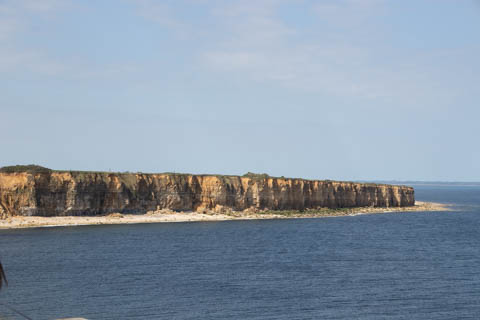
The cliffs extended around the point with very little beach to the right and left.
Looking down, it was clear just how exposed the Rangers were on the small beachhead and nearly vertical climb.
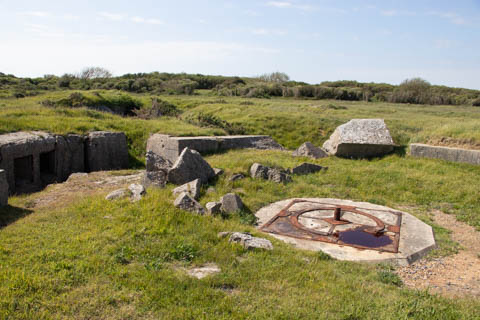
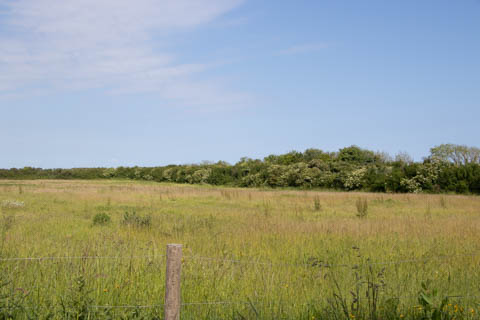
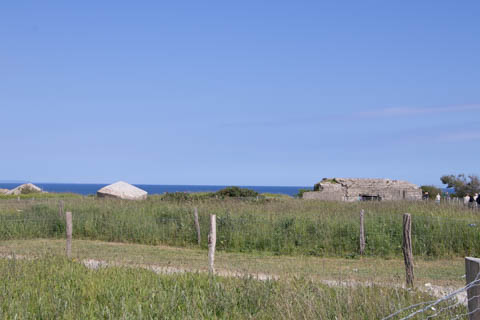
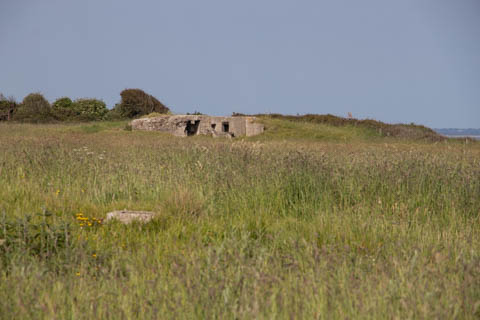
Pointe du Hoc is little changed from 1944, with the terrain covered with bomb craters and ruins of concrete bunkers.
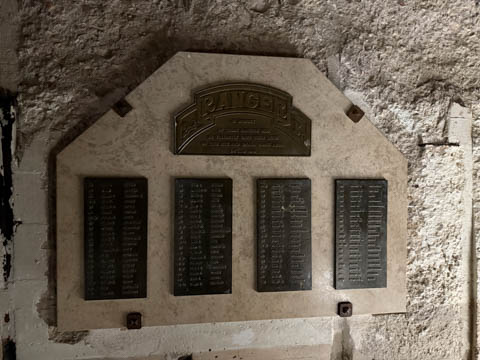
Back at the entrance, there were several plaques honoring the Rangers.
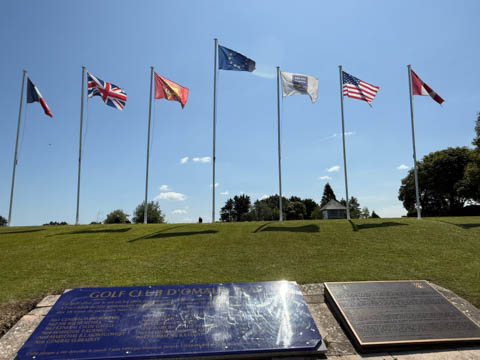
We got back on the bus and headed for lunch at a nearby gold course.
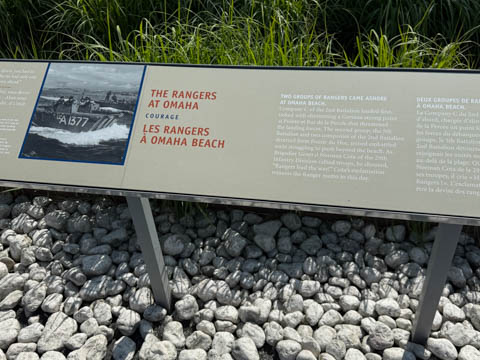
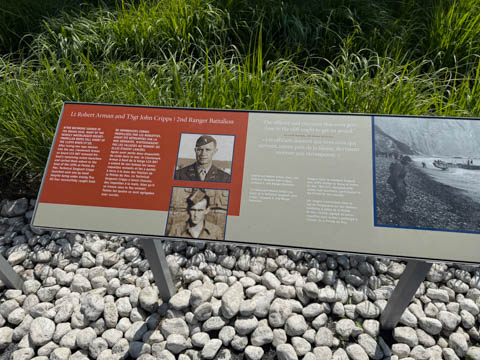
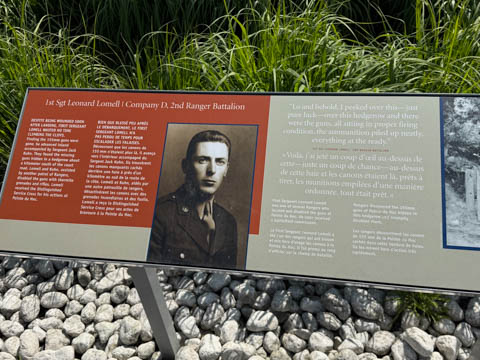
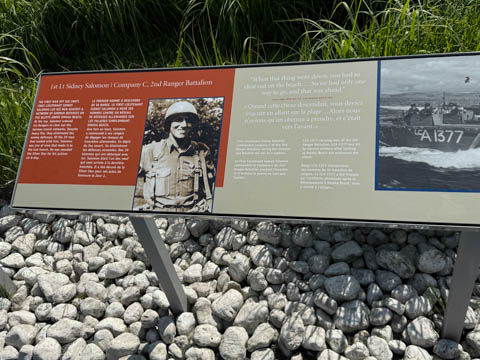
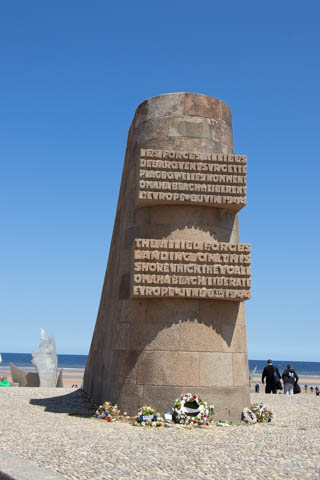
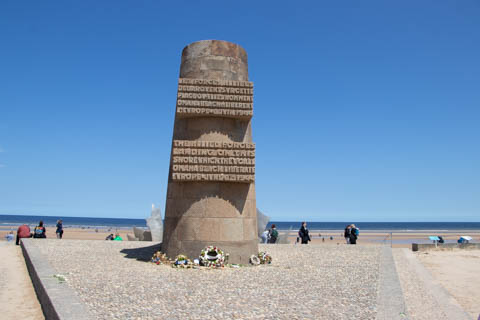
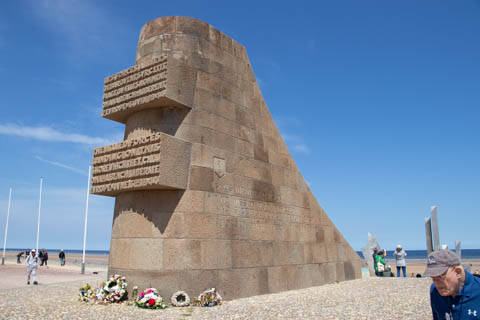
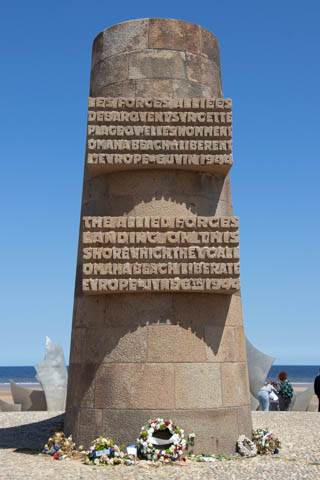
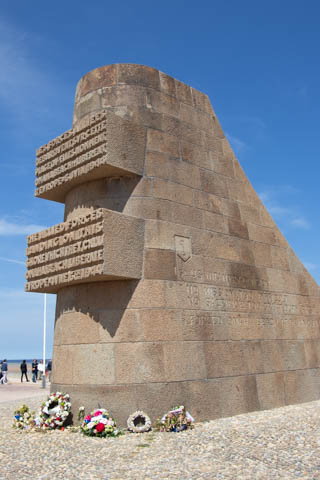
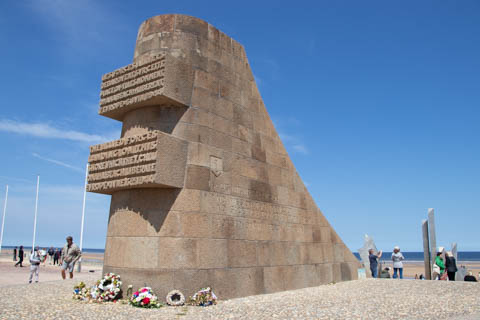
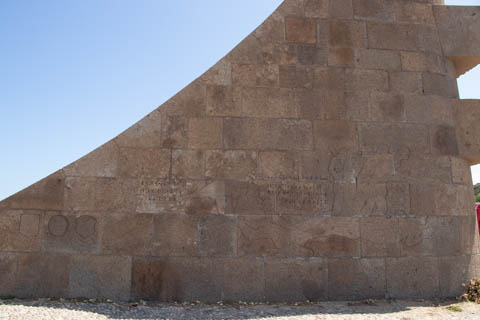
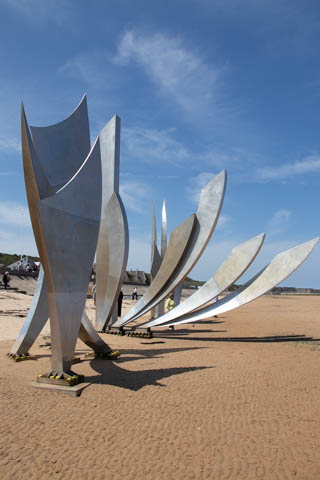
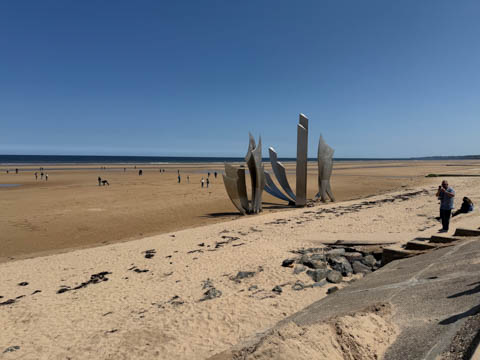
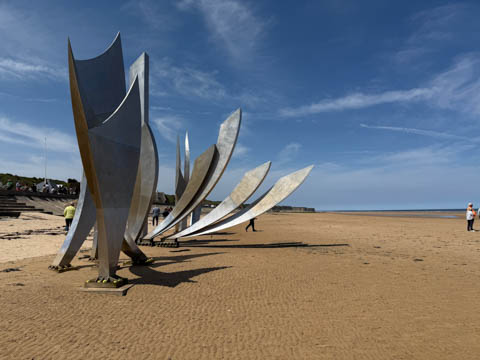
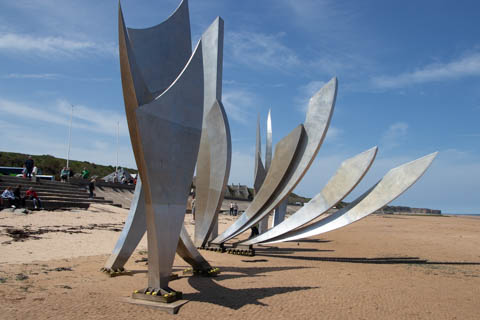
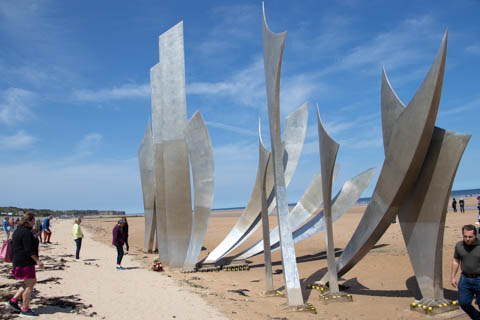
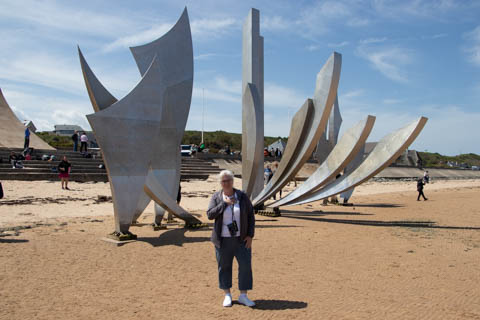
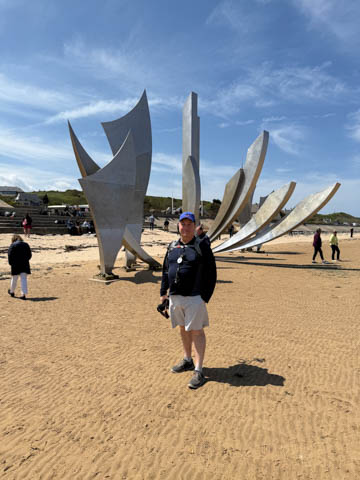
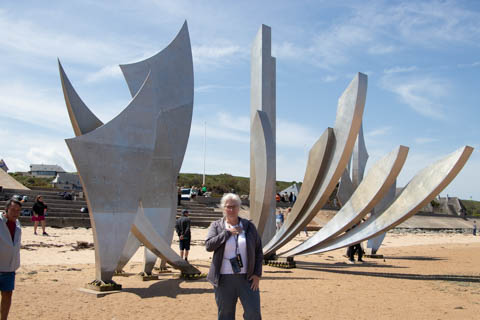
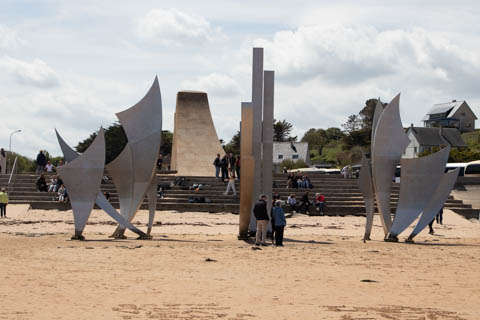
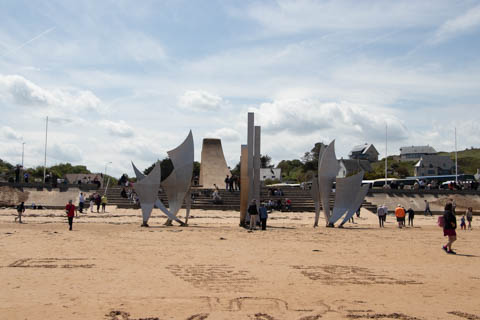
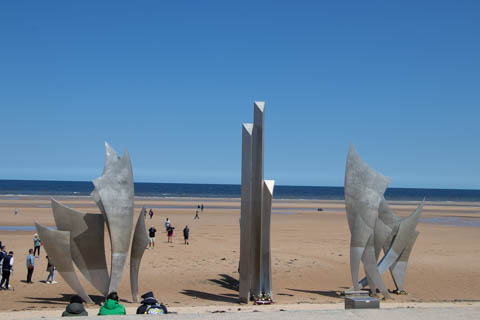
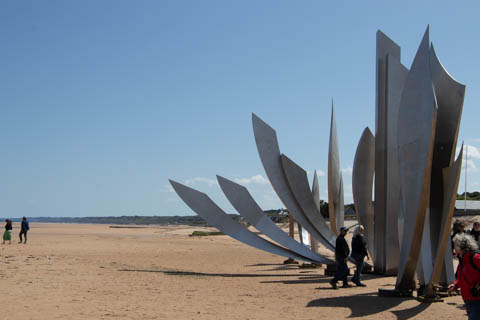
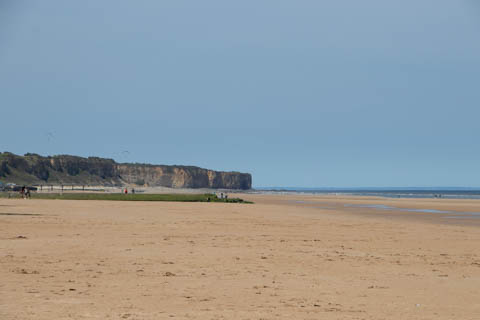
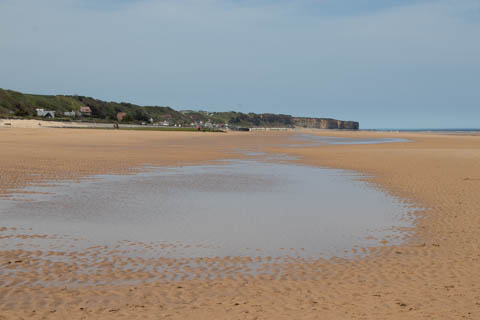
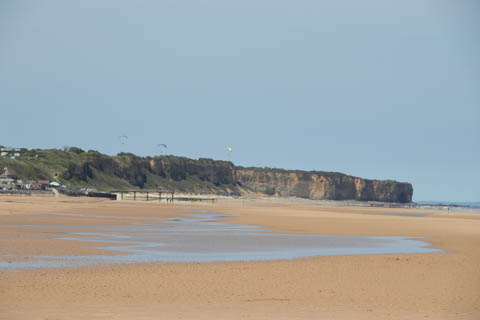
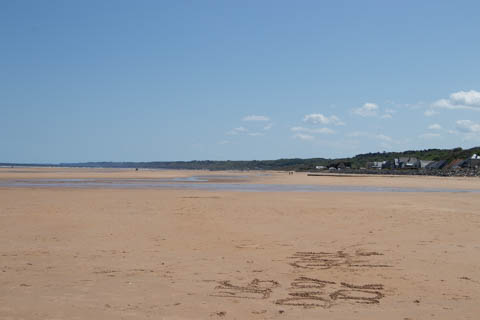
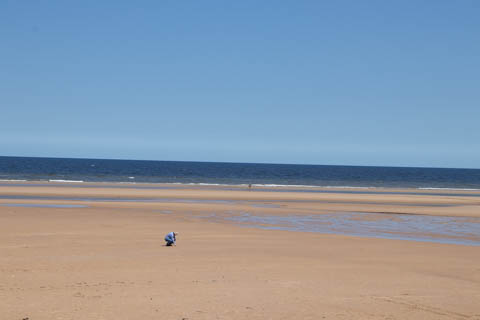
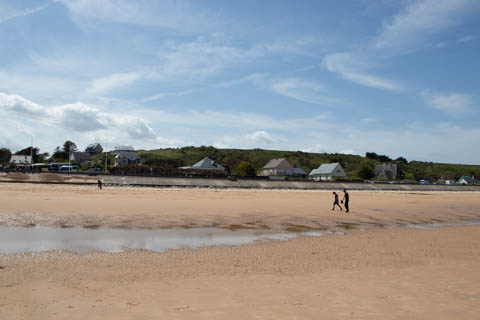
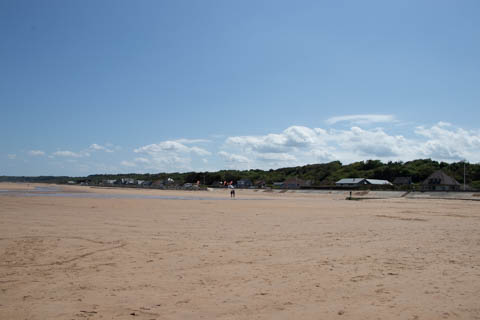
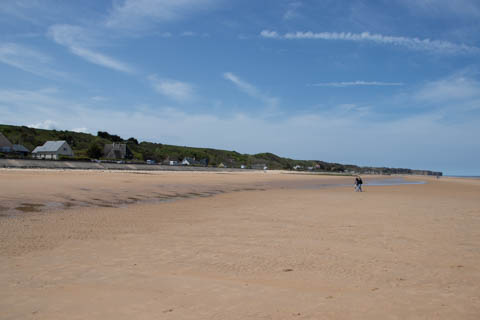
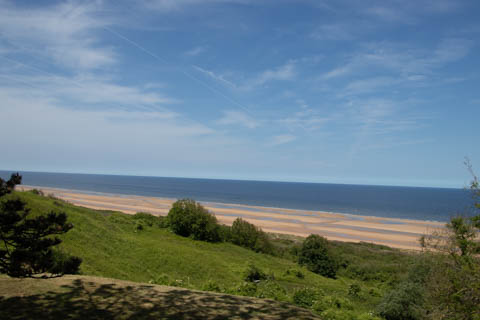
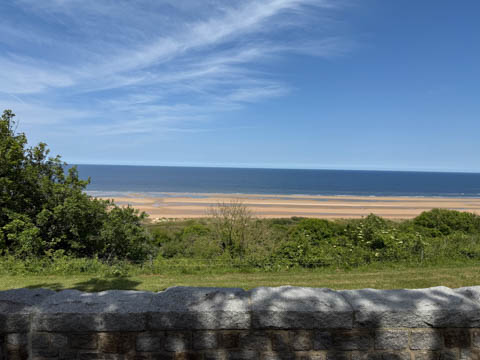
We then went to Omaha Beac, the most heavily defended beach, was assigned to the 1st Infantry Division and 29th Infantry Division. They faced the 352nd Infantry Division rather than the expected single regiment. Strong currents forced many landing craft east of their intended position or caused them to be delayed. For fear of hitting the landing craft, US bombers delayed releasing their loads and as a result most of the beach obstacles at Omaha remained undamaged when the men came ashore. Many of the landing craft ran aground on sandbars, and the men had to wade 50–100m in water up to their necks while under fire to get to the beach. In spite of the rough seas, DD tanks of two companies of the 741st Tank Battalion were dropped 4,600 meters (5,000 yd) from shore; however, 27 of the 32 flooded and sank, with the loss of 33 crew. Some tanks, disabled on the beach, continued to provide covering fire until their ammunition ran out or they were swamped by the rising tide. Casualties at Omaha were around 2,000, the highest of any of the beaches, as the men were subjected to fire from the cliffs above. Problems clearing the beach of obstructions led to the beachmaster calling a halt to further landings of vehicles at 08:30. A group of destroyers arrived around this time to provide fire support so landings could resume. Exit from the beach was possible only via five heavily defended gullies, and by late morning barely 600 men had reached the higher ground. Weakened by the casualties taken just in landing, only a few of the surviving assault troops were able to support clearing the exits off the beach. This caused further problems and consequent delays for later landings. Small penetrations were eventually achieved by groups of survivors making improvised assaults, scaling the bluffs between the most well-defended points. By noon, as the artillery fire took its toll and the Germans started to run out of ammunition, the Americans were able to clear some lanes on the beaches. By the end of the day, two small isolated footholds had been won, which were subsequently exploited against weaker defenses further inland, allowing the tenuous beachhead to be expanded over the following days, and the D-Day objectives for Omaha were accomplished by 9 June. By the end of the first day, confused hard-fought individual actions pushed the foothold out two and a half kilometers (1.6 miles) deep in the Colleville area to the east, less than that west of St. Laurent, and an isolated penetration in the Vierville area. Pockets of enemy resistance still fought on behind the American front line, and the whole beachhead remained under artillery fire. Only 100 of the 2,400 tons of supplies scheduled to be landed on D-Day were landed. An accurate figure for casualties incurred by V Corps at Omaha on 6 June is not known; sources vary between 5,000 and over 6,000 killed, wounded, and missing with the heaviest losses incurred by the infantry, tanks and engineers in the first landings. Only five tanks of the 741st Tank Battalion were ready for action the next day. The German 352nd division suffered 1,200 killed, wounded and missing; about 20% of its strength The foothold gained on D-Day at Omaha, itself two isolated pockets, was the most tenuous across all the D-Day beaches. Still they pushed on, deliberately sinking surplus cargo ships on the second day to form an artificial breakwater and, while still less than planned, 1,429 tons of stores were landed that day. Once the beachhead had been secured, Omaha became the location of one of the two Mulberry harbors, prefabricated artificial harbors towed in pieces across the English Channel and assembled just off shore. Construction of 'Mulberry A' at Omaha began the day after D-Day with the scuttling of ships to form a breakwater. By D+10 the harbor became operational when the first pier was completed; LST 342 docking and unloading 78 vehicles in 38 minutes. Three days later the worst storm to hit Normandy in 40 years began to blow, raging for three days and not abating until the night of June 22. The harbor was so badly damaged that the decision was taken not to repair it; supplies being subsequently landed directly on the beach until fixed port facilities were captured. In the few days that the harbor was operational, 11,000 troops, 2,000 vehicles and 9,000 tons of equipment and supplies were brought ashore. Over the 100 days following D-Day more than 1,000,000 tons of supplies, 100,000 vehicles and 600,000 men were landed, and 93,000 casualties were evacuated, via Omaha The first and lasting impression we had was simply how big the beach was, both in depth and breadth. The entire invasion targeted a 80-kilometer (50 mi) stretch of the Normandy coast which was divided into five sectors: Utah, Omaha, Gold, Juno, and Sword. Omaha Beach alone covered 8 km (5 mi) of this front. Omaha Beach provided a vital link to the more accessible landings at the British beaches to the east (Gold was the next beach), which were on the other side of a river estuary, and Utah to the west, which would have then been much easier to isolate without Omaha. Omaha was bounded at either end by large rocky cliffs. The crescent-shaped beach presented a gently sloping tidal area averaging 300 m (330 yd) between low and high-water marks. Above the tide line was a bank of shingle 2.5 m (8 ft) high and up to 15 m (49 ft) wide in places. Today at Omaha jagged remains of the harbor can be seen at low tide. The shingle bank is no longer there, cleared by engineers in the days following D-Day to facilitate the landing of supplies. The beachfront is more built-up and the beach road extended, villages have grown and merged, but the geography of the beach remains as it was and the remains of the coastal defenses can still be visited. In 1988, particles of shrapnel, as well as glass and iron beads resulting from munitions explosions were found in the sand of the beach, and the study of them estimated that those particles would remain in the sand of the beach for one to two centuries. There is a rather large memorial at the beach bearing the following in French and English: The Allied forces landing on this shore which they call Omaha Beach liberate Europe - June 6th, 1944. Behind it was a sculpture. Neither of them were very nice or inspiring.
Avalon had arranged for a small wreath laying ceremony, and we both joined a couple other veterans in the ceremony.
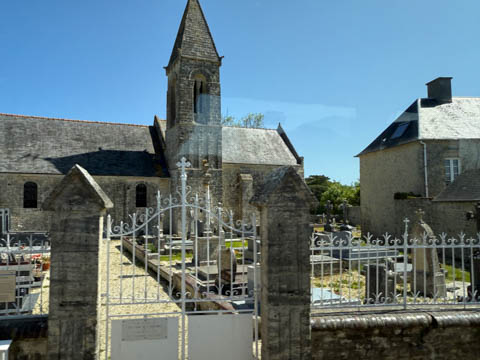
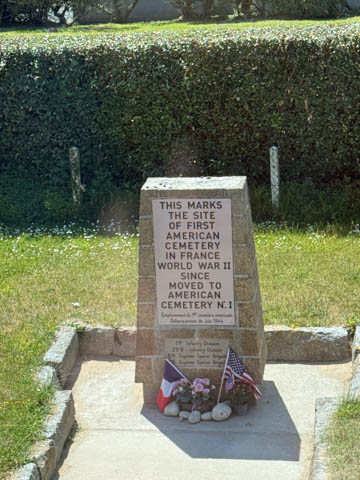
On the bus on the way out, we passed a small marked denoting the first American cemetery in France.
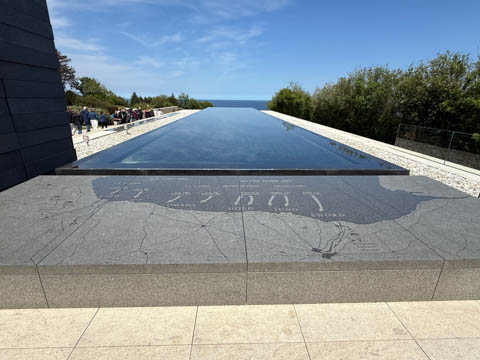
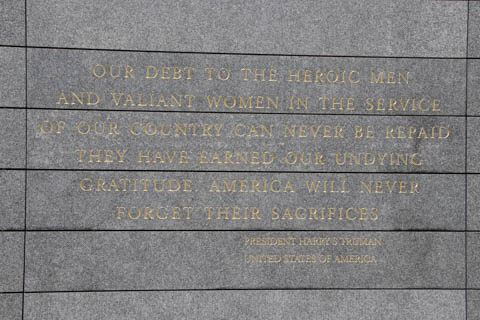
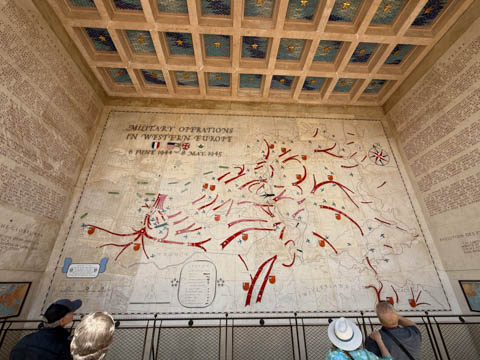
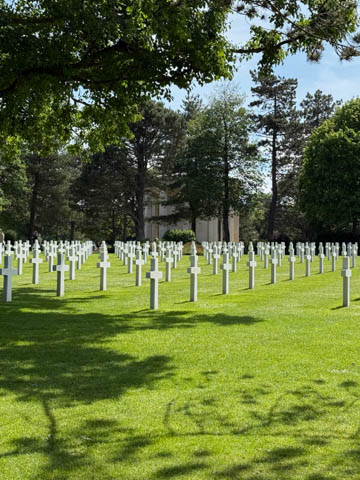
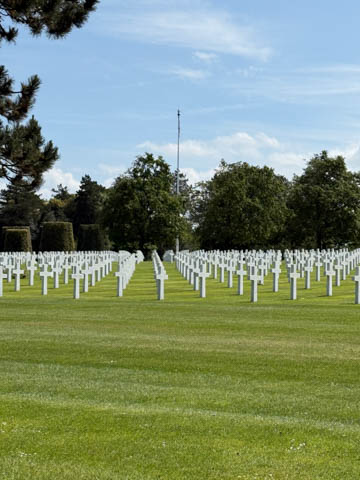
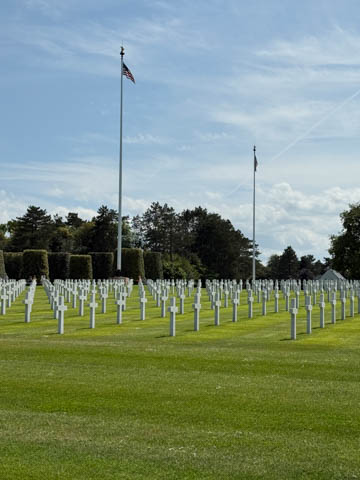
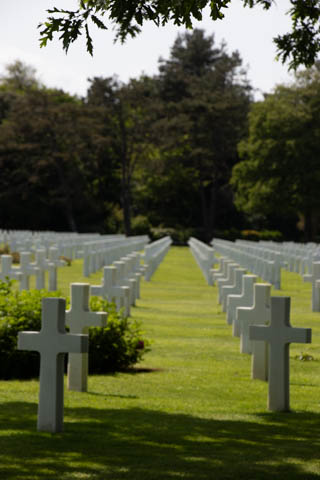
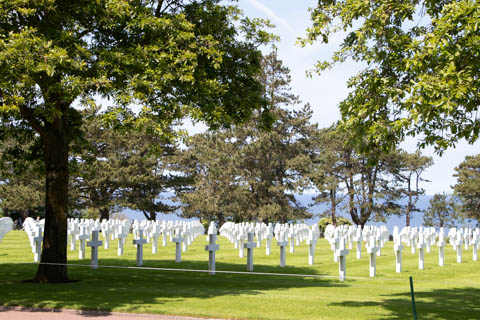
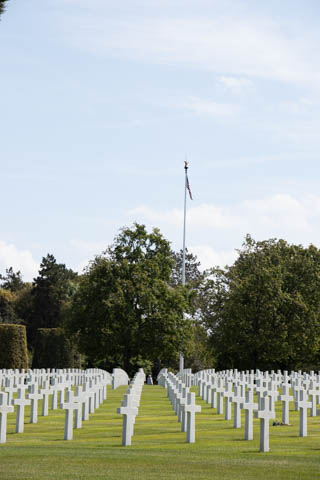
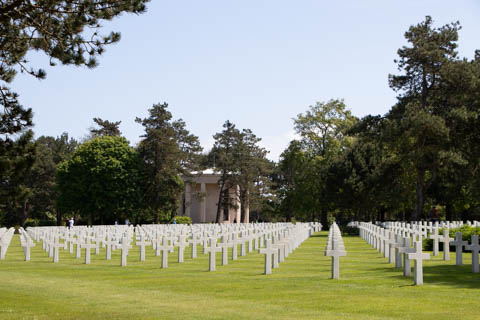
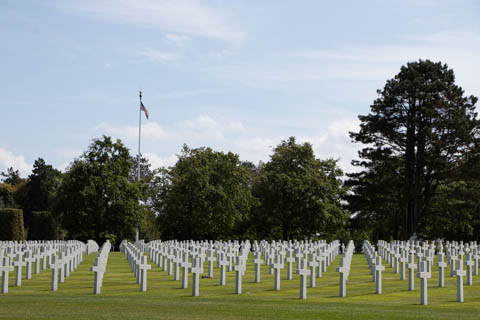
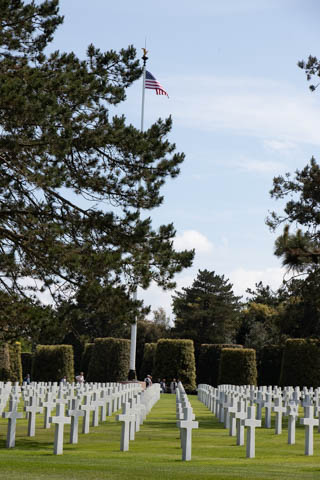
Our last stop of the day was at the nearby Normandy American Cemetery and Memorial in Colleville-sur-Mer overlooking Omaha Beach. These hallowed grounds preserve the remains of nearly 9,400 Americans who died during the Allied liberation of France. The dead include three Medal of Honor recipients and forty-five sets of brothers lying side by side. Every year over a million visitors come to pay their respects to the fallen and learn more about the crucial events that happened here. There were a couple memorials and displays on the way into the cemetery helping explain the landings.
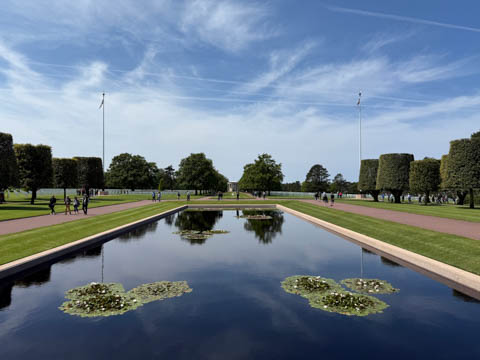
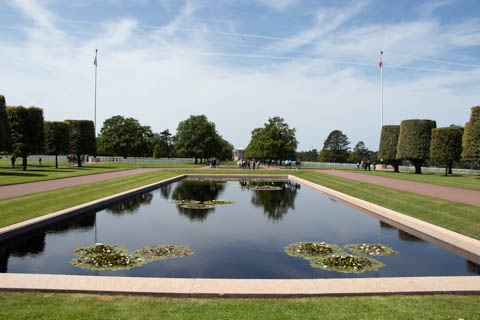
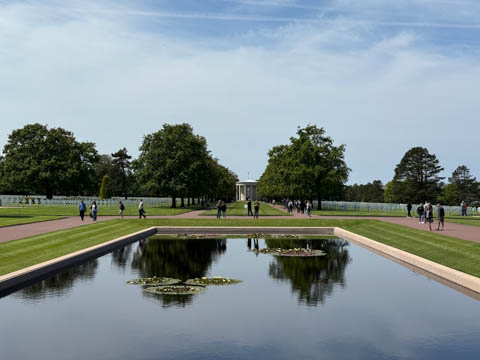
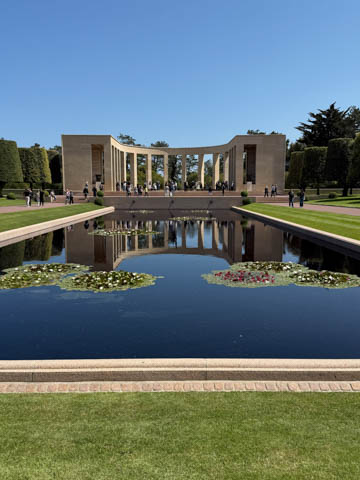
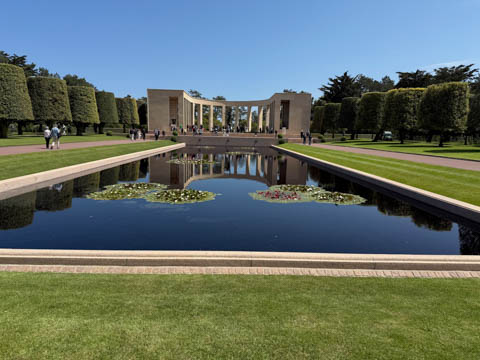
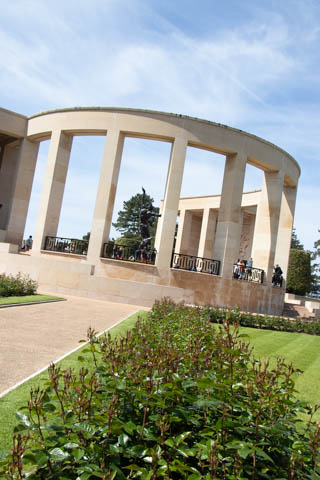
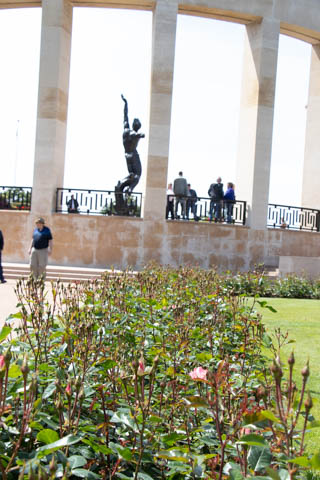
The site includes a memorial with two small alcoves at the ends of a semi-circular colonnade which faces a large reflecting pool.
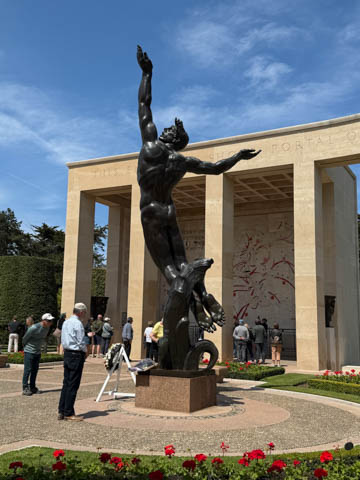
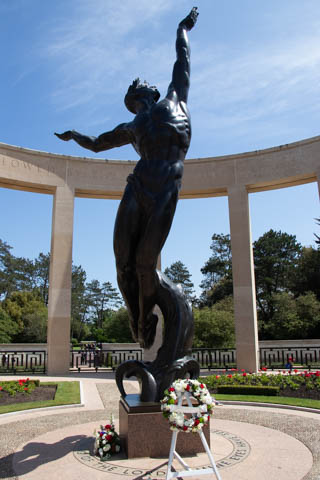
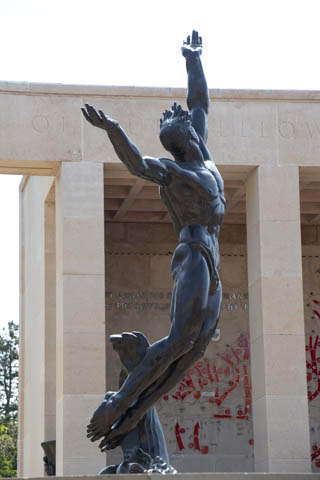
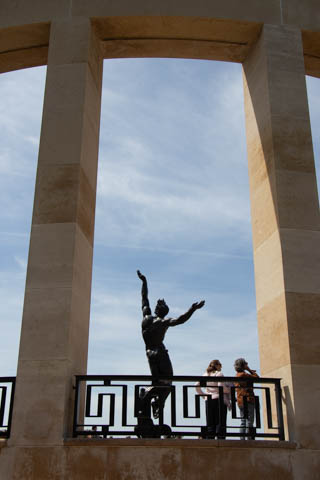
In the middle of the memorial is a bronze statue symbolizing the indomitable spirit of American youth titled Spirit of American Youth Rising from the Waves.
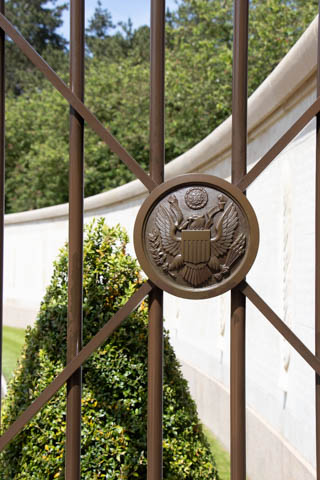
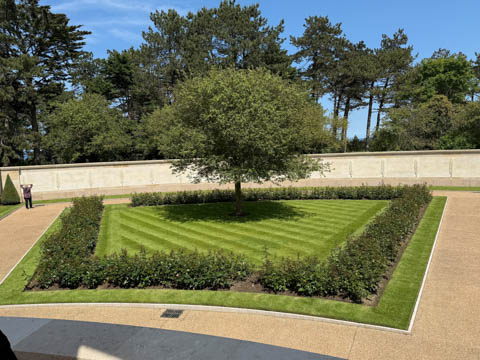
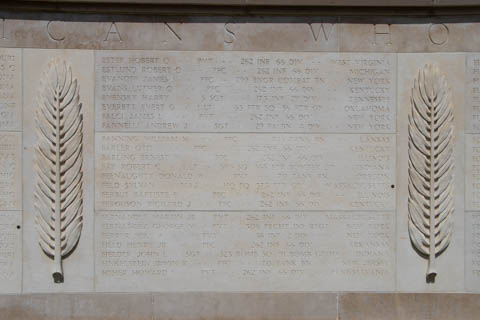
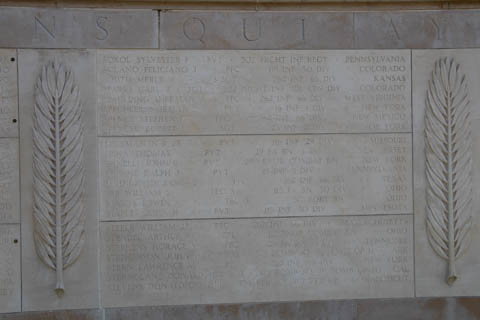
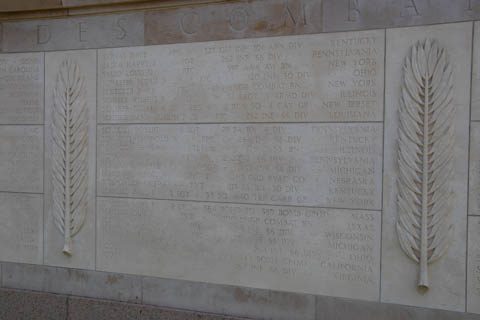
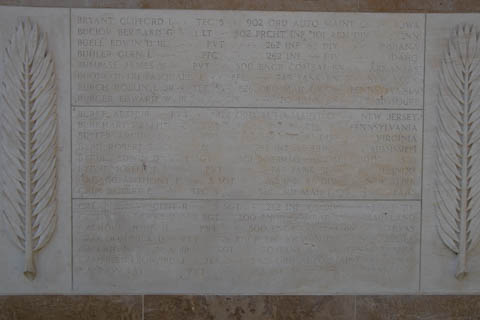
Behind the memorial is a small sectional garden with over 1,500 names carved on the walls creating a Garden of the Missing.
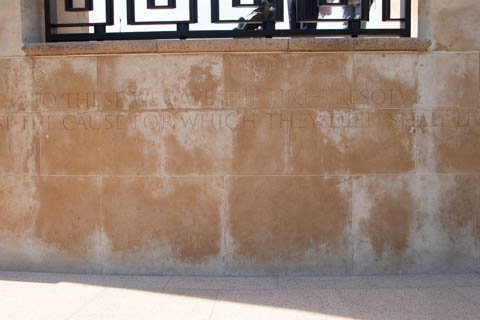
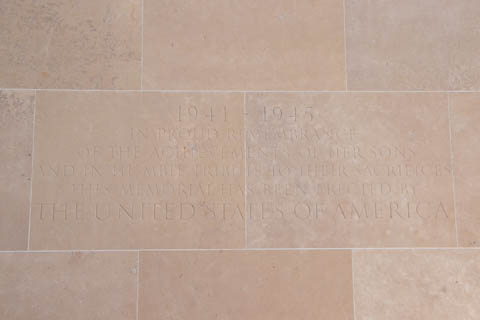
Inscribed in the wall is a quote from General Dwight D. Eisenhower's dedication of the Golden Book at St. Paul's Cathedral in London,: "To these we owe the high resolve that the cause for which they died shall live." The second inscription reads "1941-1945 In proud remembrance of the achievements of her sons and in humble tribute to their sacrifices, this memorial has been erected by the United States of America.
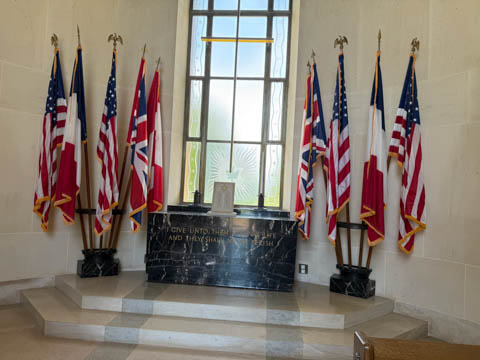
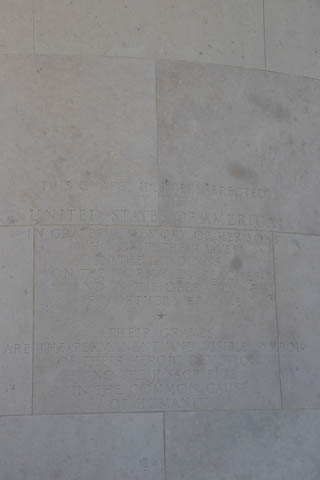
In the center of the cemetery rests a small circular chapel. The ceiling mosaic depicts America blessing her sons as they depart to fight for freedom. The inscription on the outside reads "this chapel has been erected by the United States of America in grateful memory of her sons who gave their lives in the landings on the Normandy beaches and in the liberation of Northern France - Their graves are the permanent and visible symbol of their heroic devotion and their sacrifice in the common cause of humanity."
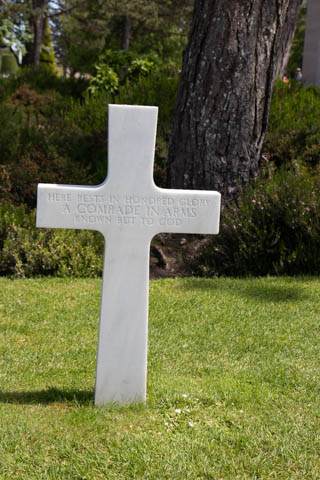
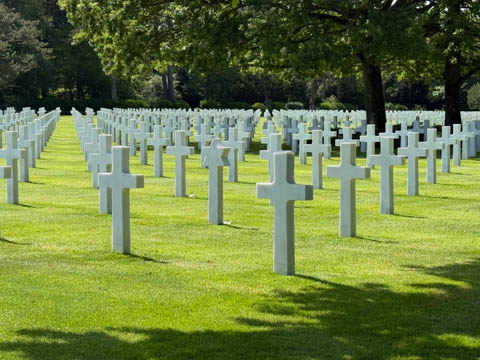
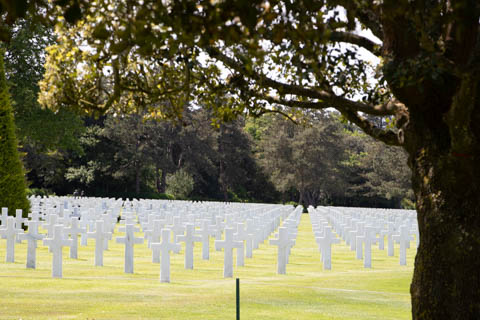
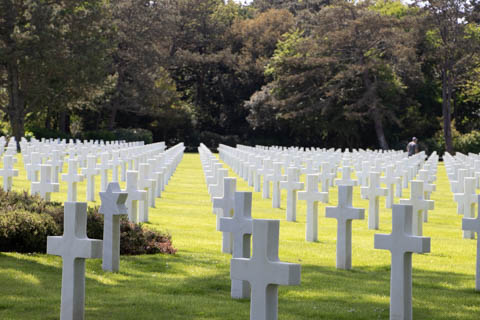
Ever present, as at Arlington, are the crosses and stars of David ... so many of them.
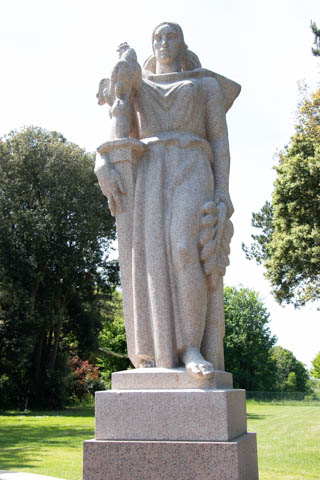
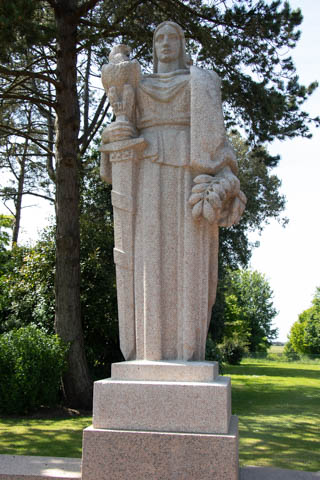
At the far end were statues depicting America and France.
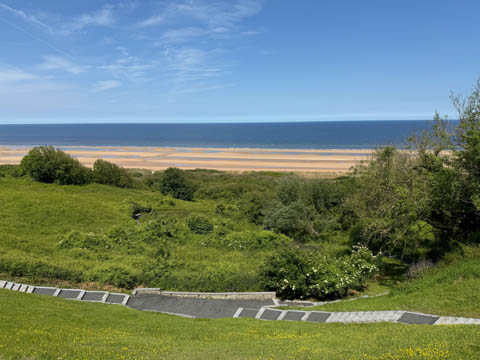
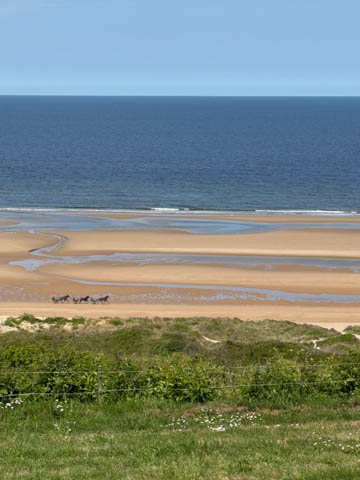
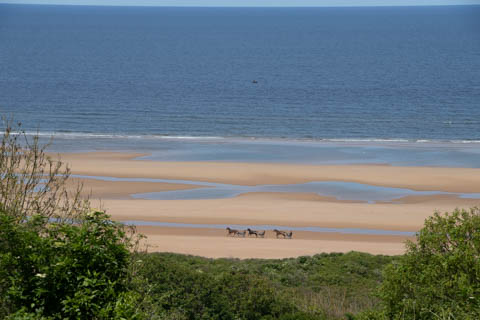
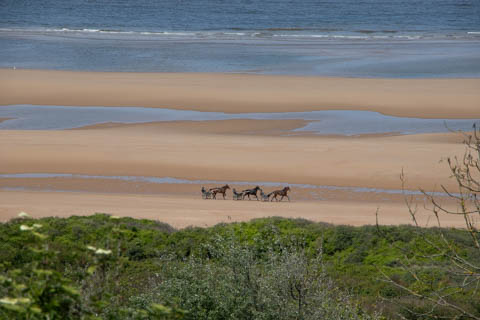
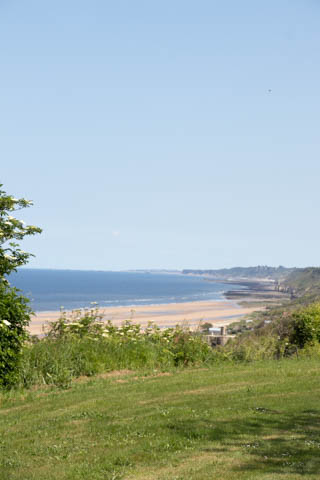
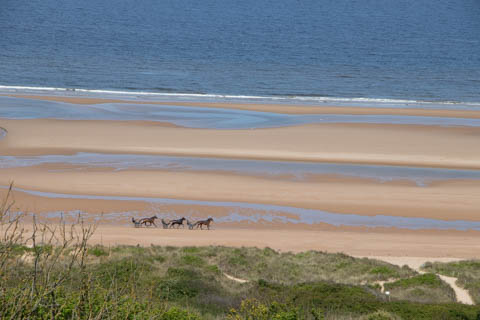
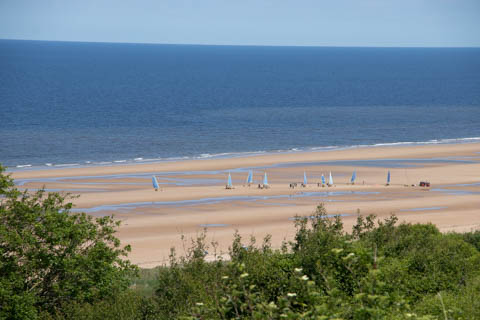
There were several locations allowing a look back down to Omaha Beach. Surprisingly, we could see some rides our with their horses harness racing or cart racing.
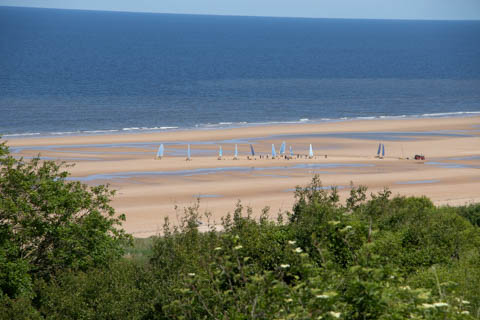
There was even a group of land sailers.
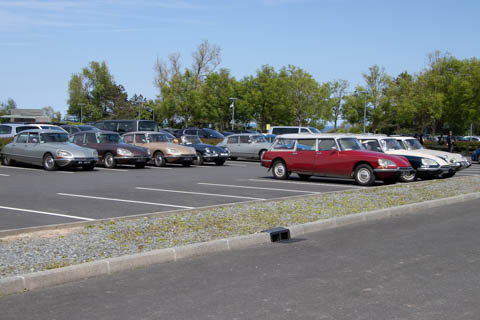
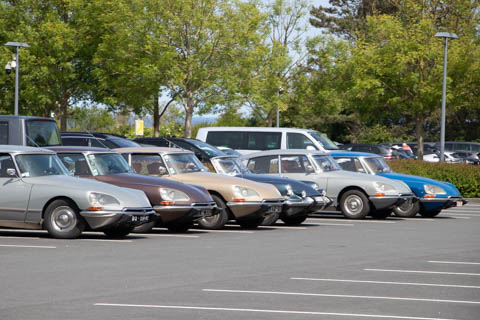
Clearly a car group our with their classic Citroens.
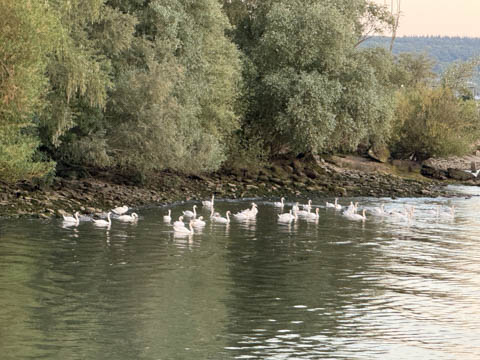
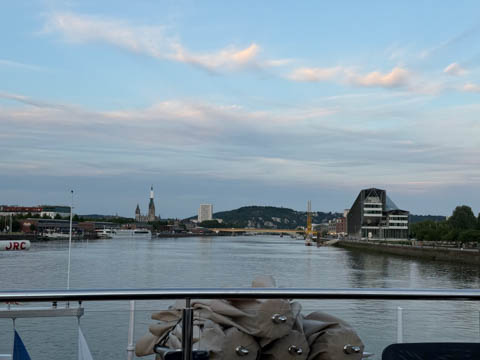
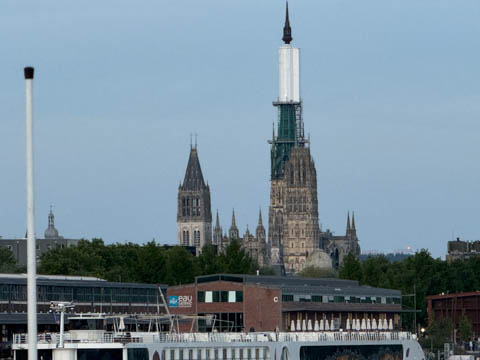
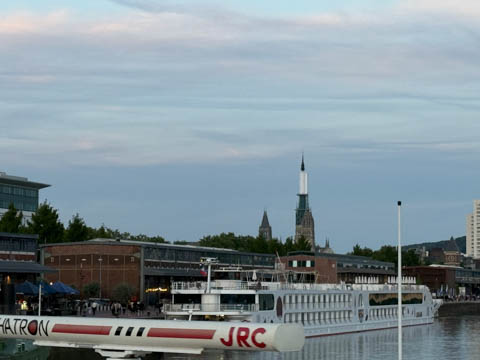
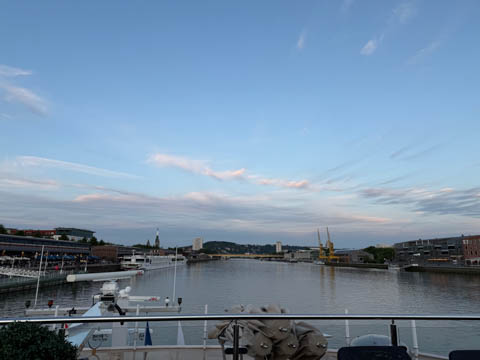
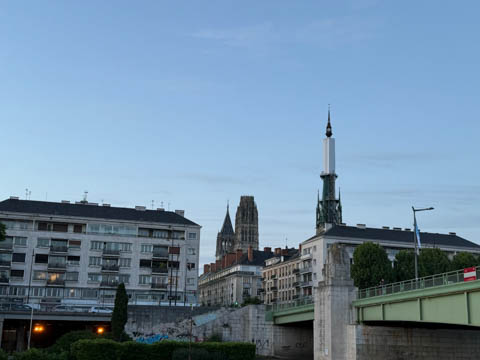
Once back on our boat, we departed Caudebec and headed up rive to Rouen. Some more swans along the way.
|
|
|