

|
|
Use these navigation links to move between the Year 2025 pages. Specific pages can be accessed at the bottom of this page
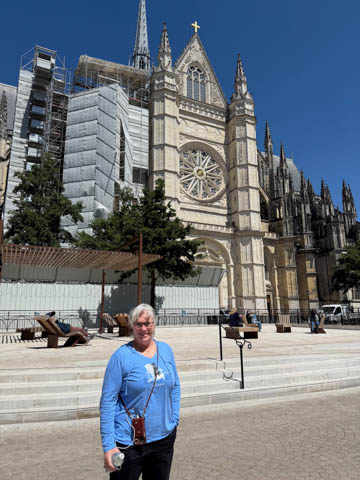
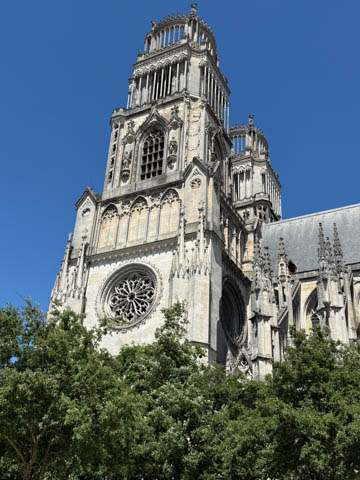
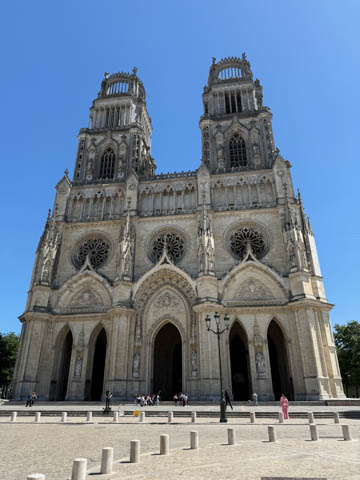
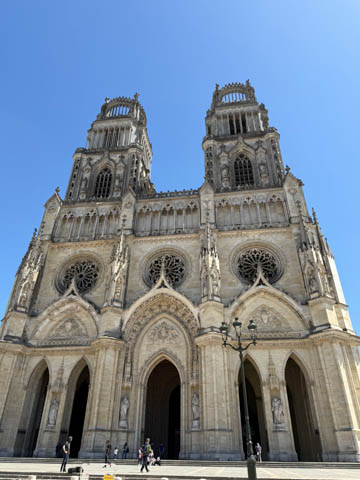
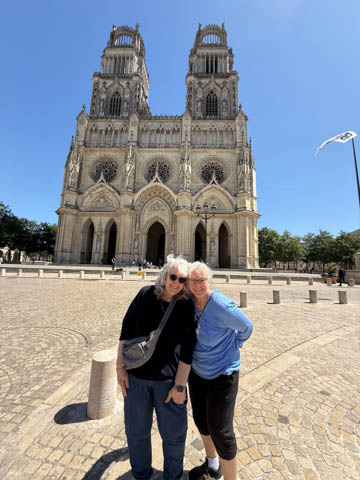
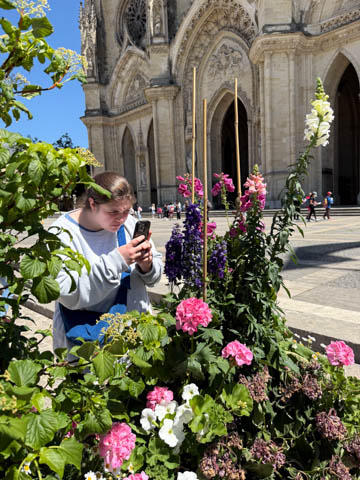
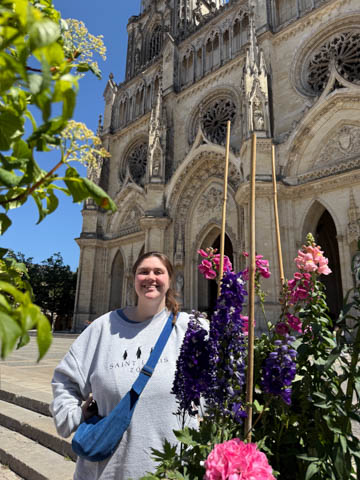
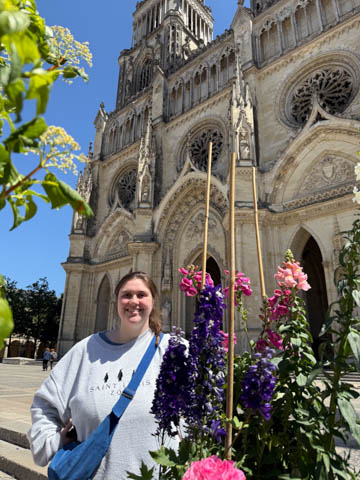
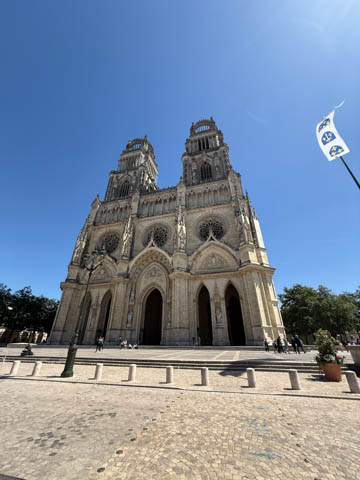
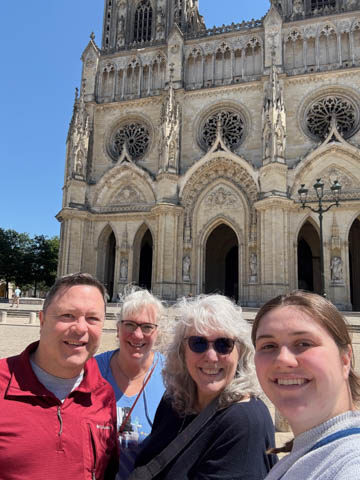
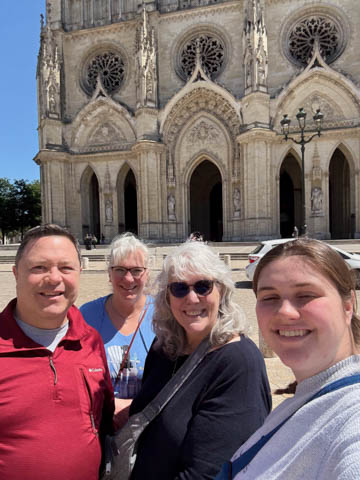
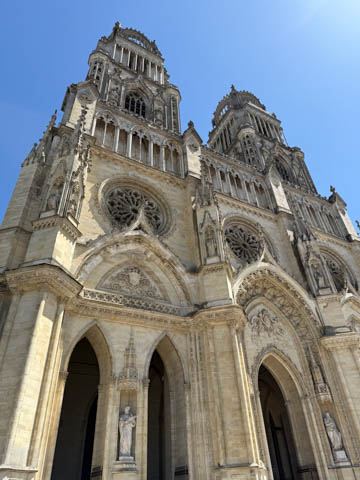
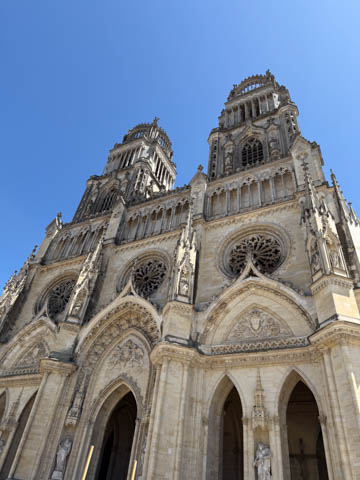
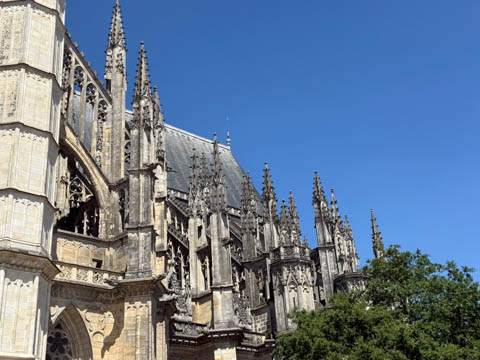
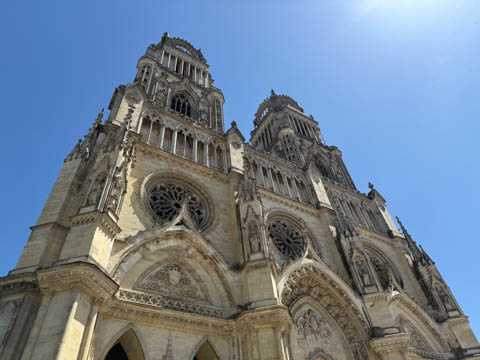
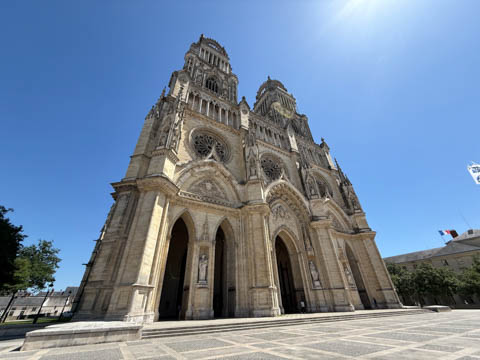
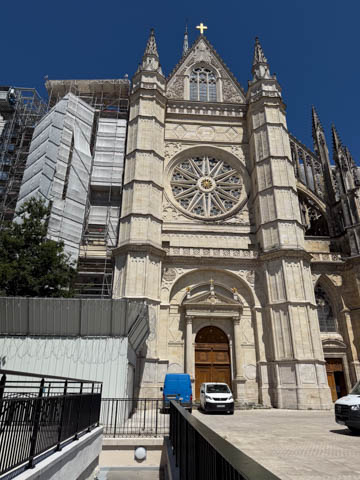
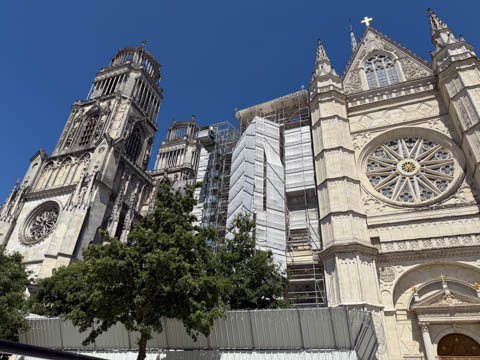
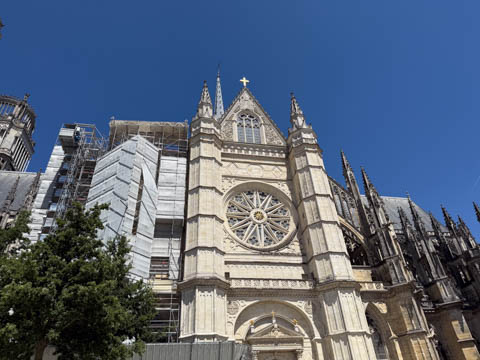
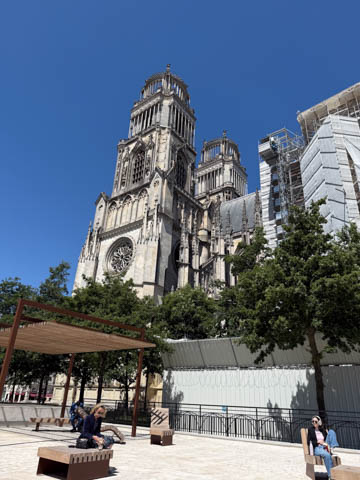
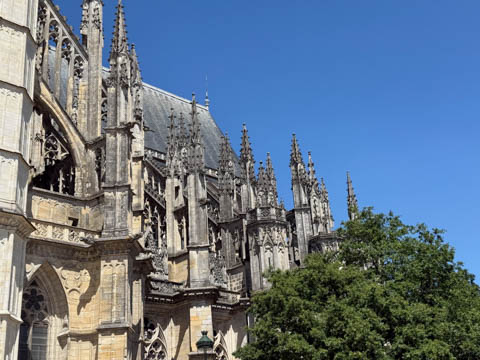
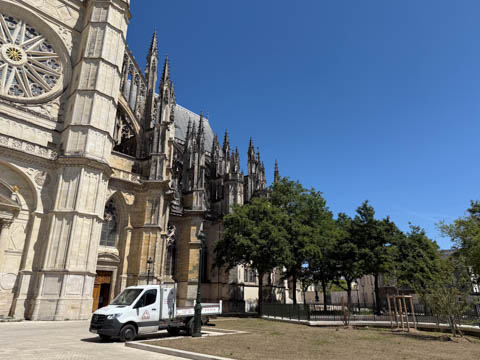
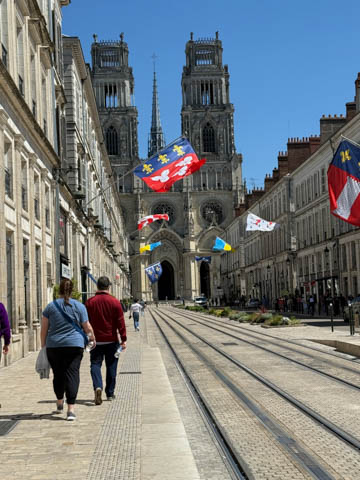
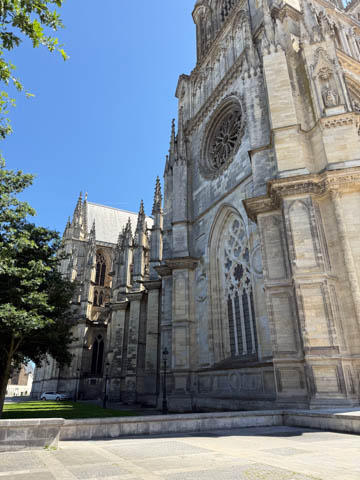
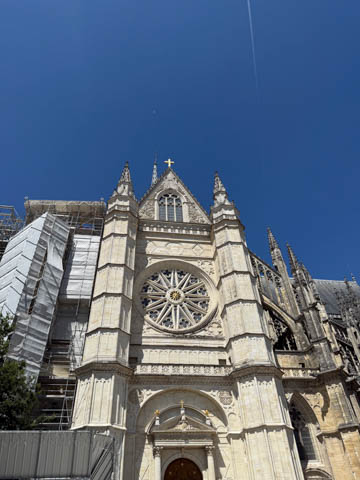
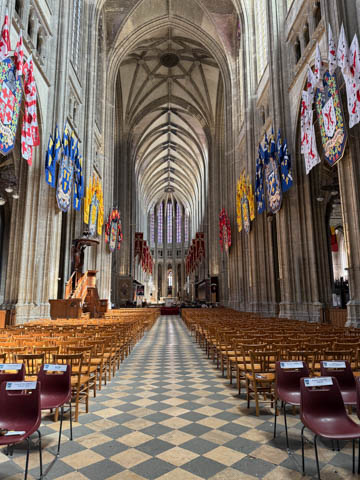
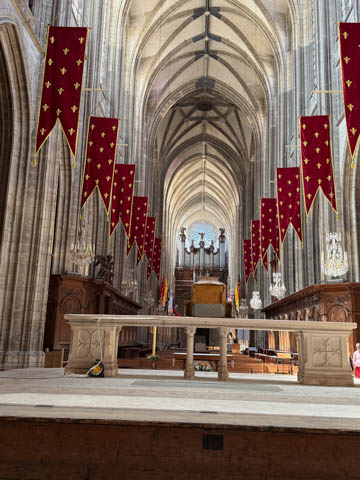
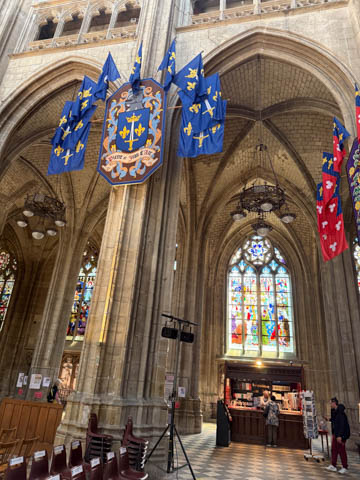
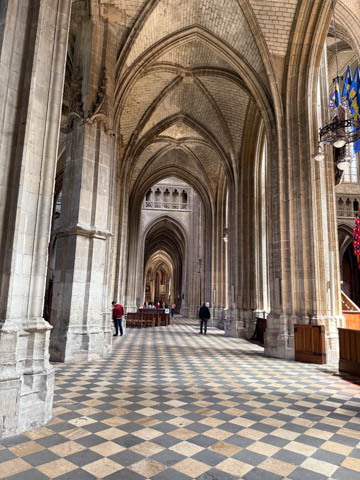
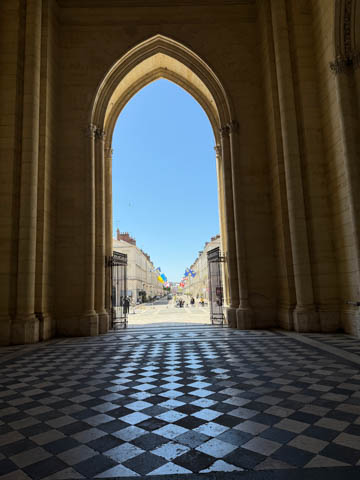
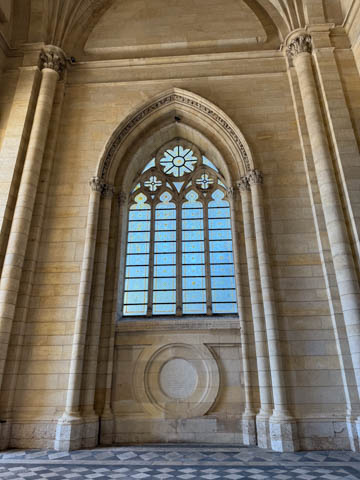
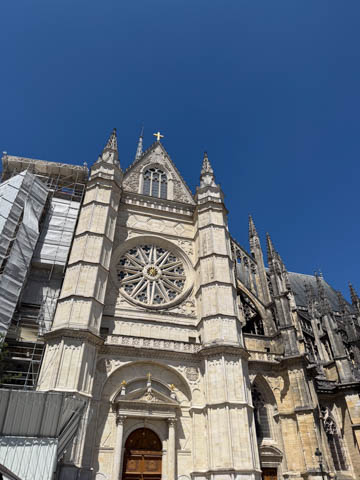
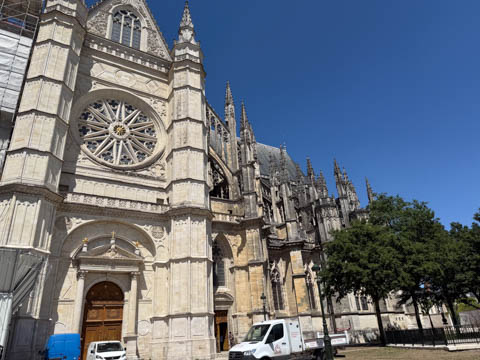
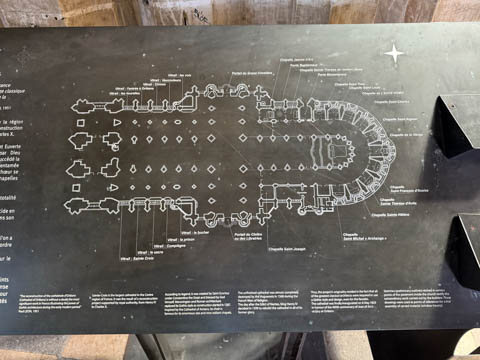
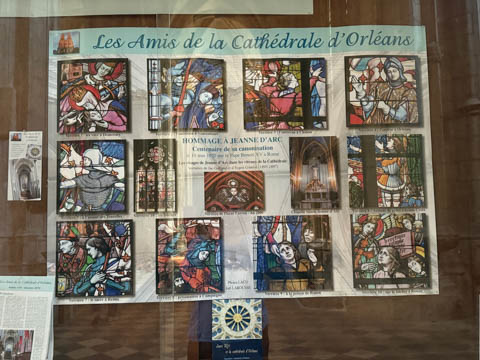
May 2025 (Part 03) France Trip: Day 1: Orleans To celebrate her graduation, we took Alexa on a trip to France! We managed to fit in a lot over two weeks, which was how long we could fit in before Alexa needed to get home for an infusion. We spent about two days in the Loire Valley enjoying chateaus; a couple days in Paris going to the top of the Arc De Triompe and the Eiffel Tower along with a visit to the Louvre,; then a seven day riverboat cruise down the Seine to Normandy with stops to see Monet's gardens in Giverny, Omaha Beach, and the Palace of Versailles; and finally a couple more days in Paris enjoying some more museums. Aunt Cathy joined us for all but the last couple days in Paris, taking advantage of the fact we had to get a separate cabin for Alexa on the cruise. This was so well fit to Alexa and we delighted in just seeing how much she enjoyed her time. We met up with Aunt Cathy at Charles De Gaulle airport. After a rather long wait to get a rental car, then a challenge of getting all of our stuff to fit, we headed off south-southwest of Paris toward the Loire Valley. After the long flight, we really weren't up for a long drive, so we planned to stop in Orleans on the way. This is an ancient city, with roots dating to pre-Roman times and was the capital of the Kingdom of France during the Merovingian period. It is particularly known for the role of Joan of Arc during the siege of Orléans during the Hundred Years' War with England. The city pays homage annually to the "Maid of Orléans," an event we missed by a couple weeks. The Duke of Orleans is the namesake of New Orleans in Louisiana (which is named after French King Louis). The capital of the Louisiana territory was named la Nouvelle-Orléans (New Orleans) in honour of Louis XV's regent, the duke of Orléans, and was settled with French inhabitants against the threat from British troops to the north-east. The Cathedral of Orleans stands as one of the largest and last built cathedrals in France. It was visited by Joan of Arc during the siege of Orleans and is now known for a series of stained glass windows depicting Saint Joan's life. This ancient site featured a Roman temple, which may have been built on an even older Roman pagan temple dating to the 1st century based on archeological evidence. The first Roman Catholic basilica was built in the fourth century, which grew large enough to host the coronation of two kings in the ninth century. A new Romanesque cathedral was built after the basilica, along with the town, was destroyed by fire in 989. This cathedral partially collapsed in the late thirteenth century due to structural problems. The current Rayonnant Gothic style (High Gothic or French Gothic, similar to Notre-Dame de Paris) cathedral dates to the rebuild at this time and was built between 1288 and 1530, taking 243 years to build with construction halted by the Hundred Years War. Shortly after, during the Wars of Religion, the cathedral was looted in 1562, at the same time as other churches in Orléans, and in 1568, the building was partially destroyed by Protestant Huguenots, who destroyed the medieval steeple and arches. In 1598, Henry IV of France ordered a rebuilding project completely restoring the cathedral. Construction promptly started in 1601, with the first stone being laid by Maria de Medici (who we would hear a lot about at several of the Loire Valley chateaus). Most of the structure was rebuilt similarly to its predecessor, however, notable additions added included the addition of flying buttresses, vaults to the transept, and the replacement of the old Gothic facades with a mix of Italian Gothic and Classical styles. In addition to this, the demolition of the main entrance marked the removal of the last remaining part of the original Roman cathedral. In the late 18th century the original Romanesque towers of the facade were replaced by the more imposing towers seen today, and the main bell tower above the transept crossing was replaced by a slender steeple in the Gothic style. The cathedral was consecrated by Charles X in 1829, nearly 600 years after its initial completion, and despite functioning as a gothic cathedral, Orleans Cathedral was designated as a basilica by Pope Pius IX. Unlike other cathedrals around France at the time, cathedral suffered little damage during World War I but sustained severe damage during World War II, first by artillery from German forces during the Battle of France, then by Allied bombings towards the end of the war. However, extensive restoration work was initiated after the war, and still continues today We took some pictures outside the cathedral, but instead of heading inside right away, we wandered off into town in search of lunch first.
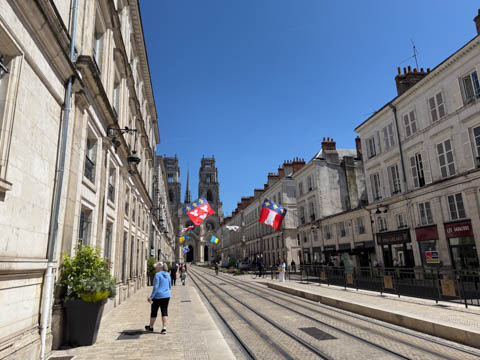
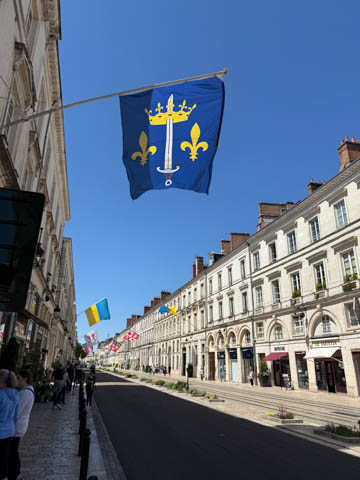
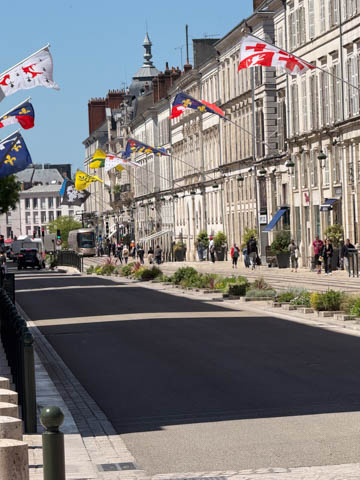
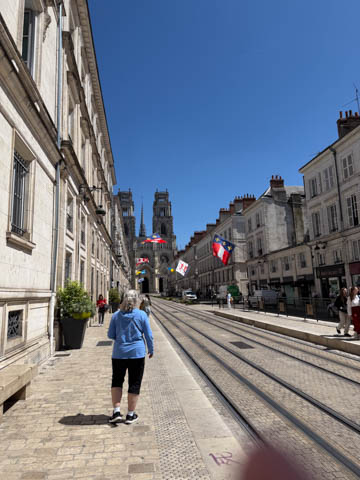
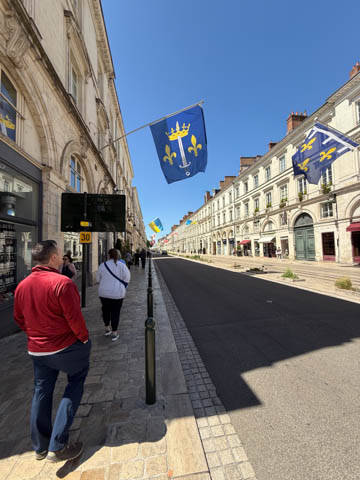
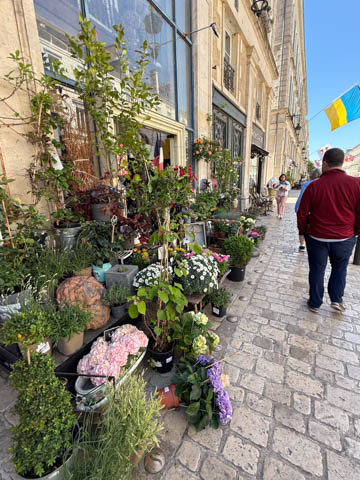
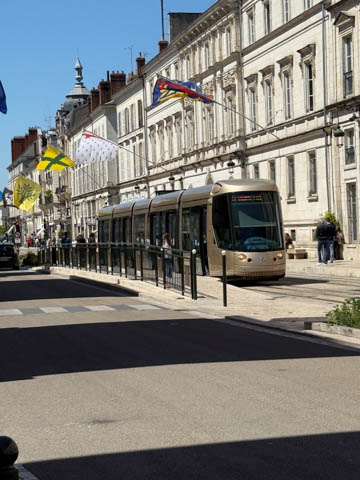
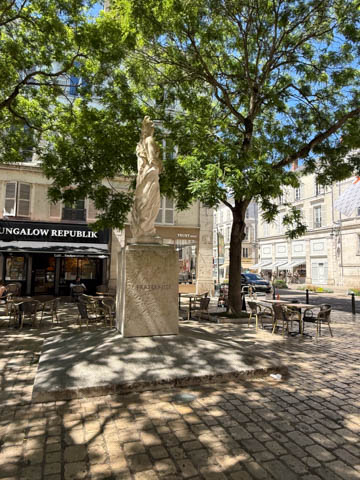
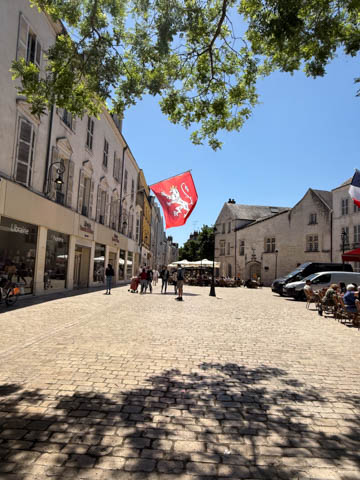
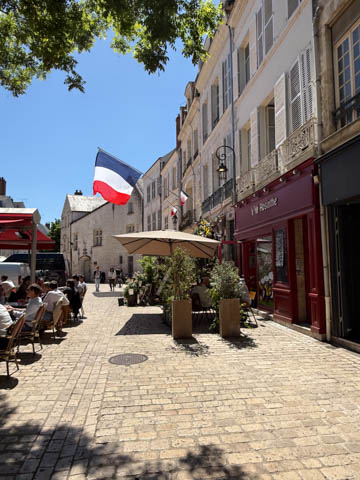
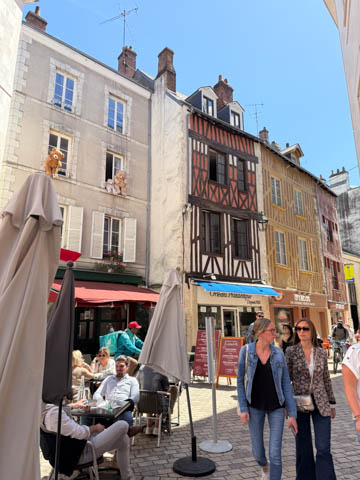
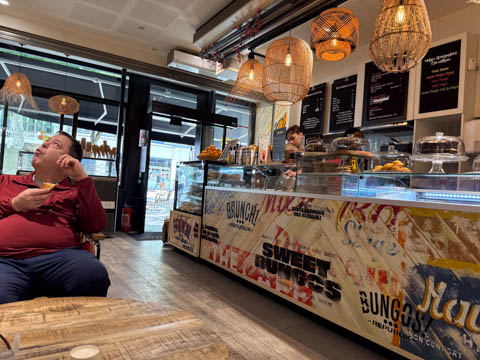
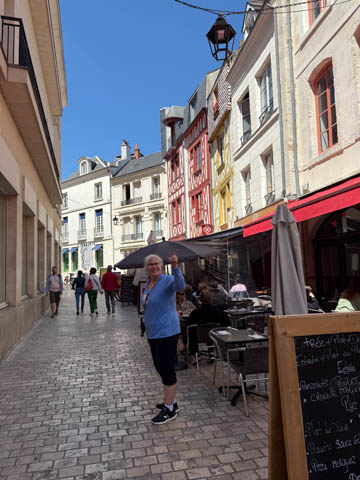
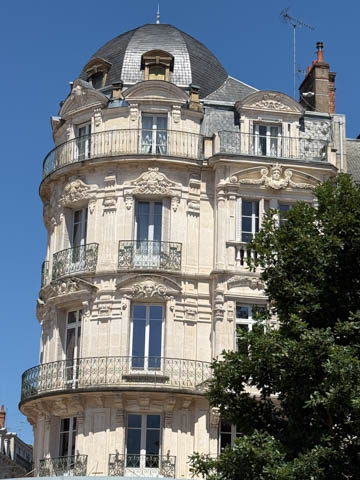
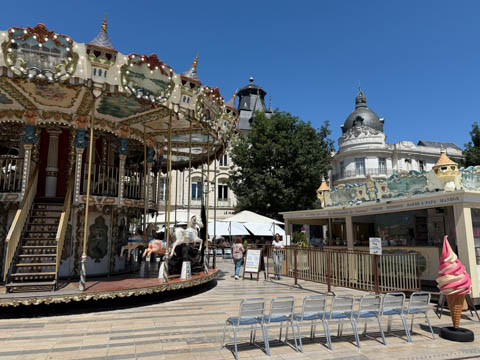
We headed off into town to find some food (and an ATM).
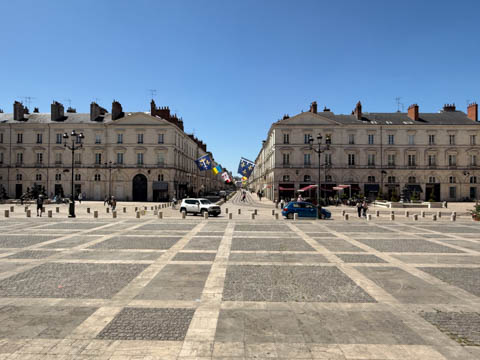
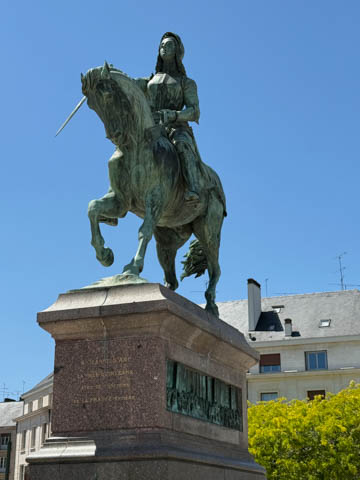
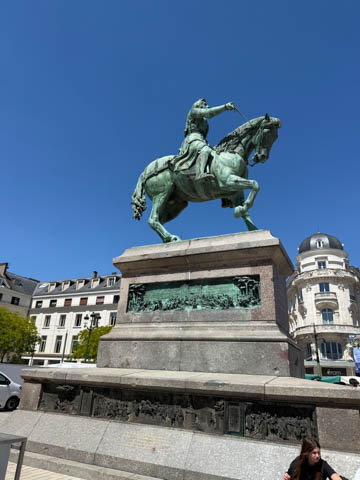
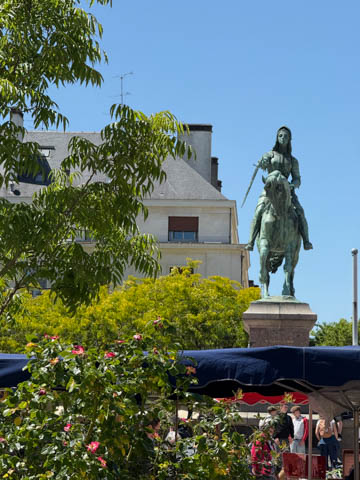
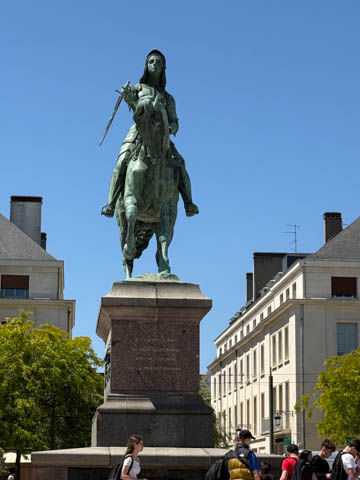
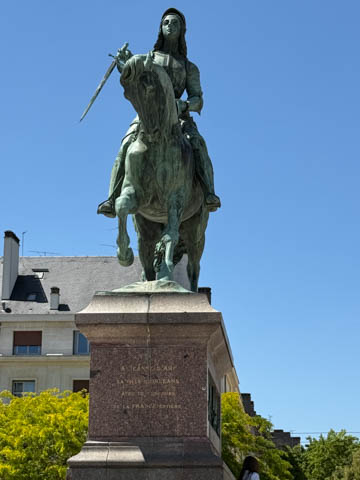
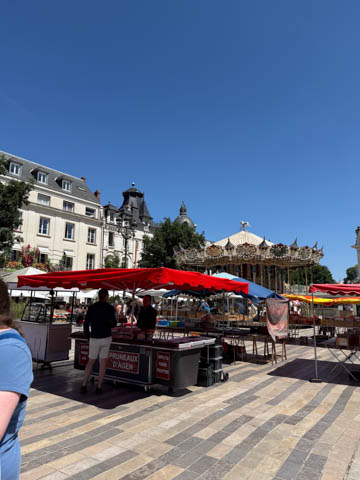
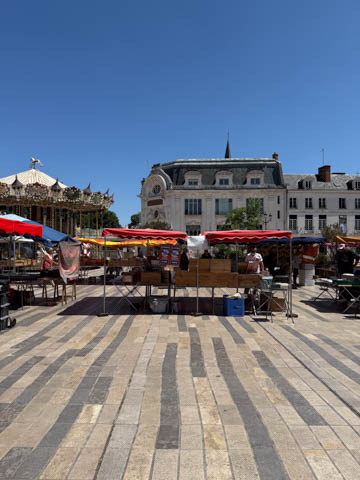
We eventually found Place du Martroi, the heart of the city which featured an equestrian statue of Joan of Arc at its center. There was a small town market in progress, where we got some fruit.
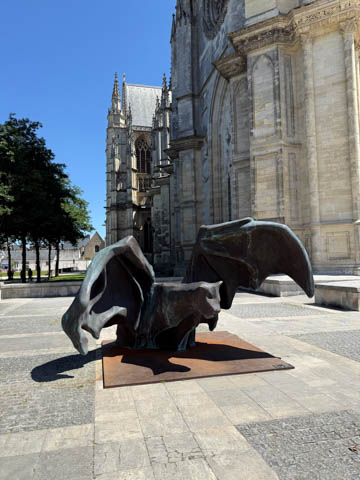
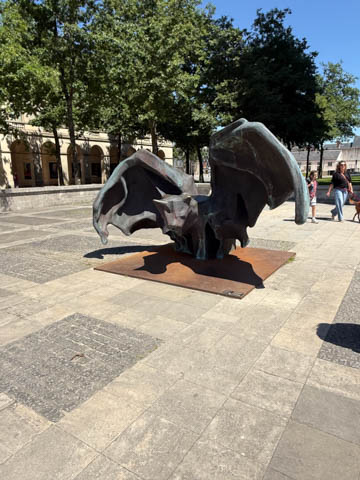
We wound up back at the cathedral. Interesting statue outside.
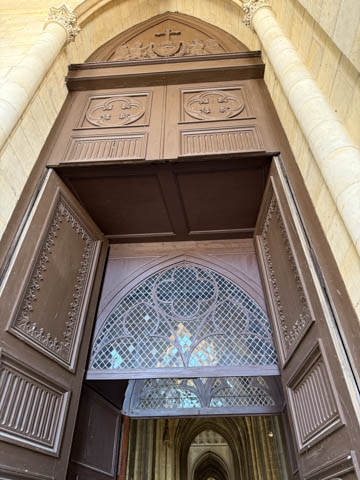
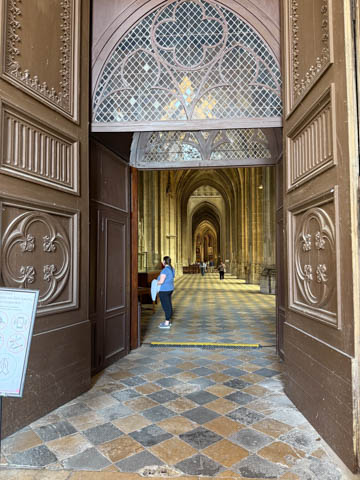
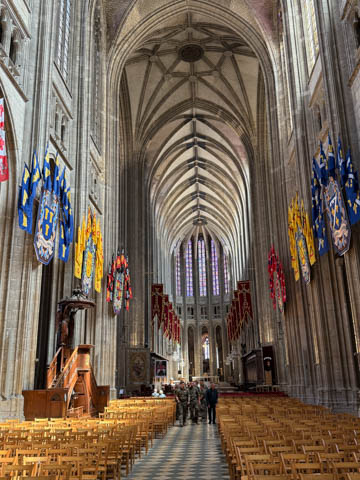
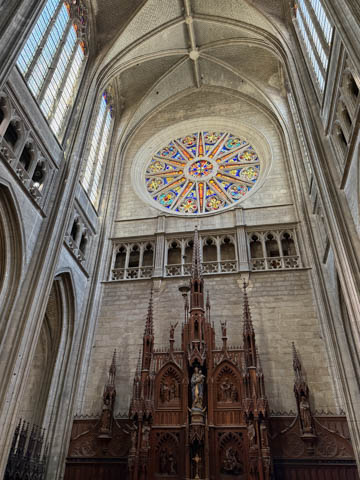
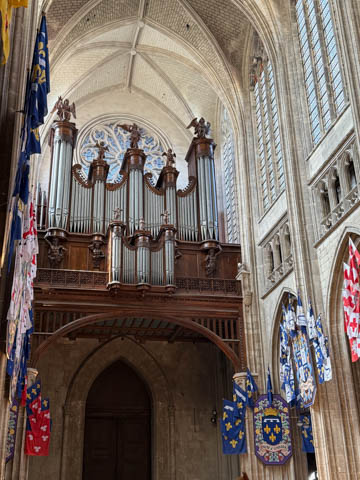
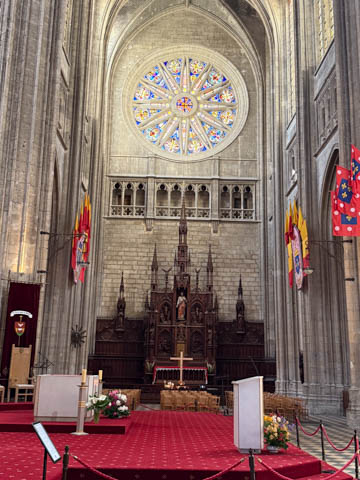
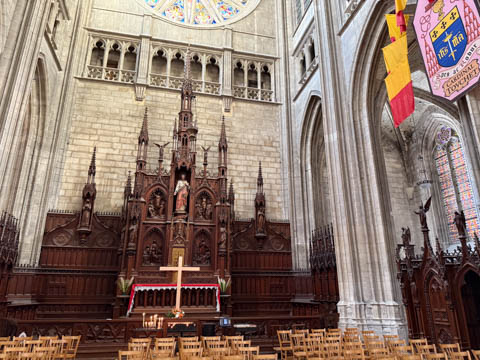
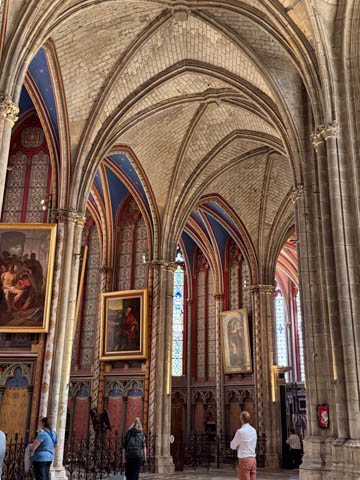
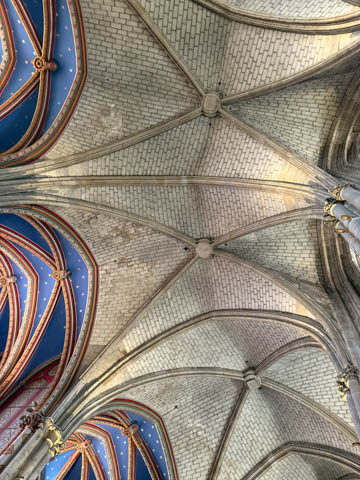
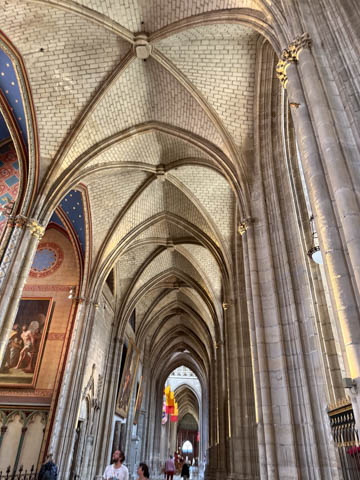
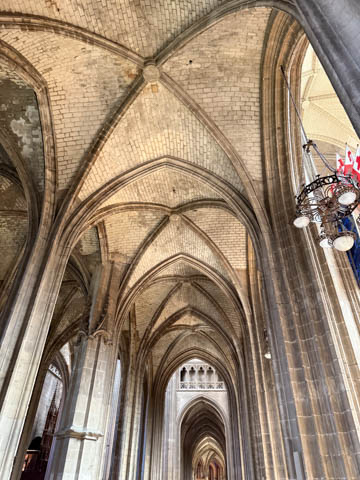
We headed inside this time.
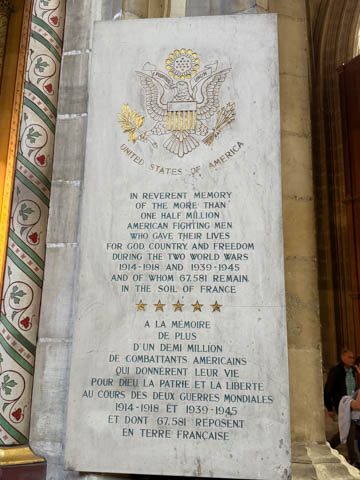
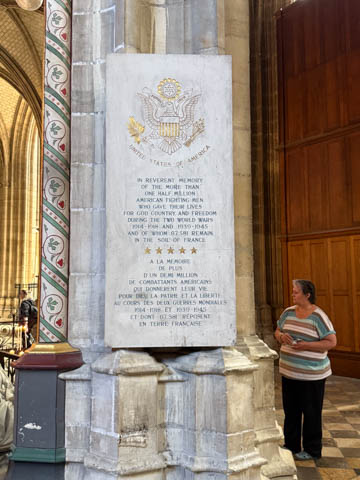
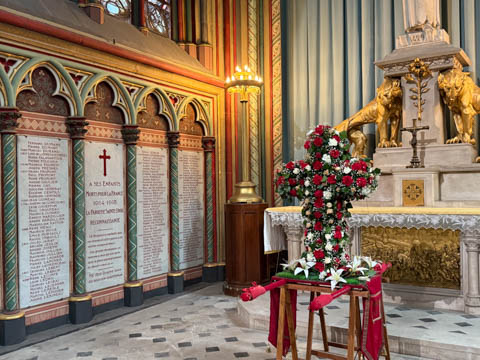
Surprised to find a memorial to Allied troops inside.
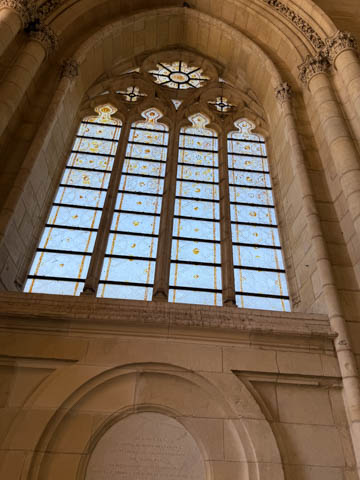
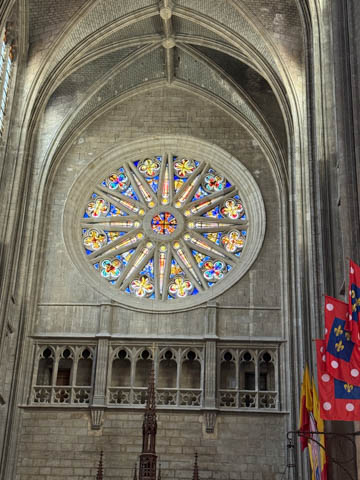
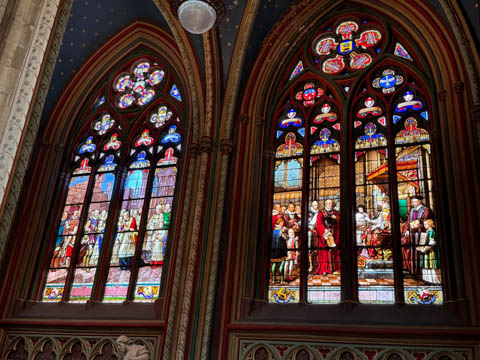
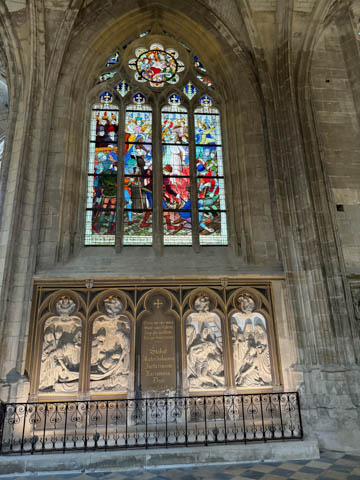
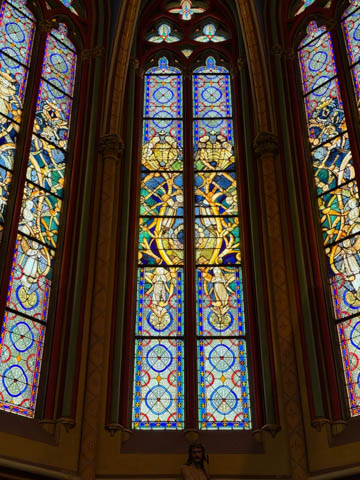
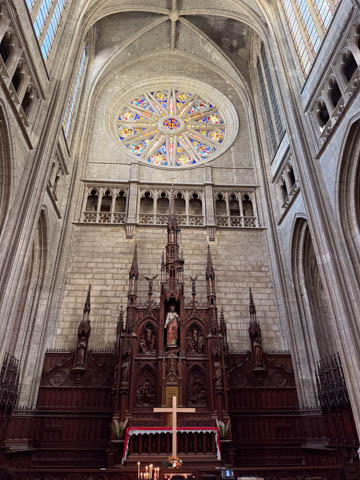
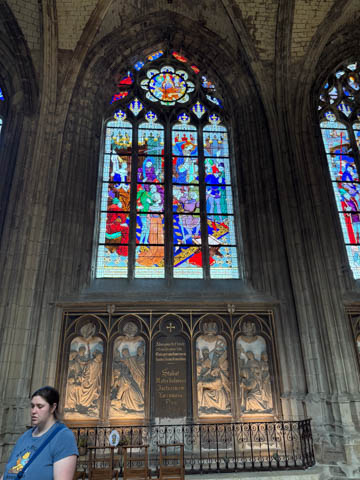
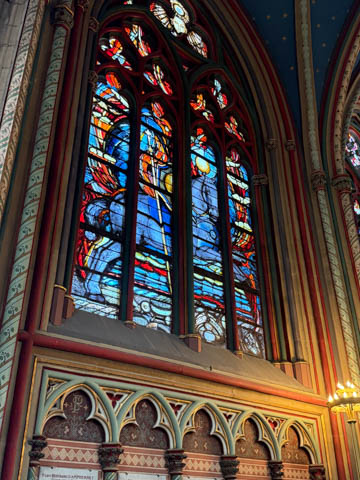
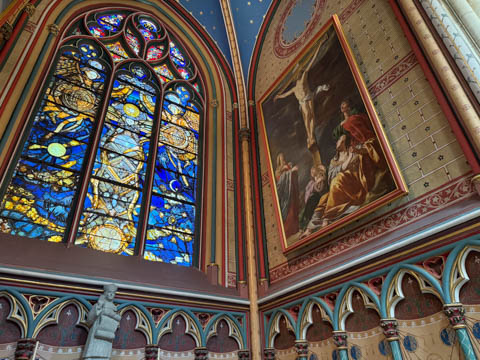
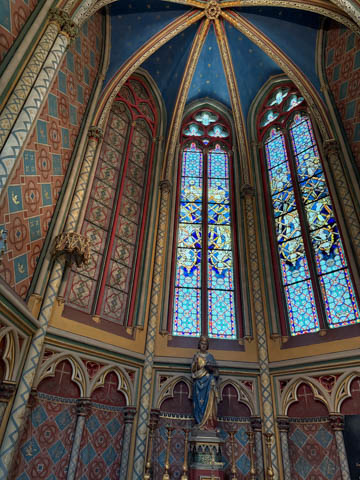
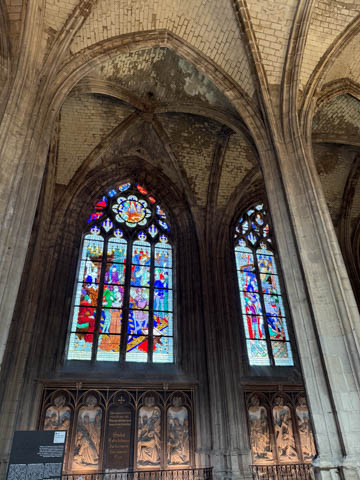
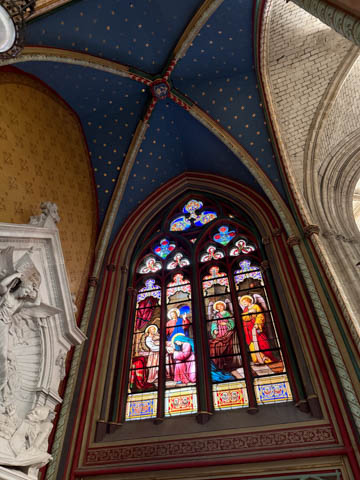
Due to damage from World War II and the Wars of Religion, most of the cathedral’s stained glass with the exception of the rose windows date from the 19th century
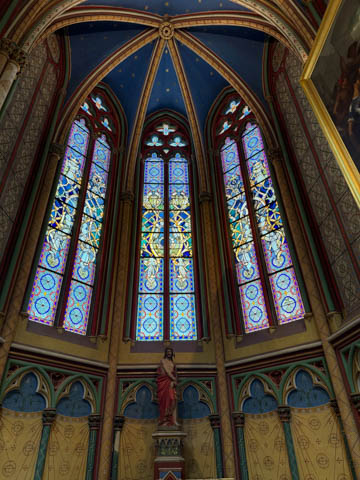
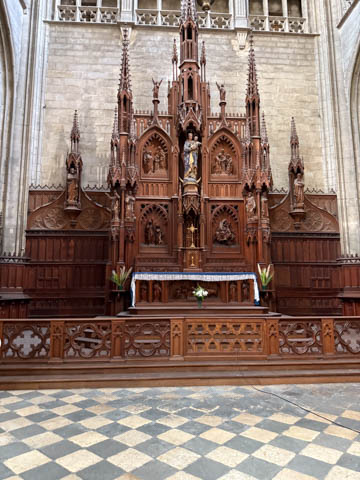
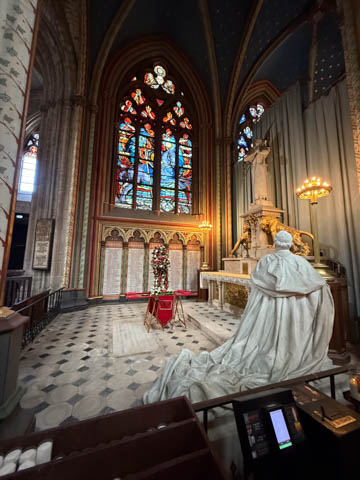
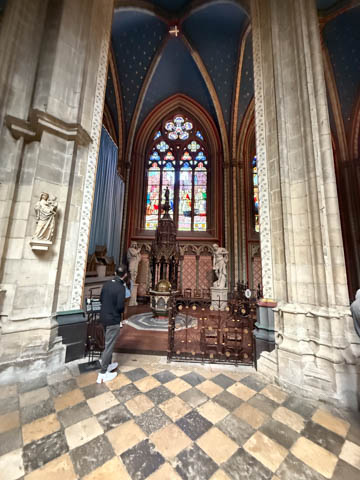
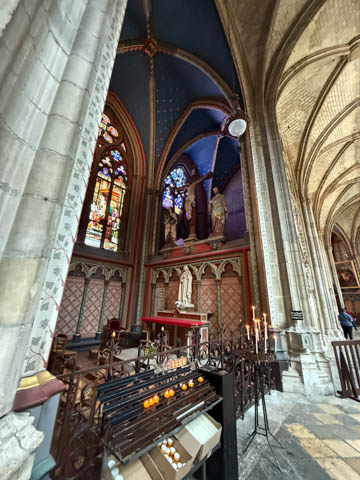
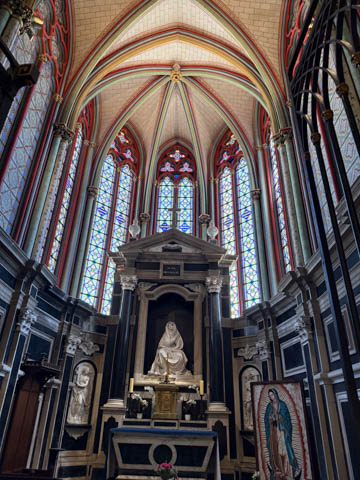
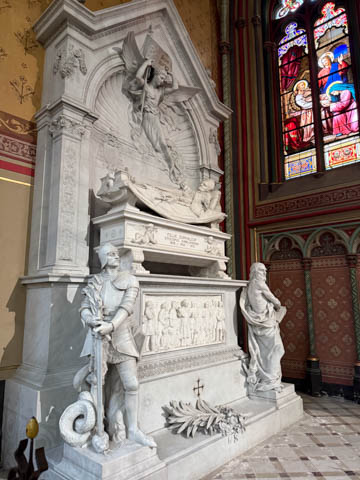
There were some amazing sculptures and decorations around the apse in side chapels.
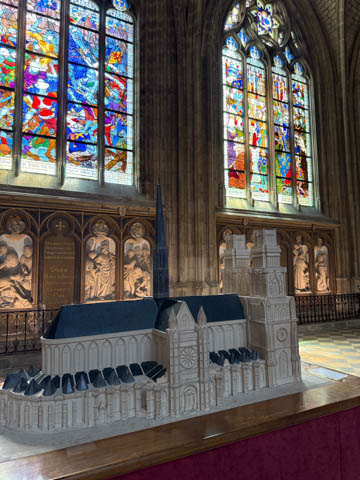
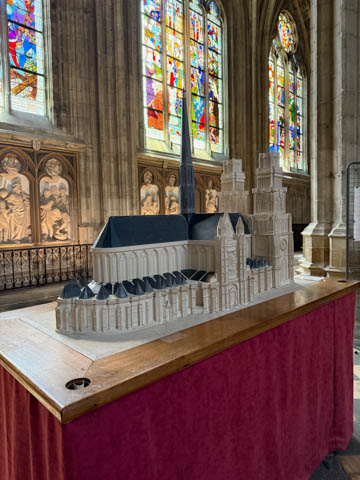
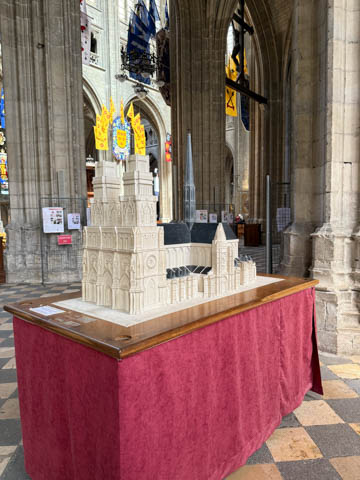
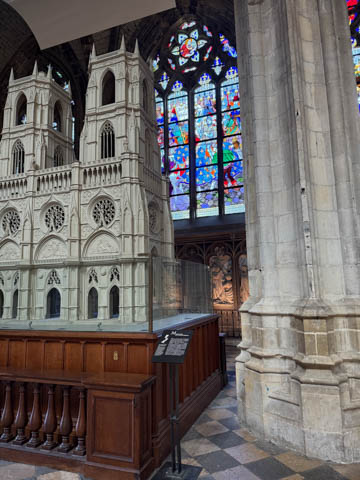
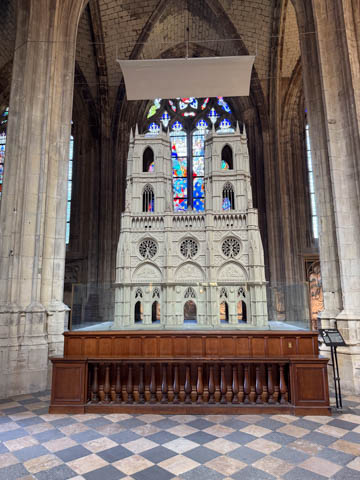
\ There were two separate models of the cathedral.
|
|
|