|
|
Use these navigation links to move between the Year 2025 pages. Specific pages can be accessed at the bottom of this page
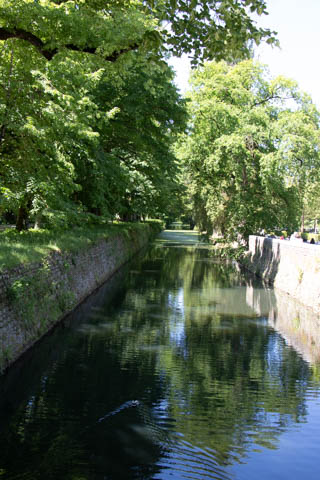
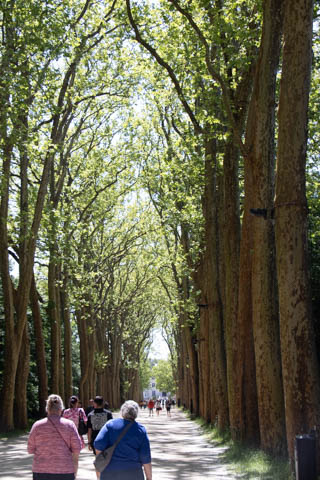
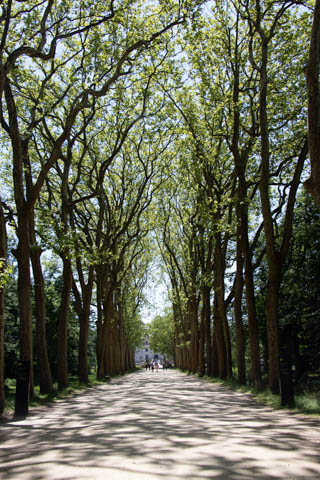
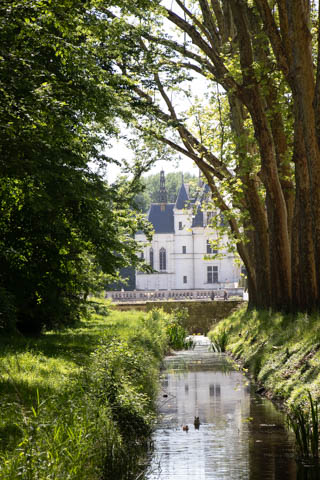
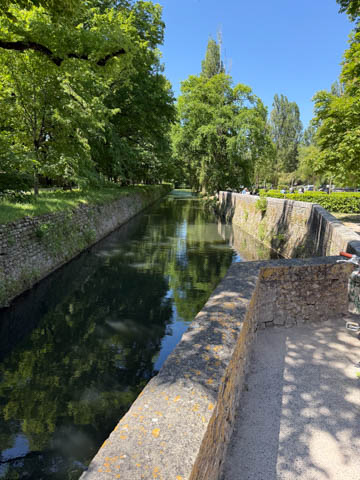
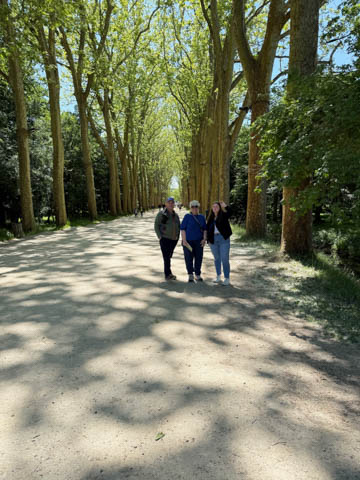
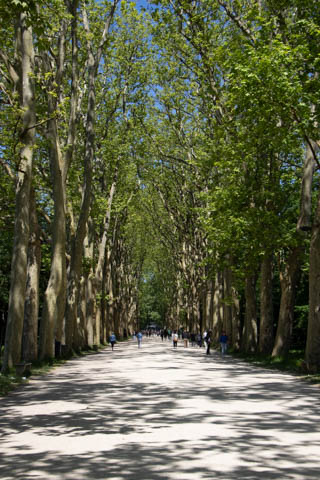
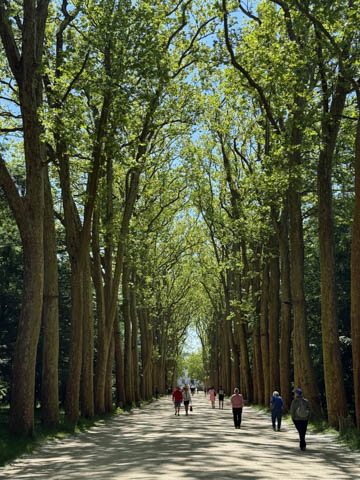
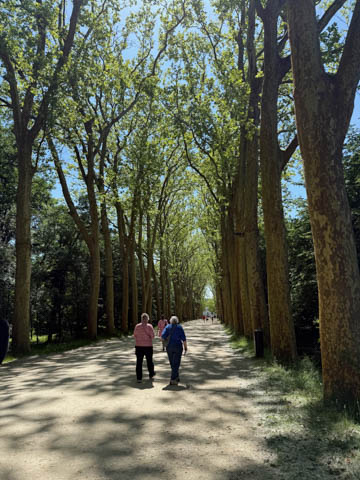
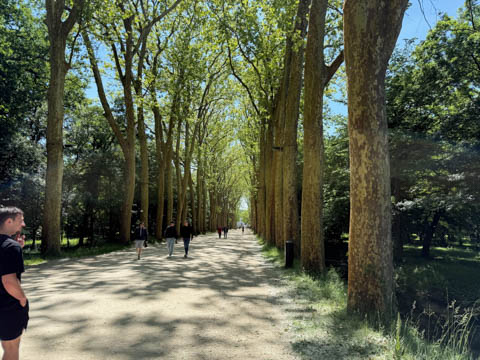
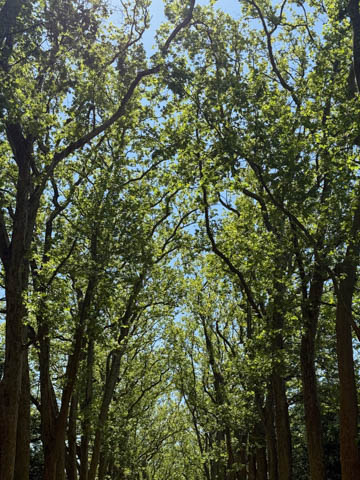
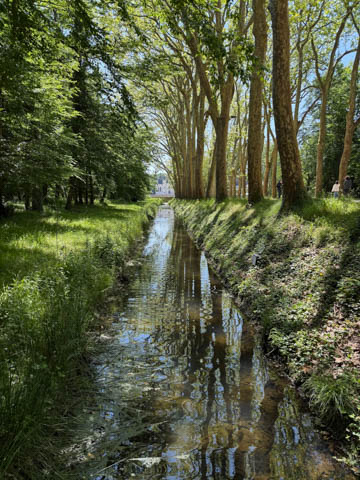
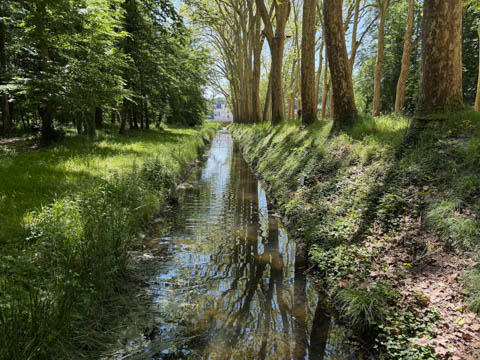
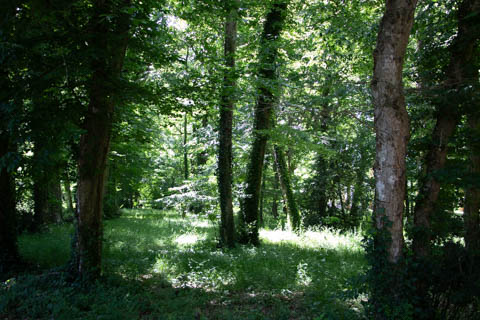
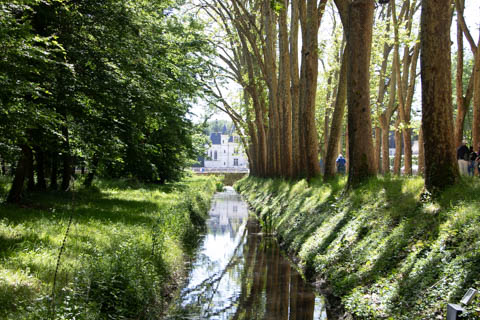
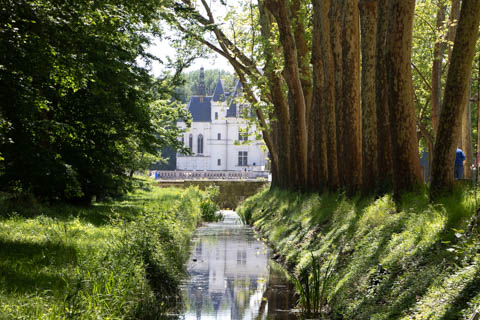
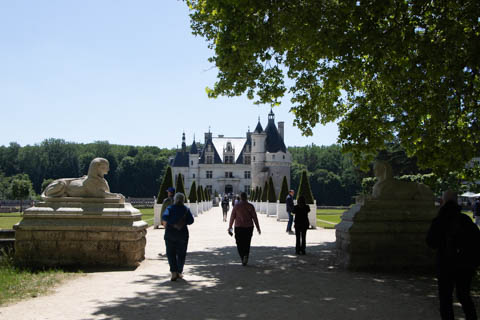
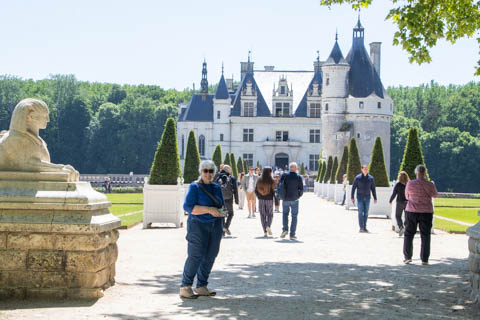
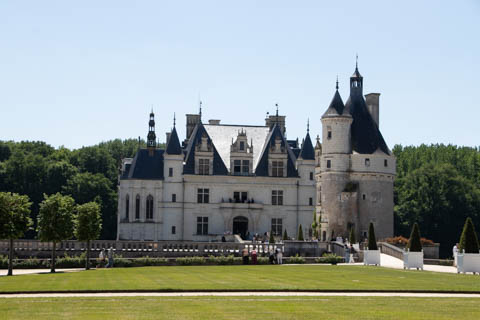
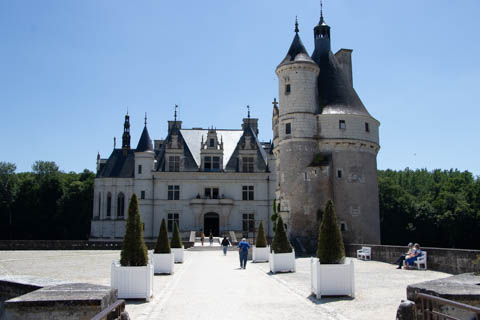
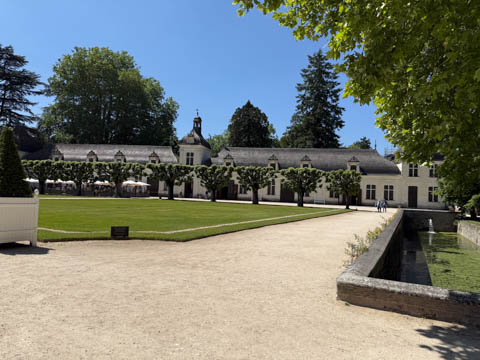
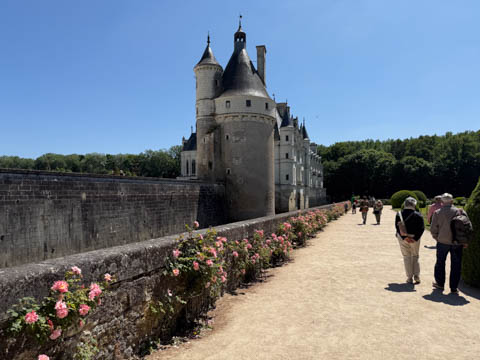
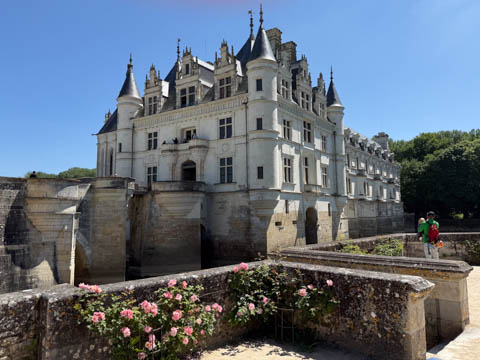
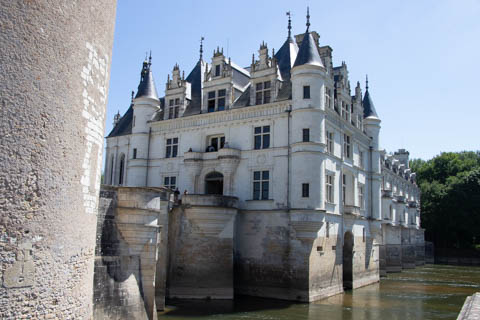
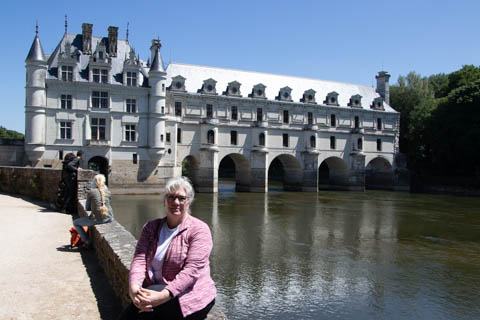
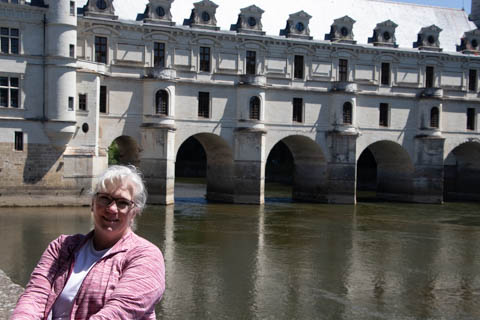
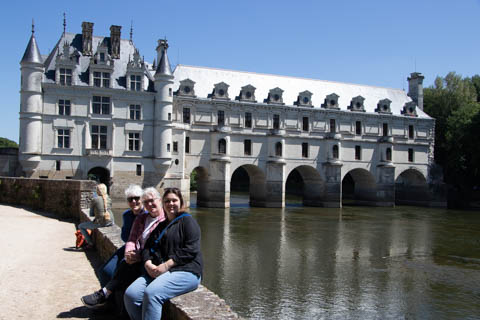
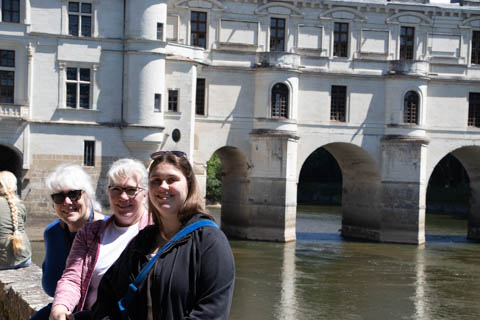
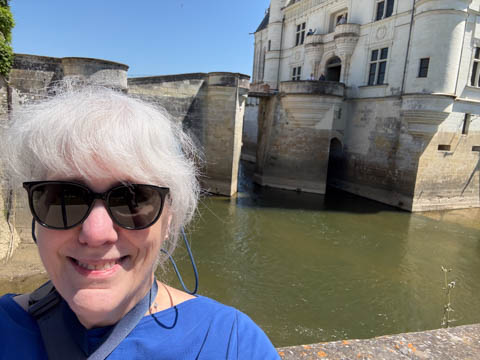
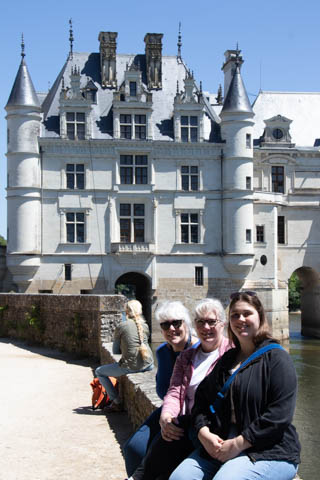
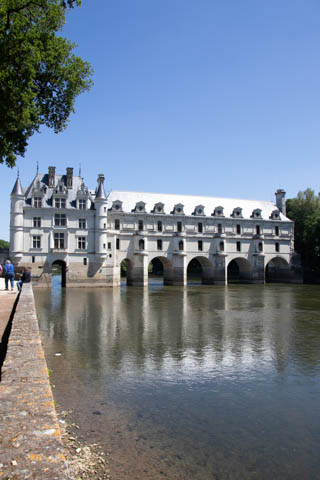
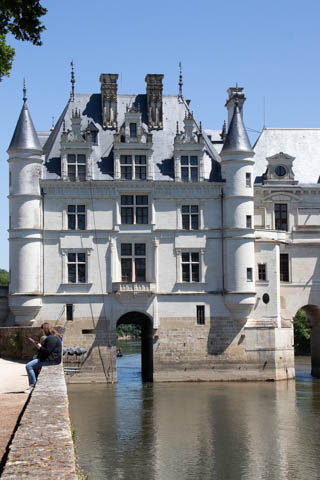
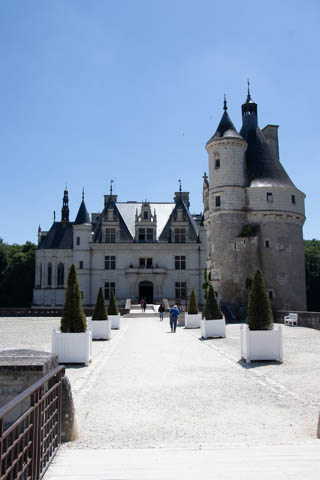
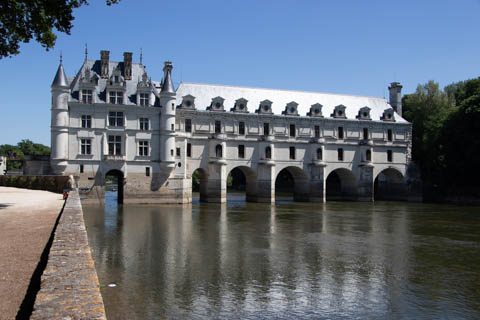
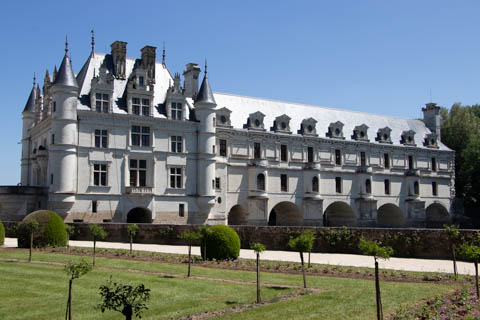
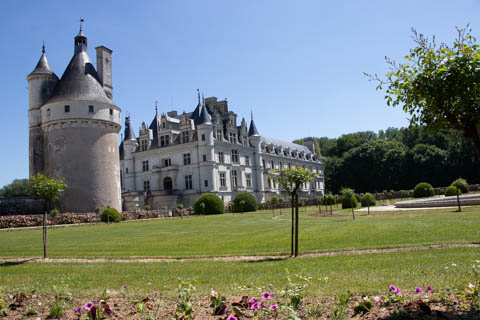
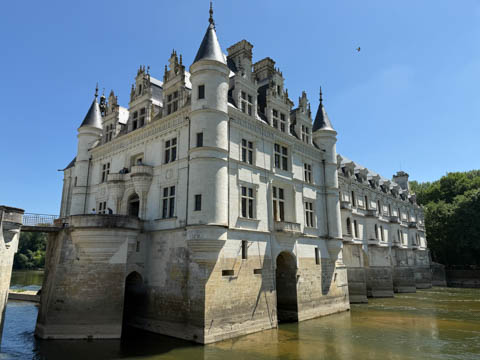
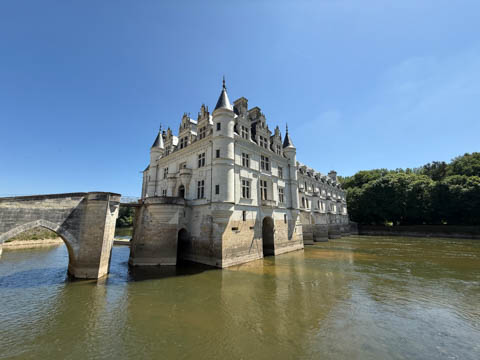
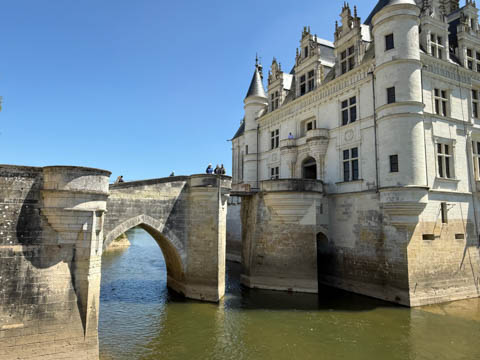
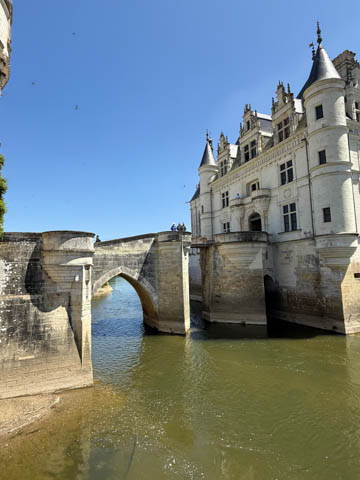
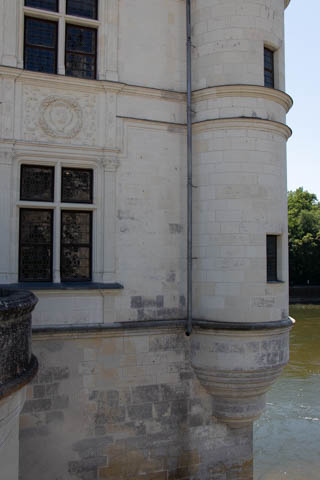
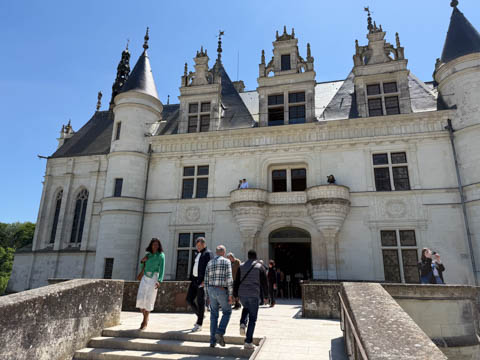
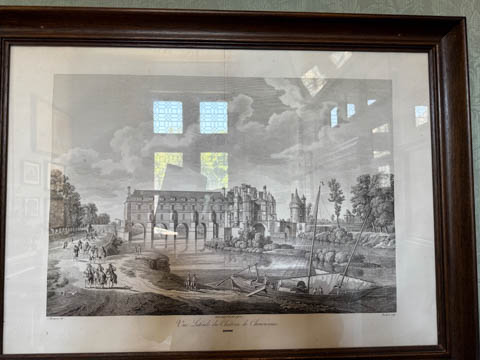
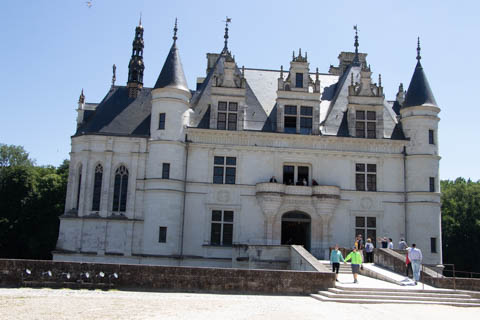
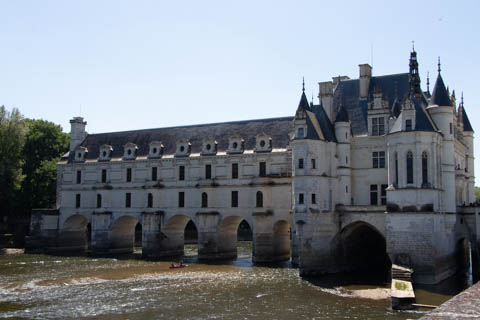
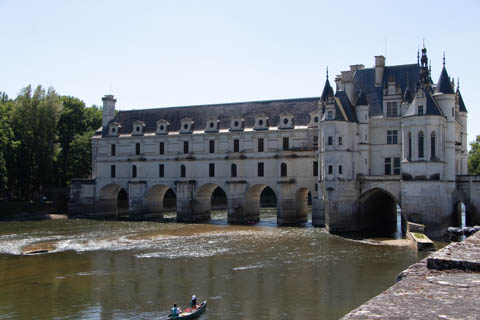
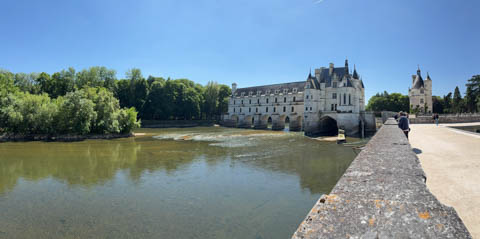
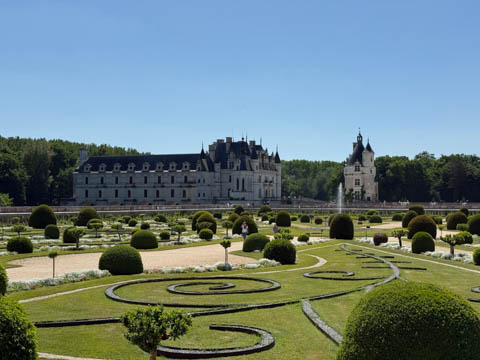
May 2025 (Part 06) France Trip: Day 2: Chateau De Chenonceau After the balloon ride, we headed back to our hotel to clean up, then went back out to go to Chateau De Chenonceau which spans the river Cher about 28 miles upriver of where it joins the Loire River. This is considered one of the most beautiful French chateaus and the most visited chateau after Versailles. The estate dates back to the eleventh century, but the original château was torched in 1412 to punish the owner, Jean Marques, for an act of sedition. He rebuilt a château and fortified mill on the site in the 1430s. Thomas Bohier, Chamberlain to King Charles VIII of France, purchased the castle in 1513, demolishing it except for the original keep. He built an entirely new residence between 1515 and 1521, using it to host French nobility including King Francis I twice. The crown seized the estate for unpaid debts in 1535, and Henry II later gifted it to his mistress, Diane de Poitiers in 1547. She added the arched bridge over the river and had the extensive gardens built. After King Henry II died in 1559, his strong-willed widow and regent Catherine de' Medici forced Diane to exchange it for the Château Chaumont. Queen Catherine then made Chenonceau her own favorite residence, adding a new series of gardens, the grand gallery over the bridge, and other extensions. As Regent of France, Catherine spent a fortune on the château and on spectacular nighttime parties. In 1560, the first-ever fireworks display seen in France took place during the celebrations marking the ascension to the throne of Catherine's son Francis II. Upon Catherine's death, in January 1589, the château went to her daughter-in-law, Louise of Lorraine, wife of King Henry III, who wandered around the chateau in mourning clothes for 11 years after the King's assassination. The estate past to King Henry IV and gradually fell out of royal favor, with many of the statues being sold off an eventually winding up in the Louvre. In the mid-1700s, the estate hosted many French Enlightenment figures, and even housed Jean-Jacques Rousseau who was a tutor to the owner's son. The chateau was saved from destruction during the French Revolution because it was the only bridge over the river for many miles. It was later used as a hospital during World War I, was bombed by both the Germans and Allies in World War 2 destroying many of the windows, and provided a vital link for the resistance during the war as it provided a safe bridge to travel between free Vichy France and occupied France as it straddled the demarcation line between the unoccupied and occupied zones. There was a longer walk to the chateau along a tree lined walk flanked by small water channels.
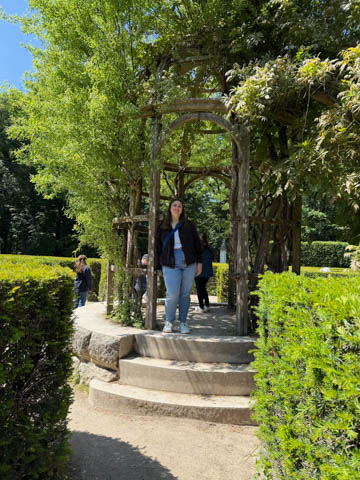
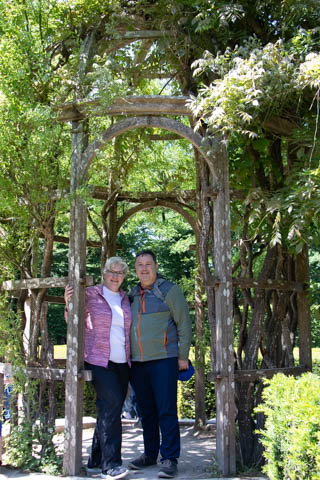
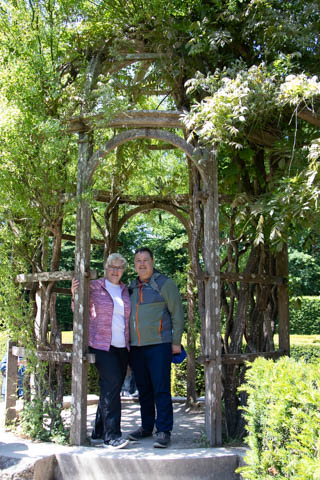
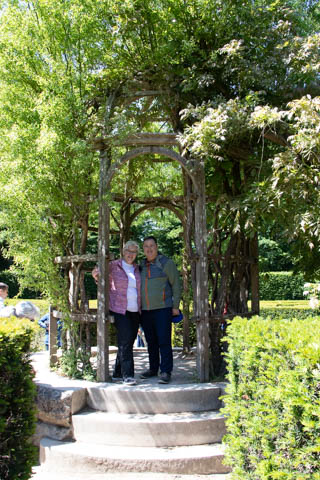
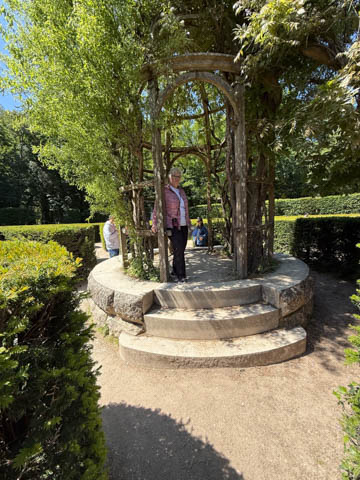
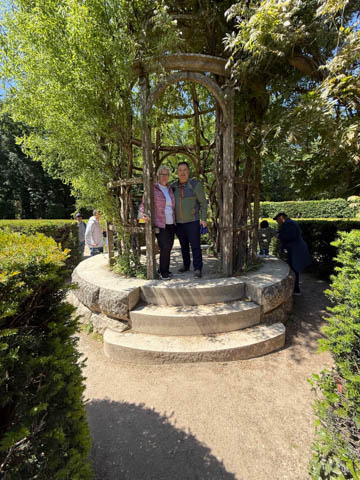
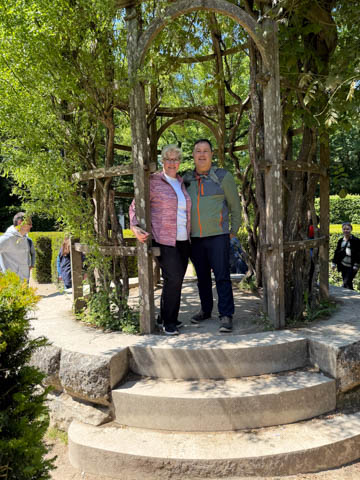
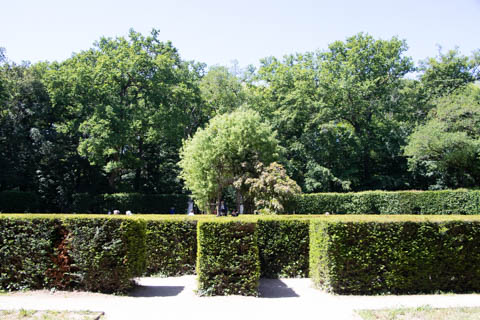
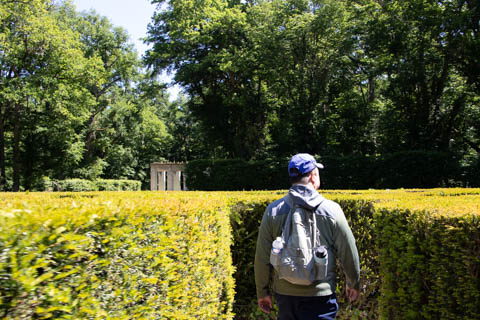
We took a detour about halfway down to explore a garden maze on the left. Had to take a couple pictures on the pedestal in the middle of the maze.
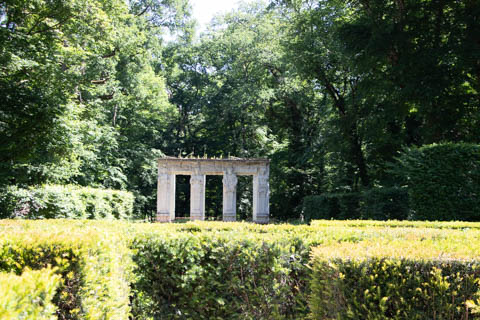
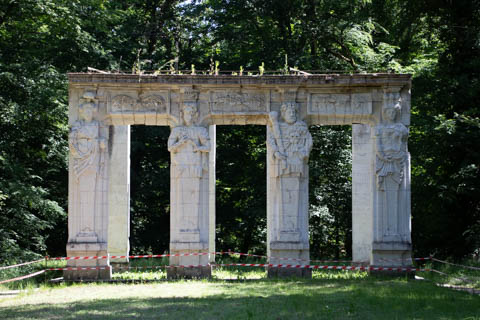
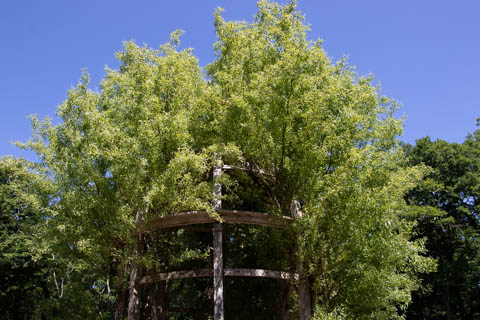
There was an arch featuring Caryatids (sculpted female figures serving as architectural support taking the place of a column or a pillar supporting an entablature on her head) similar to the more famous ones on the Acropolis in Athens.
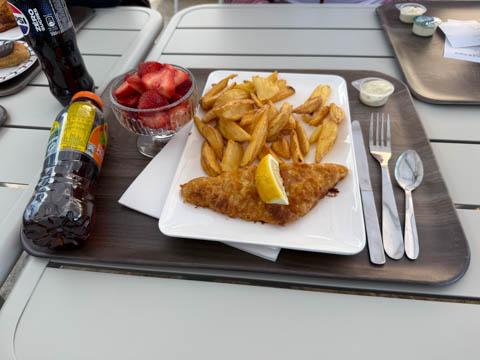
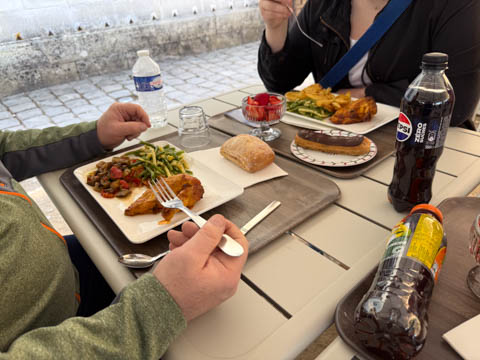
Time for some lunch
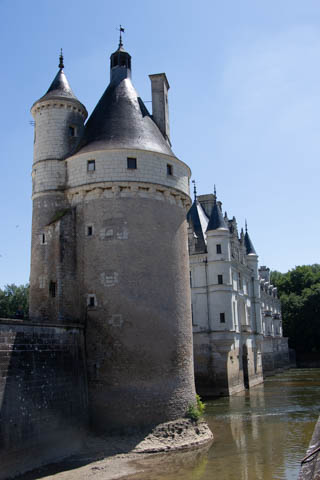
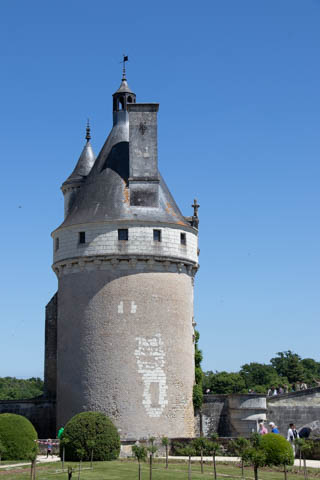
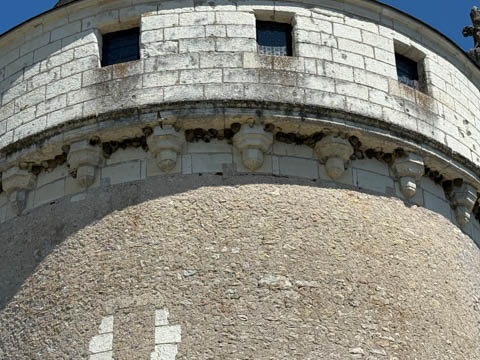
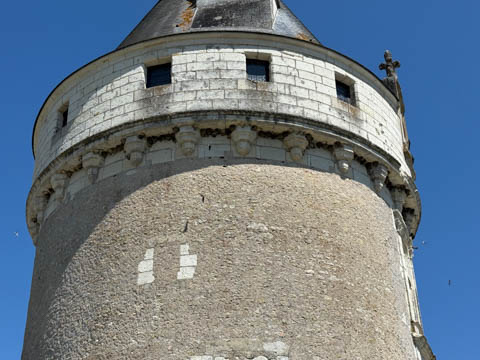
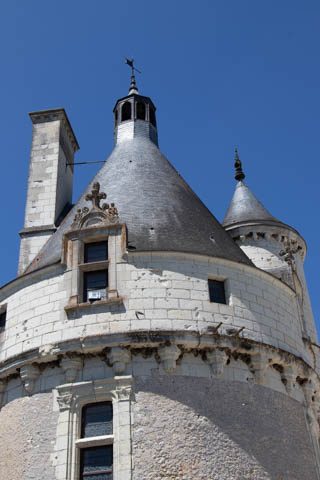
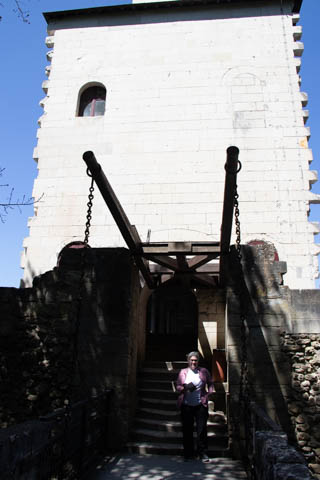
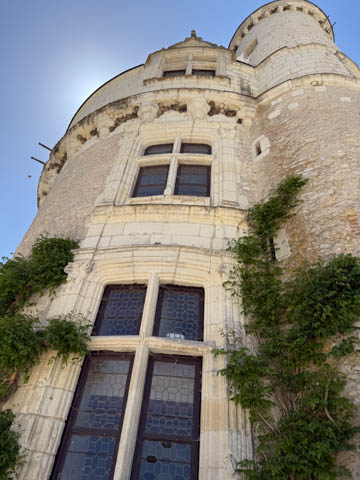
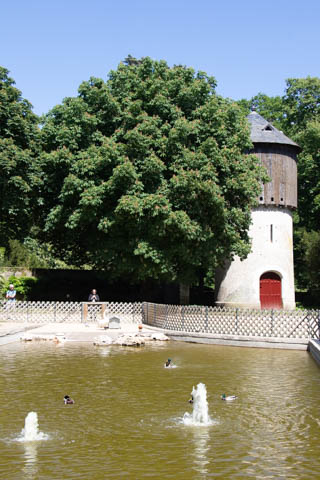
Lots of starling nests under the ramparts on the round tower.
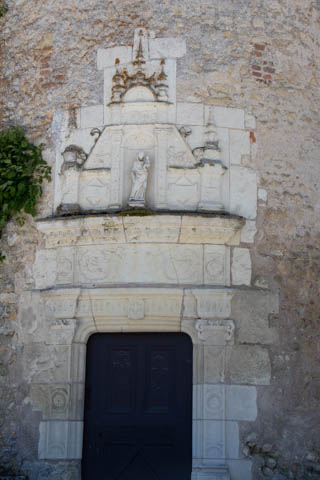
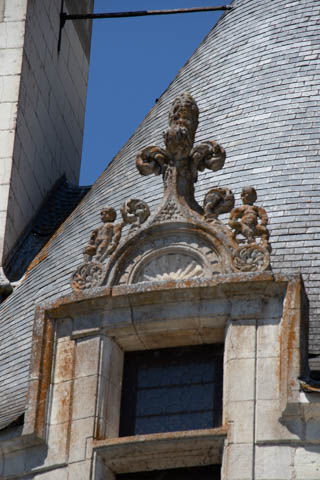
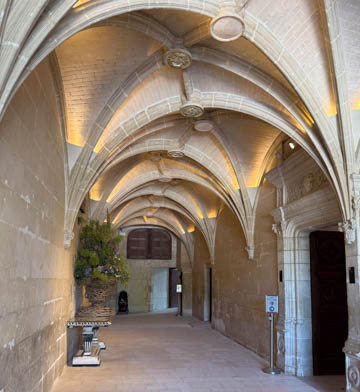
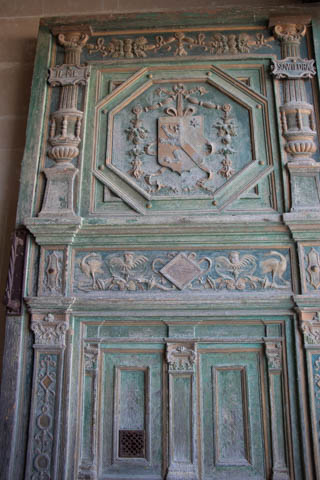
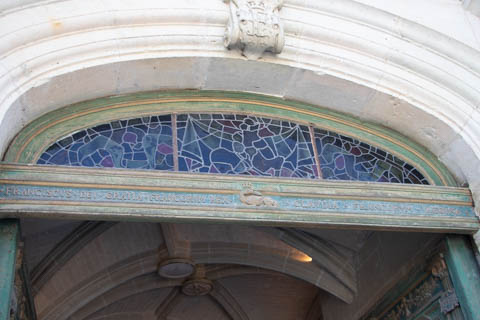
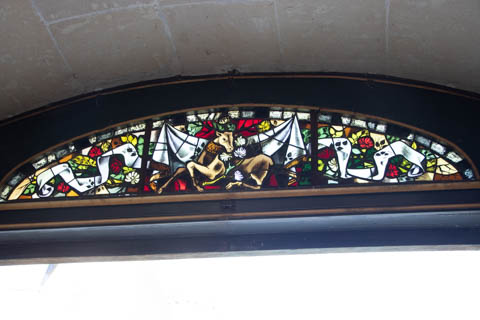
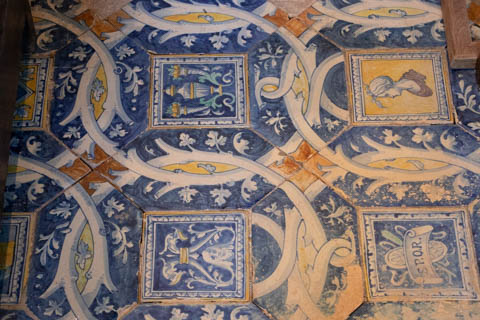
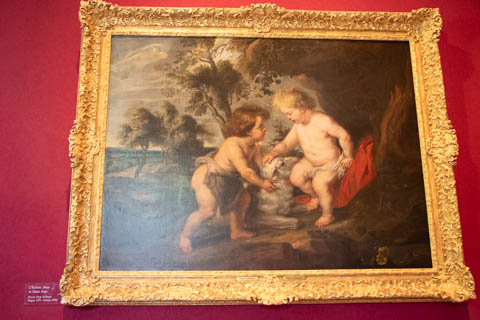
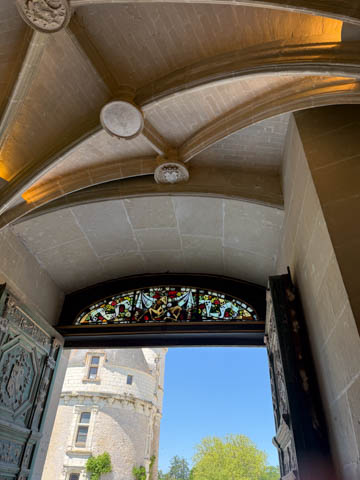
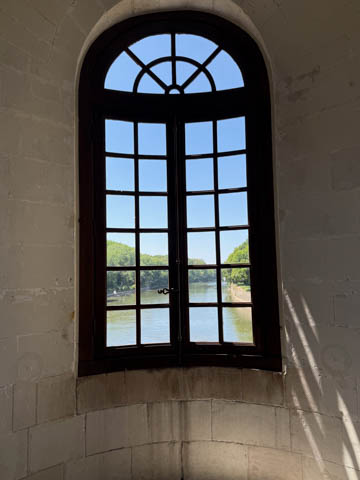
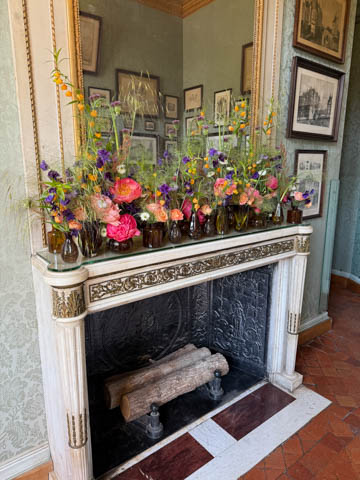
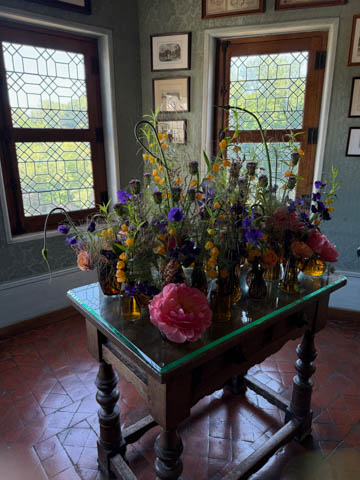
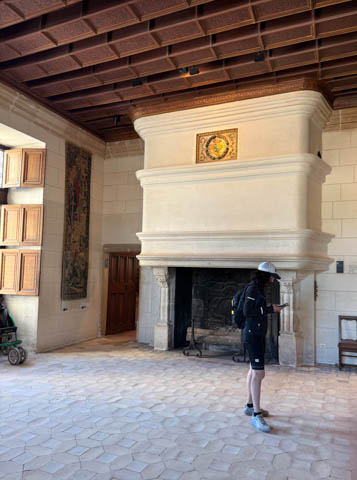
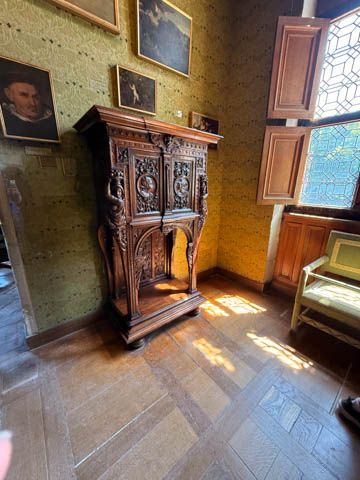
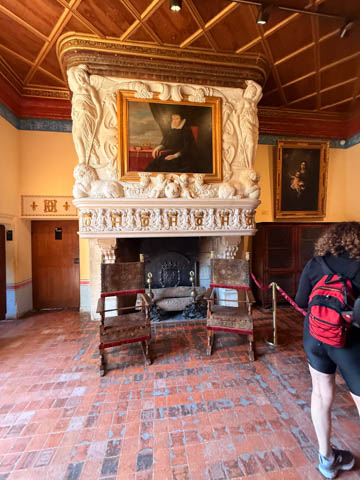
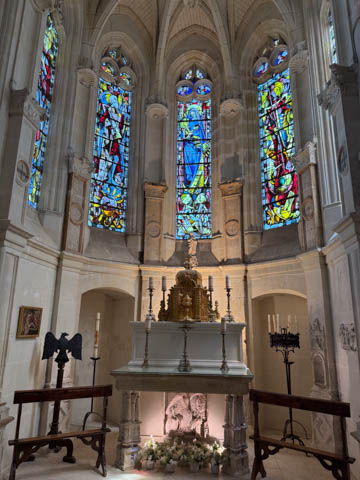
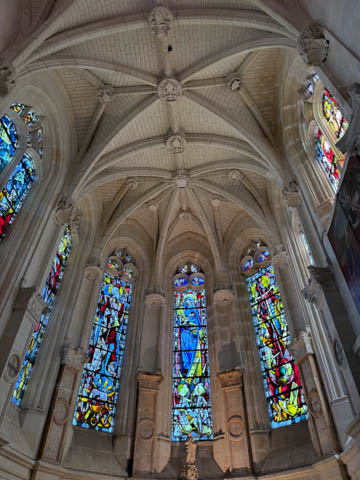
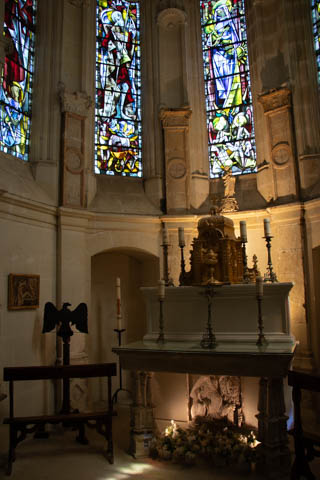
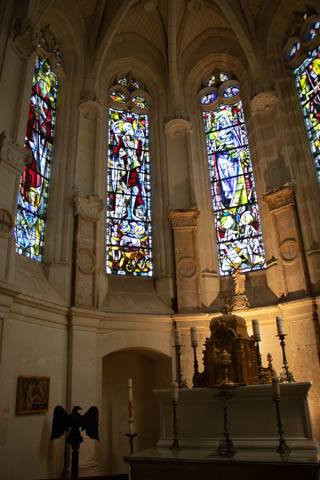
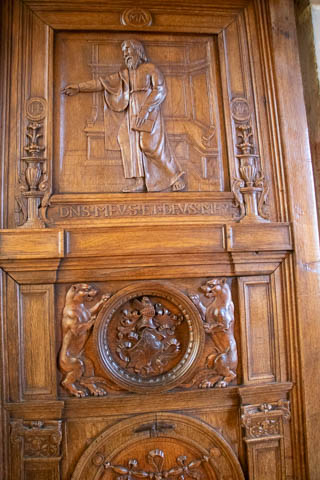
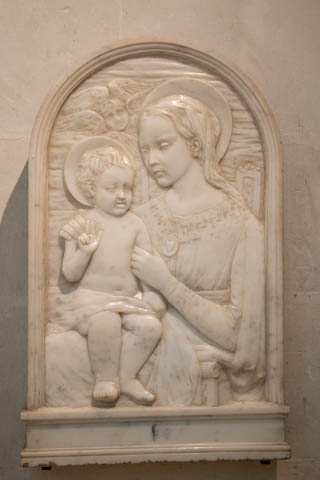
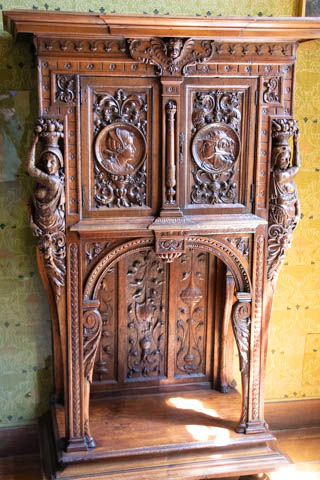
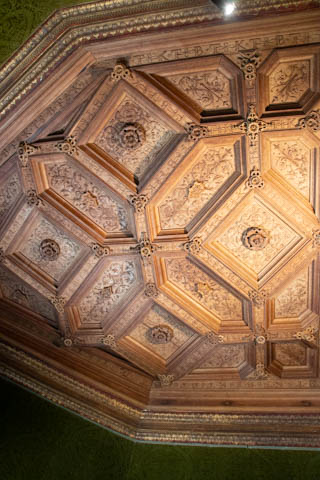
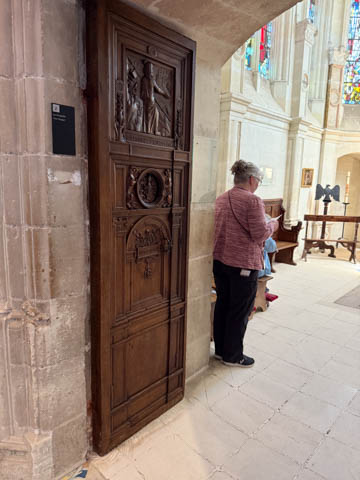
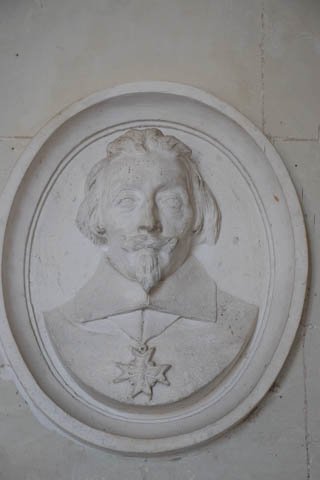
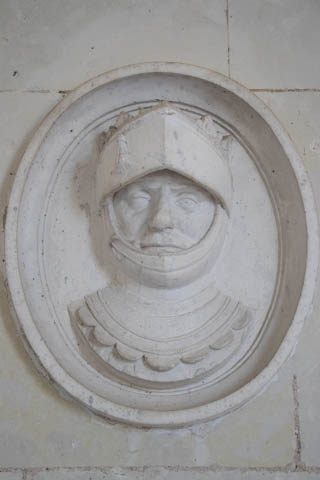
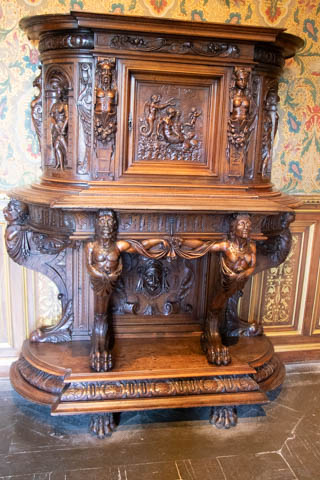
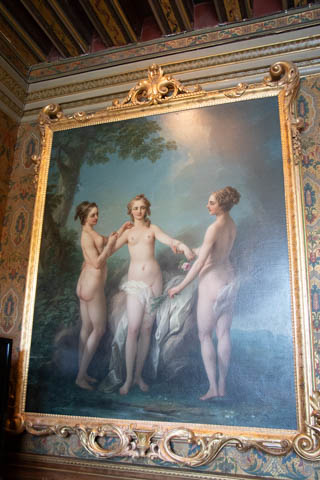
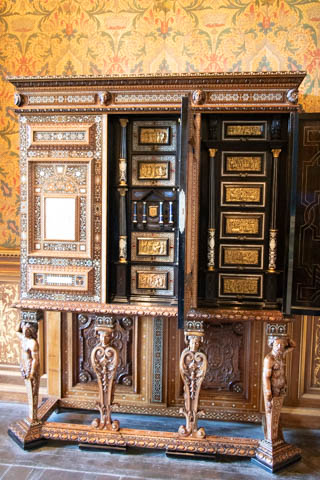
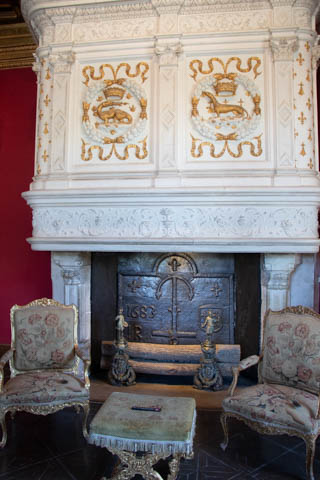
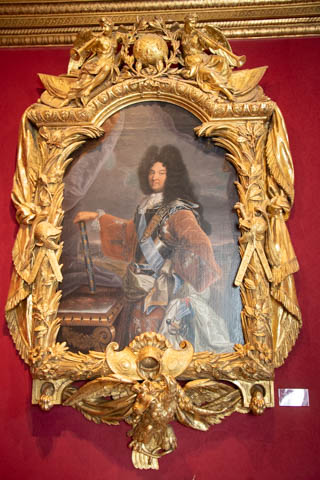
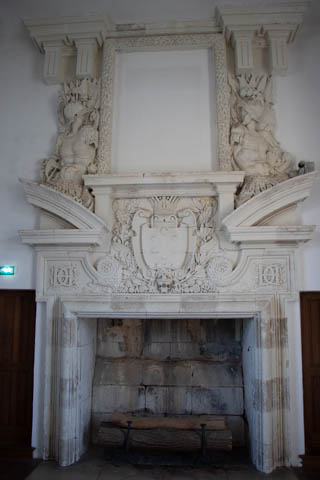
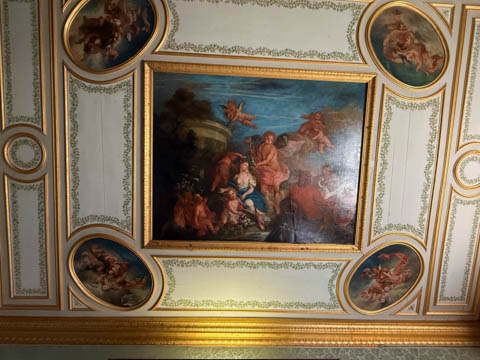
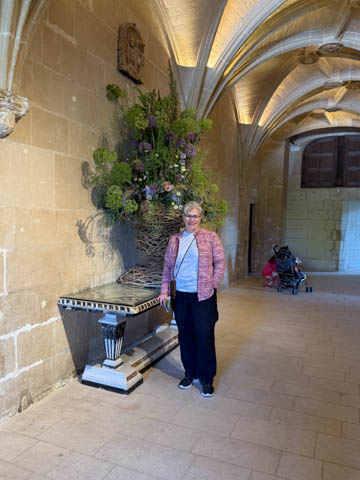
Some amazing furnishings and decorations inside.
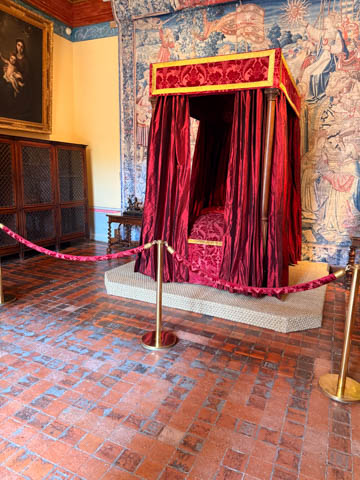
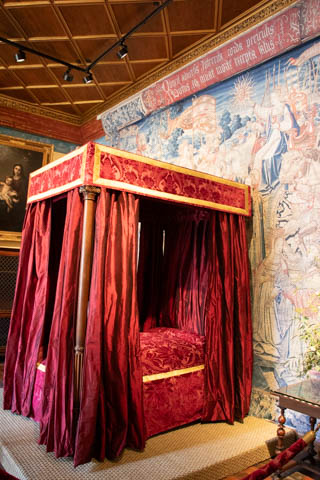
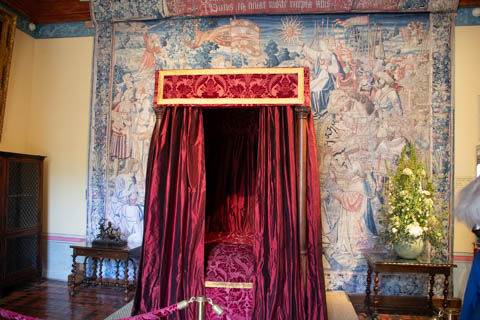
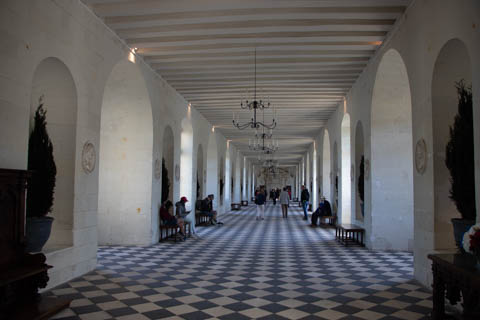
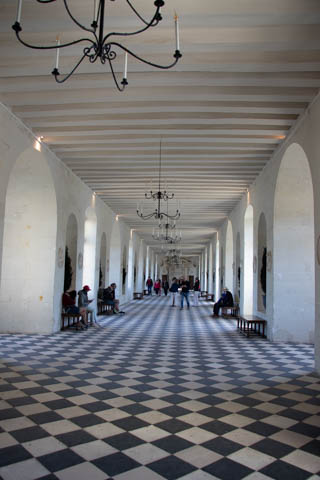
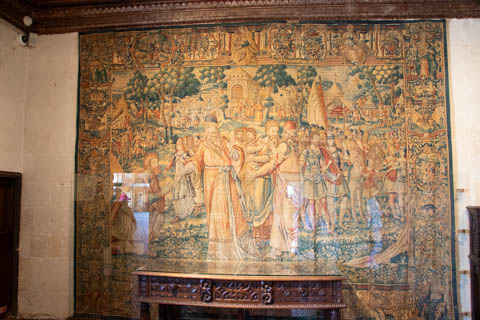
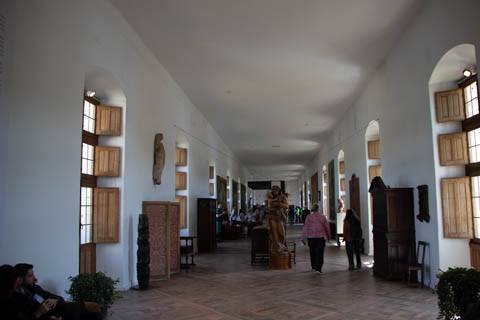
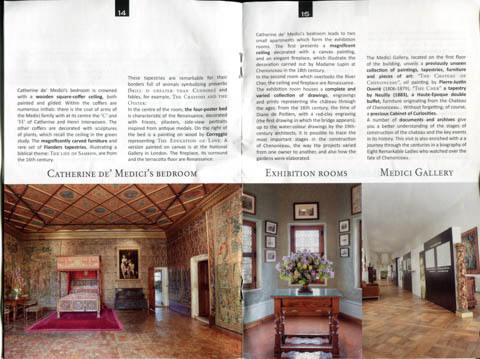
Here is Queen Catherine's bed chamber (the tapestry may be from the period, but the bed is clearly a replica) along with the great hall over the trestle bridge.
The entrance at the end of the hall on the other bank of the river was a bit subdued and underwhelming.
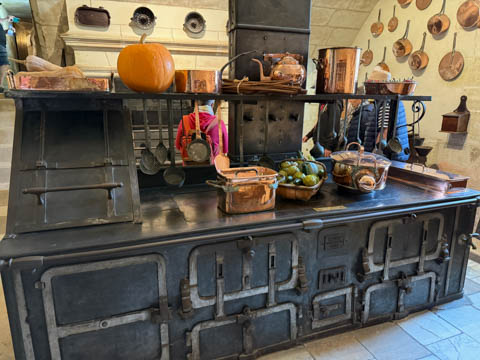
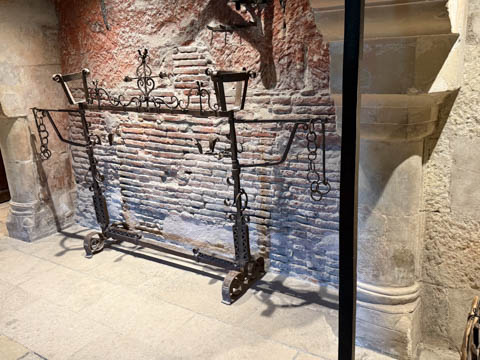
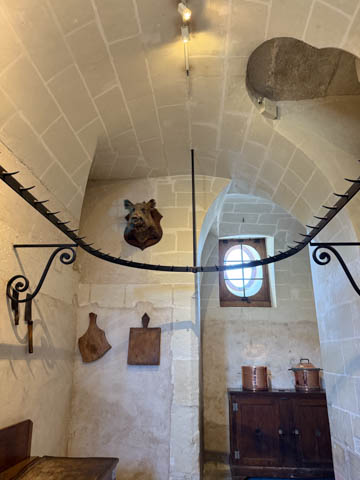
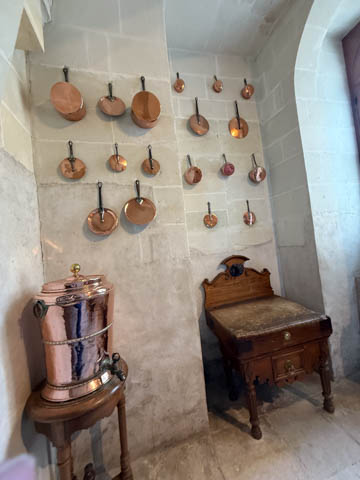
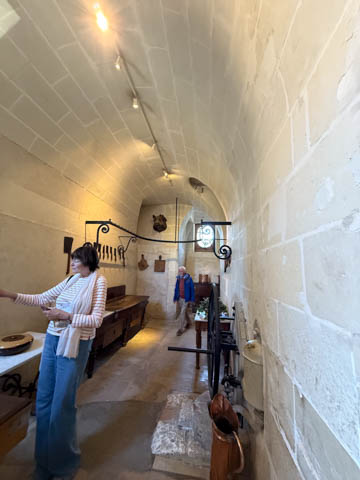
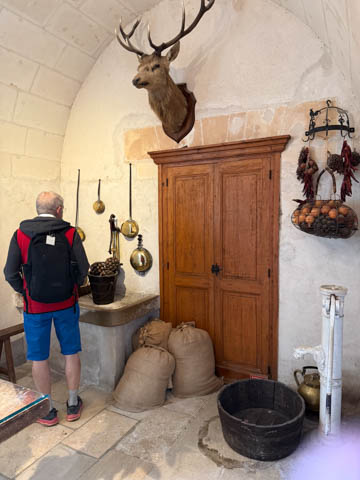
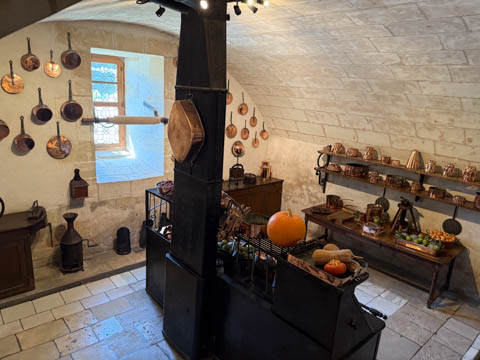
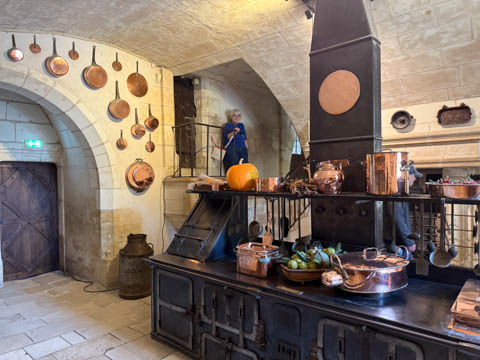
There was a second story above the long hall which was used for storage and guest rooms. To accommodate all the guests, there was a huge, multii-room kitchen in an attached, but separate building.
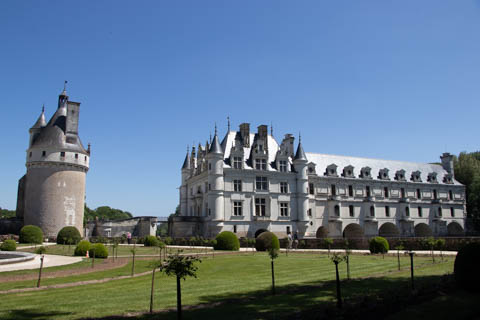
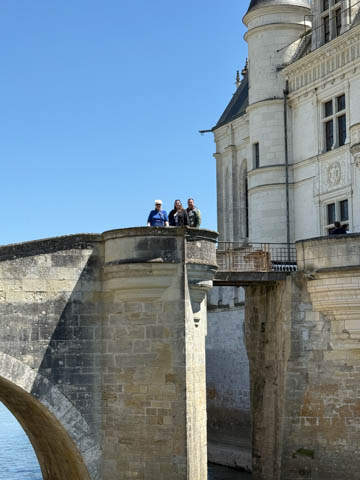
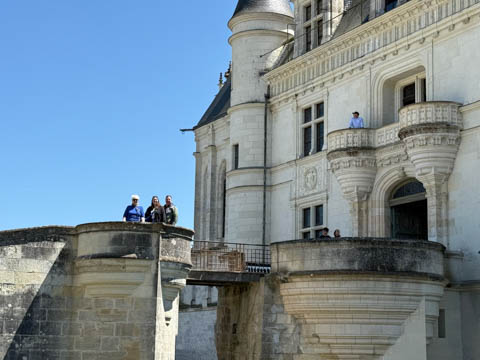
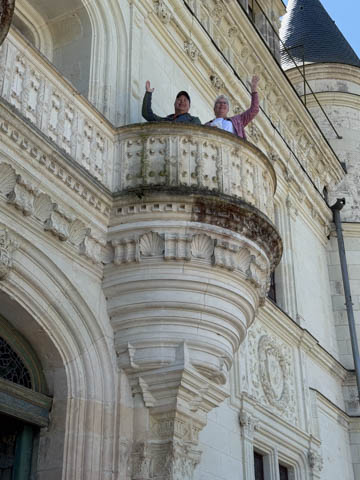
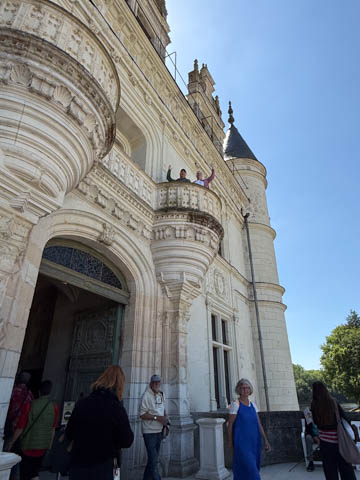
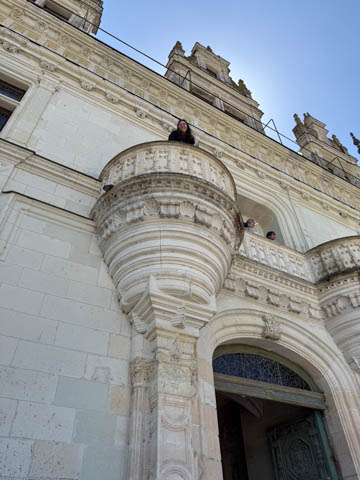
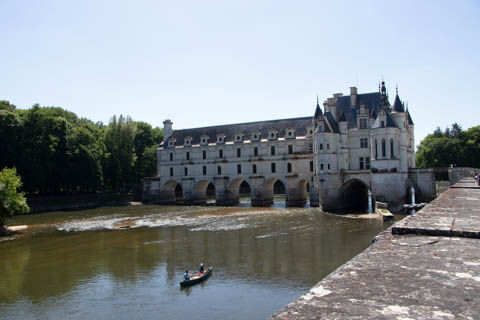
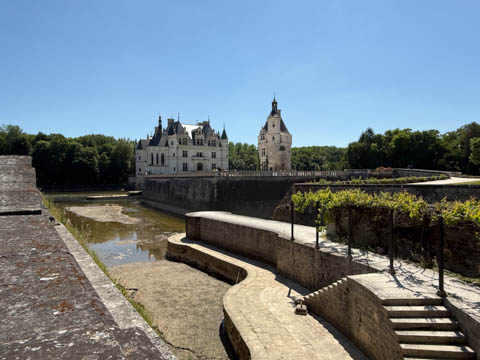
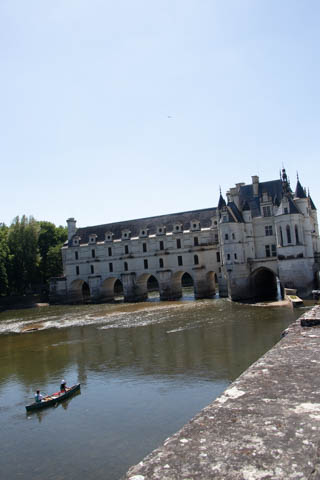
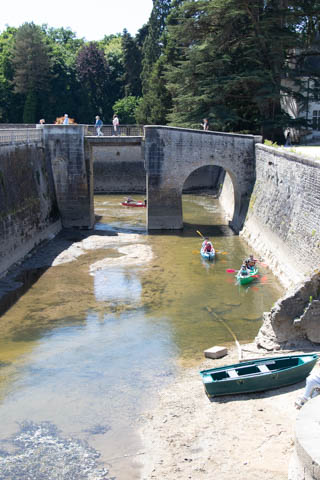
A couple quick pictures from the outside as we departed. Managed to take a quick walk into the gardens on the east side to look back at the chateau from upriver. There was a small group in a canoe and kayaks going through the bridge, then circling back through the moat to come back around again.
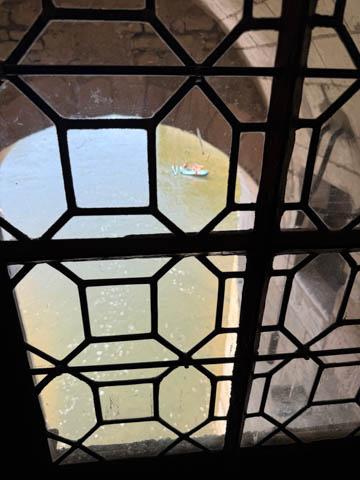
Saw one of them while still inside.
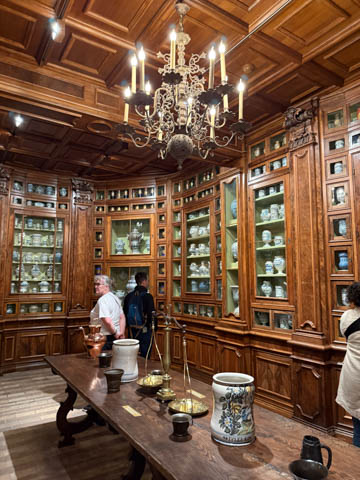
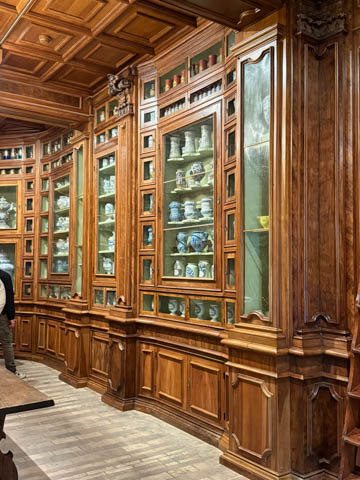
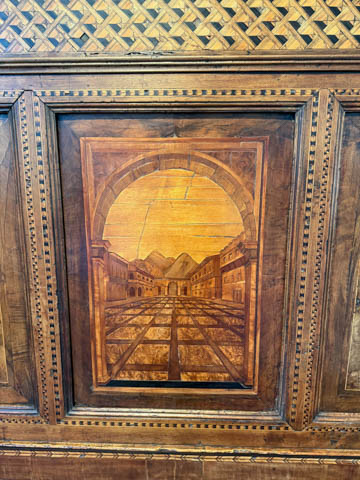
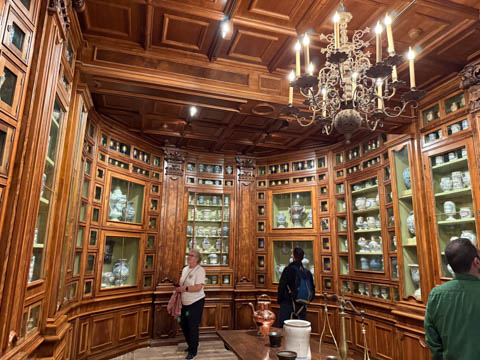
The last image is from the apothecary in another building on the grounds.
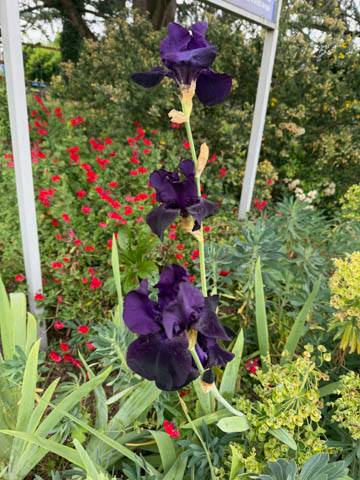
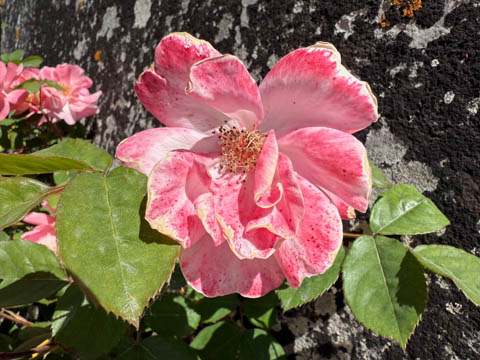
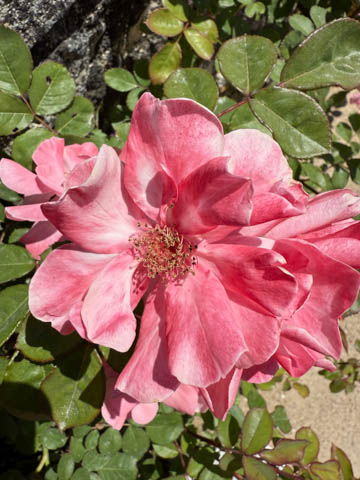
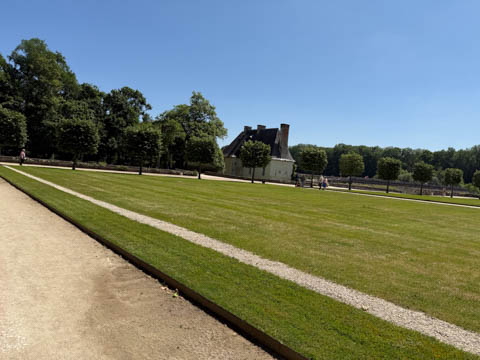
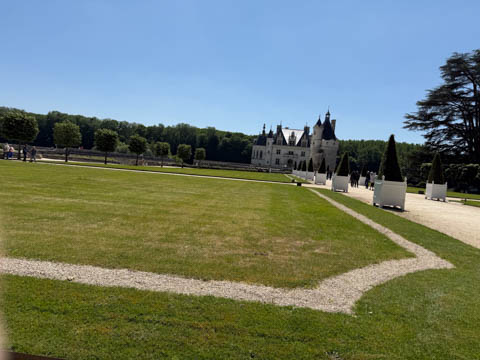
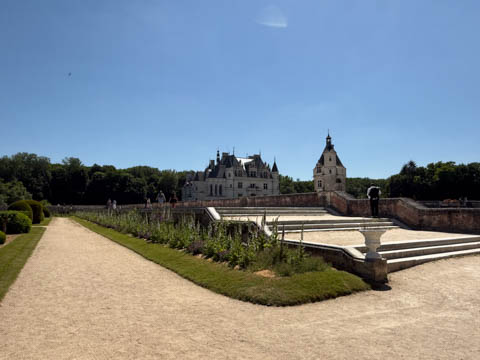
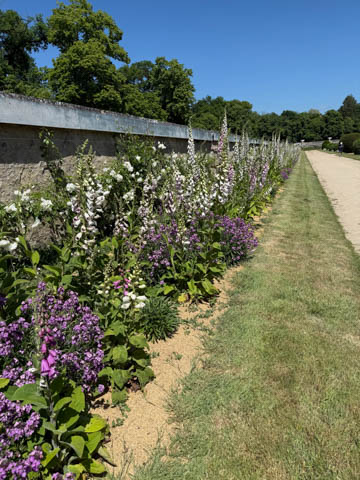
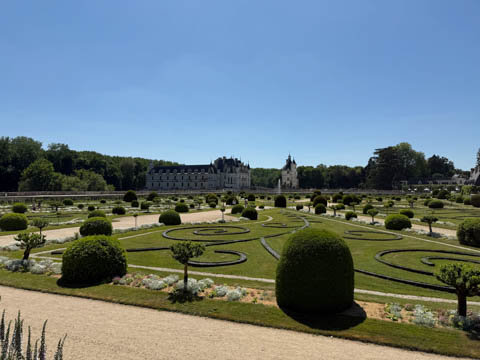
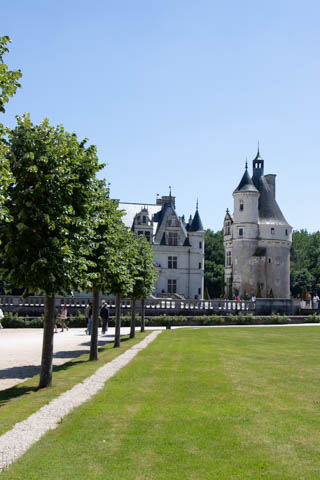
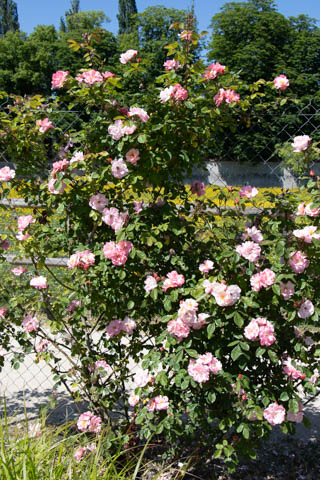
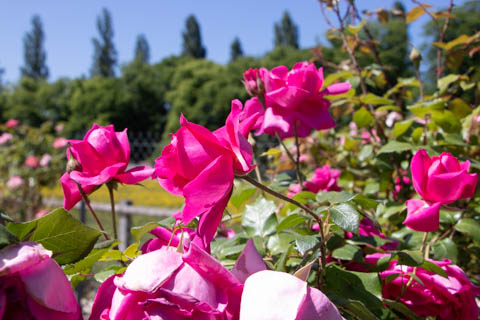
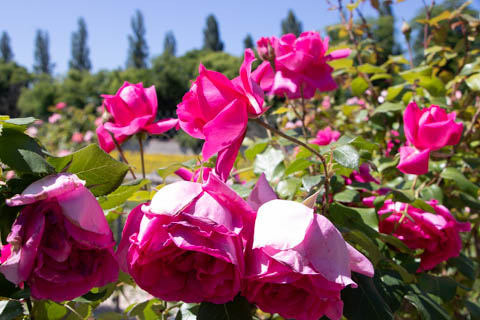
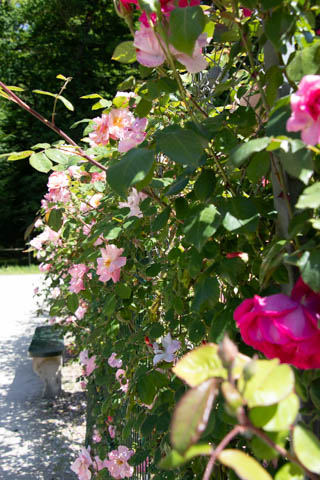
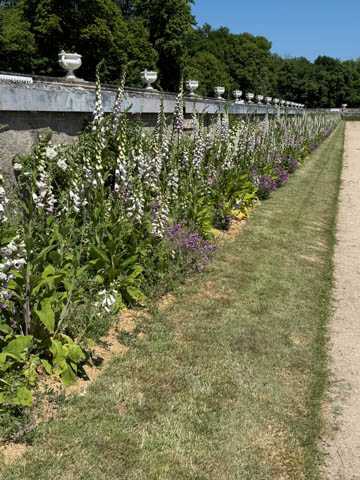
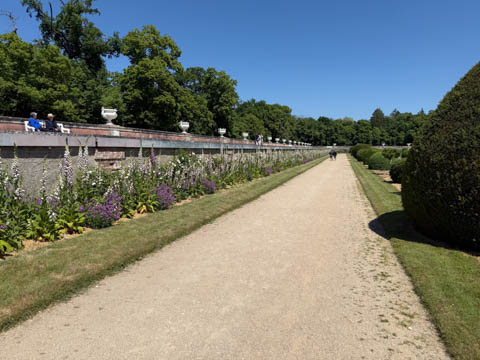
We enjoyed going through the more formal gardens on the west side as we headed out.
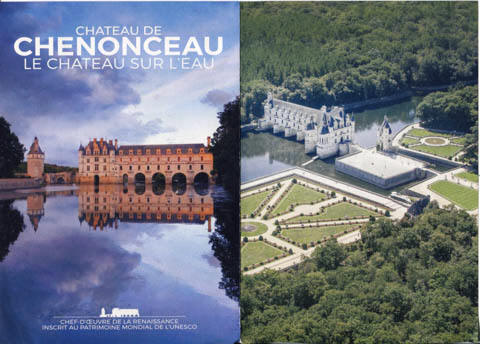
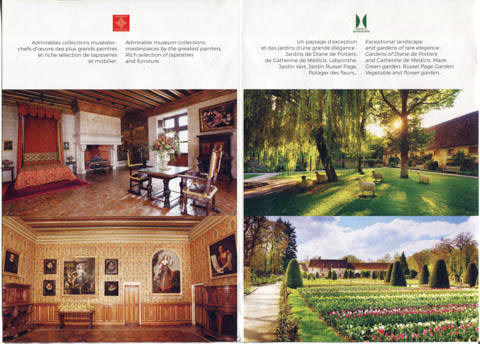
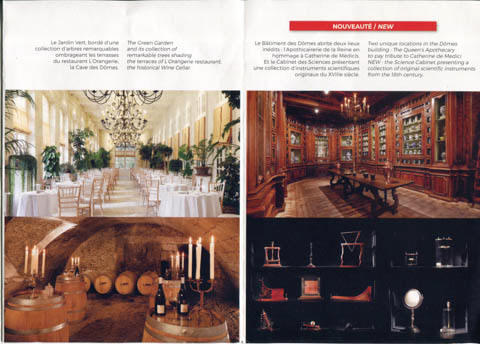
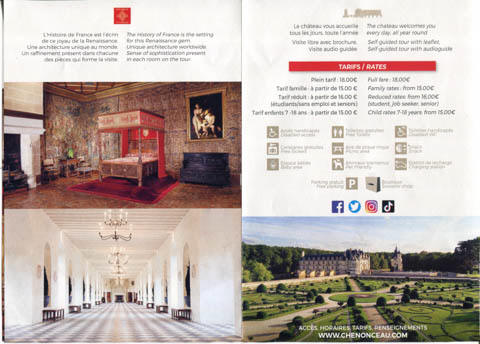
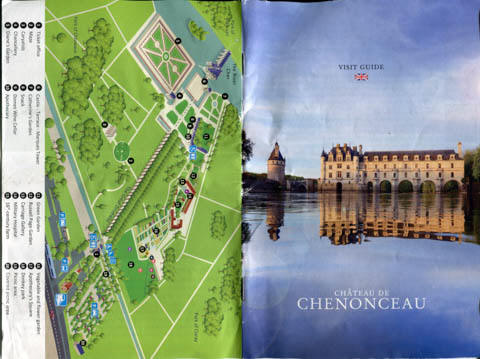
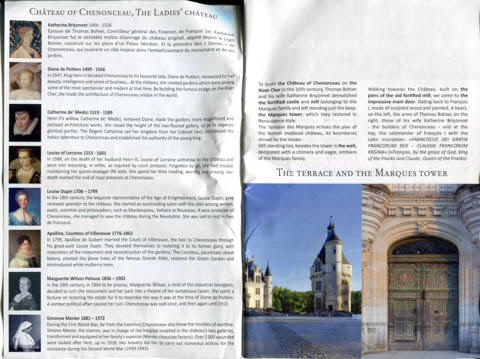
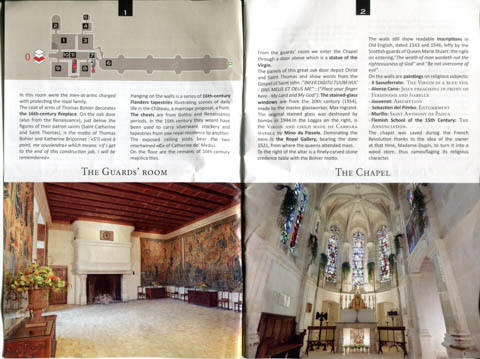
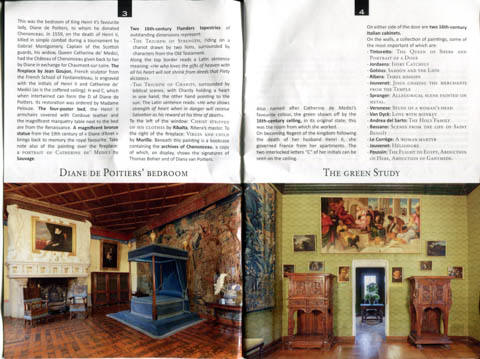
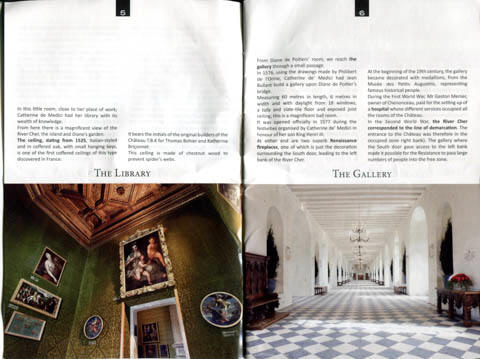
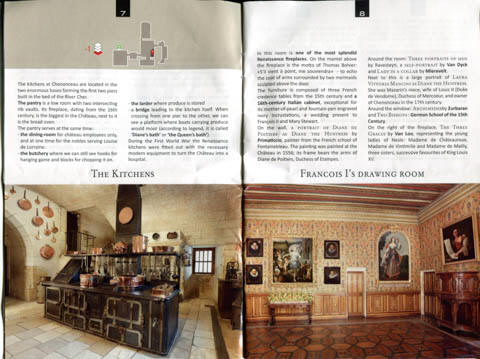
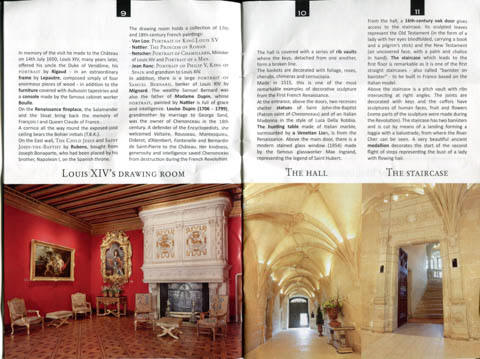
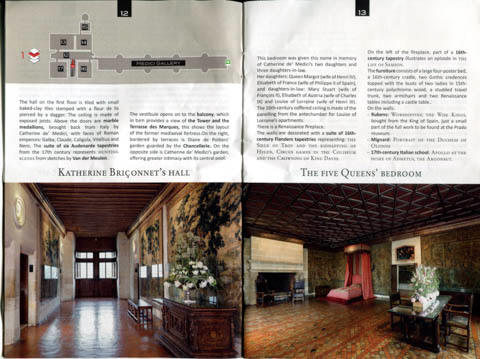
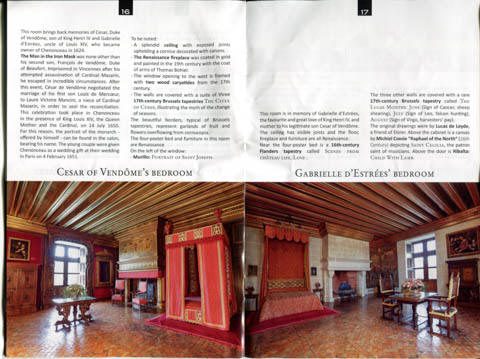
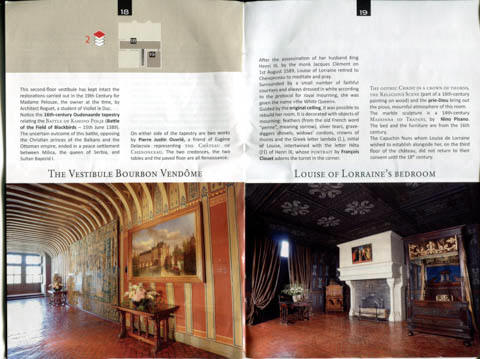
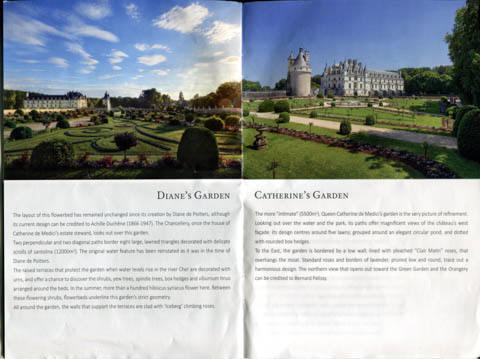
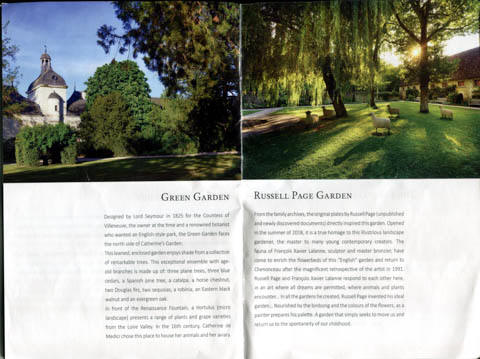
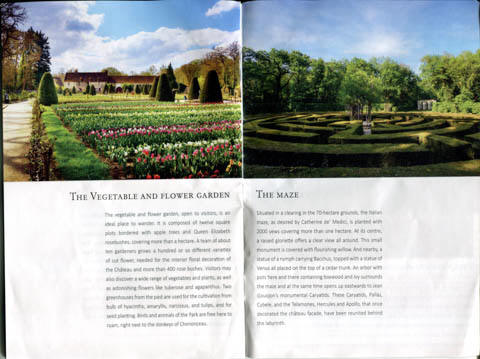
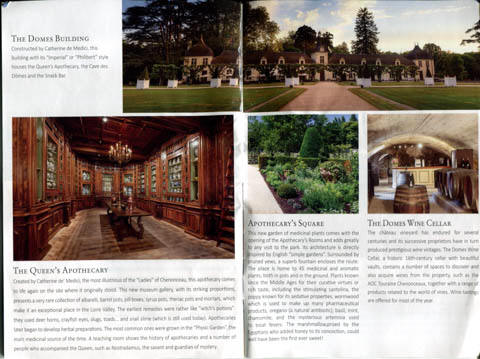
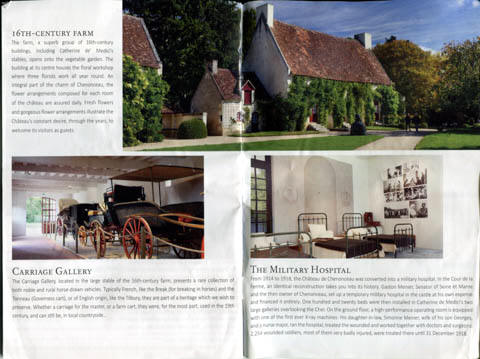
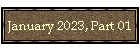
Here are the visitors pamphlets from the Chateau.
|
|
|