|
|
Use these navigation links to move between the Year 2024 pages. Specific pages can be accessed at the bottom of this page
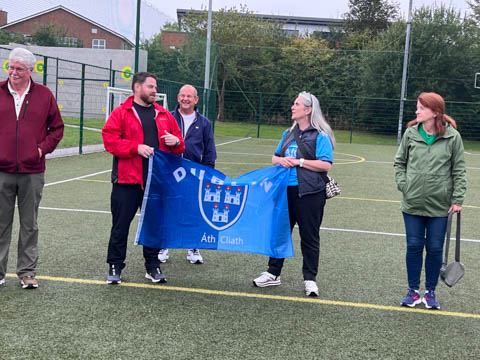
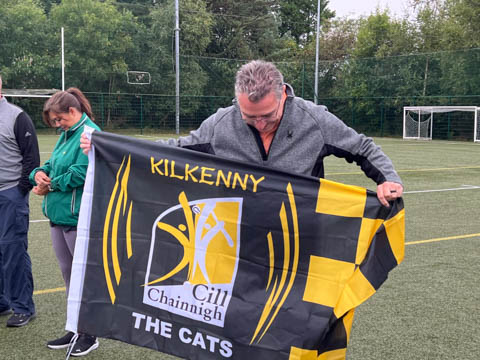
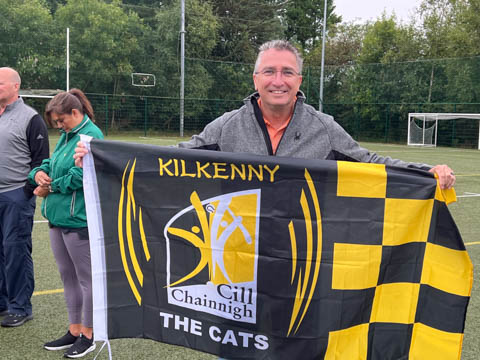
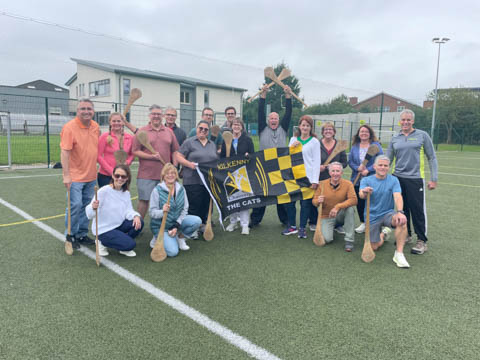
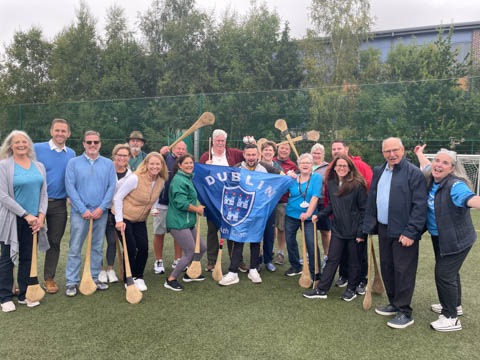
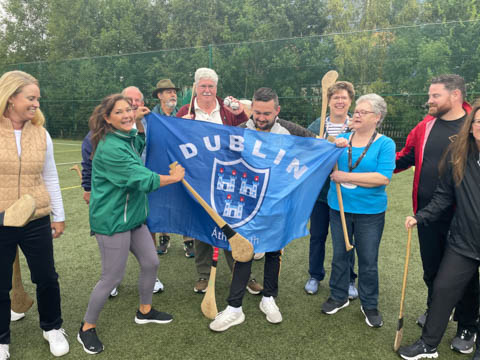
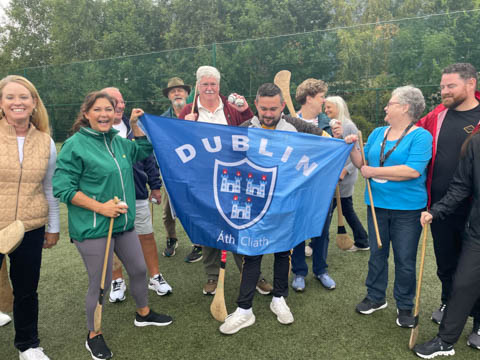
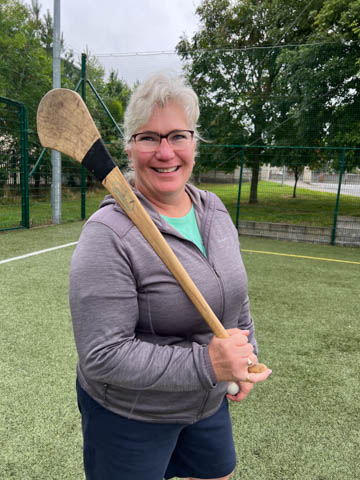
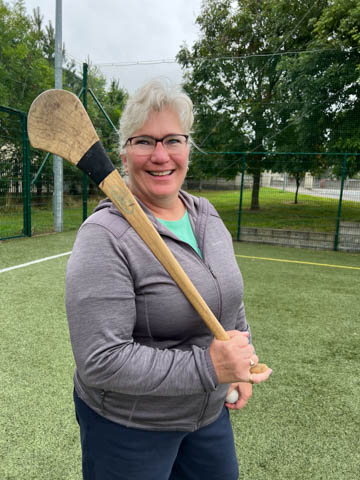
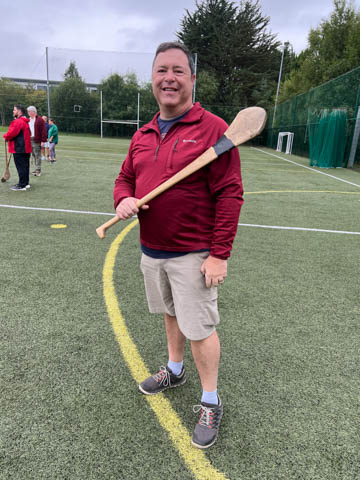
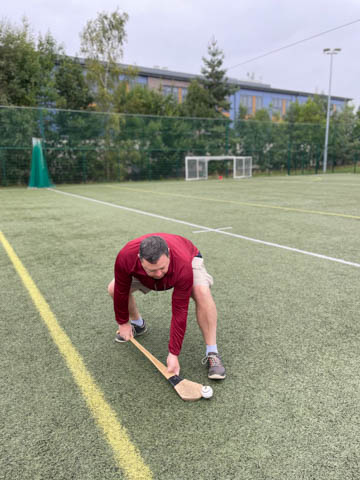
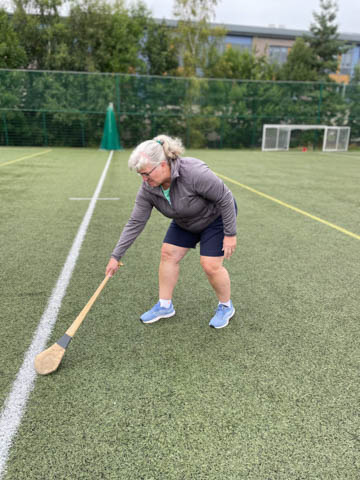
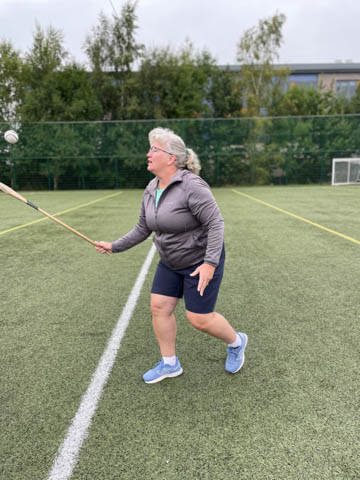
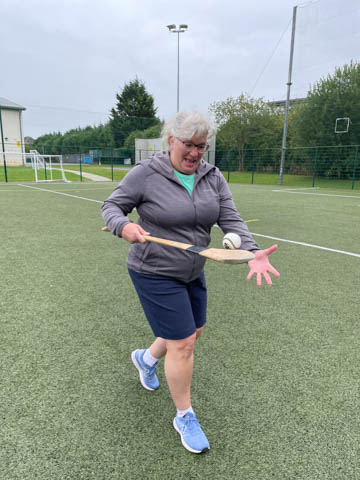
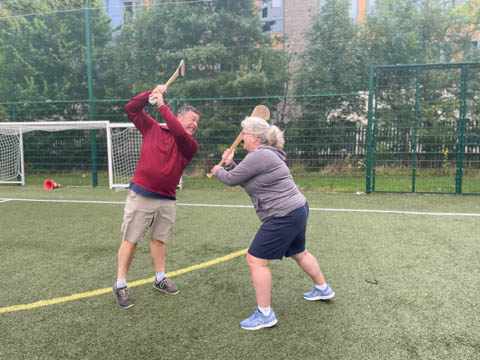
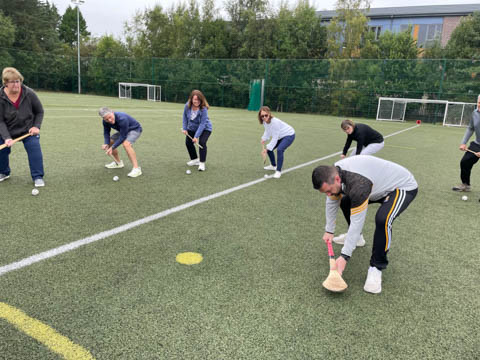
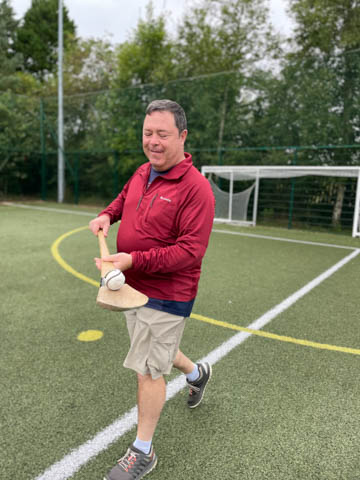
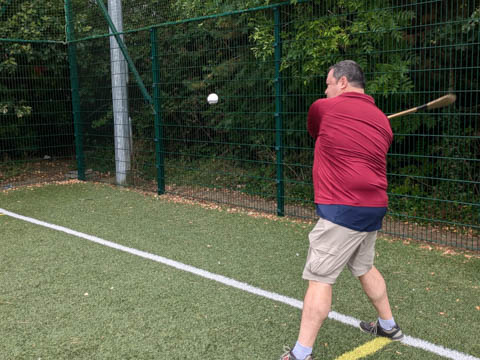
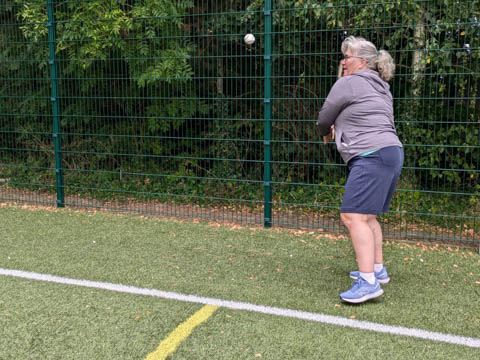
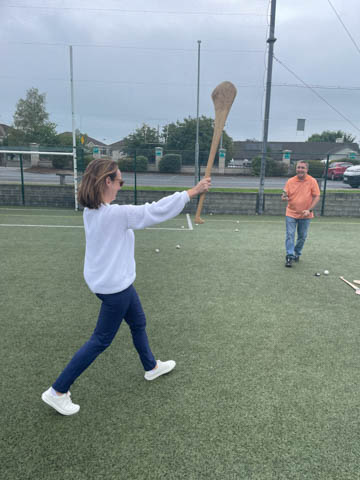
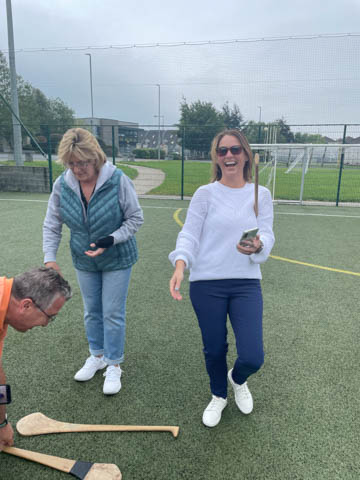
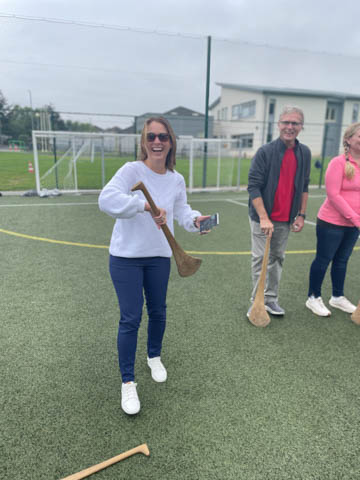
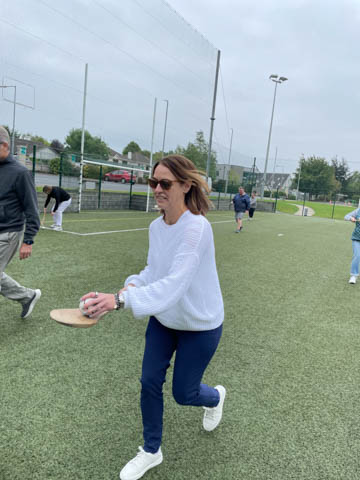
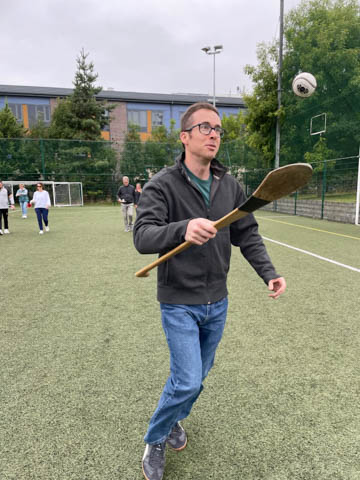
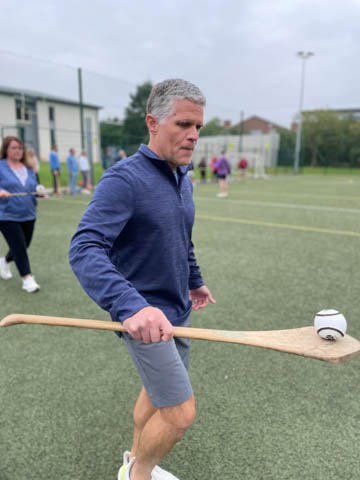
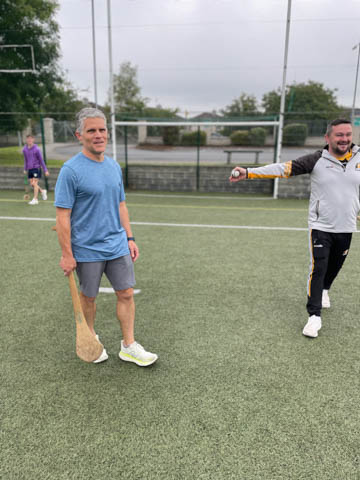
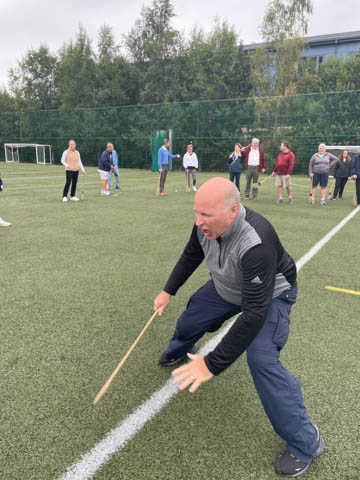
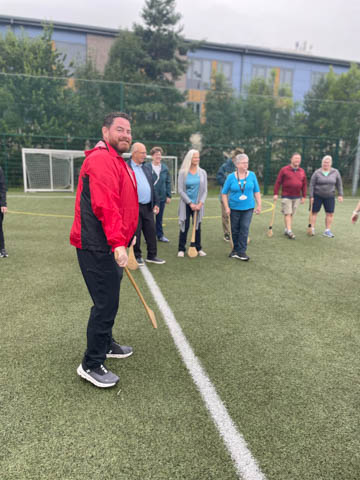
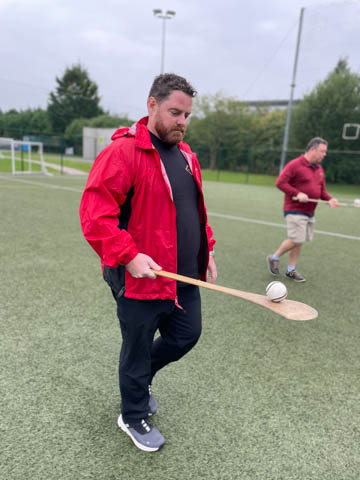
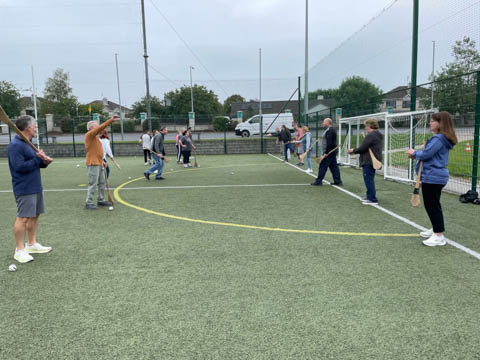
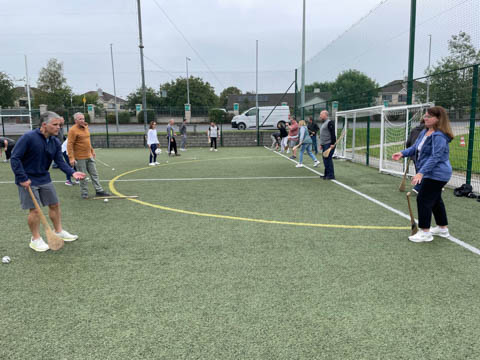
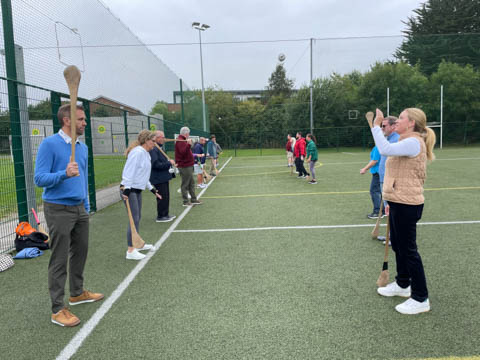
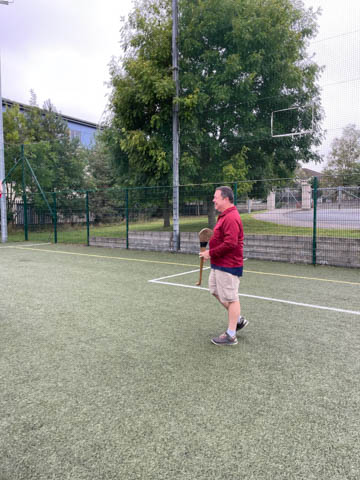
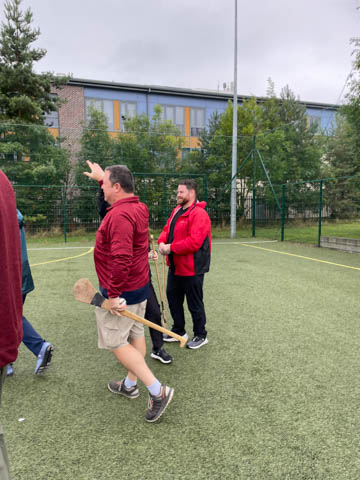
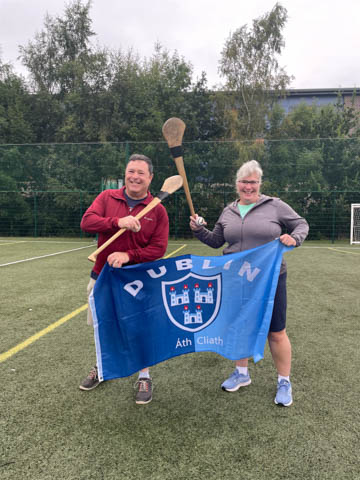
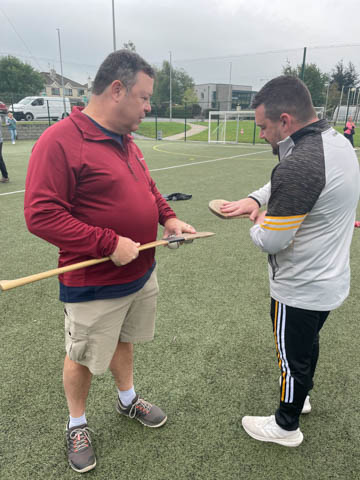
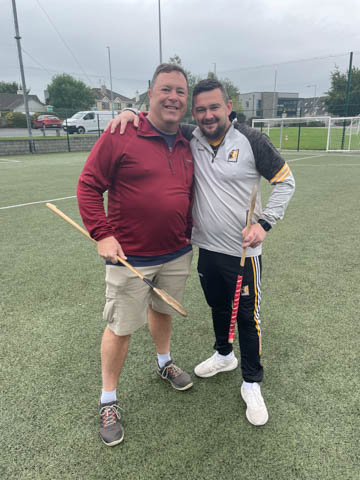
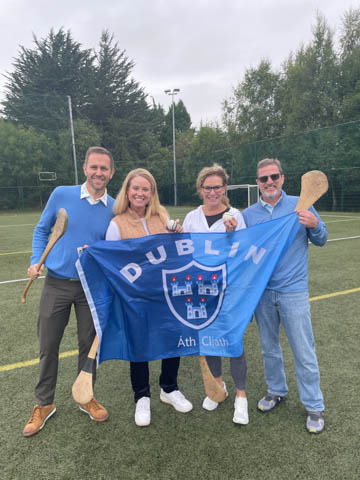
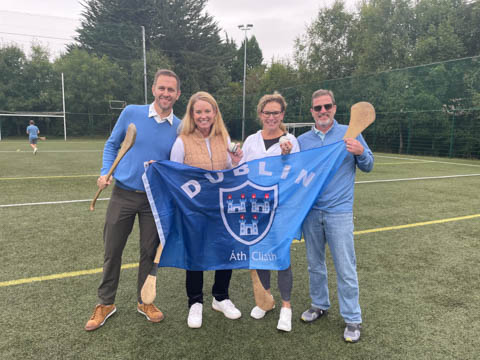
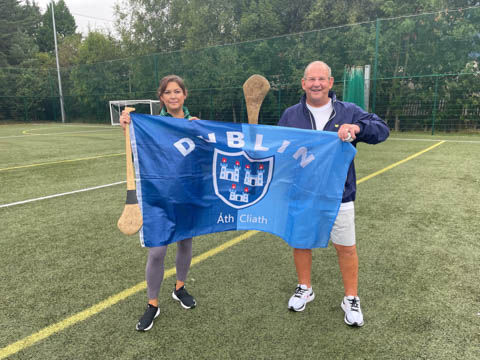
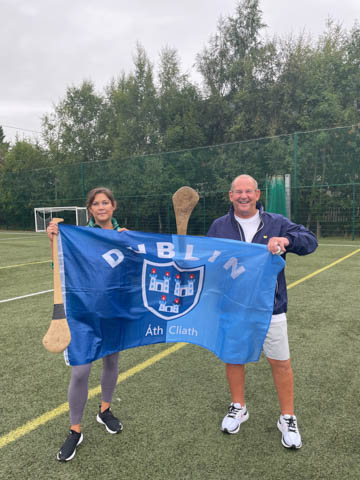
September 2024 (Part 01) Ireland Trip (Day Four): Dublin to Killarney (Celtic Kingdoms) Time to leave Dublin and head inland. Our eventual destination was Killarney, which is a 3.5 hours ride. Disney apparently has a policy of making sure any bus trip has stops every couple hours or so. So, our fist stop was outside Kilkenny for an Irish hurling experience. They split us into two teams, one named after the local Kilkenny team and one for Dublin. The one coach basically refused to work with or hold the Dublin flag, pretty funny. We had back and forths across the field trying to balance then bounce the ball on the stick called a hurley, they tried to pass it, which involved hitting the ball with the hand, then hitting the ball with the stick. That was a lot of fun and a great diversion. We also learned the game was over 3000 years old and one of a couple traditional Irish Gaelic games kept alive by the Gaelic Athletic Association (GAA). Hurling and Gaelic football are the biggest sports in Ireland, which views European football and rugby as English sports. The annual All-Ireland Senior Hurling Championship is the biggest annual sporting event.
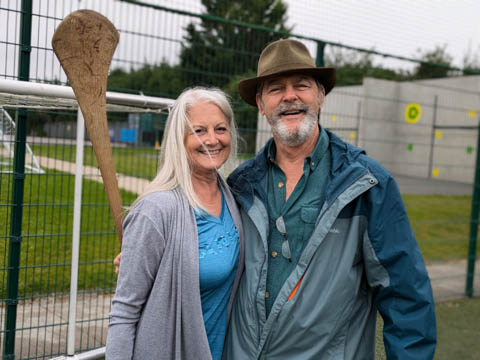
Here are Team Kilkenny and Team Dublin.
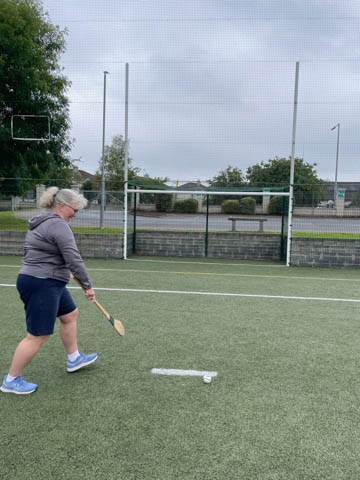
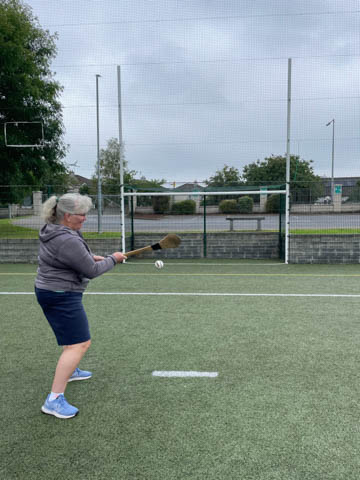
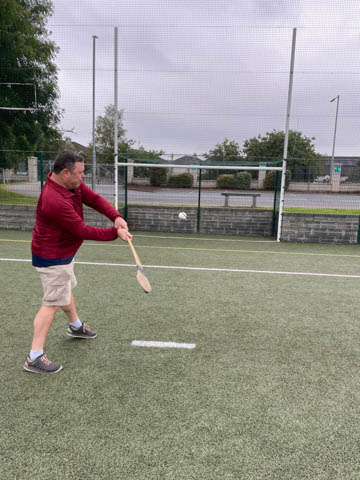
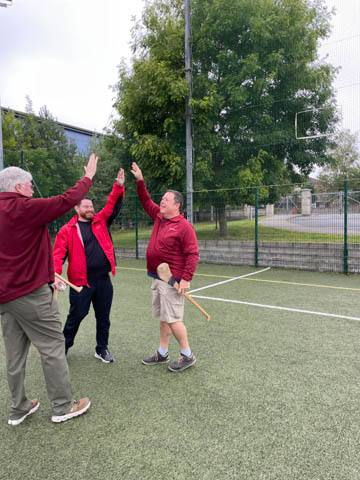
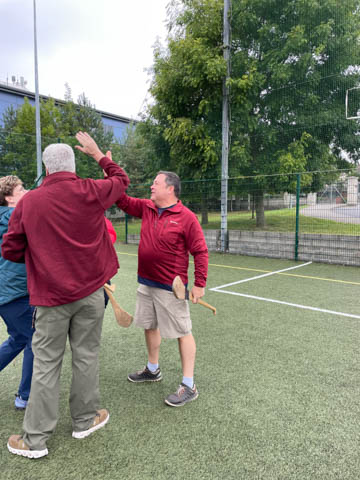
At the end we lined up to try and make a goal, then to hit the goal post. Nancy made a goal. Amazingly both Steve and the person behind him in line both hit the crossbar. High-fives all around for that, including one from the amazed coach.
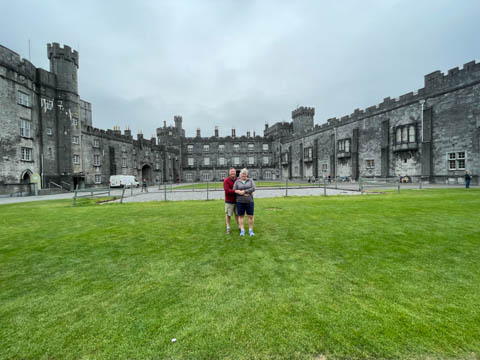
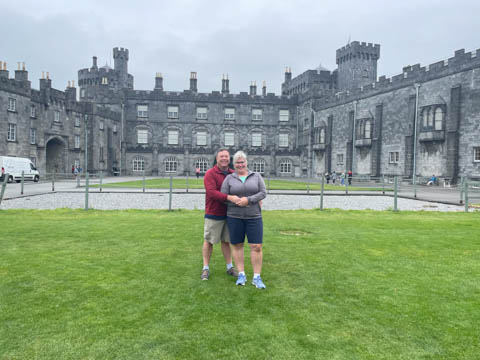
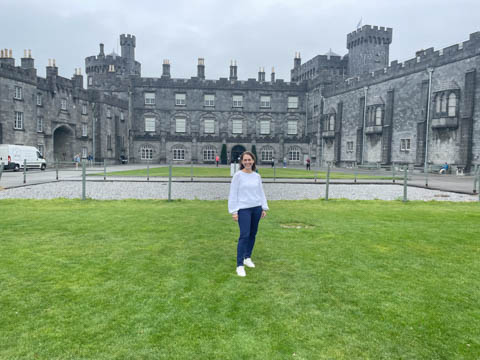
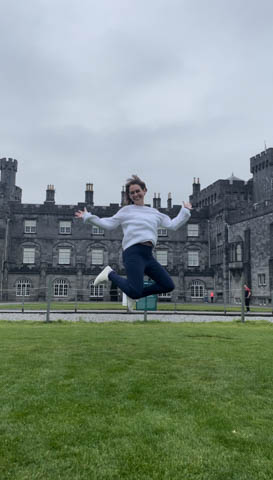
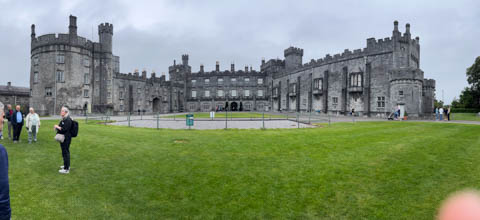
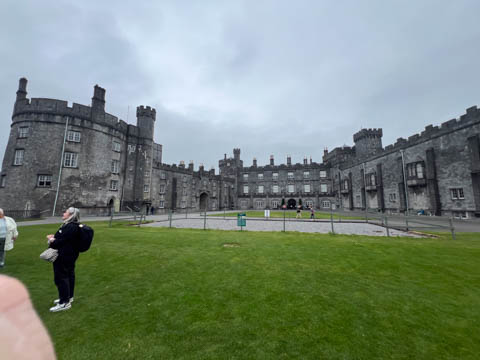
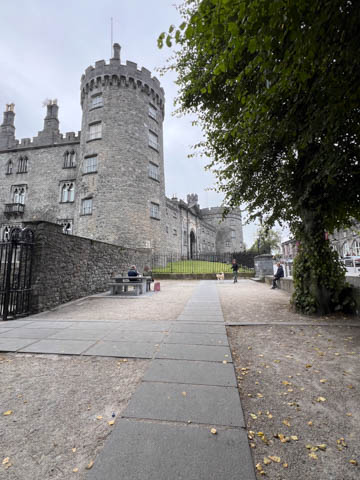
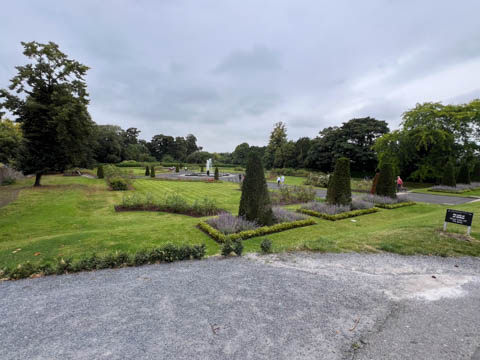
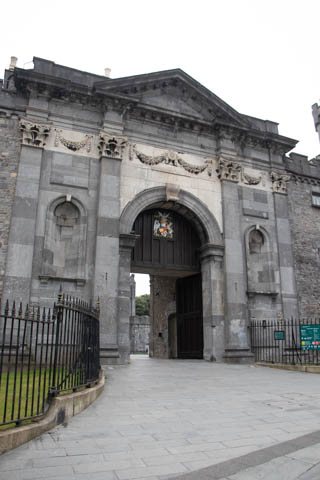
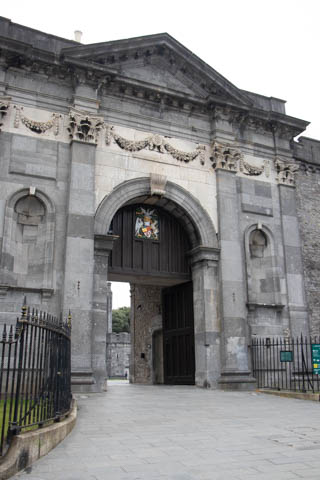
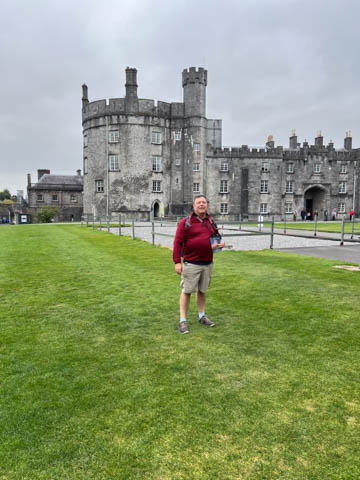
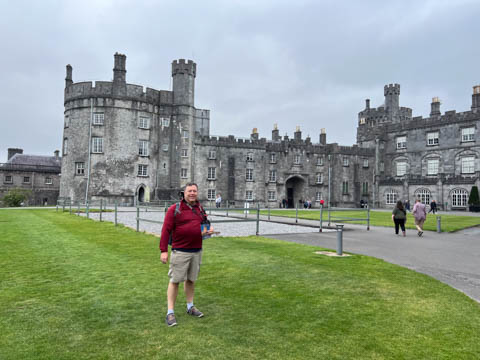
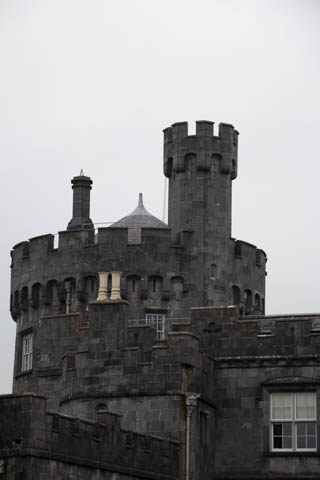
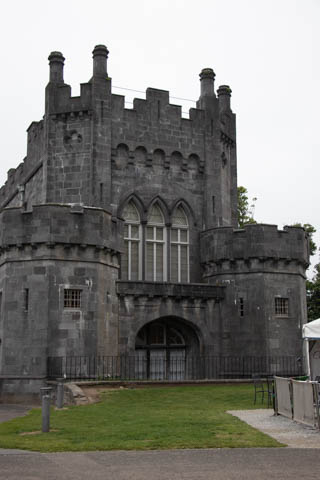
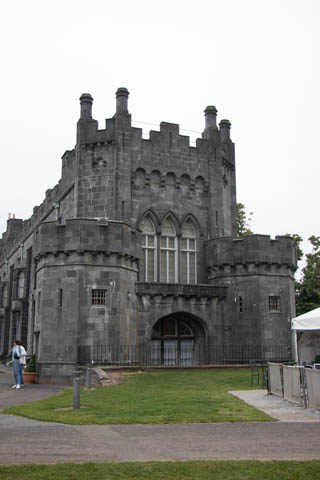
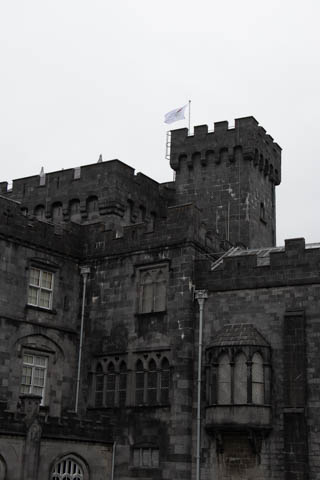
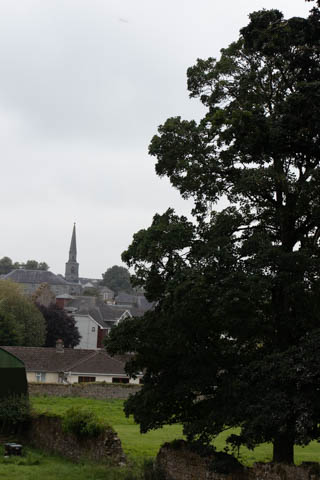
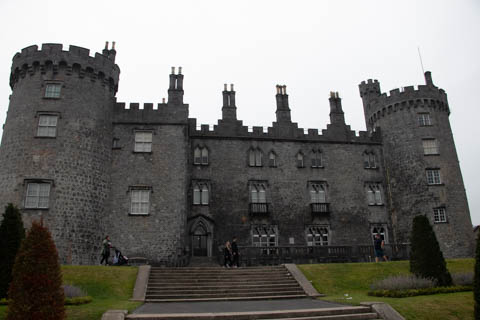
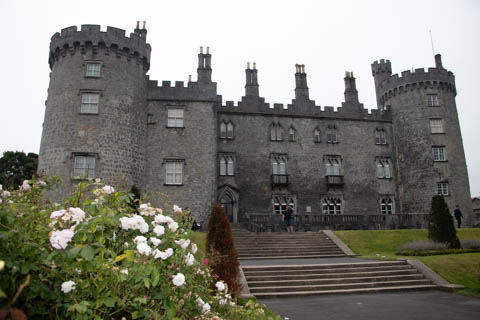
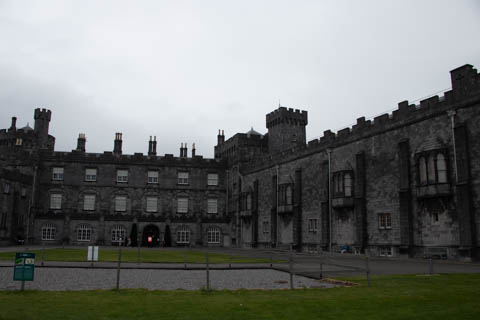
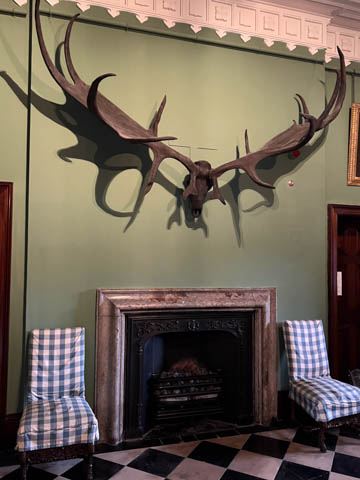
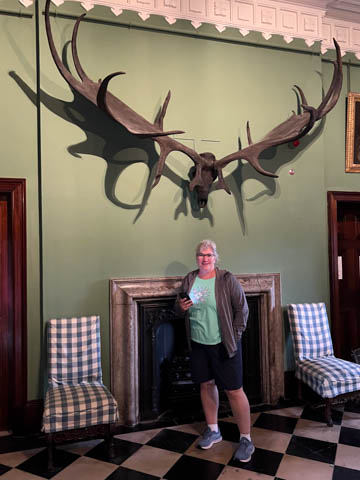
We then headed into Kilkenny for lunch at a pub conveniently owned by the hurling coach. We stopped first for some pictures in front of Kilkenny castle.
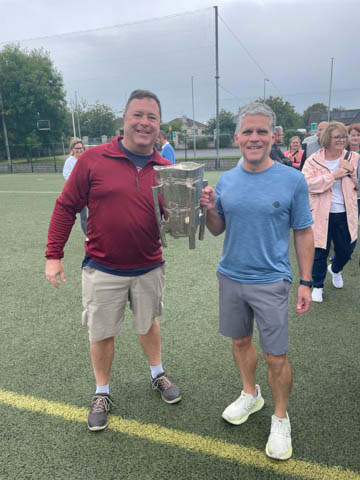
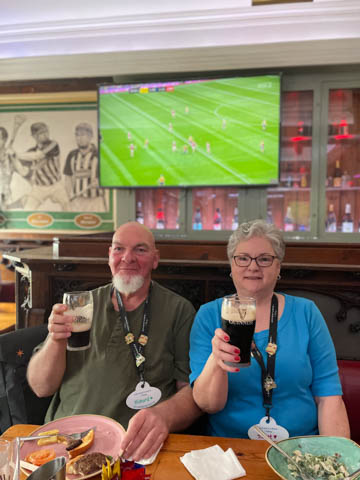
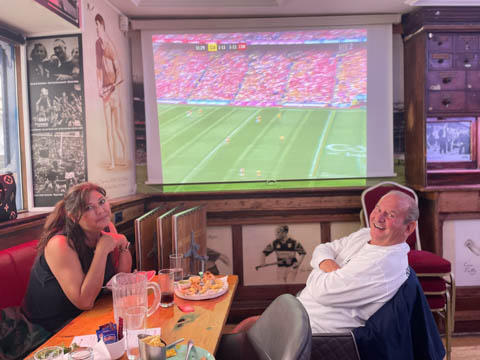
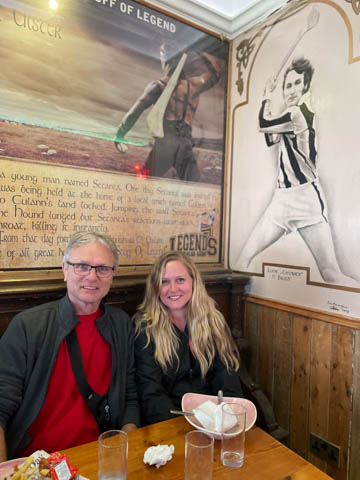
We headed into town for lunch, conveniently at a pub owned or managed by the hurling coach. As promised, he put last year's national championship game on the TV so we could watch his favorites sport. This turned out to be the Legends Hurling Bar, which is billed as Ireland's only Hurling Bar Museum, dedicated to the Legends that have played the game of hurling - past and present, with walls adorned with beautiful hand painted murals of Irelands finest hurlers and some beautiful prints of historical hurling moments from across the decades. It even has a replica of the McCarthy Cup, which is likely what he brought to the training session earlier.
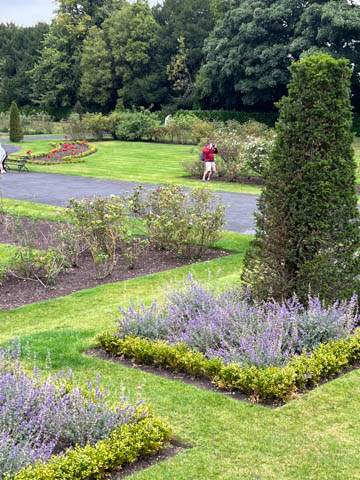
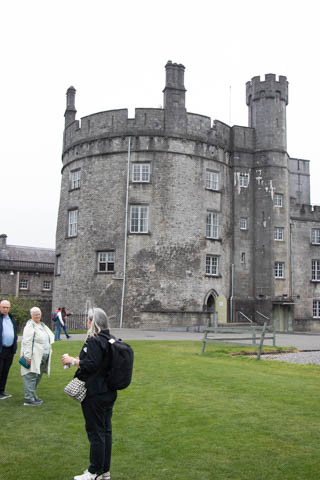
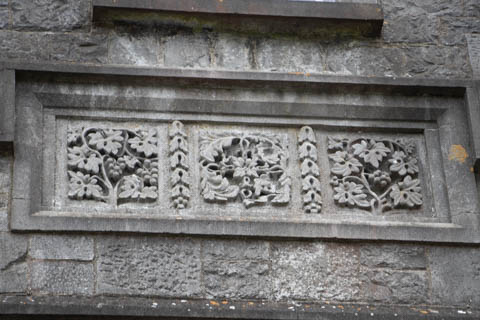
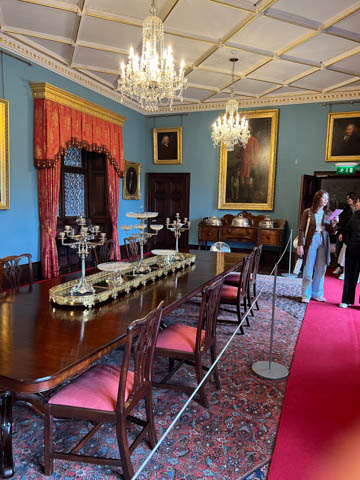
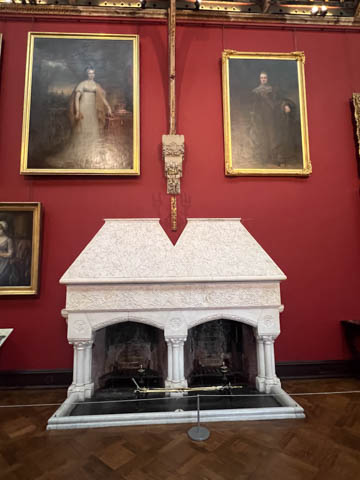
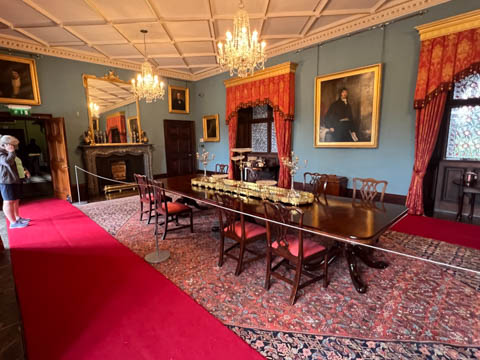
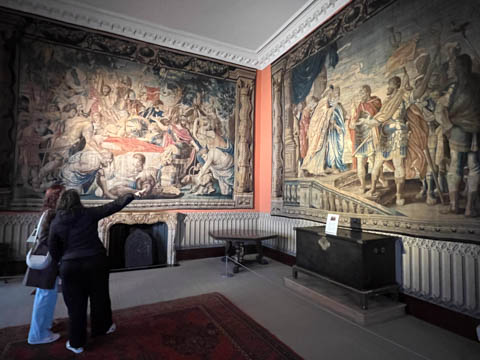
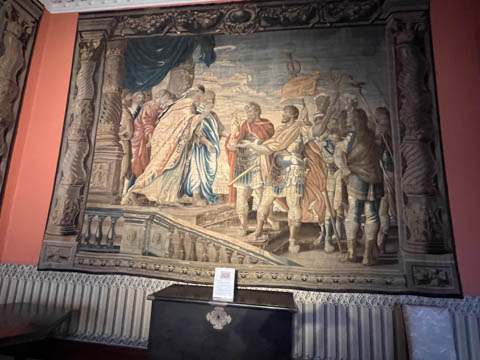
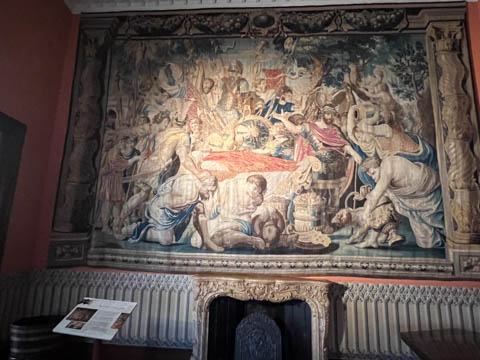
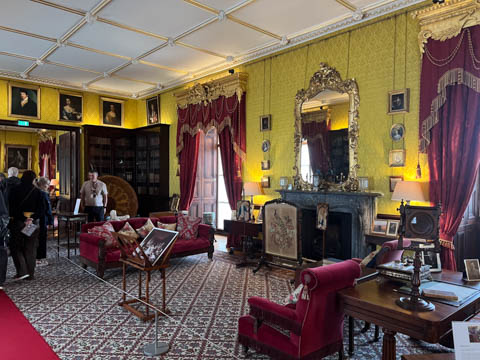
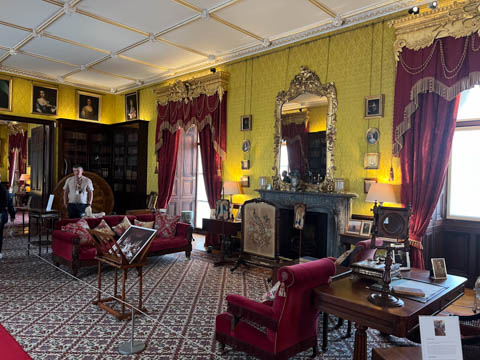
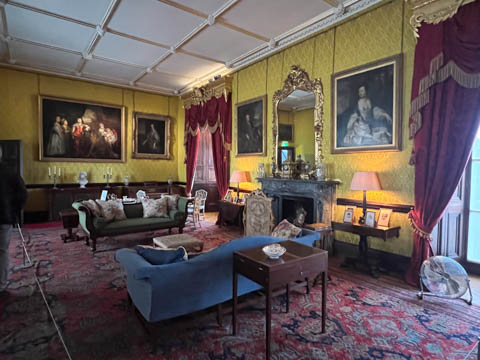
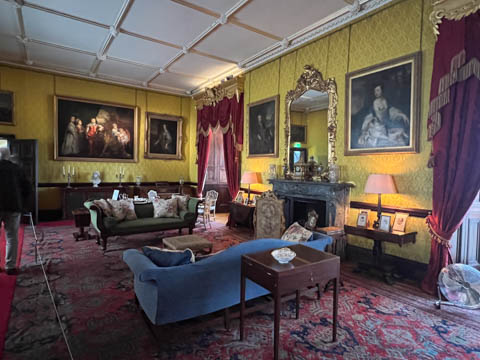
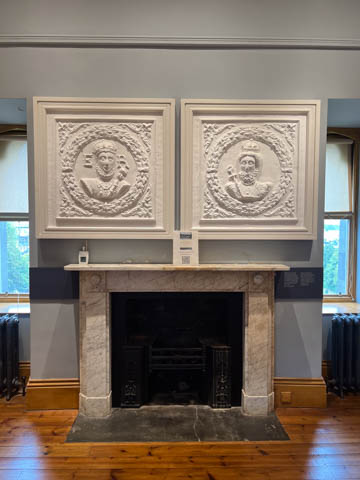
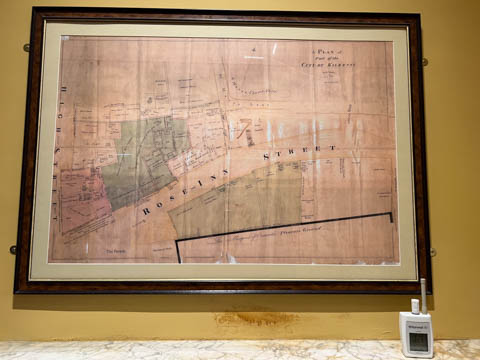
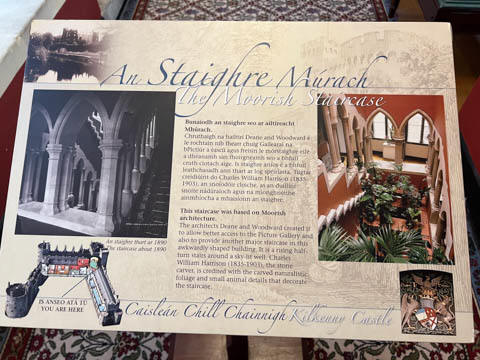
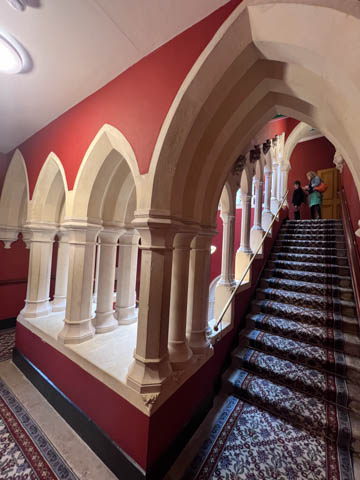
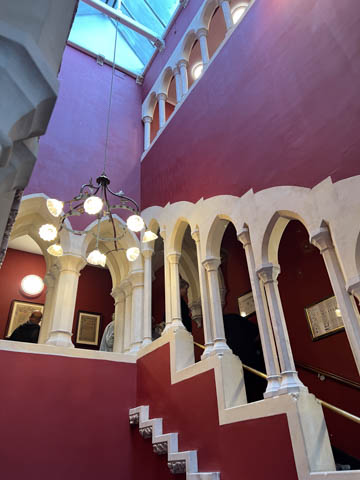
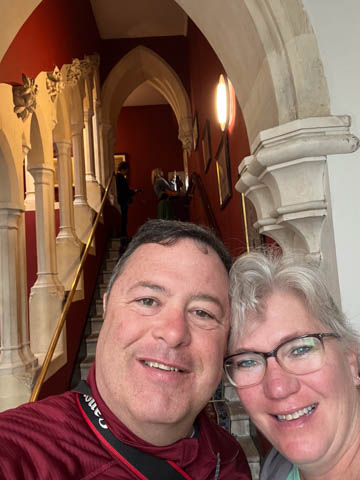
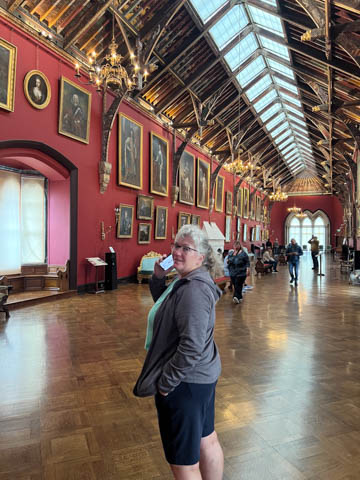
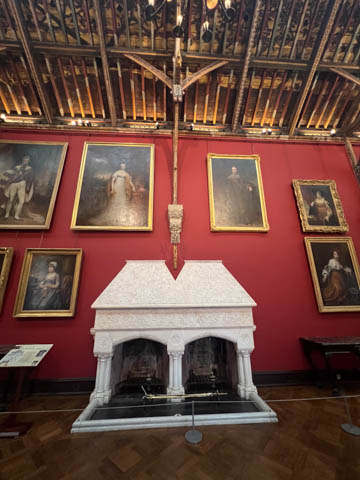
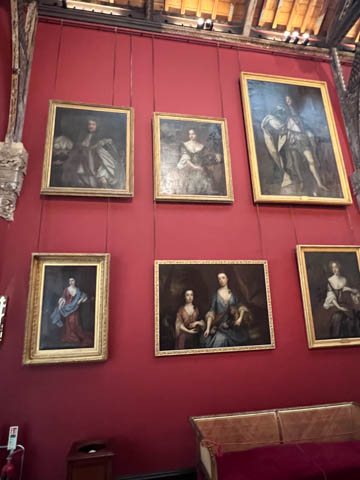
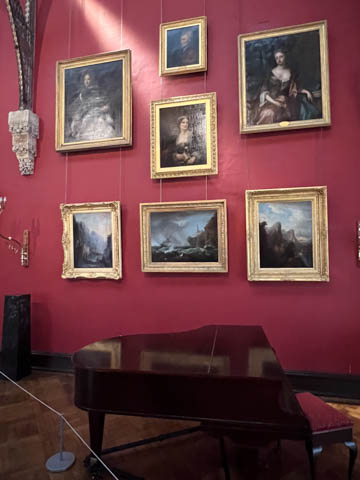
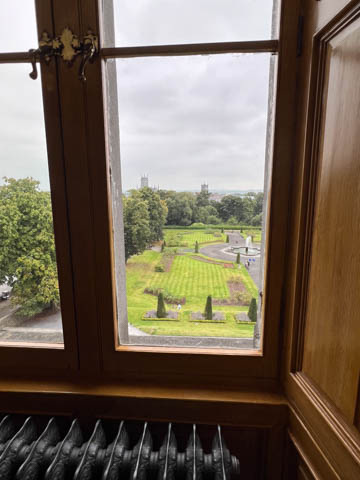
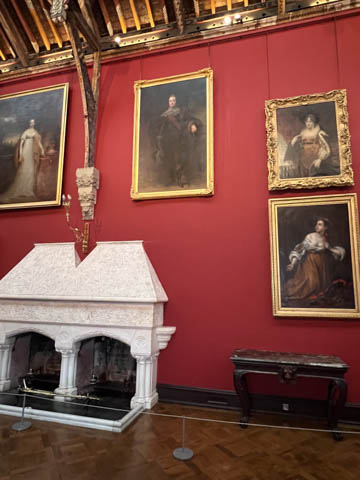
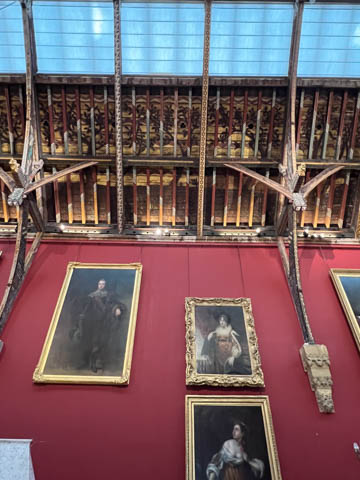
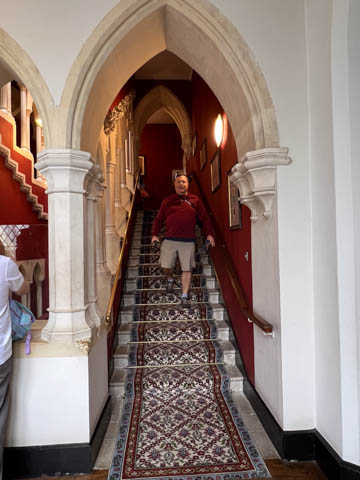
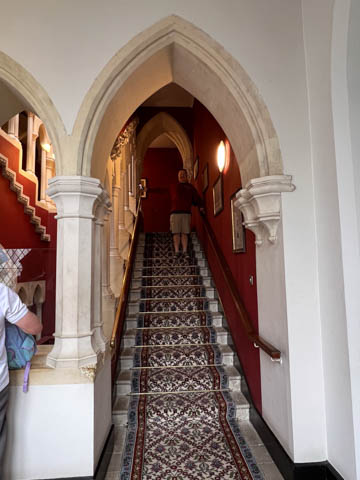
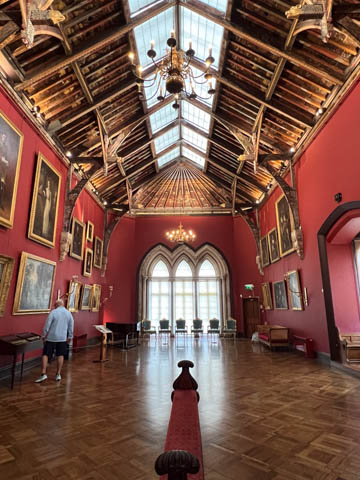
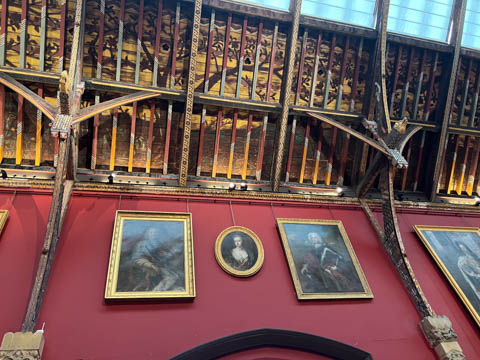
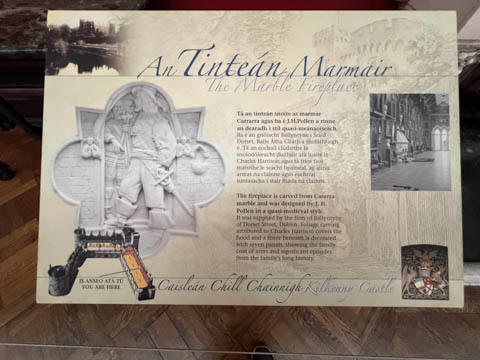
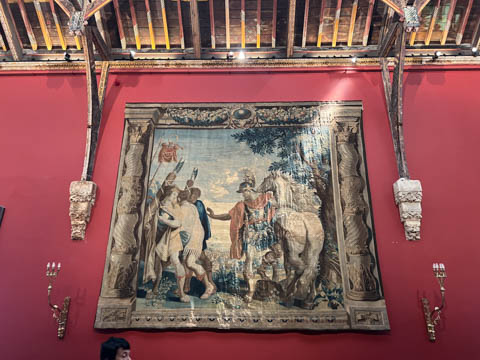
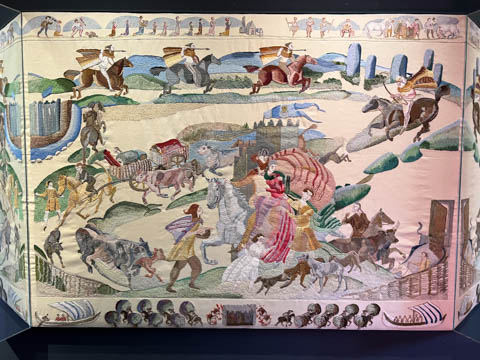
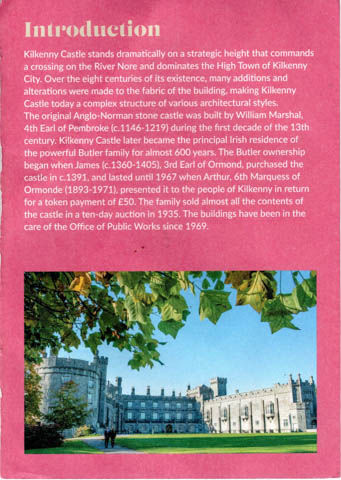
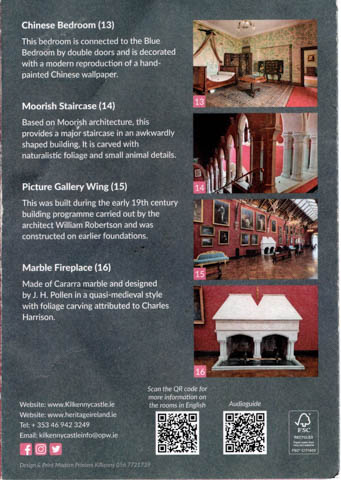
After lunch, we had a bit of time on our own, so we headed into Kilkenny Castle. This castle was "built in 1260 to control a fording-point of the River Nore and the junction of several route-ways. It was a symbol of Norman occupation, and in its original 13th-century condition, it would have formed an important element of the town's defenses with four large circular corner towers and a massive ditch, part of which can still be seen today on the Parade."
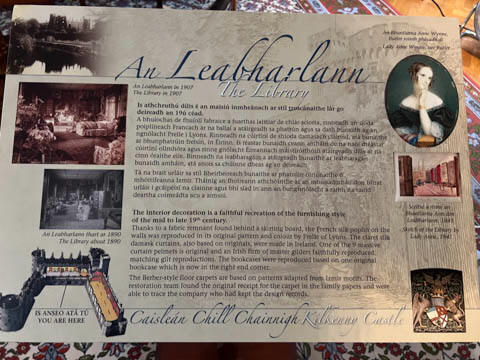
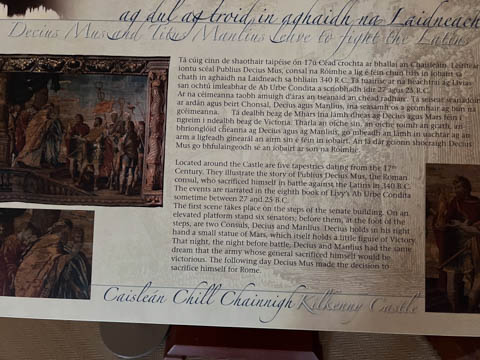
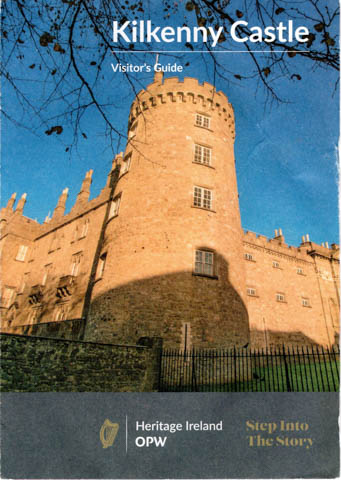
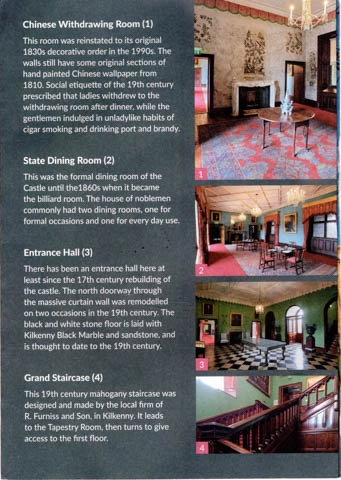
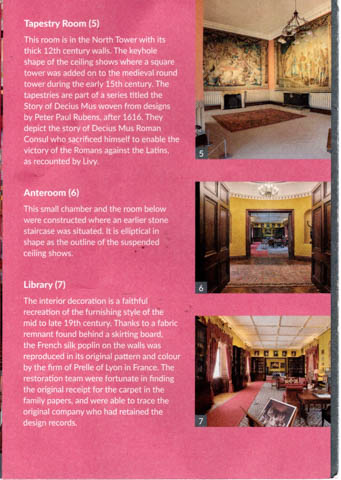
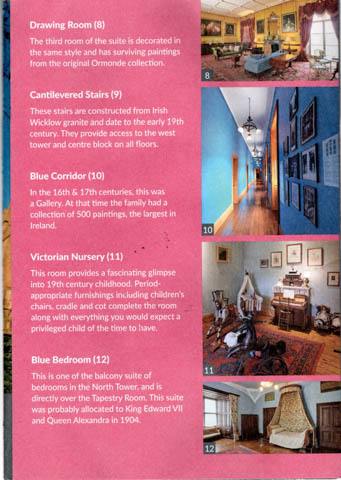
Here is the castle brochure.
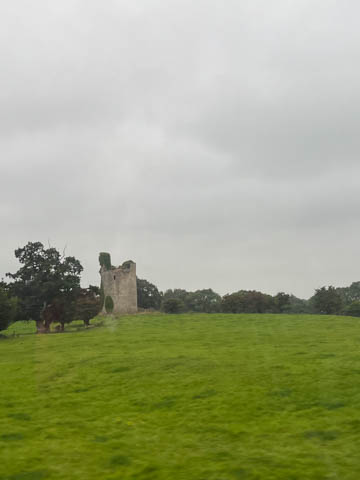
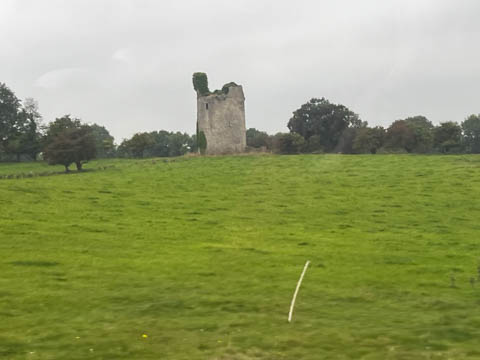
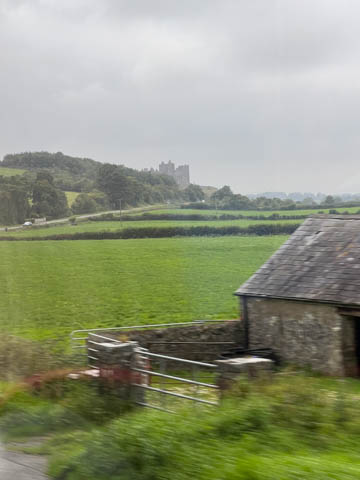
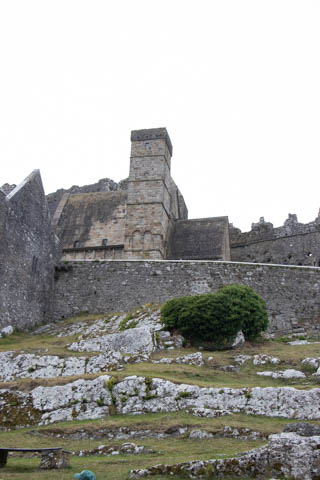
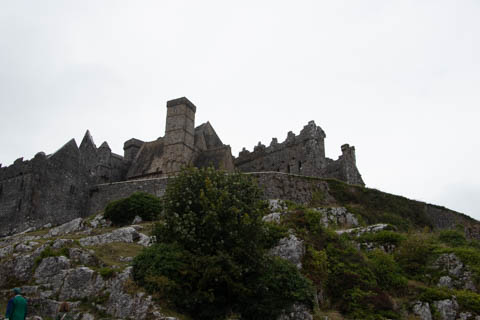
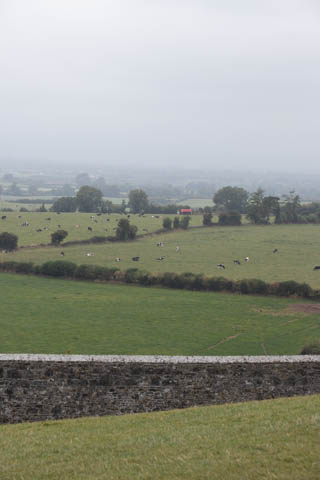
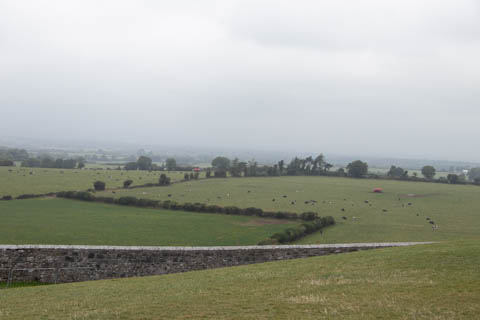
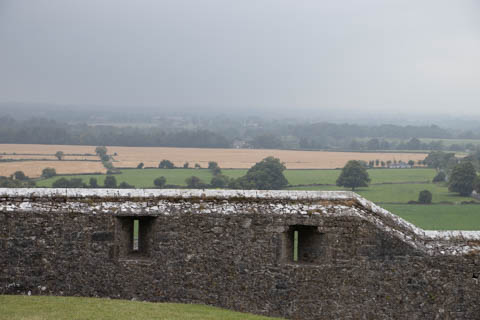
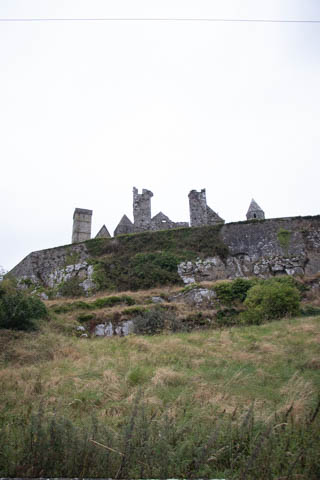
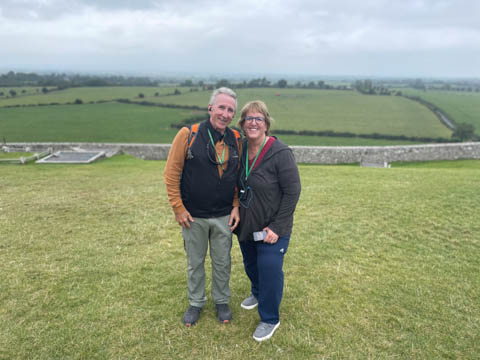
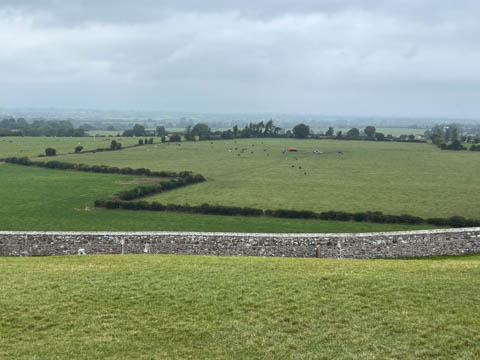
Some fun scenery in the countryside as we drove by. We could see our next stop, the Rock of Cashel around a hill before we got there.
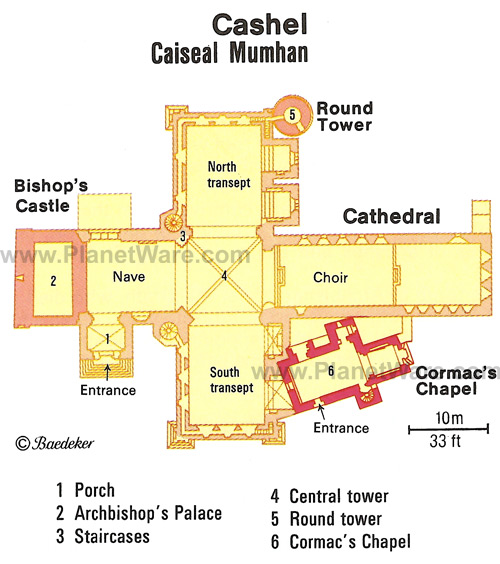
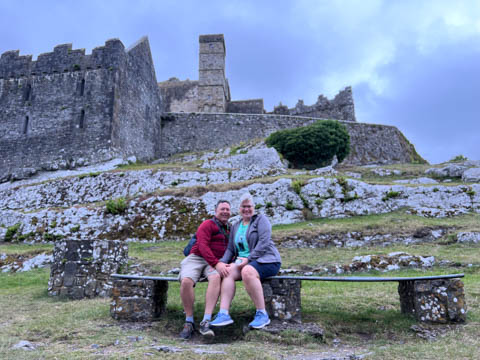
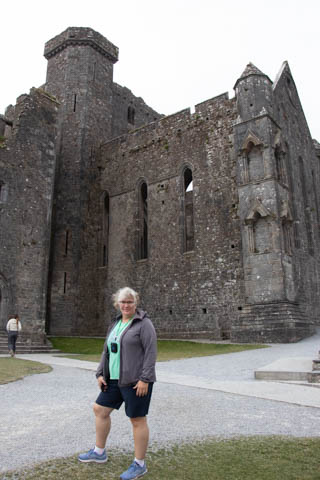
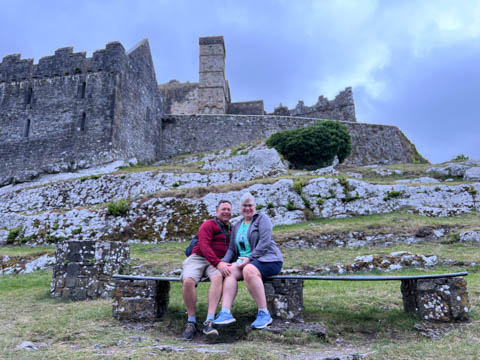
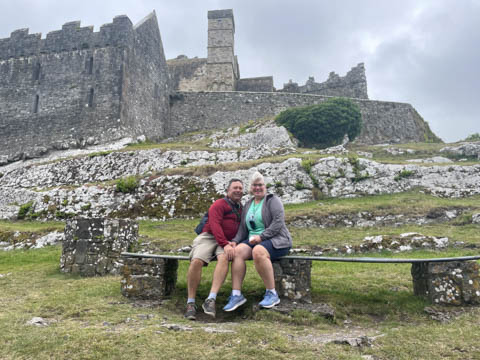
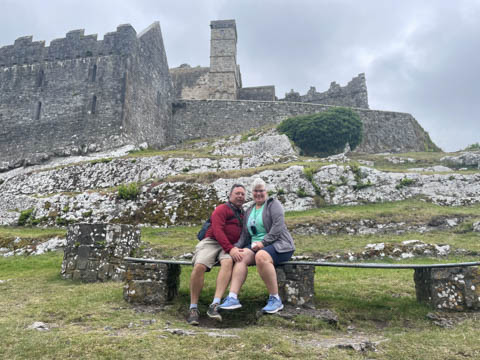
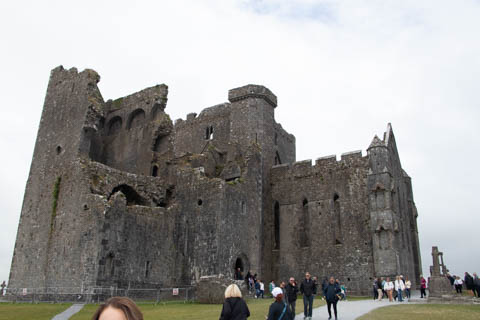
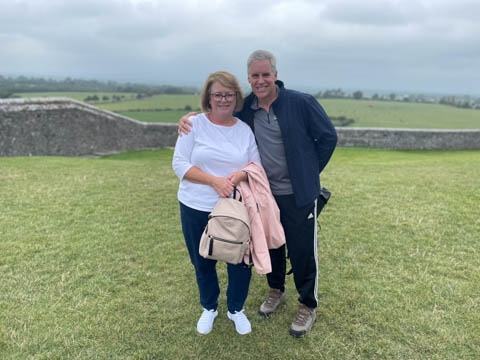
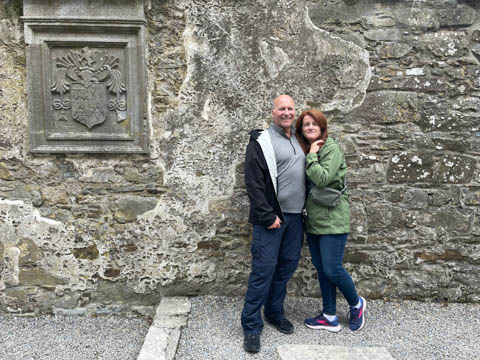
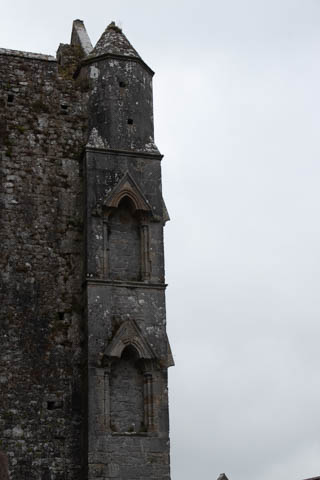
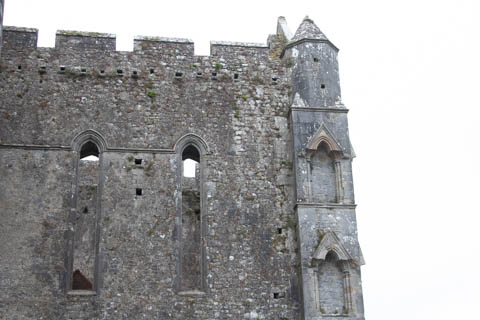
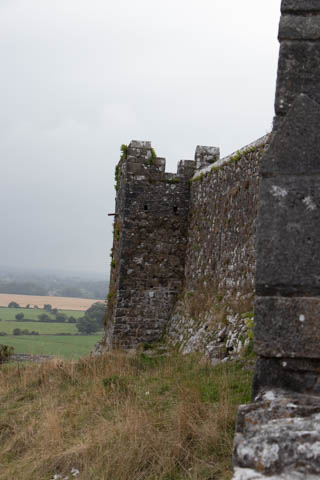
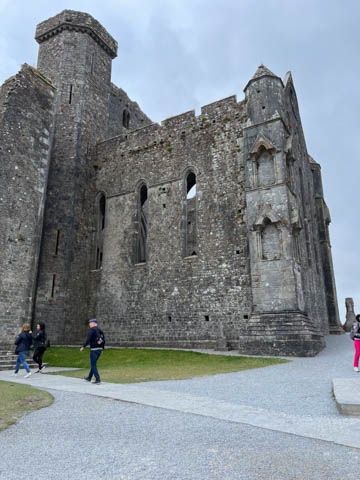
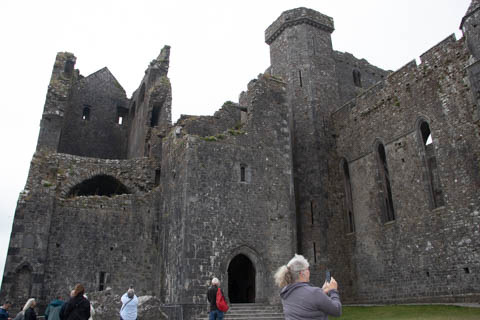
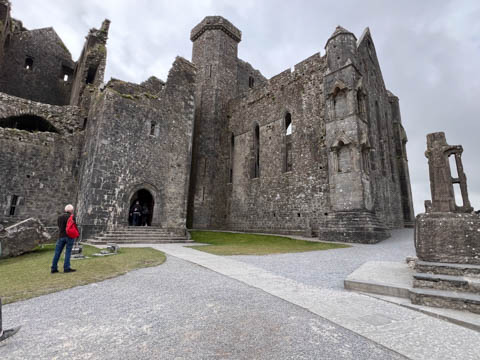
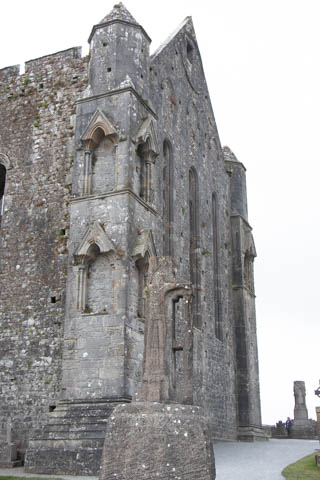
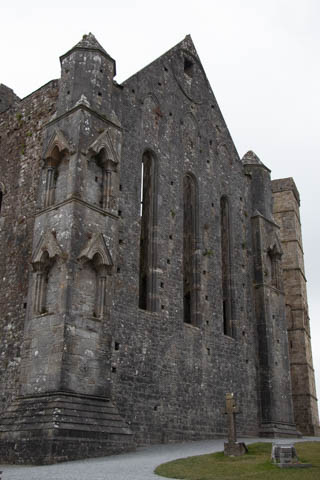
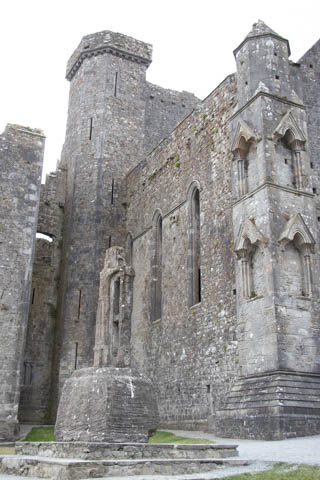
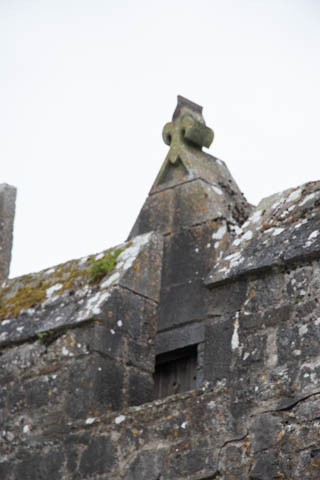
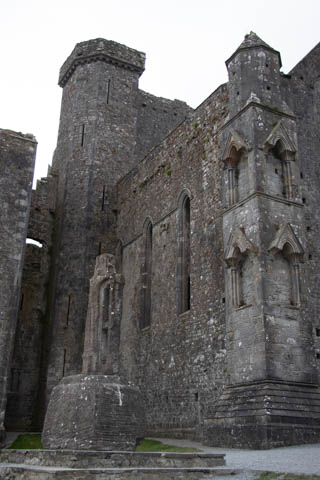
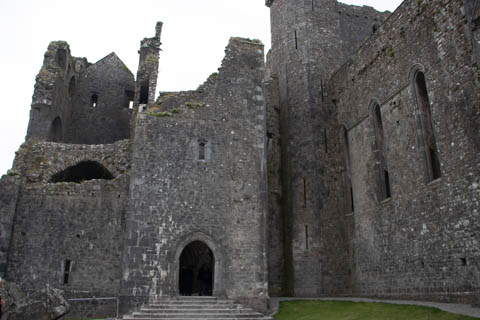
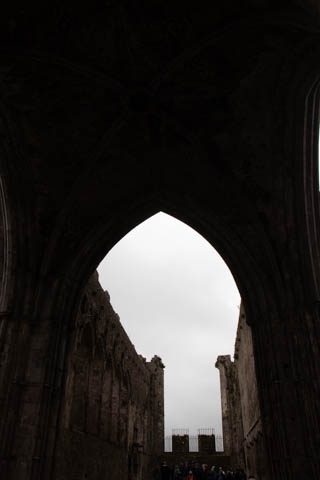
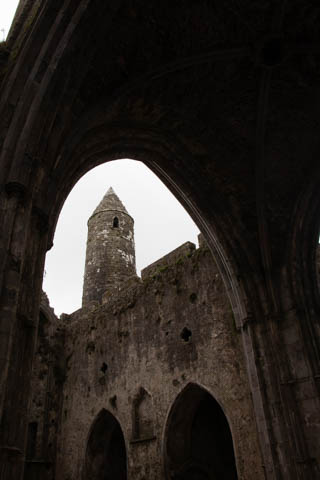
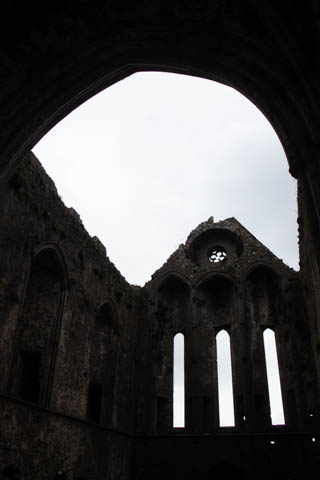
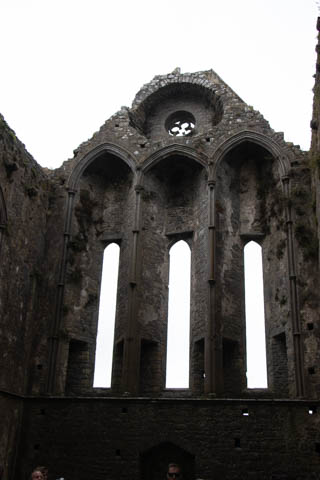
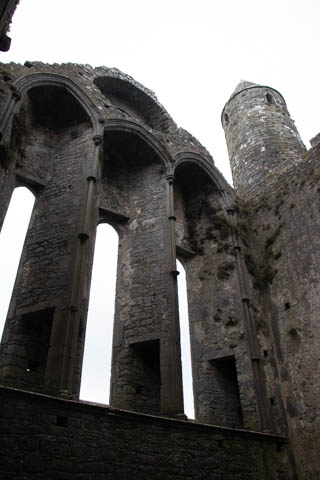
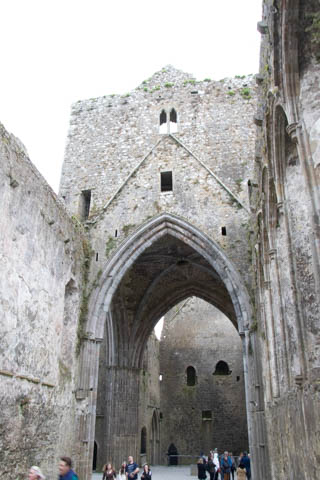
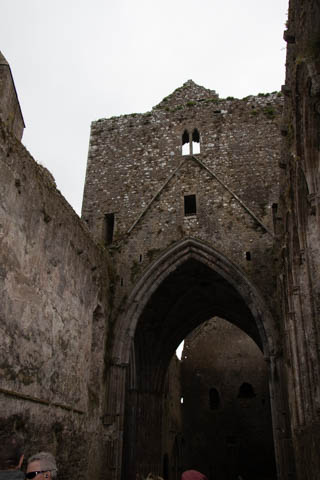
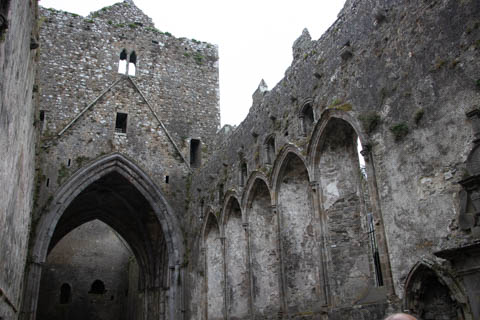
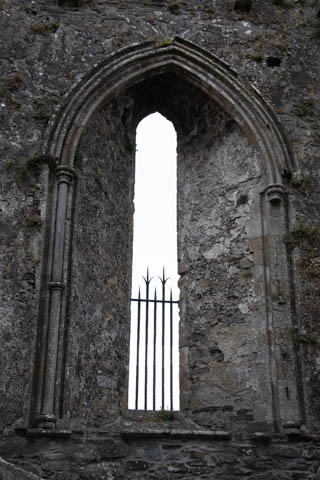
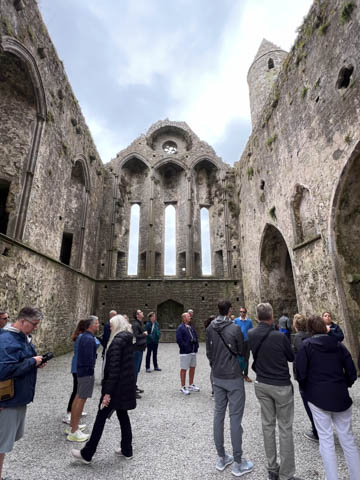
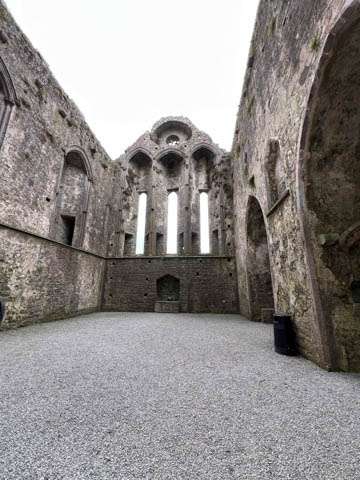
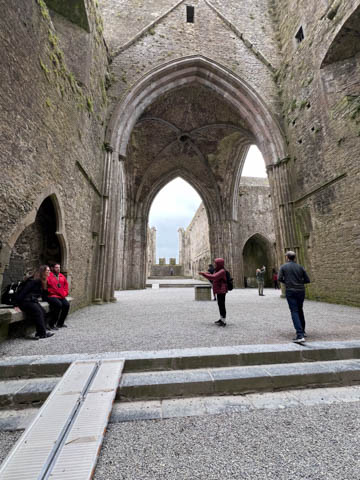
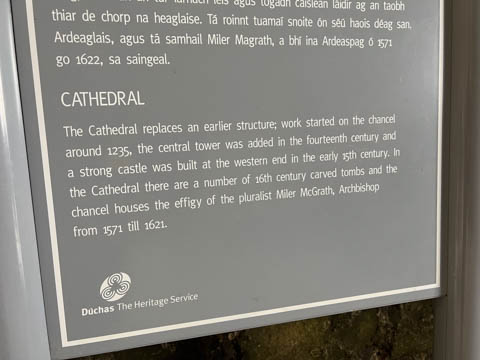
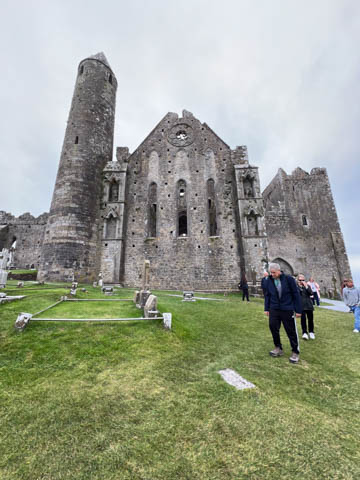
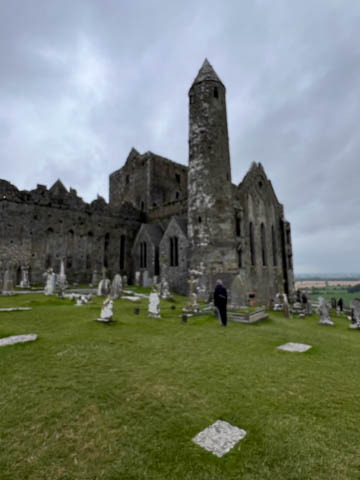
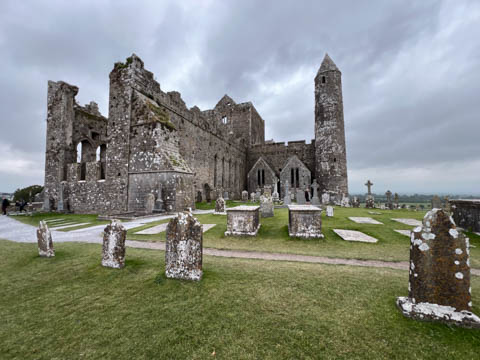
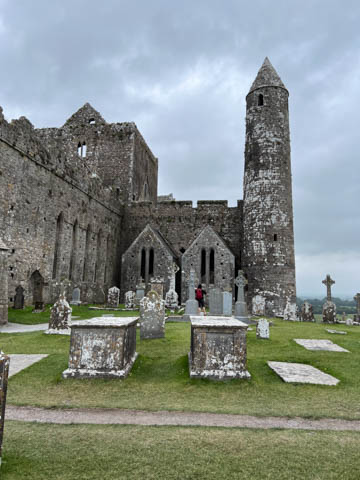
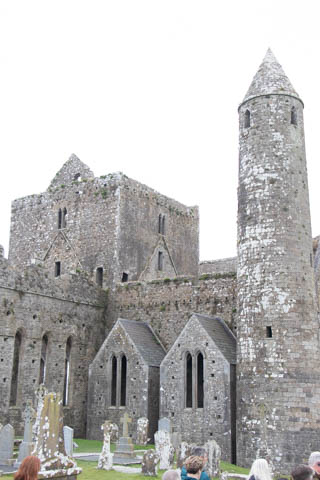
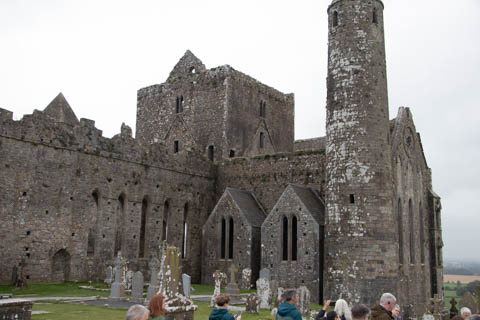
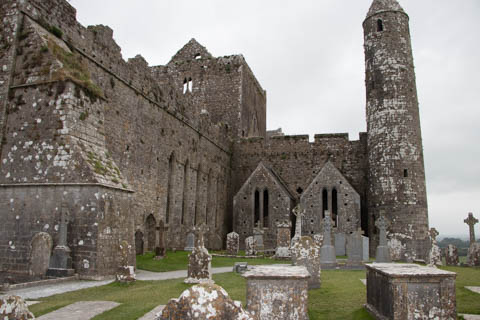
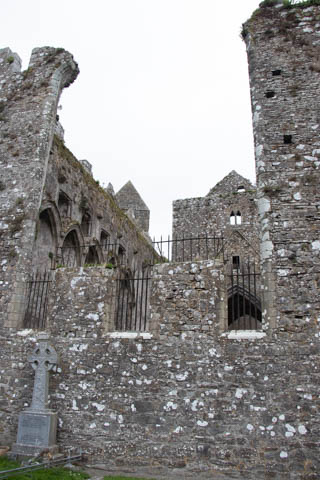
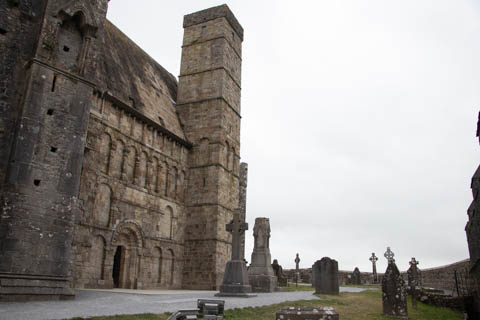
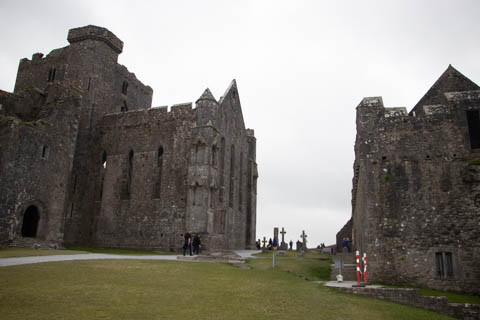
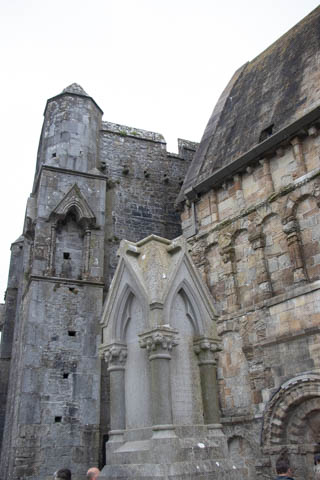
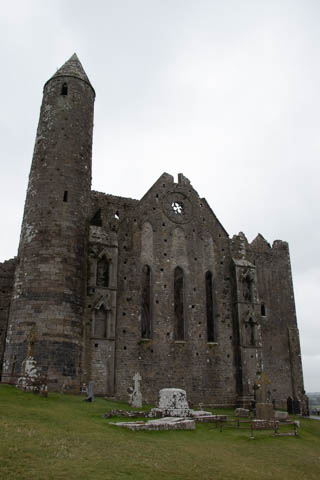
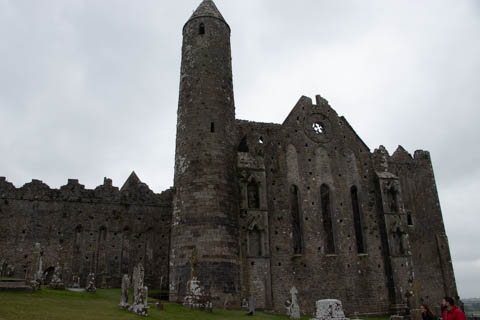
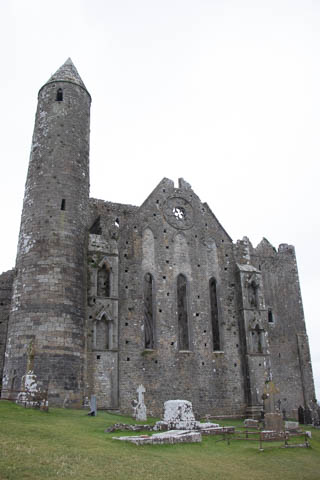
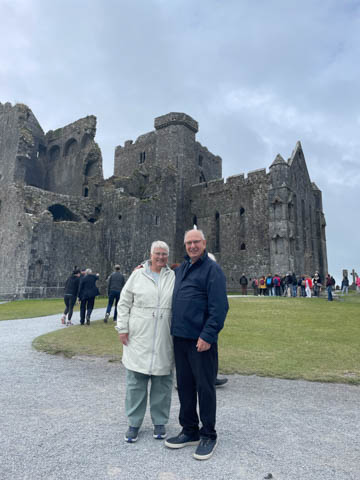
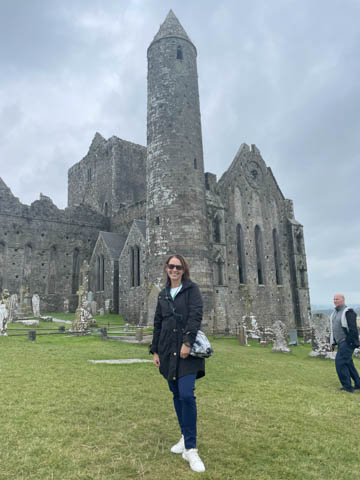
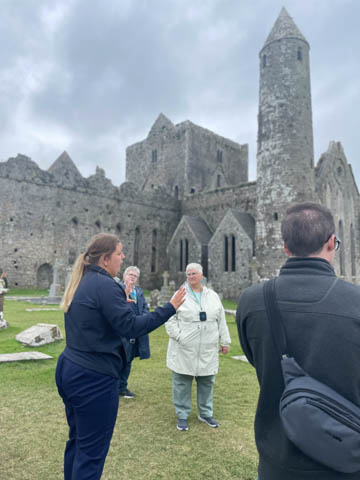
Our next stop was at the Rock of Cashel. Cashel is "reputed to be the site of the conversion of the King of Munster by Saint Patrick in the 5th century. The Rock of Cashel was the traditional seat of the kings of Munster for several hundred years prior to the Norman invasion. In 1101, the King of Munster, Muirchertach Ua Briain, donated his fortress on the Rock to the Church. The picturesque complex has a character of its own and is one of the most remarkable collections of Celtic art and medieval architecture to be found anywhere in Europe. Few remnants of the early structures survive; the majority of buildings on the current site date from the 12th and 13th centuries. Cormac's chapel is one of the oldest surviving structures, was built between 1127-1134. The adjacent cathedral was built between 1235-1270. In 1647, during the Irish Confederate Wars, Cashel was sacked by English Parliamentarian troops under Murrough O'Brien, 1st Earl of Inchiquin. The Irish Confederate troops there were massacred, as were the Catholic clergy, including Theobald Stapleton. Inchiquin's troops looted or destroyed many important religious artifacts. Sometime during or after the mid-1730s, the main cathedral roof was destroyed by Arthur Price, the Anglican Archbishop of Cashel, leaving the ruins we now see.
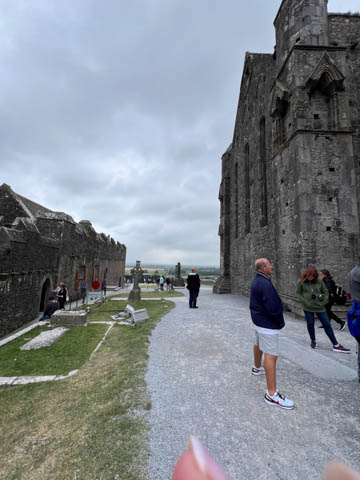
The ruins were on top of a hill, which we had to climb by going up a steeper road to reach.
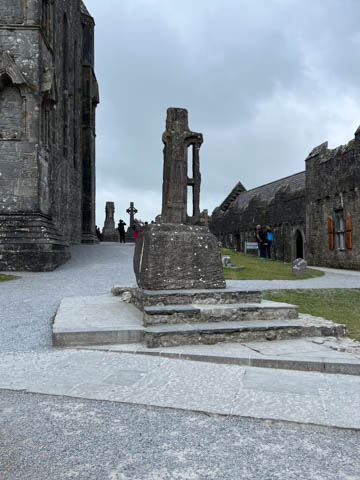
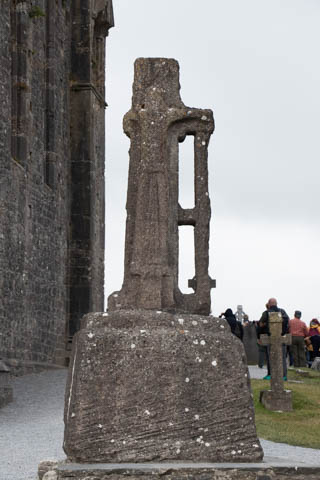
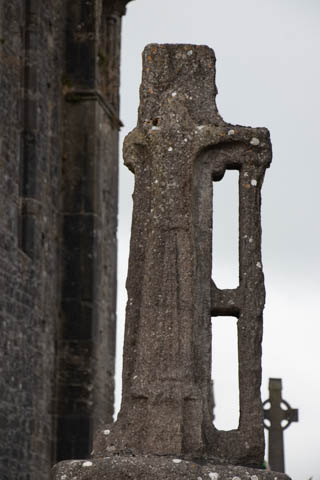
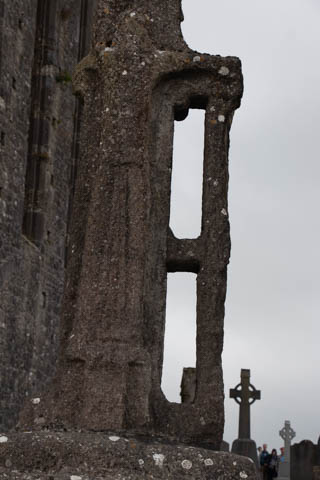
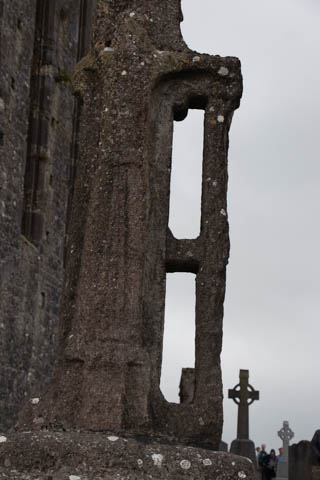
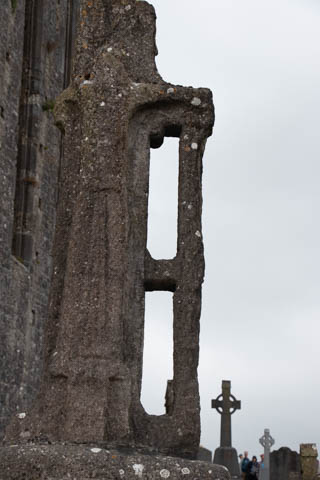
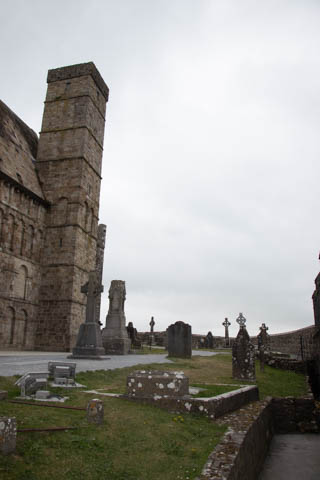
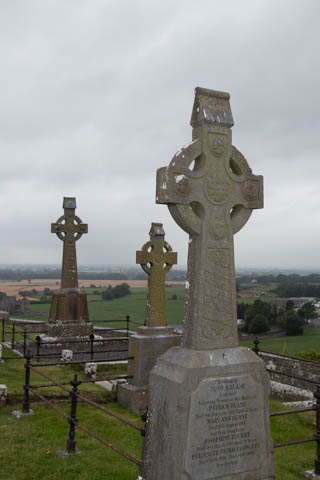
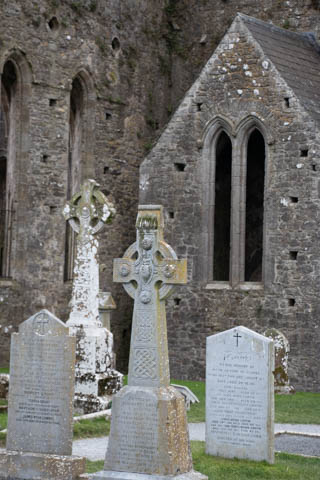
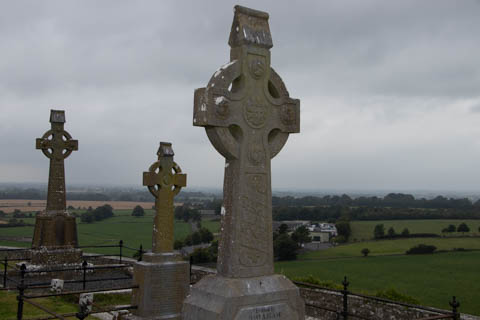
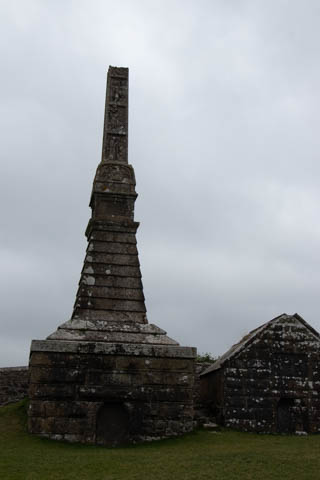
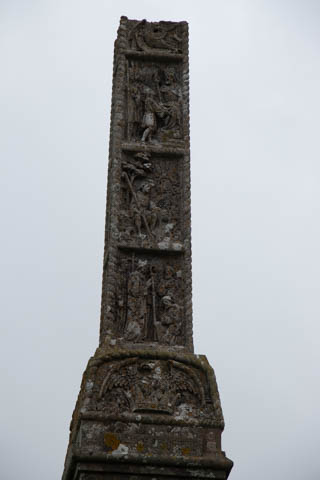
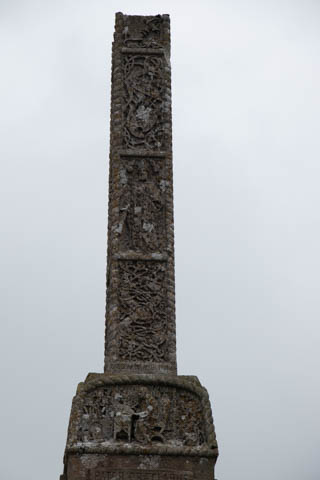
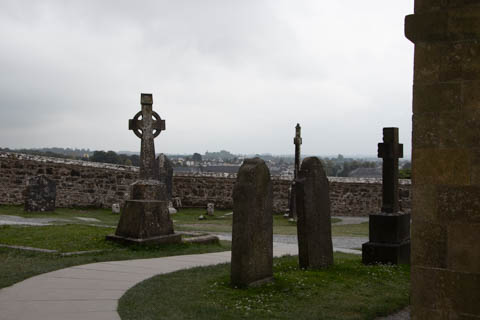
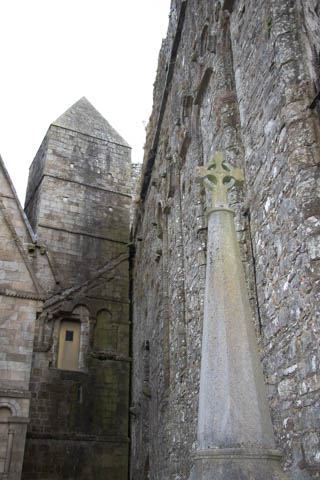
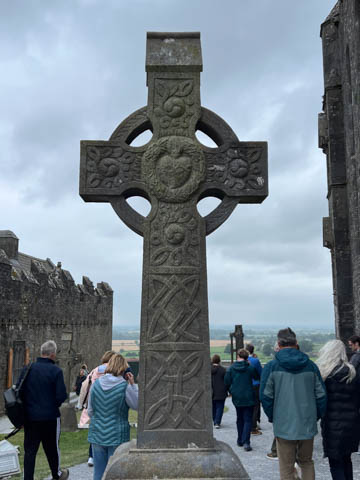
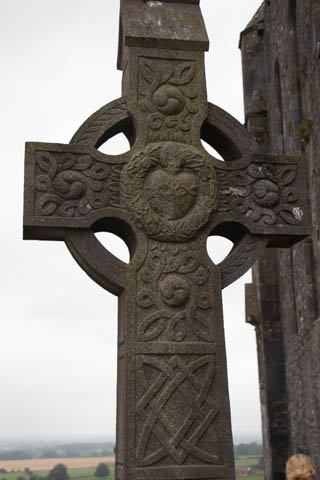
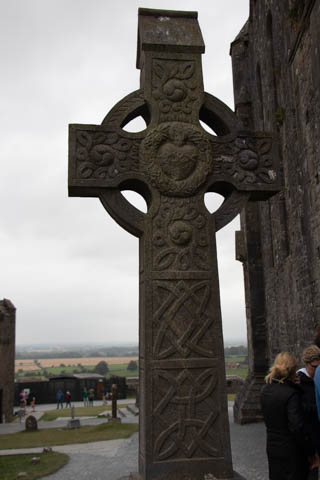
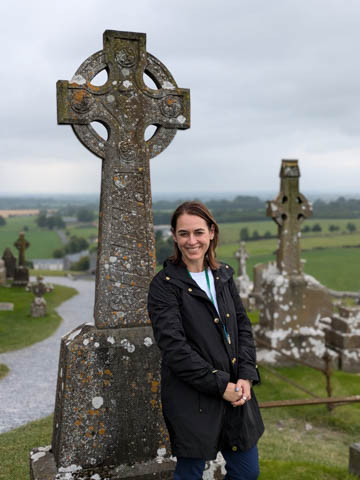
There was a small space between the cathedral and some long, low building which I think was the monastery. In between were several amazing Celtic crosses.
With a decent amount of other people and a tour group that came not long after us, I feel like I waited a really long time to get a clearer picture.
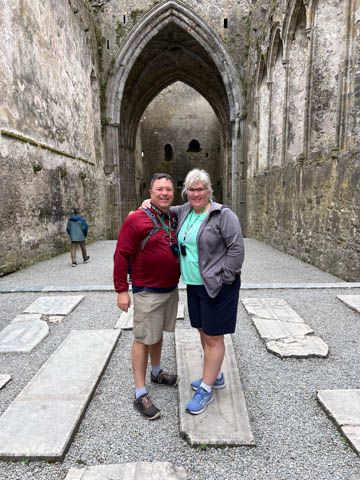
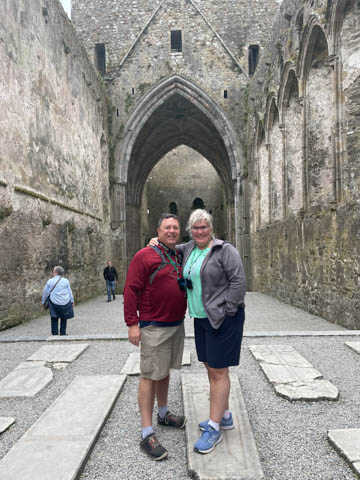
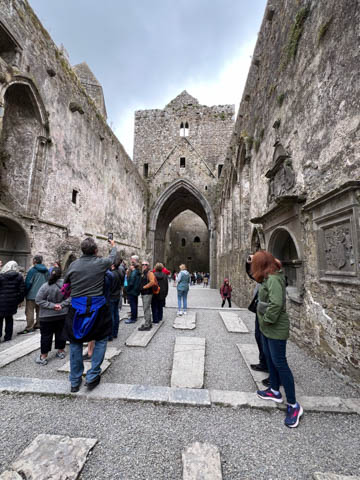
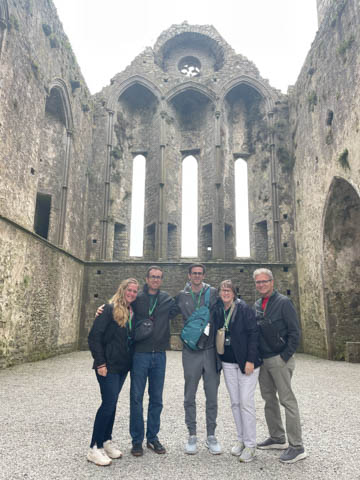
We went into the cathedral next.
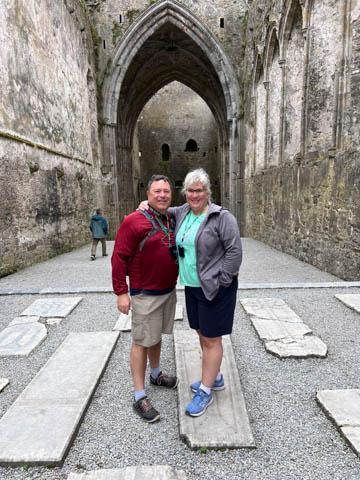
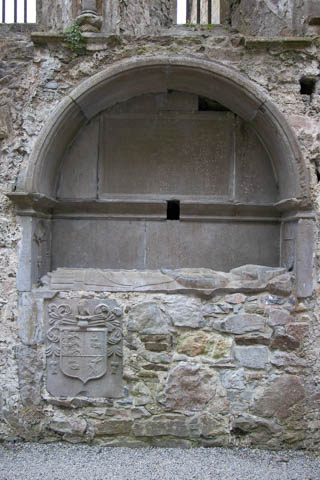
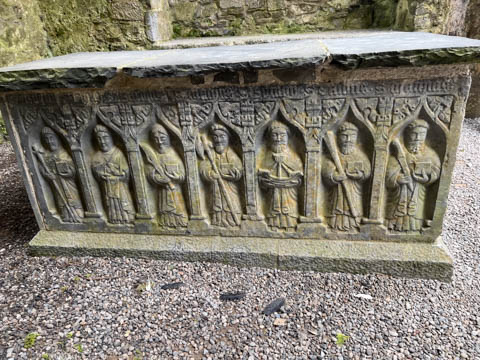
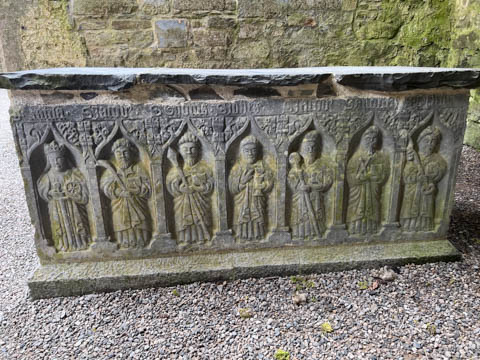
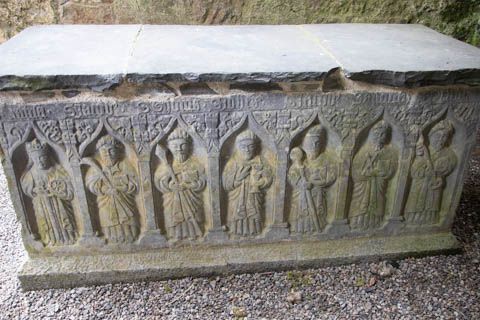
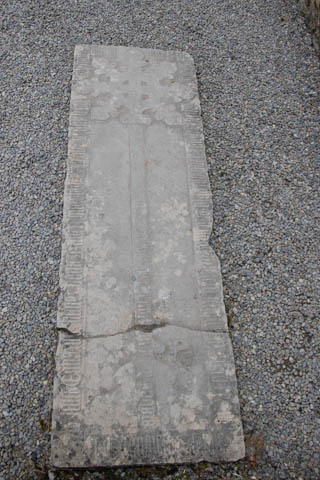
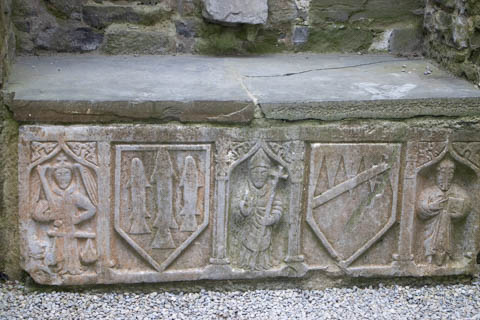
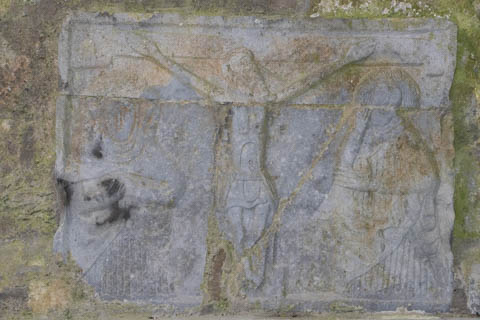
In one of the knaves was an amazing tomb carved in the sixth century.
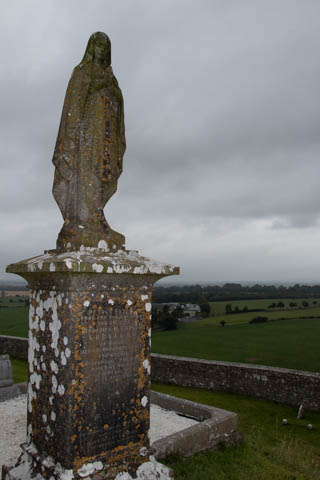
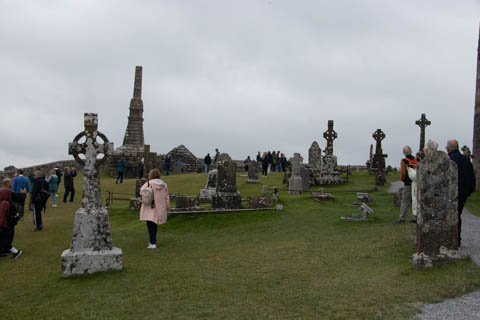
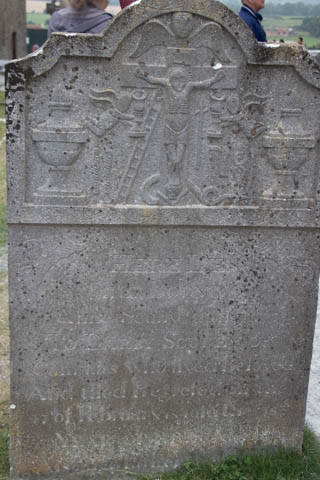
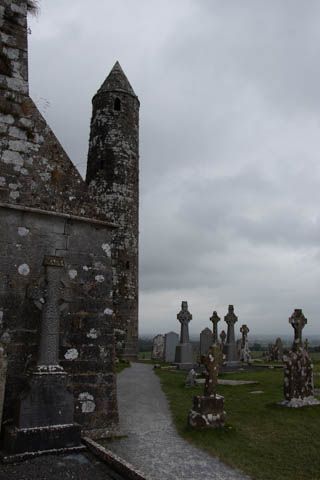
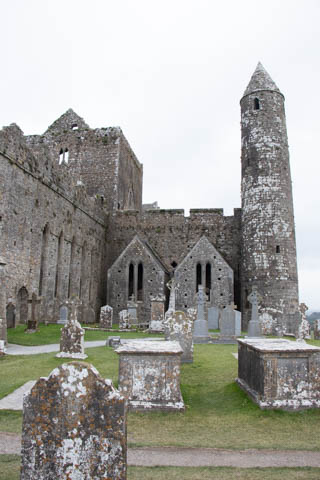
Outside the cathedral was an immense graveyard. Our tour guide said they held a lottery a while ago for people in the surrounding area to determine who could be buried there. Several people passed their permission to their kids, so some sites are still empty.
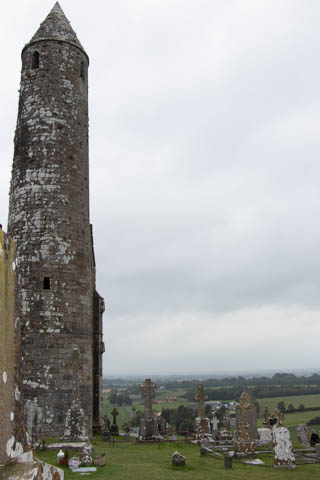
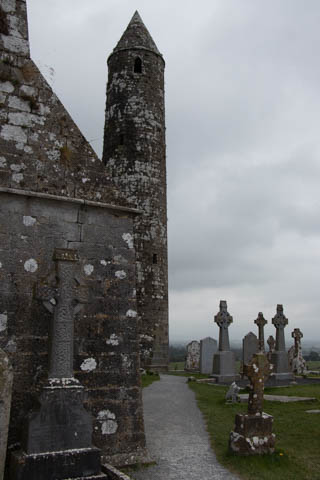
The oldest and tallest of the structure is the well preserved round tower, which is 28 metres (92 ft) high and dates from c.1100. Its entrance is 3.7 meters (12 ft) from the ground, necessitated by a shallow foundation (about 1 meter (3 feet) typical of round towers. The tower was built using the dry stone method. Modern conservationists have filled in some of the tower with mortar for safety reasons.
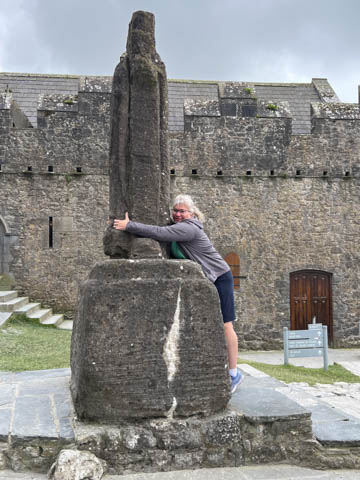
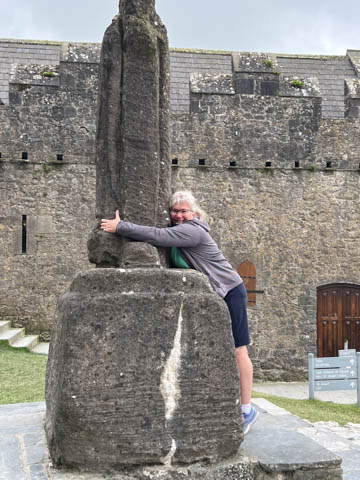
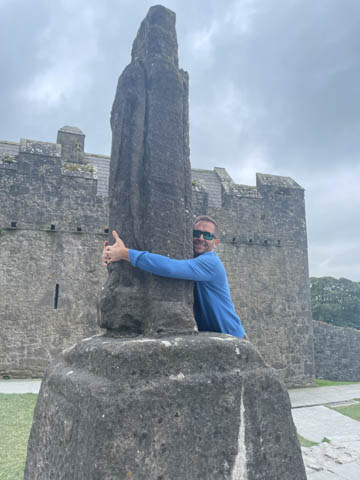
On the way down, we were back at one of the huge crosses between the monestery and cathedral. Our guide said there was a tradition of trying to get your arms around it. Nancy tried, but couldn't do it.
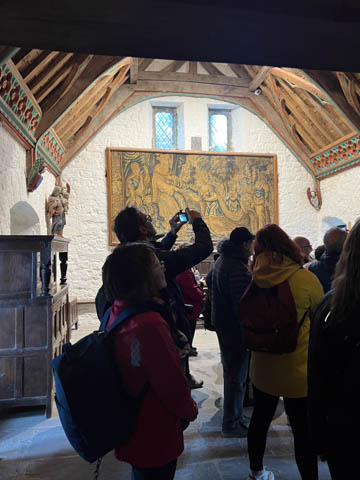
Here is the inside of a small chapel in the monastery.
Here are a couple more that Gabby took.
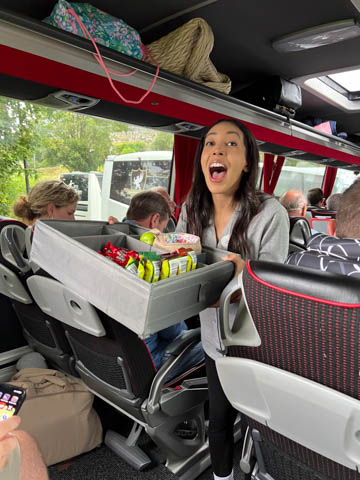
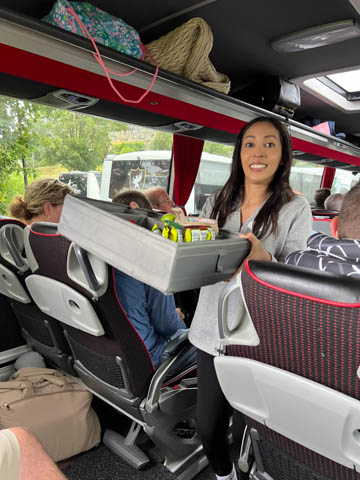
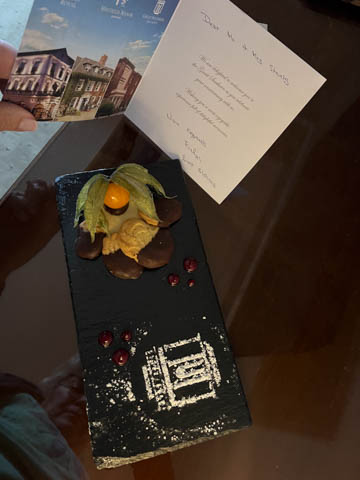
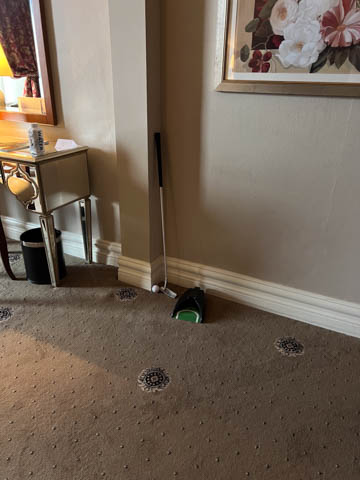
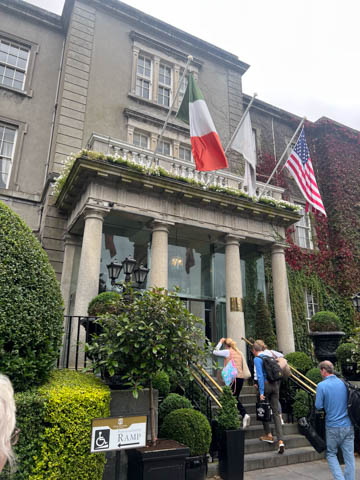
Time for a bit of a snack on the bus. Once we got to our hotel in Killarney, we had fun discovering more chocolates left as an anniversary treat along with a putter and practice hole. We had a bit of fun with this before heading to a group dinner in the hotel then heading out to explore Killarney. That turned out to be fun. We found a couple fun shops then met up with most of our fellow adventurers at JM Reidy's Pub which had a band in back and a solo guitarist in the front.
|
|
|