|
|
Use these navigation links to move between the Year 2025 pages. Specific pages can be accessed at the bottom of this page
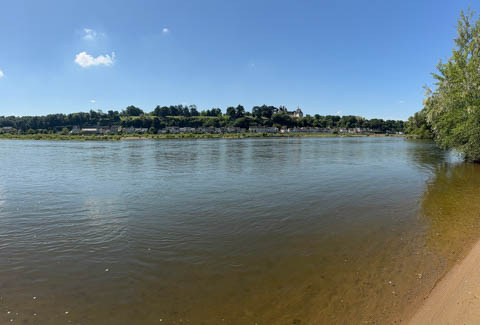
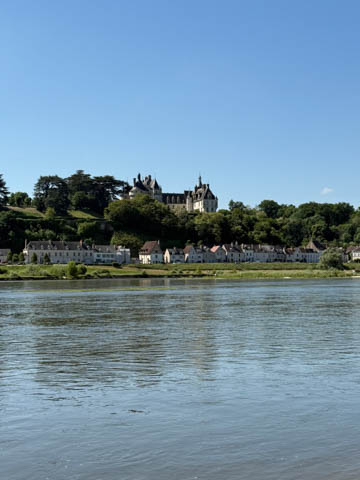
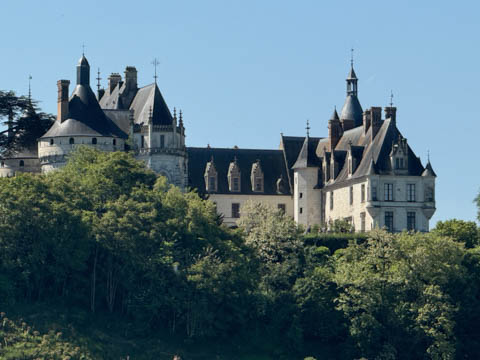
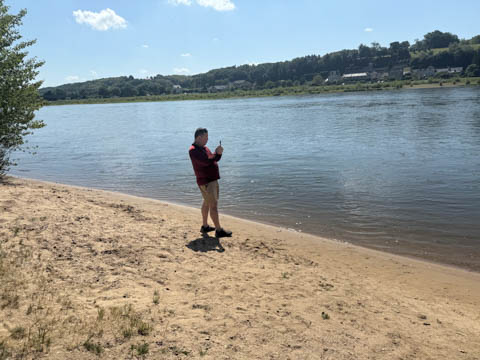
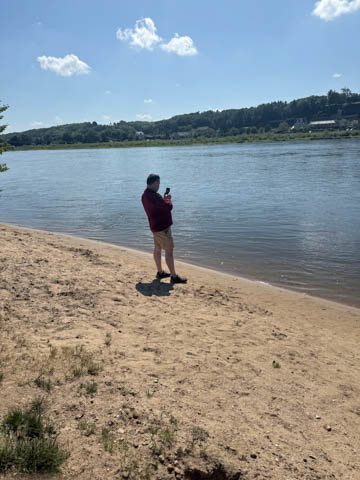
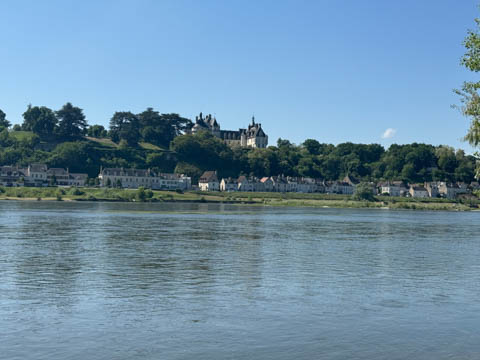
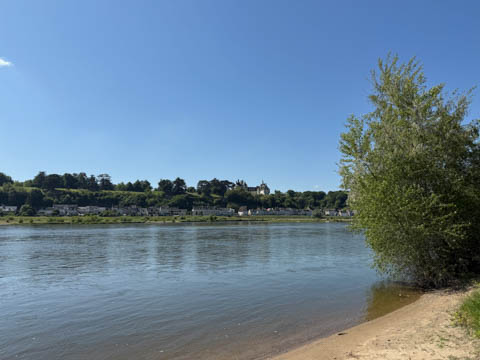
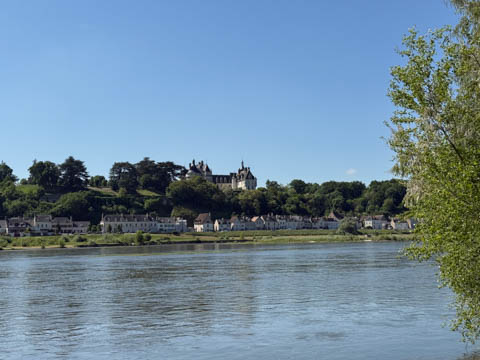
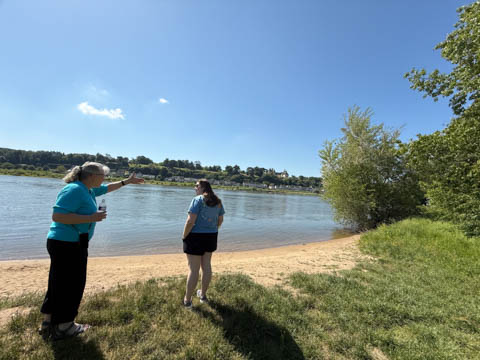
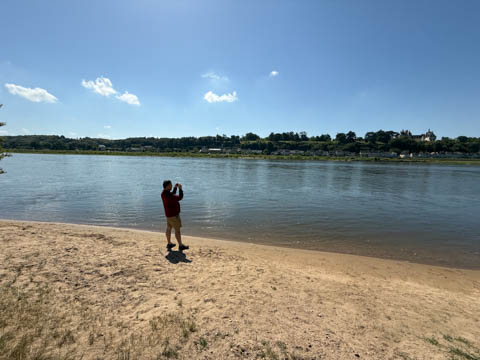
May 2025 (Part 08) France Trip: Day 3: Chateau De Chambord The next morning we headed out again along the Loire River eastward toward Paris. Along the way we saw the Chateau de Chaumont-sur-Loire from across the river.
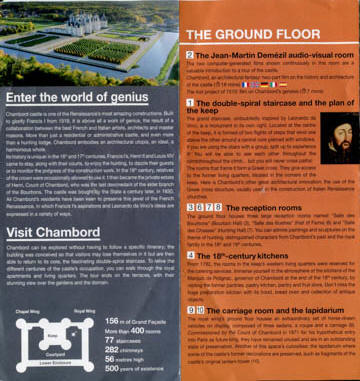
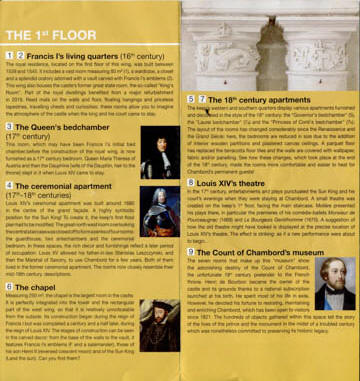
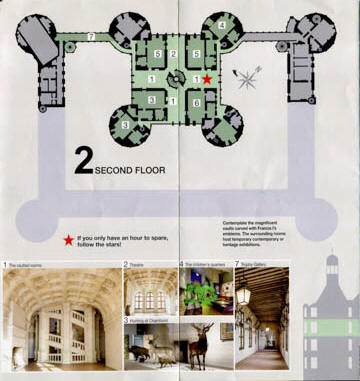
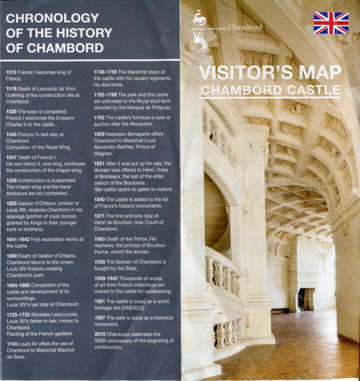
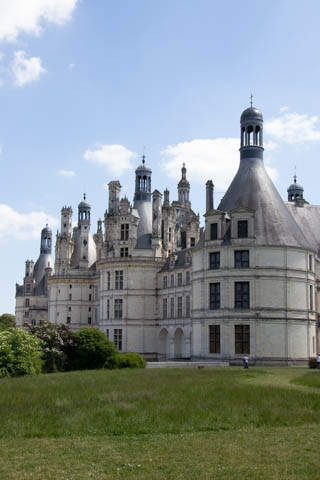
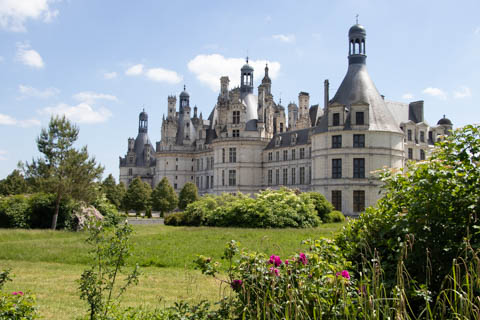
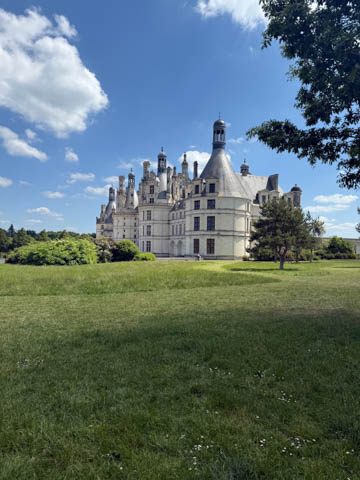
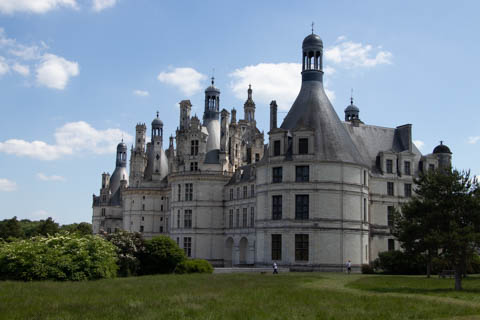
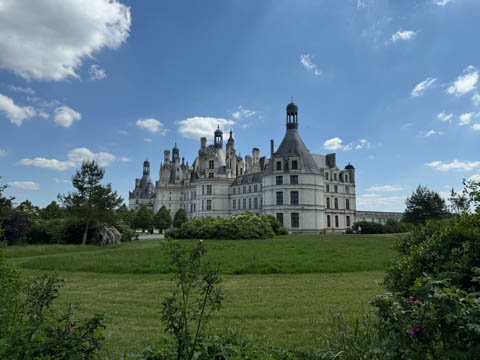
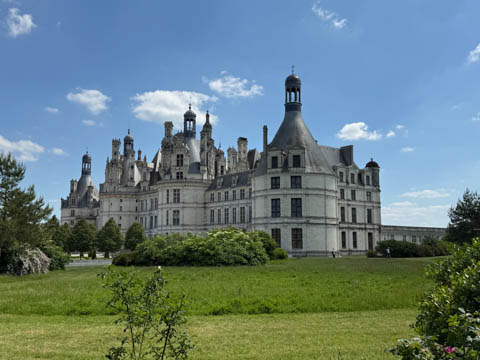
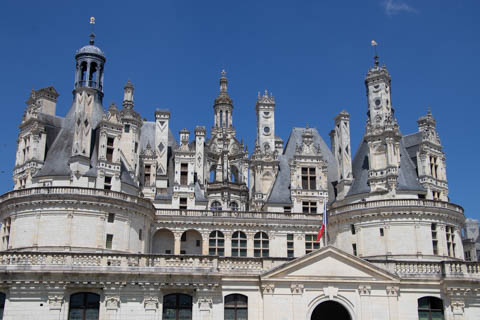
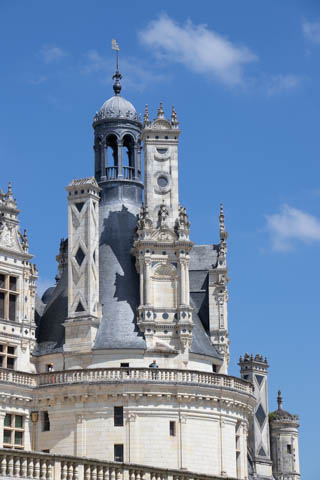
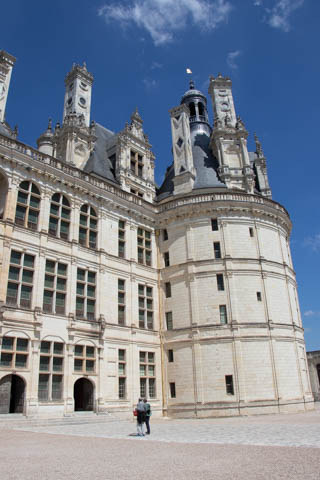
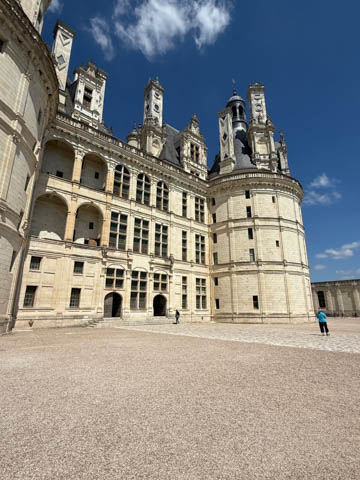
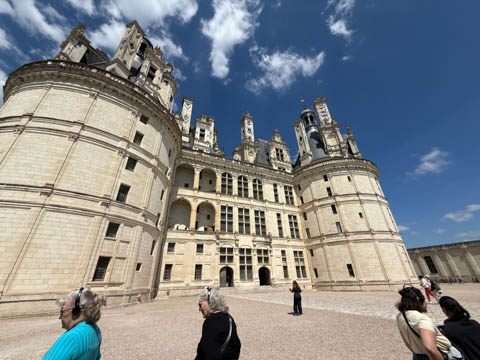
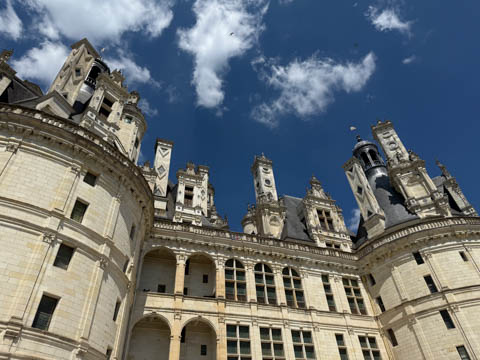
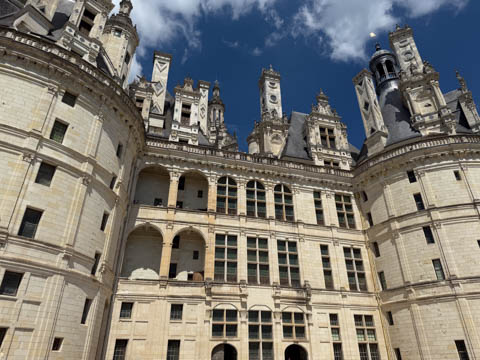
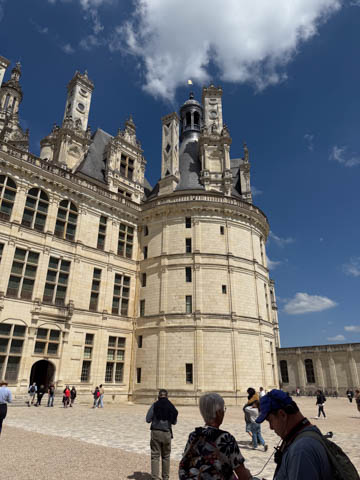
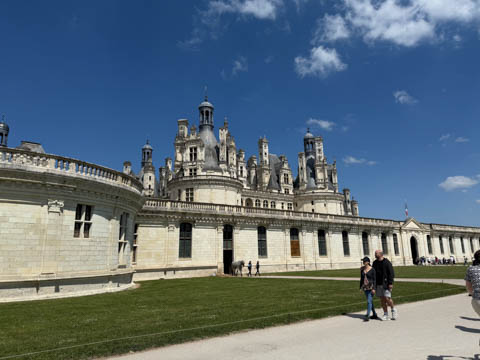
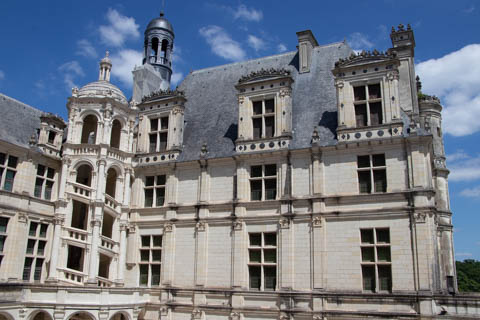
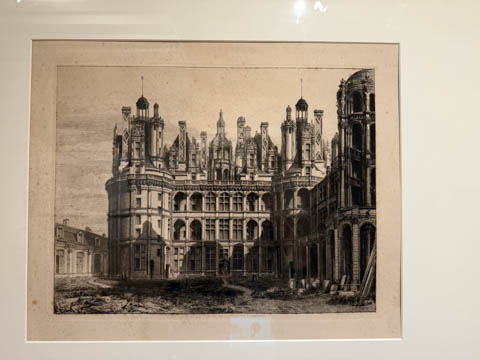
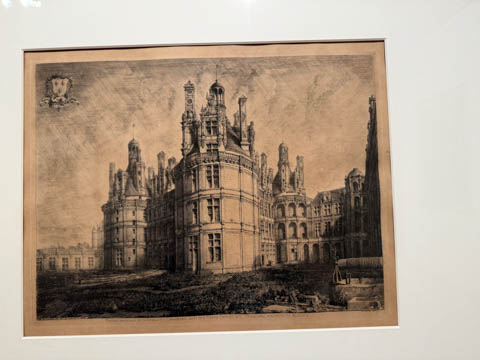
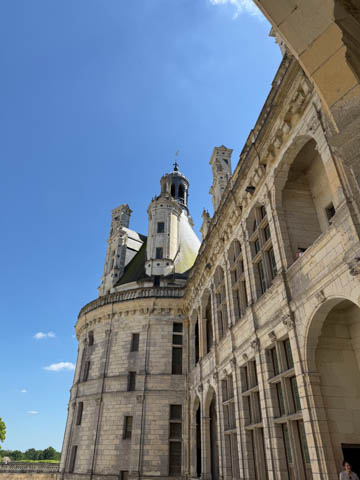
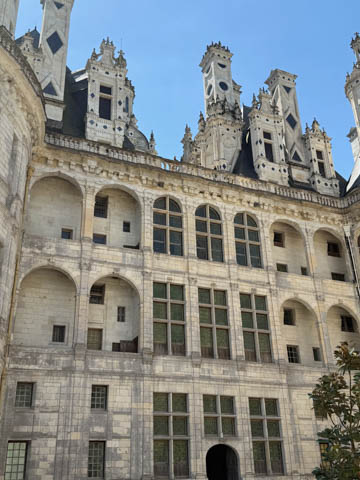
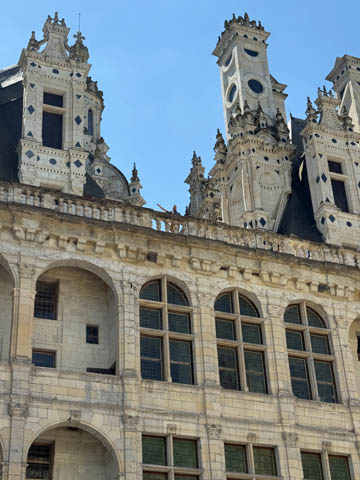
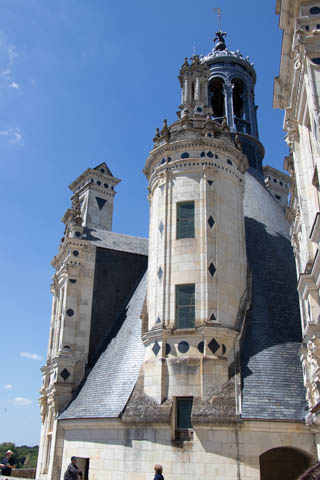
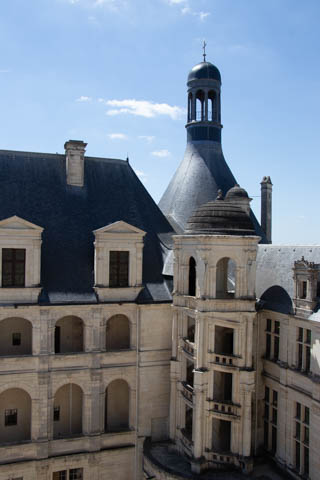
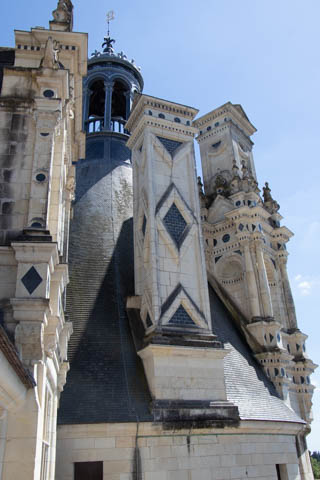
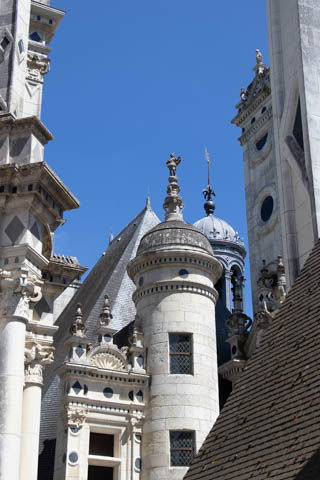
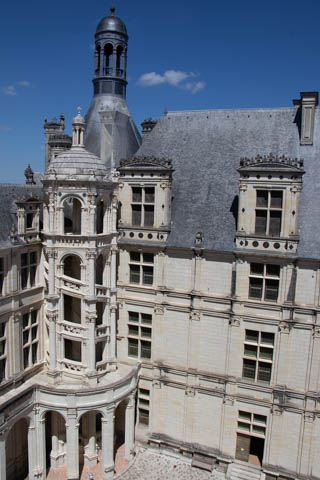
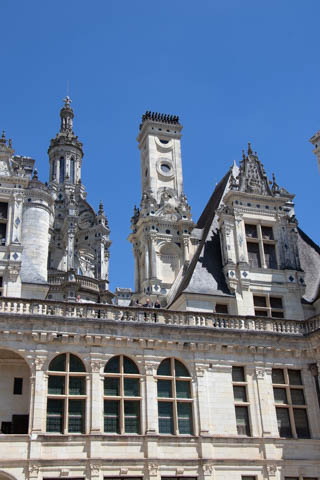
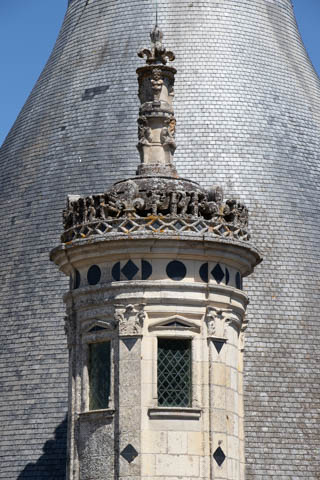
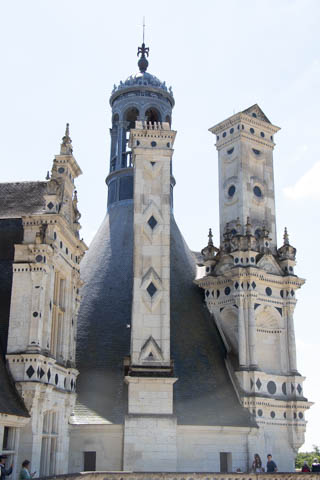
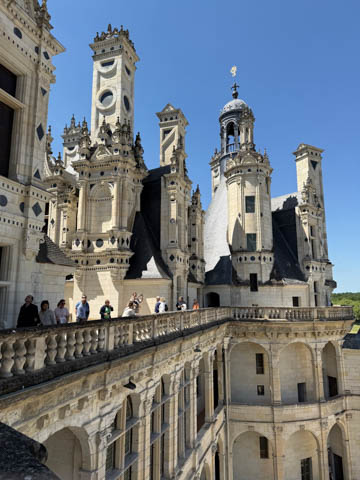
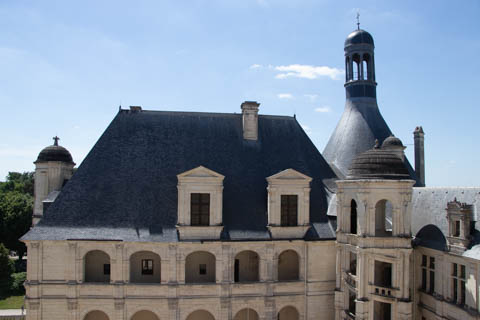
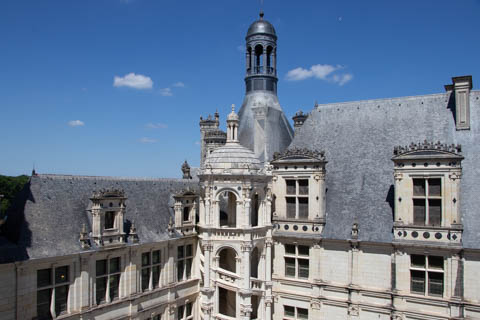
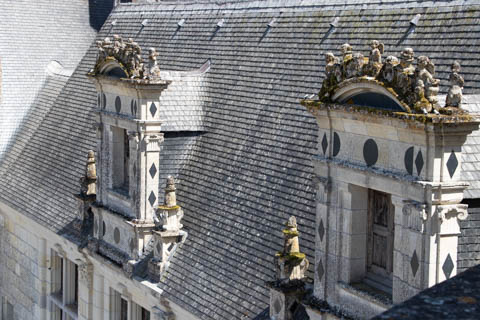
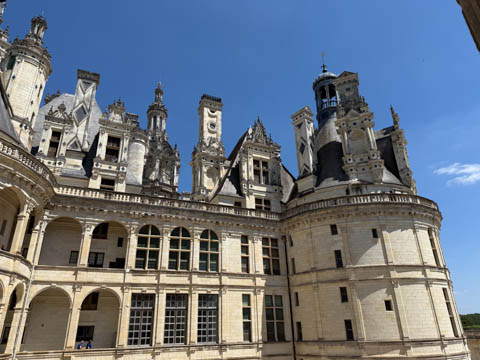
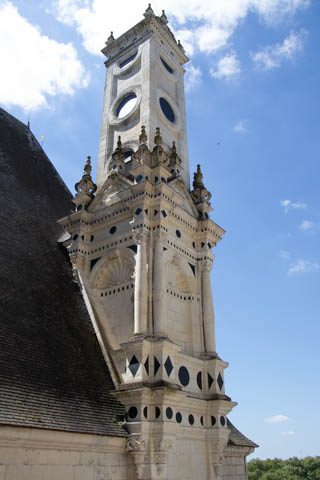
We made our way to the Chateau de Chambord, the largest and most famous chateau. Francis I, King of France between 1519 and 1547. He maintained his royal residences at the Château de Blois and Amboise, and built it as a hunting lodge. Its very distinctive French Renaissance architecture blends traditional French medieval forms with classical Renaissance structures. Leonardo de Vinci was likely involved in its design and clearly influenced the double-helix stairwell. Even while it was being built, the King spent barely seven weeks there in total with each visit consisting of short hunting visits. As the château had been constructed with the purpose of short stays, it was not practical to live in on a longer-term basis. The massive rooms, open windows and high ceilings meant heating was impractical. Similarly, as the château was not surrounded by a village or estate, there was no immediate source of food other than game. This meant that all food had to be brought with the group, typically numbering up to 2,000 people at a time. Additionally, the château was completely unfurnished during this period. All furniture, wall coverings, eating implements and so forth were brought specifically for each hunting trip, a major logistical exercise. After Francis died of a heart attack in 1547, the château was not used for almost a century and fell into decay. Finally, in 1639 King Louis XIII gave it to his brother, Gaston, Duke of Orléans, who saved the château from ruin by carrying out much restoration work. King Louis XIV had the great keep restored and furnished the royal apartments. The king then added a 1,200-horse stable, enabling him to use the château as a hunting lodge and a place to entertain for a few weeks each year, until finally abandoning it in 1685. From 1725 to 1733, Stanisław Leszczyński (Stanislas I), the deposed King of Poland and the father-in-law of King Louis XV, lived at Chambord. It was abandoned again in 1750. In the wake of the French Revolution in 1492, the chateau was abandoned and what little furnishings there were stripped and sold off. Owing to its isolation and distinctive look, it was used to store many of the Louvre museum artworks and treasures during World War II for protection. Restoration work began after the war, helping preserve the site and allowing it to open to the public. The chateau resembles a castle with a large central building like a keep surrounded by outer walls with corner towers and a moat (the defensible looking features are completely non-functional and an anachronism even when they were built). The central keep has four immense bastion towers at the corners. The château features 440 rooms, 282 fireplaces, and 84 staircases. Four rectangular vaulted hallways on each floor form a cross-shape. This layout provides a grouping of self-contained suites in the four quadrants, an an early example of the French and Italian style of grouping rooms into self-contained suites, a departure from the medieval style of corridor rooms. The roof looks more like a city skyline than a building with 11 kinds of towers and three types of chimneys, without symmetry, framed at the corners by the massive towers. Indeed, when Francis I commissioned the construction of Chambord, he wanted it to look like the skyline of Constantinople. The towers on the roof are atypical of French contemporary design in that they lack turrets and spires, which suggests Leonardo da Vinci influenced this aspect of the design too, as they are closer in design to minarets of 15th-century Milan.
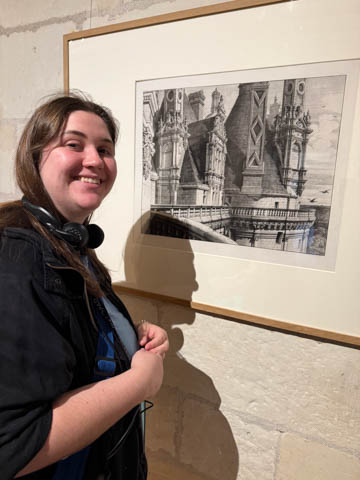
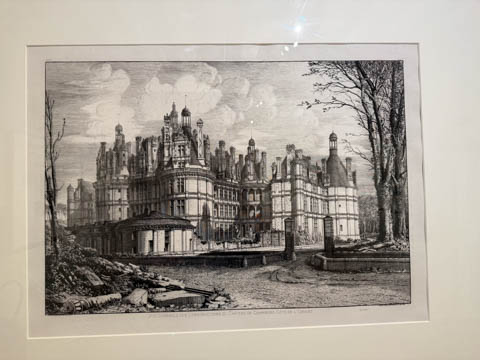
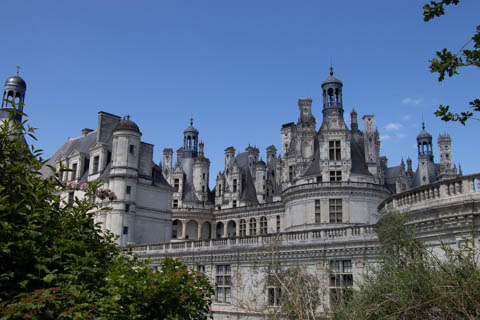
Since we apparently never got to this view, had to pull this off the internet.
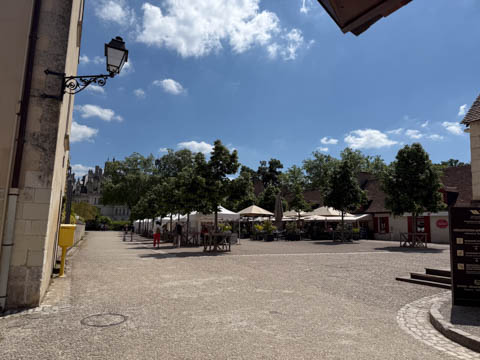
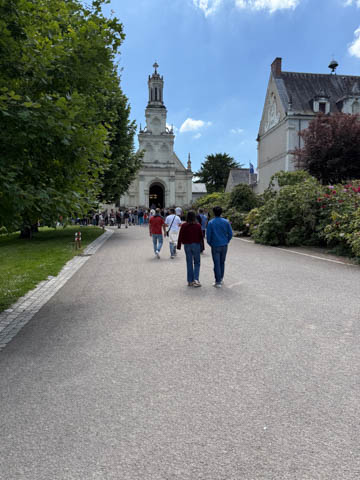
The route in took through a small market area then along the west side
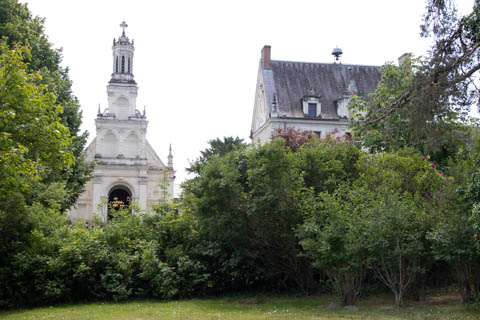
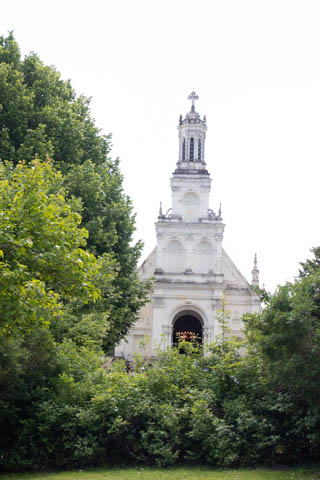
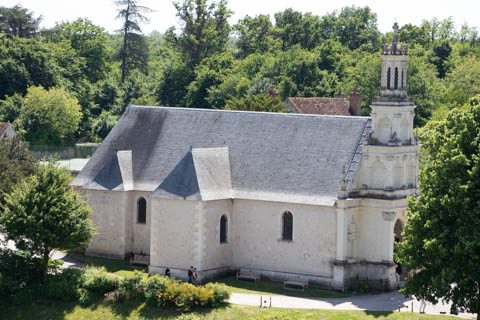
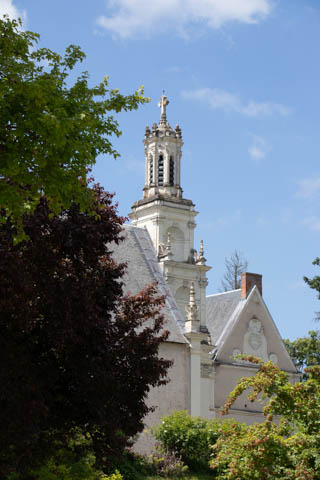
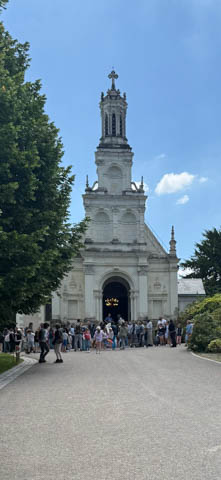
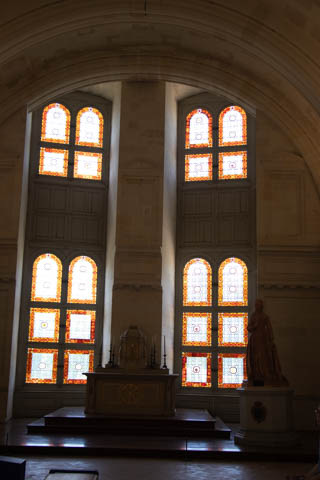
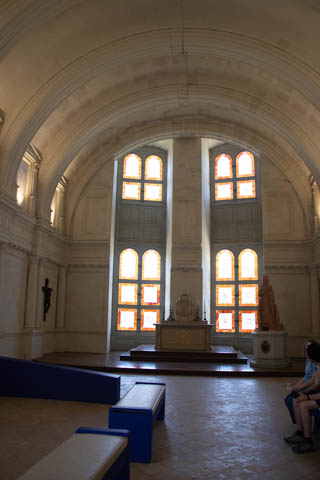
Pretty small chapel on that side.
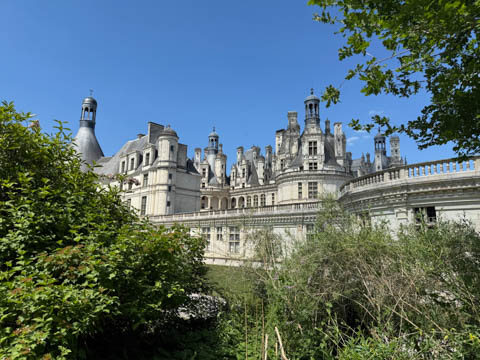
The view from the south side was stunning.
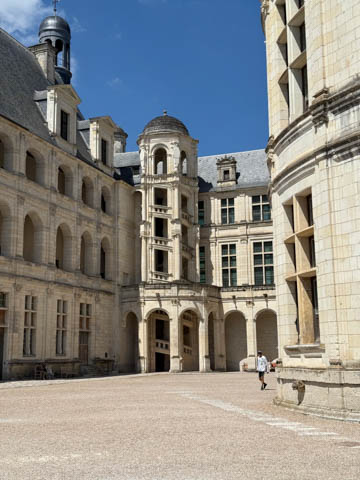
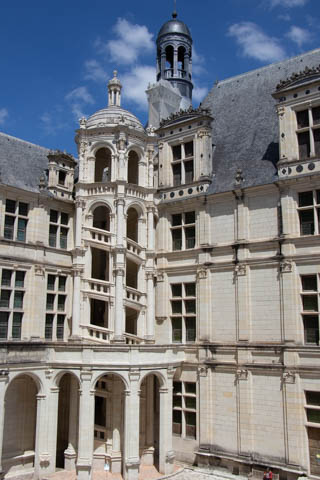
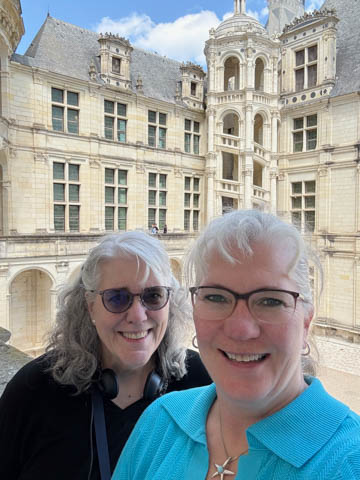
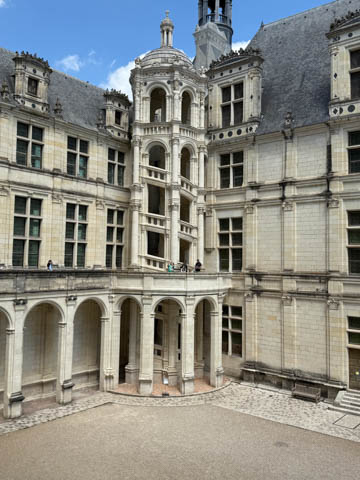
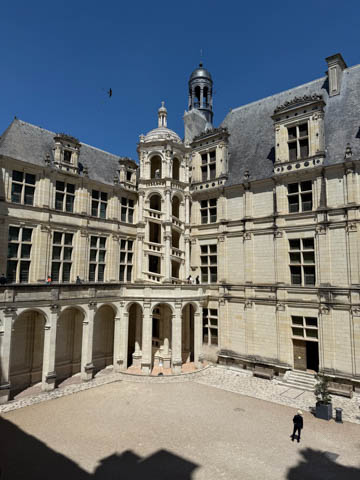
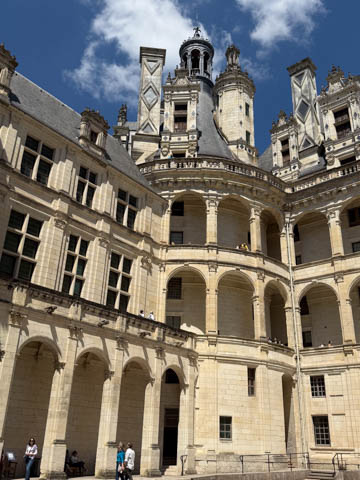
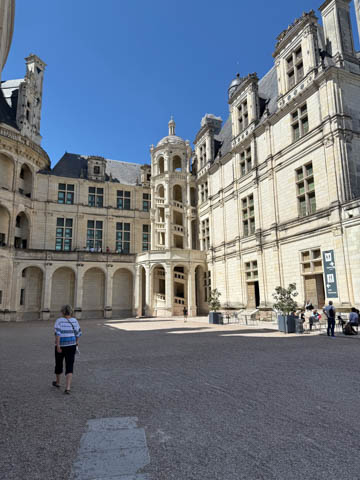
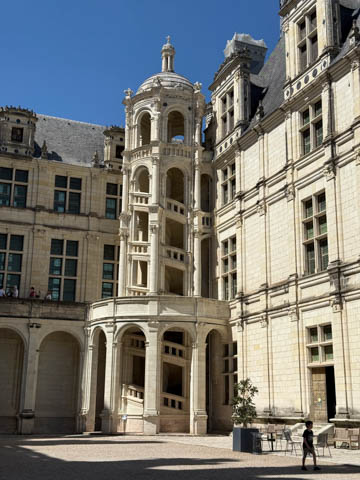
Once inside the outer wall, we had a nice view of the inner court and keep.
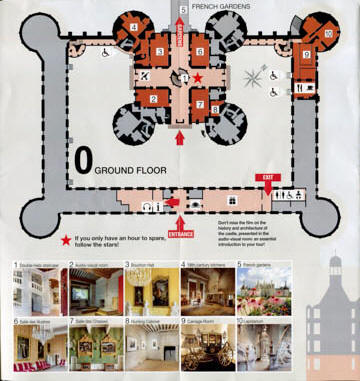
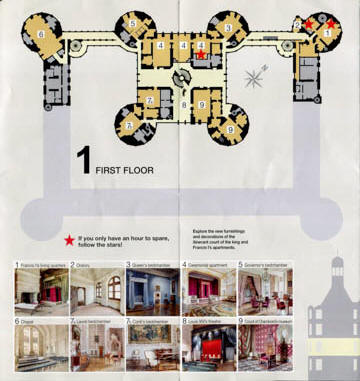
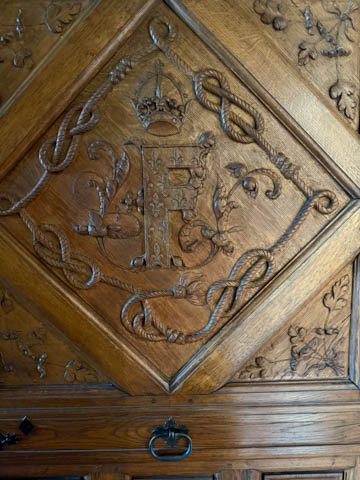
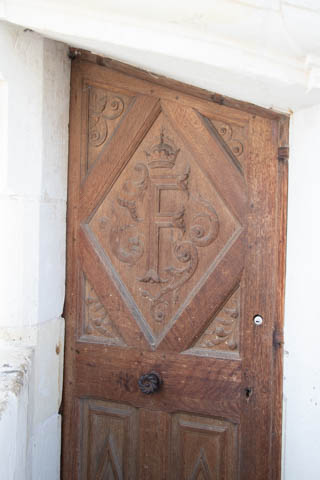
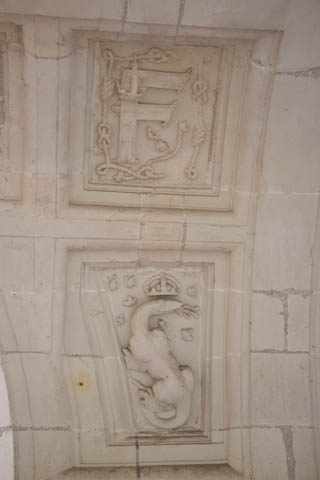
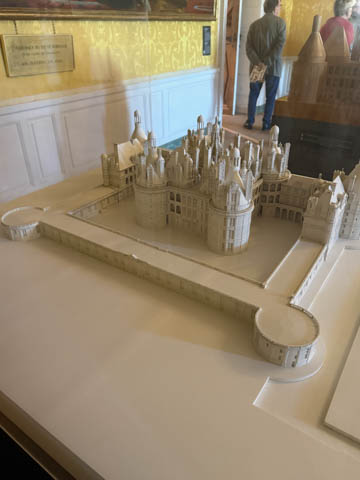
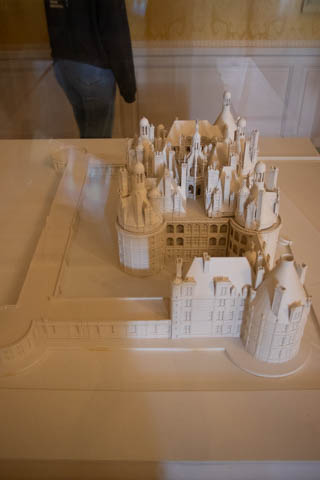
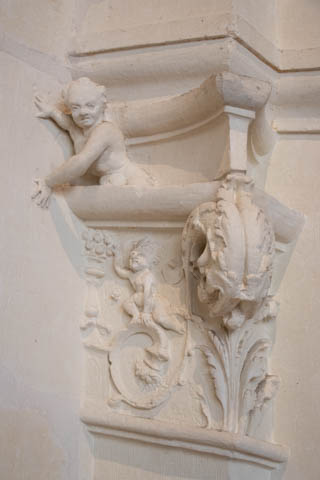
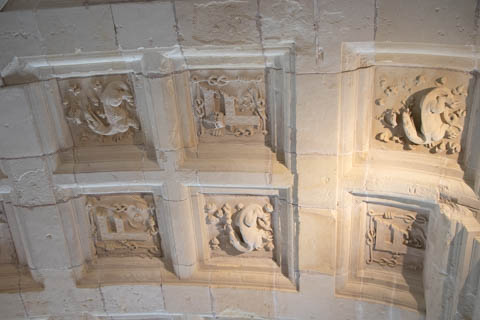
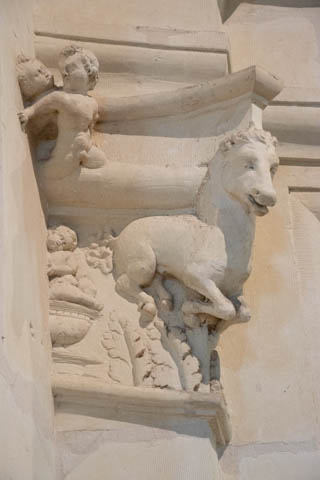
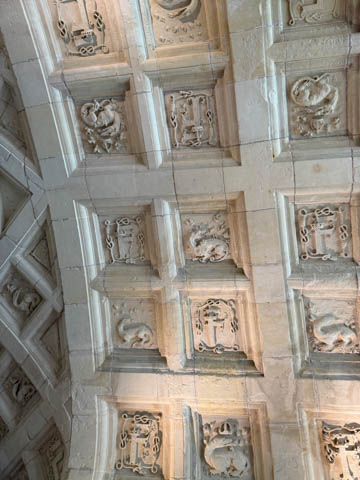
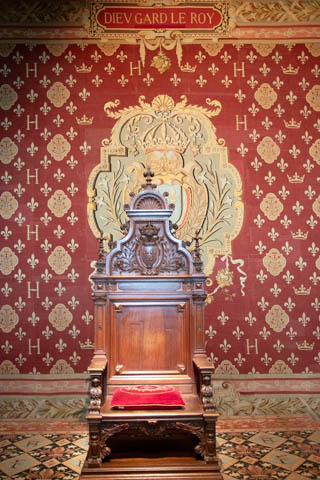
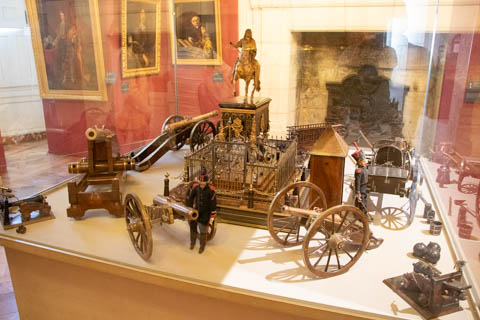
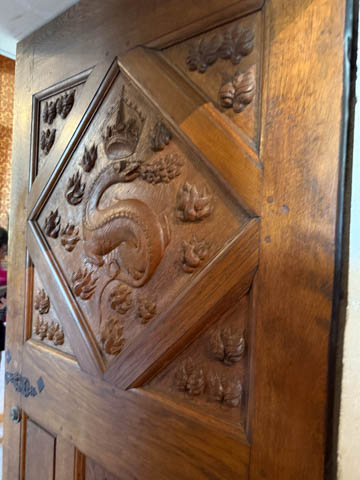
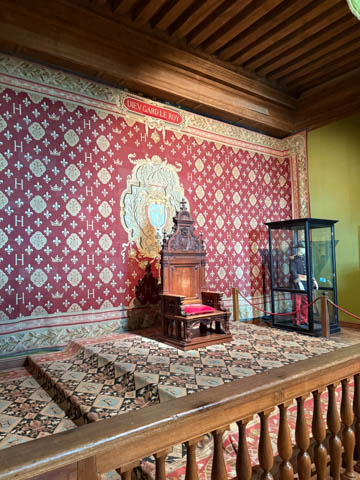
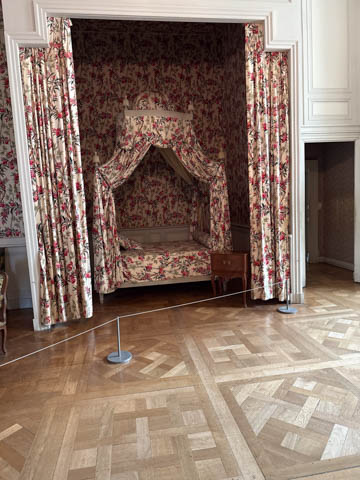
Once inside, we were a bit surprised at how sparsely furnished it was, although a couple of the quadrant suites had been decorated. F on the door (and in most decorations) for Francis I, along with his salamander sigil or royal emblem. Most of the moldings, roofs, and even floors had similar decorations. This interesting model of the chateau sure helped to make the layout clearer. There was a small throne reminiscent of when the king was in residence, unclear if it was original or a replica.
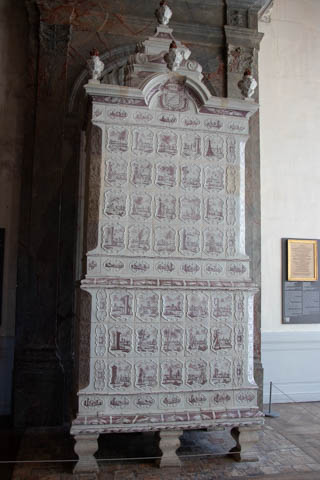
This fancy Italian porcelain fireplace was one of several used to heat the oversized rooms.
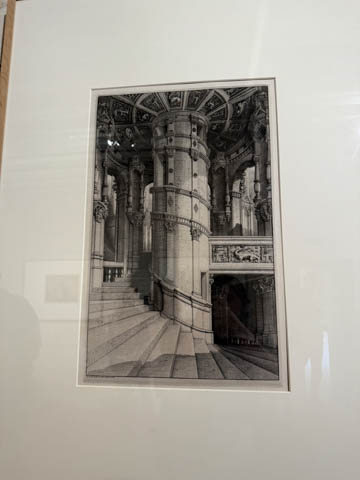
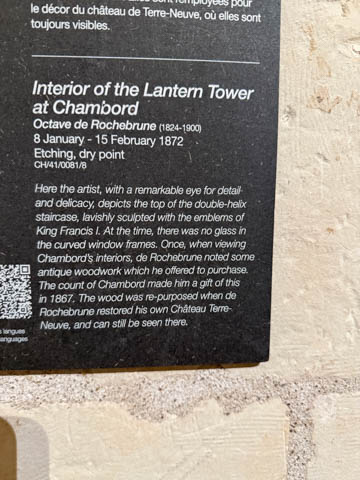
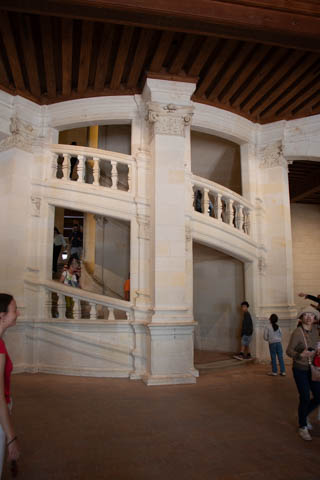
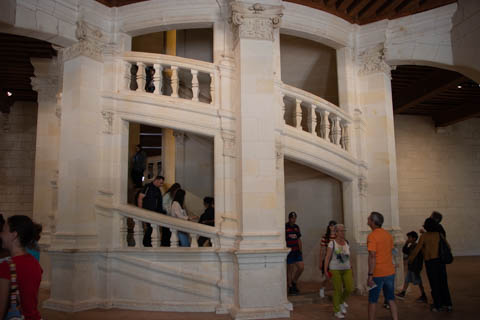
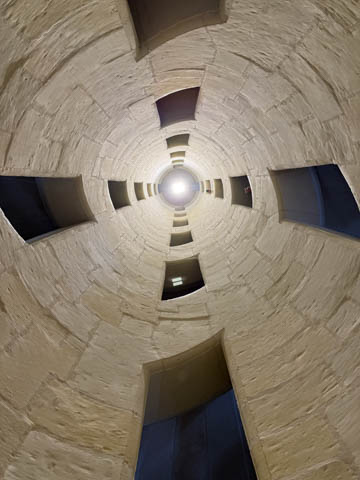
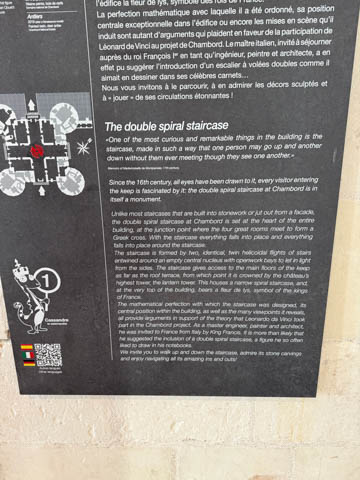
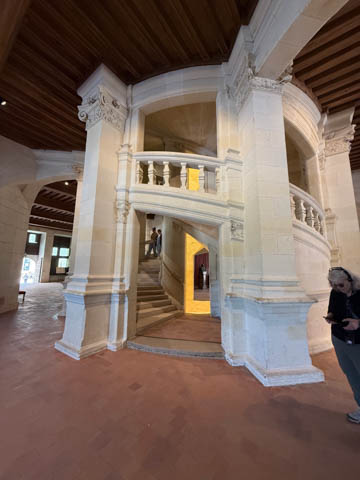
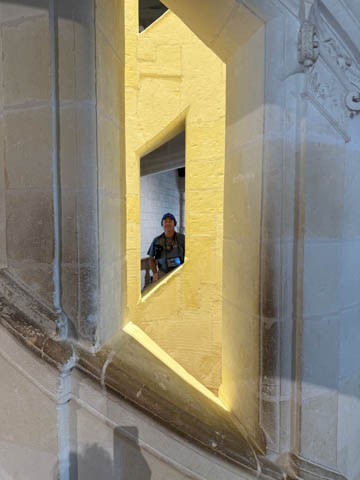
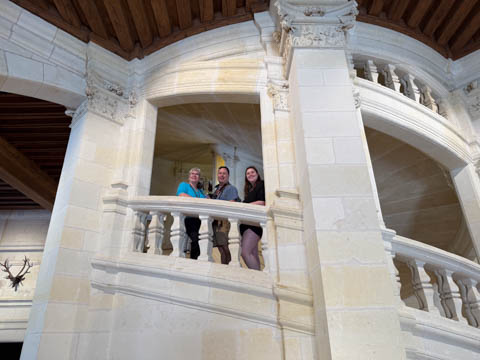
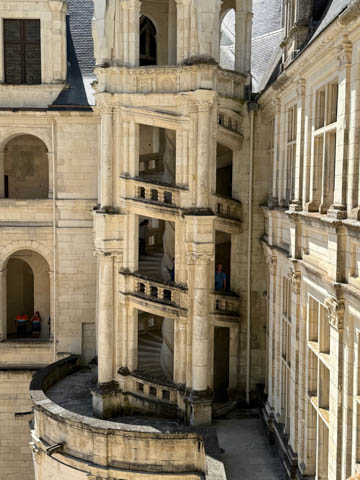
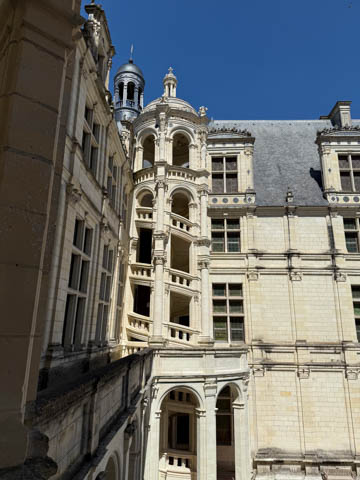
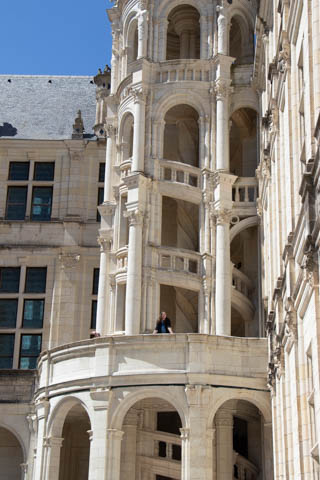
The defining feature of the interior was obviously the double spiral stairway which was either directly designed or at least inspired by Leonardo di Vinci during his residence at the nearby Chateau du Clos Luce adjacent to the royal residence in Amboise. You can enter the one of the separate stairways from either side and ascend in a left-hand rotation upward and never cross the other stair. There is a small circular column of space ascending in the middle, allowing you to look up from the bottom or down from the top.
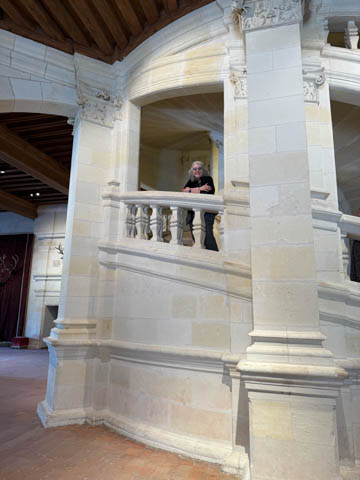
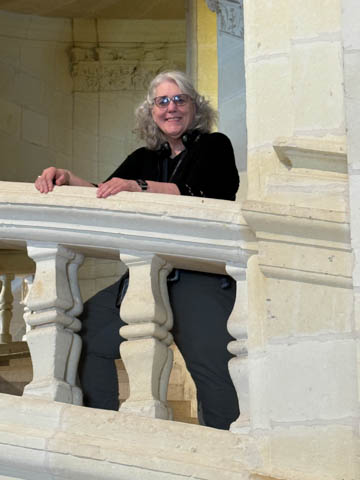
There was access on each floor to a wrap-around balcony.
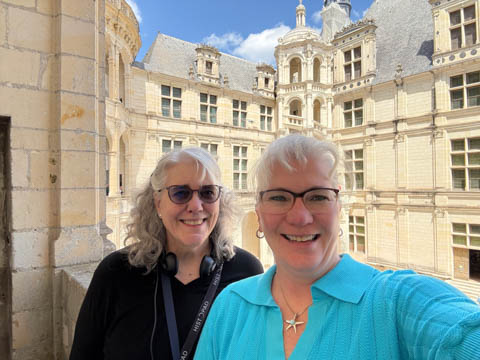
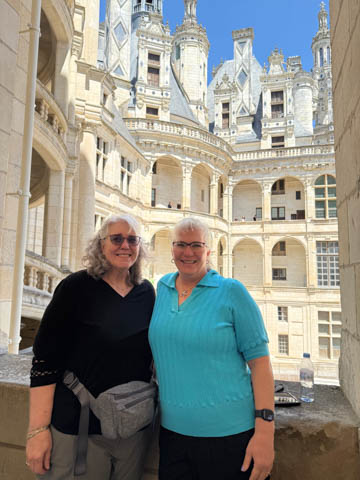
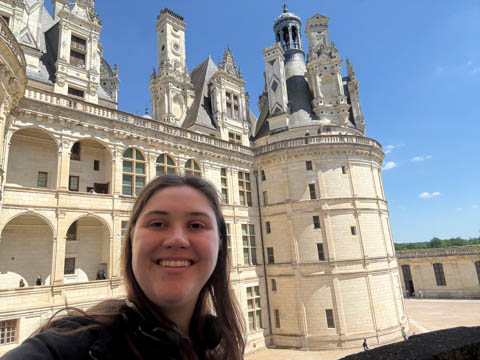
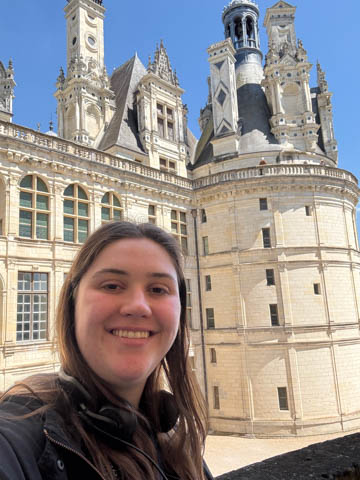
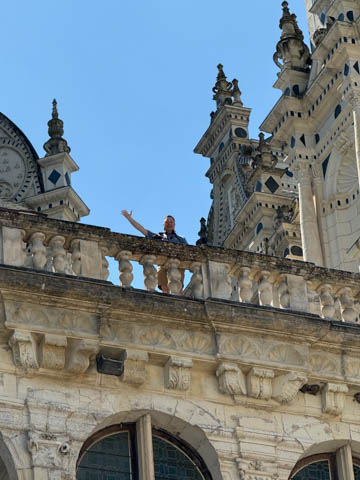
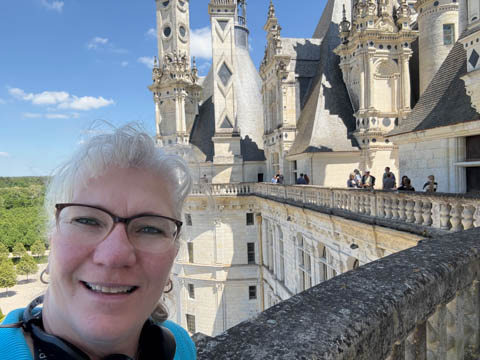
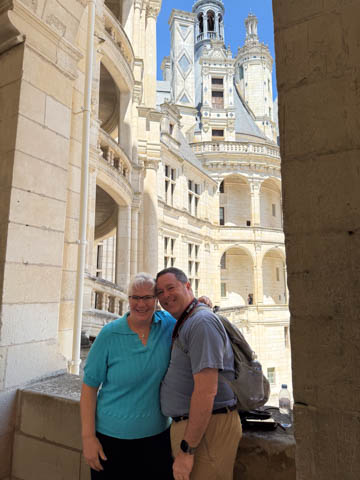
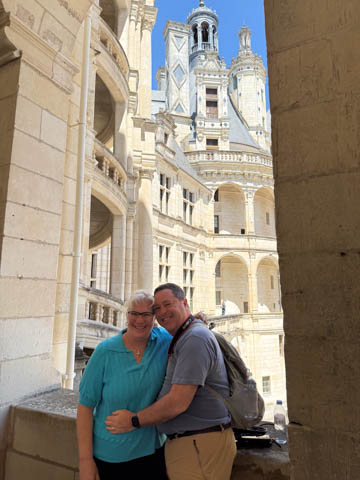
Some pictures of Steve on the roof.
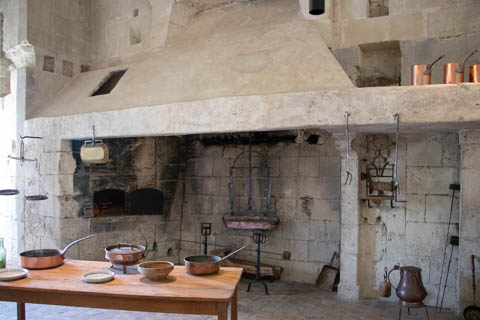
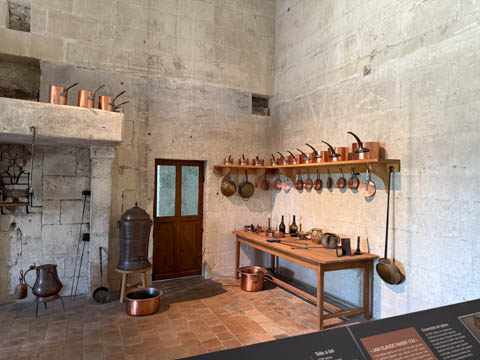
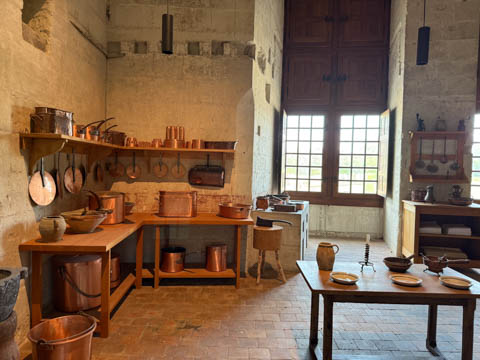
They built a mezzanine level at some point and you could see the old beam imprints in the kitchen.
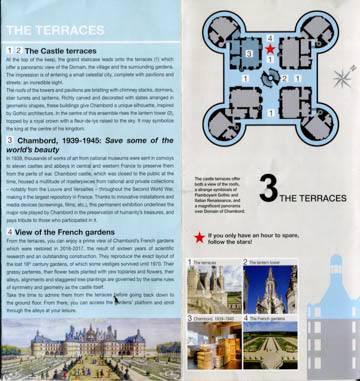
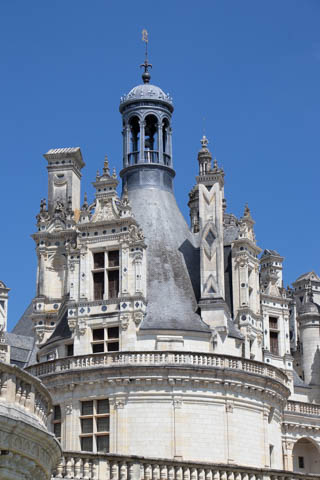
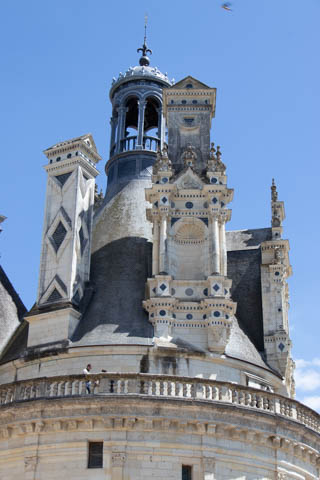
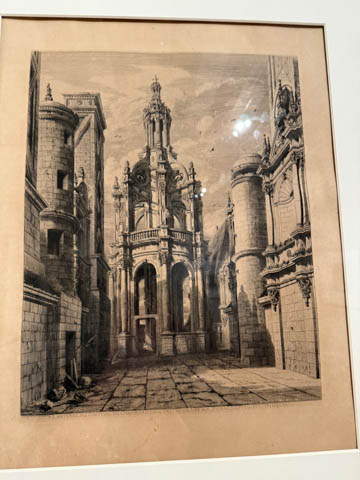
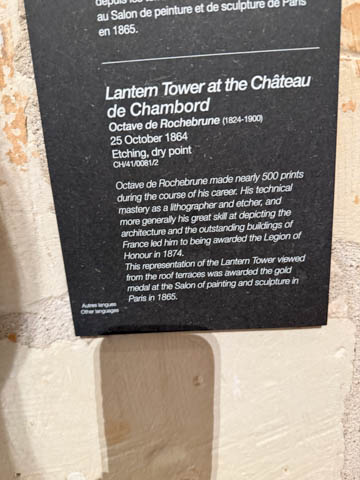
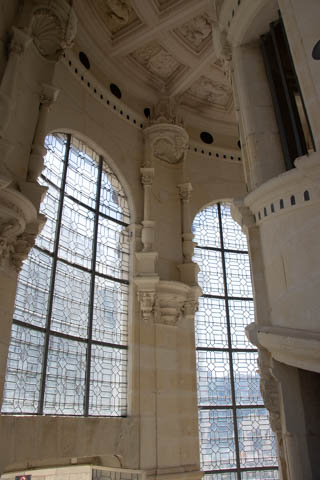
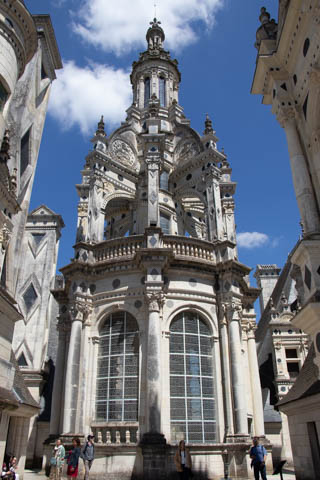
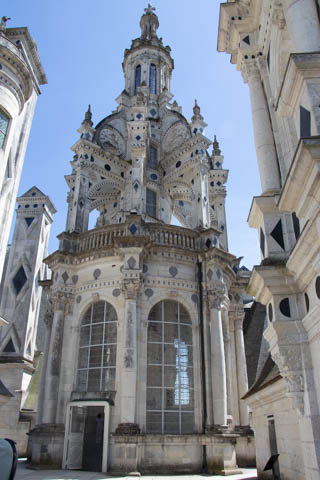
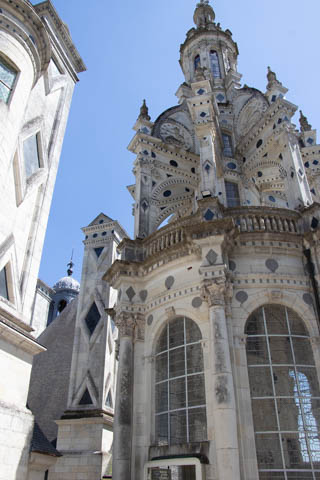
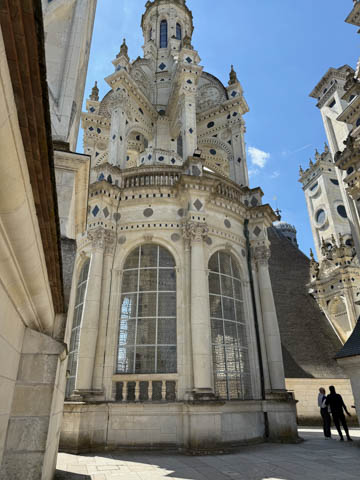
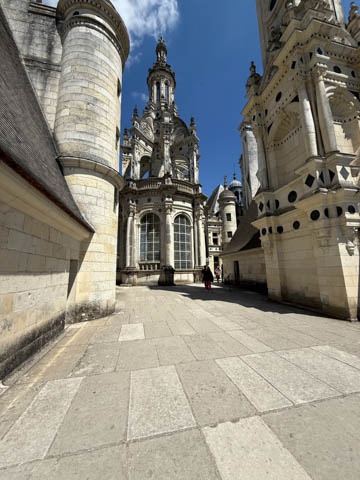
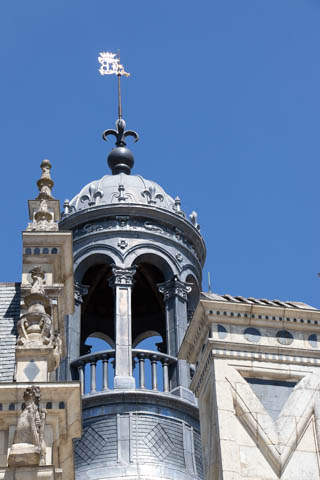
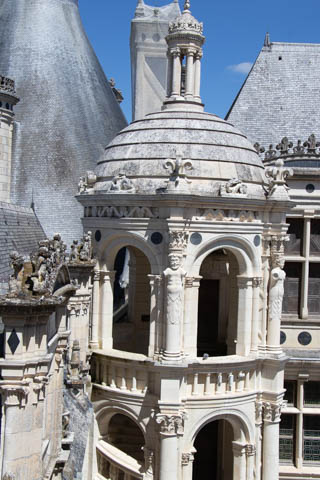
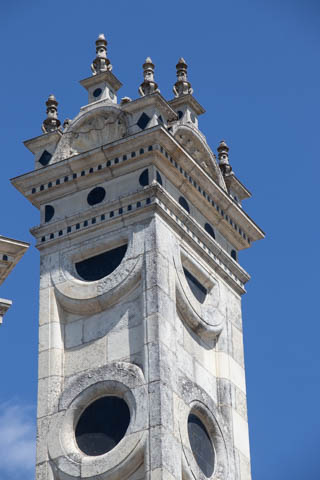
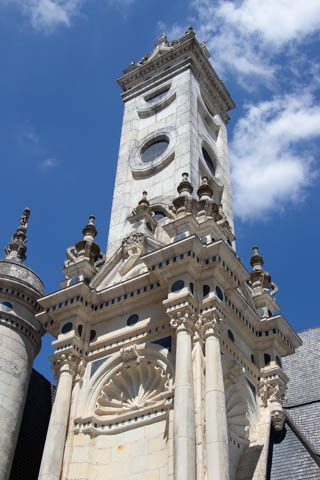
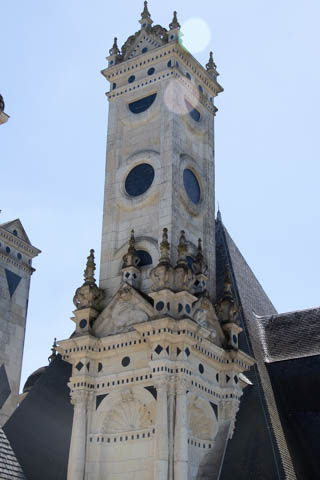
After going to the ground floor to see the kitchen , clearly we needed to go all the way back up to the roof. In the center was this ornate top to the central stairwell which is apparently called the Lantern Tower.
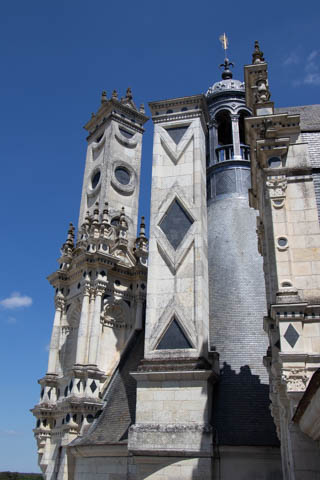
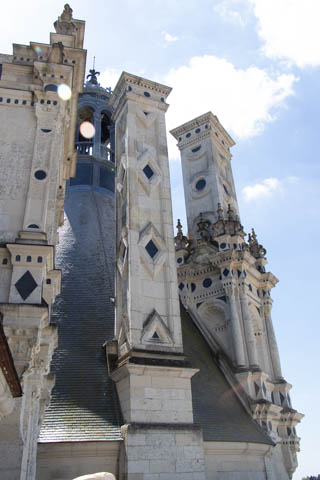
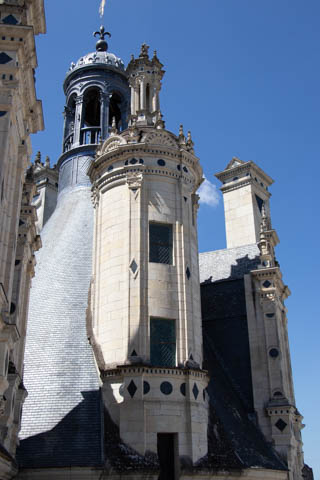
Each of the four corners had a huge tower surrounded by pilars.
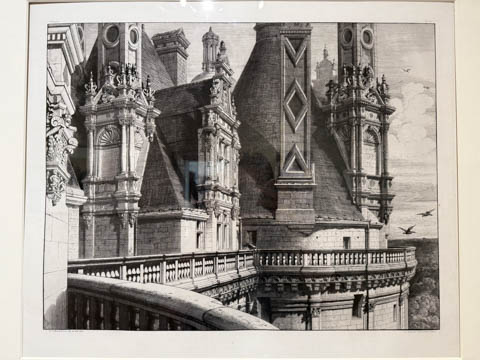
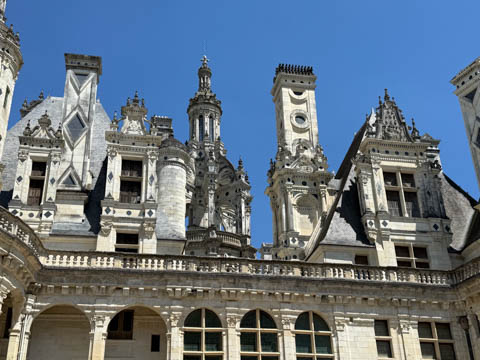
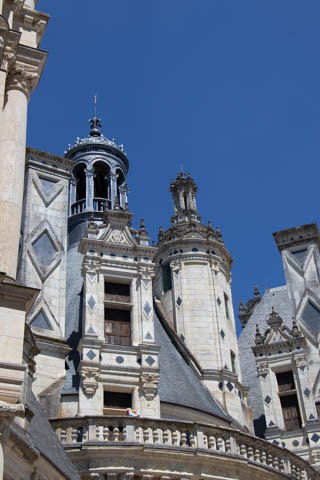
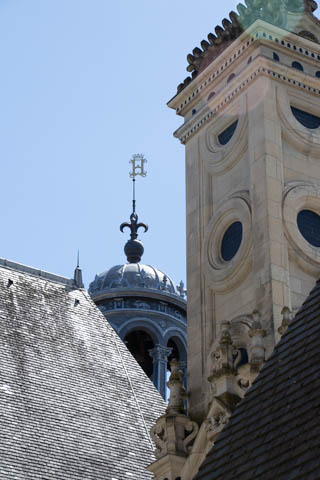
There were ornamented towers everywhere.
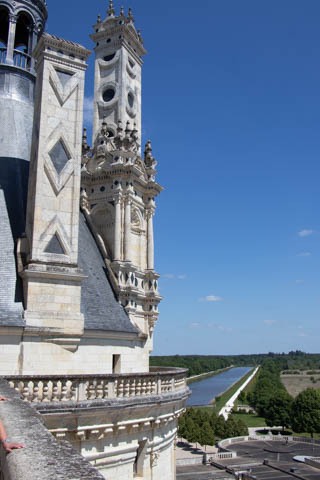
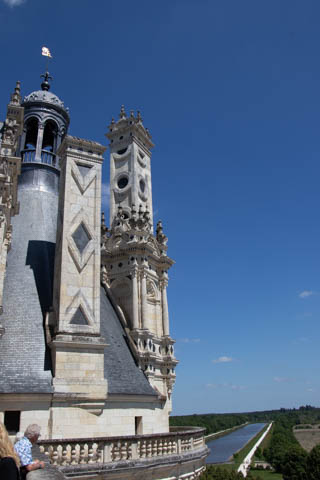
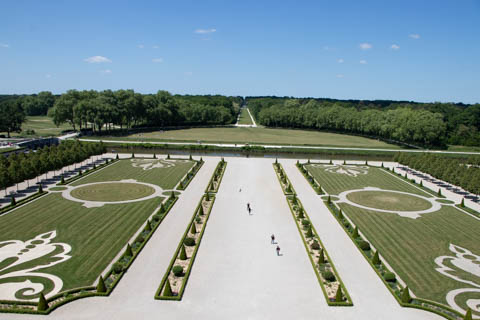
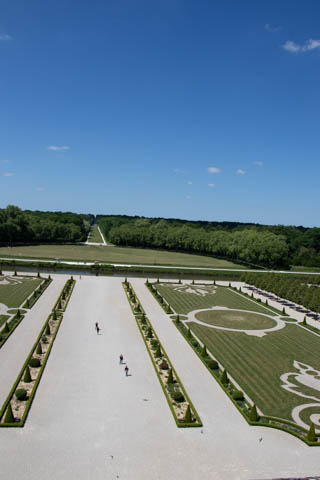
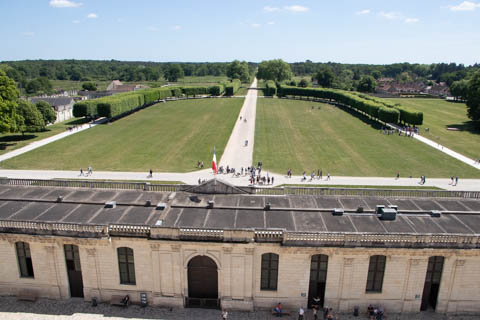
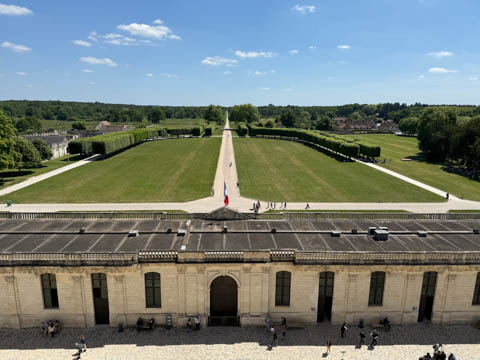
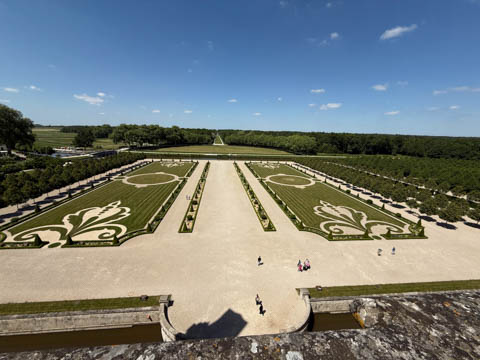
Pretty view from the roof looking south across the gardens toward the forest and horse stables (they had 1200 horses there at one time).
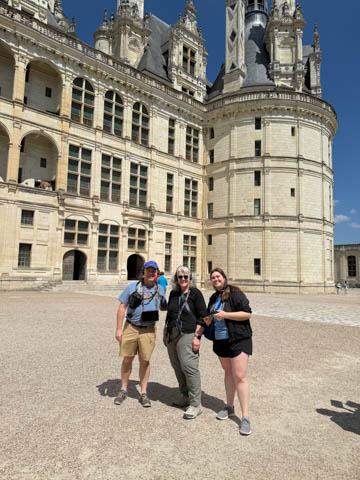
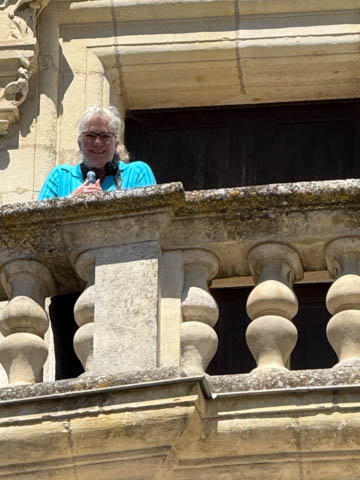
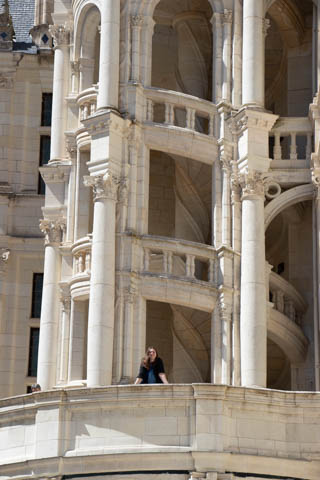
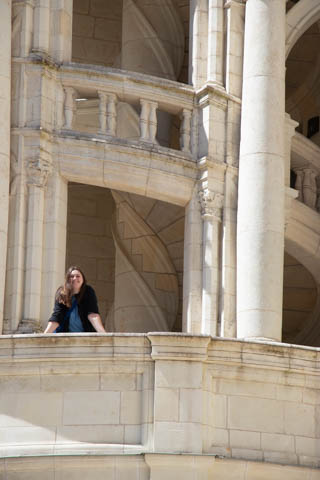
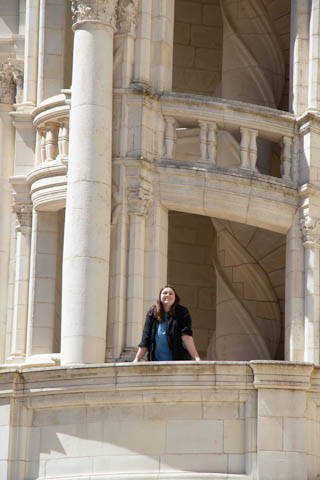
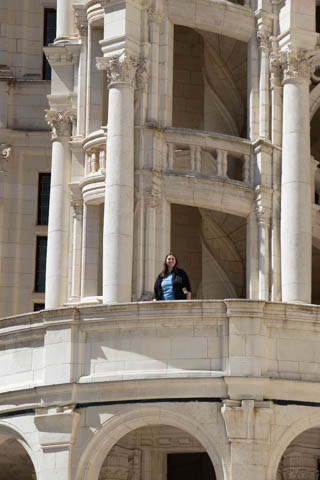
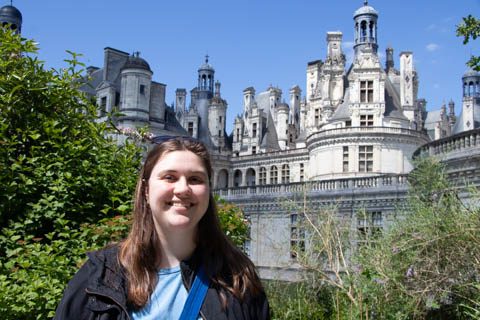
Nancy, Steve, and Cathy made it down to a small cafe. While waiting for her, Alexa finally appeared on one of the balconies above us.
Unfortunately it was time to leave to head to Paris too soon.
Enjoyed a run through the small on-site farmers market.
|
|
|