|
|
Use these navigation links to move between the Year 2026 pages. Specific pages can be accessed at the bottom of this page
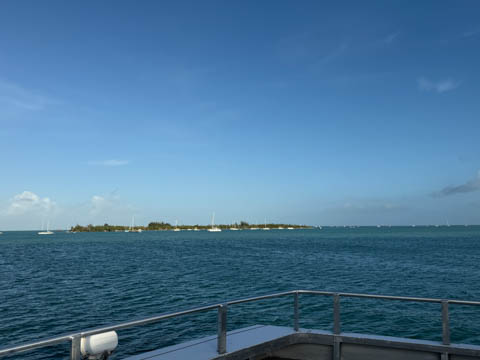
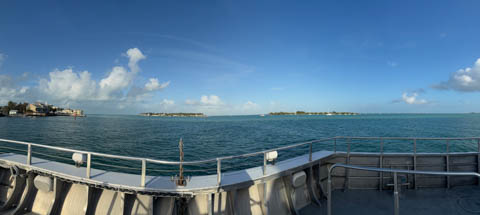
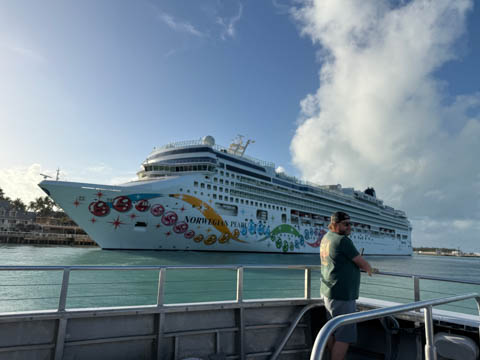
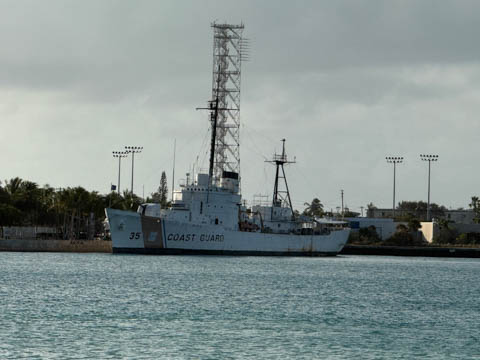
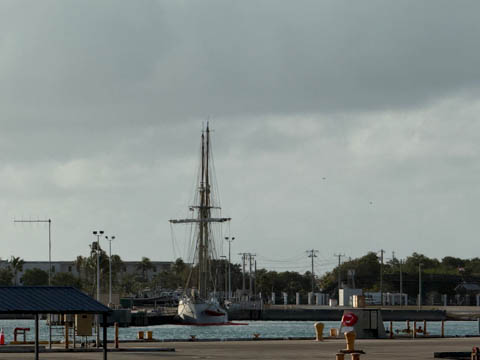
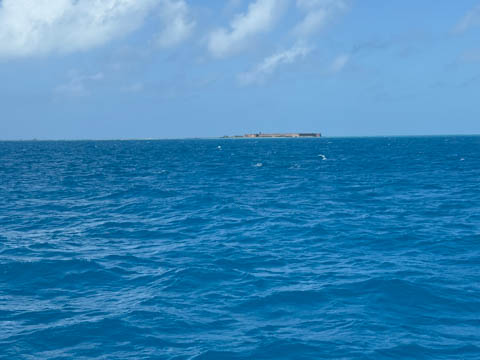
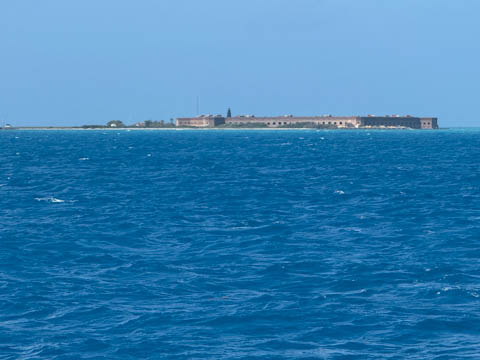
March 2026 (Part 03) South Florida Trip –Day 4: Dry Tortugas NP Our next day, we got up early and headed to the Yankee Freedom ferry to Dry Tortugas NP. It was about a 2 hour 15 minute ride to cover the 70 miles to the Tortugas. The ride is apparently notorious for getting people sick, so we took Dramamine even through neither of us is prone to sea sickness. Not a good call, we didn't need it and were really sleepy all day even with the non-drowsy medicine type. Key West had a pretty busy harbor.
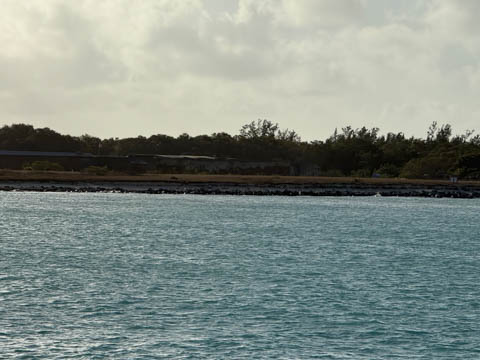
You could also see the low profile of Fort Zachary Taylor.
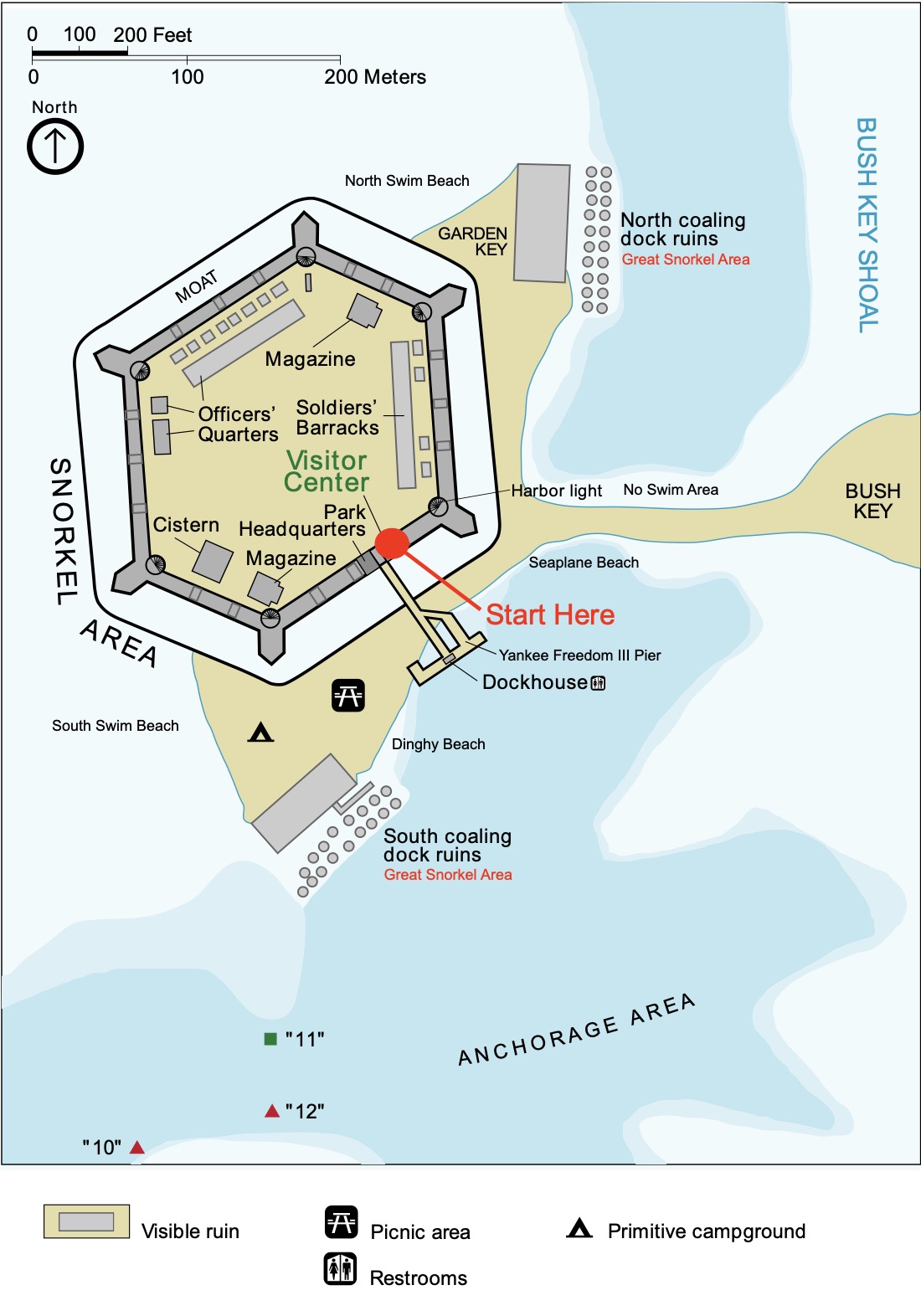
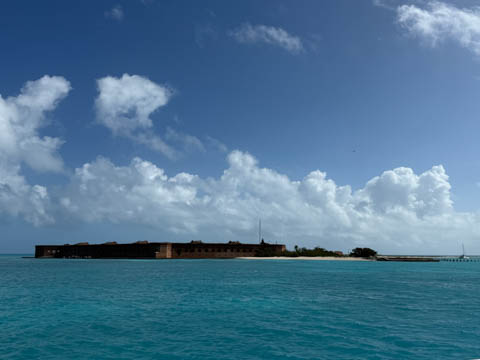
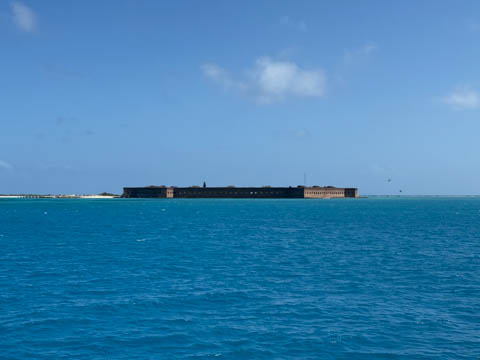
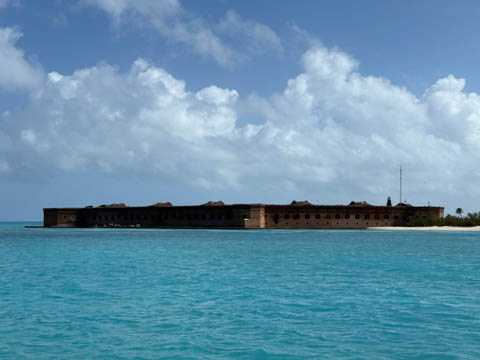
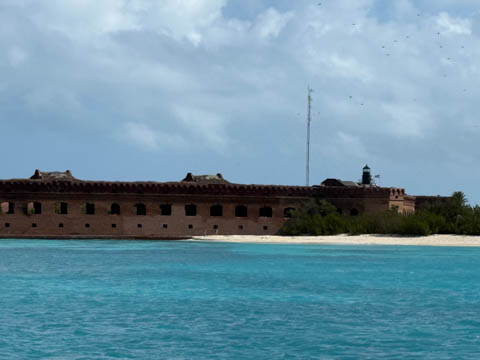
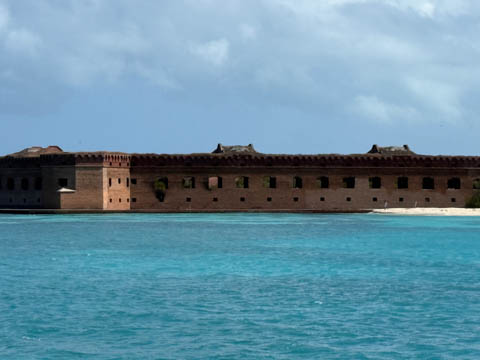
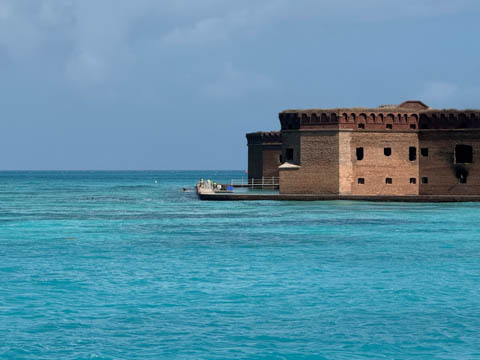
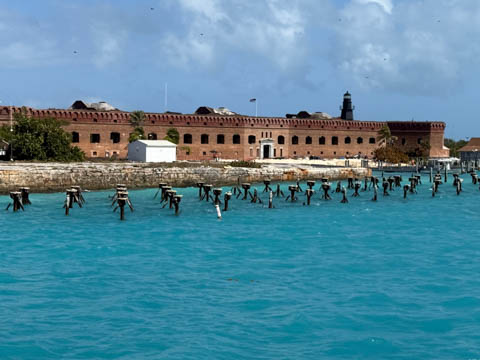
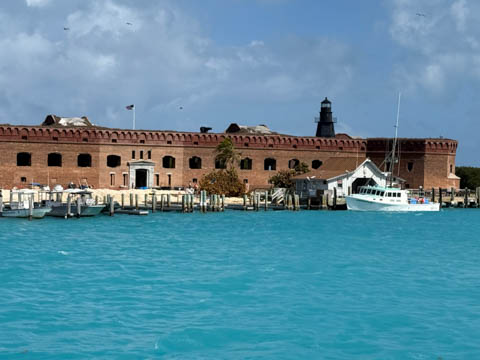
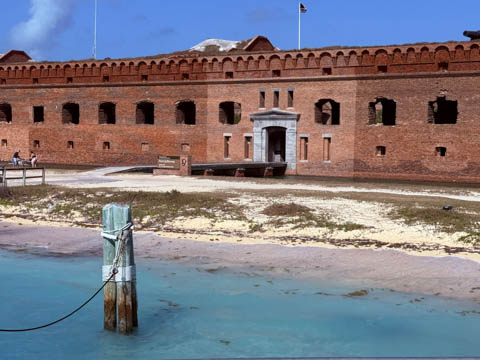
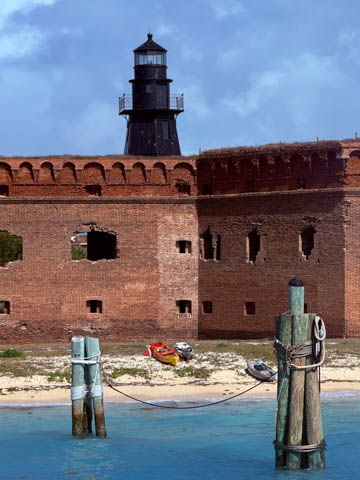
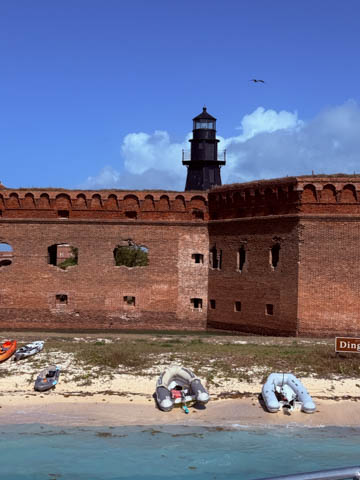
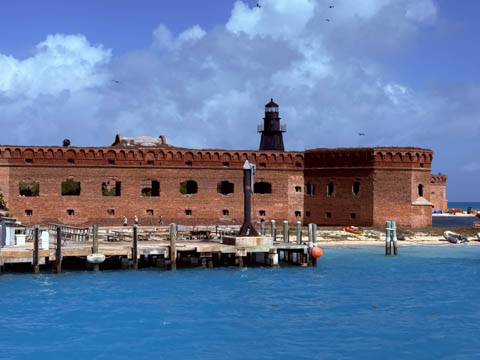
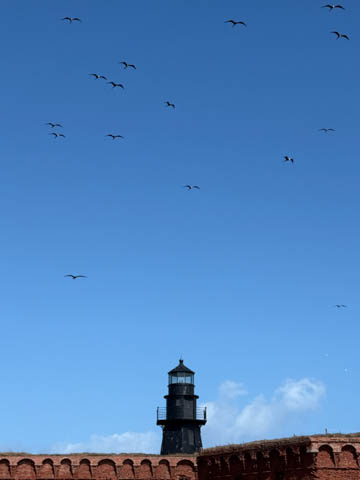
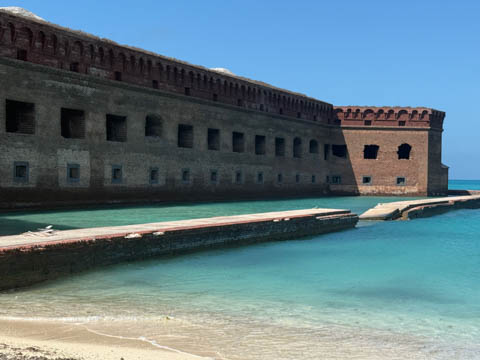
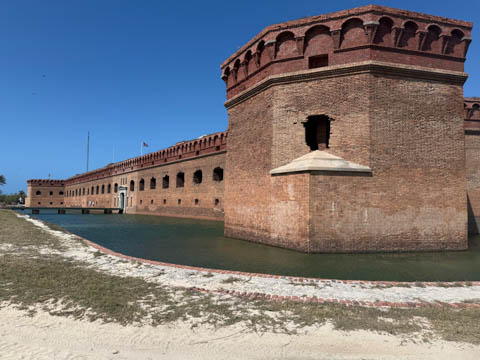
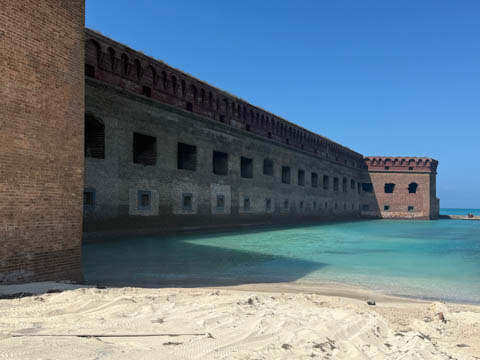
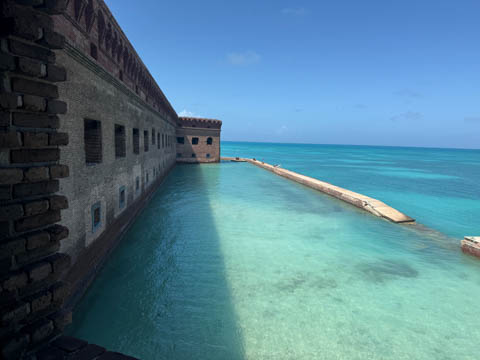
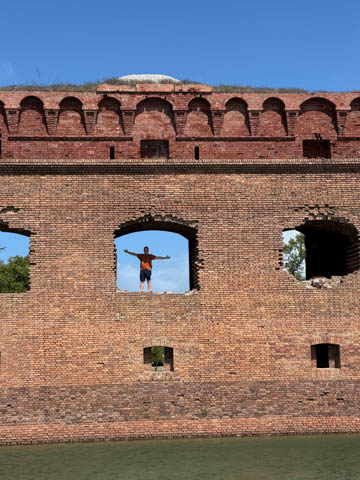
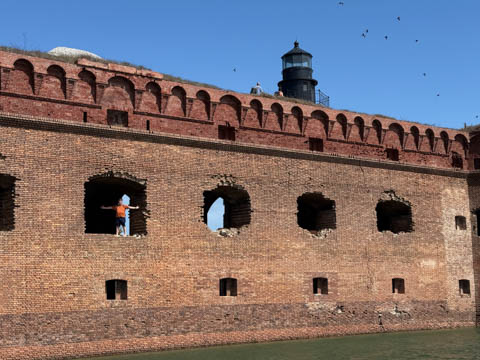
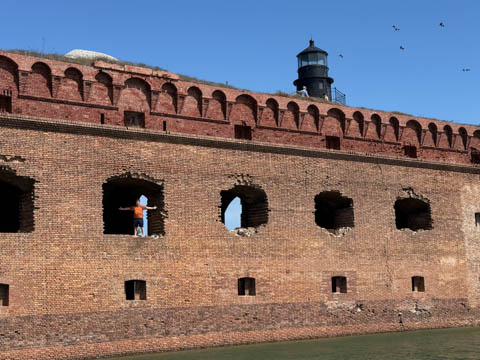
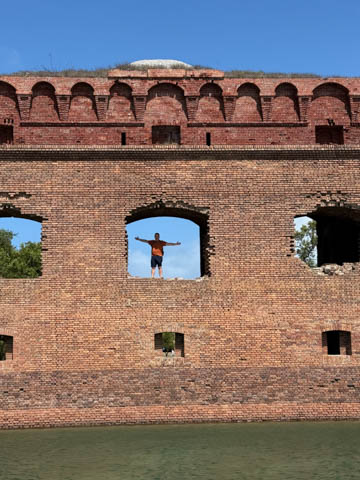
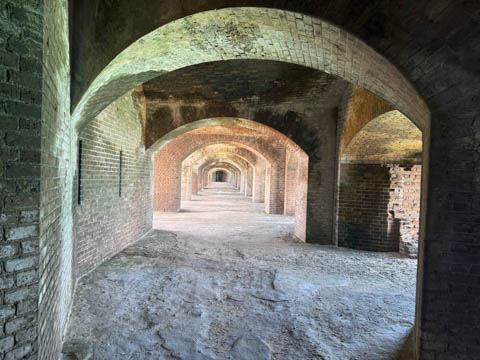
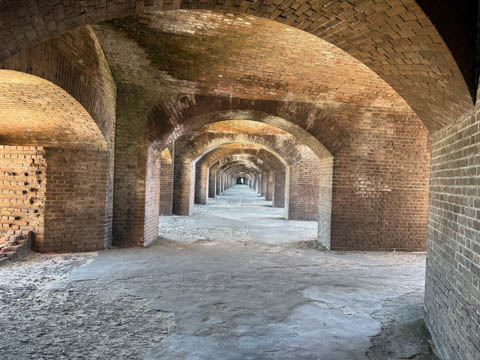
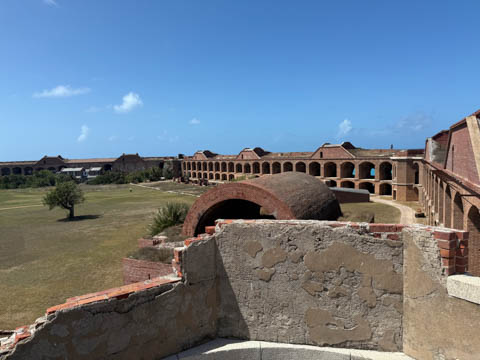
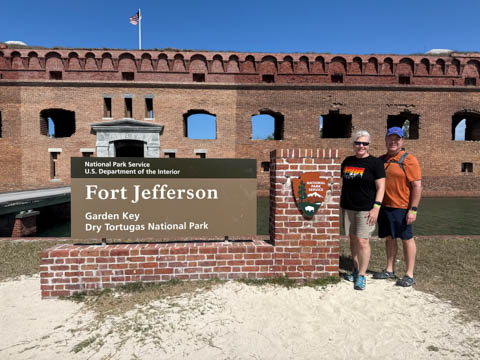
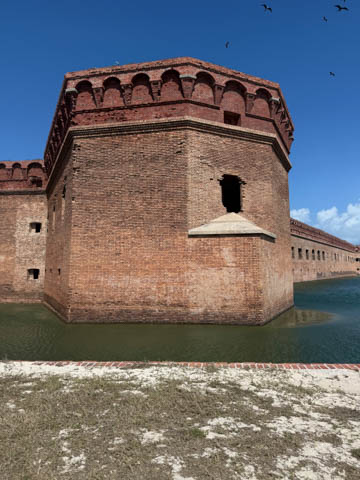
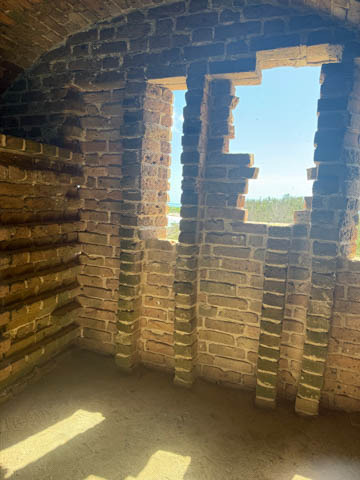
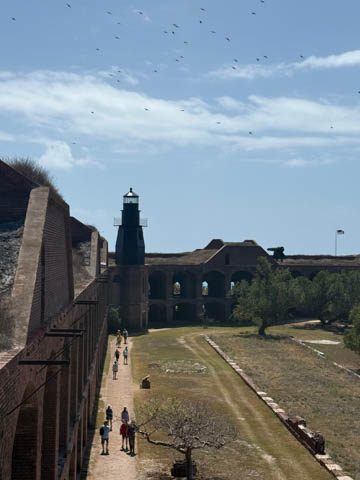
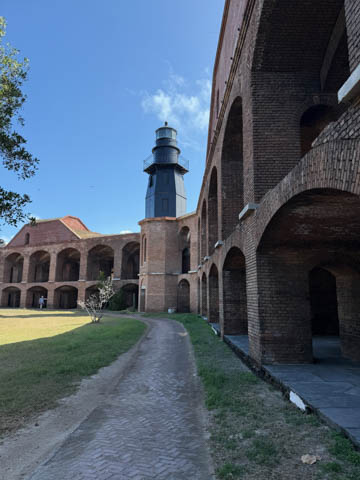
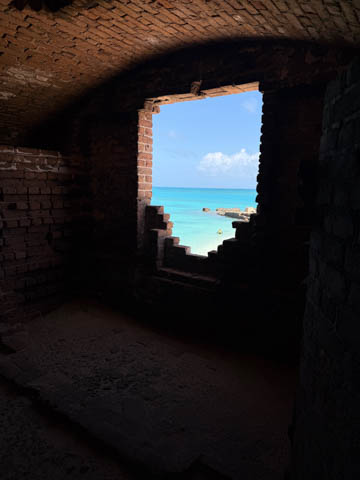
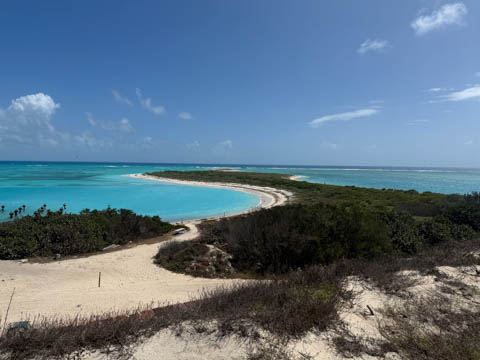
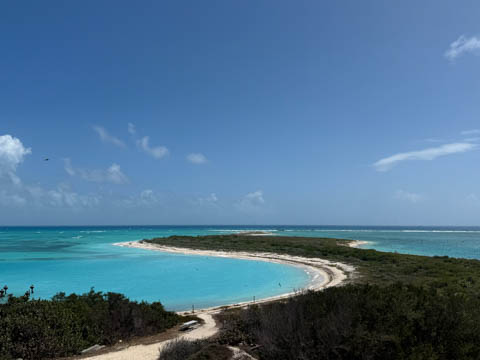
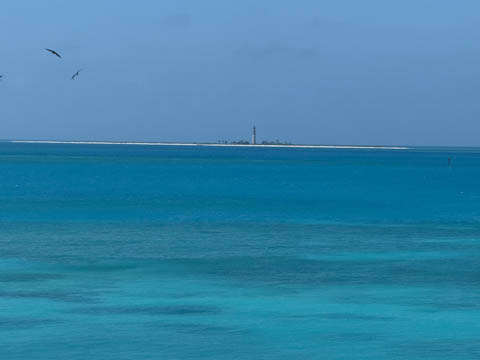
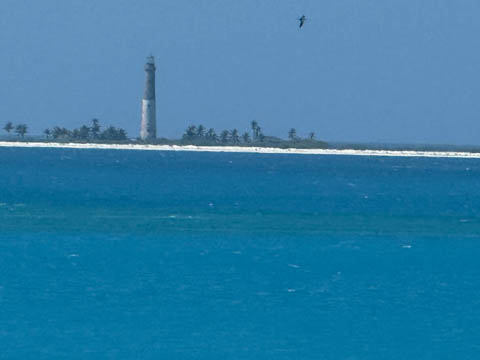
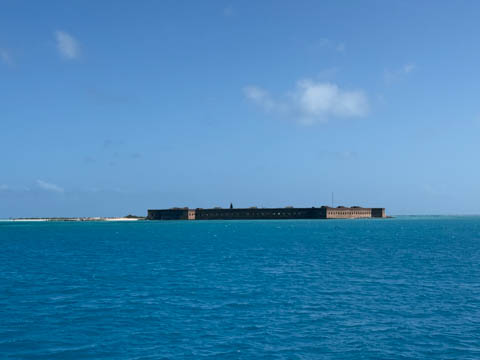
There were originally seven islands when they were discovered by Juan Ponce De Leon in 1513, but there are now only seven. He named the islands the Tortugas after they caught 160 sea turtles there. They were later called dry due to the lack of fresh water. The name is the second oldest surviving European place-name in the US. The islands are the western-most islands in the Florida Keys and have the only deep anchorages between the gulf coast (and the critical port of New Orleans) and the eastern ports on northern Florida. There is deep anchorages on several sides, providing a save harbor for the frequent storms. This US acquired the islands from Spain in 1819 and quickly built a lighthouse on Garden Key and soon began fortifying it. Construction on Fort Jefferson began in 1847 as part of the Third System of Coastal Defense; it was never officially finished. It was built by both slave labor and some Irish masons. At the height of the fort, over 2,00 people lived on the remote island, with all supplies including water coming by ship. The fort is the largest masonry fort in the US, requiring an estimated 16 million bricks, mostly from Pensacola FL, but coming from as far away as Maine during the Civil War (the darker red bricks along the top of the walls). Much of the walls started to sink under the weight of the bricks almost immediately, which is why much of the second level was left unfinished. The fort was armed with as many as 420 heavy guns, with the largest weighing 15 tons and able to fire a 439 pound projectile over three miles. However, the smoothbore cannon were soon obsolete and were removed in the early 1900s. Interestingly, both sides in the US Civil War recognized the strategic importance of the fort and sought to possess it. The Union sent a group of 66 artillery soldiers who arrived on January 18, 1861, coming without any cannons and only their muskets. An armed Confederate schooner arrived the next day and demanded their surrender. The Major in charge told the rebel representatives they would be destroyed if they didn't depart immediately, winning the confrontation with an outright lie, as the Confederates were significantly better armed. One interesting story from the guide was that Dr. Samuel Mudd was imprisoned there after being convicted in the conspiracy to kill President Lincoln. When a yellow fever outbreak killed the medical staff, he volunteered to help treat the sick. Despite a prior escape attempt, the staff sent a petition to the President attesting to his effort to stem the course of the disease on the island, President Johnson pardoned Dr. Mudd in 1969, meaning he served only 4 years of his life sentence.
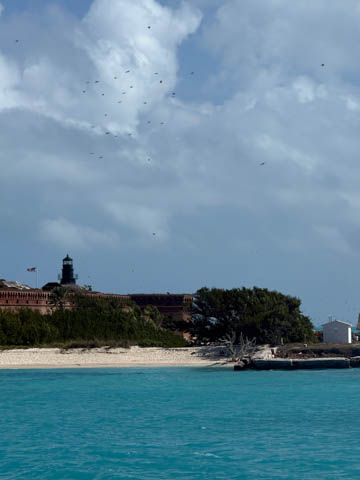
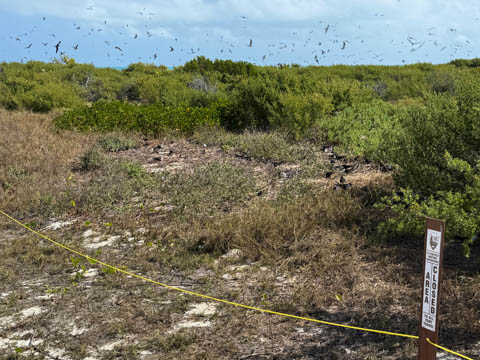
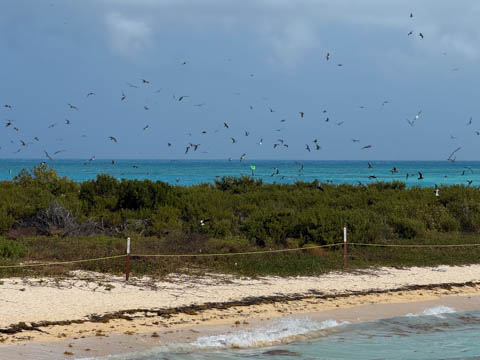
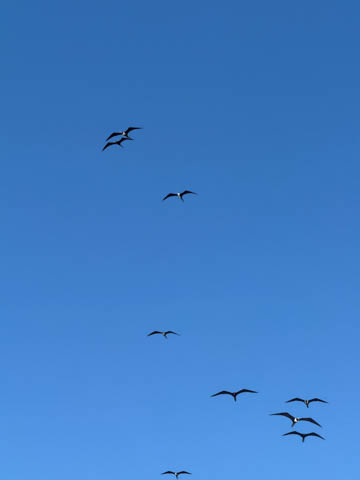
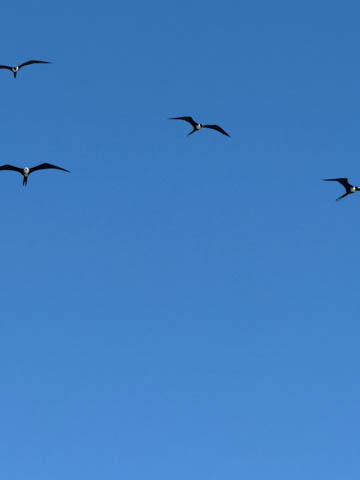
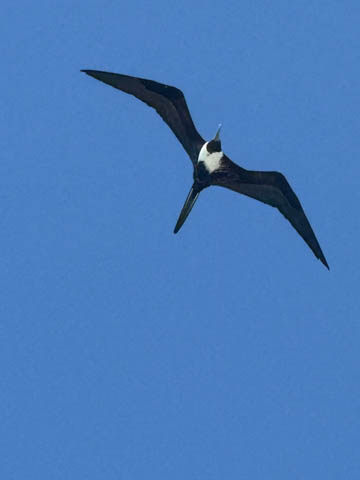
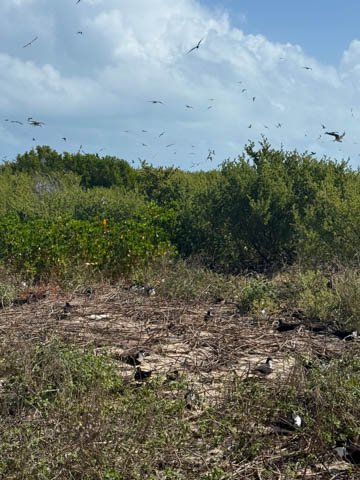
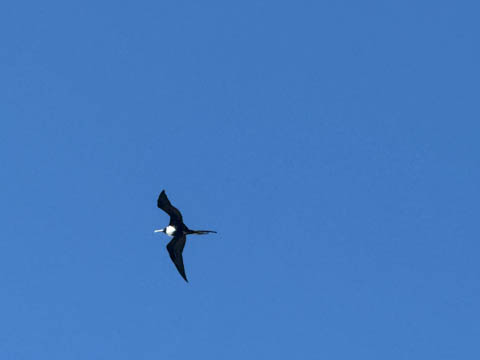
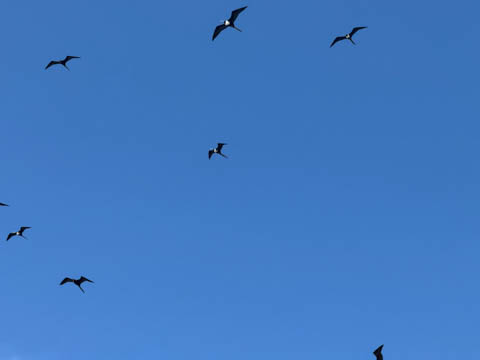
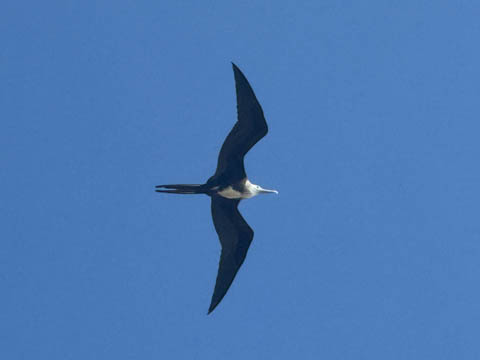
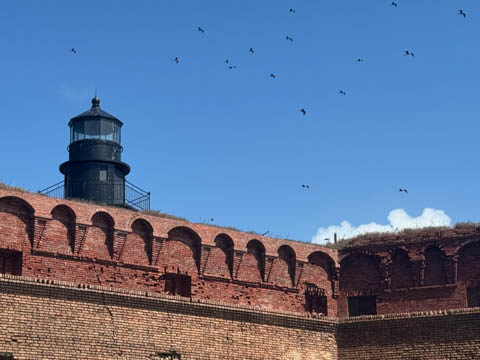
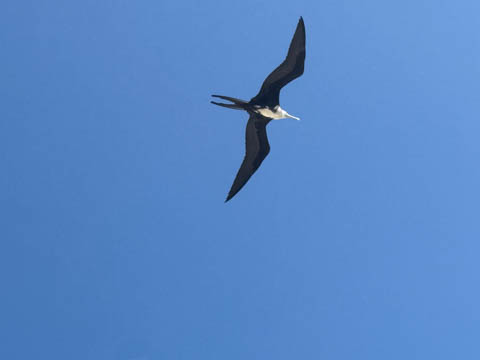
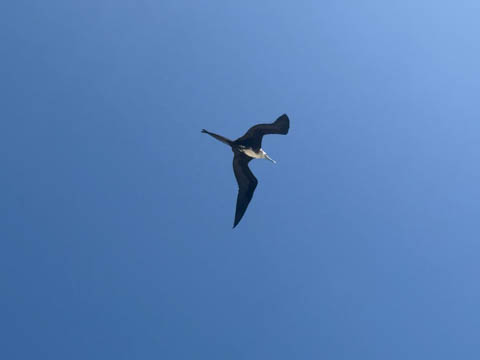
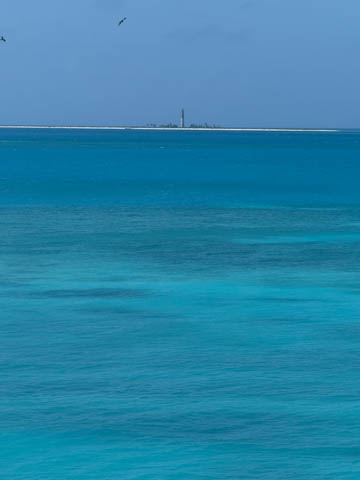
One end of the key is a nesting area for a number of birds, including these Magnificent Frigatebirds.
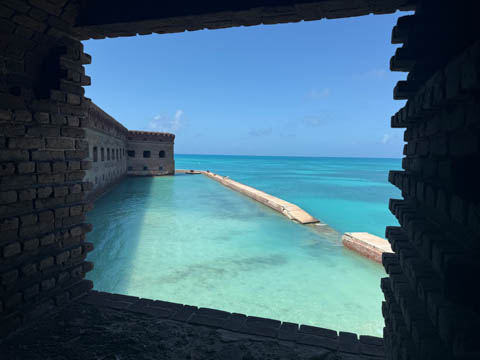
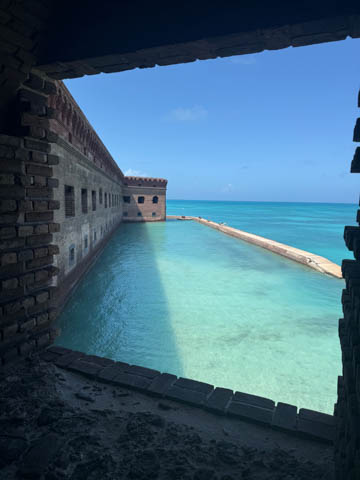
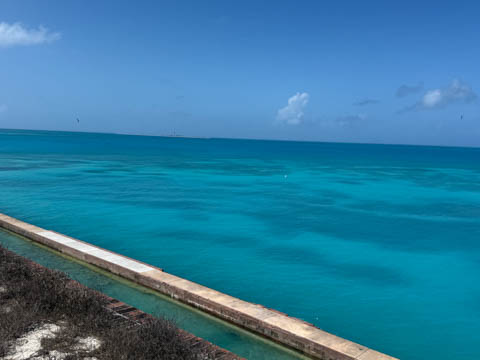
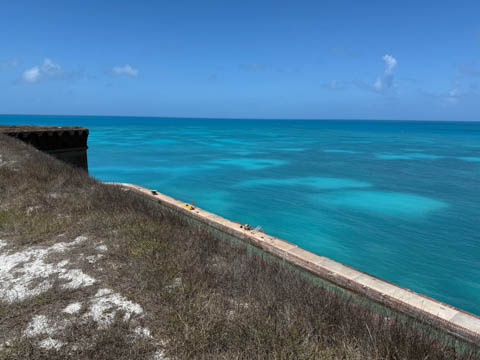
They emptied the sewage into the moat they built assuming the tides would be similar to the north and flush it clean daily, not realizing the tides were only 1-2 feet leading to what must have been an amazing stink.
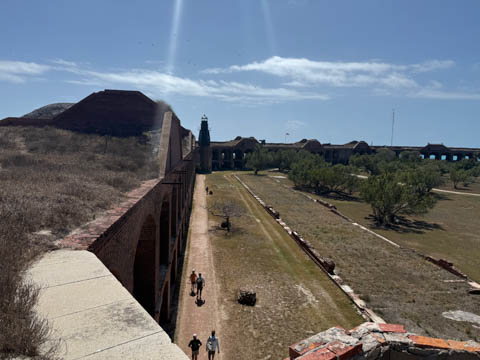
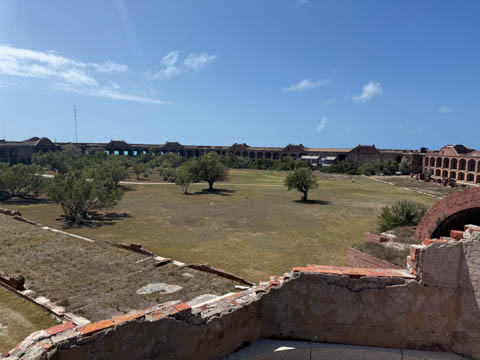
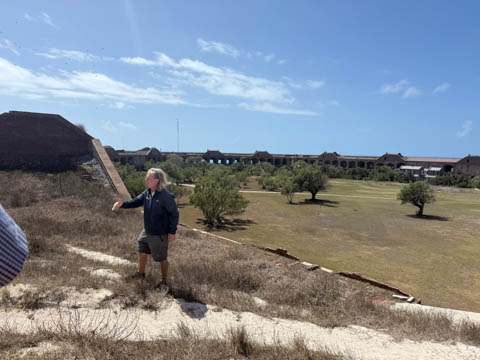
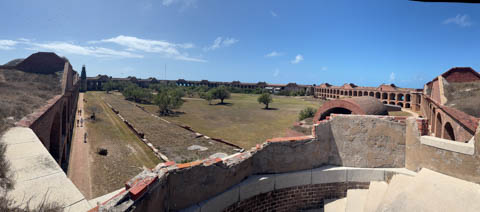
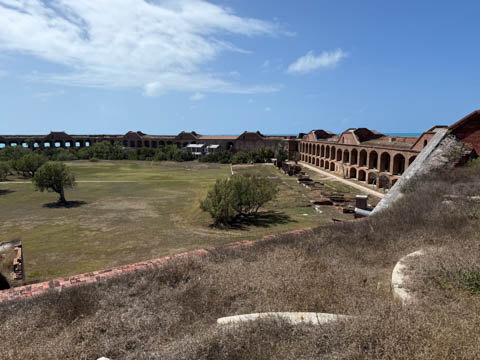
There was an enormous area inside the fort.
|
|
|