|
|
Use these navigation links to move between the Year 2025 pages. Specific pages can be accessed at the bottom of this page
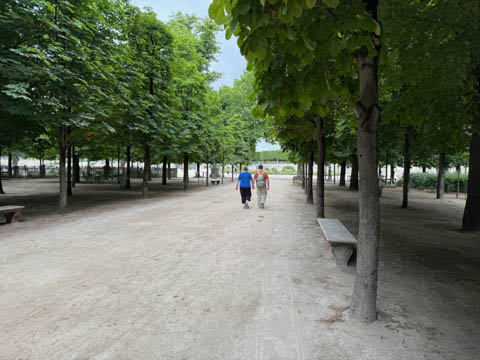
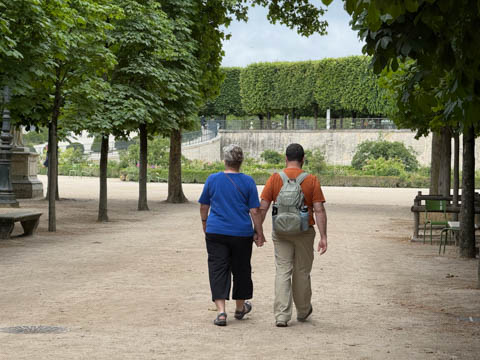
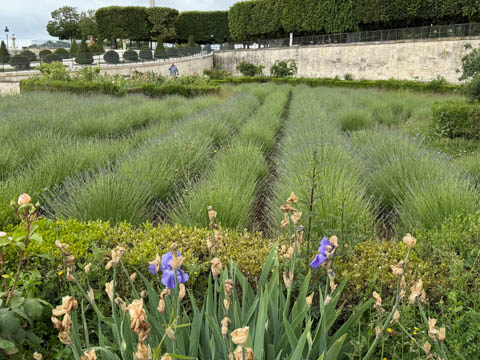
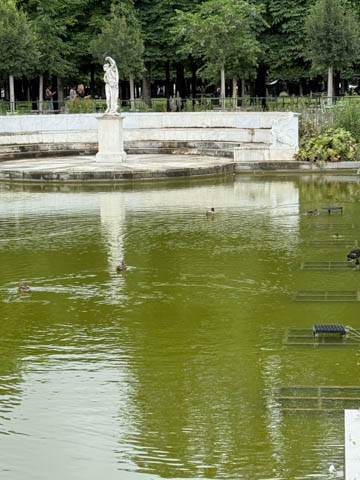
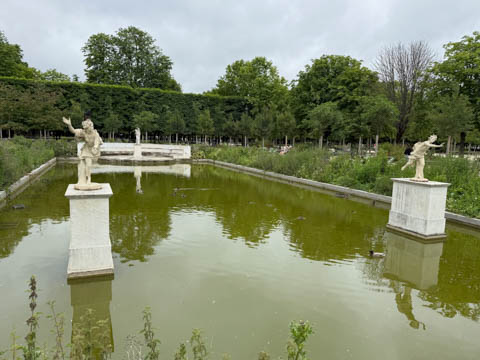
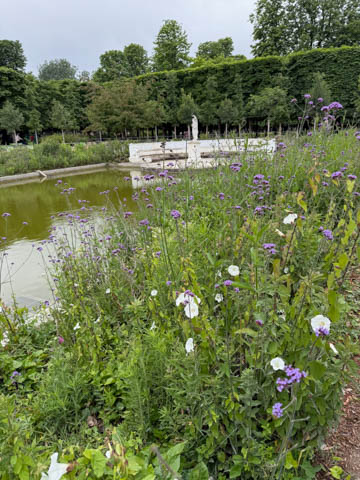
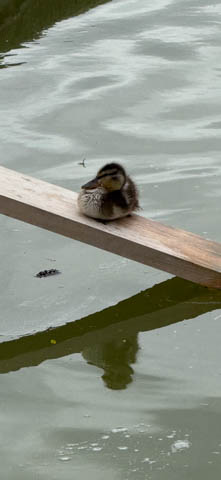
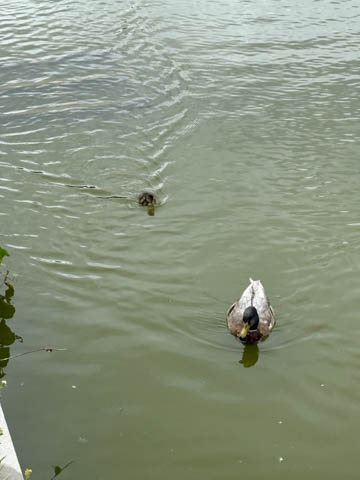
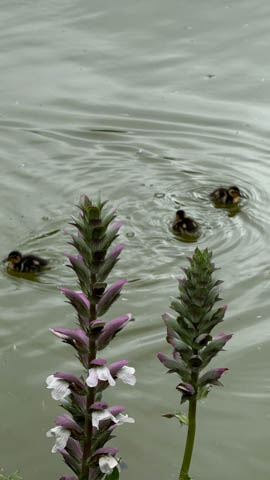
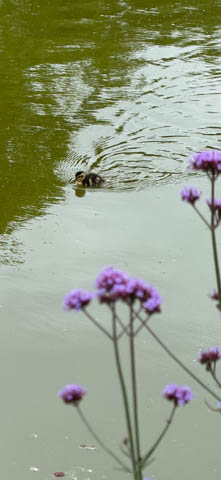
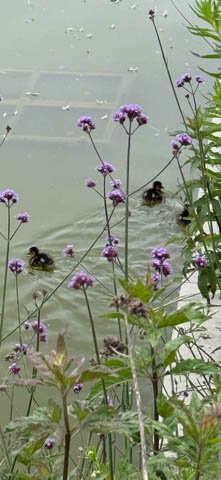
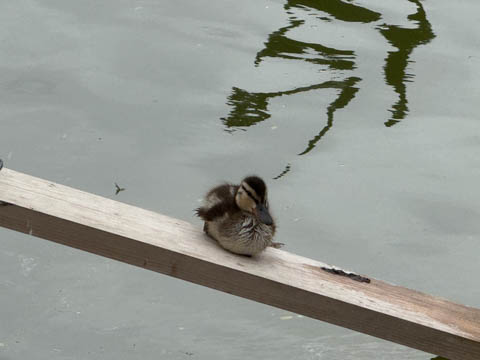
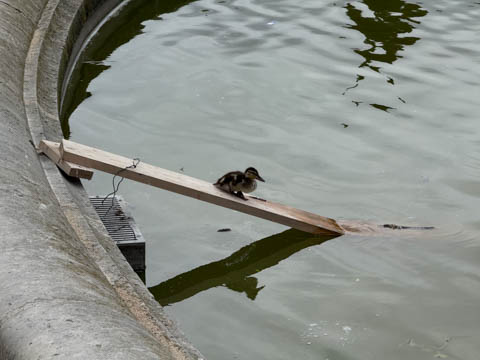
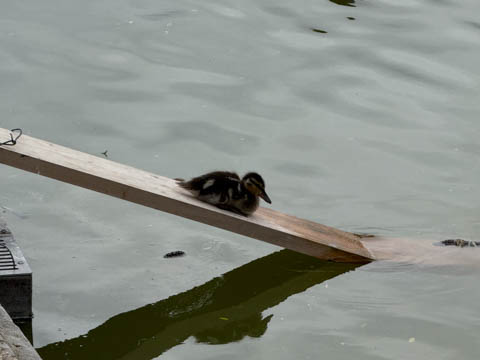
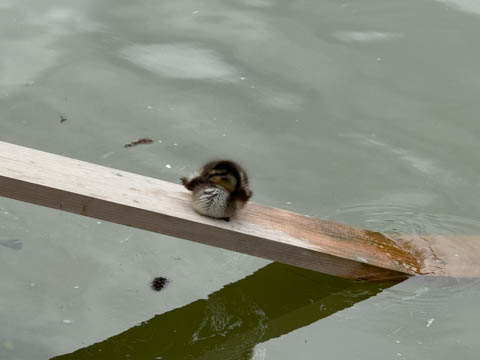
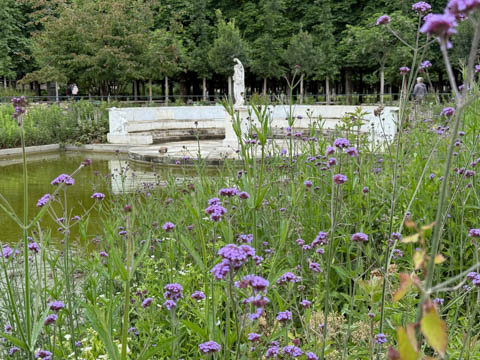
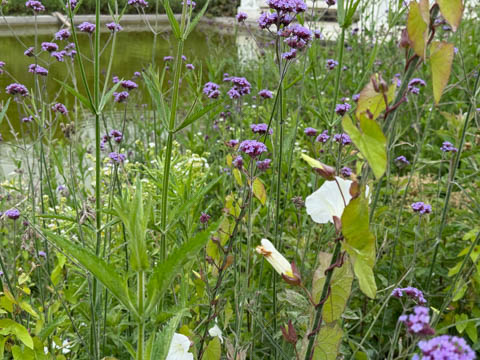
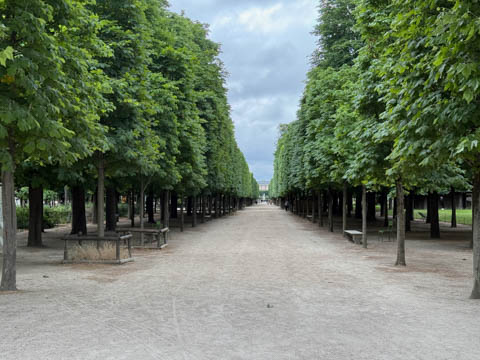
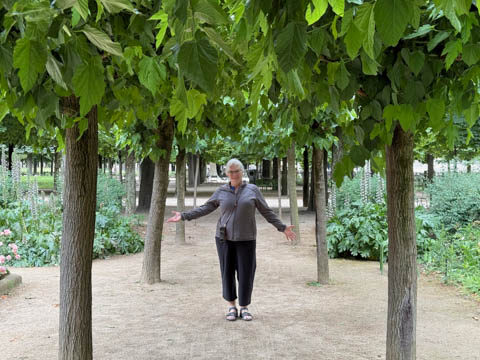
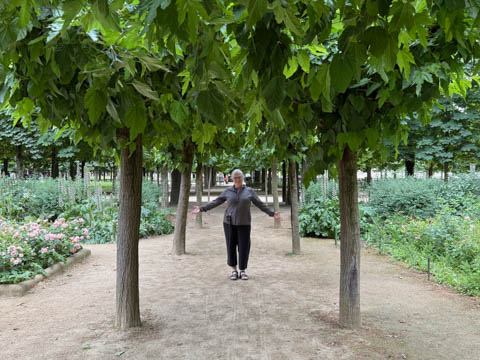
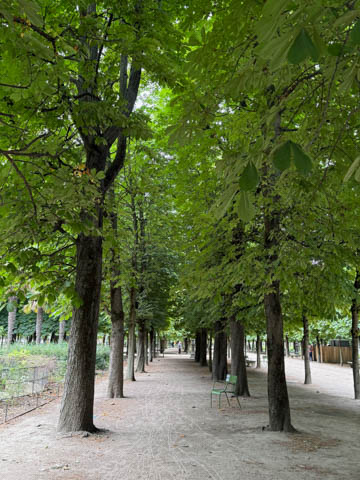
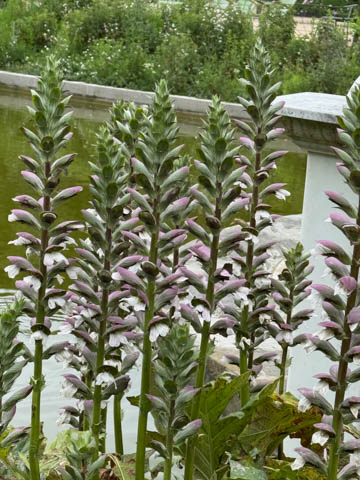
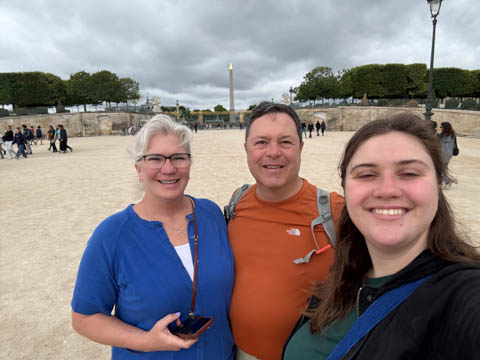
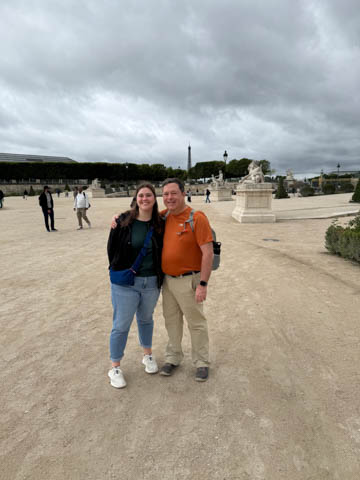
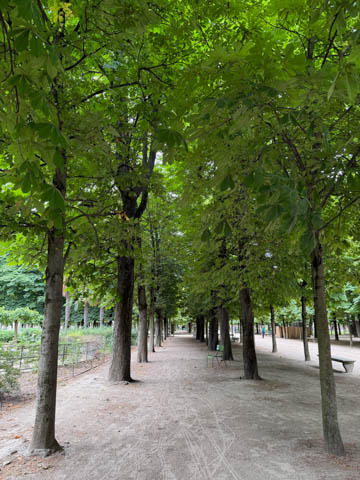
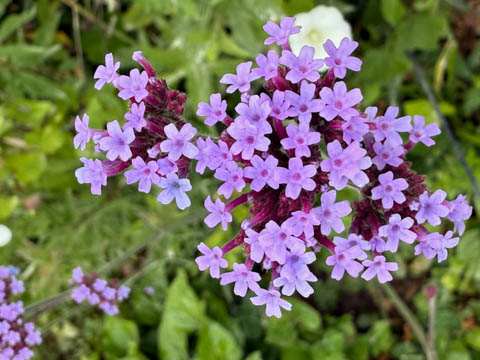
May 2025 (Part 28) France Trip: Day 13: Jardin des Tulleries and the Place de la Concorde The next morning, we headed to the Jardin des Tulleries. In July 1559, after the accidental death of her husband, Henry II, Queen Catherine de' Medici decided to leave her residence of the Hôtel des Tournelles, at the eastern part of Paris, near the Bastille, and moved into the Louvre Palace. Five years later, the crown bought land to the west just outside the city Wall of Charles V which had been occupied by tile-making factories called tuileries (from the French tuile, meaning "tile") since the 13th century. The new residence was called the Tuileries Palace, along with the gardens behind. With the landscape architect, Catherine created an enclosed Italian Renaissance garden for the palace. n 1588 Henry III had to flee through the garden to escape capture from the Catholic League on the Day of the Barricades of the French Wars of Religion and did not return. The gardens were pillaged. However, the new king, Henry IV, returned in 1595 and, with his chief landscape gardener Claude Mollet, restored and embellished the gardens. The gardens were opened to the public in 1667 and became a public park after the French Revolution. During the 2024 Summer Olympics and Paralympics, it was the site of the Olympic and Paralympic cauldron. The Grand Basin Fountain was being refurbished. A nearby smaller fountain was surrounded by wildflowers and had several ducks and ducklings inside, which both Nancy and Lexi were quickly fascinated with.
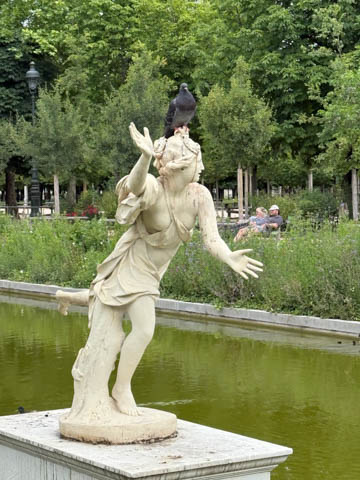
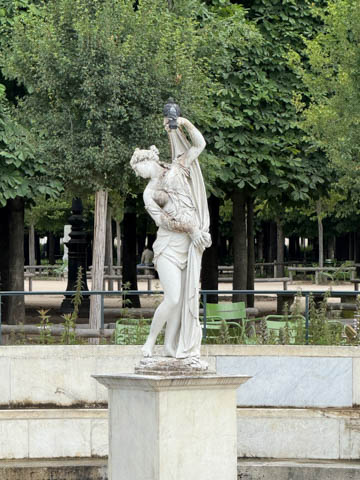
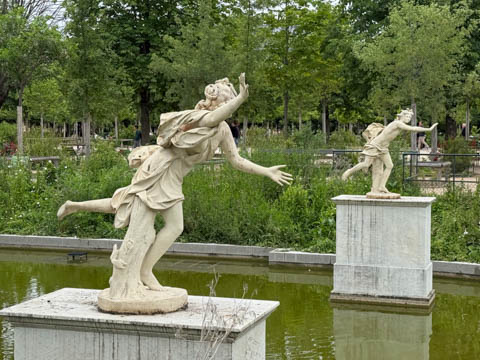
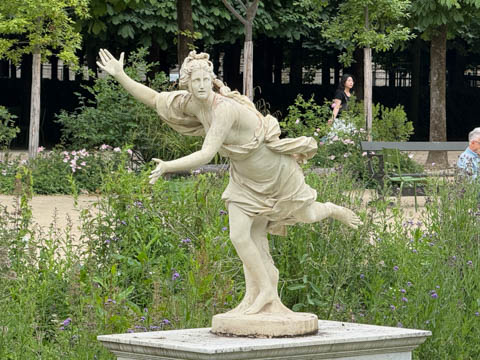
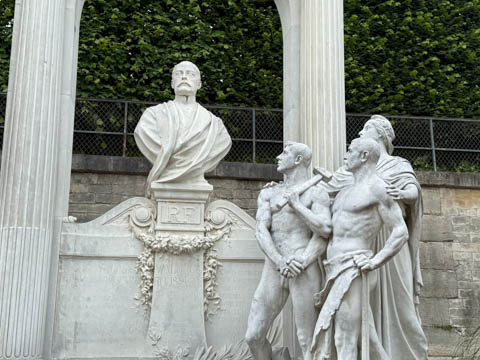
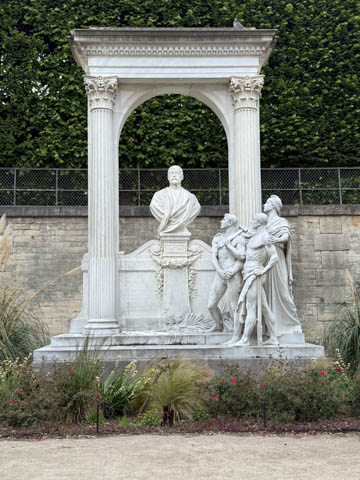
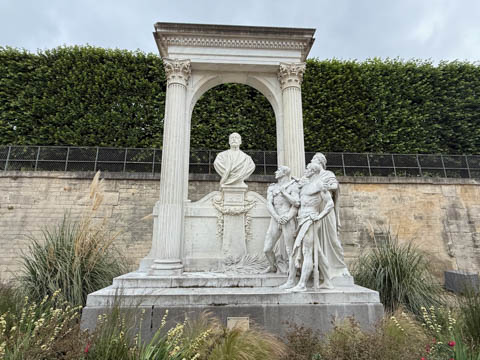
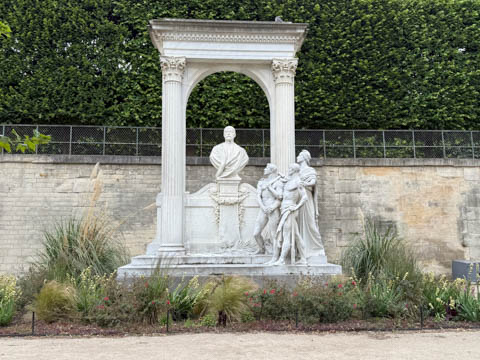
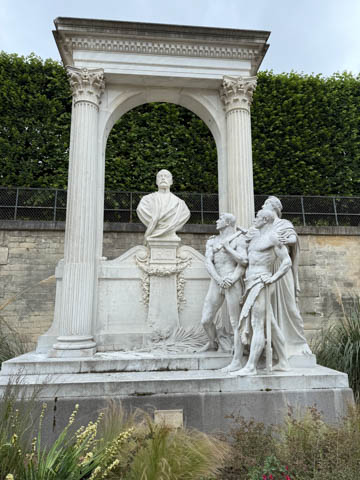
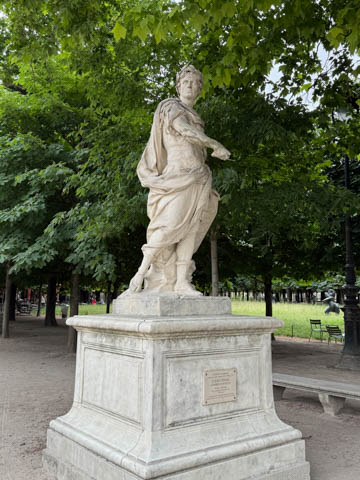
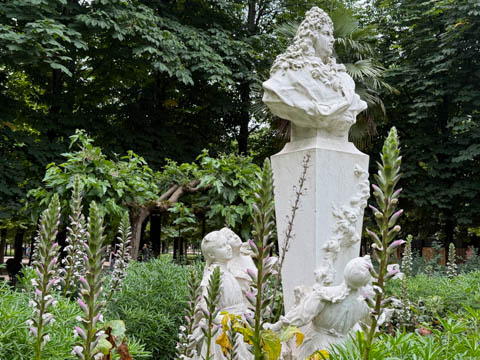
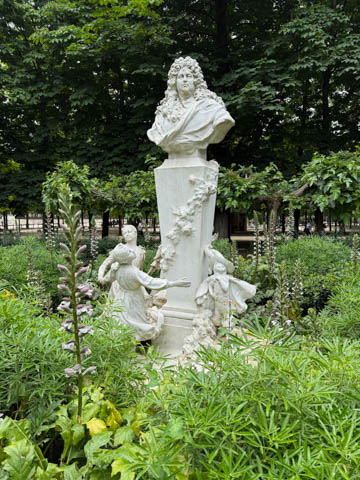
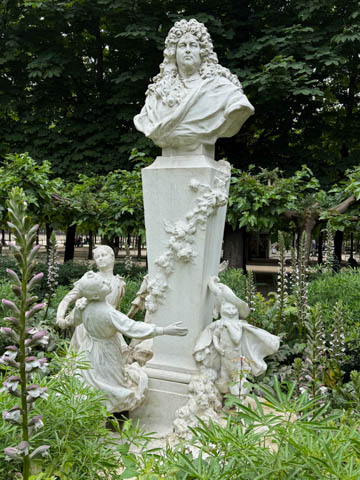
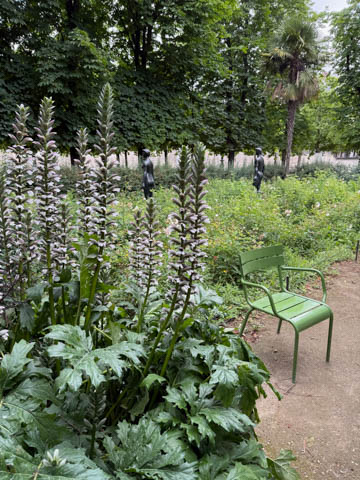
There seem to be sculptures in every garden we've visited. Here is the Monument à Pierre Marie René Ernest Waldeck-Rousseau (Monument a Pierre Marie René Ernest Waldeck-Rousseau stands as a majestic tribute to one of France's notable political leaders and former Prime Minister).
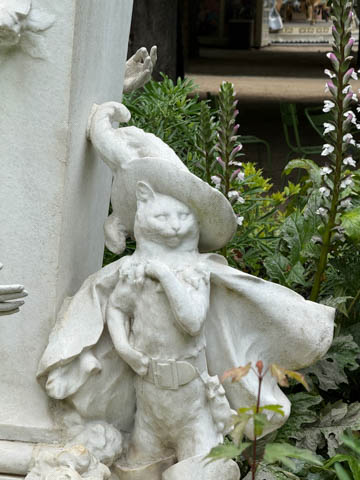
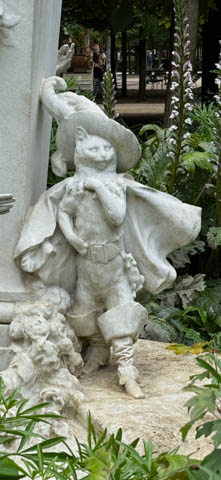
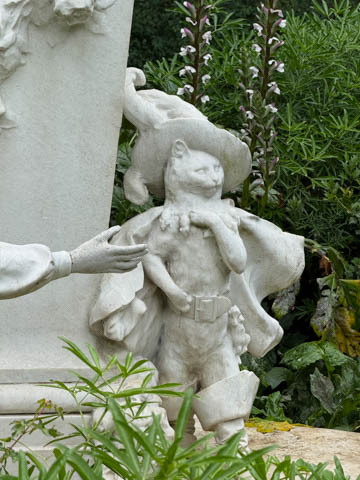
We found a statue by a water fountain with an image of Puss in Boots.
At the far end of the gardens was an open plaza with an octagonal water basin, before you have to climb out of the garden to get to the Place de la Concorde.
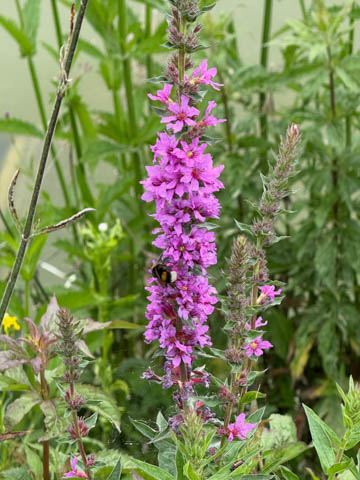
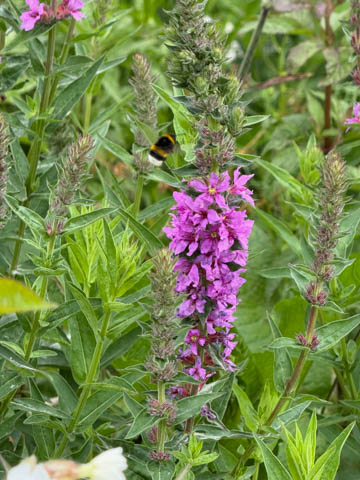
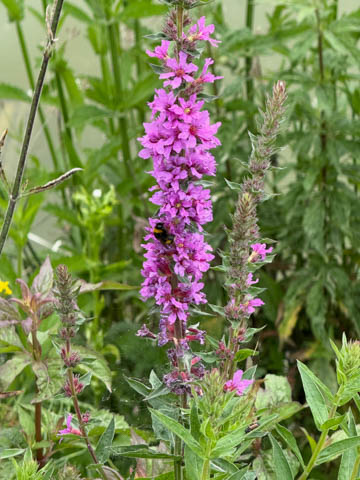
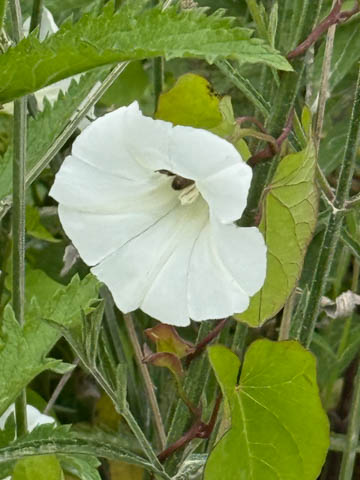
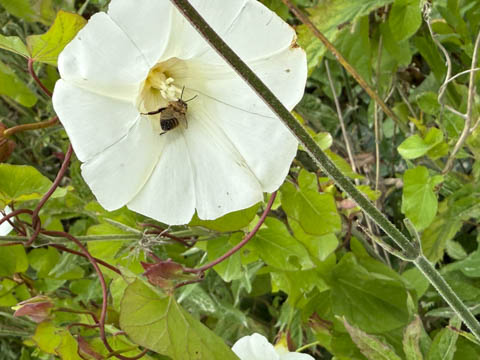
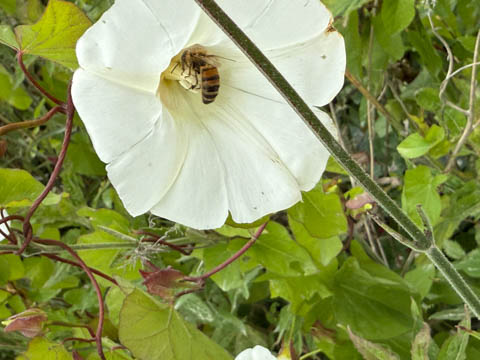
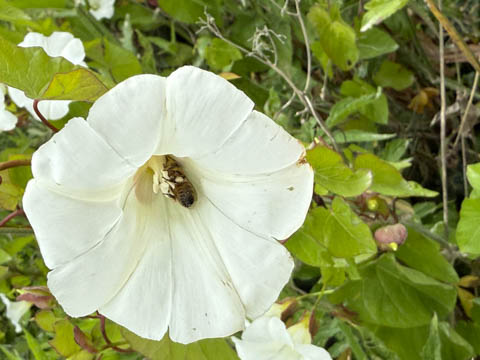
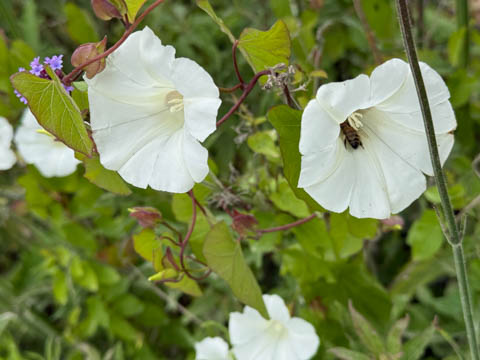
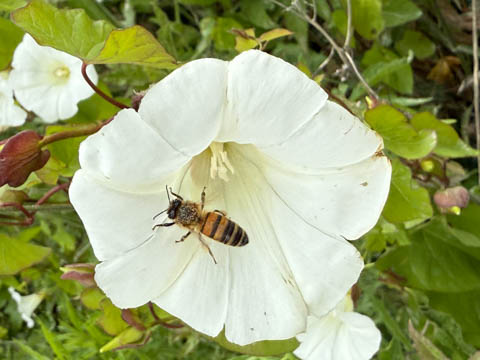
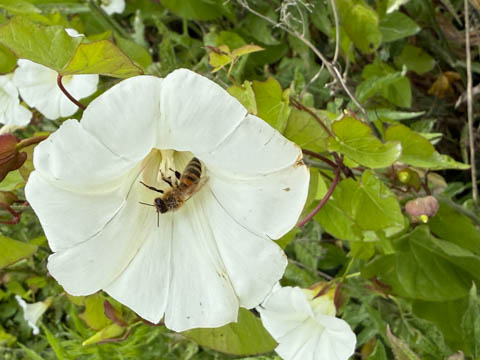
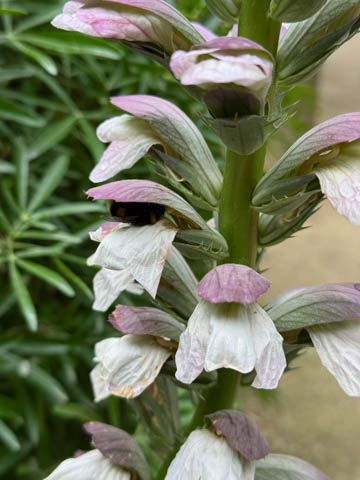
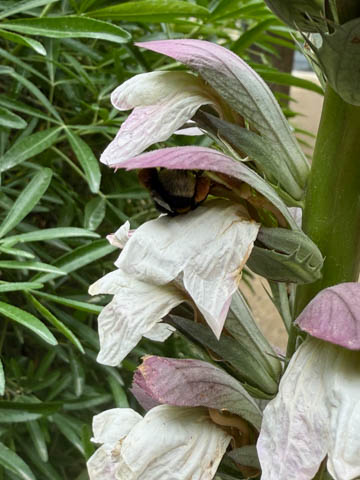
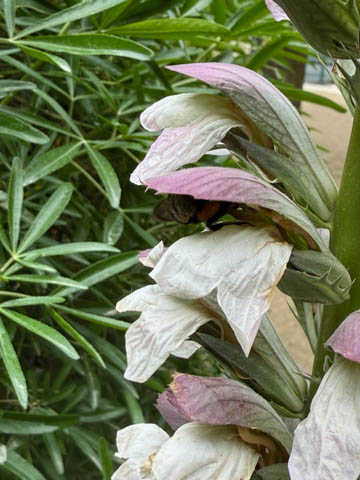
Naturally in a garden, Lexi found some bees.
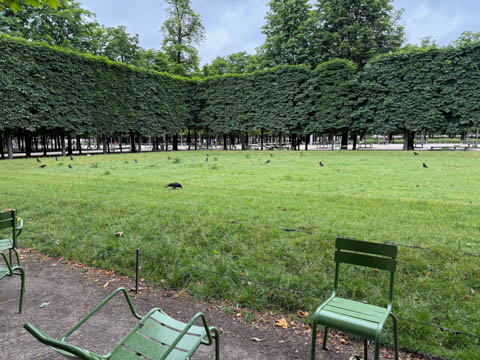
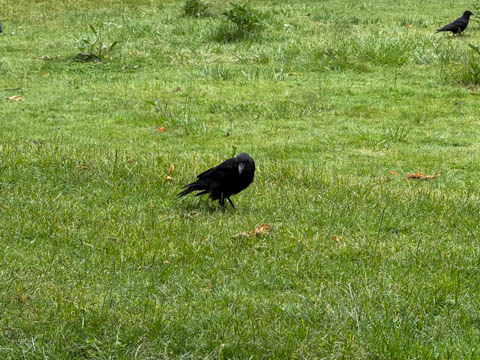
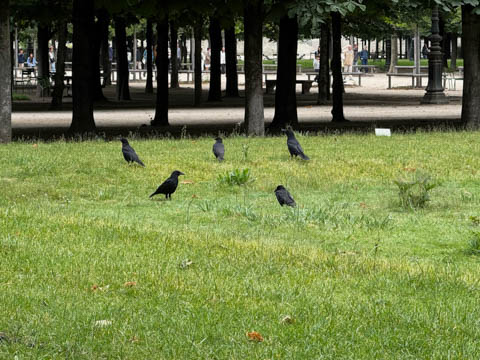
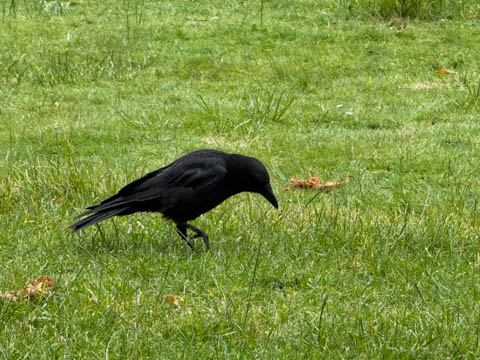
Lots of big ravens.
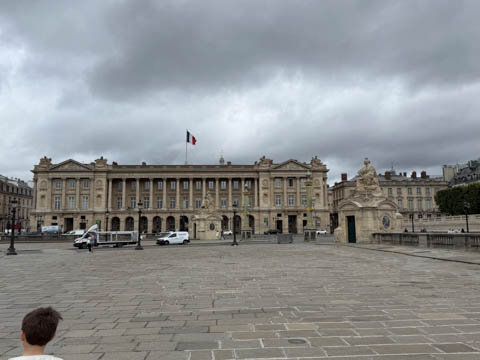
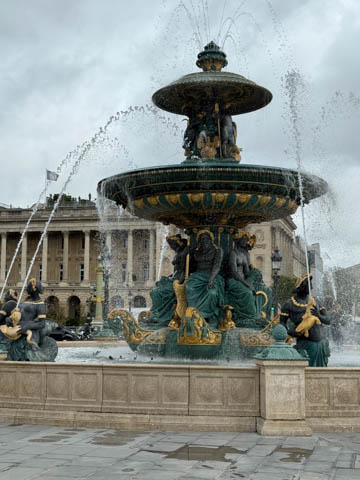
Here is the Place de la Concorde, the largest square in Paris. It was the site of many notable public executions, including Louis XVI, Marie Antoinette and Maximilien Robespierre in the course of the French Revolution, during which the square was temporarily renamed the Place de la Révolution ('Revolution Square'). It received its current name in 1795 as a gesture of reconciliation in the later years of the revolution, although later the original name was reverted for a period. To the north of the square are two hotels: the Hôtel de Crillon (to the left, with flags on the roof) and the Hôtel de la Marine (to the right). The plaze is at the end of the Avenue des Champs-Elysees, allowing a view up to the Arc de Triomphe.
There are two fountains in the square Fontaine des Fleuves modeled after fountains in Saint Peter's Square. The northern one, Fontaine des Fleuves, was being refurbished. Here is the Fontaine des Mers, which was completed in 1840.
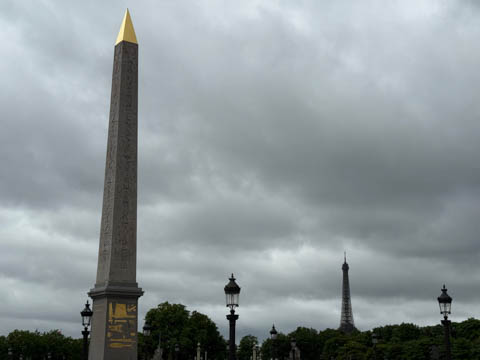
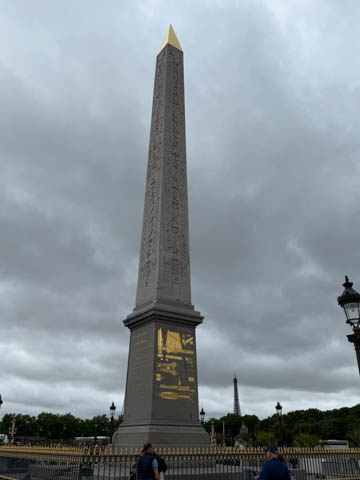
The Luxor Obelisk is in the middle of the square. This was a gift from Muhammad Ali of Egypt to French King Louis-Philippe in 1835. It is one of two carved over 3,000 years ago to stand at the sides of the portal of the Luxor Temple in the reign of Ramesses II (c. 1250 BC). The obelisks were each carved from a single piece of red granite, quarried about 100 miles (160 km) south of Luxor in Aswan, transported on a specially designed barge, and lowered into place with ropes and sand. Both obelisks feature hieroglyphic text carved in sunken relief on all four sides. In the 19th century, François Chabas produced a full translation of the western (Paris) obelisk, which is about Ramesses II, Amun-Ra, and Horus,
|
|
|




 ---
---