

|
|
Use these navigation links to move between the Year 2025 pages. Specific pages can be accessed at the bottom of this page
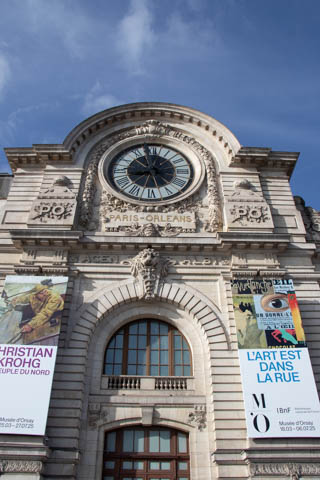
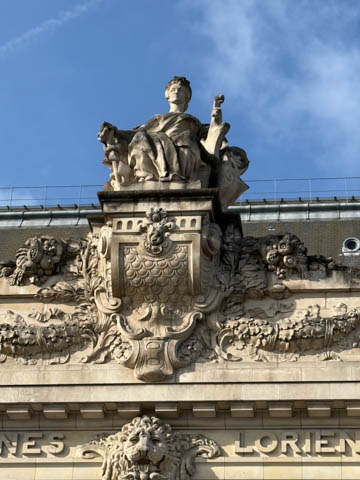
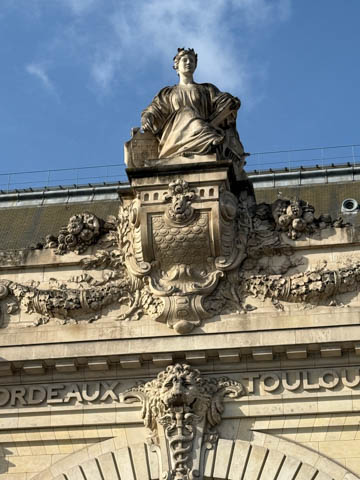
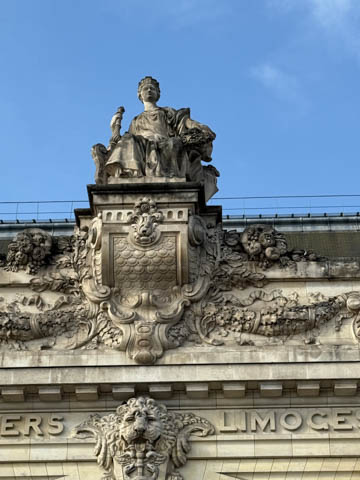
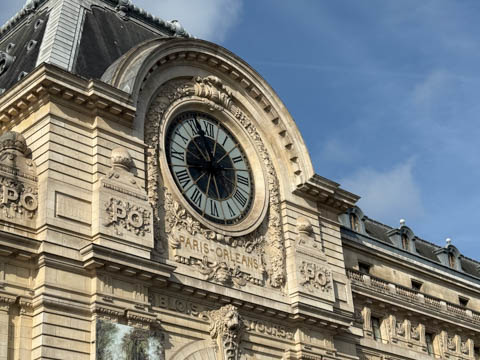
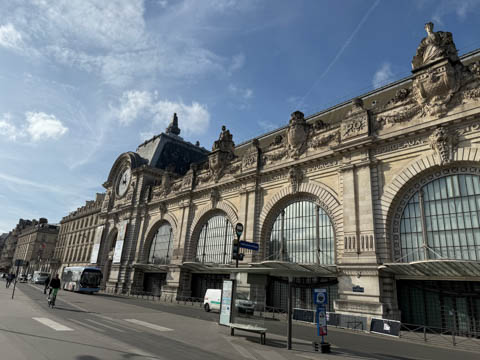
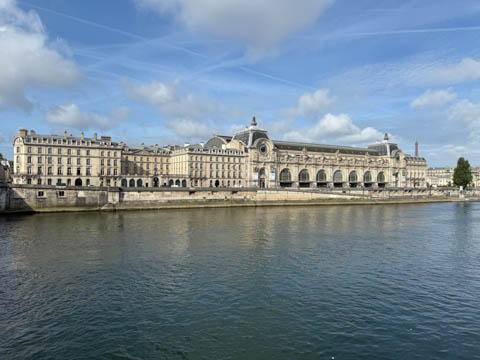
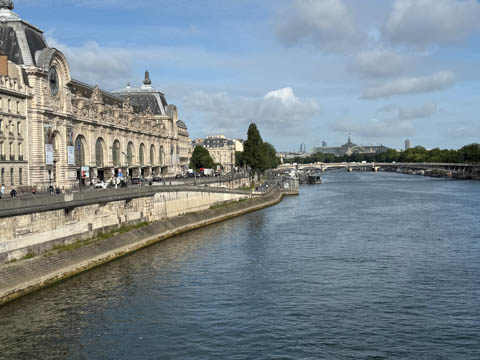
May 2025 (Part 24) France Trip: Day 11: Paris The next morning in Paris, we joined a walking tour. Unsure where we started after taking the bus from the cruise ship, but our first images were from the left bank near the Musee d'Orsay, which was originally a train station built in 1898.
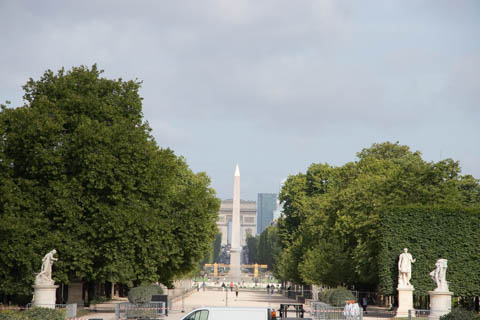
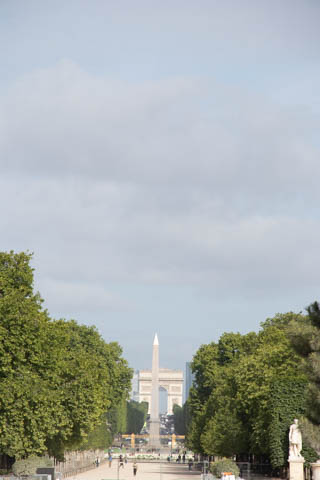
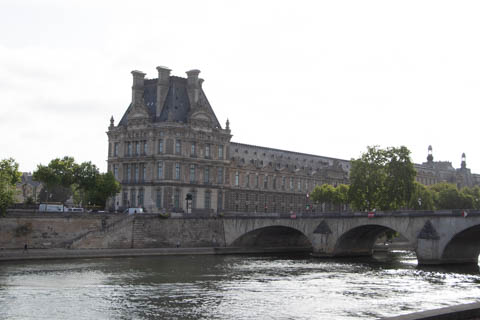
We then headed across the Pont Royal bridge to the Jardin de Carrousel and Place de Carrousel.
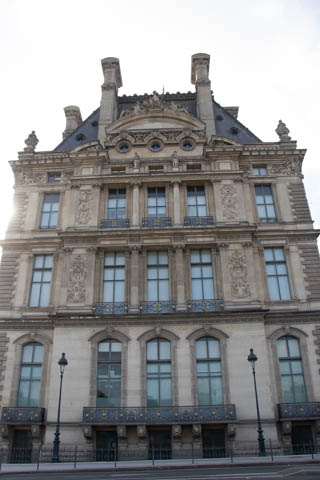
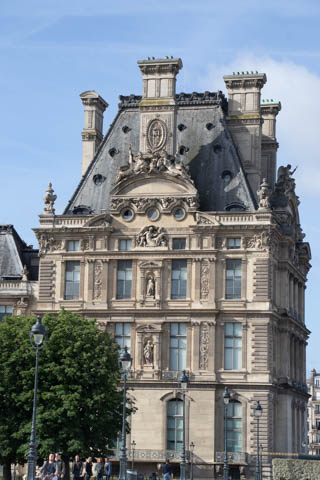
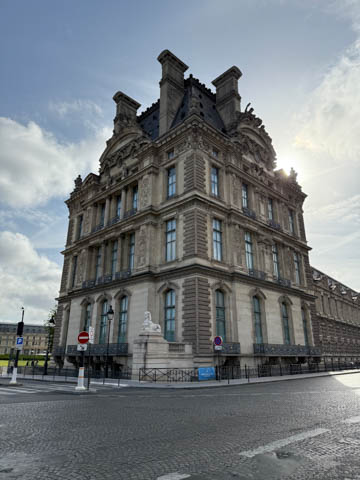
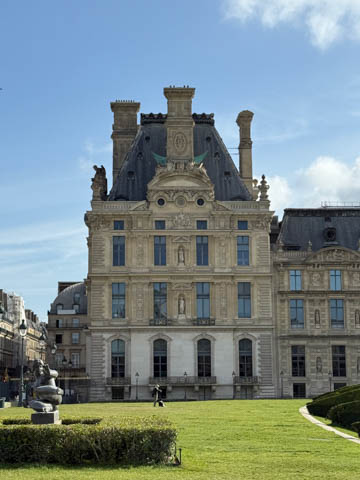
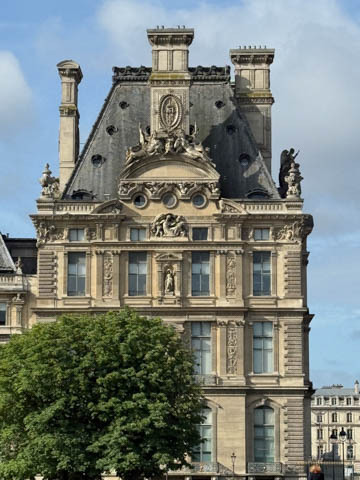
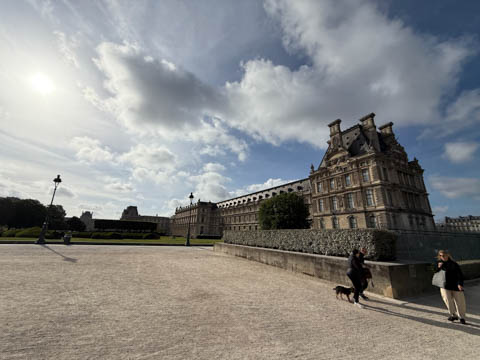
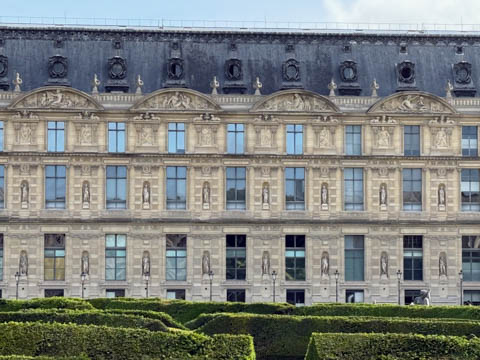
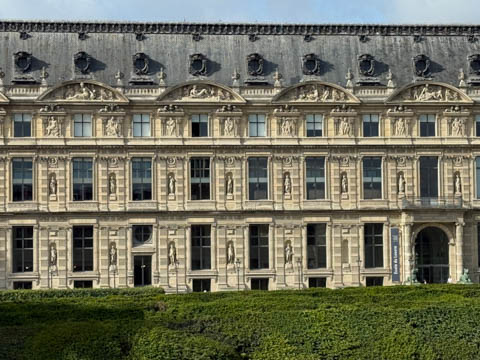
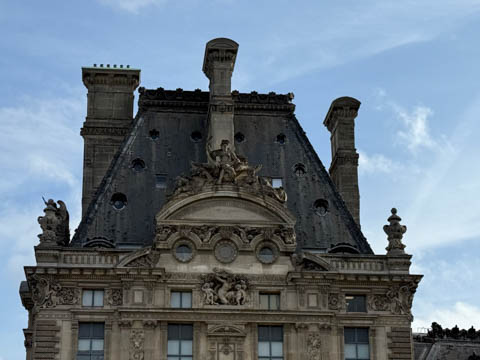
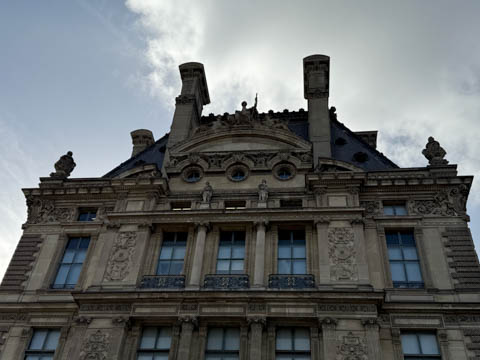
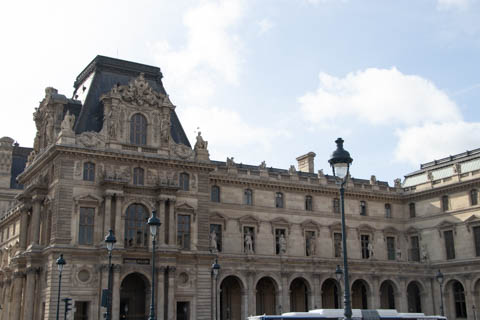
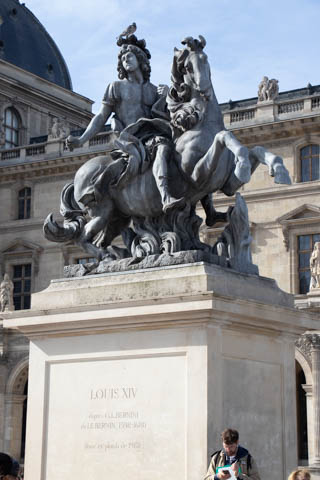
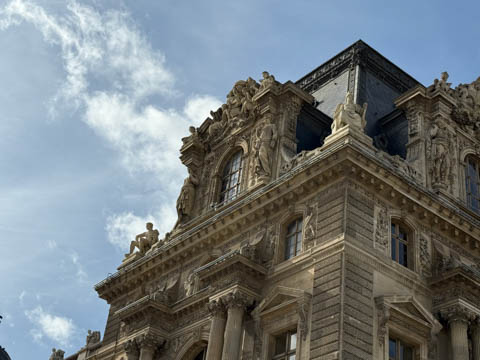
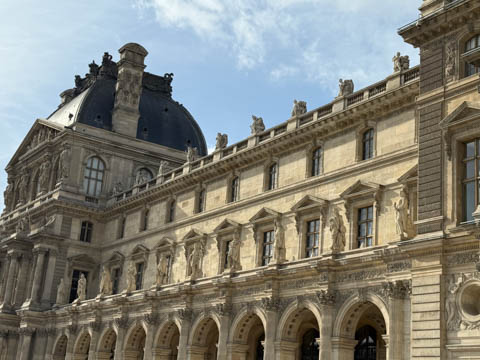
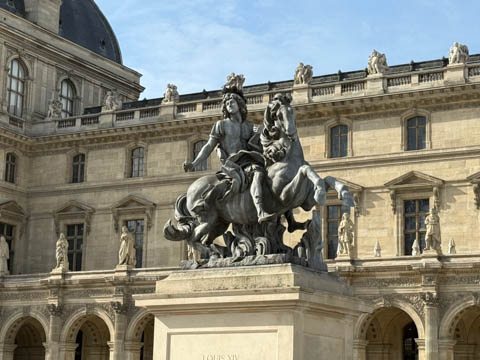
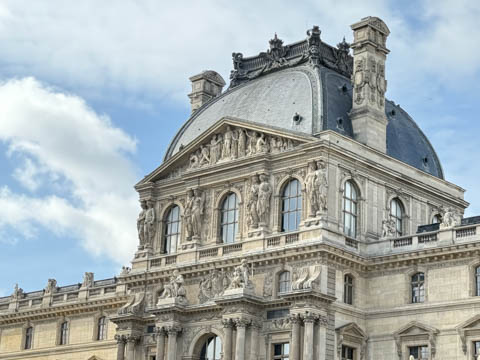
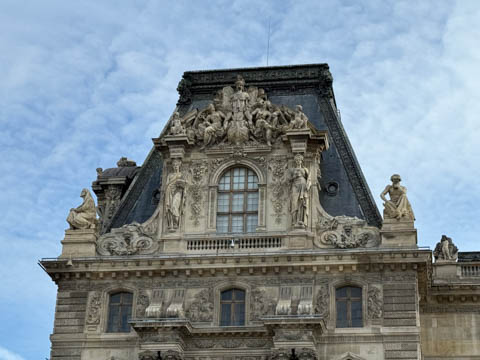
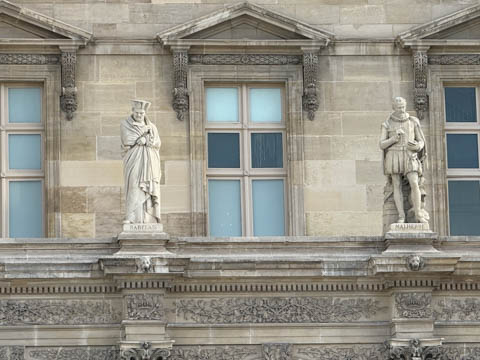
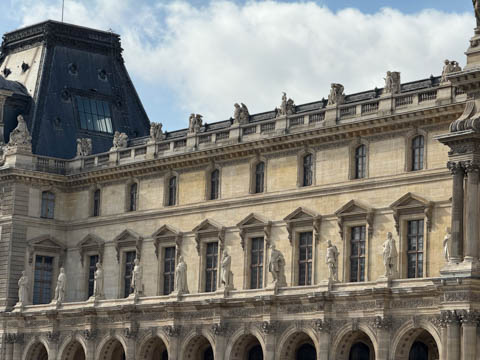
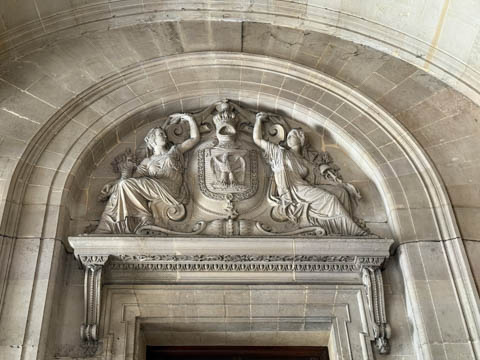
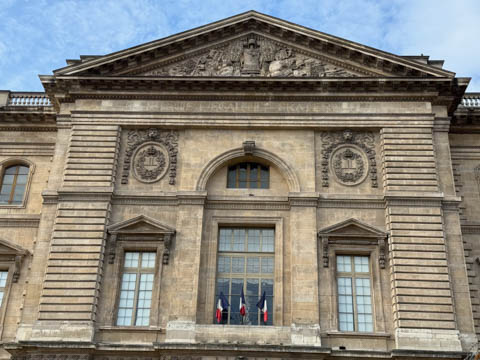
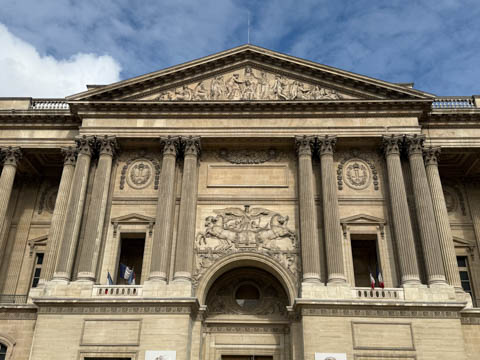
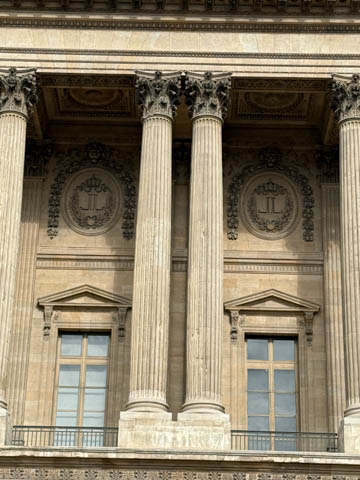
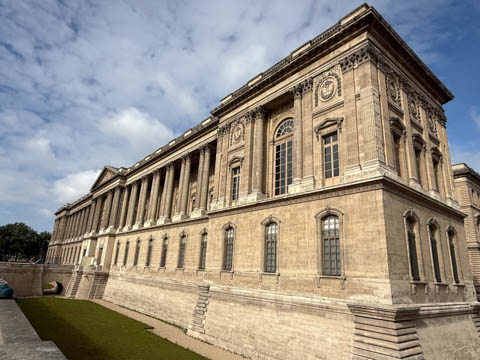
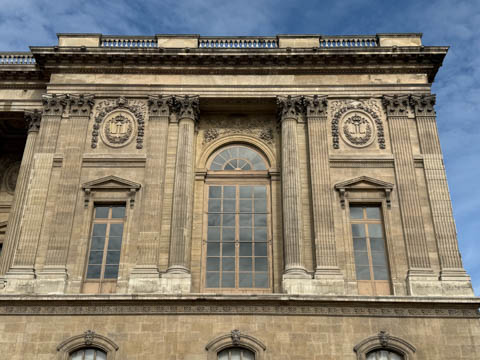
This was took us past the end of the Palace de Louvre.
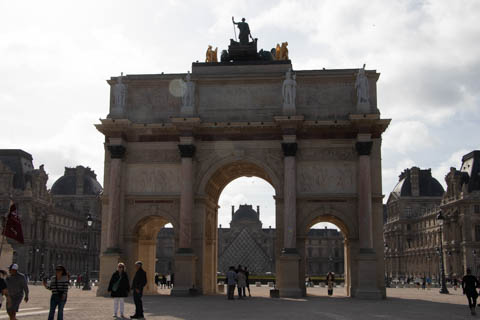
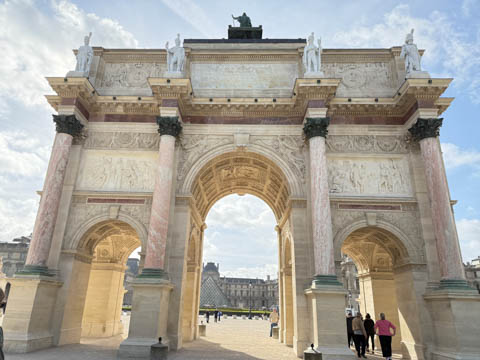
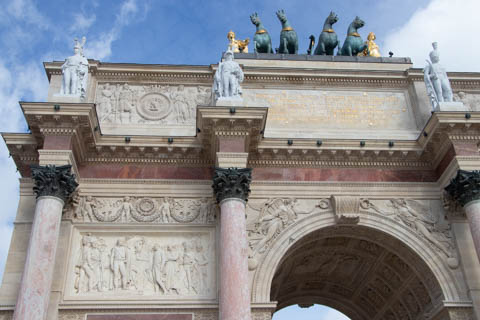
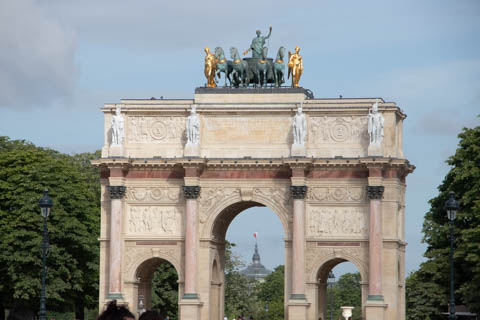
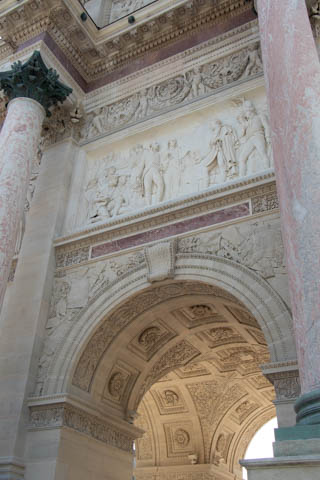
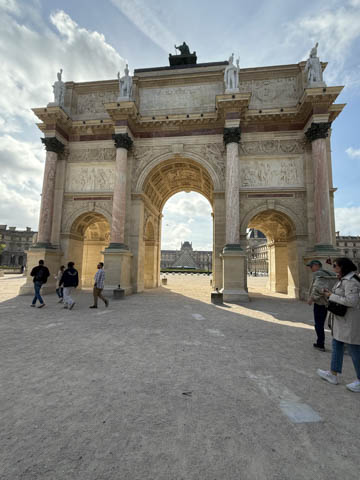
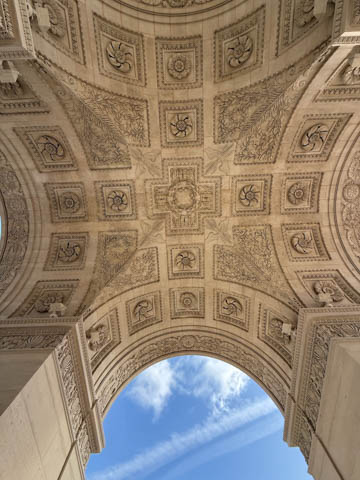
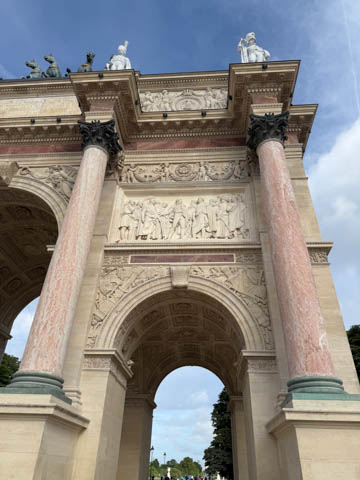
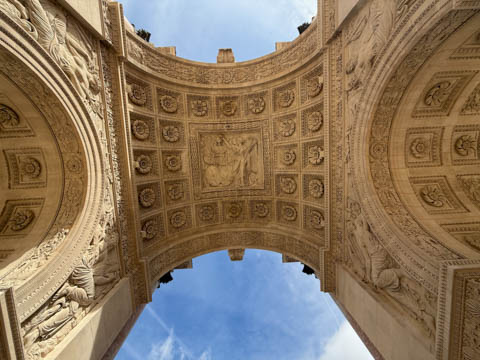
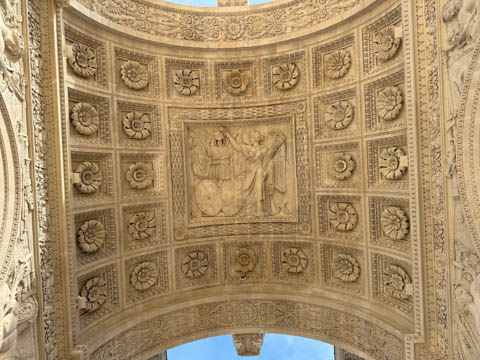
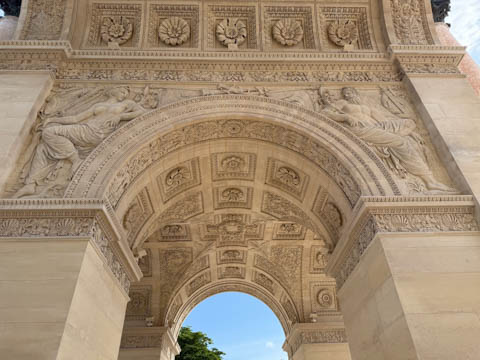
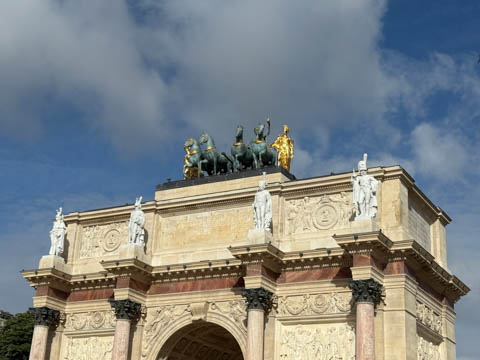
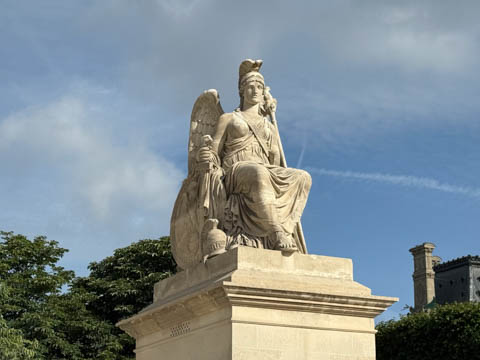
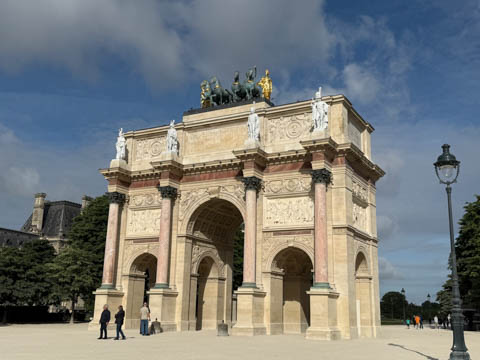
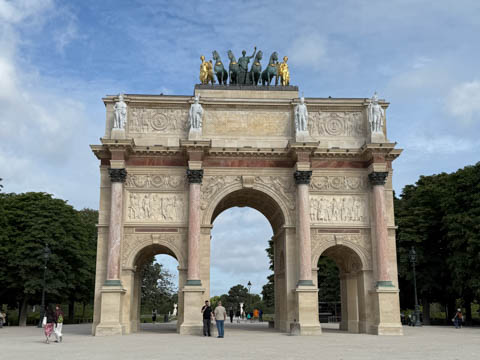
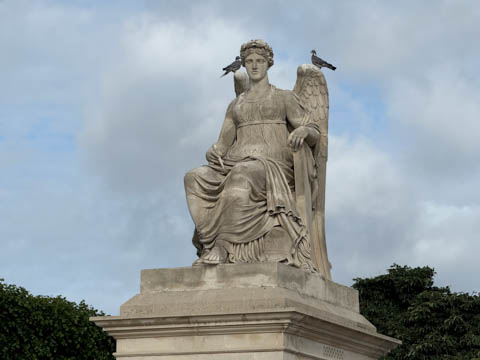
We had to walk through the Arc de Triomphe du Carrousel.
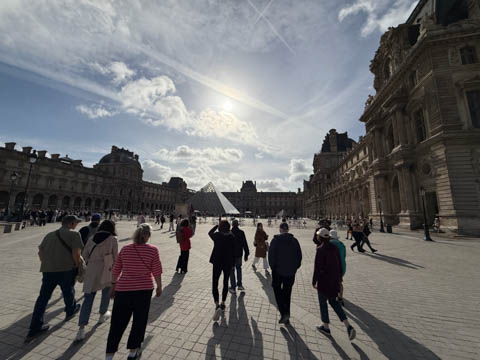
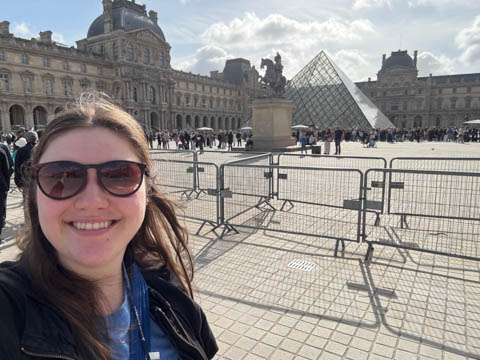
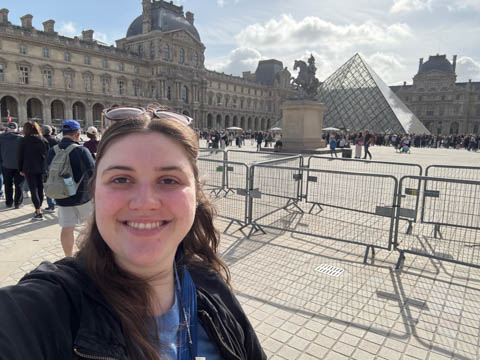
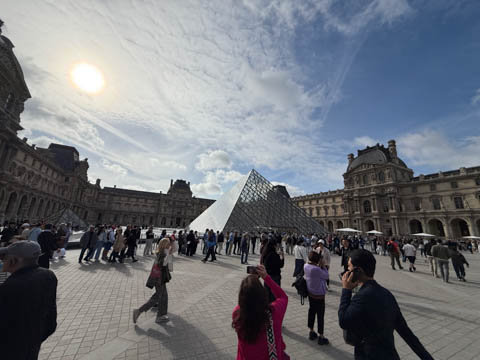
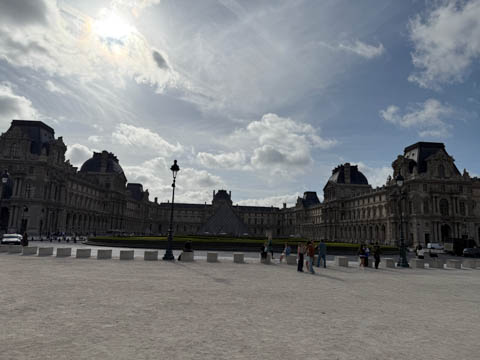
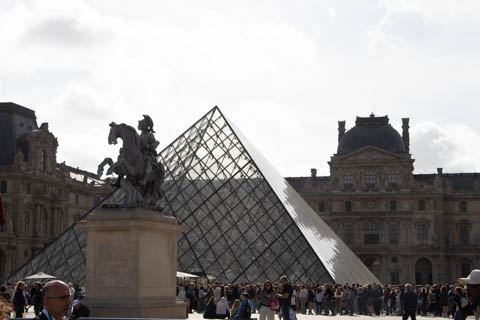
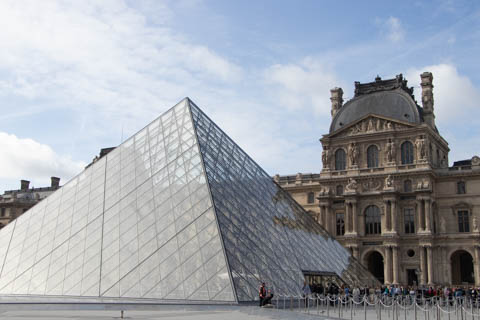
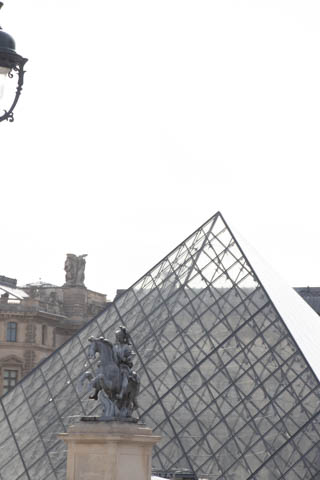
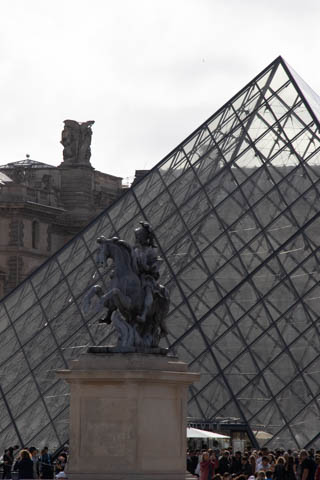
This brought us to the courtyard of the Musee de Louvre with the iconic I.M. Pei pyramid.
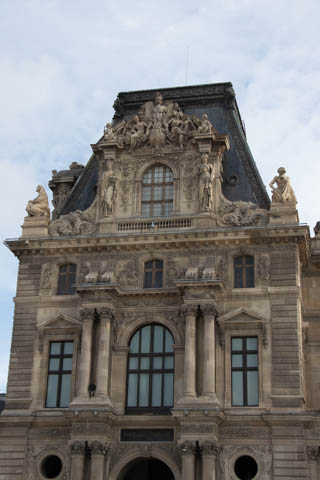
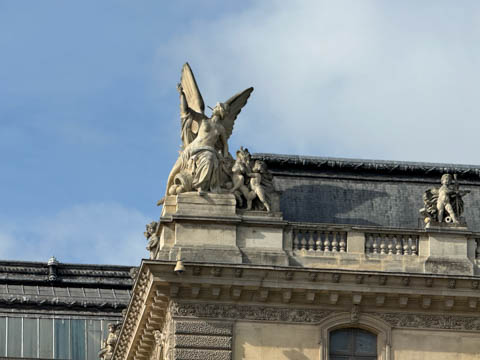
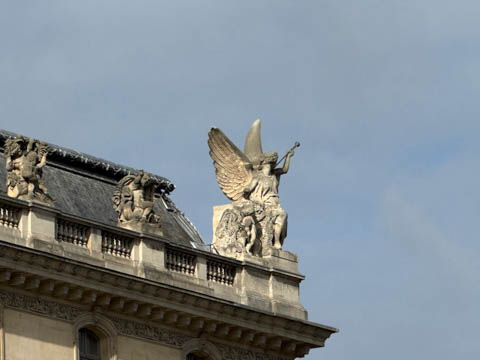
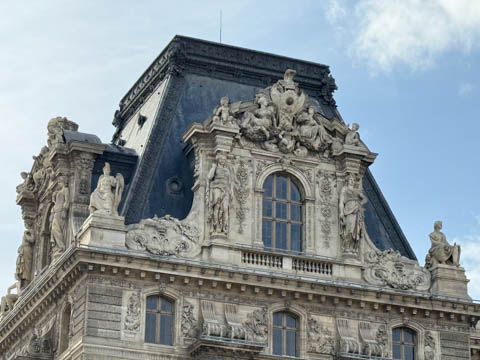
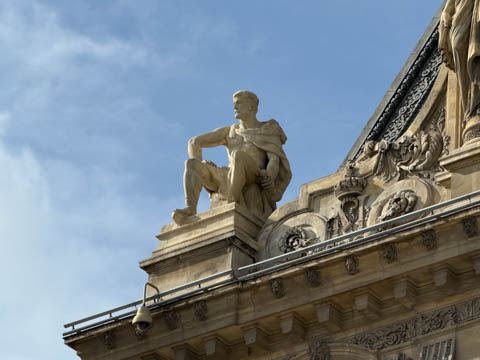
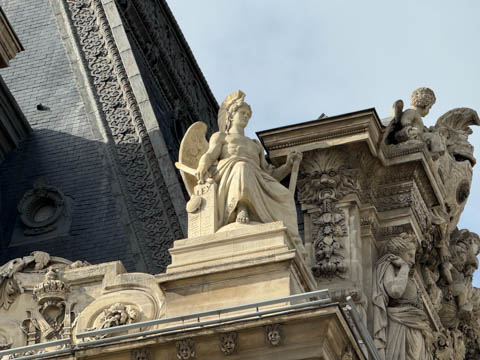
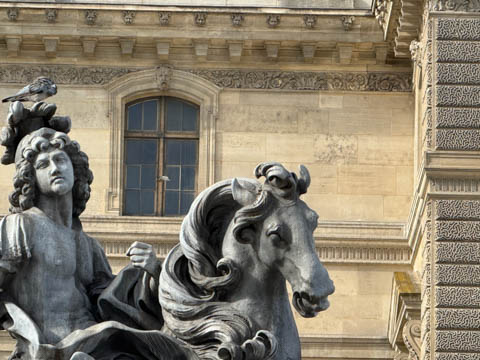
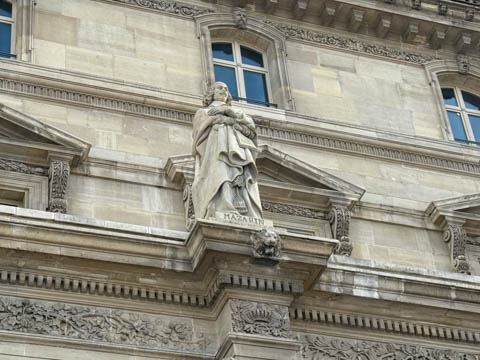
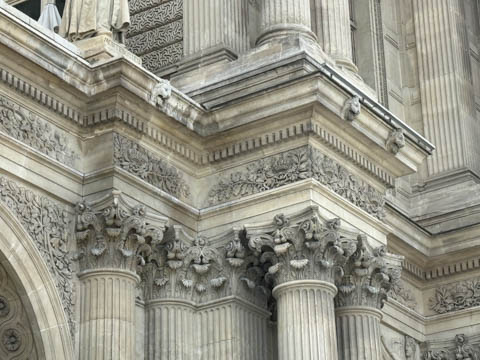
Such a stunning building, which seems a bit obvious considering it was the Royal Palace.
We made our way under an arch to go along the north side of the palace.
Just to the north of the Louvre is the Temple Protestant de l'Oratoire du Louvre (Protestant church of the Oratory of the Louvre).
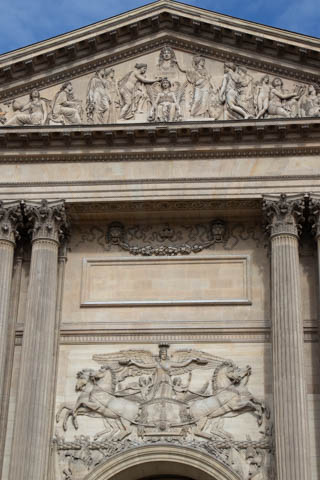
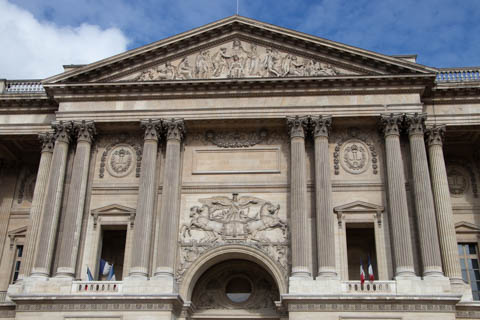
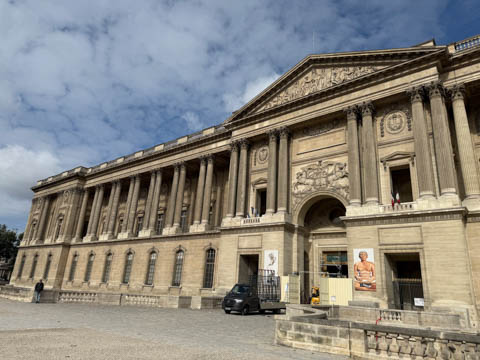
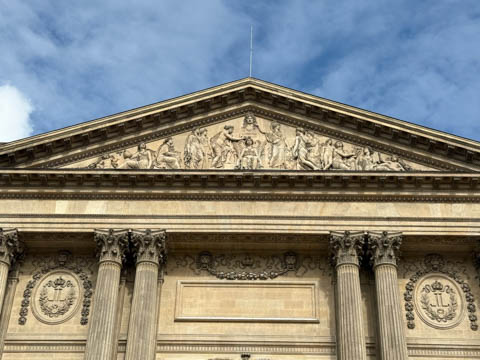
Here is the eastern facade of the Louvre.
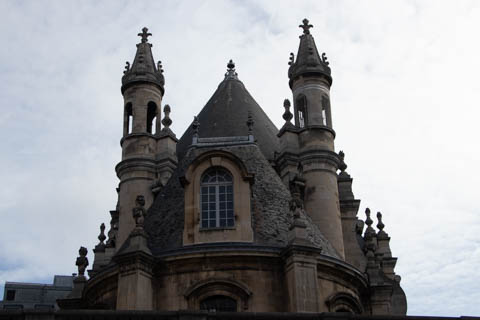
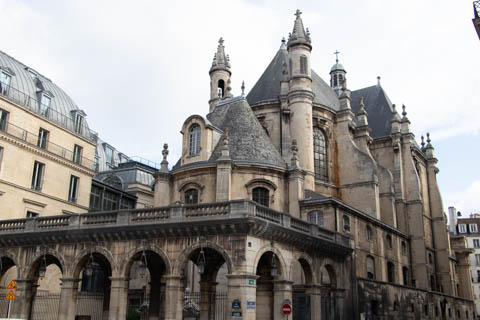
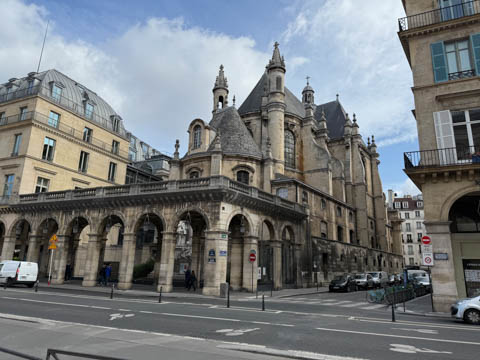
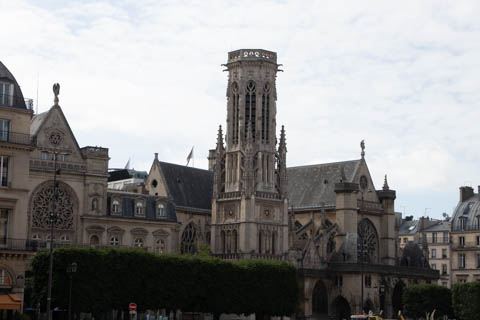
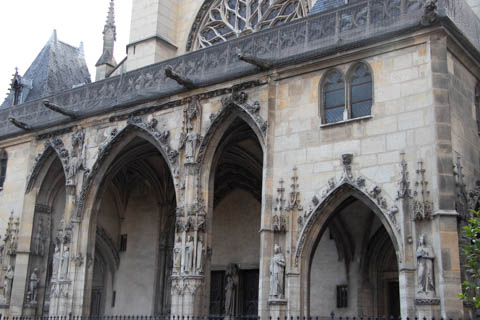
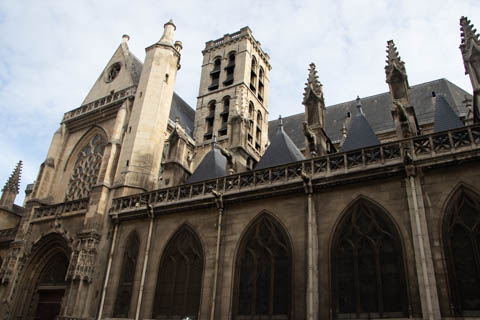
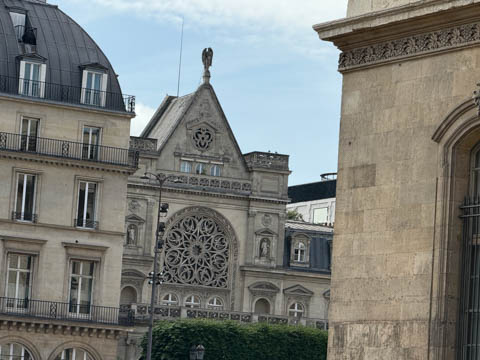
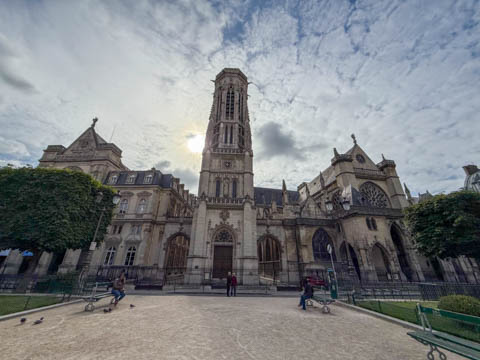
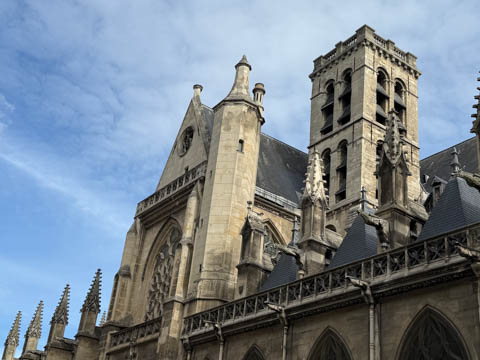
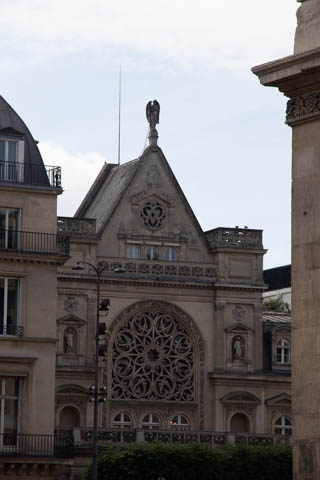
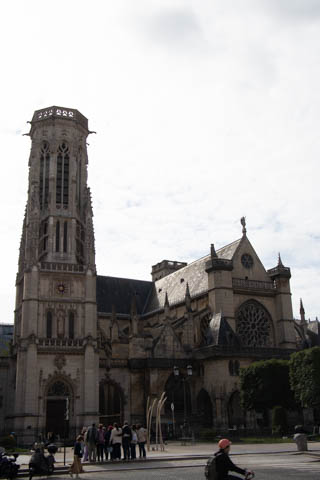
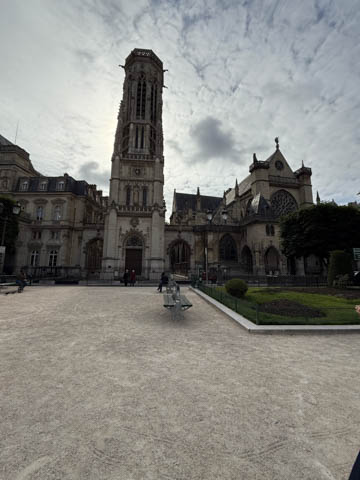
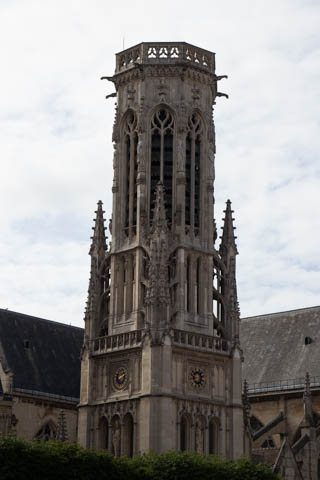
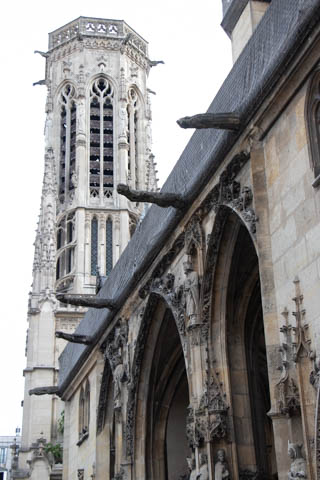
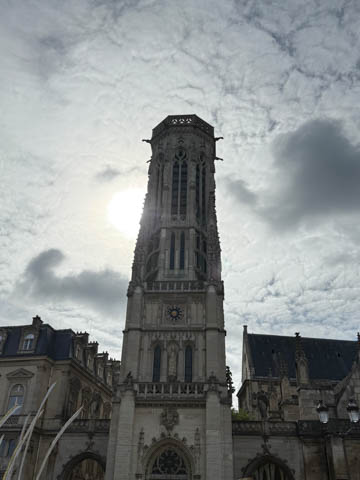
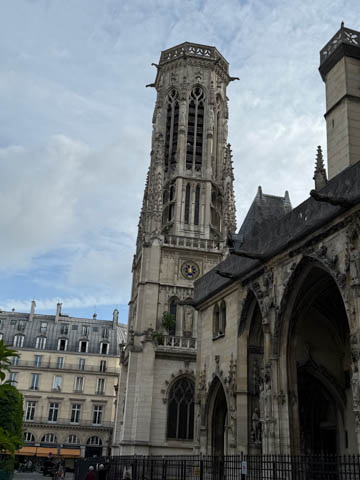
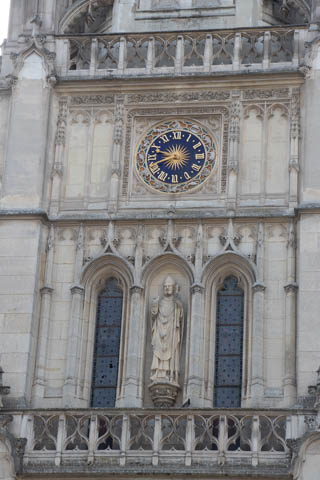
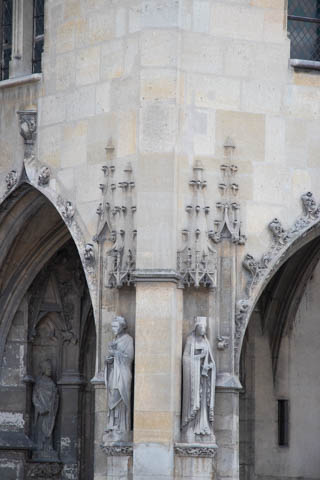
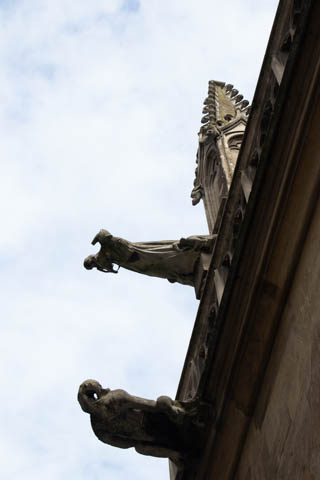
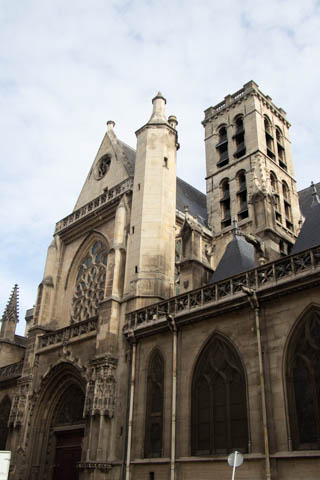
Once we reached the east side of the Louvre, we headed across the street to the the City-Hall of the 1st arrondissement (on the left) and the Saint-Germain l'Auxerrois (on the right) which has some similar architectural features. This medieval church was built in the 13th century, with major modifications in the 15th and 16th centuries. The current structure is largely from the 15th century. The exterior of the church blends elements of Romanesque, Rayonnant, Flamboyant Gothic, and Renaissance architecture. From 1608 until 1806, it was the parish church for inhabitants of the Louvre, and the church contains the tombs of many notable artists and architects who worked on the palace. During the Wars of Religion, its bell, "Marie," was rung on the night of 23 August 1572, which signaled the beginning of the St. Bartholomew's Day massacre. Thousands of Huguenots, who were visiting Paris for a royal wedding, were killed by the city's mob. During the French Revolution, the church was closed, pillaged, and converted into a barn for storing feed for animals, a printing shop, and a gunpowder factory at various times. Some of the original stained glass still remains, despite the revolutionary vandalism. More recently, it is also where services from the nearby Notre-Dame were moved after the recent fire and during the ensuing reconstruction.
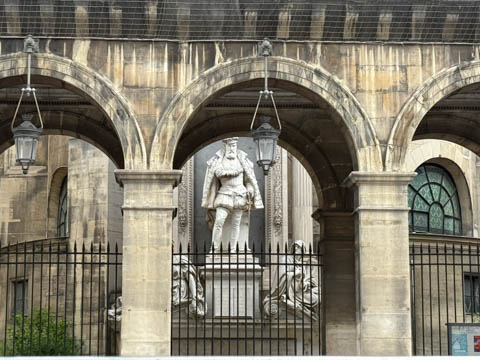
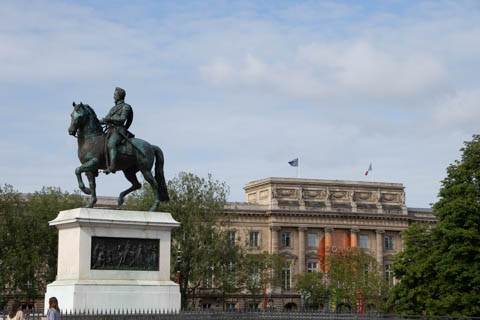
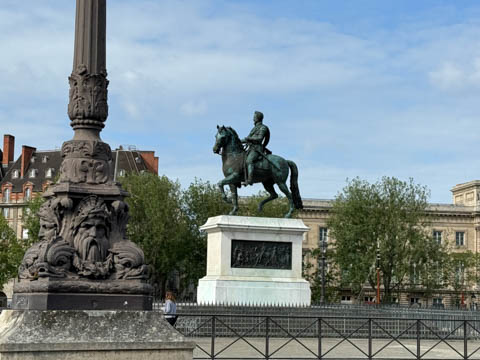
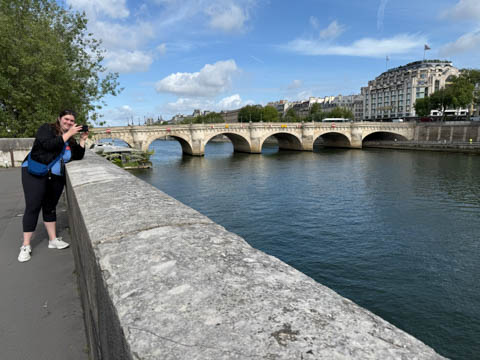
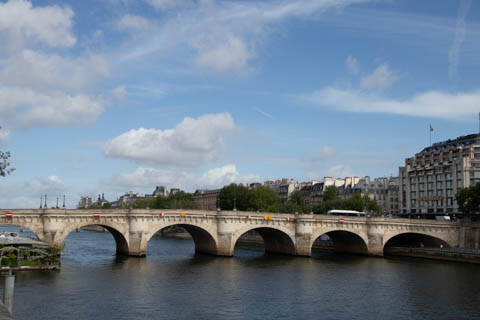
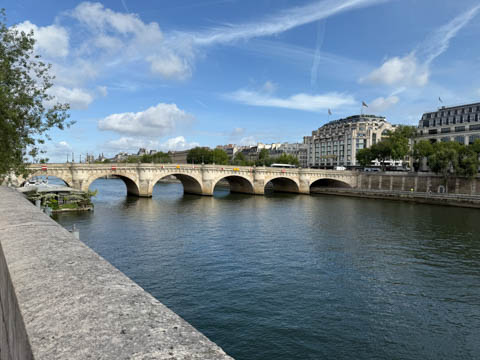
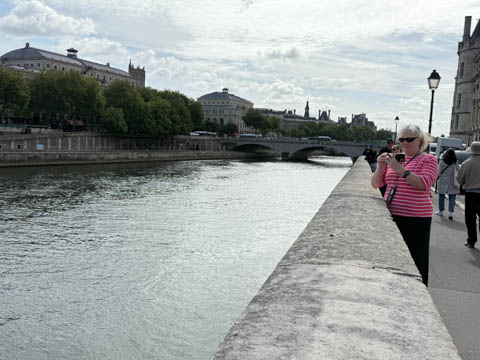
From there, we made our way along the Seine to the Pont Neuf (New Bridge - named when built to distinguish it from the other bridges which were lined with houses and buildings, and now the oldest bridge over the Seine in Paris) and over to the Ile de la Cite, with an equestrian statue of Henry IV on the point of the island and the Palais de Cite to the left.
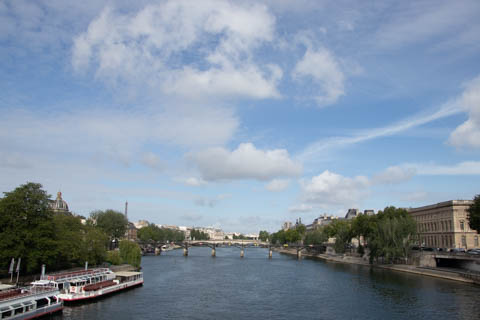
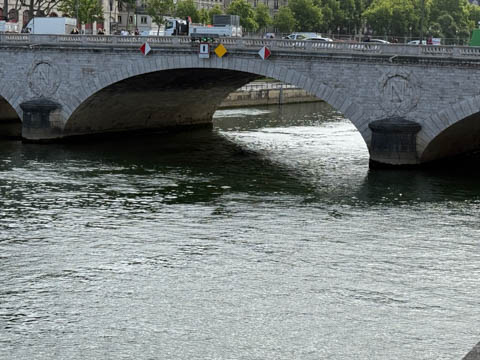
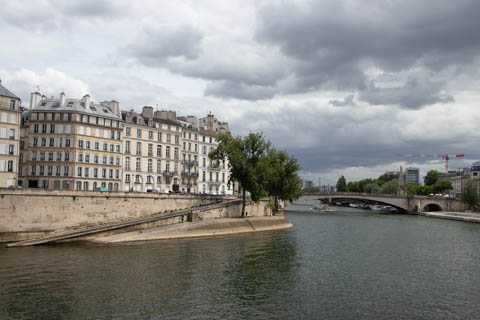
Here is a view looking back at Pont Neuf and up river at the Pont au Change.
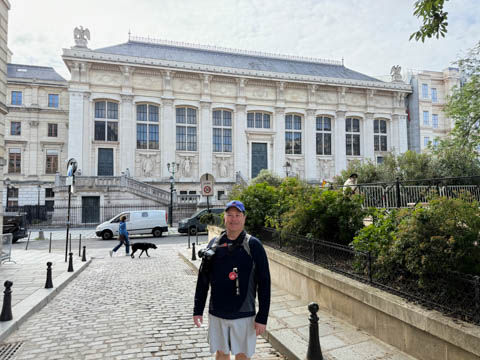
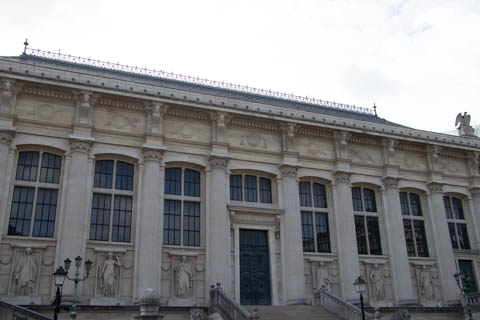
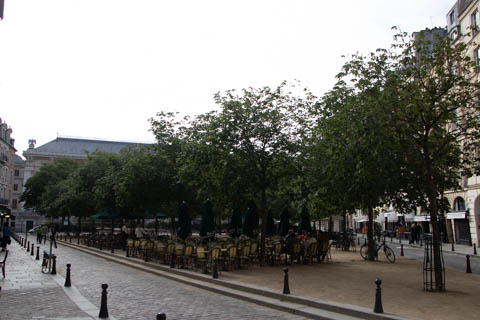
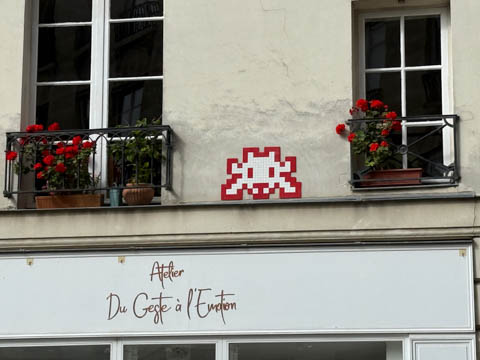
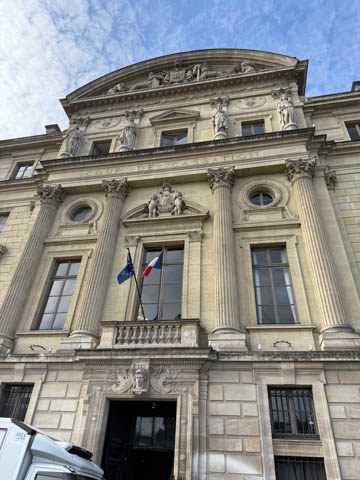
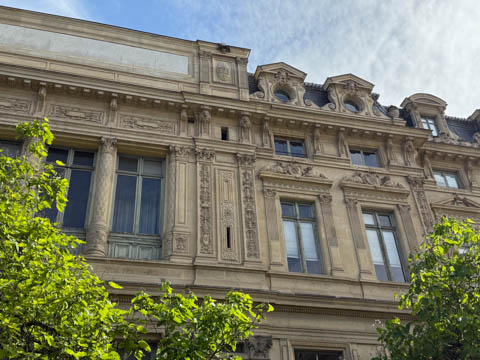
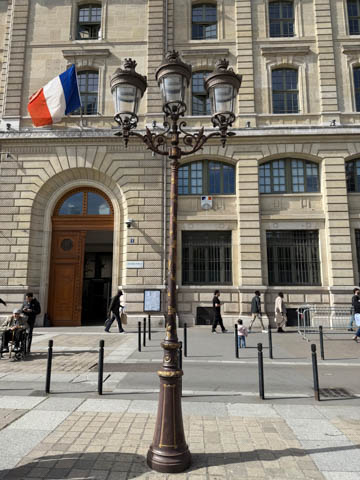
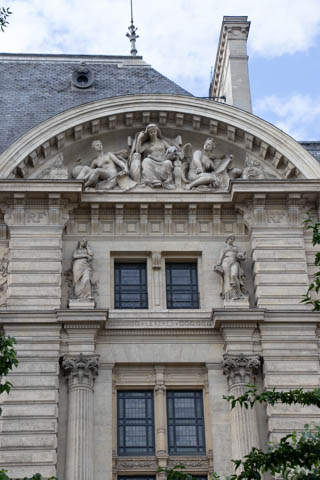
This newer building (relatively newer, or at least recently cleaned) is the District Court at the end of the Place Dauphin. Our guide pointed out the space invader graffiti above one of the restaurants on the square. She explained this was street art from the artist called Invader, whose identity is unknown. The artist is known to be a graduate of a Parisian École des Beaux-Arts and began making mosaics in Paris in the 1990s. As of January 2020, Invader had created mosaics in 79 cities, with 3,858 Space Invaders comprising over 1.5 million ceramic tiles, and had published 24 "invasion maps." Invader sees himself as a "hacker" of public space spreading a mosaic "virus". He believes that museums and galleries are not accessible to everyone, and so installs his work at street level for ordinary people to enjoy on a daily basis. The sites for his mosaics are often chosen for their visibility, local interest and symbolism. No two pieces are alike, and themes now include Star Wars and several classic comics. Each "invasion" usually takes around two or three weeks, with the actual installations taking at least a week. More recently, Invader has adopted strategies to avoid the removal of his works. Since the 2010s, when his works became highly sought-after by art collectors and theft became a real concern, he has begun to choose sites that are more difficult to reach and to create larger works with more delicate tiles that cannot be removed without damaging the piece. He has also taken steps against legal action; in late 2015, while planning another "invasion" in New York City, he put out a call on social media for building owners who would be willing to host his mosaics legally. We kept our eyes open and spotted several more pieces around Paris during the couple days we had left in the city.
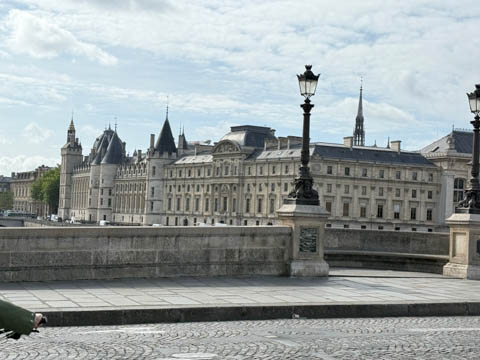
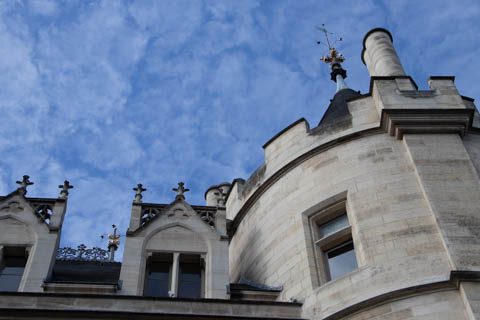
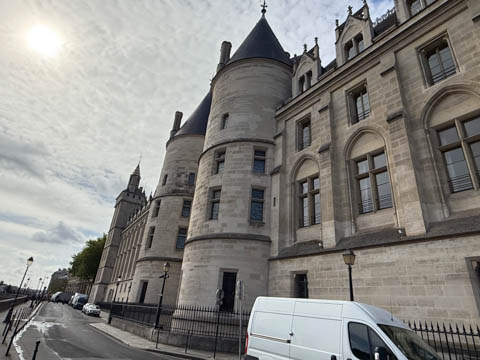
We turned back to the Seine to pass the Supreme Court building and the Palais de la Cite. Clovis, the king of the Franks and first King of a united France, lived in the Palais de la Cité from 508 until his death in 511. Afterward it was an occasional residence of the Kings of France from the early 6th to the 12th century and a permanent one from the late 12th to the 14th century, and has been the center of the French justice system ever since, for which it is also referred to as the Palais de Justice. During the Revolution it served as a courthouse and prison, where Marie Antoinette and other prisoners were held and tried by the Revolutionary Tribunal.
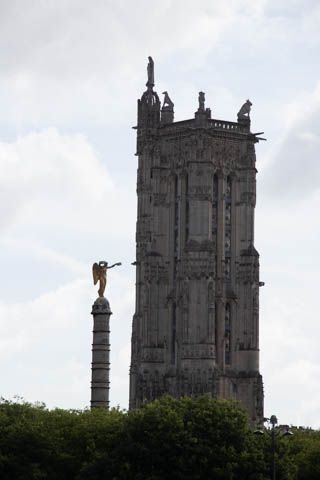
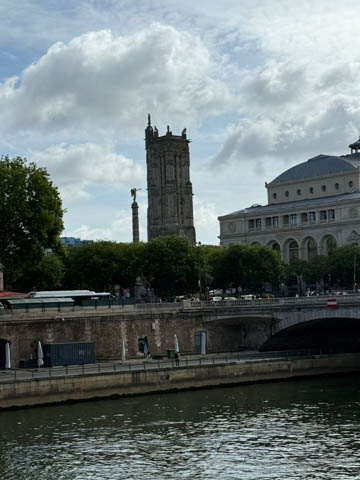
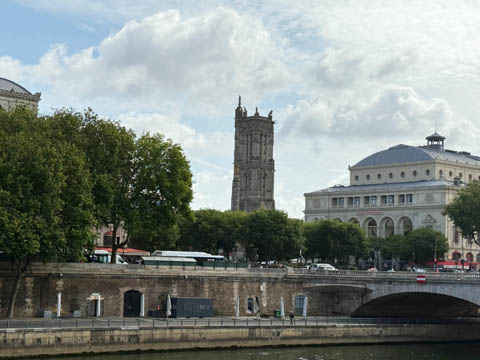
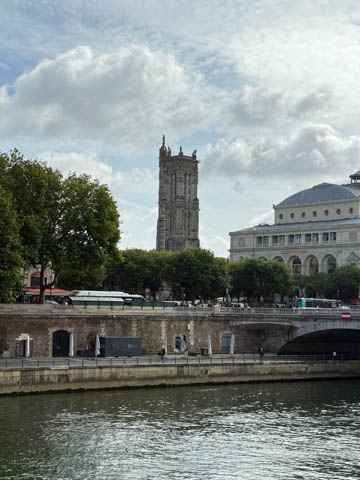
Across the Seine to the north, we could see Tour Saint-Jacques, the only remaining part of a 16th century church which was destroyed during the Revolution.
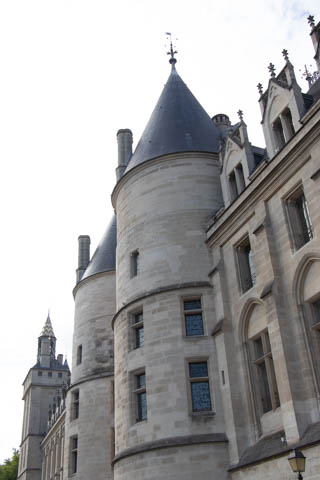
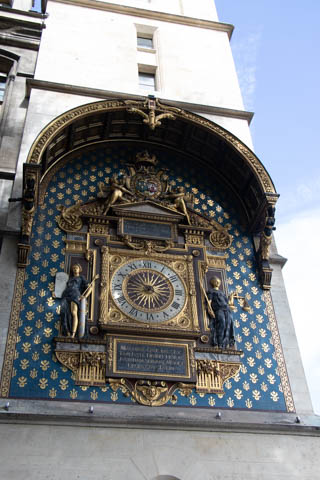
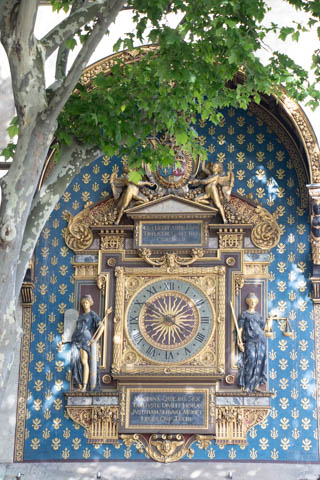
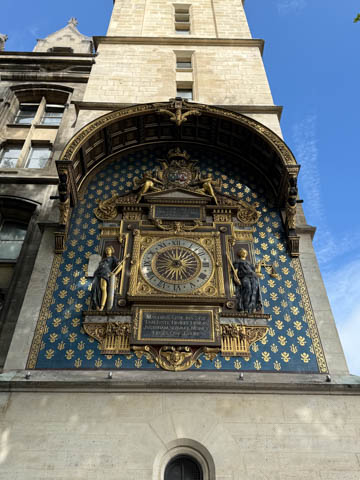
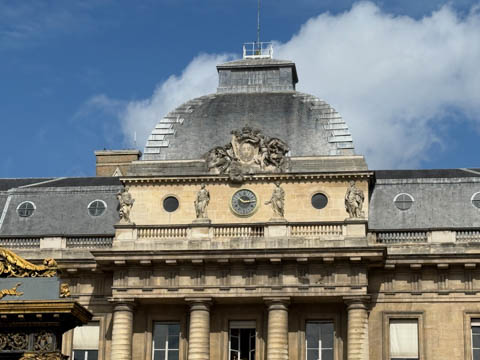
At the northeastern corner of the Palais de la Cite stands the 47-meter tall Tour de l'Horloge ("Clock Tower") built around 1353 under King John II. At the top of the tower was a bell, the tocsin du palais ("alarm bell of the palace"), which rang for several days to announce major dynastic events such as the death of kings and birth of firstborn royal sons, and also rang the signal of the Saint Bartholomew's Day Massacre in 1572; it was removed and melted down in 1792 and replaced in 1848. On the Boulevard's side it is decorated with the namesake monumental clock, which was the first public clock in Paris, made by Henri de Vic [fr] in 1370-1371. The clock was redecorated in 1585-1586 and restored several times since then, most heavy-handedly in 1849-1852 following heavy damage during the French Revolution, and again in 1909, 1952, and most recently in 2012. It bears two monumental inscriptions in Latin: at the top, QVI DEDIT ANTE DVAS TRIPLICEM DABIT ILLE CORONAM ("He [God] Who already gave [King Henry III] two crowns [of Poland in 1573 and France in 1574] will give [him] a [heavenly] third one"); at the bottom, MACHINA QVÆ BIS SEX TAM JVSTE DIVIDIT HORAS JVSTITIAM SERVARE MONET LEGES QVE TVERI ("This machine that so justly divides twelve hours teaches to maintain Justice and to watch over the laws").
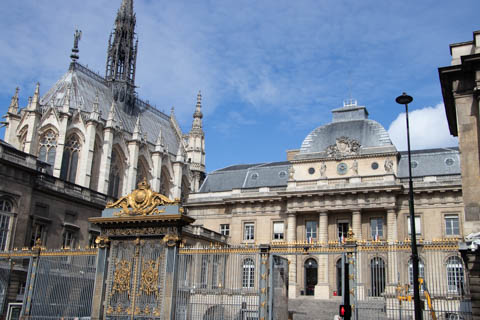
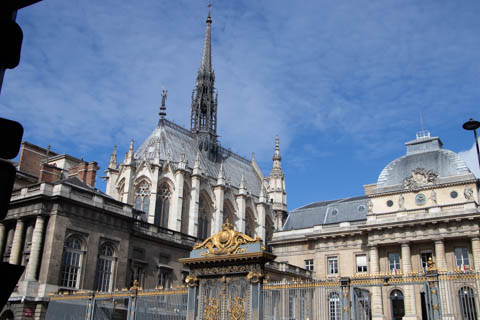
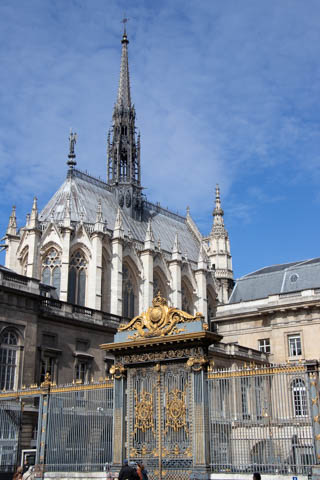
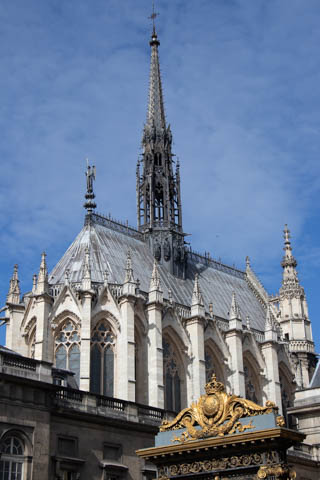
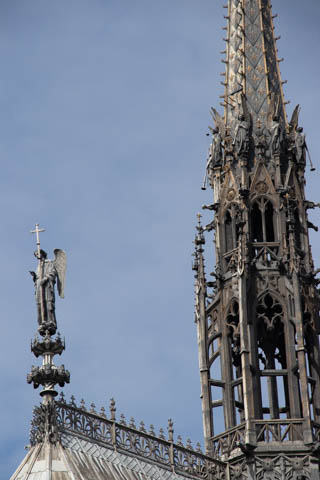
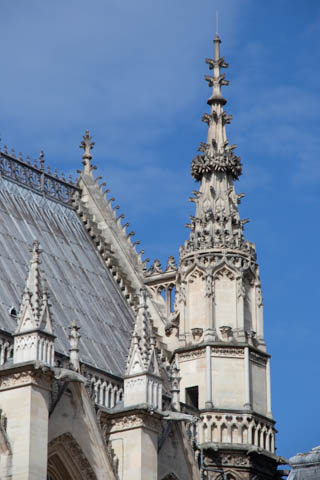
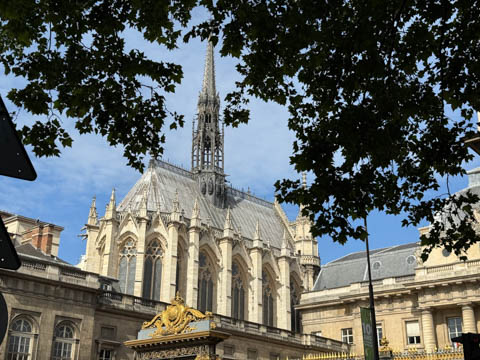
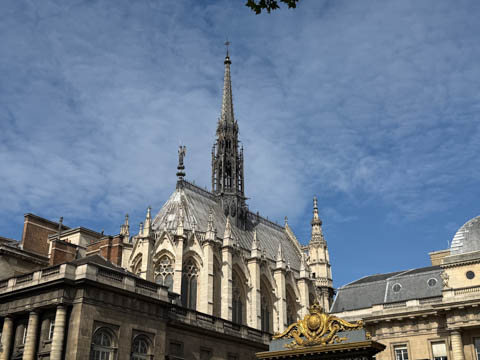
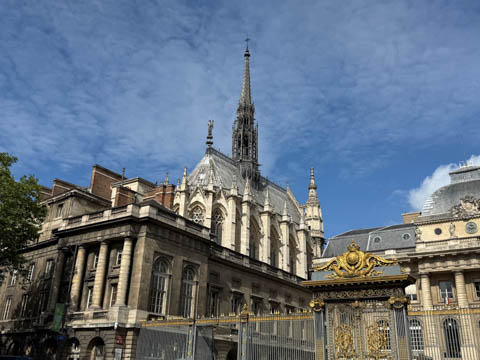
Around the corner, is the main entrance to the palace and the main open space, the Cour du Mai. The courtyard is accessible through a fortified gate in an ornate iron fence (1787, repaired in 1877). The current façades of the Cour du Mai date from the 1780s following the devastating fire of 1776. The main (western) front features a monumental stairway (the former grands degrés or Perron du Roi) leading to a square-domed building. It now houses the Palais de Justice de Paris. To the left of the square and behind the buildings rises Sainte-Chapelle, the royal chapel.
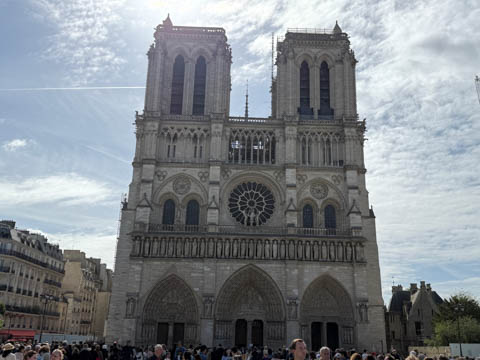
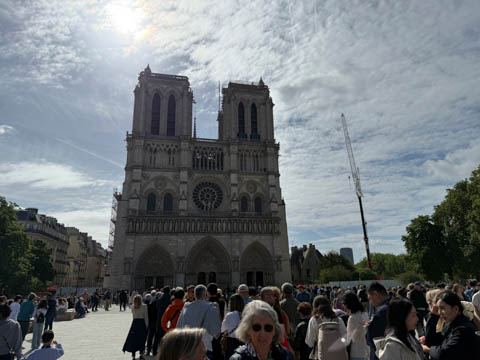
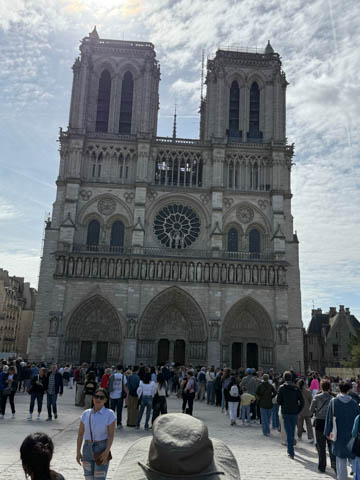
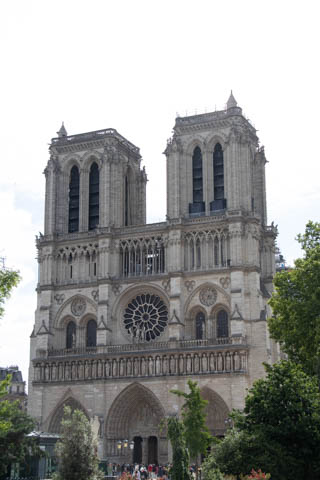
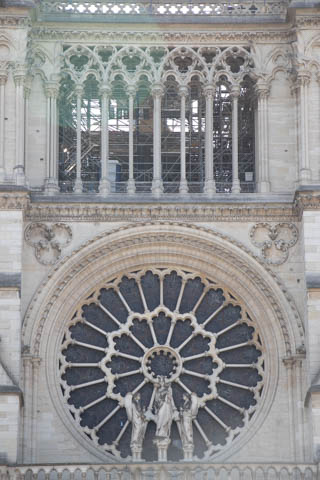
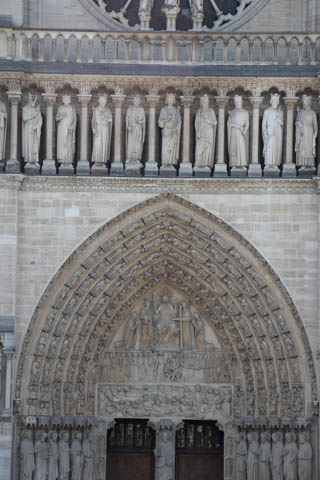
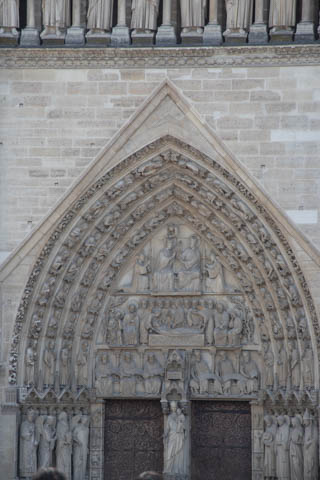
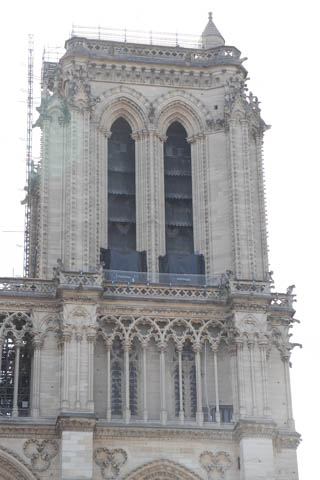
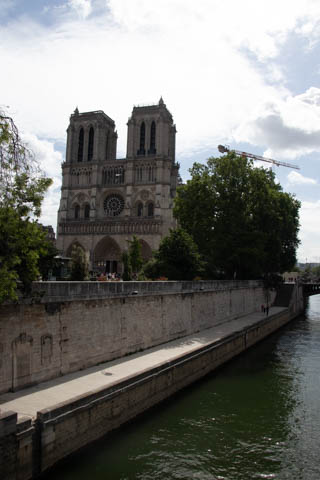
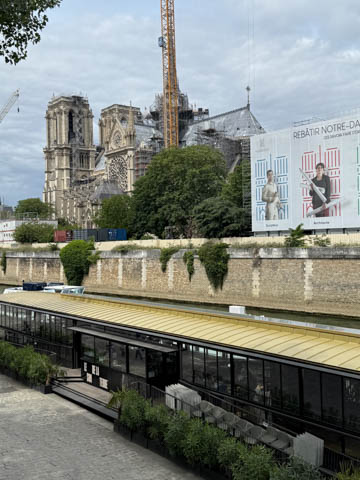
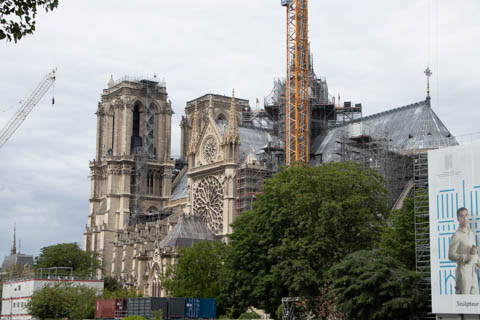
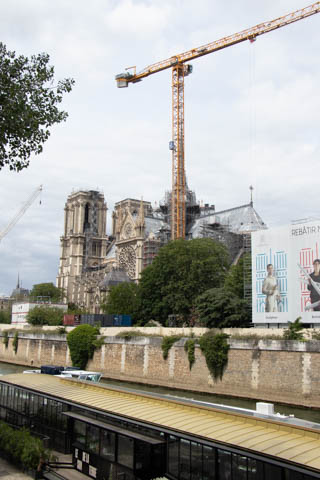
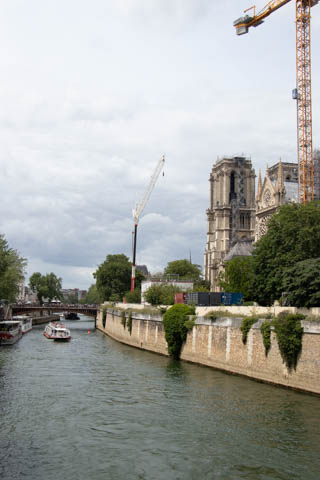
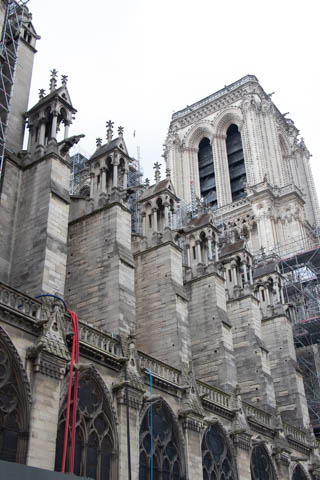
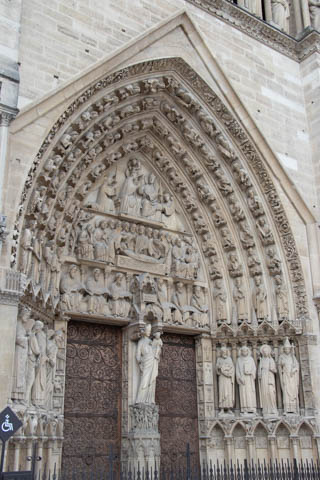
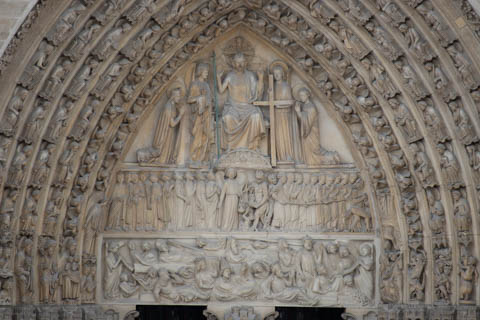
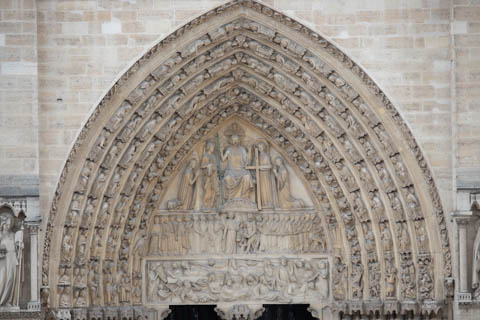
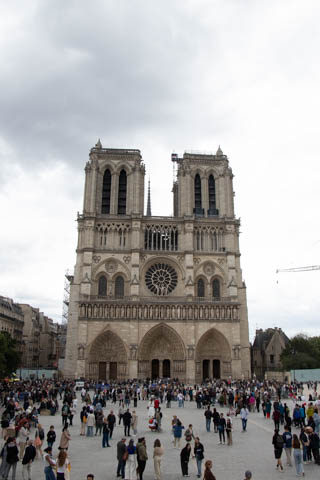
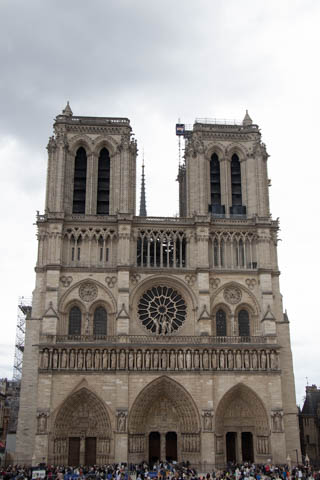
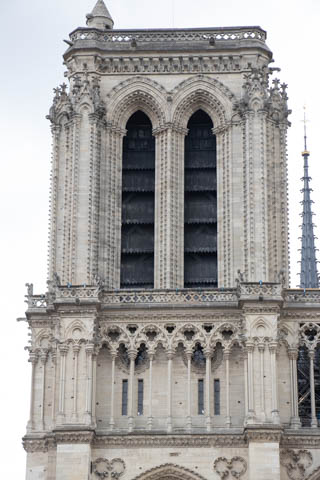
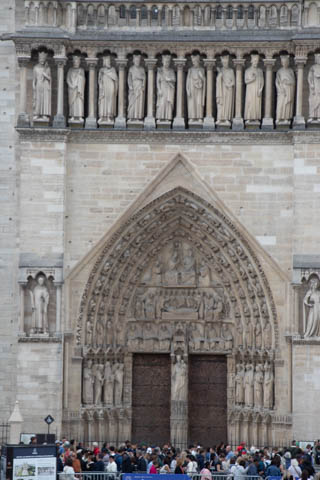
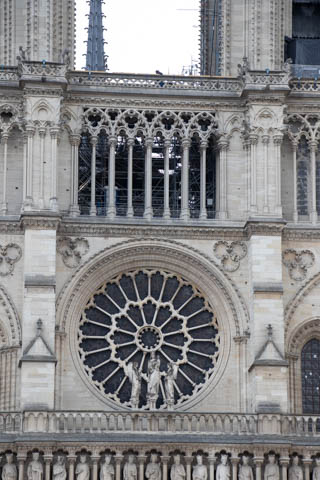
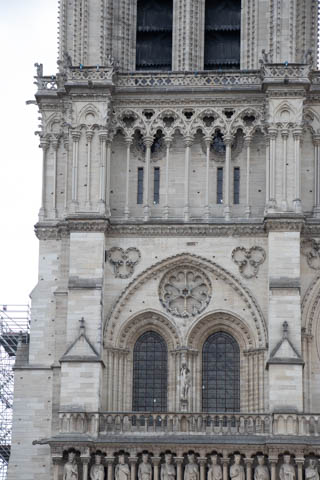
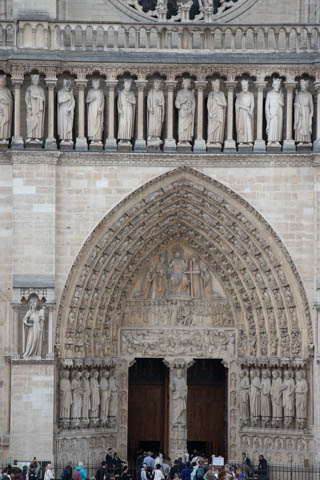
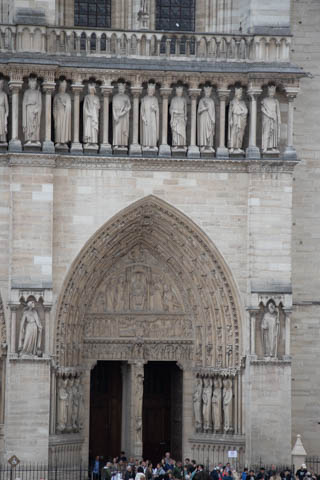
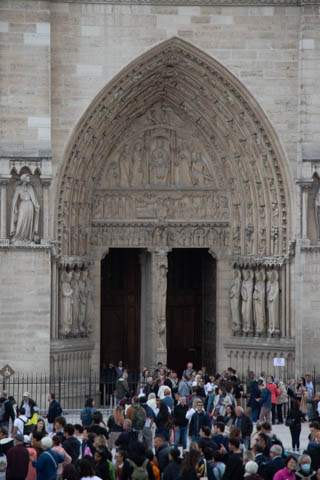
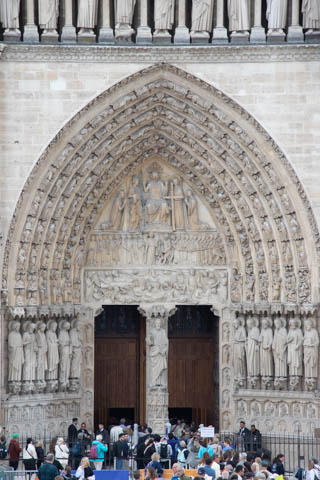
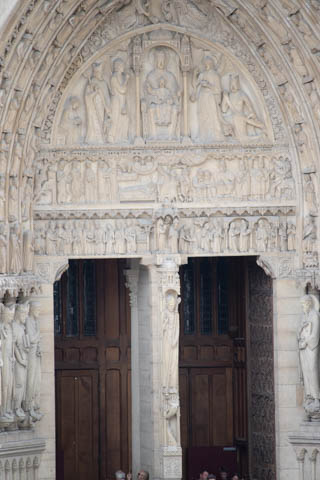
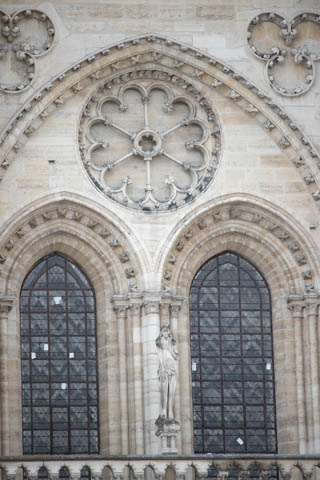
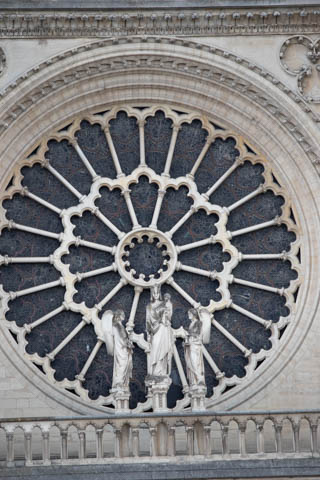
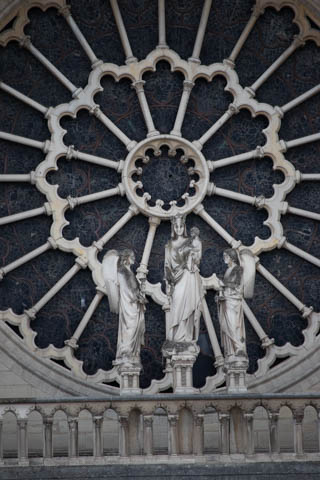
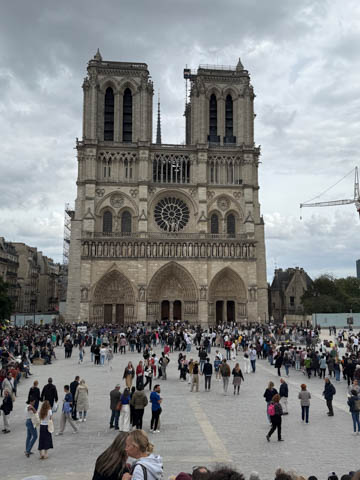
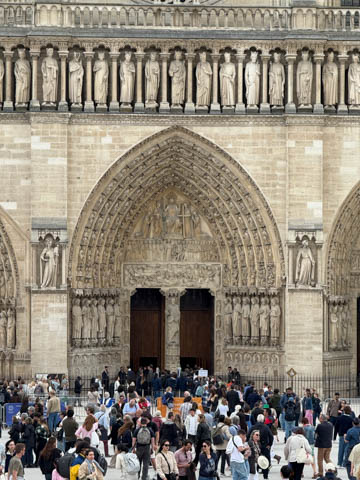
Just to the east id the Cathedral Notre-Dame de Paris.
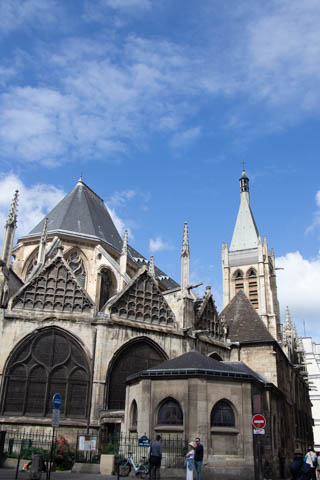
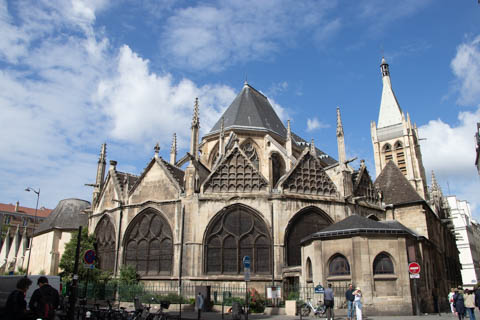
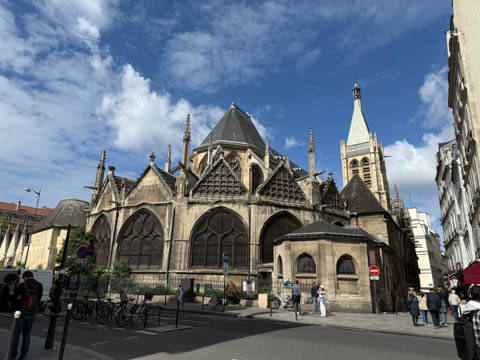
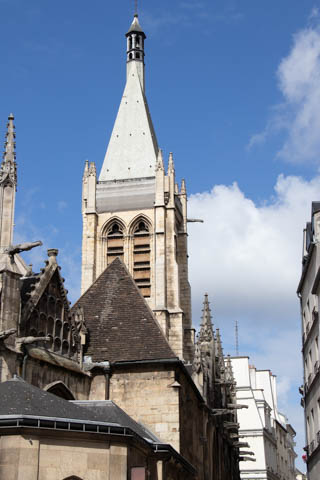
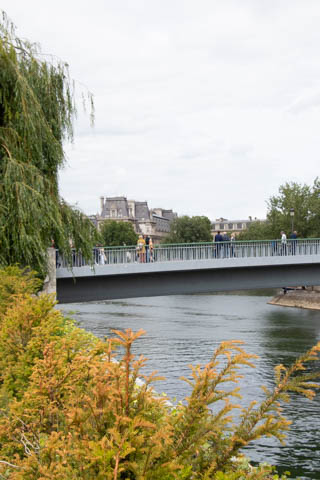
We reluctantly pulled ourselves away and continued across another bridge to the right bank, where we soon found the Église Saint-Séverin. It was constructed beginning in 1230, then, after a fire, rebuilt and enlarged in the 15th to 17th centuries in the Flamboyant Gothic style. It was the parish church for students at the University of Paris, and is one of the oldest churches that remains standing on the Left Bank.
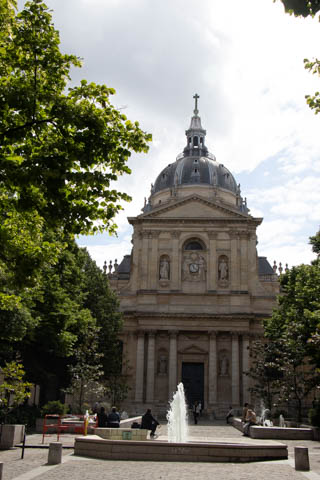
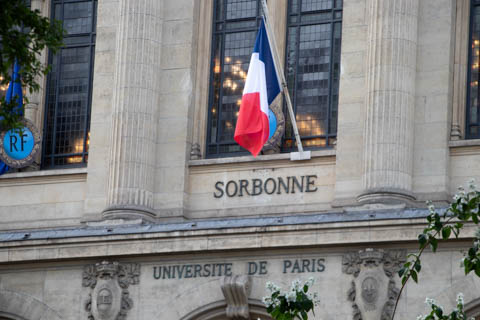
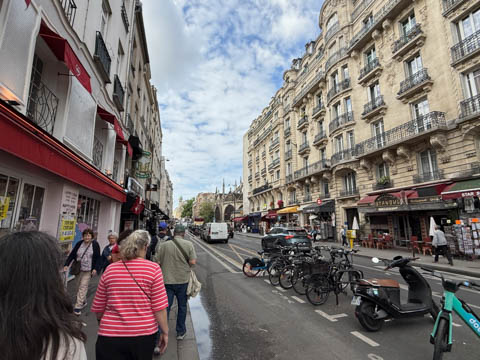
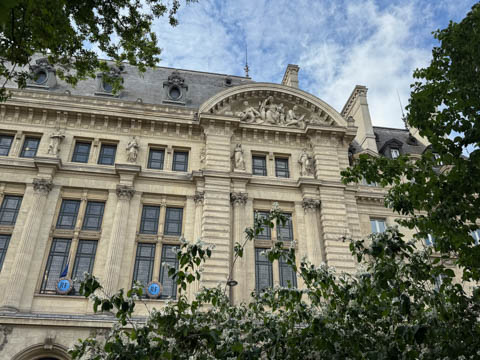
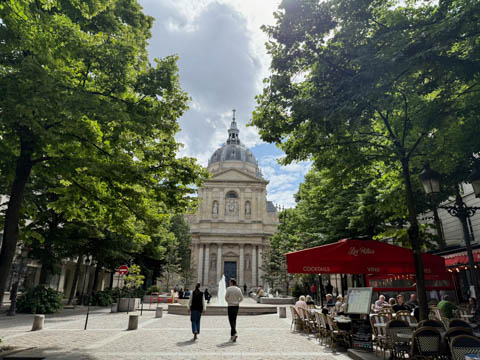
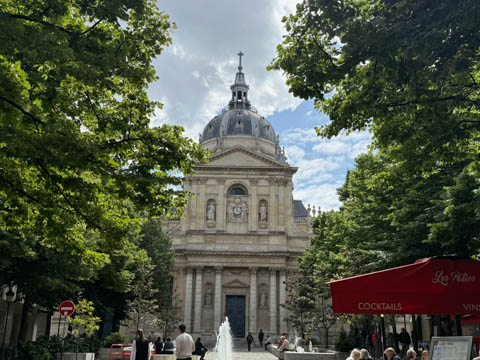
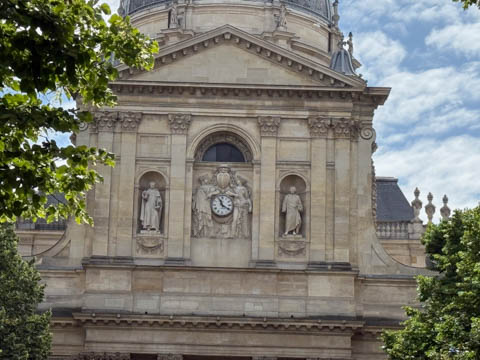
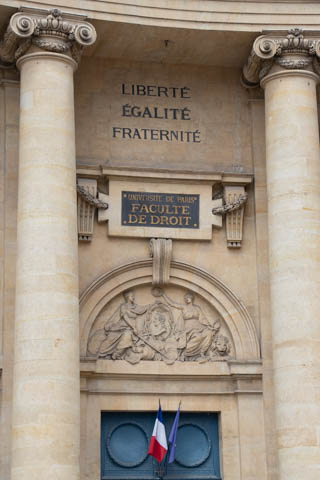
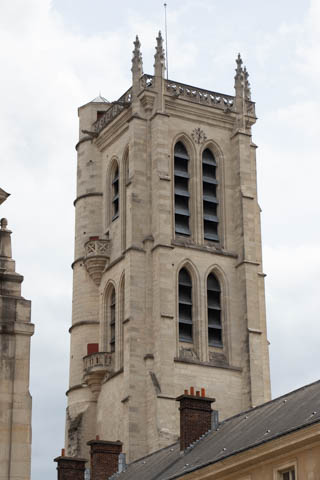
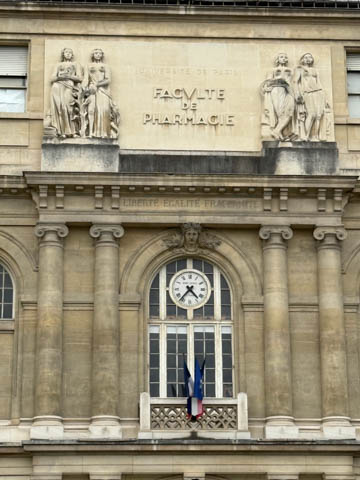
Our guided walking tour ended soon after. We decided to skip the bus back to the ship and instead made our way up the hill through the 5th arrondissement to the Jardin du Luxembourg. Along the way we past the University of Paris (the Sorbonne), founded in 1253 and one of the first universities in the Western world.
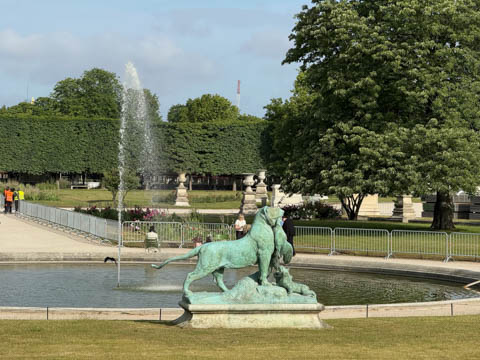
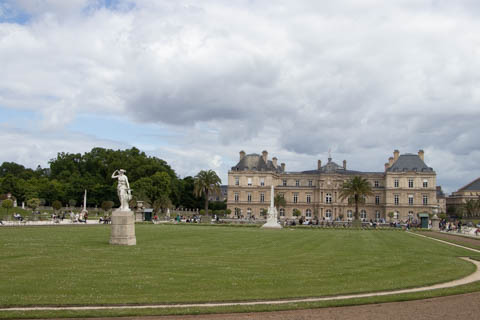
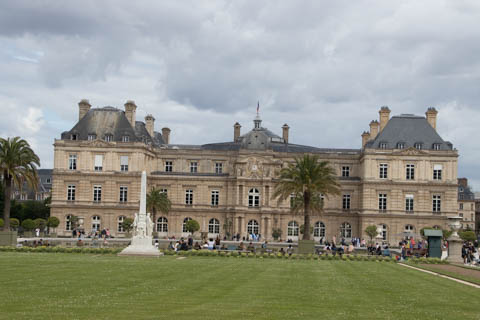
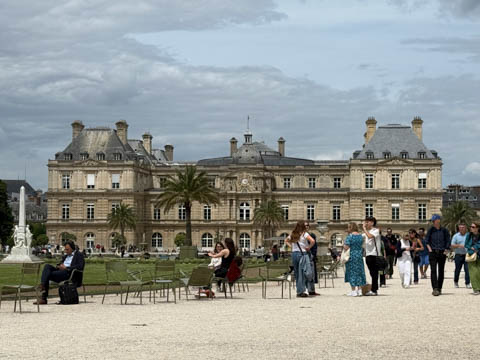
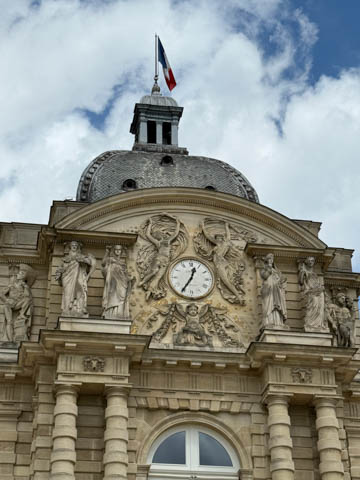
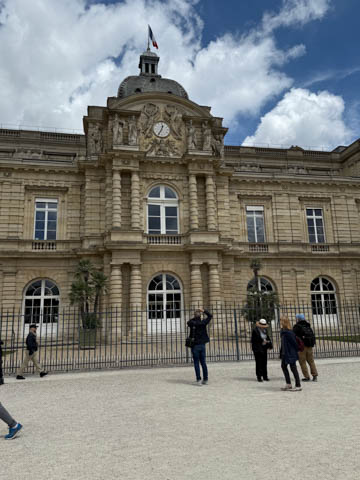
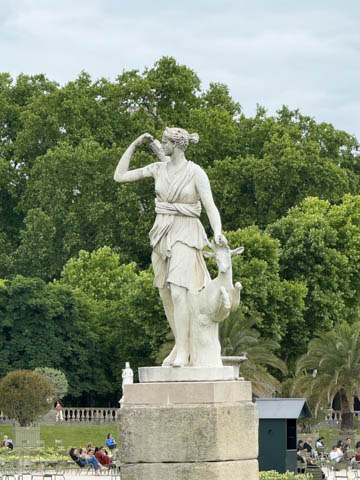
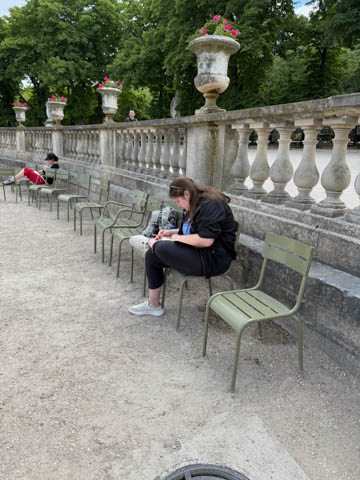
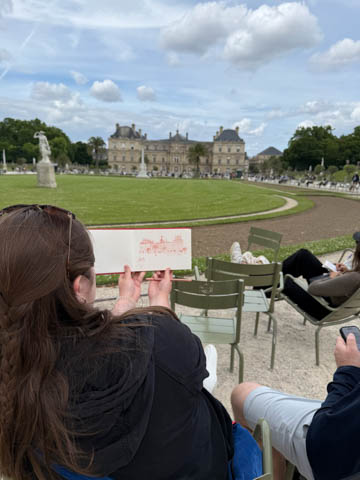
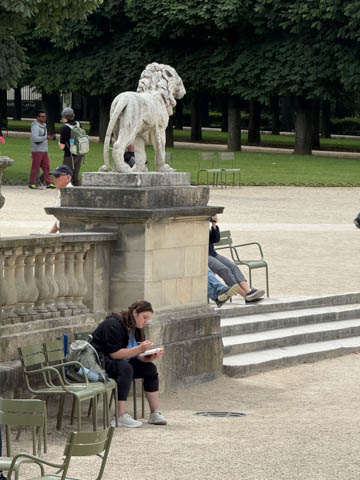
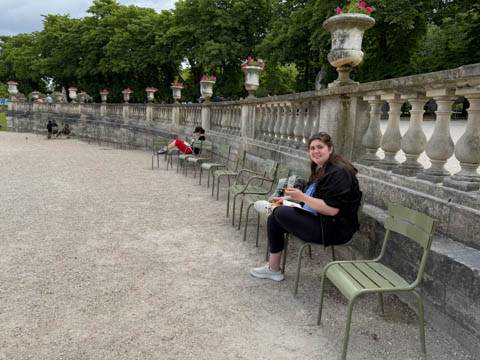
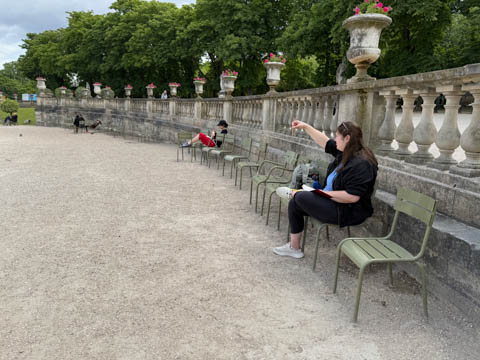
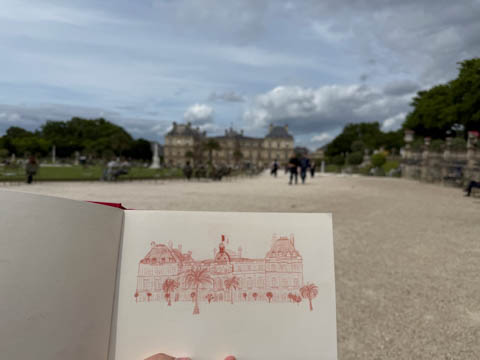
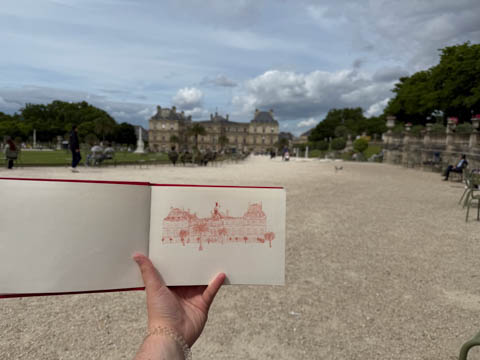
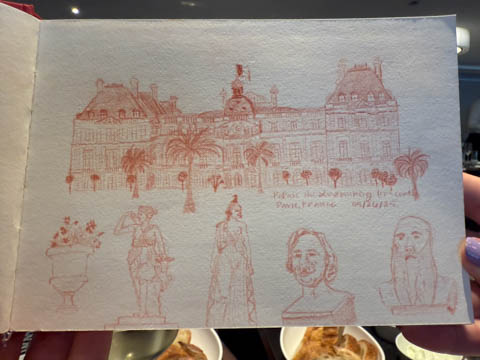
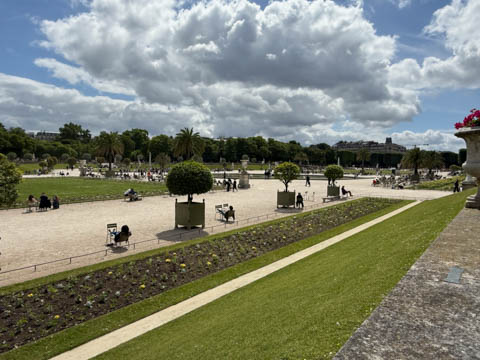
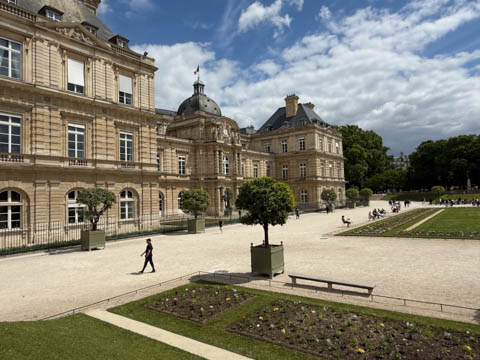
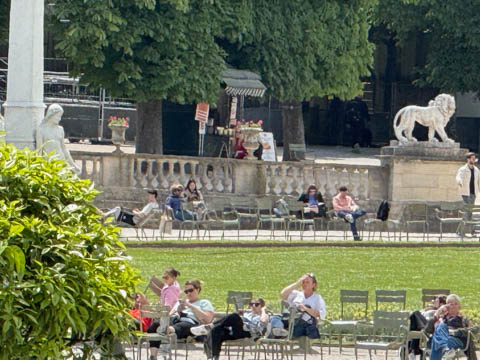
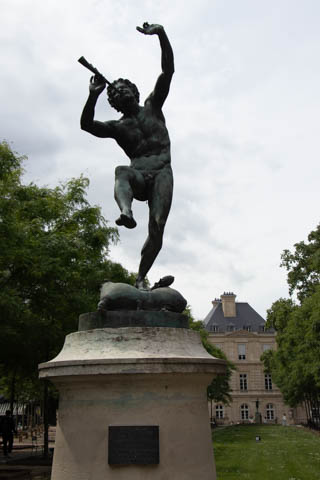
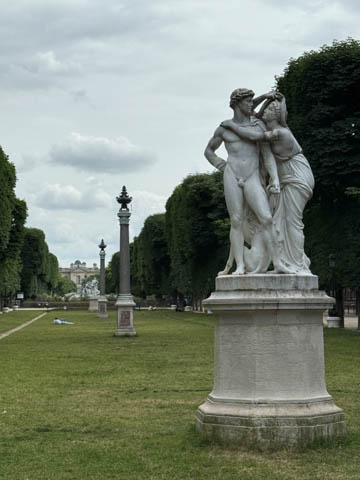
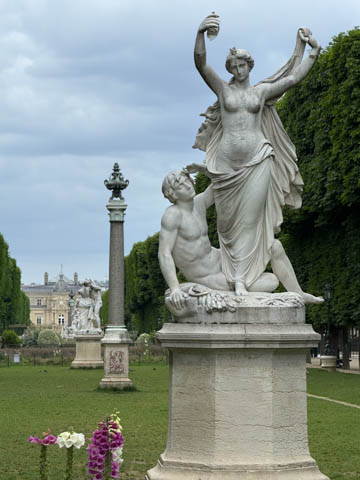
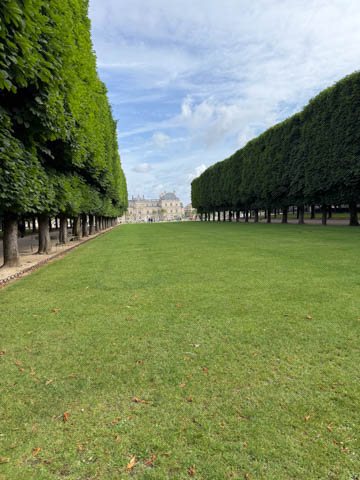
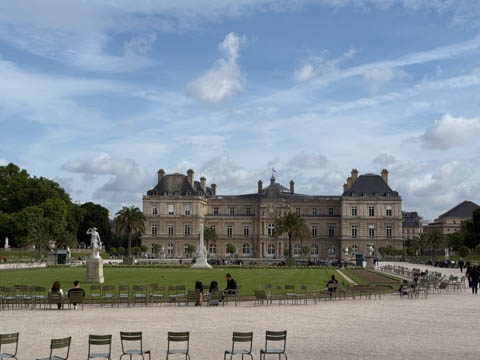
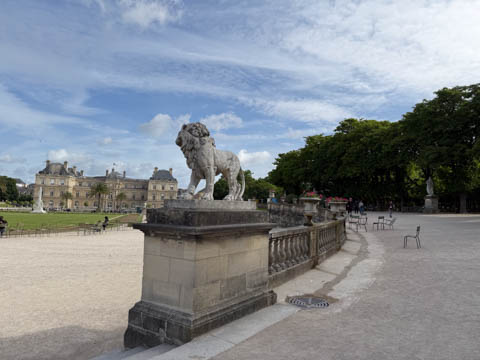
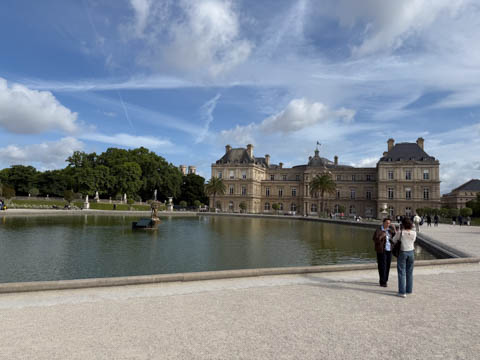
Alexa quickly found a spot to site and sketch in the Jardin du Luxembourg. We wandered around a bit and were soon enchanted with this place. It was easily one of the nicest and most diverse public gardens we've ever seen, and to find this in such an urban setting was amazing. The palace and accompanying gardens were created in 1612 when Marie de' Medici constructed the Luxembourg Palace as her new residence. Marie was Queen of France and Navarre as the second wife of King Henry IV. She served as regent of France between 1610 and 1617 during the minority of her son Louis XIII. Her mandate as regent legally expired in 1614, when her son reached the age of majority, but she refused to resign and continued as regent until she was removed by a coup in 1617. She was a member of the powerful House of Medici in the branch of the grand dukes of Tuscany. The garden today is owned by the French Senate, which meets in the palace. The garden covers 23 hectares (56.8 acres) and is known for its lawns, tree-lined promenades, tennis courts, flowerbeds, model sailboats on its octagonal Grand Bassin, as well as picturesque Medici Fountain. The name Luxembourg comes from the Latin Mons Lucotitius, the name of the hill where the garden is located. There was a small restaurant where we had lunch, two small seemingly permanent food trucks, formal gardens, informal gardens, tennis courts, basketball courts, kids play areas, a child care facility, a museum, fountains, and sculptures.
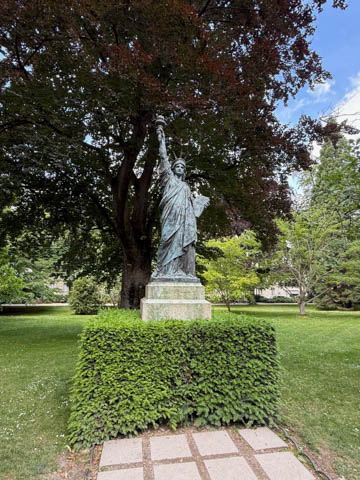
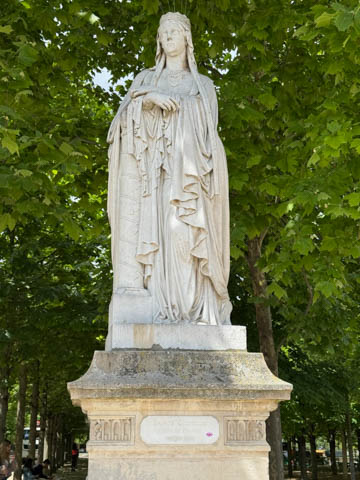
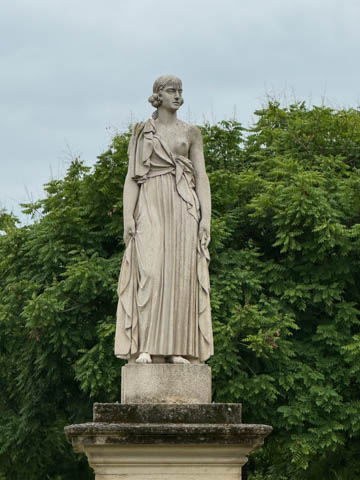
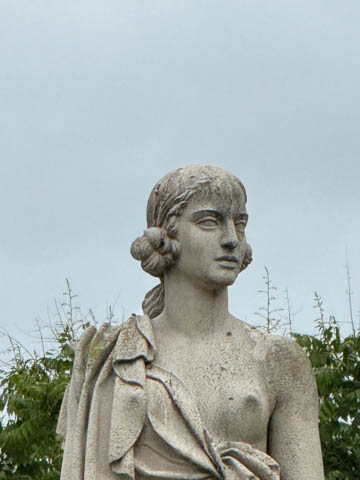
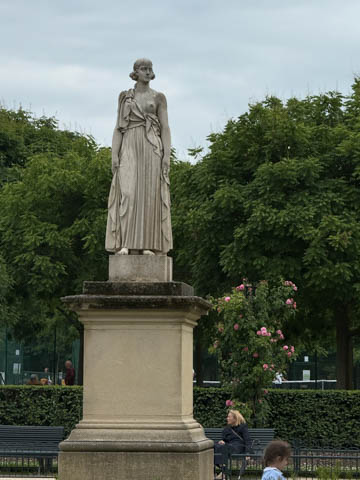
The Statue Anne de Bretagne was in the center of the plot in front of the Palais du Luxembourg.
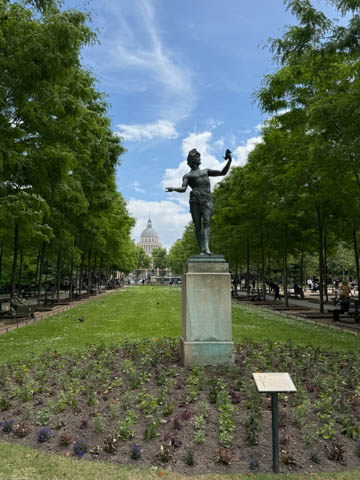
We circled back and took a picture of her from across the square.
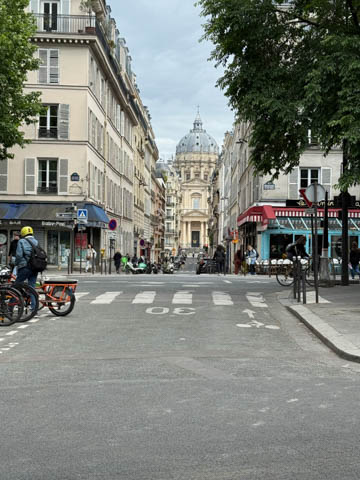
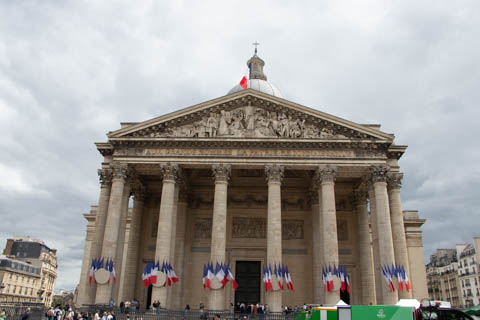
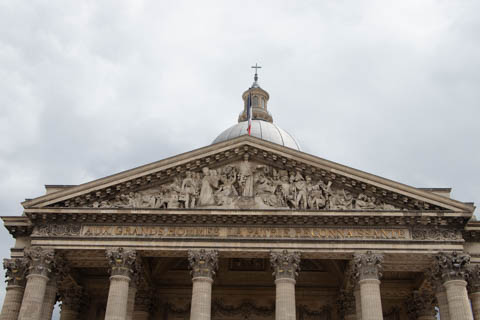
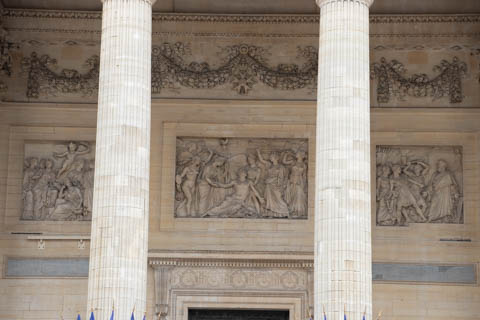
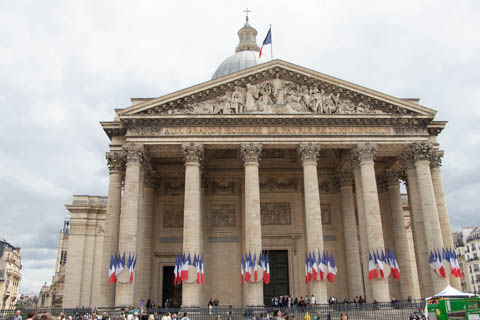
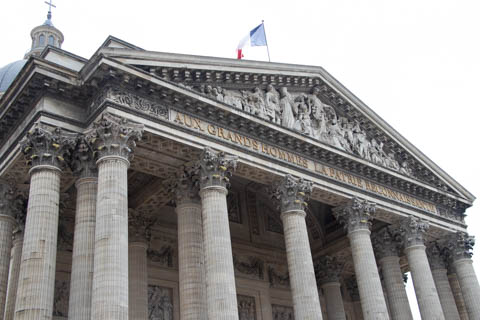
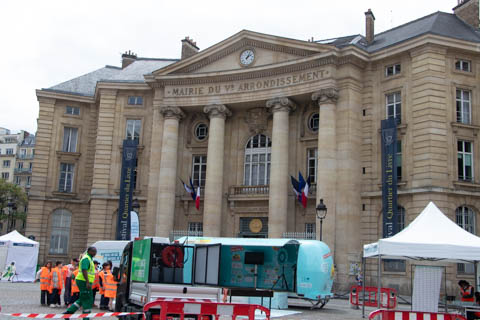
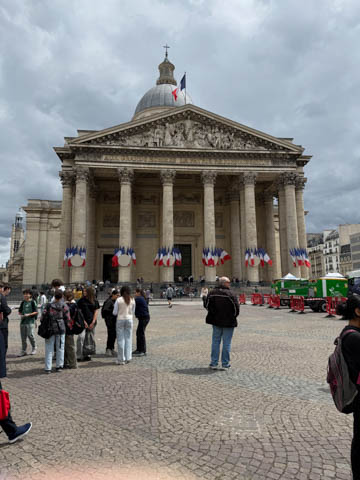
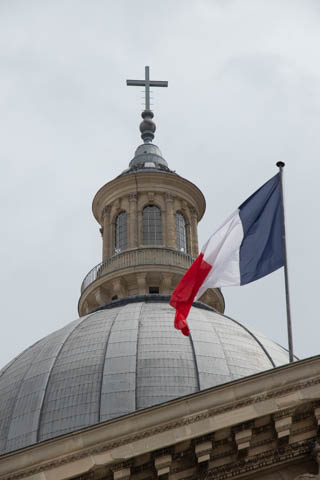
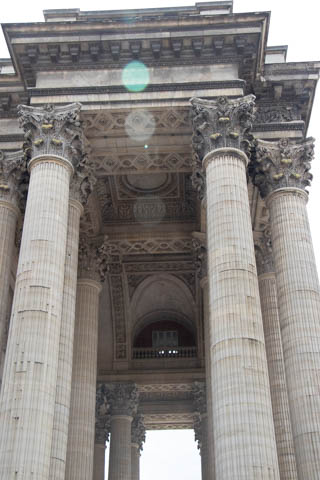
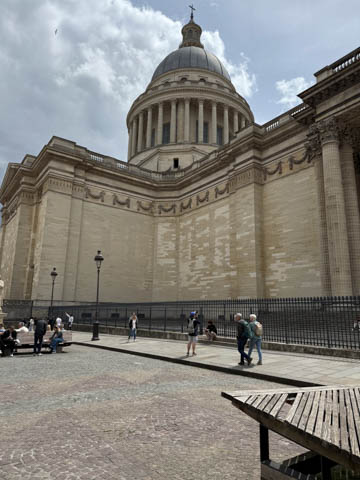
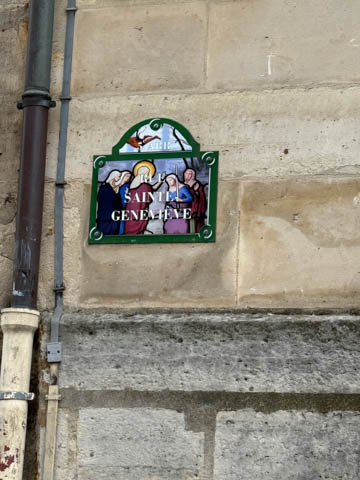
She wanted to stay awhile, so we headed back toward the Seine, stopping at several points of interest along the way. First up was the Pantheon, which was built between 1758 and 1790 at the behest of King Louis XV, who intended it as a church dedicated to Saint-Genevieve, the patron saint of Paris, whose relics were to be housed in the church. After the French Revolution, the National Constituent Assembly voted in 1791 to transform the Church of Saint Genevieve into a mausoleum for the remains of distinguished French citizens, modeled on the Pantheon in Rome which had been used in this way since the 17th century. Among those buried in its necropolis are Voltaire, Rousseau, Victor Hugo, Émile Zola, Jean Moulin, Louis Braille, Jean Jaurès and Soufflot, its architect. In 1907 Marcellin Berthelot was buried with his wife Mme Sophie Berthelot. Marie Curie was interred in 1995, the first woman interred on merit. Geneviève de Gaulle-Anthonioz and Germaine Tillion, heroines of the French resistance, were interred in 2015.
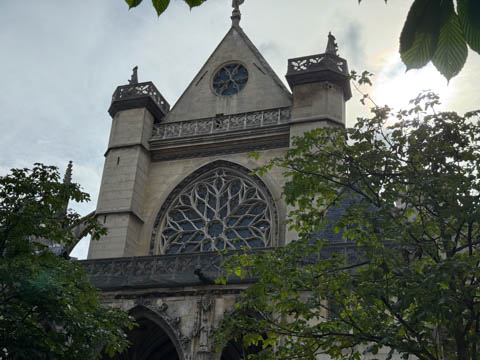
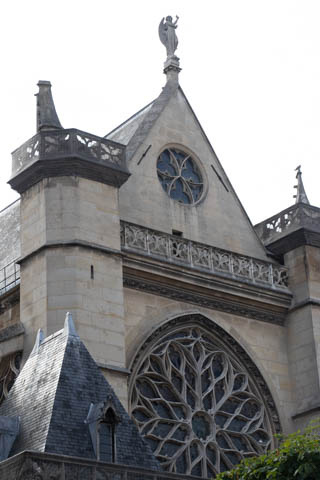
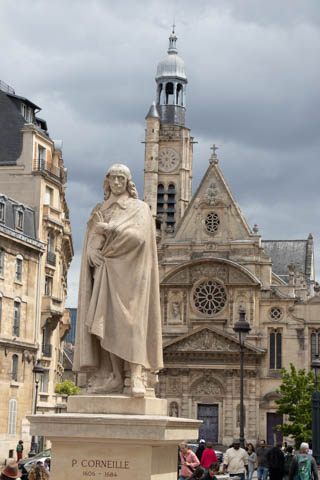
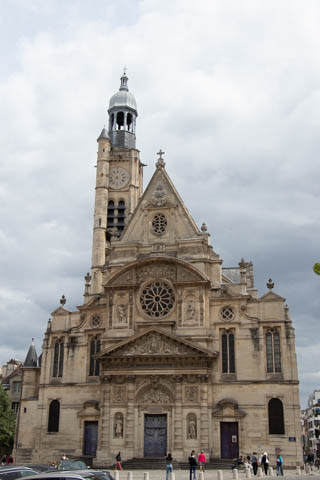
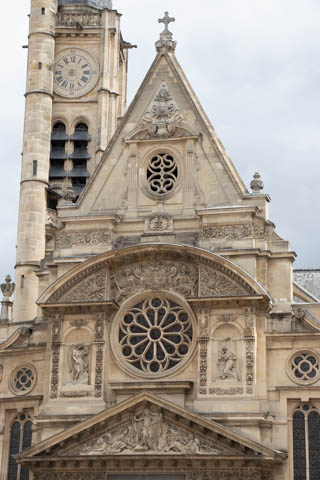
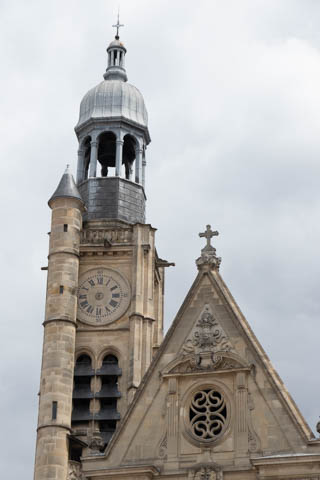
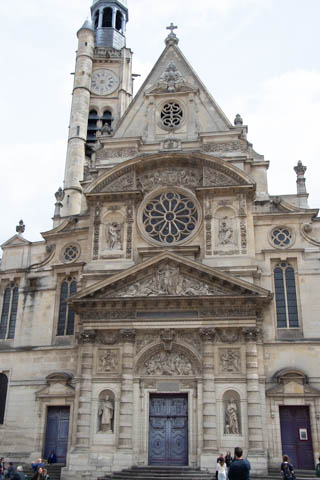
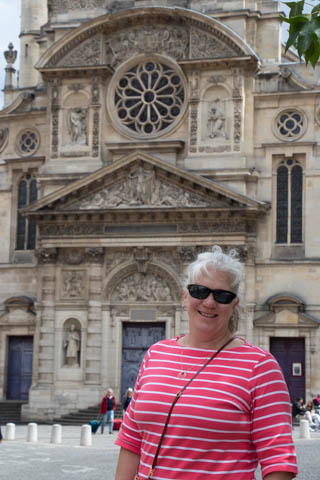
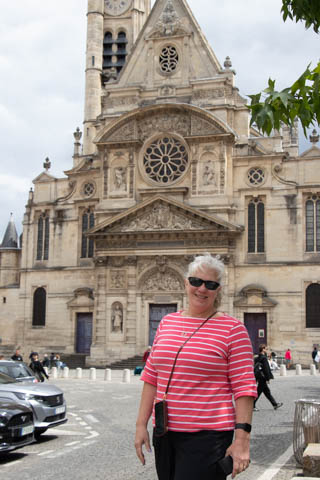
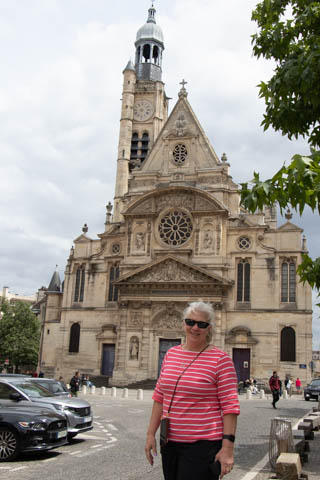
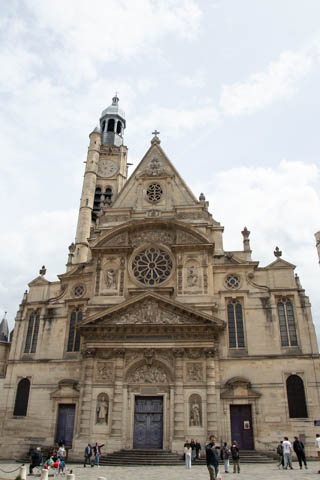
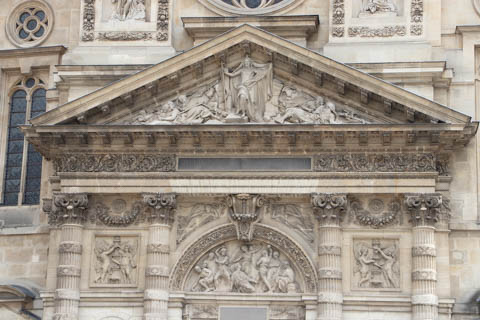
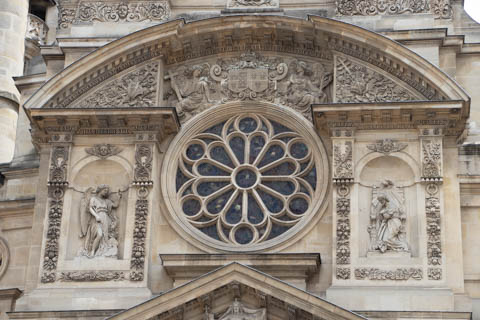
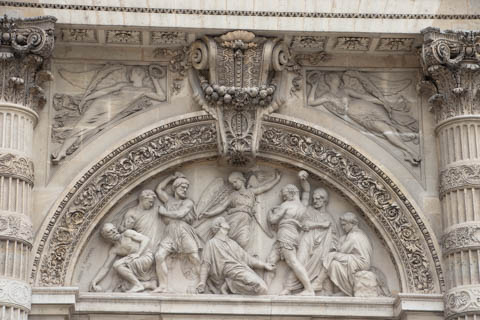
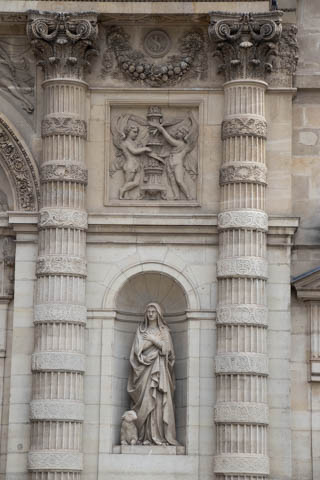
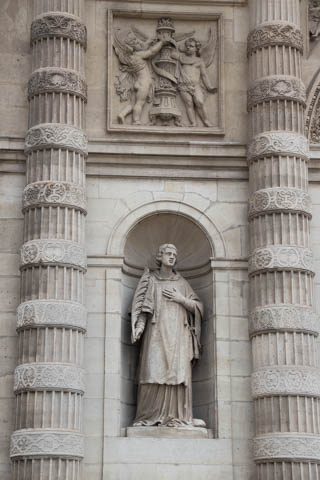
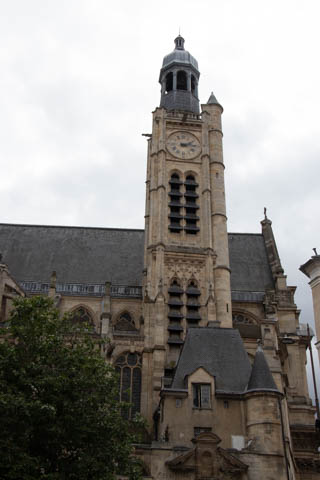
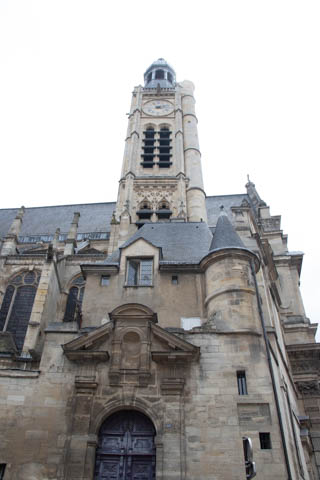
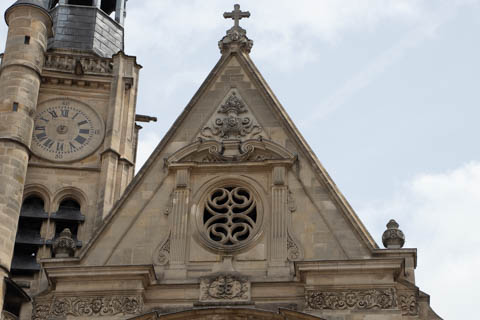
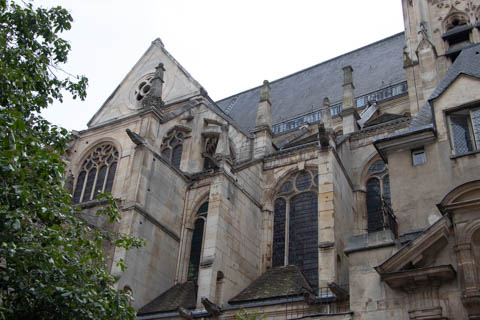
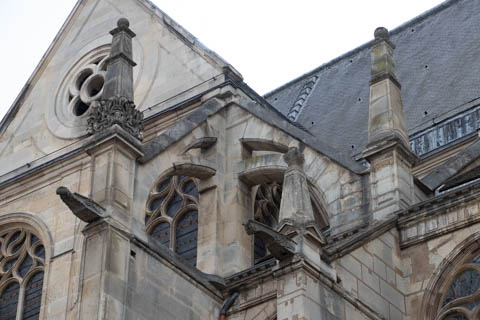
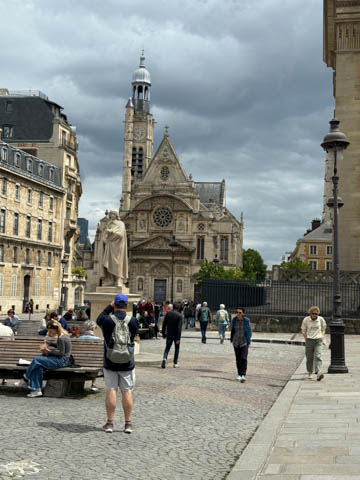
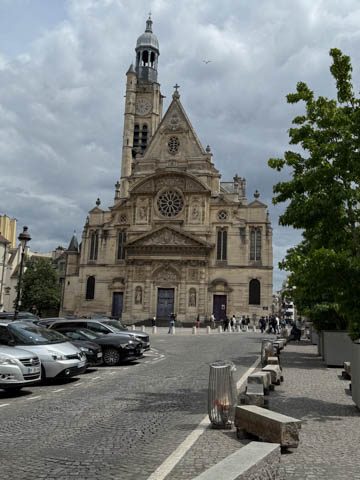
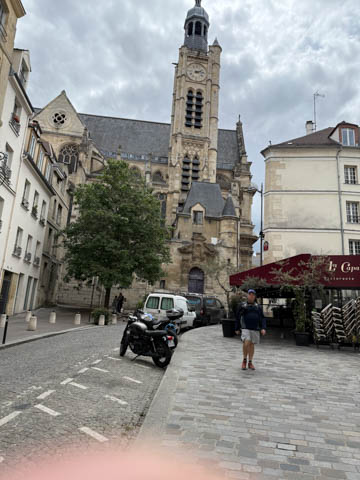
Behind the Pantheon is the Church of Saint-Étienne-du-Mont
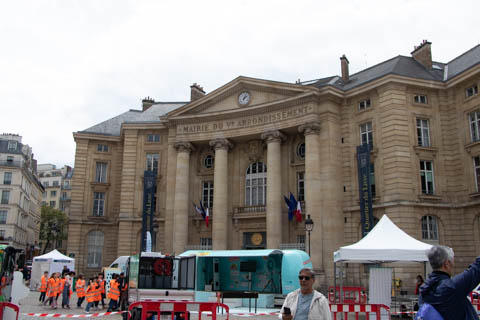
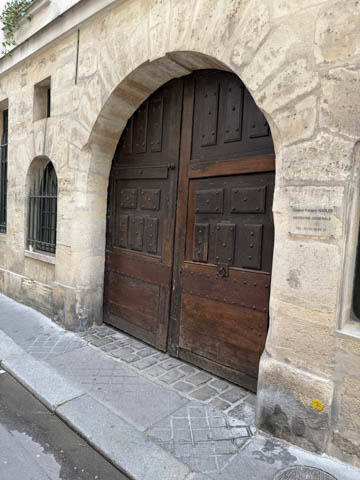
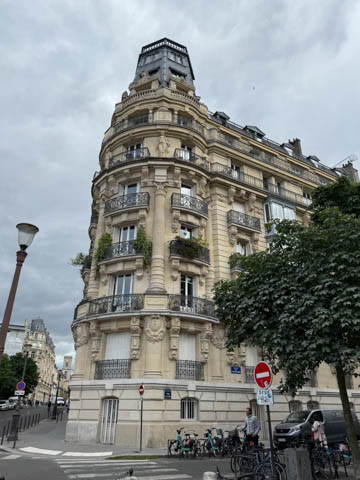
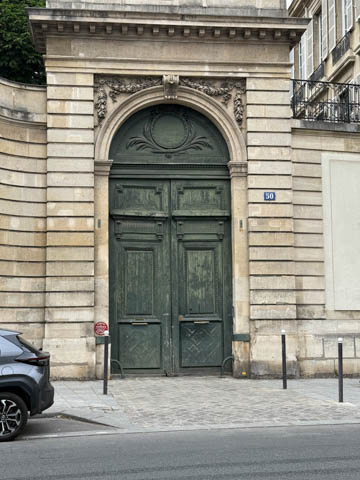
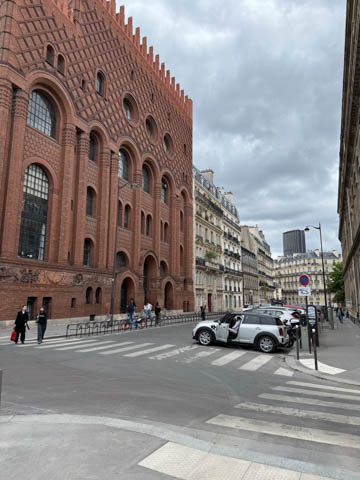
Some interesting architecture and art along the way.
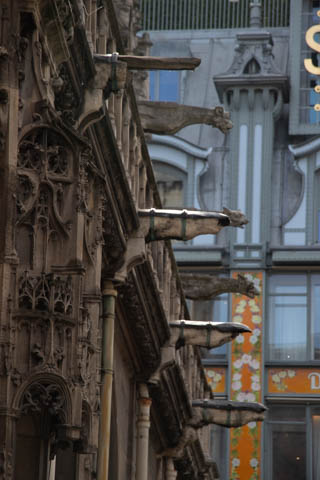
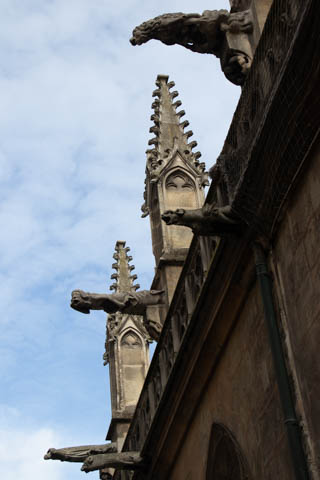
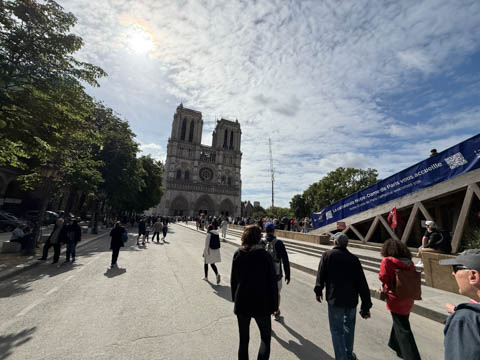
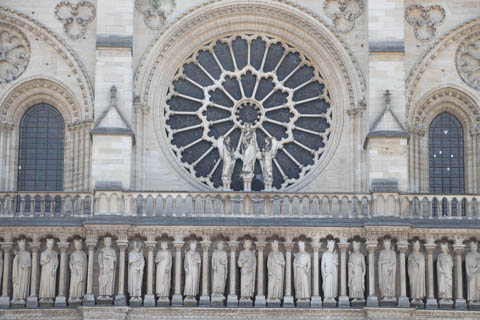
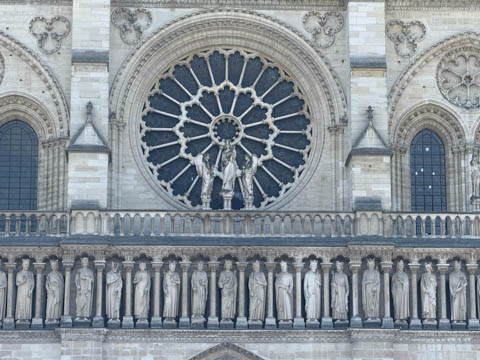
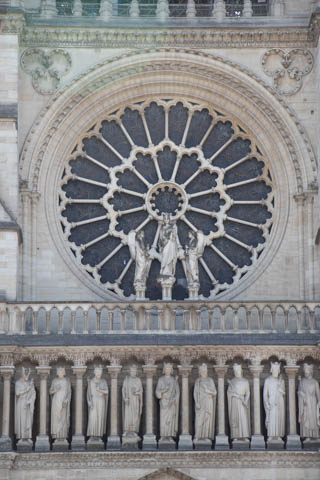
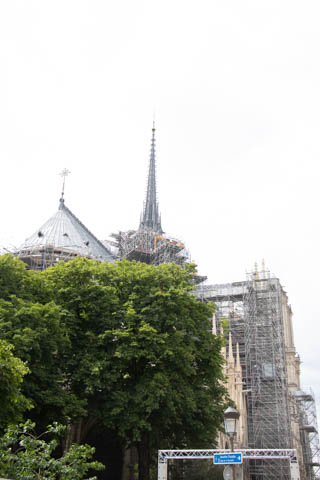
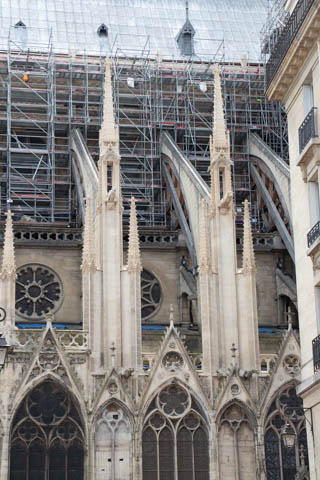
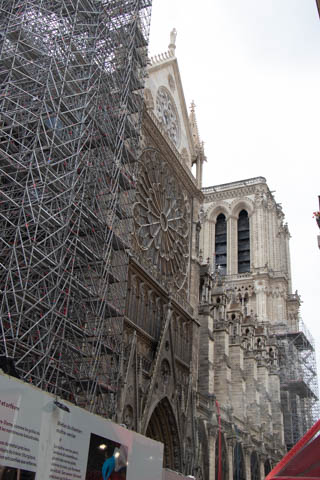
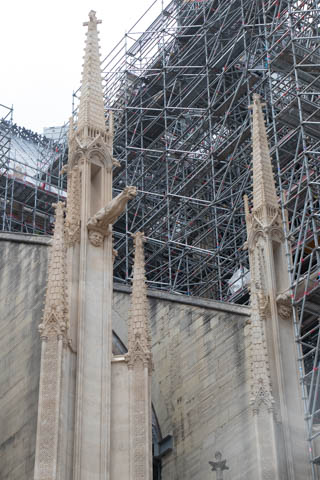
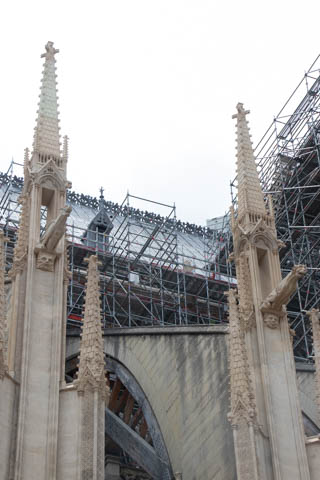
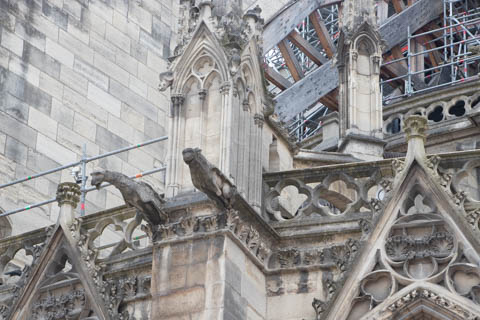
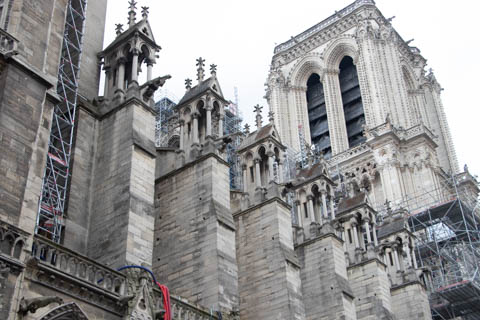
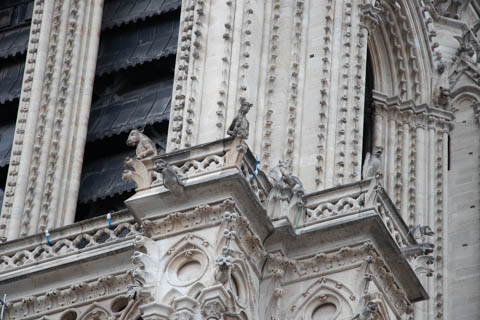
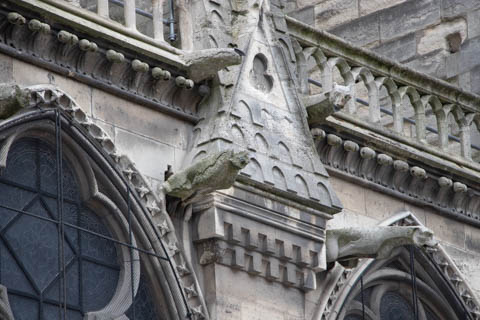
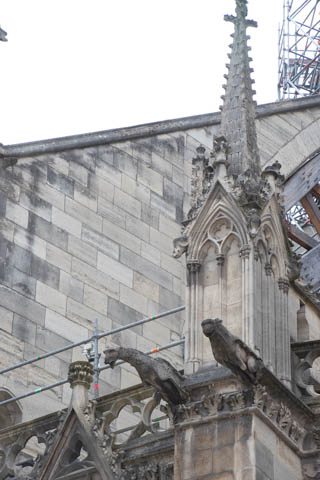
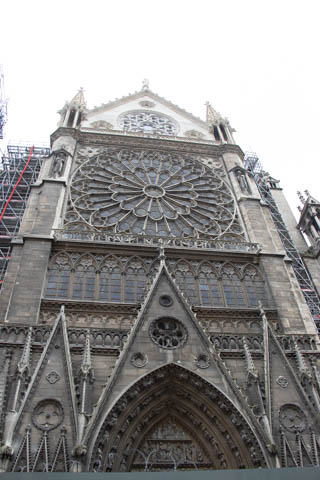
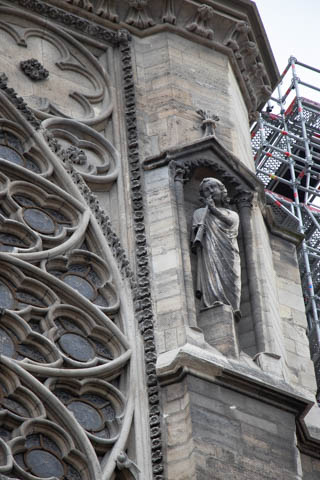
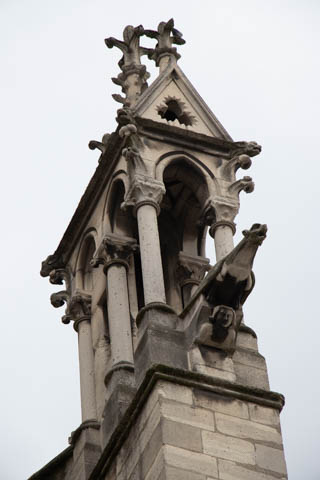
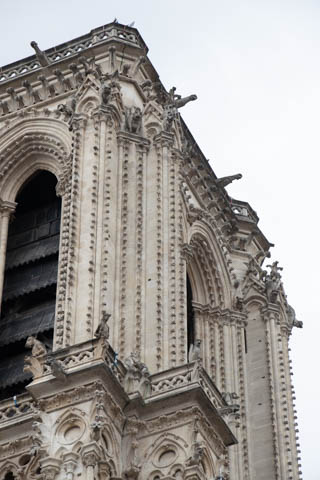
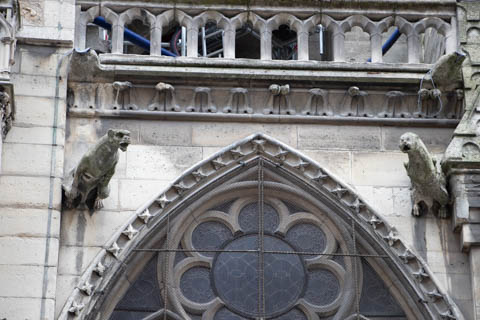
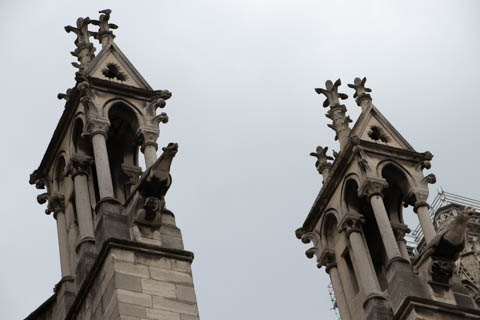
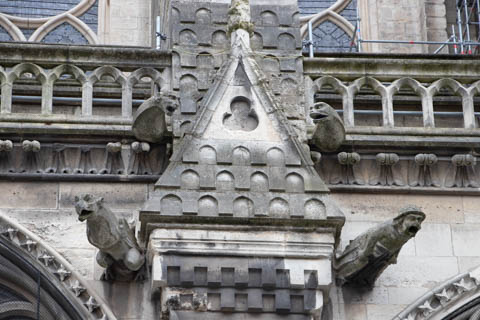
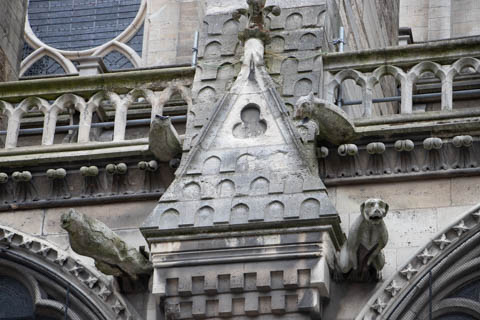
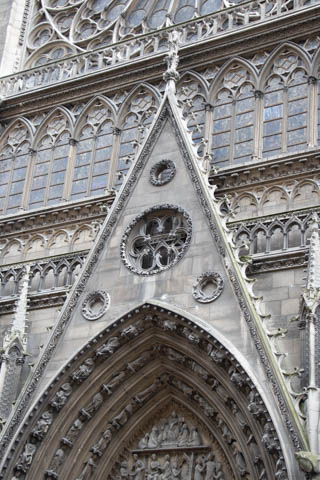
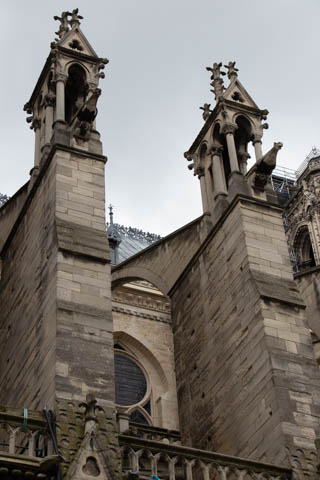
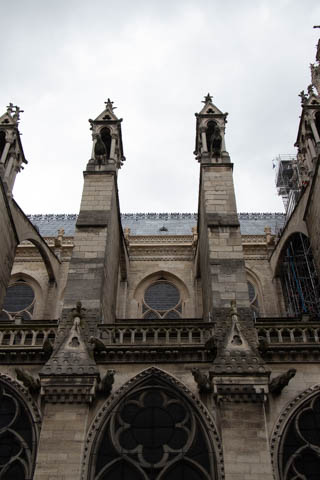
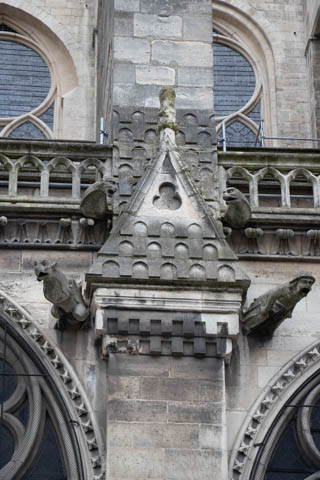
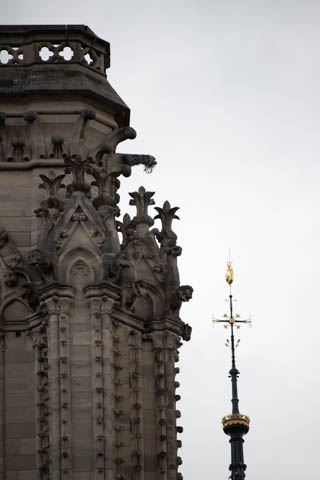
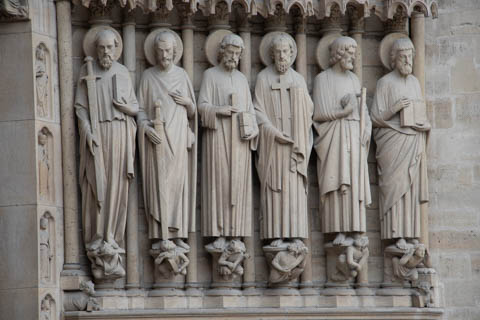
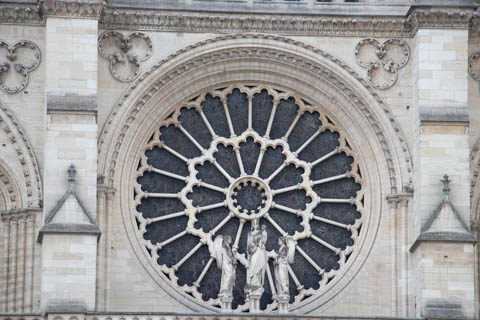
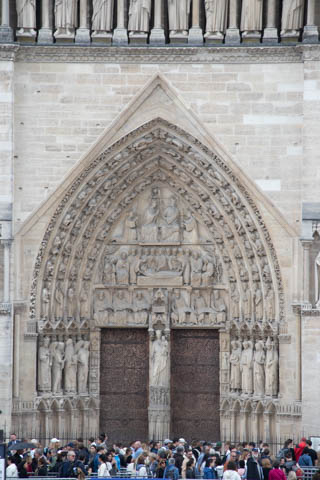
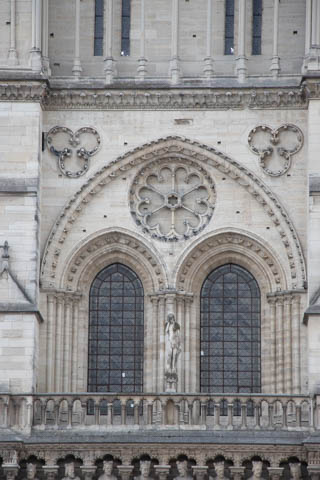
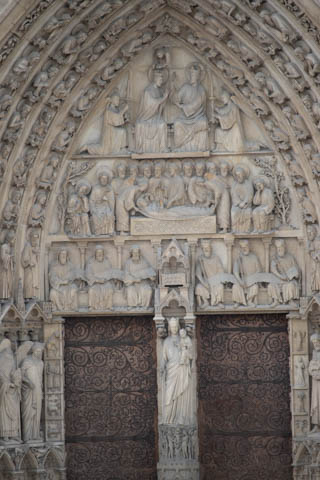
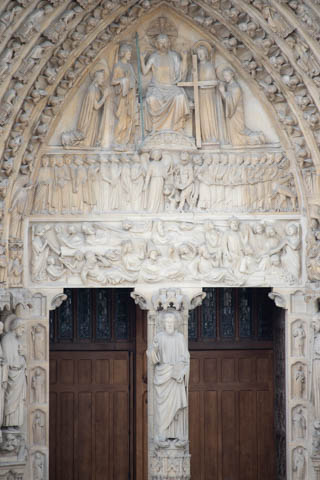
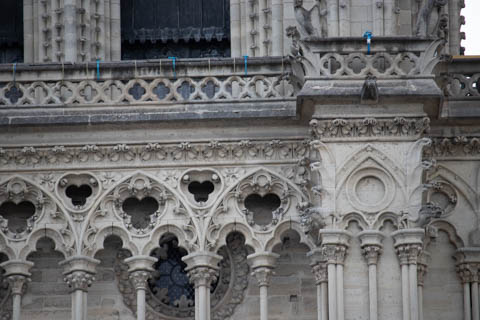
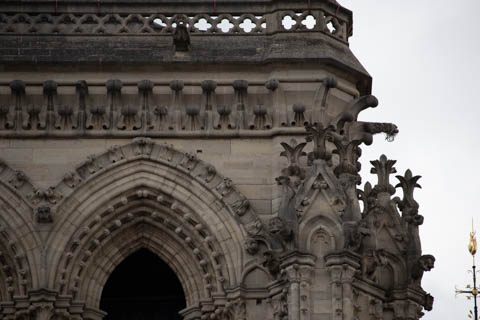
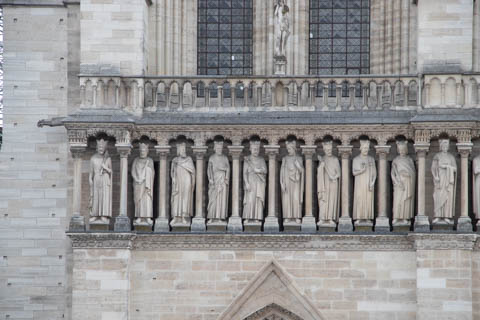
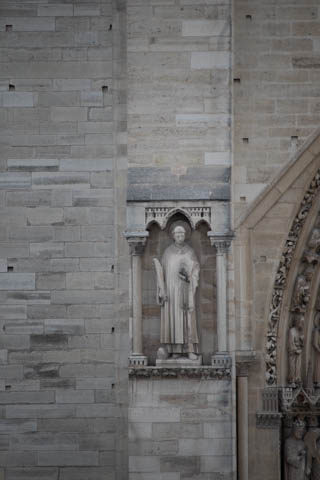
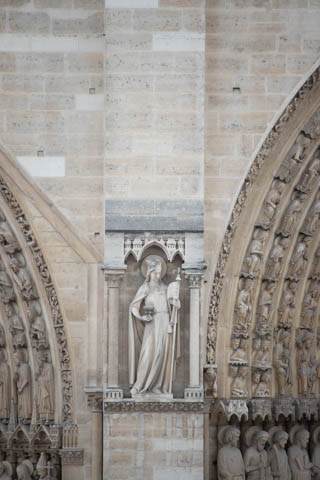
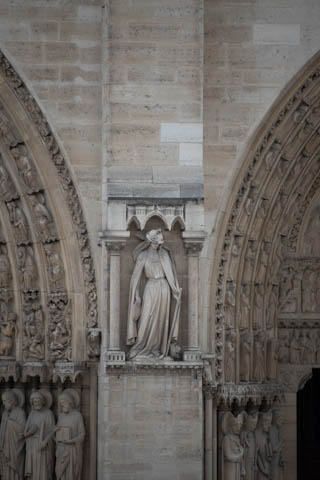
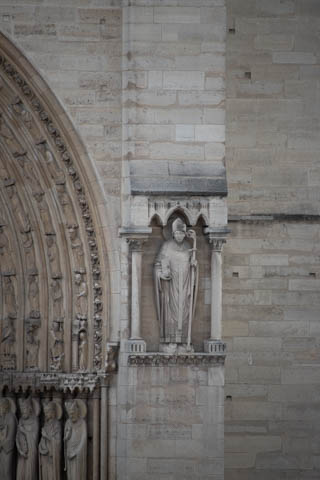
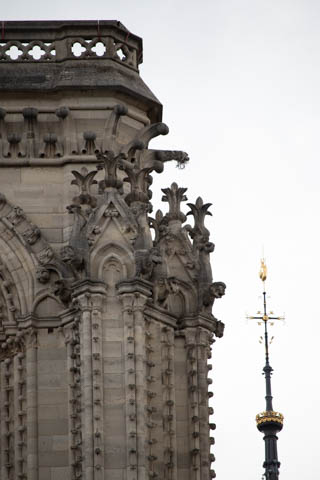
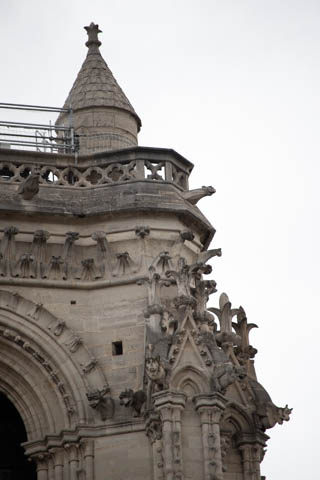
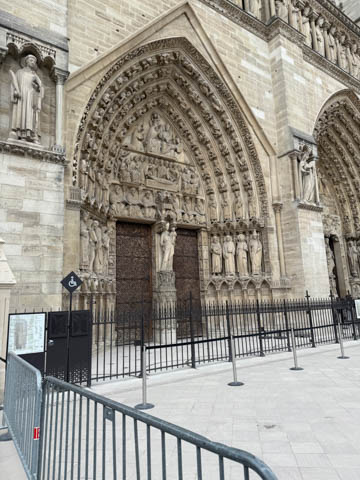
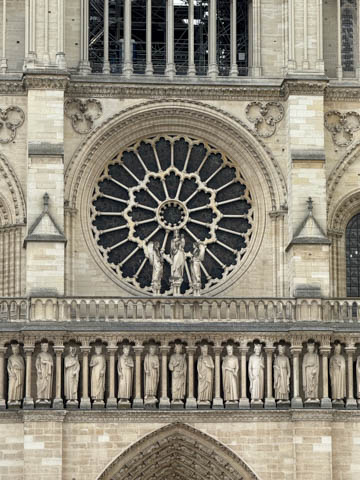
We eventually made our way back to Notre-Dame. Simply too many things to take pictures of ... gargoyles, statues, windows, and the list goes on.
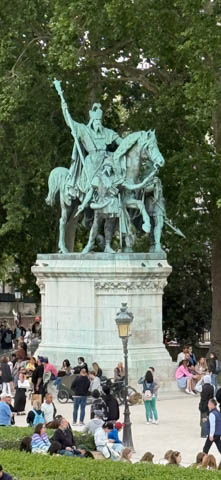
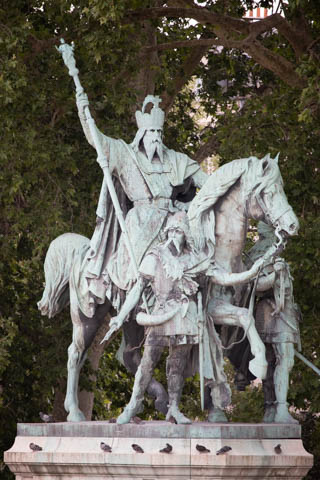
In the plaza is a Statue of Charlemagne et seus leudes (Charlemagne and his guards).
We finally made our way back to the Jardin du Luxembourge, to find Alexa happily sketching away and asking for even more time. So, we wandered in the other direction up the hill for another hour.
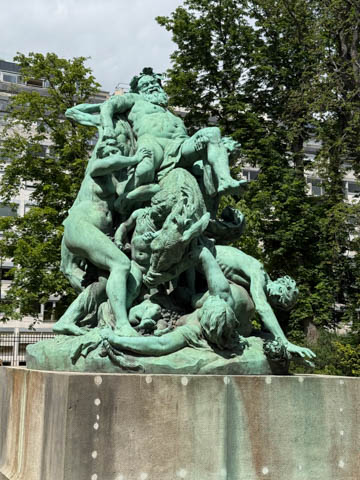
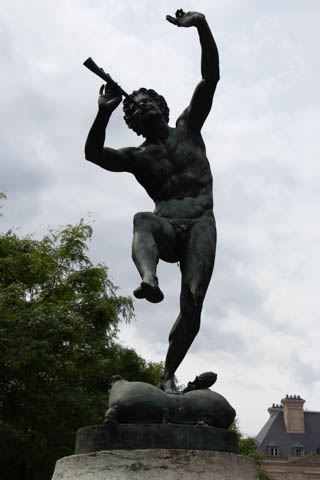
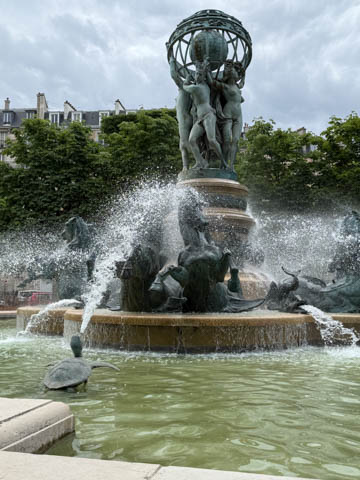
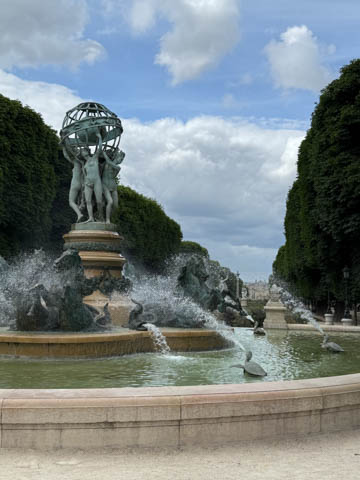
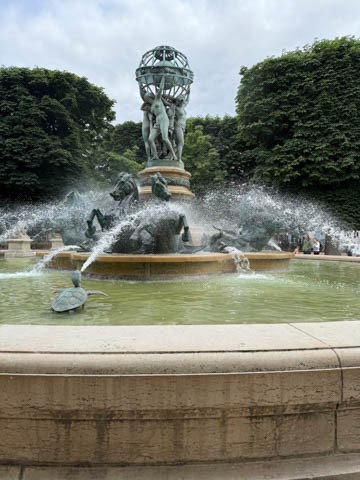
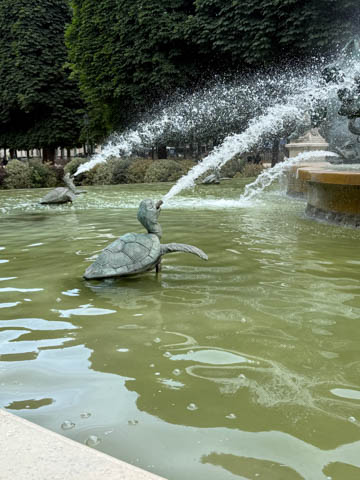
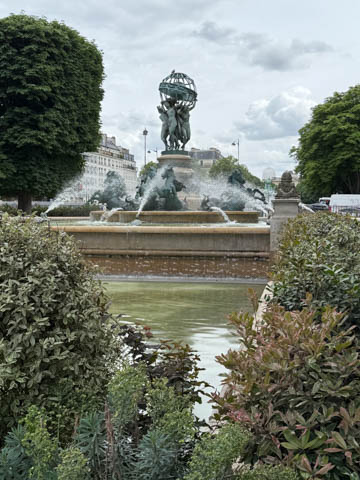
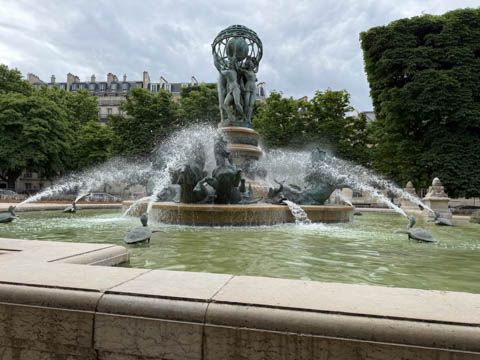
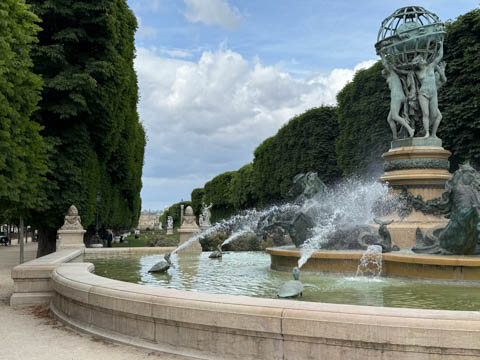
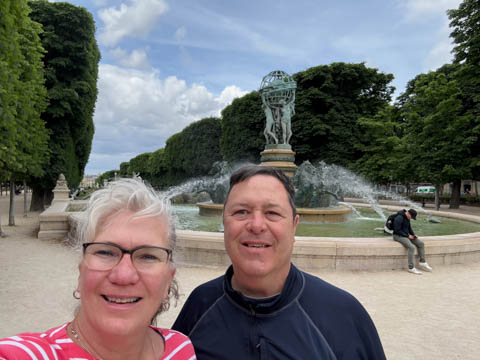
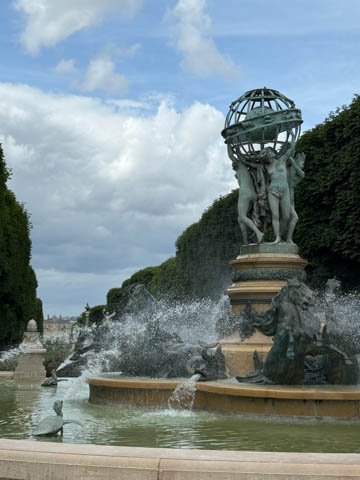
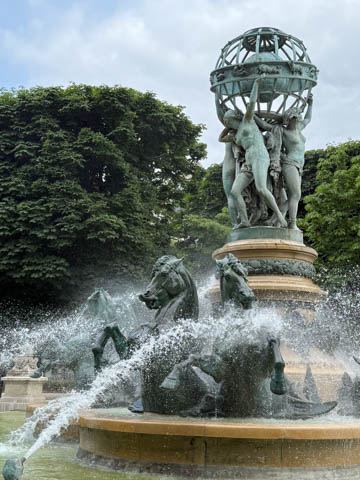
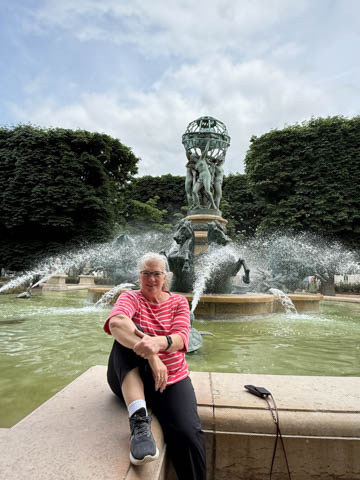
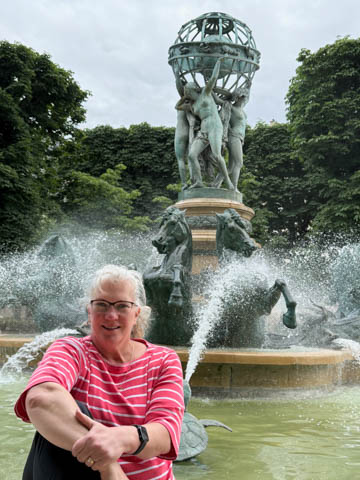
Fontaine des Quatre-Parties-du-Monde (Fountain of the Four Corners of the World).
Meanwhile, Cathy enjoyed her bus ride, which also went to the Jardin du Luxembourg (as one of their first stops).
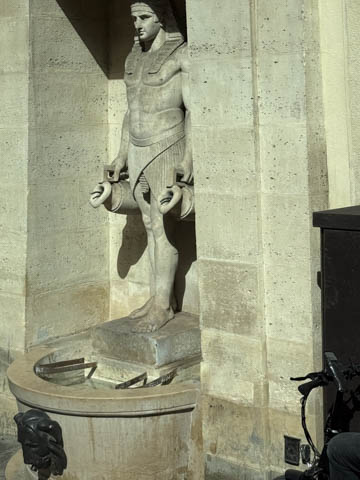
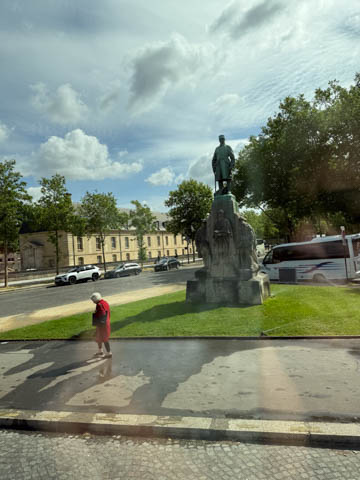
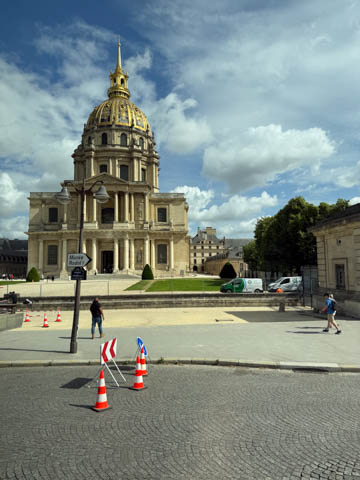
Hard to tell where their route took them after the Luxembourg. This is the Fontaine Egyptienne dite du Fellah (Egyptian Fountain known as the Fellah). This is a neo-Egyptian style fountain of an Egyptian peasant, or "fellah", commissioned in 1806 by Napoleon Bonaparte as one of fifteen fountains built to commemorate his military campaigns and provide fresh water to the city. Next is the Statue of Marie Emile Fayolle, a French general during World War I who was named Marshal of France. This is across the street from the next image, the Saint-Louis-des-Invalides Cathedral, site of Napoleon's tomb.
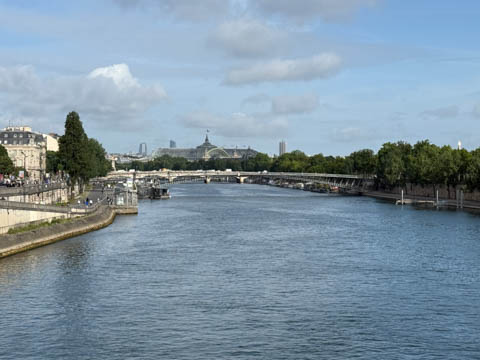
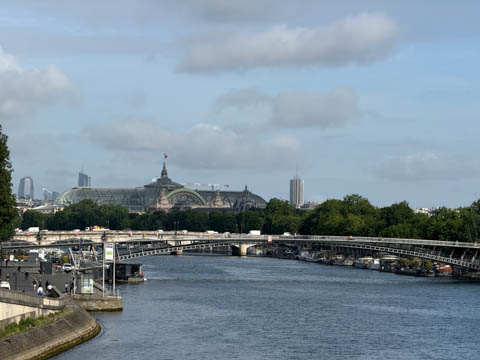
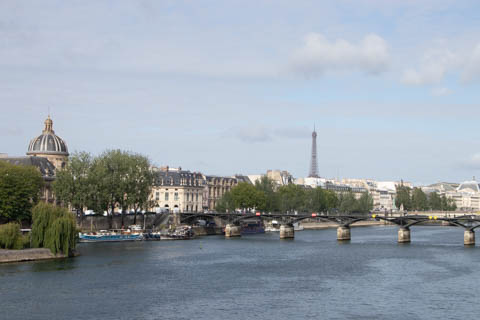
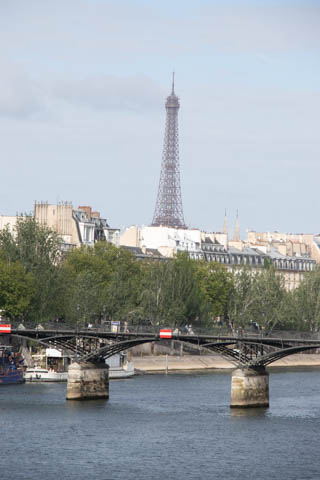
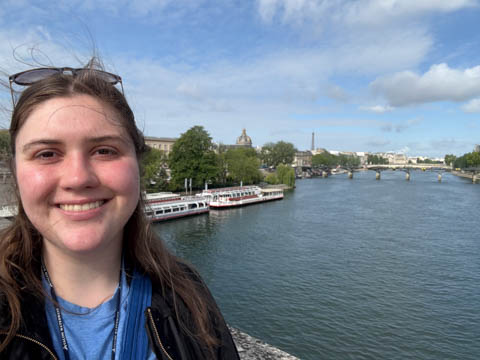
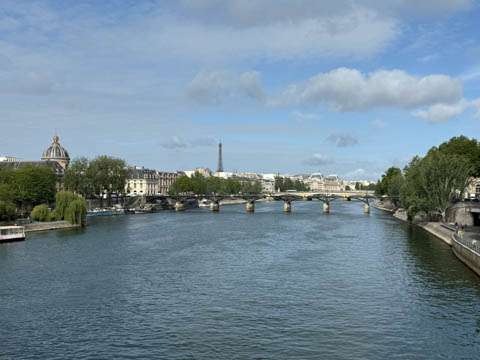
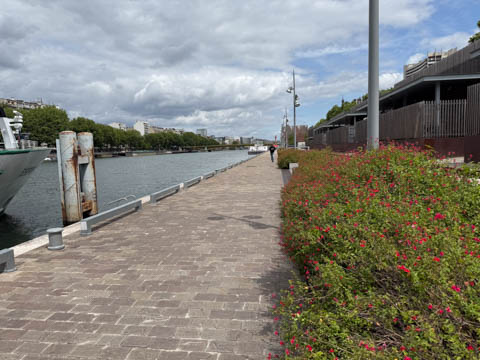
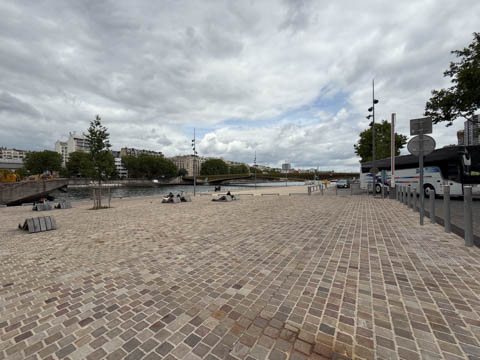
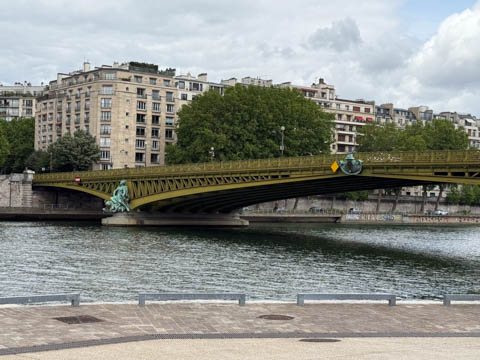
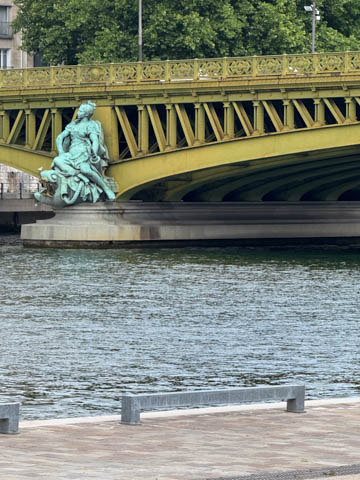
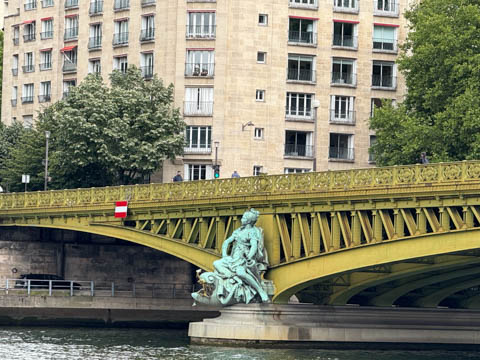
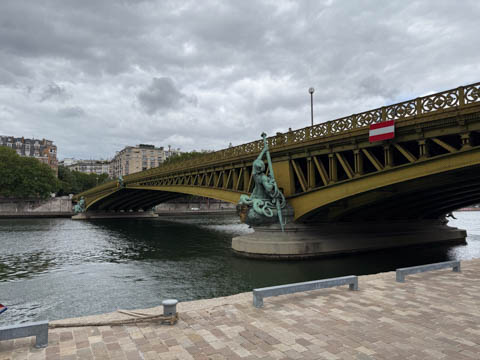
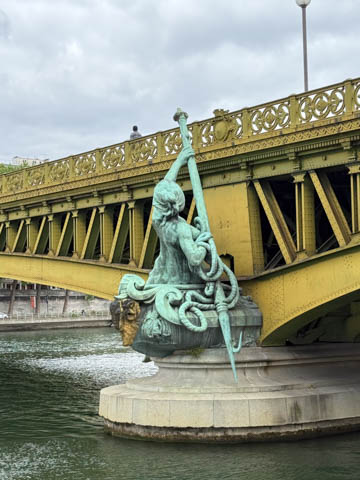
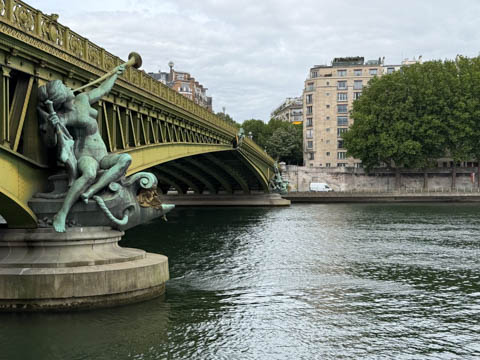
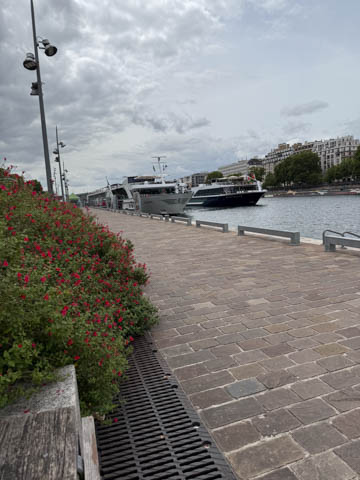
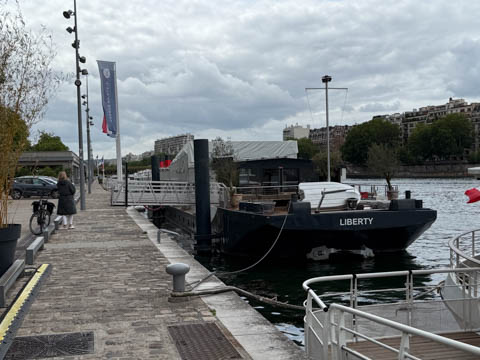
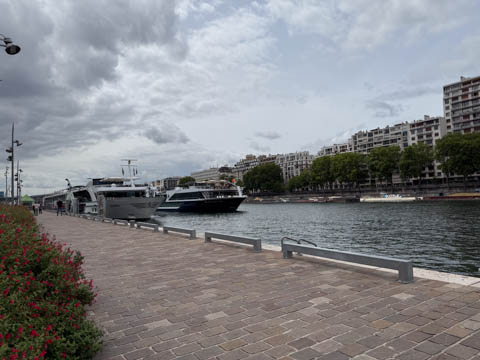
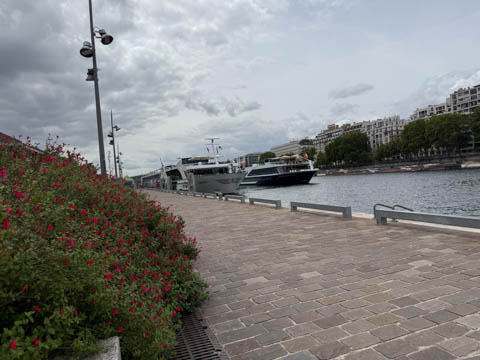
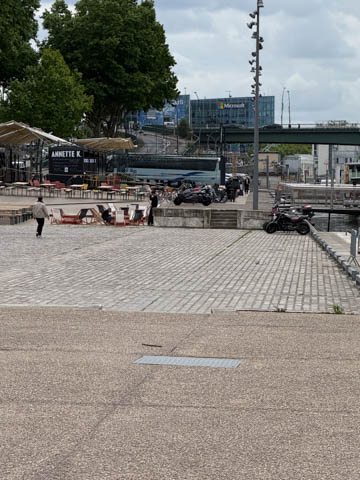
Back at the Seine, she took some images of the docks and nearby bridges.
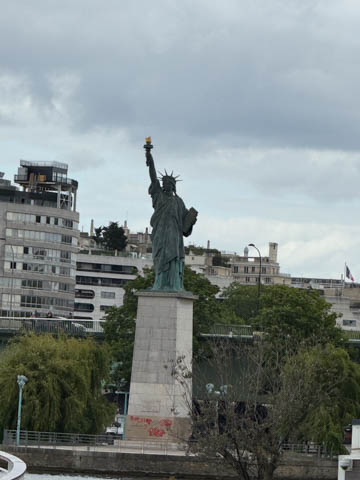
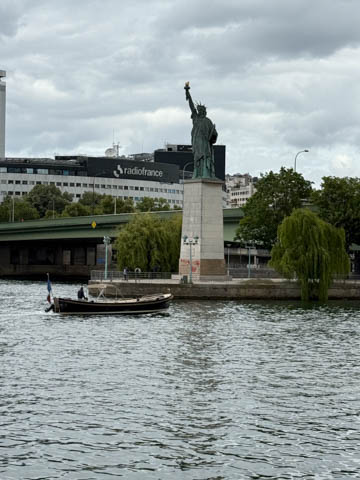
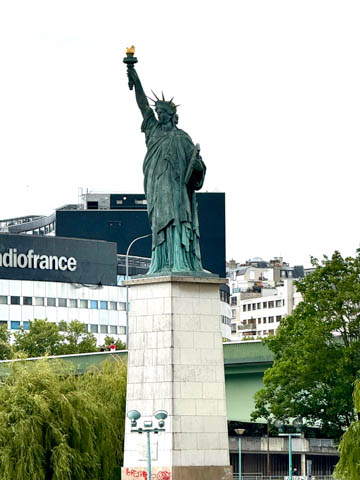
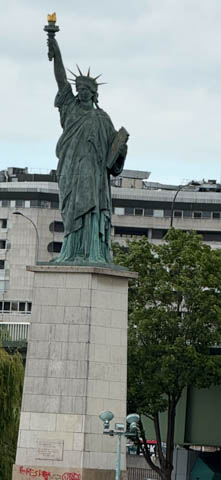
Nearby is the Statue of Liberty Paris.
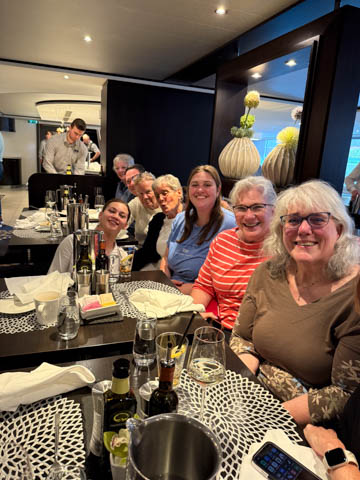
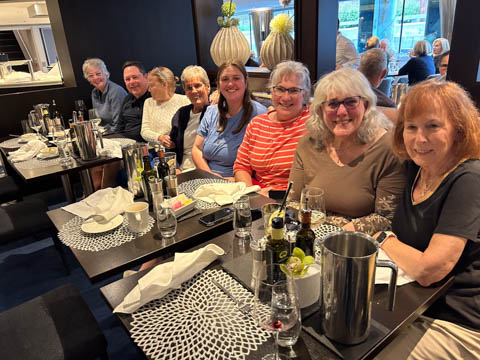
Took an image with some friends we met on the trip, along with our wonderful server.
|
|
|